10 COMMON MISTAKES IN DIY RAISED GARDENS
Raised bed gardening has become a staple for those looking to cultivate their own vegetables at home. With over 20 years of experience under my belt, I have seen my fair share of successes and failures in this gardening method. My husband, a talented builder, has crafted every raised bed we’ve used, spanning multiple gardens for both us and our clients. While this approach to gardening is my favorite, it does come with its own set of challenges.
Whether you are a novice gardener or have dabbled in the hobby for a while, being aware of common mistakes can save you time, effort, and money. I’m here to highlight the top ten pitfalls that gardeners often encounter with raised beds and how to avoid them effectively.
This article is also a chance for me to guide you in the right direction, helping you sidestep the frustration that often accompanies these common errors.
1. CHOOSING 1” THICK WOOD BOARDS FOR YOUR RAISED BEDS
One prevalent mistake is the choice of wood thickness when constructing raised beds. When navigating the lumber aisle, it might be tempting to select thinner boards to save on costs. However, this choice can lead to serious issues in the long run.
One-inch thick boards are particularly susceptible to warping, rotting, and breaking when subjected to pressure from the soil and plants. From personal experience, I learned that using thin cedar boards resulted in my raised beds deteriorating within just a couple of years. This was a costly lesson!
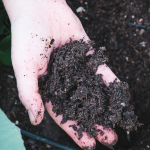
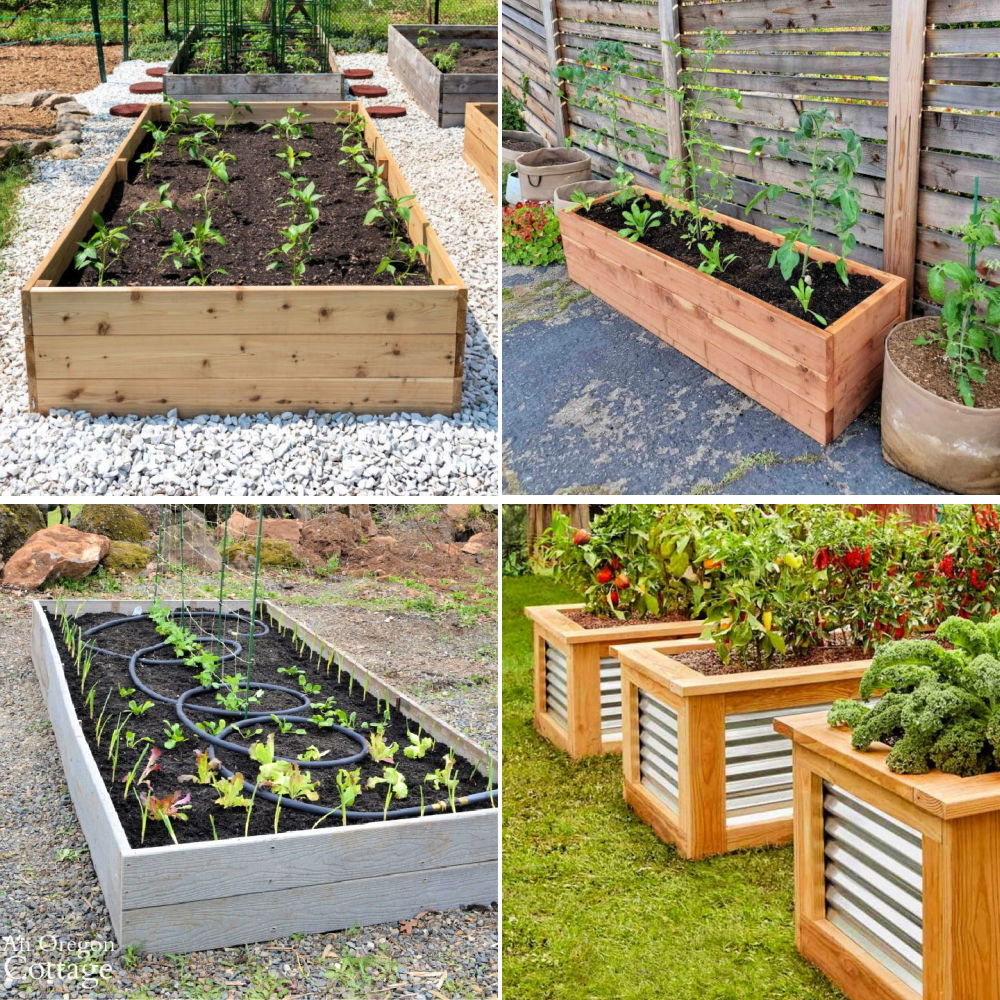
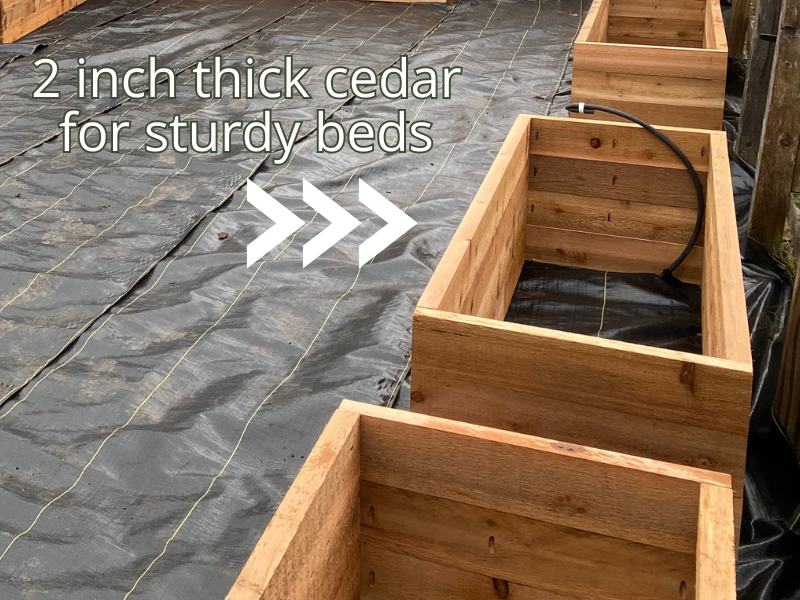
To ensure longevity and durability, it’s wise to invest in boards that are at least 2 inches thick. Opt for robust materials like cedar or redwood, which are naturally resistant to rot and will stand the test of time. If you prefer a sleeker profile, consider steel beds as an alternative. Brands like Vego Garden Beds or Steel Raised Bed Garden Kits can provide excellent options.
2. CONSTRUCTING RAISED BEDS WITH RAILROAD TIES
While railroad ties may appear to be durable and sturdy, they can be detrimental to your garden and even pose health risks. The primary concern lies in the treatment process of these ties, which often involves creosote, a hazardous chemical that can leach into the soil.
This contamination can affect not only your plants but also your health when consuming contaminated crops. It’s best to steer clear of railroad ties and instead use untreated or naturally rot-resistant woods like cedar. If you find that cedar is beyond your budget, concrete blocks can serve as a suitable substitute.
Always ensure that you’re using new materials. If you are unsure of the history of a particular item, it’s safer to assume it may have been treated with harmful chemicals that you definitely don’t want in your vegetable garden.
3. CUTTING CORNERS ON SOIL QUALITY
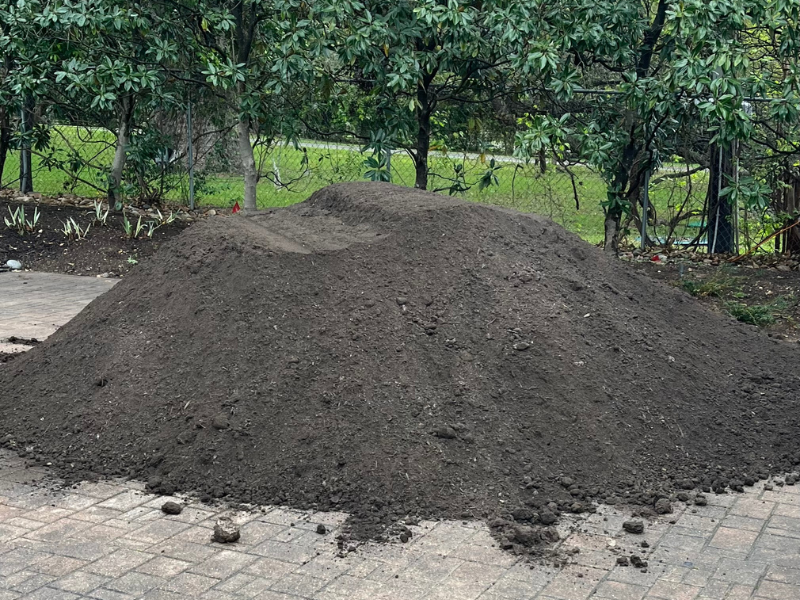
The quality of the soil you use for your raised beds can make or break your gardening success. Many gardeners are tempted to fill their beds with cheap or free soil, but this can lead to disappointing harvests.
Inferior soil often lacks essential nutrients needed for healthy plant growth and may even contain undesirable debris. In my experience, this is a frequent issue with many clients’ gardens, requiring us to invest time and resources into rebuilding a healthy organic soil base.
To give your plants the best possible start, create a premium soil blend composed of compost, quality garden soil, and organic matter. Although it may require a higher initial investment, remember that compromising on soil is not advisable if you want thriving plants.
4. CRAMMING YOUR RAISED BEDS TOO CLOSE TOGETHER
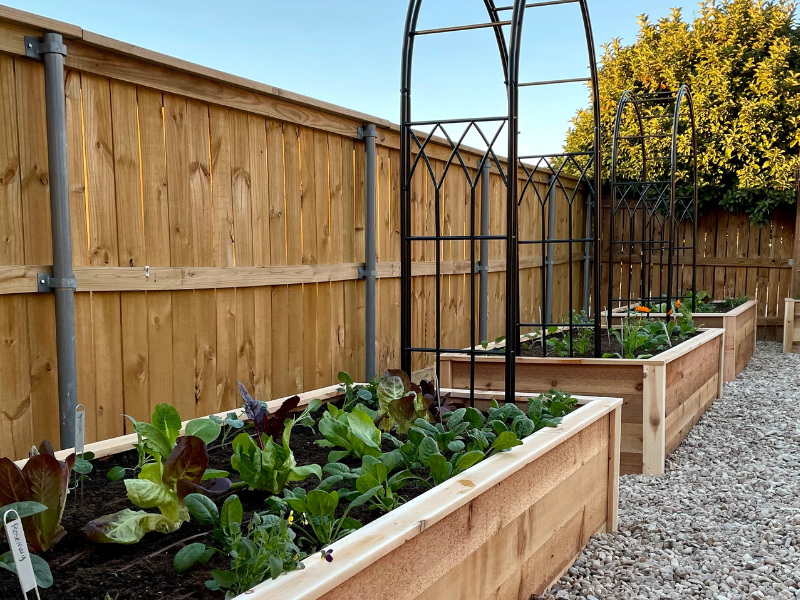
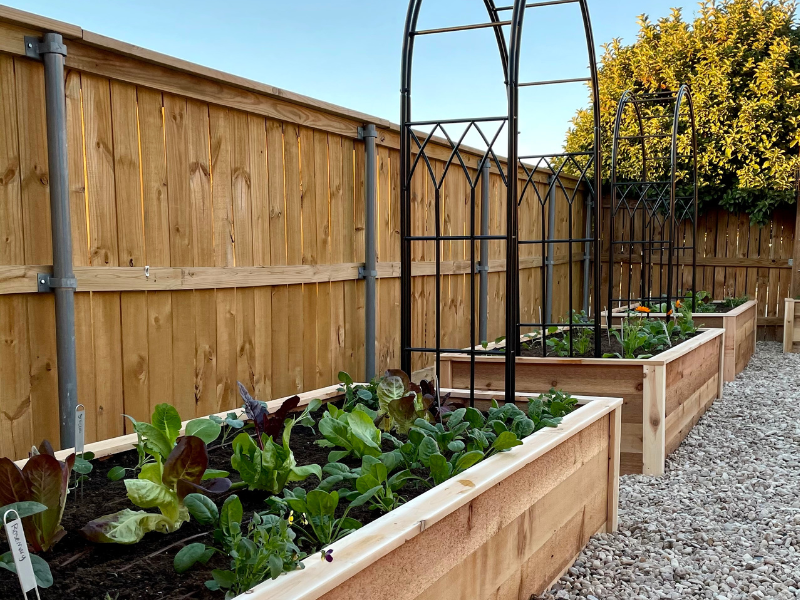
Proper spacing between raised beds is vital for accessibility and maintenance. When beds are positioned too closely, it becomes difficult to reach plants, particularly when using large tools or wheelbarrows.
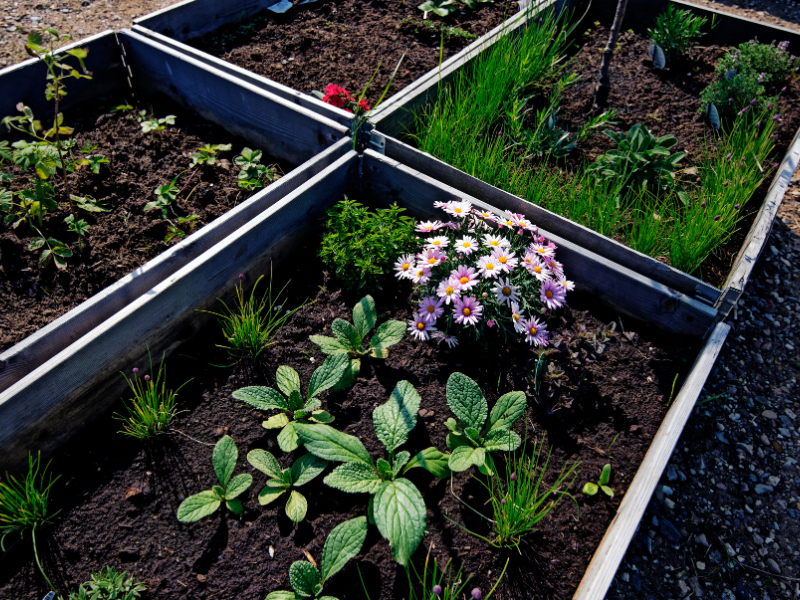
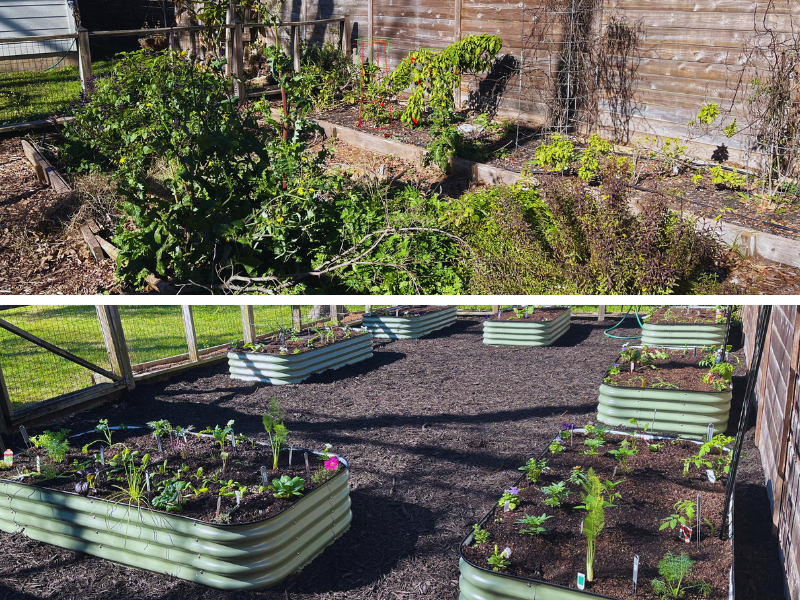
To avoid this issue, aim for a minimum of 3 feet between beds. This spacing allows you to comfortably navigate your garden and attend to your plants without feeling cramped. A well-structured layout not only benefits you but also promotes better air circulation and plant growth.
Consider the image in your mind of a cluttered garden versus one with ample space – the latter not only looks more appealing but also enhances the overall gardening experience. Ensuring adequate space will allow you to manage your plants effectively, leading to a more fruitful yield.
5. FAILING TO LEVEL YOUR RAISED BEDS
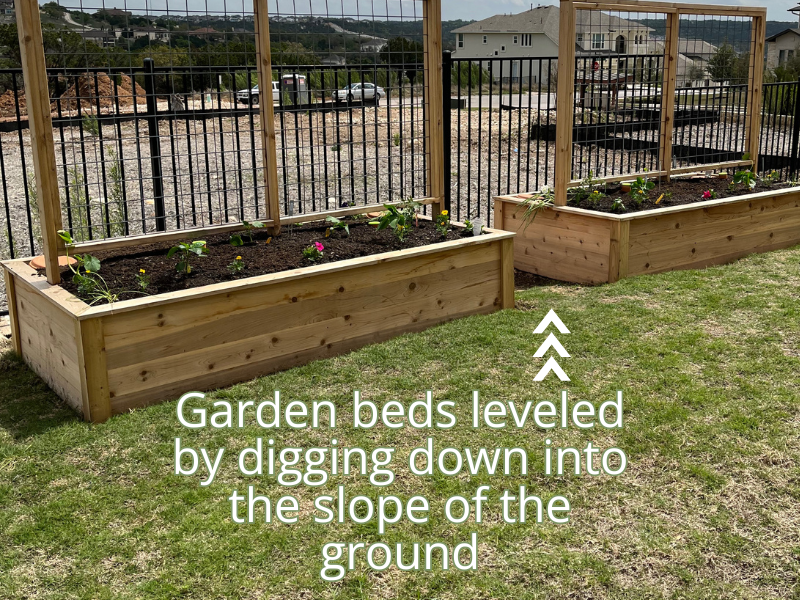
In the excitement of building raised beds, it’s easy to overlook the importance of leveling them. Uneven beds can result in poor drainage, uneven growth, and soil erosion, which can severely impact the health of your plants.
Take the time to properly level your beds during installation. Use gravel or paver sand to fill in low spots or excavate soil where necessary. Investing this time upfront will prevent the frustration of losing valuable soil and plant health later on.
Remember, you want to create a stable and conducive growing environment for your plants. Proper leveling will ensure that your hard work pays off in the form of healthy, flourishing vegetables.
6. PLACING BEDS IN A SHADY LOCATION
Sunlight is a critical factor for most vegetable crops, and placing raised beds in shaded areas can hinder their growth. A common mistake is underestimating the amount of sunlight your plants will require.
Make sure to select a sunny location for your raised beds that receives at least 6-8 hours of direct sunlight each day. However, if you find that shade is unavoidable in your garden space, you can still grow vegetables; just focus on shade-tolerant options such as herbs and leafy greens.
Understanding your garden’s sunlight exposure is essential for successful vegetable gardening. By choosing the right location, you can ensure your plants receive the energy they need to thrive.
7. BUILDING RAISED BEDS TOO WIDE
While the idea of large raised beds may seem appealing for maximizing growing space, larger is not always better. I’ve witnessed many gardeners install raised beds that are far too wide, making maintenance and harvesting a daunting task.
Most people can comfortably reach a couple of feet into a bed. If your raised bed exceeds this width, accessing the plants in the center can become a challenge, especially if the bed is against a wall or fence.
A good rule of thumb is to keep your raised beds no wider than 4 feet. If you can only access one side, limit the width to 3 feet to ensure you can reach all your plants without stepping into the bed and compacting the soil.
8. MAKING BEDS TOO SHORT
Another common misstep is constructing raised beds that are too shallow. Many new gardeners opt for beds that are only as tall as the width of a single board to save on both lumber and soil costs. However, this approach undermines the benefits of raised bed gardening.
For optimal growth, raised beds should ideally be at least 10 inches tall, with 12 inches or more being preferable. Taller beds enhance root space for plants and improve drainage, making it easier to care for your garden.
Additionally, taller beds can alleviate strain on your back and knees, making gardening a more enjoyable experience. Investing in a proper height will pay off with healthier plants and an easier gardening process.
9. FORGETTING TO PLAN FOR IRRIGATION OR WATERING
Watering is a crucial aspect of vegetable gardening that can be easily overlooked. Many gardeners fail to consider how they will provide water to their raised beds, which can lead to difficulties later in the season.
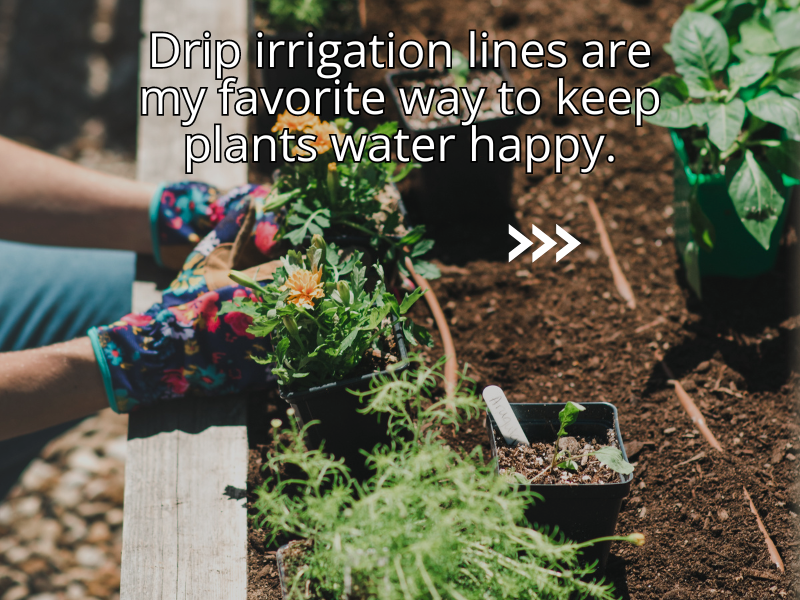
Whether you choose to implement a drip irrigation system or use a soaker hose, it’s essential to plan for your watering needs from the outset. This proactive approach will save you the hassle of manually watering during the hotter months.
If your garden is situated far from a water source, you may need to rethink its location to ensure convenient access to water. By planning ahead, you can ensure your plants receive the hydration they need to thrive.
10. MISSING OUT ON SPACE-SAVING VERTICAL GARDENING WITH TRELLISES
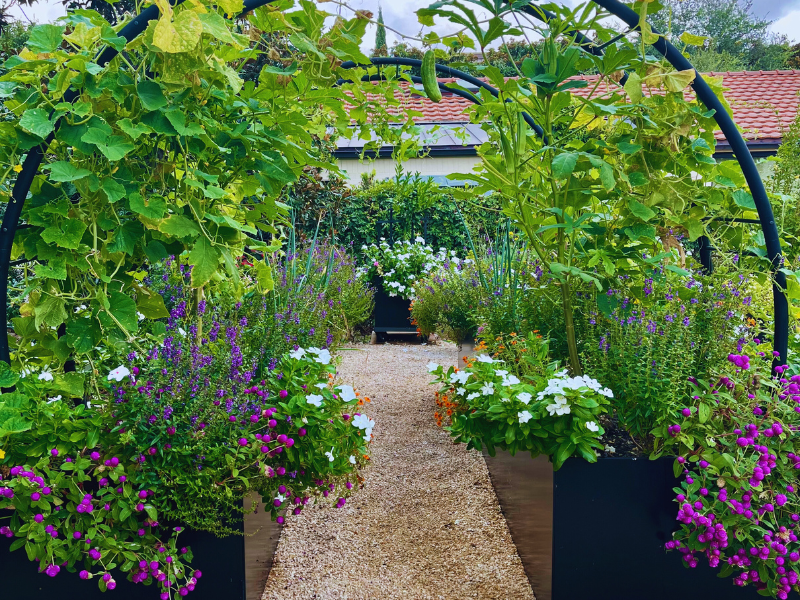
Many gardeners overlook the advantages of vertical gardening by not incorporating trellises into their raised beds. Utilizing vertical space effectively allows for the growth of vining plants like cucumbers, peas, and tomatoes without consuming valuable surface area.
Incorporating trellises not only maximizes space but also improves air circulation around your plants, making harvesting easier. By thinking vertically, you can vastly expand your gardening capabilities and yield.
Embracing vertical gardening can transform your raised beds into thriving ecosystems, allowing you to grow more in less space. Don’t underestimate the power of trellises in your garden design.
What to Do Instead:
There you have it—ten common mistakes that can easily be avoided with a bit of foresight and planning. Each of these pitfalls can lead to unnecessary frustrations, and I’ve certainly made my share of errors over the years.
By steering clear of these mistakes, you can create a beautiful, productive garden space that will thrive for years to come. In the end, you will save yourself time, money, and a great deal of aggravation.
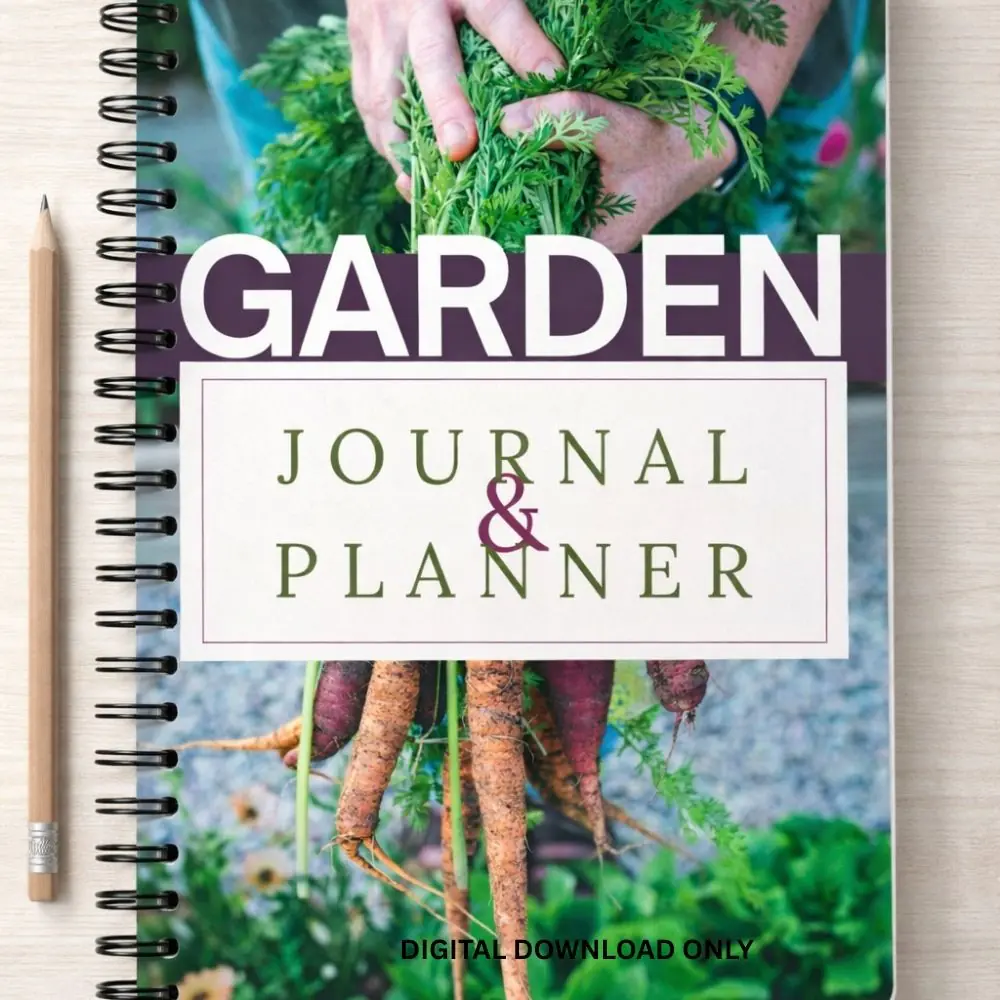
LETTUCE GROW SOMETHING PLANNER AND JOURNAL
To simplify your gardening journey, consider utilizing a garden planner and journal that can help streamline your planning process. This tool can aid you in organizing your thoughts, tracking your progress, and ensuring that your garden remains on the right path each year.
With the right planning, you can take the guesswork out of gardening and focus on what truly matters – enjoying the fruits of your labor. Happy gardening!