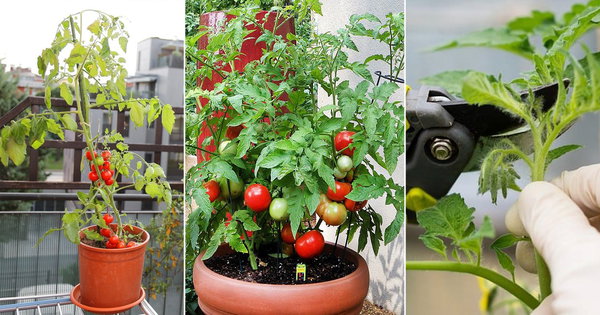
Growing tomatoes in containers is an excellent solution for those with limited space who still want to enjoy homegrown tomatoes. With the right approach, you can achieve a fruitful harvest even in the smallest of gardens. This guide provides you with the essential tips for successful tomato cultivation in pots!
Want to know details about Growing Tomatoes in Pots? Here are the best Tomato Growing Tips for Containers for bumper harvest!

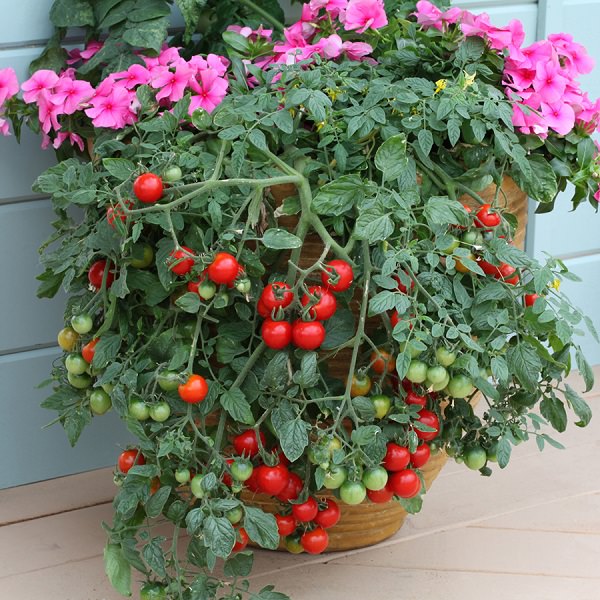
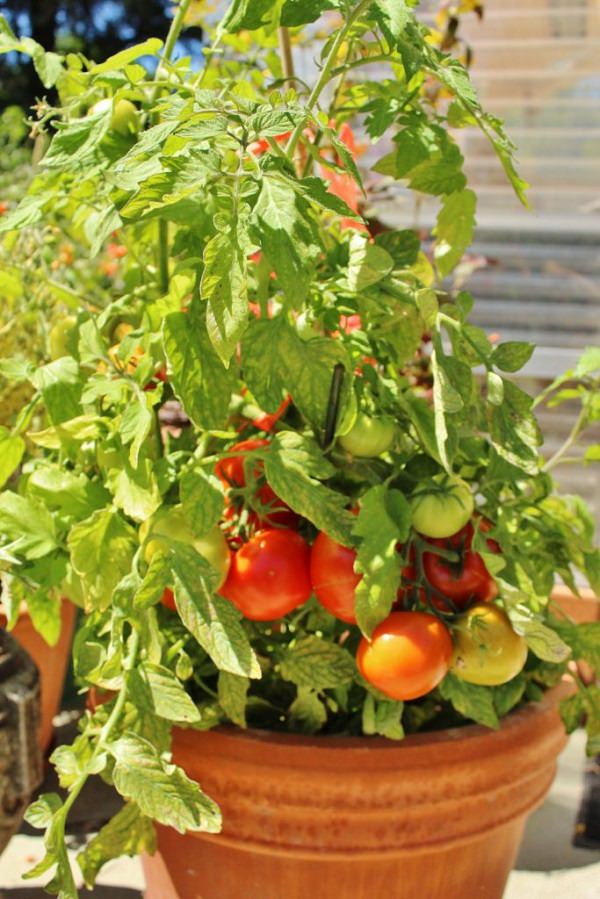
When it comes to growing tomatoes in pots, knowledge is power! Understanding the specific needs of tomato plants can make a significant difference in your gardening success. The key is to provide them with the right environment, proper care, and attention to detail. By following these expert tips, you can ensure that your tomato plants flourish and produce an abundant crop.
Tomatoes are relatively easy to grow, but they do require some special considerations when cultivated in containers. Factors such as sunlight, pot size, soil quality, and watering techniques are crucial for their success. This guide will cover all these aspects and more, helping you create the perfect conditions for your tomato plants.
Whether you’re growing cherry tomatoes or large beefsteak varieties, each type has its own unique requirements. It’s essential to familiarize yourself with these differences to choose the best varieties for your container garden. So let’s dive into the best practices for growing tomatoes in pots!
Best Tips on Growing Tomatoes in Pots
Growing tomatoes in containers can be a rewarding experience, and with these best tips, you’ll be well on your way to cultivating a thriving tomato garden. From selecting the right location to managing pests, each aspect plays a vital role in your gardening journey. Here’s what you need to know!
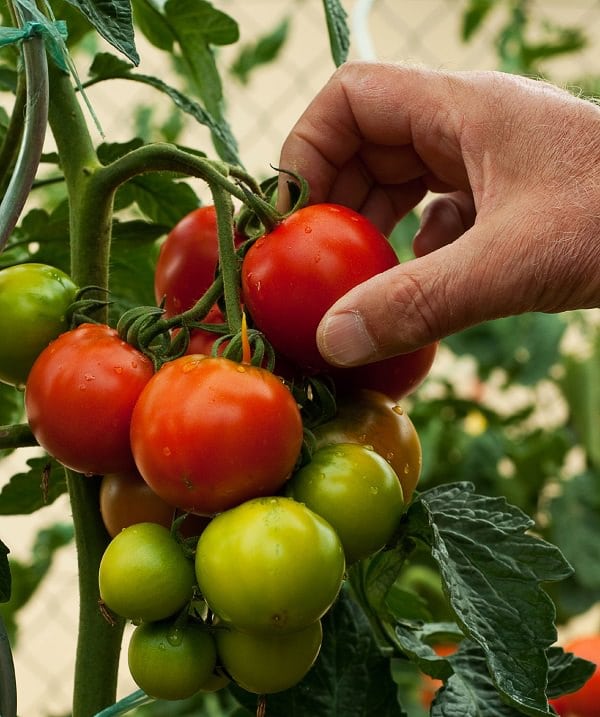
1. Choose an Ideal Location
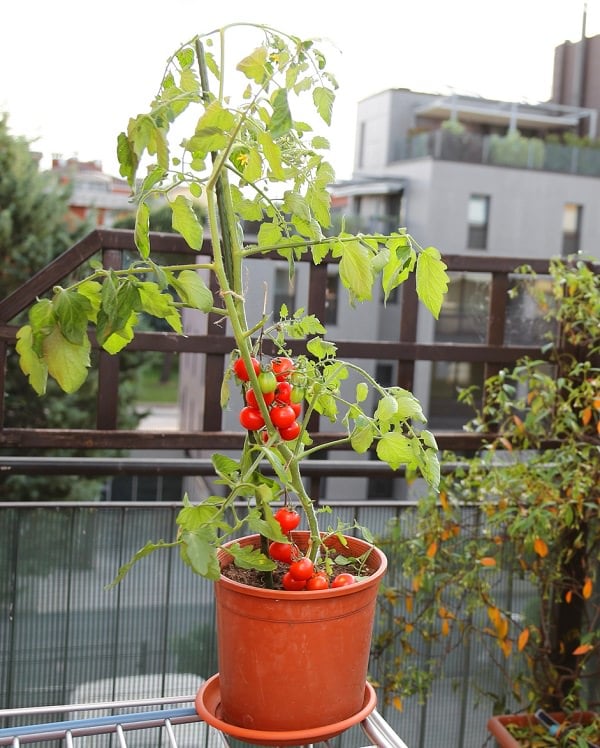
Finding the right location for your tomato pots is crucial for their growth. Ideally, you want a spot that receives at least six hours of direct sunlight each day. Sunlight is essential for photosynthesis, which helps your plants produce energy and, ultimately, fruit.
Consider placing your pots in a south-facing area, where they will benefit from maximum sunlight exposure. If you have limited space, even a balcony or patio can work as long as it receives ample sunlight. Additionally, ensure that your pots are not overcrowded to allow air to circulate freely around the plants, reducing the risk of fungal diseases.
Remember that tomatoes thrive in warm conditions, so avoid placing them in shady spots or areas prone to cold drafts. A well-lit and sheltered location will foster a healthy growth environment for your tomato plants.
2. Consider the Type of Pots
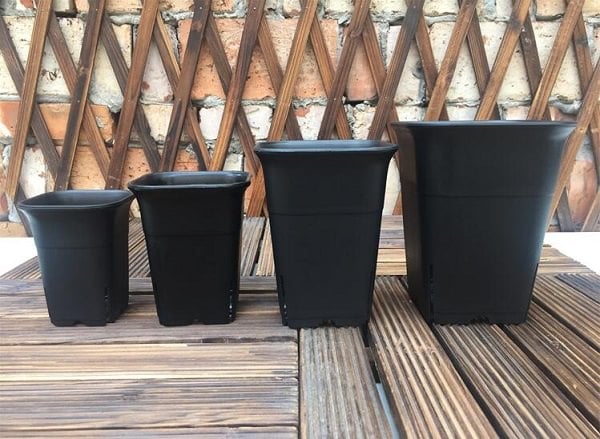
The type of pots you choose for your tomatoes is another important factor to consider. When selecting pots, opt for sizes that accommodate the specific variety of tomatoes you plan to grow. Dwarf and bushy types, such as patio tomatoes, do well in pots that hold 3-5 gallons of soil, while larger varieties require bigger containers.
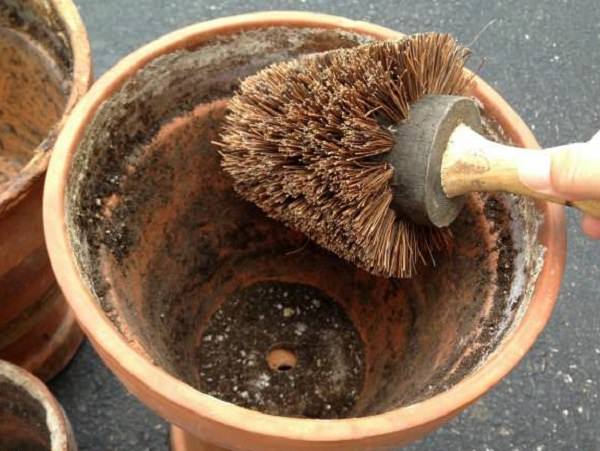
Ensure that the pots you select have adequate drainage holes to prevent root rot. A pot with good drainage allows excess water to escape, keeping the soil from becoming overly saturated. Additionally, consider using pots made from materials such as clay or plastic, which can help regulate soil temperature and moisture levels.
Using self-watering pots is also an option, as they can provide a steady supply of moisture, reducing the frequency of watering. Just remember that regardless of the pot type, regular monitoring of soil moisture and plant health is essential.
3. Choose Quality Potting Mix over Garden Soil
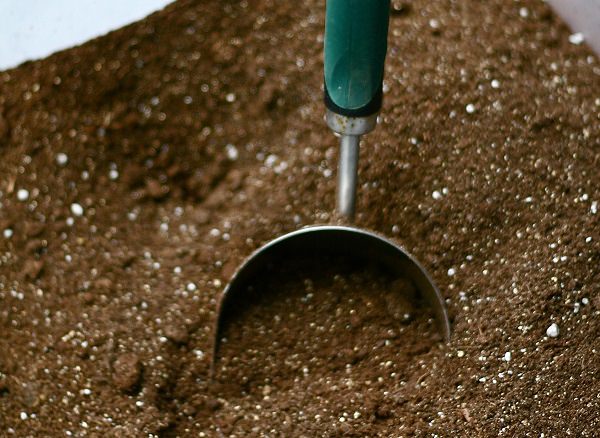
When growing tomatoes in pots, it’s crucial to use a high-quality potting mix rather than regular garden soil. Potting mixes are specially formulated to provide the right texture and nutrients for container gardening. They are lighter, well-draining, and often contain essential amendments like perlite or vermiculite for improved aeration.
Garden soil is typically denser and may harbor pests and diseases that can harm your plants. A quality potting mix will help your tomato plants establish a robust root system, enabling them to access the nutrients they need for healthy growth.
Look for potting mixes that are rich in organic matter. This can include compost, peat moss, or coconut coir, which will enhance moisture retention and provide a slow release of nutrients over time. By investing in a quality potting mix, you set the stage for your tomatoes to thrive.
4. Plant Tomato Varieties that Perform Best in Pots
Not all tomato varieties are suitable for container gardening, so it’s essential to choose those that perform well in pots. Varieties like cherry tomatoes, patio tomatoes, and determinate types are excellent options for container growing.
Determinate tomatoes grow to a fixed height and produce fruit all at once, making them ideal for smaller spaces. They typically reach a manageable size of 3-4 feet, which is perfect for pots. On the other hand, indeterminate varieties continue to grow and produce fruit throughout the growing season, but they may require more space and support.
Thorough research on the tomato varieties available in your area can help you select the best options for your container garden. Look for varieties specifically bred for container growth, as these will have optimal growth habits for confined spaces.
5. Grow Determinate Tomatoes
Growing determinate tomatoes is an excellent choice for container gardening, especially if space is limited. These varieties, unlike their indeterminate counterparts, tend to be more compact and manageable in size. Typically, determinate tomatoes will grow to a height of about 3 to 4 feet, making them perfect for pots.
Not only do they require less vertical support, but they also produce fruit in a shorter time frame, which means you’ll enjoy a quicker harvest. This concentrated growth pattern can be advantageous for gardeners who want to maximize their yield in small spaces.
Additionally, determinate varieties usually set their fruit all at once, allowing for easier harvesting and processing. The predictability of their growth and harvest times can make planning your gardening schedule much simpler.
6. Use the Right Technique to Plant
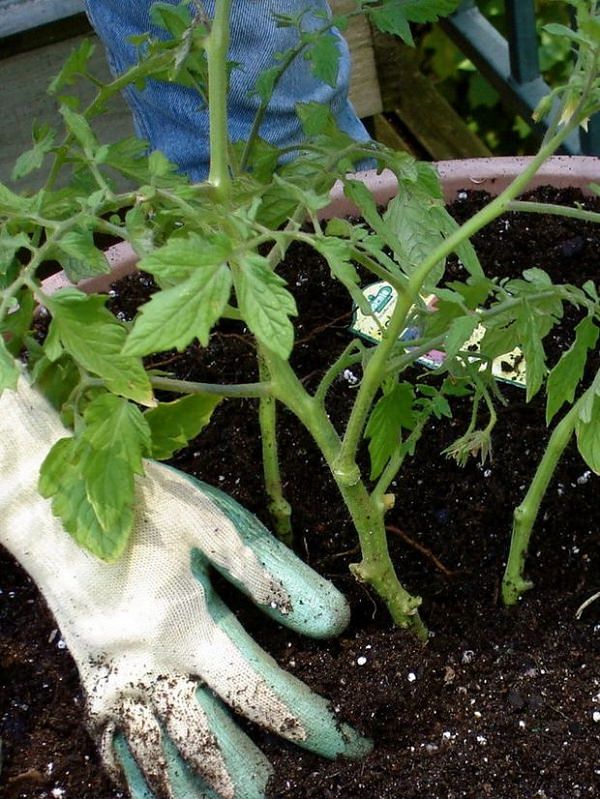
When planting tomatoes in pots, it’s essential to use the proper technique to encourage healthy growth. Unlike many other plants, tomatoes should be planted deep in the soil. This practice promotes a strong root system, which is crucial for the overall health of the plant.
To plant your tomato seedlings, dig a hole deep enough to cover at least two-thirds of the plant’s stem, leaving only the top third exposed. For instance, if your seedling is 10 inches tall, you should bury about 6-7 inches of its stem beneath the soil. This deep planting method allows the plant to develop additional roots along the buried stem, enhancing stability and nutrient absorption.
After planting, gently firm the soil around the base of the plant to eliminate air pockets. Water the newly planted tomatoes thoroughly to help settle the soil and provide moisture to the roots. This technique sets the foundation for a healthy and productive tomato plant.
7. Enrich Your Plants with Organic Fertilizer
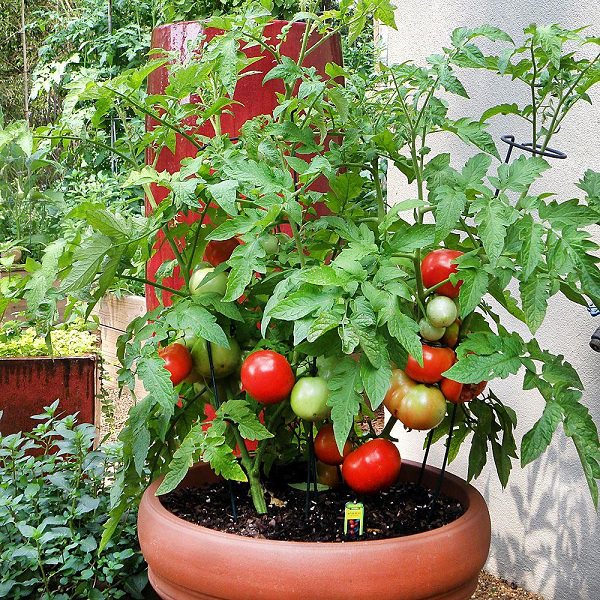
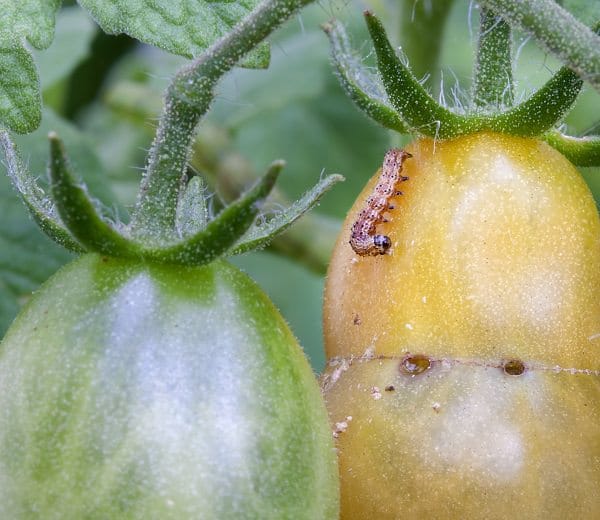
To support the growth of your container tomatoes, enriching the soil with organic fertilizer is vital. Organic fertilizers provide essential nutrients without the harsh chemicals found in synthetic options. You can use a variety of organic fertilizers, such as compost, worm castings, or well-rotted manure, to boost soil fertility.
Consider using fertilizers that are high in phosphorus, nitrogen, and potassium, as these nutrients are critical for healthy plant development and fruit production. You can apply organic fertilizers at planting time and follow up with additional feedings throughout the growing season.
Regularly monitoring your plants will help you determine when they need extra nutrients. A balanced approach to fertilization will enhance growth and ensure your tomato plants are thriving in their containers.
8. Water the Plants the Right Way
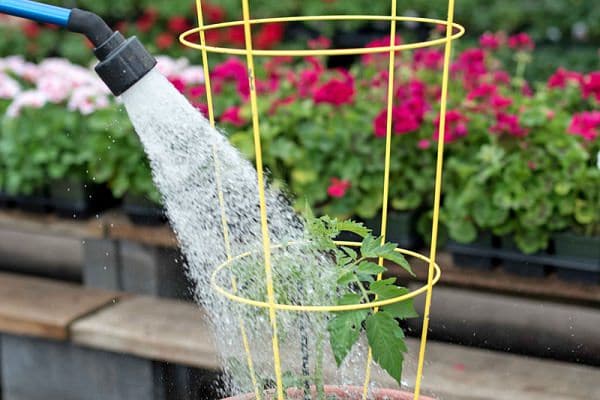
Proper watering is essential for successful tomato cultivation in pots. Tomatoes require consistent moisture, but they don’t like to sit in soggy soil. The key is to keep the soil slightly moist without overwatering, which can lead to root rot.
Before watering, check the soil moisture by sticking your finger into the soil about an inch deep. If it feels dry, it’s time to water your plants. When watering, aim to soak the soil thoroughly, allowing excess water to drain from the bottom of the pot.
Avoid watering the foliage, as wet leaves can promote fungal diseases. Instead, focus on watering the base of the plants to ensure that the roots receive the moisture they need. Establishing a regular watering routine will help your tomatoes flourish.
9. Support the Tomato Plants
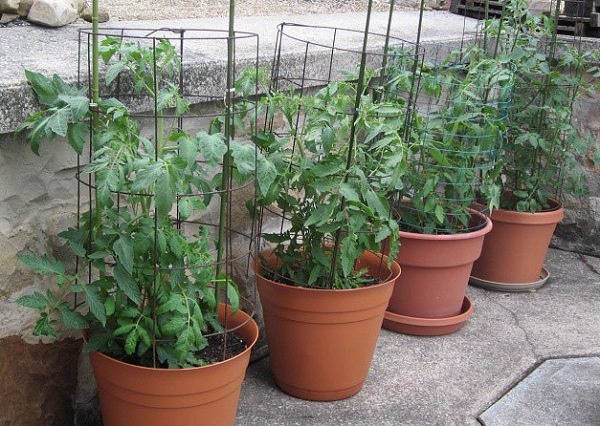
To help your tomato plants thrive, it’s essential to provide adequate support as they grow. Tomatoes can become heavy with fruit, and without proper support, the stems can break or bend, leading to damage. Using stakes, cages, or trellises can help keep your plants upright and healthy.
A tomato cage is a popular option, as it surrounds the plant and provides support from all sides. If using stakes, insert them into the pot at planting time to avoid disturbing the roots later. As the plants grow, gently tie the stems to the support using soft garden ties or twine.
Providing support not only helps prevent damage but also promotes better air circulation around the plants, reducing the risk of diseases caused by overcrowding and moisture retention.
10. Pruning and Removing Suckers
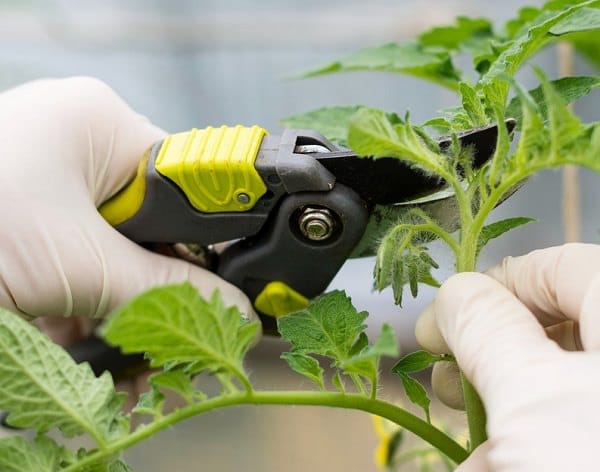
Pruning is an important aspect of tomato care, particularly for plants grown in containers. While pruning may not be necessary for all tomato varieties, it can be beneficial for those that tend to become bushy or overcrowded. Regular pruning helps improve air circulation and allows more sunlight to reach the plant.
Focus on removing suckers, which are the small shoots that develop in the leaf axils between the main stem and branches. These suckers can divert energy from fruit production, so it’s best to remove them when they are small, usually 6-8 inches in length.
Additionally, trim any tangled or crossing branches to maintain a clean and organized plant structure. This practice can lead to healthier plants and a more abundant harvest.
11. Carefully Inspect Your Plants Weekly
Regular inspection of your tomato plants is crucial for early pest detection and disease management. By checking your plants weekly, you can catch any problems before they escalate. Look for common pests, such as aphids or spider mites, and inspect the undersides of leaves for any signs of infestation.
In addition to pests, keep an eye out for symptoms of diseases, such as yellowing leaves or wilting stems. If you notice any issues, address them promptly to prevent further damage. Early intervention can make a significant difference in the health of your plants.
Being proactive in monitoring your plants will not only help you maintain their health but also increase your chances of a successful harvest.
8 Air-Purifying Houseplants You Can Grow in Just Water
While tomatoes are a fantastic addition to any container garden, consider incorporating air-purifying houseplants that thrive in water as well. These plants can enhance the indoor air quality and add beauty to your home. Some popular options include pothos, spider plants, and peace lilies.
These houseplants are easy to care for and can be propagated in water, making them a low-maintenance choice for indoor gardening. Their ability to purify the air while requiring minimal resources makes them a perfect complement to your tomato-growing efforts.
10 Gorgeous Crochet Succulents You Can’t Kill
If you’re looking for an alternative to live plants, consider crochet succulents as a fun and creative addition to your home decor. These handcrafted pieces are not only beautiful but also require no maintenance, making them a perfect choice for busy individuals who still want to enjoy the aesthetics of plants.
With various designs and colors, crochet succulents can brighten up any space without the need for watering or sunlight. They provide a unique way to bring a touch of greenery into your home without the commitment that live plants require.
3x Times Faster Snake Plant Growth Like Magic 😱
For those interested in growing houseplants, snake plants are known for their resilience and air-purifying abilities. If you’re looking to enhance their growth, there are several techniques to help you achieve three times faster growth. Providing optimal light conditions, using the right potting mix, and ensuring proper watering can work wonders for these hardy plants.
With the right care, snake plants can thrive in various environments, making them an excellent choice for both experienced and novice gardeners alike. Their unique appearance and low maintenance needs make them a popular option for indoor gardening.
6 Ways To Revive a Dying Snake Plant
If your snake plant is showing signs of distress, don’t worry! There are several effective ways to revive a struggling plant. Check for issues such as overwatering, underexposure to light, or pest infestations, and address them accordingly.
By adjusting your care routine and providing the right conditions, you can bring your snake plant back to health. Simple changes like altering watering frequency or relocating it to a brighter spot can make all the difference.
Spring & Summer Ready Balcony Garden | Balcony Refurbishment Ideas
As the seasons change, it’s the perfect time to refresh your balcony garden. Consider adding a mix of flowers, herbs, and vegetables to create a vibrant and functional outdoor space. Utilizing vertical gardening techniques can help maximize your available space while adding visual interest.
Incorporating colorful pots, hanging planters, and decorative trellises can also enhance your balcony’s aesthetic appeal. A well-planned balcony garden can serve as a beautiful retreat while providing fresh produce right at your doorstep.
5 Orange Peel Water Uses for Peace Lilies for Better Growth
Utilizing orange peel water can be a beneficial practice for nurturing peace lilies. The nutrients from orange peels can enhance soil quality and promote healthier plant growth. Simply soak orange peels in water for a few days and use the water to nourish your peace lilies.
This natural approach not only provides essential nutrients but also reduces waste by repurposing kitchen scraps. Your peace lilies will thrive with this organic solution, adding beauty and life to your indoor space.
The Best Tricks To Grow Tall Peace Lilies
If you’re aiming for impressive peace lilies, consider incorporating strategies that encourage upward growth. Providing adequate light, maintaining proper humidity levels, and using high-quality potting soil can all contribute to taller plants.
Regularly rotating your peace lilies can also help them grow evenly, ensuring they receive light from all angles. With a little care, you can cultivate stunning peace lilies that become a focal point in your home.
Snake Plant Brown Tips and Leaves? 7 Reasons and Solutions
Brown tips and leaves on snake plants can indicate various issues, from underwatering to poor drainage. Identifying the underlying cause is crucial for effective treatment. Check your watering habits, assess the potting mix, and ensure that your plant isn’t exposed to extreme temperatures.
Once you pinpoint the issue, you can take steps to rectify it, helping your snake plant regain its health and vitality.
Join our 3 Million Followers:
Stay connected and become part of a thriving community of gardening enthusiasts! By following our updates, you can access valuable tips, techniques, and inspiration for your gardening journey. Join us in sharing the joy of growing plants!
Related Articles
For more insights and tips, check out our related articles. Whether you’re interested in growing bushier geraniums, learning about proper placement for a burro’s tail, or discovering new ways to enhance your gardening skills, we have a wealth of information to support you.
How to Grow Bushier Geraniums: 7 Tips for Fuller Plants
Discover the best practices for cultivating bushier geraniums that will enhance your garden’s beauty. From proper pruning techniques to optimal sunlight exposure, these tips will help you create stunning geranium displays.
7 Best Places to Keep a Burro’s Tail in Your Home (And the Worst)
Explore the ideal locations for your burro’s tail succulent to thrive. Learn about the best and worst spots in your home to ensure this beautiful plant flourishes.
LEAVE A REPLY Cancel reply
Your feedback is valuable to us! Share your thoughts or ask questions about growing tomatoes in pots or any other gardening topics. We appreciate your engagement and look forward to hearing from you!
Find out the best ways of propagating tomatoes here
Learn effective methods for propagating tomatoes to expand your garden and enjoy more fresh produce. Our guides will provide you with step-by-step instructions for successful propagation.
Have a look at the best tips to pot indoor plants correctly here
Discover essential tips for potting indoor plants correctly to ensure their health and longevity. Our expert advice will help you create the perfect environment for your indoor greenery.
You can also make your own potting mix with these DIY recipes
Get creative and make your own potting mix at home! Our DIY recipes will guide you through the process of creating a customized potting mix tailored to your plants’ needs.
Find out some helpful tomato trellis ideas here
Explore innovative trellis ideas to support your tomato plants effectively. These structures will help your plants grow upright and produce bountiful fruit.
Find out some amazing sand hacks for gardeners here
Uncover unique sand hacks that can enhance your gardening practices. From improving drainage to creating stunning landscape designs, these tips will elevate your gardening skills.