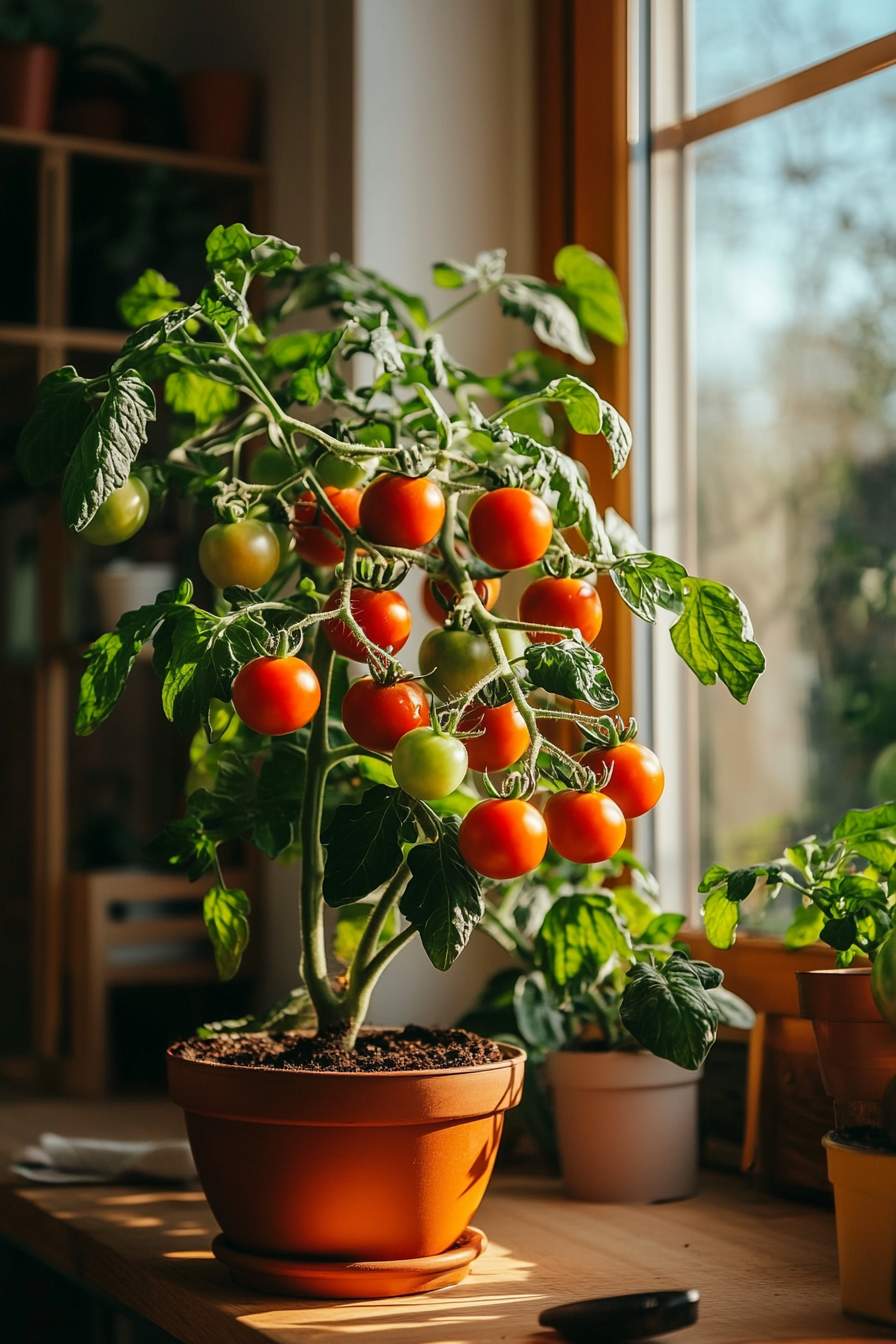
Growing tomatoes indoors can be an incredibly gratifying endeavor, providing you with the opportunity to enjoy fresh, homegrown tomatoes throughout the entire year. Whether you are an experienced gardener or just starting out, understanding how to cultivate tomatoes in a pot indoors is more attainable than you might believe. By adhering to this detailed guide, you’ll acquire the foundational skills necessary for successful tomato container gardening and learn how to address common tomato plant challenges with ease. Are you prepared to embark on this journey?
Why Grow Tomatoes Indoors?
Have you ever fantasized about having ripe, juicy tomatoes at your disposal, no matter the season? Cultivating tomatoes indoors presents a unique opportunity for flexibility and control over the growing environment, allowing you to steer clear of weather-related complications and ensuring optimal conditions for your plants to flourish. Additionally, it’s an engaging and rewarding method to infuse a touch of nature into your living space!
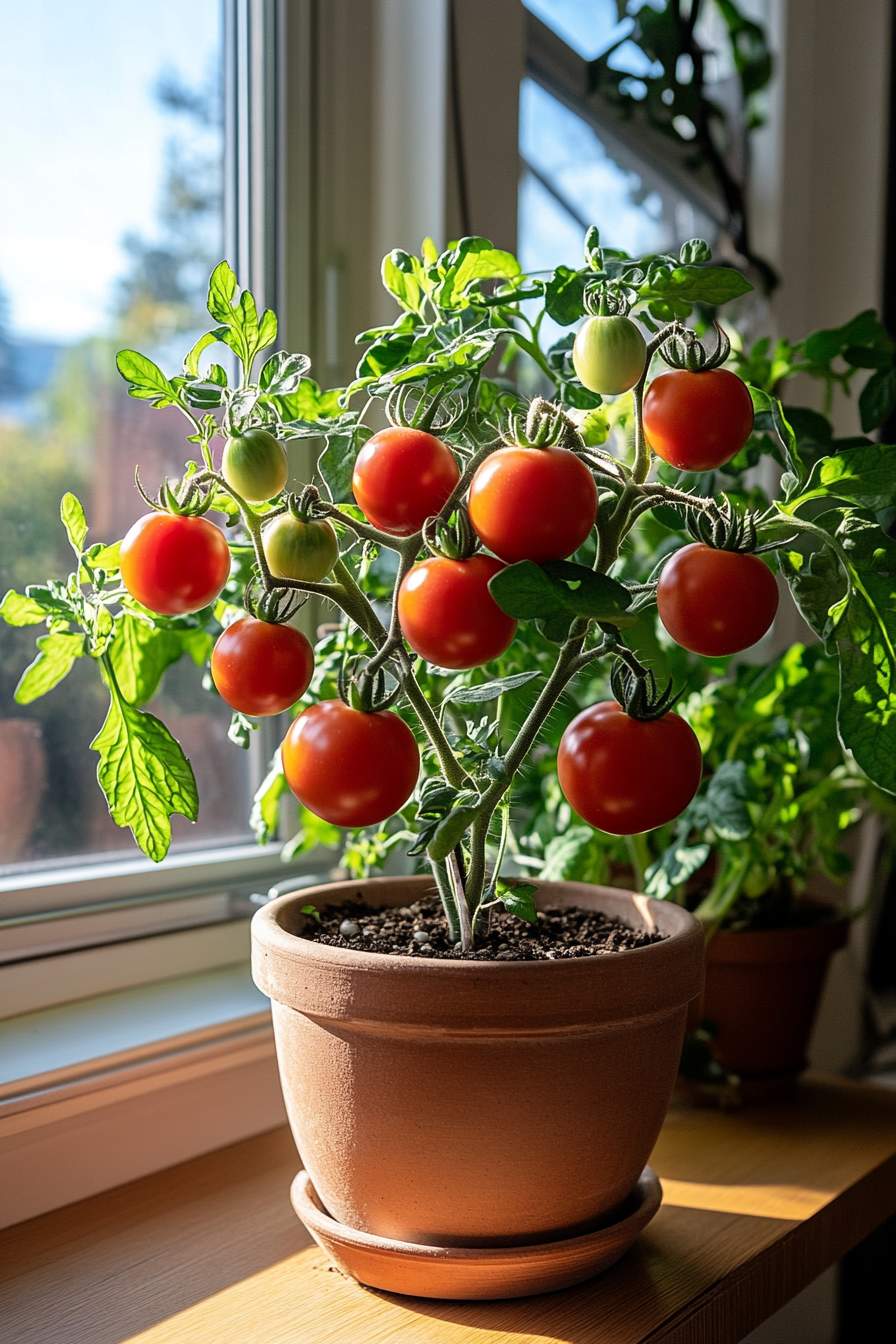
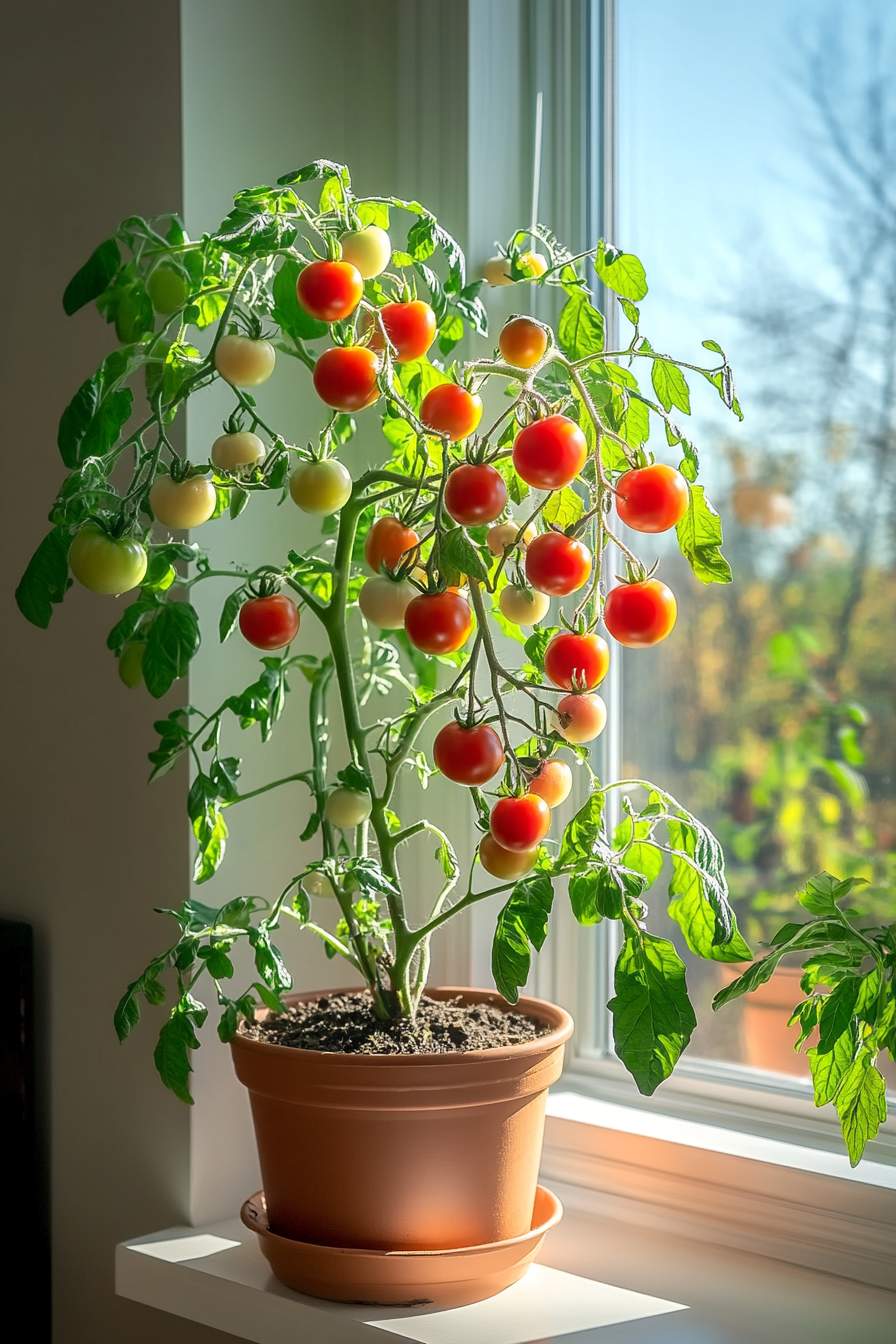
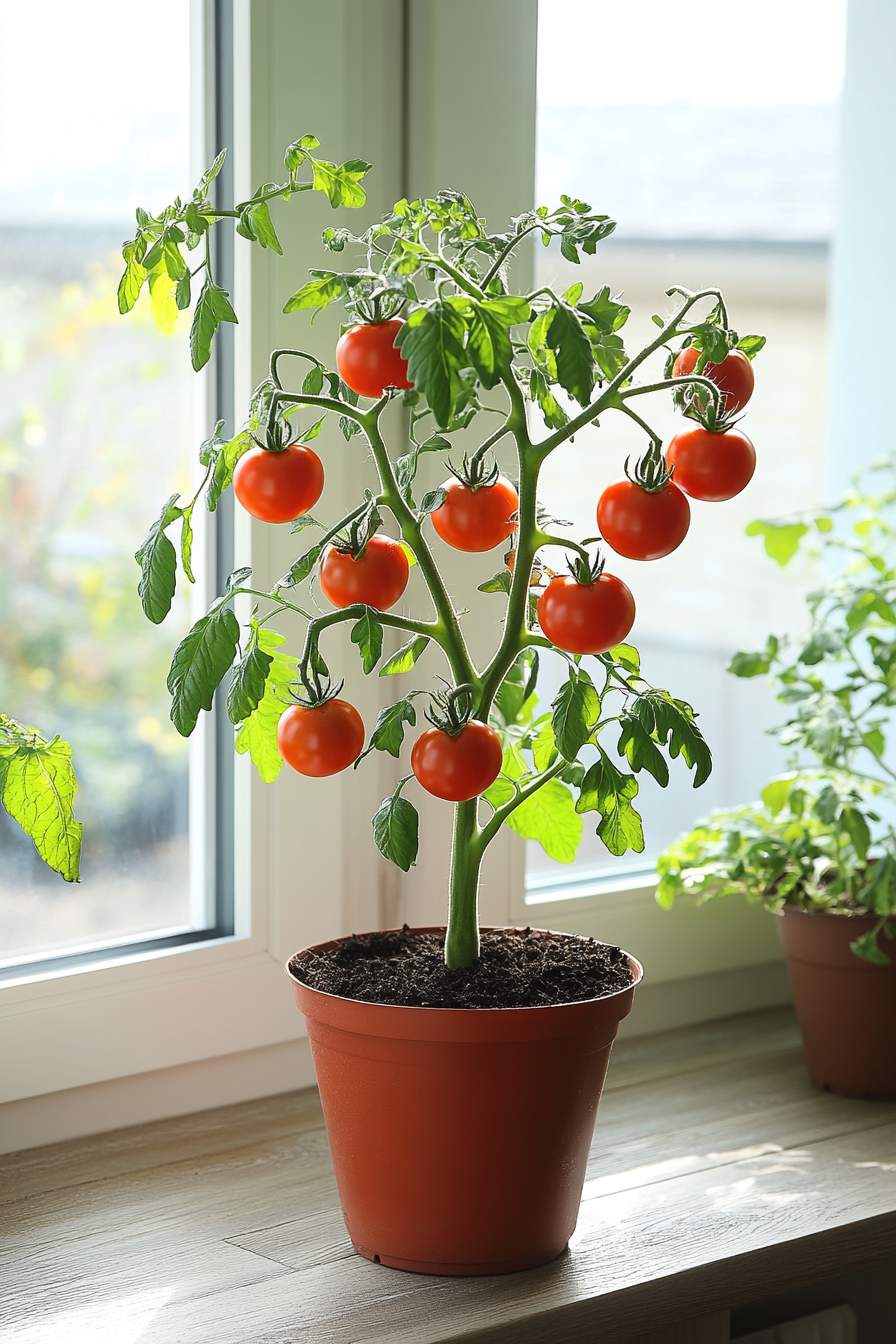
Indoor gardening also enables you to cultivate tomatoes in limited spaces, making it ideal for those living in apartments or homes without gardens. With the right approach, you can transform a small corner of your home into a thriving tomato patch, providing fresh produce right from your kitchen. Moreover, growing your own tomatoes means you can avoid the pesticides and chemicals often used in commercially sold produce.
In summary, the benefits of indoor tomato gardening are numerous. Not only do you gain access to fresh ingredients for your meals, but you also engage in a fulfilling activity that promotes mental well-being and a connection to the natural world. As you delve into the process of growing tomatoes indoors, you’ll discover the joy and satisfaction that comes from nurturing your own plants.
Step-by-Step: How to Grow Tomatoes in a Pot Indoors
The journey to growing tomatoes indoors begins with the right knowledge and tools at your disposal. By following a systematic approach, you can ensure that your tomato plants thrive in their new potting environment. From selecting the appropriate varieties to understanding their care, every step of the process is important for success.
Before planting, familiarize yourself with the specific needs of tomato plants. They thrive in warm temperatures and require ample sunlight to grow properly. This means you’ll need to provide a suitable environment for them indoors, which includes temperature control and lighting considerations. By ensuring that your indoor space meets these requirements, you’ll set the stage for healthy tomato plants.
Once you’re ready to plant, follow the step-by-step instructions outlined in this guide, and you’ll be well on your way to harvesting delicious, homegrown tomatoes. The following sections will break down the essential components of indoor tomato gardening, making it easy for you to create your own thriving indoor garden.
Common Tomato Plant Problems
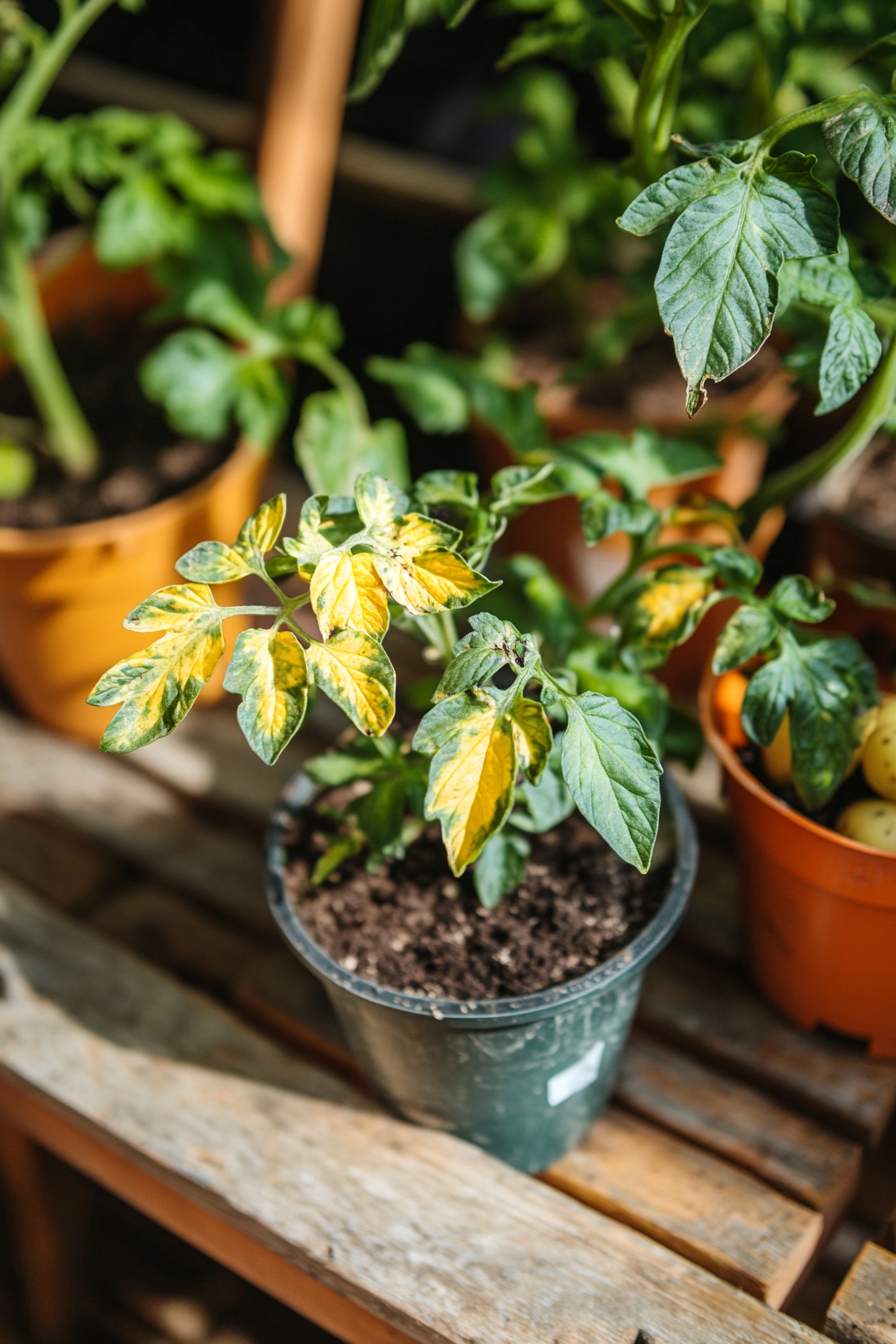
One prevalent issue that indoor tomato growers face is yellowing leaves. This can often indicate a nutrient deficiency or an overwatering situation. If you notice leaves losing their vibrant green color, assess your watering practices and consider adding a nutrient-rich fertilizer to your routine.
Another common ailment is blossom-end rot, which is characterized by dark, sunken spots on the bottom of the fruit. This condition typically results from a calcium deficiency, often exacerbated by inconsistent watering habits. To combat this, ensure that your watering schedule is regular and consider supplementing with calcium if needed.
Pests are also a concern for indoor tomato plants. Despite being sheltered from outdoor threats, indoor tomatoes can still fall victim to aphids, spider mites, and other pests. Regularly inspect your plants for signs of infestations and take appropriate measures to manage them, such as introducing natural predators or using insecticidal soap.
Final Thoughts: Growing Tomatoes Indoors
Indoor tomato gardening is not solely about producing food; it’s a gratifying experience that allows you to cultivate a connection with nature. By selecting suitable varieties, utilizing appropriate containers, and remaining vigilant about potential tomato plant issues, you can harvest fresh, flavorful tomatoes throughout the year. So, roll up your sleeves, dig into the soil, and embark on your indoor gardening journey today!
Remember that each step of the process contributes to the overall success of your indoor tomato garden. As you witness your plants grow and flourish, you’ll find that the effort you put in is well worth the reward of enjoying delicious tomatoes right from your home.
Choosing the Right Variety for Indoor Gardening
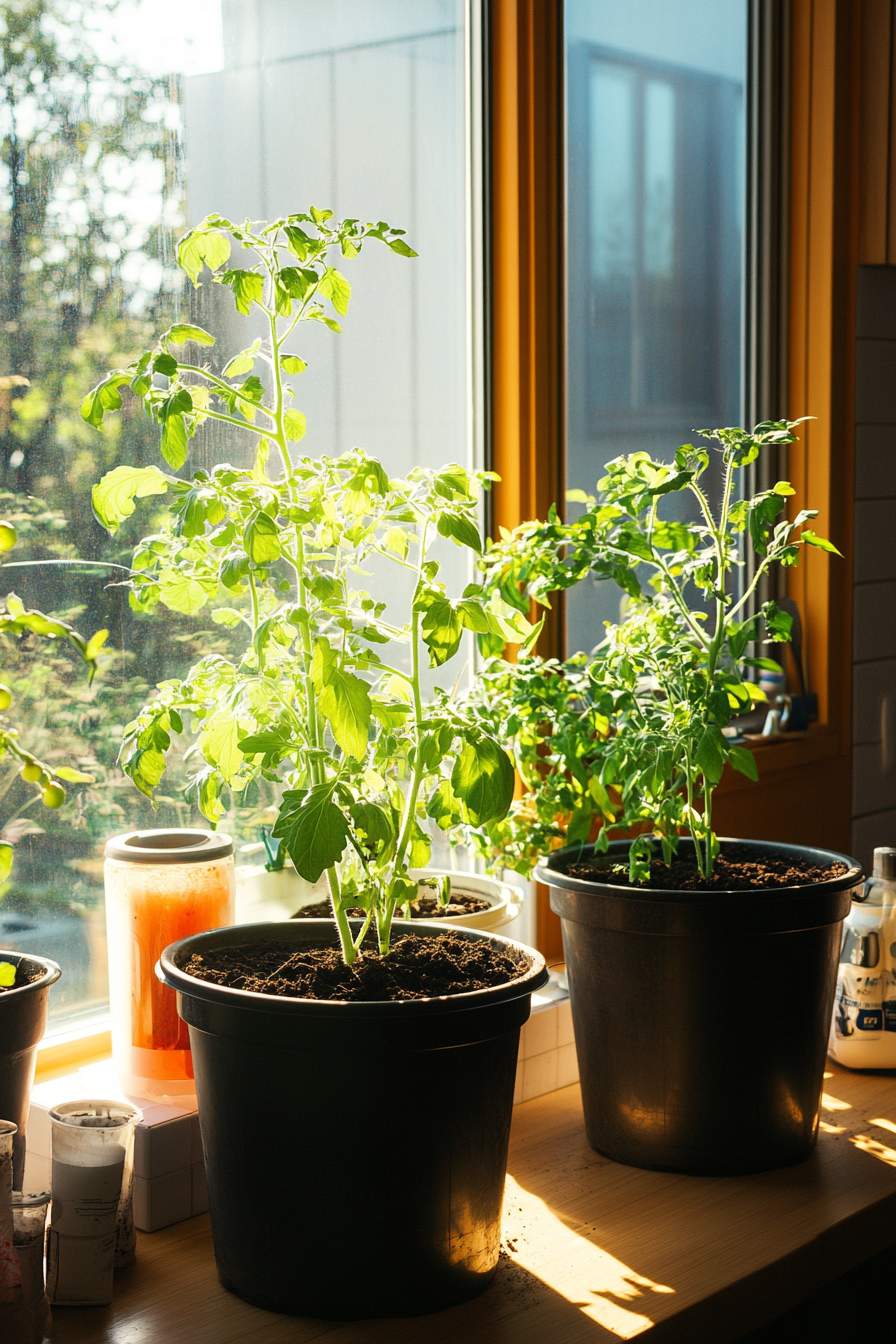
When it comes to growing tomatoes indoors, not all varieties are equally suited for container gardening. Selecting the right type of tomato is crucial for your success, especially when space is limited. Compact or dwarf varieties are ideal, as they require less room while still providing a satisfactory yield.
Some popular choices for indoor gardening include cherry tomatoes, which are typically smaller and easier to manage in pots. These varieties not only produce plentiful fruit but also tend to ripen quickly, making them a favorite among indoor gardeners. Other options include determinate types, which have a more compact growth habit and can be harvested all at once, further simplifying the indoor gardening process.
When selecting your tomato variety, consider your culinary preferences and the amount of sunlight your indoor space receives. Some varieties may be better suited for lower light conditions, while others thrive with more intense sunlight. By aligning your choices with your specific environment, you’ll set yourself up for success in your indoor tomato garden.
1. Selecting the Right Pot
The first step in your indoor tomato gardening adventure is choosing the right container. This choice is critical, as the pot will impact your plants’ growth and overall health. Look for pots that are at least 12-18 inches deep, providing ample room for the roots to expand. A deeper pot helps support the plant’s stability and allows for better drainage.
It’s also essential that your pot has good drainage holes. These holes prevent excess water from accumulating at the bottom of the pot, which can lead to root rot and other moisture-related issues. If you’re using a container without drainage, you can create a makeshift drainage system using gravel or stones at the bottom.
Additionally, consider the material of your pot. While plastic containers are lightweight and retain moisture well, terracotta pots are porous and allow for better airflow. Each material has its benefits, so choose one that aligns with your gardening style and the specific needs of your tomato plants.
2. Potting Mix and Soil
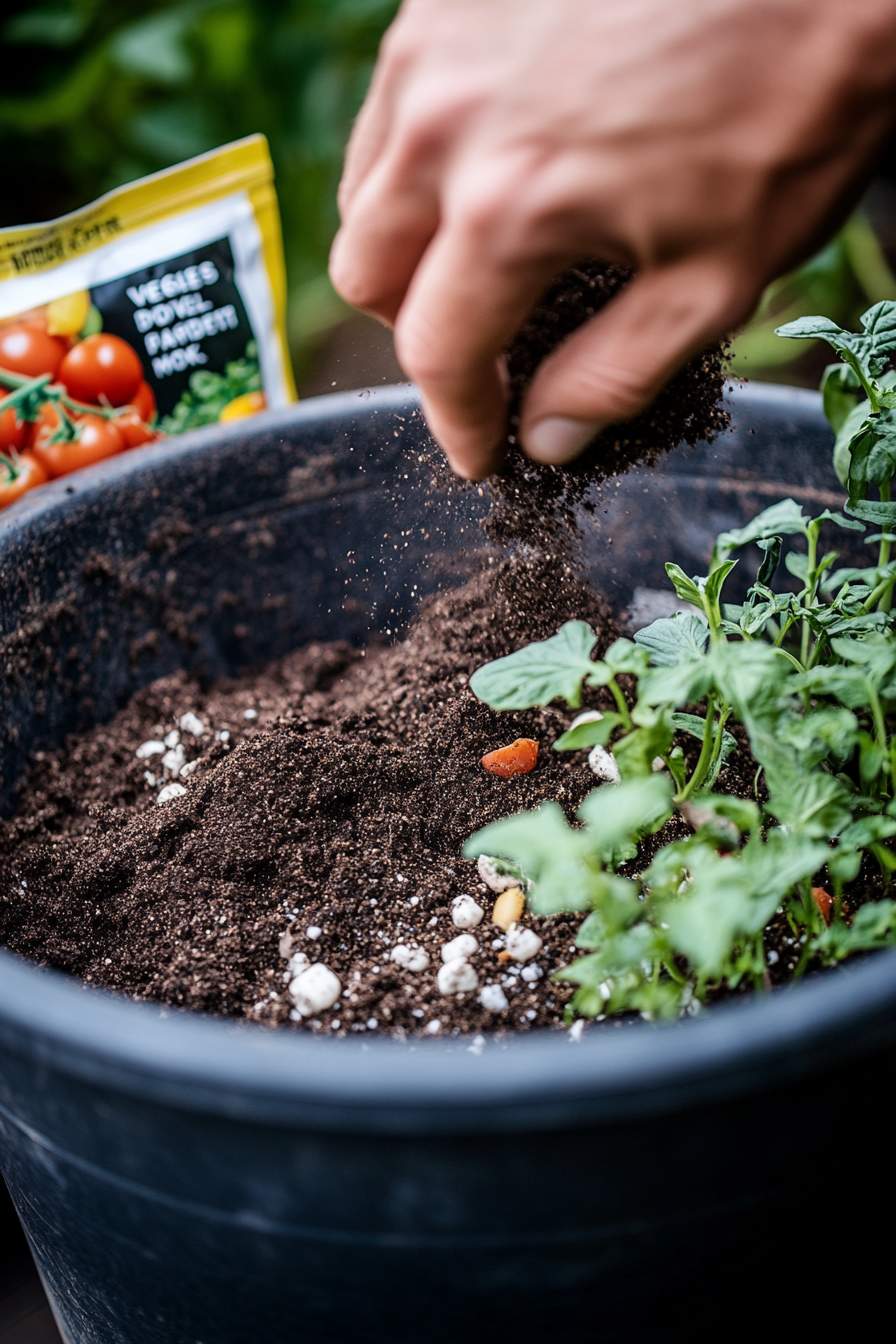
Choosing the right potting mix is another vital aspect of indoor tomato gardening. A high-quality potting mix specifically formulated for vegetables is recommended, as it provides the necessary nutrients and drainage for healthy growth. Avoid using regular garden soil, as it can compact in the pot and hinder proper drainage.
To enhance the nutrient content of your soil, consider mixing in compost or organic fertilizer. This not only enriches the soil but also supports beneficial microorganisms that can help your plants thrive. Additionally, look for potting mixes that contain perlite or vermiculite, as these components improve aeration and prevent soil compaction.
Your tomatoes will thrive in a well-draining and nutrient-rich potting mix, giving them the best chance to flourish indoors. As you prepare your soil, take the time to ensure that it’s properly mixed and ready for planting, as this foundational step sets the stage for your plants’ success.
3. Tomato Planting and Lighting
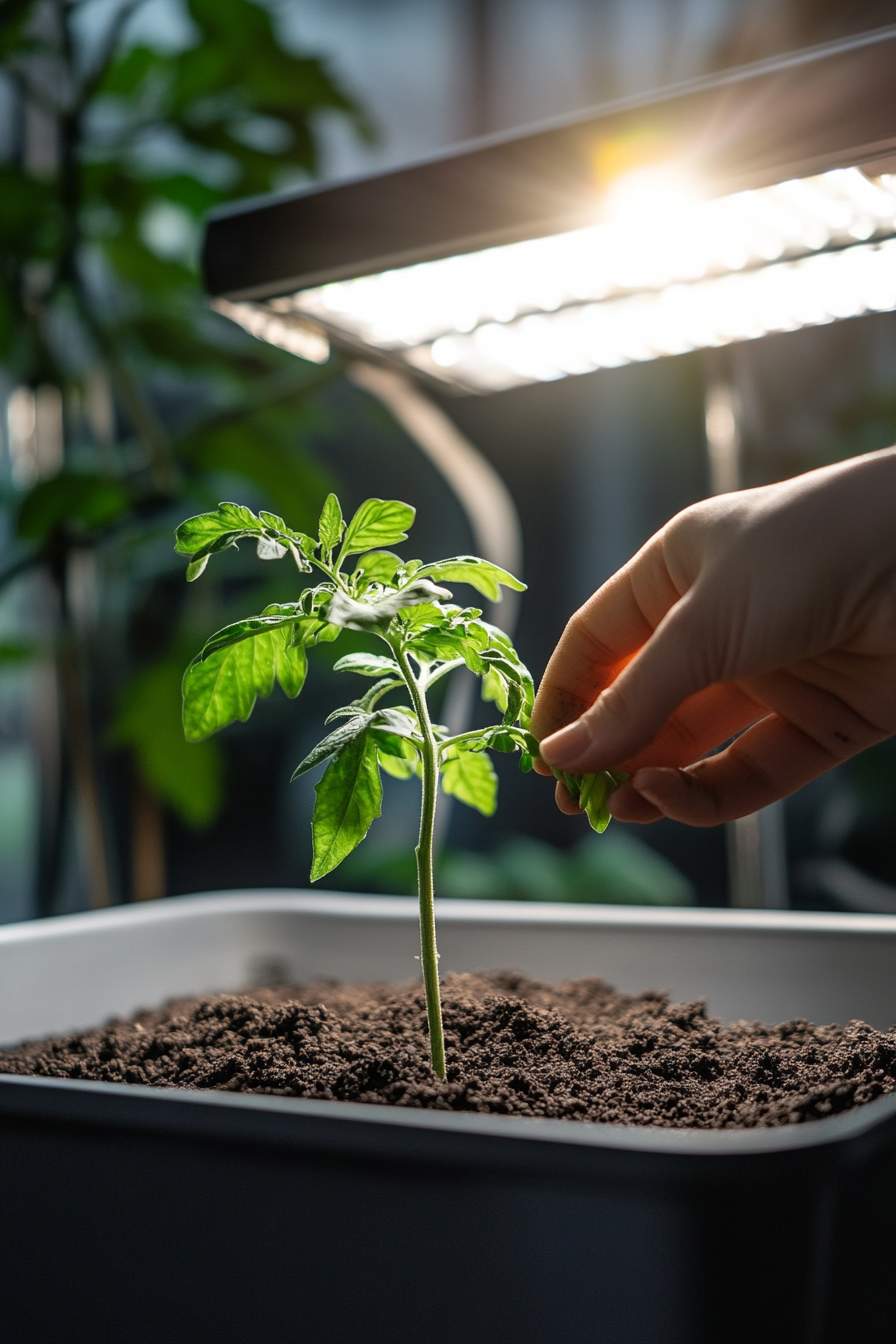
When it comes to planting your tomatoes, there are specific guidelines to follow to ensure optimal growth. Each plant should be placed in its own pot, and care must be taken to plant it deep enough so that part of the stem is buried in the soil. This technique encourages a robust root system, allowing your tomato plant to draw nutrients and water more effectively.
Lighting is another crucial factor in indoor tomato gardening. Tomato plants require a minimum of 6-8 hours of sunlight each day to thrive. If natural sunlight is scarce in your home, consider using grow lights to supplement their needs. Position the lights a few inches above the plants, adjusting the height as they grow to ensure they receive adequate light without scorching the leaves.
Rotating your plants occasionally can also help ensure even growth. Tomatoes tend to lean toward the light source, and by turning them regularly, you encourage a more balanced growth pattern. This simple practice can lead to healthier plants and a more bountiful harvest.
4. Watering and Feeding
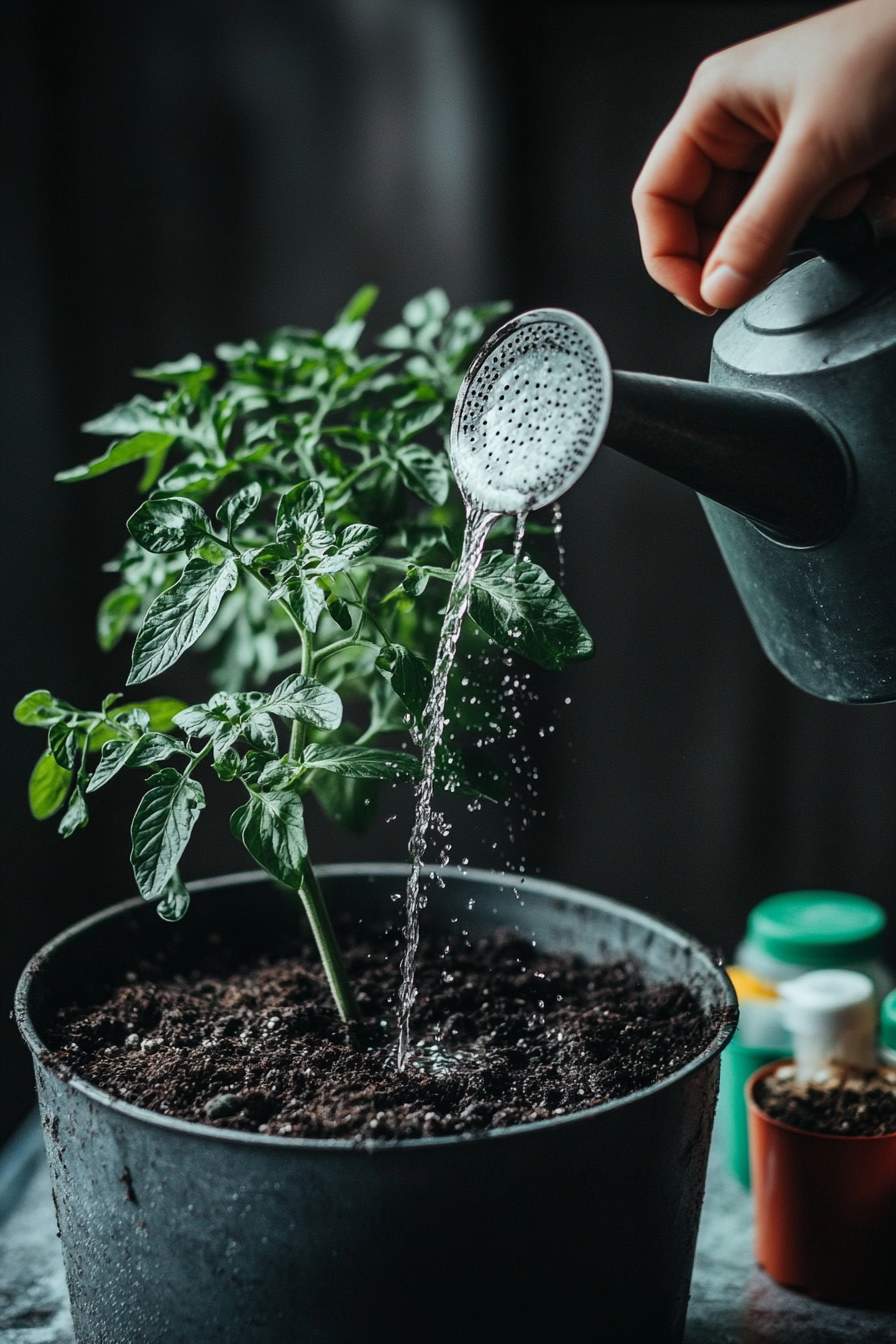
Proper watering is fundamental to successfully growing tomatoes indoors. It’s important to maintain consistency in your watering schedule while keeping the soil moist but not soggy. Overwatering can lead to a host of problems, including fungal diseases, while under-watering can result in wilting and stress.
To achieve the right moisture balance, check the top inch of soil before watering. If it feels dry, it’s time to give your plants a drink. Consider using self-watering pots or adding a layer of mulch to help retain moisture and reduce the frequency of watering.
In addition to watering, feeding your tomato plants is essential for promoting healthy growth and fruit production. Fertilize your plants every two weeks with a balanced fertilizer or one that is high in potassium, which encourages fruiting. By staying on top of your feeding schedule, you’ll ensure that your plants receive the nutrients they need to thrive.