Planting and nurturing cosmos flowers is one of the simplest ways to add vibrant color and charm to your garden beds and container arrangements from the onset of summer until the chill of autumn arrives.
These annual blooms are not only straightforward to cultivate from seeds but also demand minimal upkeep during the growing season. With their delicate, floating petals and lush, fern-like foliage, cosmos are truly a feast for the eyes.
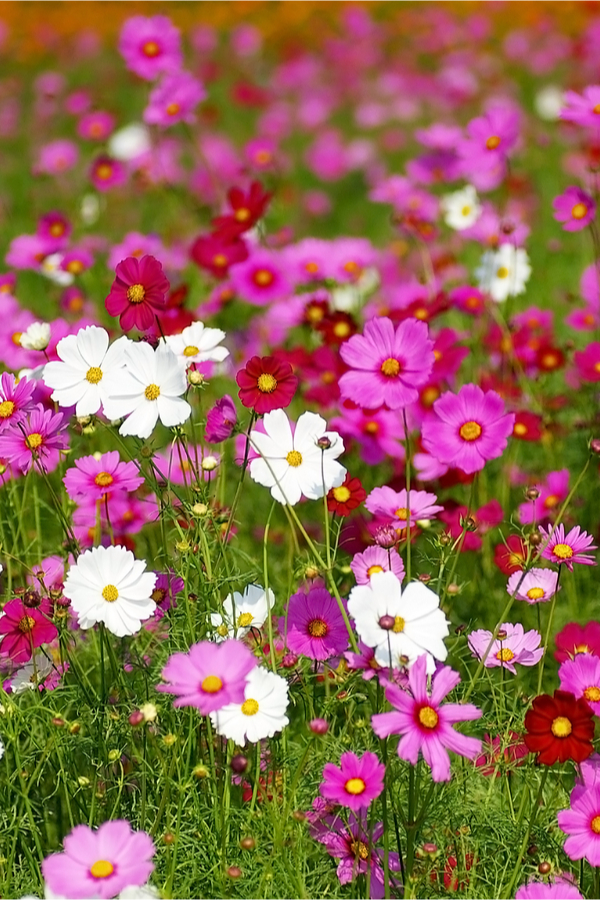
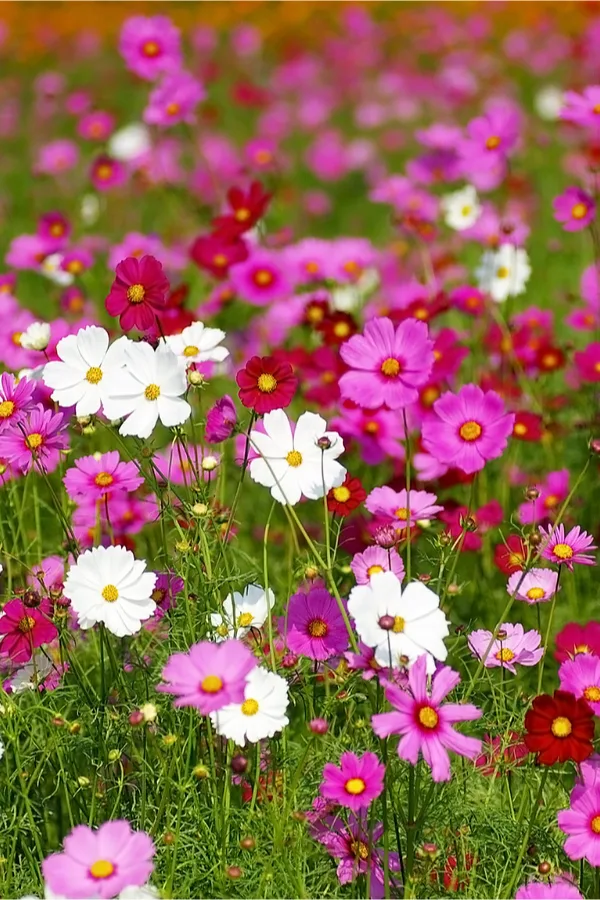
Available in a variety of heights ranging from 12 to 16 inches to impressive 5-foot giants, cosmos also come in a rainbow of colors and bloom forms, allowing you to choose according to your garden’s aesthetics.

Moreover, these resilient plants are both drought-resistant and tolerant of heat, making them ideal contenders for the summer months. Interestingly, while many plants attract foraging wildlife, cosmos tend to be overlooked by deer and other animals, which makes them a fantastic option for both flowerbeds and container gardens.
On the other hand, cosmos are a magnet for pollinators. They are among the best flowers for luring butterflies, bees, and other essential pollinators to your garden, enhancing not only the beauty of your landscape but also its ecological health.
This article will delve into the best practices for planting, cultivating, and maintaining cosmos, along with expert tips to ensure that your blooms remain vibrant and plentiful throughout the summer.
Seeding – Growing Cosmos
While you can start cosmos seeds indoors, they thrive remarkably well when directly sown in the ground. In fact, these flowers mature quickly, taking just seven to eight weeks from seed to full bloom.


For optimal results, wait for the soil to warm up before planting. You can start sowing seeds once the chance of frost has passed, ideally when the soil temperature reaches at least 60 degrees Fahrenheit, which promotes faster germination.
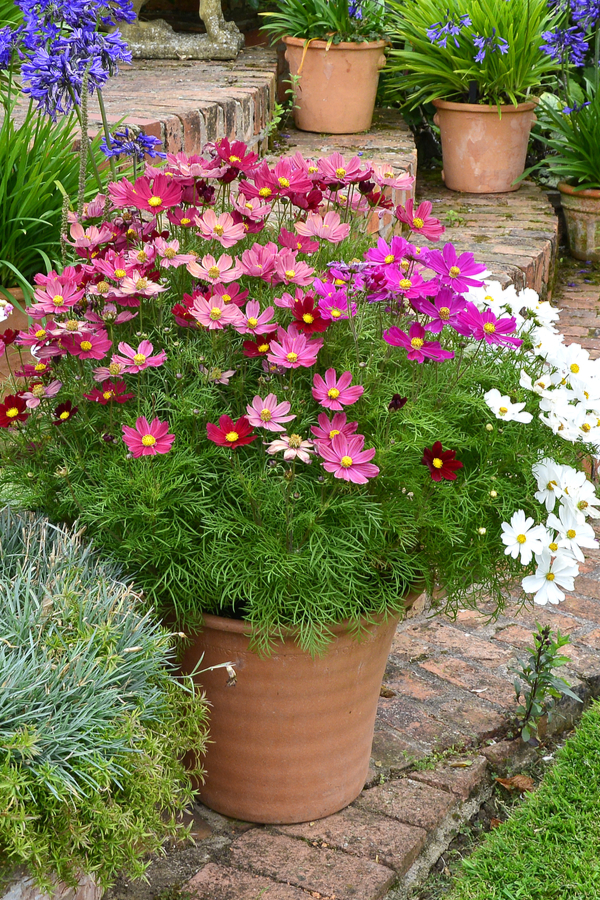


In most cases, there is no need to enhance the soil with additional nutrients or compost, as cosmos are adaptable and can flourish in a variety of soil types. They generally prefer soil that isn’t overly rich in nutrients; too much fertility can actually hamper their blooming potential.
When seeding, aim to space seeds approximately 12 to 18 inches apart, depending on the variety. Plant them shallowly, about 1/4 inch deep, then cover and water them lightly.
To ensure good germination, it’s wise to plant several seeds in each designated area. Once the seedlings emerge, you can thin them out to retain only one strong plant per spot.
Some cosmos varieties can spread nearly three feet wide, so always refer to the seed packet for specific spacing recommendations.
If you intend to grow cosmos in pots, consider selecting a smaller or dwarf variety, such as Ladybird Cosmos, for the best results. Seeds can be started indoors four to six weeks before the last expected frost to yield larger transplants that will bloom sooner.
Watering – Growing Cosmos
Cosmos are incredibly resilient when it comes to drought and heat. Initially, you should water seeds and young seedlings to aid in germination, but be cautious not to overwater them. Once established, these plants can thrive with minimal watering.
For container-grown cosmos, ensure you water deeply while allowing the pots to dry out between watering sessions. Again, excessive moisture can be more detrimental to these plants than not enough.
Applying mulch around your cosmos can be beneficial in suppressing weeds. However, when mulching, remember to leave a few inches around each stem free from mulch to prevent moisture from accumulating around the plant base.
For larger cosmos varieties planted in garden beds, you may need to stake them for support as they grow. Without proper staking, taller plants can easily topple due to their weight as the summer progresses.
How To Keep Your Cosmos Blooming – Growing Cosmos
With just a little attention, cosmos can produce continuous blooms from late spring through fall. One of the most crucial tasks to encourage ongoing blooming is the practice of deadheading.
By removing faded and dying flowers from the stems, you prompt the plant to produce even more blooms. When deadheading, trim spent blooms and stems back to the top level of foliage for the best results.
Not only do cosmos serve as stunning cut flowers, perfect for arrangements, but regularly harvesting blooms for floral displays also encourages the plant to generate new blooms throughout the summer and into the fall.
When it comes to fertilization, less is definitely more with cosmos. In fact, a high nutrient intake can lead to fewer blooms. Be cautious not to fertilize cosmos in conjunction with other perennials or annuals in your garden beds and pots.
Saving Seeds – Growing Cosmos
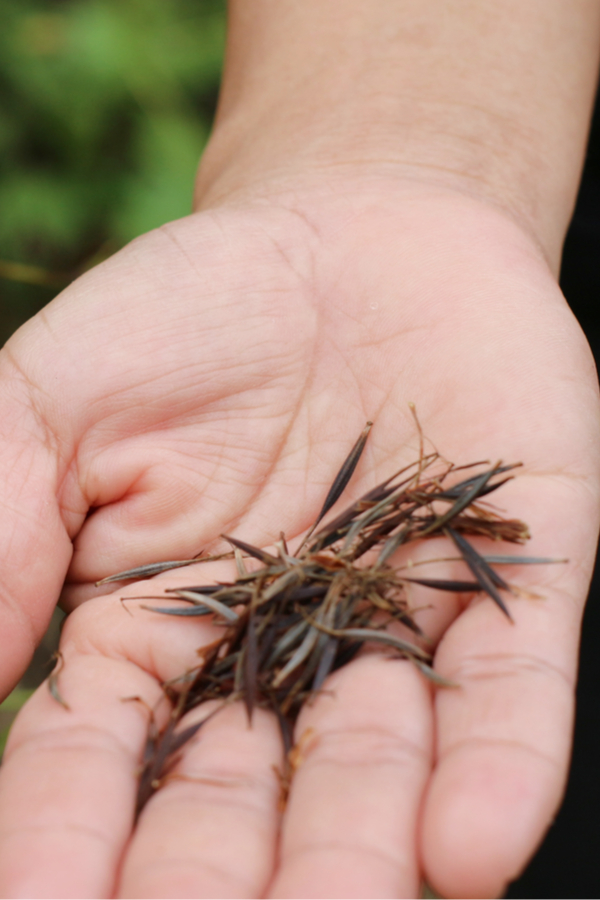
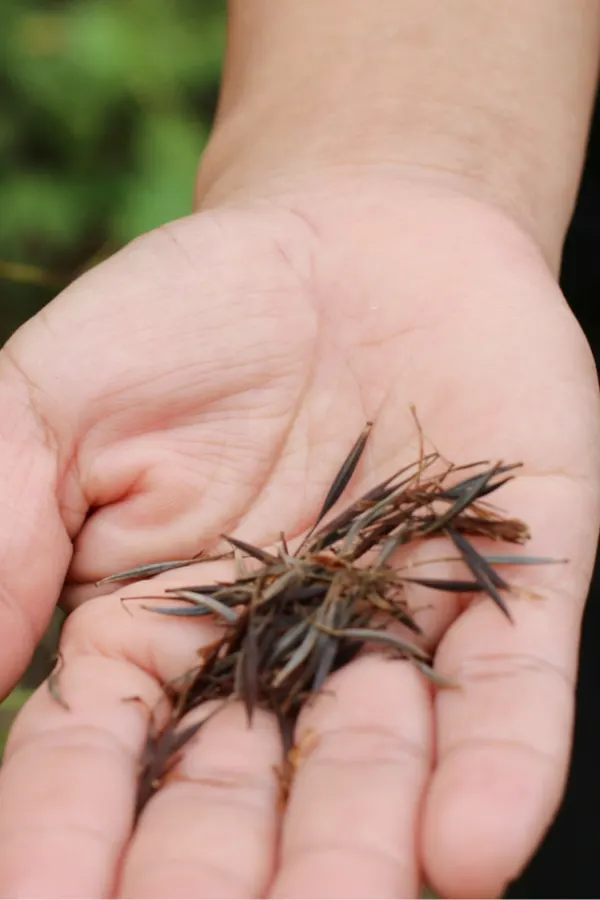
Cosmos are known for their prolific self-seeding abilities and can often produce new plants from their spent seeds within the same growing season. If you’re interested in saving seeds for future planting, the process is pretty straightforward.
To save seeds, allow a few flower heads to dry on their stems. Once they are completely dry, you can collect the heads and gently rub them to release the seeds, which will fall freely.
Store the harvested seeds in a cool, dark place until you’re ready to replant them the following year. It’s essential, however, to only save seeds from heirloom varieties, as hybrid plants will not produce the same flowers.
With these simple steps, you can enjoy your beautiful cosmos year after year, enhancing your garden with their delightful blooms.