6. Sweet Alyssum
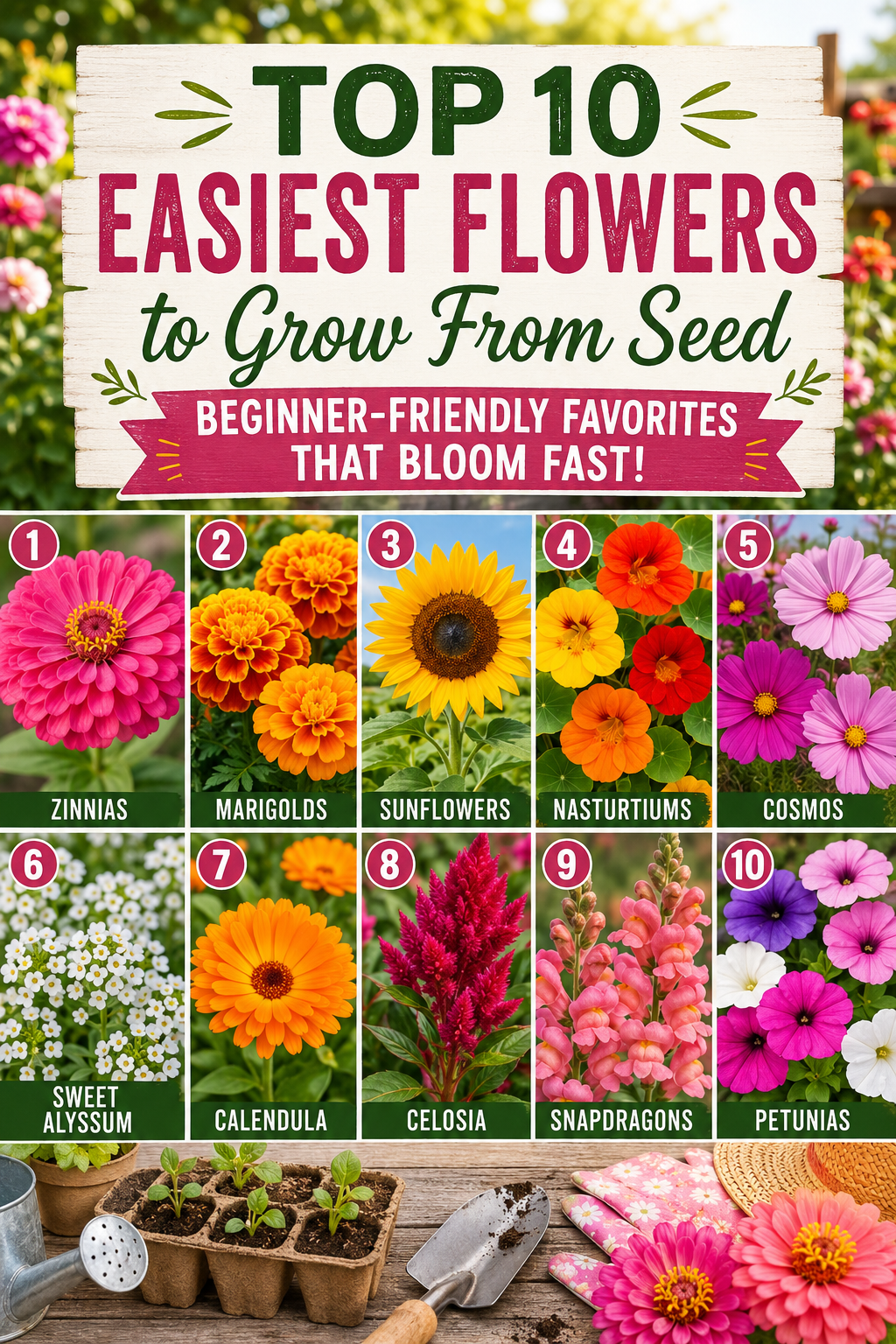
Sweet Alyssum is a charming flower that is frequently recommended for beginners due to its ease of growth and stunning visual appeal. This low-growing plant produces a dense carpet of tiny, fragrant blooms that can easily enhance any garden or landscape. Sweet Alyssum thrives in a variety of conditions and is particularly well-suited for borders and edging, making it a versatile addition to your gardening repertoire.
These delightful flowers attract a wide range of pollinators, including bees and butterflies, which makes them an excellent choice for those looking to support local wildlife. Their sweet scent not only appeals to gardeners but also brings a pleasant aroma to your outdoor spaces. With proper care, Sweet Alyssum can bloom from spring through fall, providing a long-lasting display of color.
One of the unique features of Sweet Alyssum is its ability to flourish in both cool and warm temperatures. This adaptability allows gardeners to enjoy its beauty throughout various seasons. Additionally, its compact growth habit makes it an ideal choice for container gardening, allowing you to create stunning arrangements in pots or hanging baskets.
Tips for Success Growing Flower Seeds
Successfully growing flower seeds requires a combination of knowledge, preparation, and patience. One of the most crucial factors is choosing the right type of seeds that match your local climate and soil conditions. Understanding the specific needs of each flower variety can significantly improve your chances of success.
Before planting, it’s essential to prepare your soil adequately. This means ensuring that it is well-drained and enriched with organic matter, which provides the necessary nutrients for seed germination and plant growth. Testing your soil can help you understand its pH and nutrient levels, allowing for better planning and amendments if necessary.
Another vital aspect of growing flowers from seed is timing. Each flower variety has its ideal planting time, which can vary based on your region’s climate. Some flowers can be sown directly into the garden, while others may benefit from starting indoors. Knowing when to plant is key to ensuring that your flowers thrive and bloom beautifully.
Where to Buy Flower Seeds
When it comes to purchasing flower seeds, there are numerous options available to gardeners. Local garden centers and nurseries often carry a selection of seeds tailored to the specific growing conditions of your area. These establishments can provide valuable advice on which varieties perform best in your local climate.
Additionally, online retailers offer a vast array of flower seeds, often including hard-to-find varieties. Shopping online allows you to explore different seed companies and compare prices, making it easier to find the best deals. Make sure to choose reputable suppliers who provide high-quality seeds to ensure better germination rates.
You might also consider joining local gardening clubs or community gardens, where members often share seeds and gardening tips. This can be a cost-effective way to acquire seeds while also building connections with fellow gardening enthusiasts.
Why These Flowers Are Perfect for Beginners
The flowers highlighted in this guide are particularly well-suited for novice gardeners due to their forgiving nature and low maintenance requirements. These varieties are known for their resilience, growth rate, and ability to produce blooms even in less-than-ideal conditions. This makes them an excellent choice for individuals who may lack extensive gardening experience.
Additionally, many of these flowers germinate quickly, allowing beginners to see results in a short period. This immediate gratification can boost confidence and encourage new gardeners to continue exploring their gardening journey. Flowers such as zinnias and marigolds are renowned for their vibrant colors and reliability, making them perfect starting points.
Furthermore, these flowers are adaptable and can thrive in various environments, including containers, raised beds, and traditional gardens. This versatility makes it easier for beginners to experiment with different planting methods and layouts.
Frequently Asked Questions
Many new gardeners have questions when it comes to growing flowers from seed. One common inquiry is about the best timing for planting seeds. Generally, it’s recommended to check the seed packet for specific planting instructions, as each variety has its preferred growing conditions and timing.
Another frequent question pertains to the necessary sunlight for flowers. Most flowering plants thrive with at least 6-8 hours of sunlight daily. However, some varieties can tolerate partial shade, making them suitable for gardens with less direct sunlight.
Watering is also a common concern. Beginners often wonder how much water their plants need. Overwatering can be more detrimental than underwatering, so it’s essential to allow the soil to dry out slightly between waterings to promote healthy root growth.
Why Grow Flowers From Seed?
Growing flowers from seed offers numerous advantages, especially for novice gardeners. One of the primary benefits is cost-effectiveness. Seeds are generally much cheaper than purchasing fully grown plants, allowing you to cultivate a larger garden without breaking the bank.
Furthermore, growing from seed provides a wider selection of flower varieties. Many unique and heirloom options are only available in seed form, giving you the opportunity to explore diverse colors, shapes, and sizes in your garden.
Gardening with seeds also fosters a deeper connection to the plants you grow. Watching seeds germinate and develop into beautiful flowers can be incredibly rewarding. This process allows you to appreciate the life cycle of the plants and enhances your overall gardening experience.
Provide Proper Sunlight
Light is a critical component for the successful growth of flower seeds. Most flowering plants require a minimum of 6-8 hours of direct sunlight each day. Adequate light not only encourages healthy growth but also promotes vibrant blooms. When choosing a location for your flower garden, be mindful of the sun exposure in that area.
If your garden receives insufficient sunlight, consider selecting shade-tolerant flower varieties. These plants can still thrive and produce blooms even in lower light conditions. However, for most flowers, ensuring they receive enough sunlight will significantly enhance their growth and flowering potential.
Monitoring sunlight levels can be especially important if you are starting seeds indoors. Position your seed trays near a south-facing window or under grow lights to provide the necessary light exposure for healthy seedlings.
Avoid Overwatering
One of the most common mistakes new gardeners make is overwatering their plants. While it’s essential to keep the soil moist, excessive watering can lead to root rot and other issues. It’s crucial to find a balance and allow the soil to dry out slightly between watering sessions.
To determine when to water, check the top inch of the soil. If it feels dry, it’s time to water. Additionally, ensuring proper drainage in your pots or garden beds can help prevent water from accumulating and causing problems.
Using a watering can with a fine spout can help control the amount of water applied to your plants. Taking the time to monitor your watering habits will lead to healthier plants and more successful blooms throughout the growing season.
Start With Quality Seed
Starting with high-quality seeds is vital for ensuring successful germination and growth. When purchasing seeds, look for reputable brands that provide detailed information about their products. Fresh seeds typically have higher germination rates, so check the packaging for the harvest date and expiration date.
Additionally, consider purchasing seeds that are specific to your growing zone. Local seed companies often carry varieties that are well-suited to your climate, increasing the chances of successful growth. Investing in high-quality seeds can lead to stronger, more resilient plants that thrive in your garden.
If you’re unsure which seeds to choose, seek recommendations from local gardening clubs or online gardening forums. Fellow gardeners can provide insights into which varieties perform best in your area.
Deadhead Regularly
Deadheading, or the process of removing spent blooms, is a critical practice for encouraging continuous flowering in your garden. By cutting off faded flowers, you prevent the plant from expending energy on seed production and instead redirect that energy towards producing new blooms.
This practice not only enhances the appearance of your flower garden but also prolongs the blooming period of your plants. Regular deadheading can lead to a more vibrant and colorful display throughout the growing season.
Deadheading can be done with scissors or garden shears, and it’s a simple task that can be easily incorporated into your regular gardening routine. Keeping an eye on your flowers and removing spent blooms will reward you with a more prolific garden.
Give Plants Space
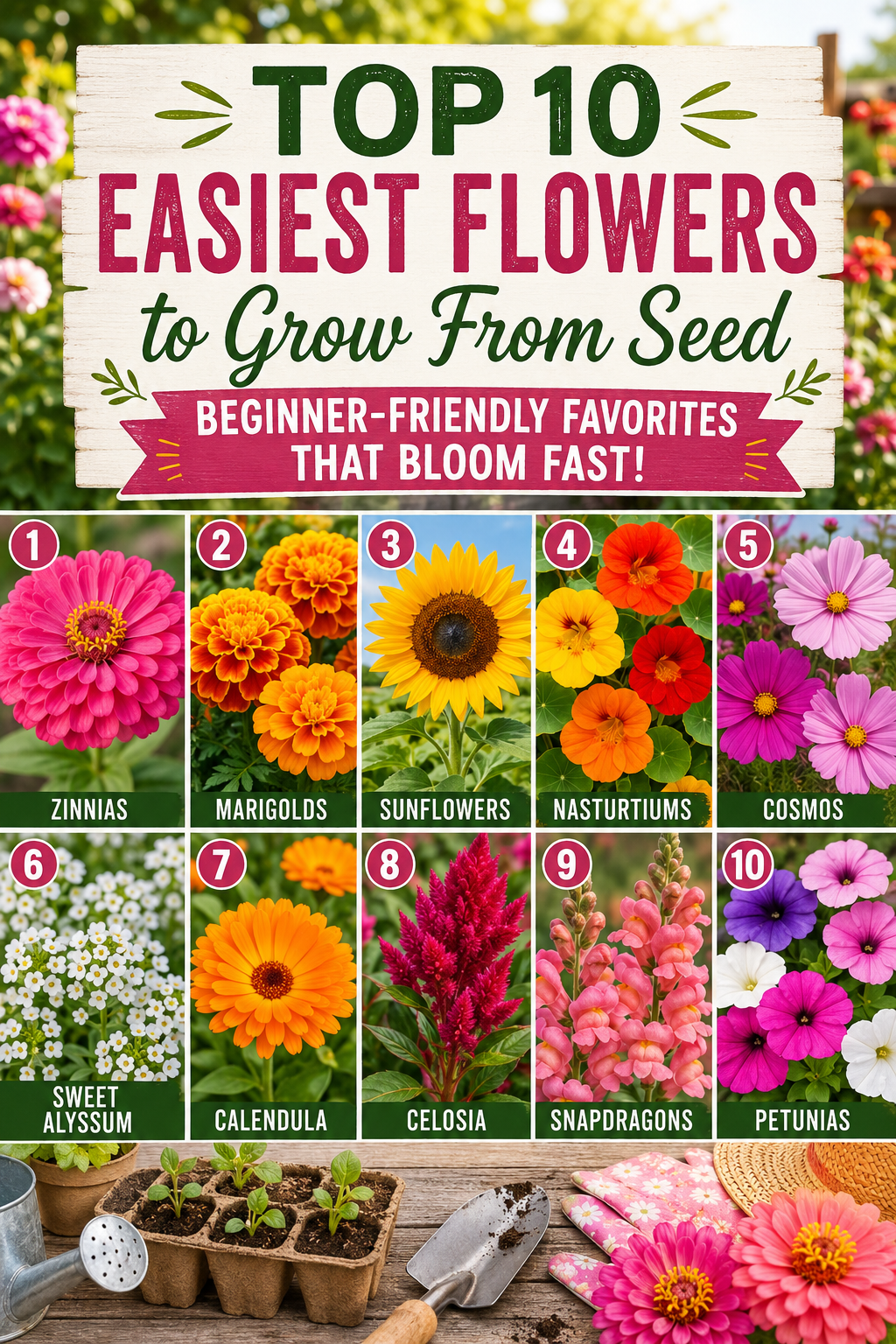
Providing adequate space between your plants is essential for their overall health and growth. Crowded plants compete for nutrients, water, and light, which can lead to stunted growth and increased susceptibility to diseases. When planting flower seeds, be sure to follow the recommended spacing guidelines provided on the seed packet.
Proper spacing allows for good air circulation, which helps reduce the risk of fungal diseases and promotes healthy growth. Additionally, giving plants enough room to expand will enhance their overall appearance, creating a more attractive garden display.
If you find that your plants are becoming overcrowded, consider thinning them out by removing some seedlings once they reach a certain height. This will enable the remaining plants to thrive and reach their full potential.
What is the easiest flower to grow from seed?
Many novice gardeners wonder which flower is the easiest to grow from seed. While various factors can influence ease of growth, zinnias are often hailed as one of the simplest options. Their quick germination and resilience make them a favorite among beginners.
Other easy flowers include marigolds and sunflowers, both of which are known for their fast growth and ability to thrive in a range of conditions. These flowers not only bloom reliably but also offer vibrant colors that can brighten any garden.
Ultimately, the easiest flower for you may depend on your local climate and gardening conditions. However, starting with these beginner-friendly varieties is a great way to build your confidence as a gardener.
Which flower seeds germinate the fastest?
If you’re looking for quick results, several flower seeds germinate rapidly. Zinnias and marigolds typically sprout within 5-10 days under the right conditions, making them ideal for impatient gardeners eager to see growth.
Sunflowers are also known for their fast germination, often emerging within a week. Other quick germinators include nasturtiums and cosmos, which can provide you with a vibrant display in a short amount of time.
What flowers can be directly sown outdoors?
Direct sowing is a convenient method for planting flower seeds, and many varieties can be sown directly in the garden. Flowers such as zinnias, sunflowers, and nasturtiums are well-suited for this method, as they thrive when seeded directly into the soil.
Calendula and cosmos are also excellent candidates for direct sowing, allowing gardeners to skip the indoor seed-starting process. This method can save time and effort while still producing beautiful blooms throughout the season.
When direct sowing, be sure to follow the recommended planting depth and spacing guidelines to ensure successful germination and growth.
What flowers bloom the first year from seed?
Many gardeners are eager to see blooms in their first year of planting, and several flower varieties can deliver on this promise. Flowers like zinnias, marigolds, and sunflowers are known for their ability to bloom in the same year they are sown, providing instant gratification for novice gardeners.
Cosmos and nasturtiums also typically flower within the first year, making them great choices for new gardeners looking to see quick results. These annual flowers can fill your garden with color and beauty in just a few months after planting.
What flower seeds are best for pollinators?
Creating a pollinator-friendly garden is essential for supporting local ecosystems, and many flower seeds are excellent for attracting beneficial insects. Flowers such as zinnias, marigolds, and sunflowers are particularly effective at drawing in bees and butterflies, providing them with essential nectar and pollen.
Cosmos and nasturtiums also serve as wonderful food sources for pollinators, promoting biodiversity in your garden. By incorporating these flower varieties, you can create a vibrant and thriving habitat for essential pollinators.
Which flower seeds are best for containers?
Container gardening is a fantastic way to grow flowers in limited spaces, and several flower seeds are particularly well-suited for this method. Marigolds and petunias thrive in pots, offering vibrant colors and continuous blooms throughout the summer.
Nasturtiums and sweet alyssum are also excellent choices for container gardening, as they can trail beautifully over the edges of pots while attracting pollinators. When selecting flowers for containers, consider their growth habits and ensure they have enough space to expand.
Are flower seeds cheaper than buying plants?
When it comes to the cost of gardening, growing flowers from seed is often much more economical than purchasing fully grown plants. Seeds are typically less expensive, allowing you to create larger flower gardens without incurring high costs.
Additionally, purchasing seeds gives you access to a wider variety of flower options, many of which are not available as mature plants. This variety allows you to explore unique flower types and colors that can enhance your garden’s beauty.
Moreover, the satisfaction of nurturing plants from seed to bloom can be incredibly rewarding, adding to the overall value of growing your own flowers.
What flower should beginners grow first?
For those just starting their gardening journey, marigolds and zinnias are often recommended as the best flowers to grow first. These varieties are forgiving and easy to care for, providing quick results that can boost a novice gardener’s confidence.
Sunflowers and cosmos are also excellent choices for beginners, as they thrive in various conditions and typically bloom in the same year they are planted. Starting with these flowers can help cultivate a love for gardening and encourage further exploration of different varieties.
Featured Variety
One standout flower variety for beginners is the zinnia. Known for its colorful blooms and resilience, the zinnia is a must-have in any novice gardener’s collection. It thrives in sunny conditions and can bloom continuously throughout the summer, providing an eye-catching display.
Another great option is the marigold, which is celebrated for its vibrant colors and dependable performance. These flowers are not only beautiful but also serve as natural pest deterrents, making them a practical addition to any garden.
Featured Varieties
While zinnias and marigolds are excellent choices, other featured varieties include sunflowers, which are known for their towering presence and cheerful blooms. Sunflowers can create a stunning focal point in any garden and are easy to grow from seed.
Cosmos are also worth mentioning for their delicate blooms and carefree nature. These flowers are perfect for adding a touch of whimsy to your garden while attracting pollinators.