Transforming your outdoor space into a vibrant pollinator garden is not just a rewarding gardening project; it’s a vital contribution to the local ecosystem. By carefully selecting plants and features that cater to butterflies, bees, hummingbirds, and other beneficial insects, you can create an inviting habitat that plays a crucial role in supporting the reproduction of the plants we cherish. These pollinators are essential for fertilizing a wide variety of fruits, vegetables, and flowers essential for our daily lives.
Sadly, pollinator populations have been declining due to various factors such as habitat destruction, pesticide application, and climatic shifts. However, the good news is that by designing your garden with these creatures in mind, you can help reverse this troubling trend. Your efforts will not only result in a colorful and lively garden but will also promote biodiversity, making your landscape a haven for wildlife.
Whether your gardening space consists of a sprawling backyard, a modest flower bed, or a few containers on a balcony, you can create an environment that attracts these important visitors. The secret lies in providing a mix of nectar-rich flowers, appropriate nesting spaces, reliable water sources, and a commitment to chemical-free gardening practices.
This guide will walk you through the essential steps to design a pollinator garden that draws in butterflies, bees, and hummingbirds throughout the growing season while enhancing the natural beauty and biodiversity of your landscape.
Choose Native Plants for a Thriving Pollinator Garden
The cornerstone of a successful pollinator garden is the selection of the right plants. Native flowers, shrubs, grasses, and trees have developed alongside local pollinators for eons, establishing a symbiotic relationship that benefits both the flora and fauna. Because these native species are adapted to local climate and soil conditions, they typically require less water, fertilizer, and maintenance compared to non-native ornamentals.
By cultivating a garden with native plants, you provide precisely the nectar, pollen, and host plant resources that local butterflies, bees, and hummingbirds need to thrive. These native flowers tend to bloom reliably, produce high-quality nectar, and offer familiar feeding opportunities that pollinators instinctively recognize.
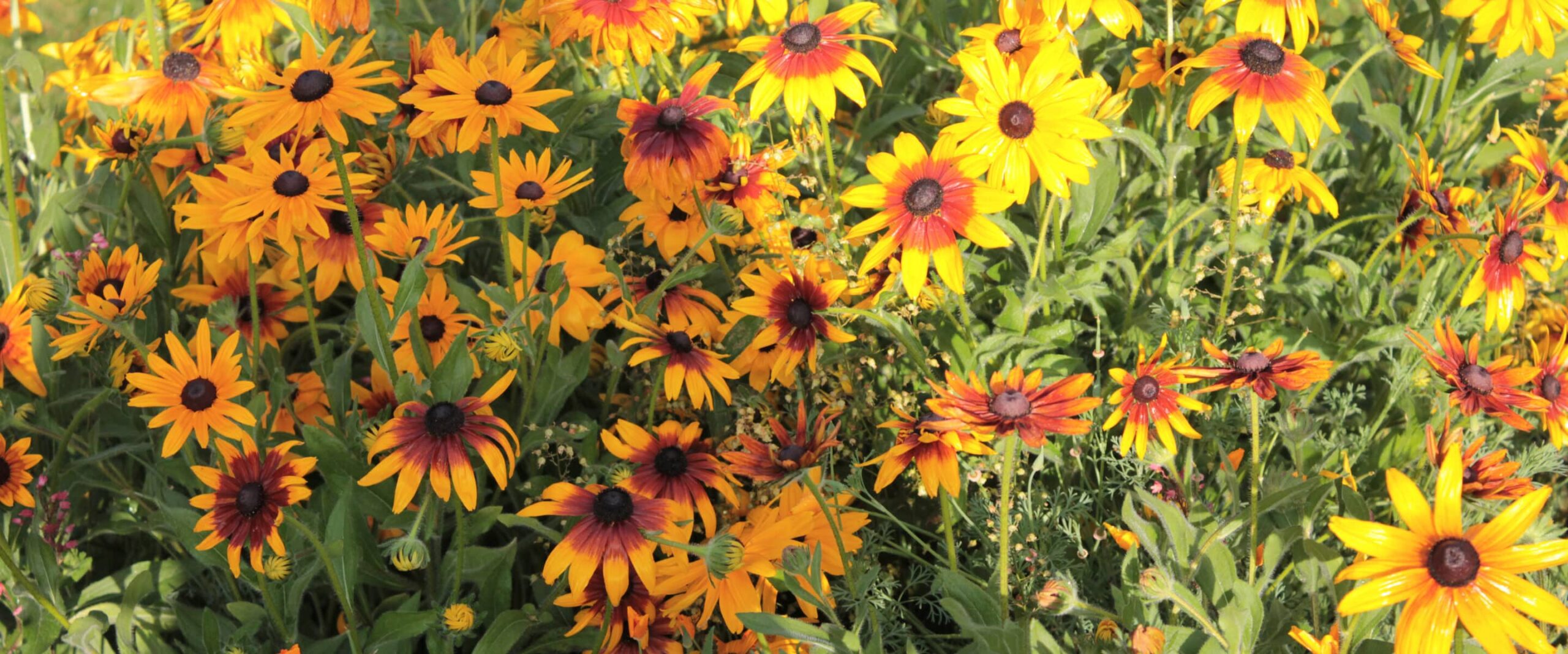
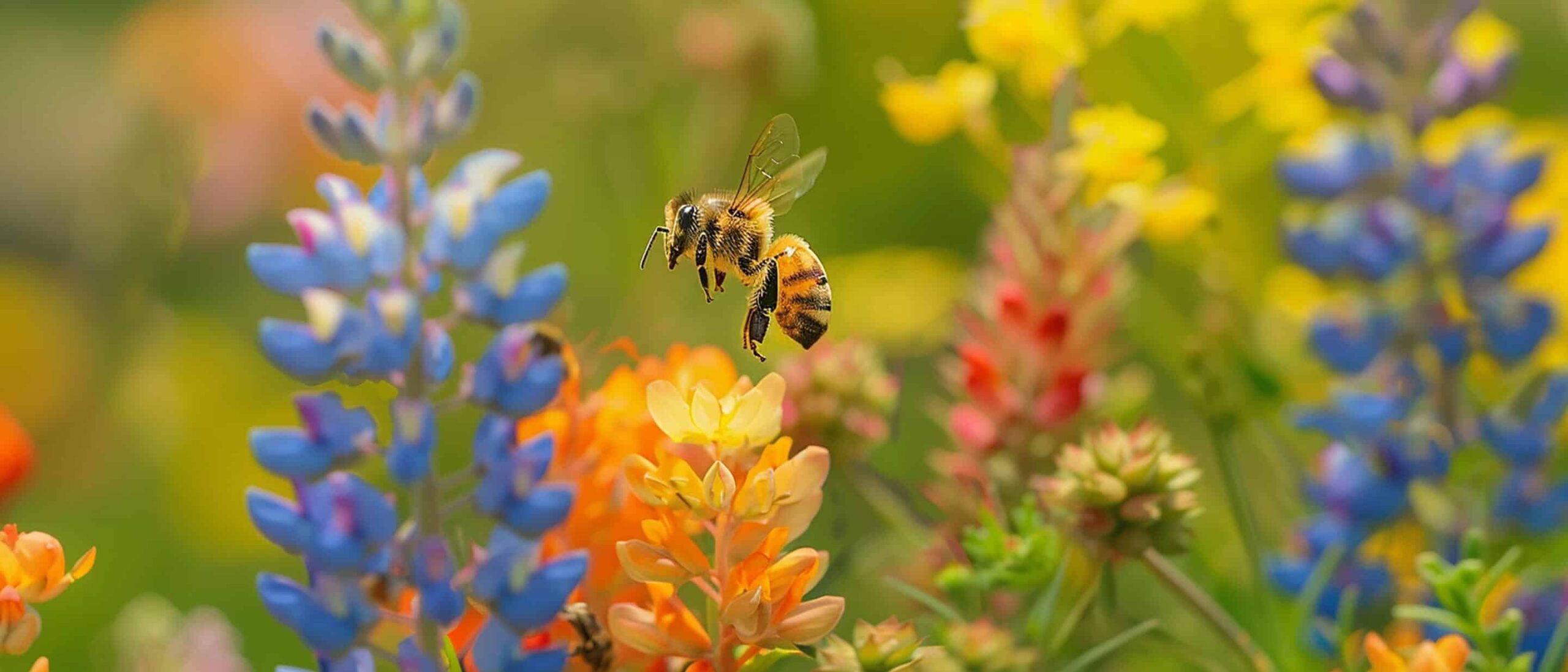
Some excellent choices for a pollinator-friendly garden include milkweed, which attracts monarch butterflies; bee balm, favored by hummingbirds and native bees; coneflowers, which appeal to a wide variety of pollinators; and native sunflowers, which provide both nectar and seeds. If you’re in Zone 8, look into these native flowers that can flourish while supporting local wildlife.
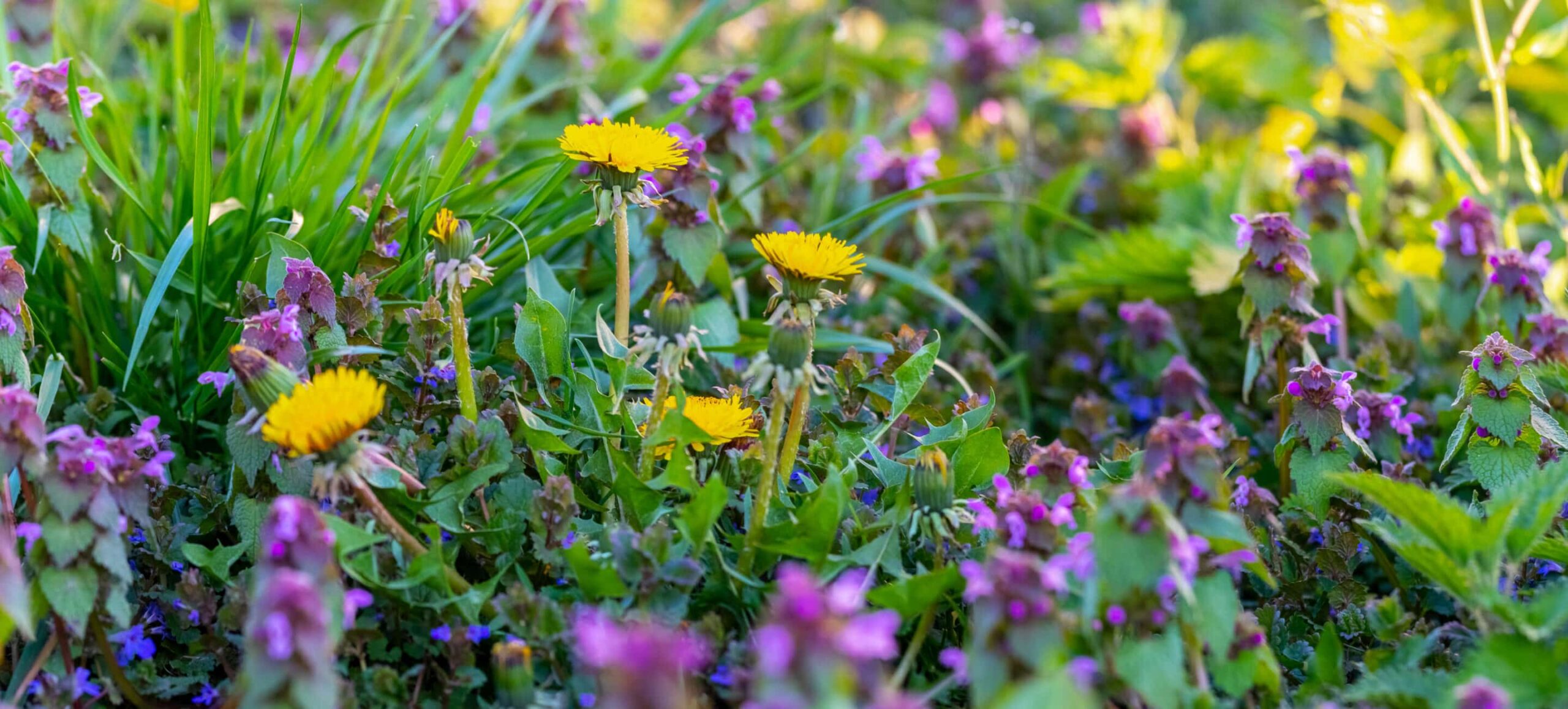
To encourage a vibrant pollinator community, select plants that bloom at different times throughout the year. Early spring flowers are crucial as they provide food sources when pollinators wake from hibernation, while summer and fall blooms continue to offer nourishment during migration and breeding periods. A well-planned succession of blooms ensures your garden remains a reliable food source from spring through frost.
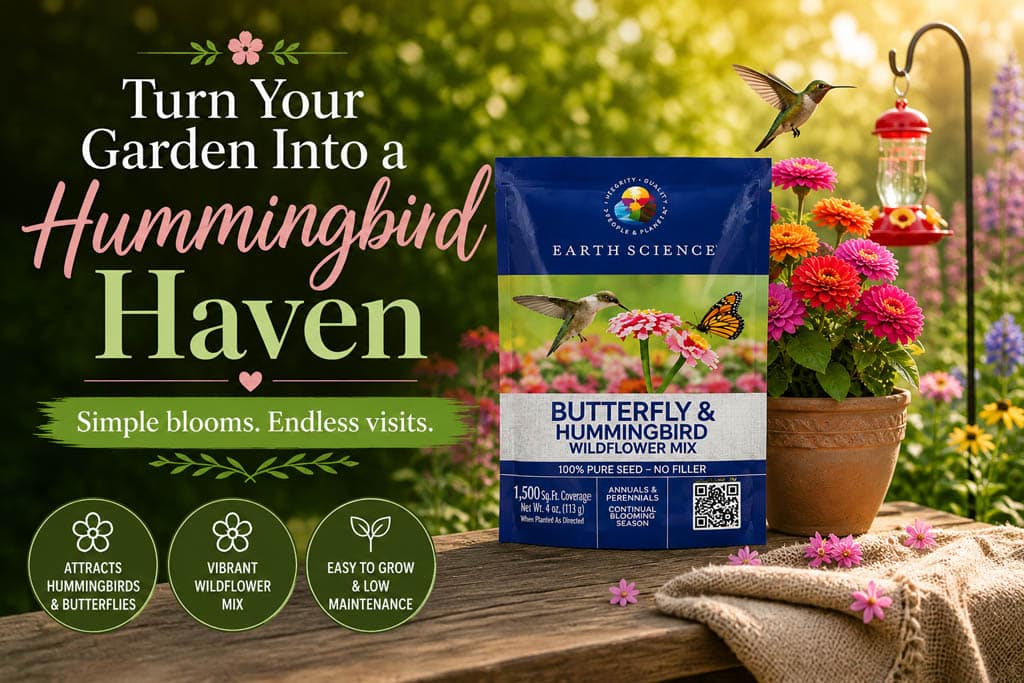
Diversity in plant selection is also vital. Different pollinators are attracted to distinct flower shapes, colors, and nectar profiles. For instance, tubular flowers are known to attract hummingbirds, while flat-topped blooms serve as convenient landing platforms for butterflies and native bees. By incorporating a wide range of plant species, you create a welcoming habitat for various pollinator populations.
As your native plants mature, you’ll witness an increase in buzzing bees, fluttering butterflies, and hovering hummingbirds, indicating that your garden is functioning as a healthy habitat, positively contributing to your local ecosystem.
Create Water Sources That Keep Pollinators Coming Back
While flowering plants are often the focal point of any garden, access to clean water is equally essential in creating a thriving pollinator garden. Butterflies, bees, hummingbirds, and other beneficial wildlife require reliable water sources for drinking, cooling off, and maintaining their overall health. A garden that provides both nourishment and hydration becomes significantly more appealing to pollinators, encouraging them to visit regularly.
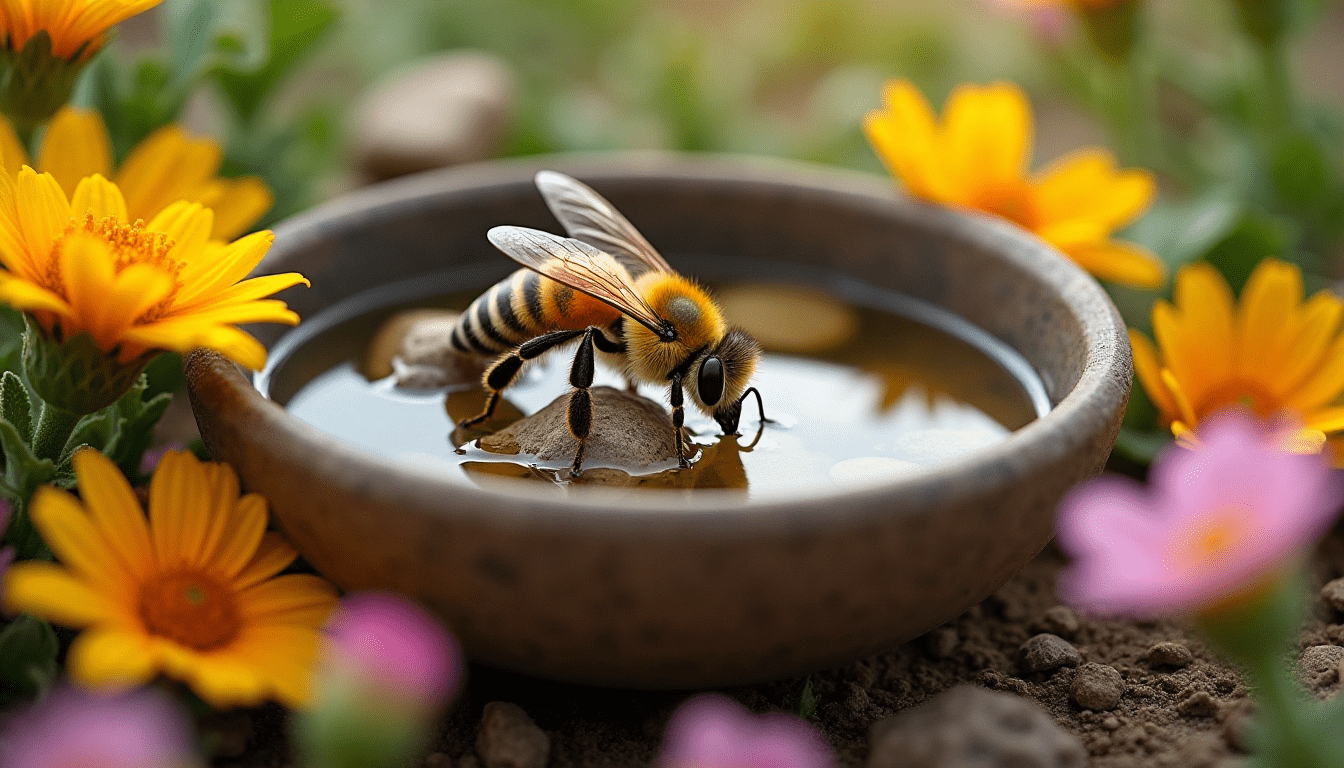
Creating pollinator-friendly water sources doesn’t have to involve elaborate ponds or costly installations. Even a simple shallow dish filled with fresh water can make a substantial difference. The key is to ensure that pollinators can safely access the water without the risk of drowning. Adding pebbles, small stones, or driftwood pieces allows insects and butterflies secure landing spots for safe drinking.
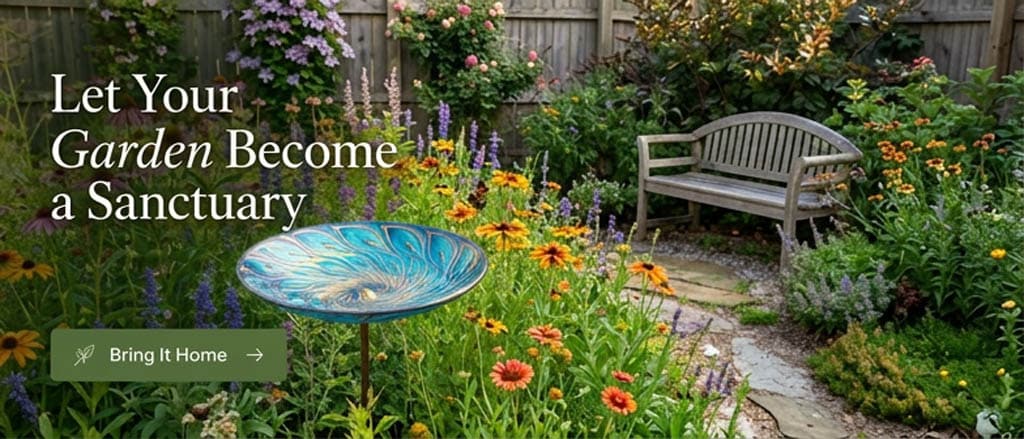
Birdbaths are another excellent addition to a pollinator garden. Shallow birdbaths with textured surfaces offer drinking opportunities not only for pollinators but also for songbirds and other beneficial wildlife. Ideally, position water sources near flowering plants and sheltered areas to allow pollinators easy access between feeding, resting, and drinking spots.
Hummingbirds are particularly drawn to moving water. Installing a small fountain, bubbler, or a gentle water feature can attract their attention from afar and encourage frequent visits. The soothing sound of flowing water also creates a serene atmosphere in your garden, benefiting both wildlife and human visitors alike.
Furthermore, butterflies engage in a behavior called “puddling,” where they congregate on moist soil or shallow muddy areas to absorb minerals and nutrients. Setting up a small puddling station can be quite simple; just fill a shallow container with sand, add a few flat stones, and keep it moist. This small feature can quickly become a favored gathering spot for many butterfly species.
Regular maintenance is crucial for ensuring that your water sources remain safe and healthy. Refresh the water frequently, remove debris, and clean containers regularly to prevent algae growth and discourage mosquitoes from breeding. Fresh, clean water not only helps reduce disease transmission but also ensures pollinators always have access to this vital resource.
For those looking to create an even more wildlife-friendly landscape, combine your water features with habitat-rich plantings. By incorporating native flowers and naturalized garden spaces, you can create a thriving ecosystem where pollinators have everything they need to flourish.
Provide Sheltered Habitats for Nesting, Resting, and Protection
A truly successful pollinator garden offers more than just flowers and water. Pollinators also need safe places to rest, find shelter from extreme weather, evade predators, and raise their young. When gardeners focus solely on nectar-producing plants, they often overlook a critical component of pollinator conservation: habitat.
To cultivate a pollinator garden that supports wildlife through every stage of its life cycle, it’s essential to include a variety of natural sheltering features. Dense plantings, native shrubs, ornamental grasses, small trees, brush piles, and even fallen logs can serve as valuable refuge. These natural elements help create a layered landscape that mimics the habitats pollinators would naturally seek in the wild.
Butterflies, in particular, rely on protected areas where they can rest during windy weather and cool evenings. Taller perennials and shrubs provide important windbreaks while creating sunny spots where butterflies can bask and regulate their body temperature. Many butterfly species also seek specific host plants for laying eggs and feeding caterpillars prior to their transformation into adults.
Native bees have unique shelter requirements that differ significantly from honeybees. In fact, many native bee species are solitary rather than social. Some nest in hollow plant stems, while others create tunnels in dead wood or underground burrows. Leaving portions of your garden a bit wild can provide valuable nesting opportunities. Standing hollow stems, small brush piles, and patches of bare, undisturbed soil can become critical nesting sites for these industrious pollinators.
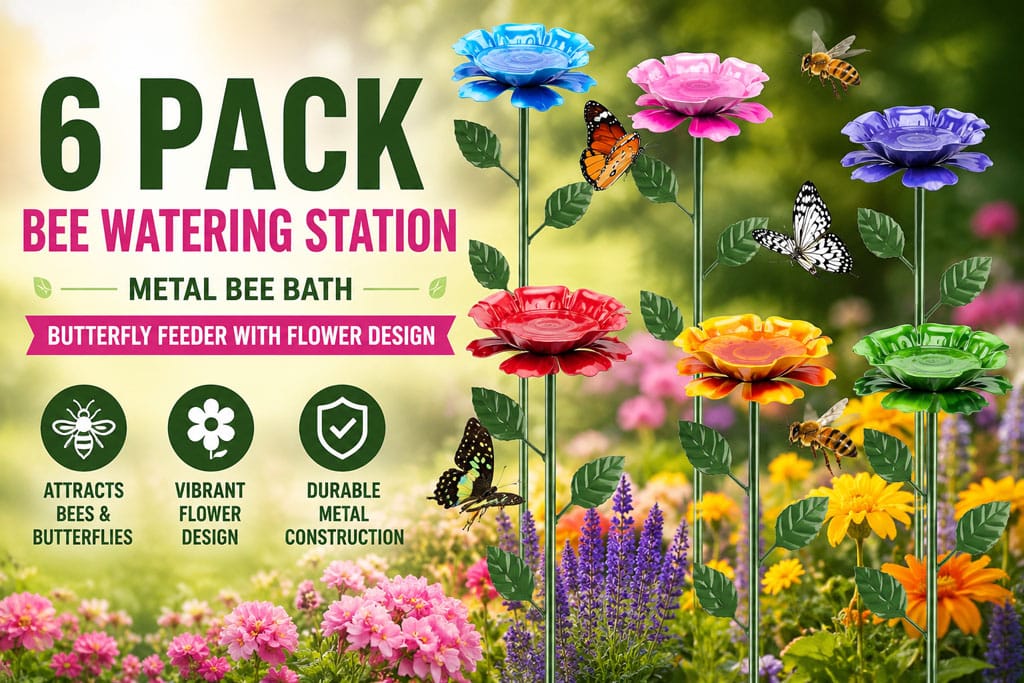
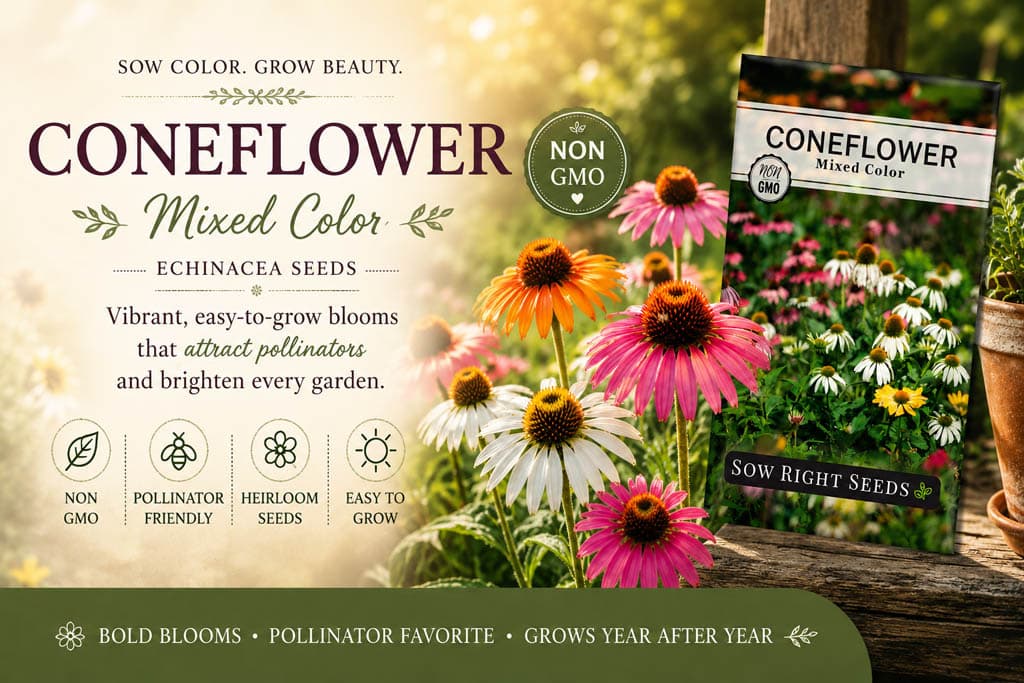
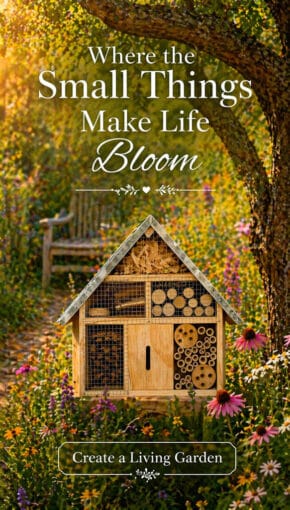
Bee hotels can also offer supplemental nesting opportunities for certain solitary bee species. Position them in sunny locations, sheltered from excessive rain and strong winds. However, it’s vital to prioritize natural habitat features, as they support a broader range of beneficial insects and wildlife.
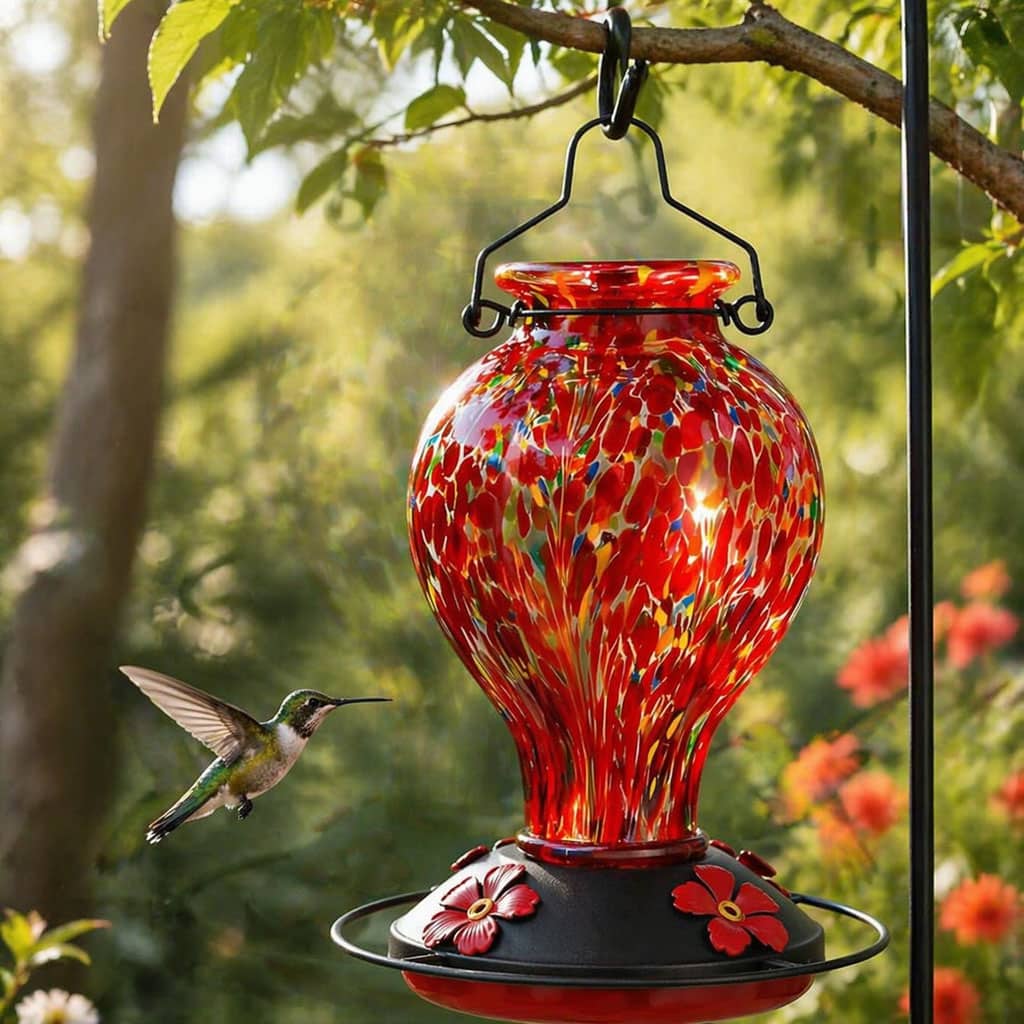
Hummingbirds also benefit from shelter. Small trees, dense shrubs, and layered vegetation provide protected areas where they can rest between feeding excursions. These safe locations offer protection from predators and harsh weather while giving hummingbirds suitable perches to observe their surroundings.
One of the simplest ways to enhance habitat value is to embrace a more natural gardening style. Rather than clearing away every leaf and plant stem in autumn, consider leaving some natural debris in place until spring. Many beneficial insects overwinter in leaf litter, hollow stems, and sheltered crevices. Gardeners who adopt a nature-centered approach often find that a little messiness can lead to significantly greater biodiversity.
For additional inspiration on creating a landscape that supports pollinators and wildlife year-round, explore the principles of Wabi-Sabi gardening, which celebrates the beauty of natural processes and promotes garden spaces that feel inviting to both humans and the creatures that inhabit them.
Avoid Pesticides to Protect the Pollinators You’re Trying to Attract
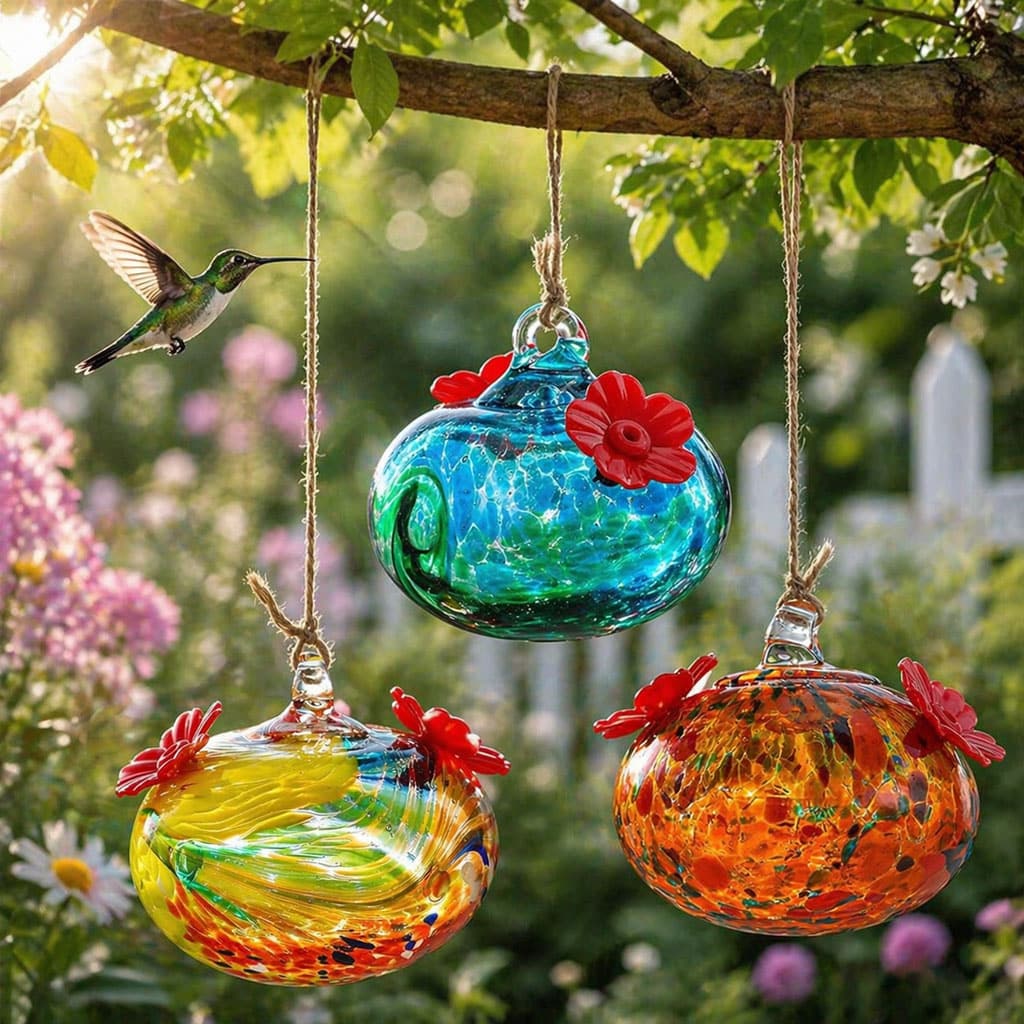
One of the most critical aspects of learning how to create a pollinator garden is recognizing that not all gardening products are beneficial for pollinators. While pesticides and herbicides may seem like quick-fix solutions to common garden challenges, many of these chemicals can inadvertently harm the very butterflies, bees, hummingbirds, and beneficial insects that you aim to attract.
Even products labeled for home garden use can have catastrophic effects on pollinator populations. Certain insecticides can impair a pollinator’s ability to navigate, locate food, reproduce, or return to its nest. Others may contaminate nectar and pollen, exposing pollinators long after the product has been applied. Given that many pollinators visit dozens or even hundreds of flowers daily, their exposure can accumulate rapidly.
Fortunately, a thriving pollinator garden often develops its own natural balance over time. As biodiversity increases, so too does the presence of beneficial predators that help manage pest populations. Instead of reaching for chemical sprays at the first sign of damage, consider adopting a more ecosystem-based approach to garden management.
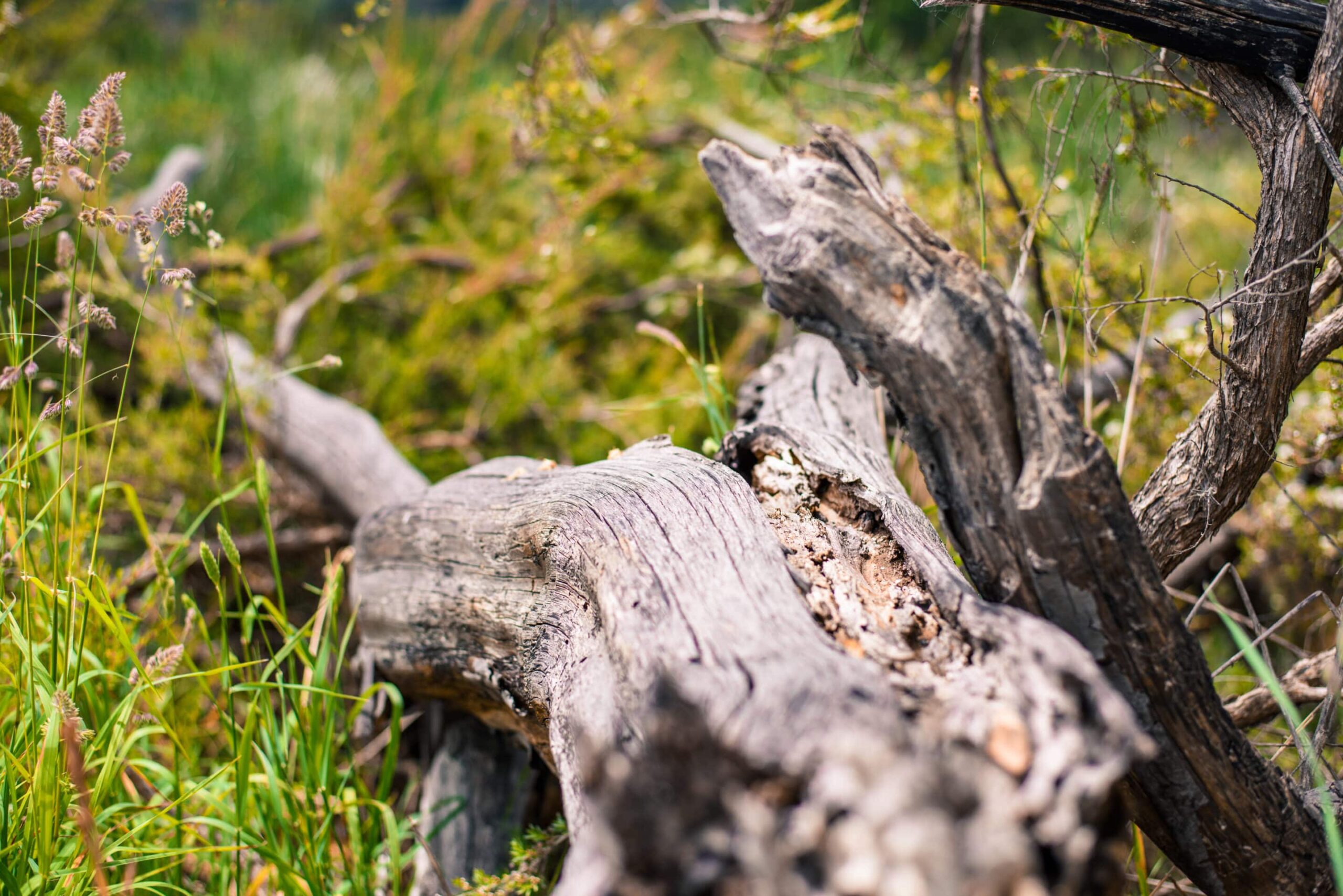
One effective strategy is to encourage beneficial insects that naturally prey on common garden pests. Ladybugs feast on large numbers of aphids, lacewings consume soft-bodied insects, and predatory wasps help control caterpillar populations. By welcoming these natural allies, you can often manage pest issues without resorting to chemicals.
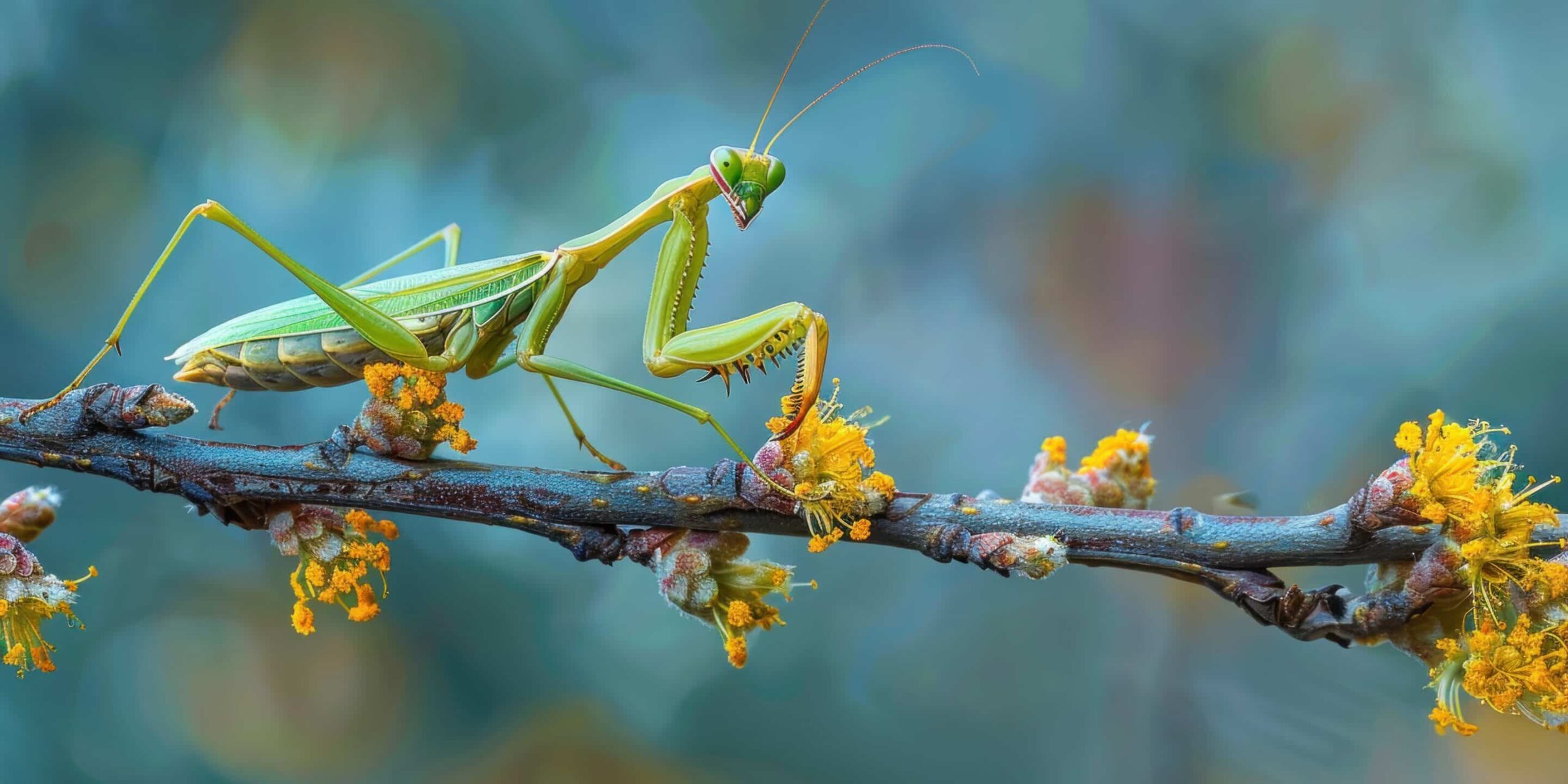
Another valuable garden helper is the praying mantis. These fascinating predators feed on a variety of insects and can assist in maintaining balance within your garden ecosystem. Learn more about their role in natural pest management in our guide to using praying mantises for organic pest control.
Healthy gardening practices can also prevent many pest issues from arising in the first place. Proper plant spacing enhances air circulation, which reduces the likelihood of fungal diseases. Plant diversity makes it harder for pests to overwhelm a single crop or flower species. Maintaining rich, healthy soil promotes vigorous plant growth, allowing plants to better withstand occasional insect damage without significant harm.
Companion planting is another effective tool for pollinator-friendly gardeners. Certain plants naturally repel pests, attract beneficial insects, or confuse pest species with their scent. These natural relationships help reduce pest pressure while enhancing the overall ecological value of your garden.
When intervention becomes necessary, opt for the least harmful option available. Hand-picking pests, using insecticidal soaps selectively, or applying organic treatments during times when pollinators are least active can help minimize unintended impacts. Always avoid spraying blooming plants, as flowers are often the primary feeding sites for bees and butterflies.
It’s also essential to remember that a few chewed leaves are often indicative of a healthy ecosystem rather than a problem. Caterpillars that nibble on host plants today will transform into the butterflies that pollinate your flowers tomorrow. A perfectly pristine garden might support fewer wildlife than one that exhibits some signs of nature at work.
By minimizing or eliminating pesticide use, you create a safer environment where pollinators can forage, reproduce, and thrive. Over time, your garden evolves into a self-sustaining ecosystem filled with beneficial insects, healthy plants, and the vibrant activity that makes pollinator gardens so rewarding to cultivate.
More Gardening Topics
Creating a pollinator garden is one of the most impactful ways to support local ecosystems while transforming your yard into a thriving, living sanctuary. By carefully choosing native plants, providing reliable water sources, establishing sheltered habitats, and avoiding harmful pesticides, you can cultivate an environment that welcomes butterflies, bees, hummingbirds, and a myriad of other beneficial creatures year-round.
The beauty of a pollinator garden extends far beyond its colorful blossoms. Each flower visited by a bee, every butterfly that locates a host plant, and every hummingbird that pauses for nectar contributes to a broader web of life. These small actions in our backyards collectively fortify pollinator populations, enhance biodiversity, and promote healthier ecosystems for future generations.
If you’re just beginning your journey, remember that you don’t need vast amounts of land to make a difference. Even a compact garden bed, a collection of containers, or a thoughtfully planted corner of your yard can provide essential resources for pollinators. As your garden matures, you’re likely to witness an increase in wildlife activity, fostering a deeper connection with the natural world right outside your door.
For those eager to expand their pollinator-friendly initiatives, our guide on creating a hummingbird garden offers additional insights for attracting these fascinating aerial visitors and building an even richer habitat.
Furthermore, consider exploring science-based pollinator conservation recommendations from the Xerces Society for Invertebrate Conservation, a leading organization dedicated to protecting pollinators and other beneficial insects through research, education, and habitat restoration.
By taking steps today to create a pollinator garden, you’re doing much more than planting flowers. You’re establishing a refuge for wildlife, supporting essential ecosystem services, and helping to ensure that future generations can continue to enjoy the beauty and benefits of a world filled with butterflies, bees, and hummingbirds.
Grow Bags vs Plastic Pots for Vegetable Gardening: Which One Grows Better Harvests?
When it comes to vegetable gardening, the choice of containers can significantly impact your harvest. Two popular options in gardening circles are grow bags and traditional plastic pots, each with unique advantages and disadvantages. Understanding these differences can help you make an informed decision that aligns with your gardening goals.
Grow bags are renowned for their excellent drainage and aeration properties, promoting healthy root development. These bags are typically made from breathable materials that allow excess moisture to escape while facilitating air circulation around the roots. This leads to stronger, healthier plants that are less prone to disease.
On the other hand, plastic pots, while often less expensive and more durable, can retain heat and moisture, which may lead to root rot if not monitored carefully. They also tend to limit airflow to the roots, which can hinder overall plant growth. However, they are easier to transport and can come in various sizes to accommodate different plants.
Ultimately, the choice between grow bags and plastic pots will depend on your specific gardening conditions and personal preferences. If you have the space and prefer ease of use, plastic pots may be your go-to. However, for those seeking optimal root health and plant vigor, grow bags could be the superior choice.
How to Fertilize Container Vegetables for Bigger Harvests
Fertilizing your container vegetables is essential for achieving bountiful harvests. Since container plants rely on a limited volume of soil, they often deplete nutrients more quickly than in-ground plants. To ensure your container vegetables thrive, it’s crucial to implement a strategic fertilization routine that meets their needs.
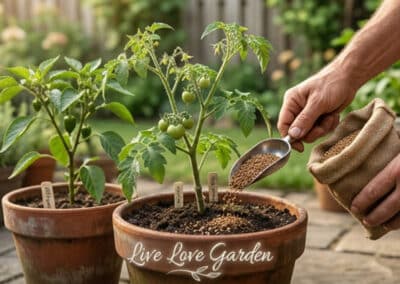
Begin with a nutrient-rich potting mix specifically designed for container gardening. Look for blends that contain organic matter, slow-release fertilizers, and essential micronutrients. This initial mix provides a strong foundation for your plants, promoting healthy growth right from the start.
As your plants grow, supplement with liquid fertilizers every few weeks during the growing season. Choose organic options or those formulated for container plants, as they are typically easier for the plants to absorb. Dilute the fertilizer according to package instructions and apply it during watering to avoid burning the roots.
Pay attention to the specific nutrient requirements of the vegetables you are growing, as different plants have varying needs. For example, leafy greens may require more nitrogen, while fruiting plants like tomatoes benefit from higher phosphorus levels. Adjust your fertilization strategy based on the growth stage of your plants to maximize yields.
Regular monitoring of your plants will help you identify any signs of nutrient deficiency, such as yellowing leaves or stunted growth. By staying attentive and proactive, you can ensure that your container vegetables receive the nourishment they need for robust growth and abundant harvests.
Container Gardening Mistakes That Kill Your Harvest (And How to Fix Them)
Container gardening can be a rewarding endeavor, but it comes with its share of challenges. Many gardeners make common mistakes that can jeopardize their harvests. Understanding these pitfalls and how to avoid them is key to successful container gardening.
One of the most frequent mistakes is choosing containers that are too small. While it may be tempting to opt for smaller pots to save space, inadequate container size can hinder root development and limit plant growth. Always select containers appropriate for the type of plant you’re growing, ensuring they have sufficient depth and space for healthy root systems.
Another common issue is poor drainage. Containers without adequate drainage holes can lead to waterlogged soil, resulting in root rot and other problems. Ensure your containers have drainage holes, and consider using a layer of gravel or stones at the bottom to enhance drainage.
Overwatering is another prevalent mistake among container gardeners. Unlike in-ground plants, container plants require careful monitoring of moisture levels. Always check the soil moisture before watering, and ensure that the top layer of soil is dry before adding more water. This practice helps prevent issues related to over-saturation and promotes healthier root growth.
Lastly, failing to fertilize regularly can significantly impact your harvest. Container plants rely on the limited soil volume for nutrients, so it’s vital to implement a consistent fertilization schedule. Use a balanced fertilizer and adjust based on your plants’ needs to ensure they receive the essential nutrients for robust growth.
How to Grow High Yield Peppers in Small Spaces (Even on a Balcony)
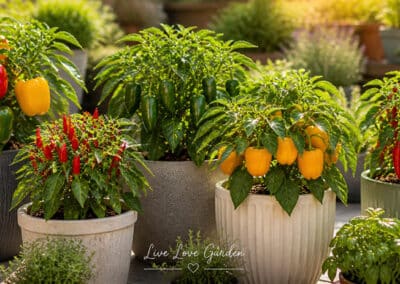
Growing high-yield peppers in confined spaces, such as balconies or small gardens, is entirely feasible with the right approach. These vibrant and flavorful vegetables can thrive in containers, making them perfect for urban gardening enthusiasts. To maximize your yield in limited space, consider these essential tips.
First, select compact pepper varieties that are specifically bred for container gardening. Many heirloom and hybrid types are available that produce abundant fruits without requiring extensive space. Look for varieties like ‘Patio Baby’ or ‘Mini Bell,’ which are known for their high yields in smaller settings.
Next, use large containers that offer ample space for root development. While smaller pots may seem appealing, larger containers provide better drainage and allow for more nutrient retention, which is crucial for fruit-bearing plants. Aim for containers that are at least 5 to 10 gallons in size for optimal growth.
Ensure your peppers receive plenty of sunlight. Most varieties thrive in full sun, so position your containers in a location that receives at least six hours of direct sunlight each day. If necessary, consider using reflective surfaces to maximize light exposure.
Regular watering is essential to keep container peppers hydrated, especially during hot summer months. Monitor soil moisture closely and water deeply when the top inch of soil feels dry. Additionally, fertilize your peppers every few weeks with a balanced fertilizer to support healthy growth and fruit production.
Life and Love Topics
While gardening can provide a meaningful connection to nature, it often intertwines with various aspects of life and love. Whether it’s the joy of sharing gardening experiences with loved ones or the solace found in nurturing plants, the relationship between gardening and personal fulfillment is profound.
Gardening offers opportunities for reflection, growth, and bonding. Many people find that tending to plants mirrors personal growth, teaching valuable lessons about patience, nurturing, and the cycles of life. Engaging in gardening activities with family or friends can create cherished memories and foster deeper connections.
Moreover, gardens can serve as spaces for love and romance. Whether it’s a cozy corner filled with fragrant blooms or a vegetable patch tended together, gardens can become settings for intimate moments and shared experiences. The act of gardening itself can be a collaborative effort that strengthens relationships and nurtures emotional well-being.
Gardening also allows individuals to express their creativity. From designing layouts to selecting plant varieties, gardeners can showcase their personalities and preferences through their outdoor spaces. This creative outlet can be fulfilling and empowering, fostering a sense of accomplishment and pride.
Sunchoke Recipes: 9 Delicious and Easy Ways to Cook with Sunchokes
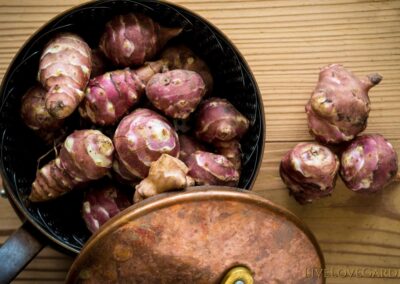
Sunchokes, also known as Jerusalem artichokes, are a versatile and nutritious tuber that can add flavor and nutrition to your meals. These unique vegetables can be prepared in various ways, making them an excellent addition to your culinary repertoire. Here are nine delicious and easy recipes to try with sunchokes.
1. Roasted Sunchokes: Toss sliced sunchokes with olive oil, salt, and pepper, then roast them in the oven until golden brown. Serve as a side dish or toss into salads for added texture.
2. Sunchoke Soup: Sauté onions and garlic in a pot, add diced sunchokes and vegetable broth, and simmer until tender. Blend until smooth for a creamy, comforting soup.
3. Sunchoke Mash: Boil sunchokes until tender, then mash with butter and cream for a delicious alternative to mashed potatoes.
4. Sunchoke Salad: Thinly slice raw sunchokes and toss with lemon juice, olive oil, and fresh herbs for a refreshing salad.
5. Sunchoke Chips: Slice sunchokes thinly, toss with olive oil, and bake until crispy for a healthy snack.
6. Sunchoke Gratin: Layer sliced sunchokes with cheese and cream, then bake until bubbly for a rich and decadent dish.
7. Sunchoke Stir Fry: Sauté sunchokes with your choice of vegetables and protein for a quick and nutritious stir fry.
8. Pickled Sunchokes: Slice sunchokes and pickle them in vinegar, sugar, and spices for a tangy condiment.
9. Sunchoke Pizza: Use thinly sliced sunchokes as a topping on pizza for a unique twist on a classic favorite.
Why Nervous System Health Is the Key to Mental Wellness in 2025
Nervous system health plays a critical role in mental wellness, and understanding this connection is more important than ever as we move into 2025. The mind and body are intricately linked, and maintaining a healthy nervous system can have profound effects on emotional and psychological well-being.

Research has shown that the state of our nervous system can influence mood, stress levels, and cognitive function. A well-functioning nervous system can lead to improved emotional regulation, resilience, and overall mental clarity. On the other hand, stress, anxiety, and environmental factors can negatively impact nervous system health, leading to mental health challenges.
Practicing mindfulness, engaging in physical activity, and ensuring proper nutrition are essential strategies for promoting nervous system health. Mindfulness practices such as meditation and deep breathing can help reduce stress and promote relaxation, allowing the nervous system to function optimally.
Additionally, regular exercise has been shown to enhance mood and cognitive function by releasing endorphins and promoting healthy blood flow to the brain. A balanced diet rich in nutrients can provide the necessary building blocks for neurotransmitter production, further supporting mental wellness.
AI Homework Help for Middle Schoolers
In an increasingly digital world, AI technology is becoming an invaluable resource for students, particularly middle schoolers tackling challenging homework assignments. AI can offer personalized assistance, helping students understand complex concepts and improve their academic performance.

AI homework help tools can provide instant answers to questions, explanations of difficult subjects, and tailored resources based on individual learning styles. This technology can help bridge gaps in understanding and provide additional support outside of traditional classroom settings.
Moreover, AI can assist with time management and organization, guiding students in prioritizing tasks and managing their study schedules effectively. By utilizing AI tools, middle schoolers can enhance their learning experience and build essential skills for academic success.
7 Truths about Parenting Adult Children: How to Set Boundaries Without Breaking the Bond
Parenting adult children comes with its unique challenges and rewards. Establishing boundaries is essential for fostering healthy relationships while allowing adult children the independence they need. Here are seven truths to consider when navigating this phase of parenting.
1. Communication is Key: Open and honest communication is essential for understanding each other’s needs and expectations. Regular discussions can help clarify boundaries and ensure both parties feel heard.
2. Respect Independence: Recognize that your adult children are now individuals with their own lives. Support their independence while being available for guidance when needed.
3. Set Clear Boundaries: Establishing clear boundaries is crucial for maintaining healthy relationships. Discuss what is acceptable and what is not, and be consistent in enforcing these boundaries.
4. Be Supportive: Offer support and encouragement, but avoid overstepping. Allow your adult children to make their own decisions and learn from their experiences.
5. Embrace Change: Parenting dynamics evolve as children grow. Be open to adapting your approach to meet the changing needs of your adult children.
6. Practice Self-Care: As a parent, it’s essential to take care of your own well-being. Nurturing your mental and emotional health will enable you to be more present and supportive for your adult children.
7. Cherish the Bond: While setting boundaries is important, remember to cherish the bond you share with your adult children. Focus on building a relationship based on mutual respect, love, and understanding.