Facts About Calathea
Calathea plants are among the most sought-after houseplants, known for their striking foliage and unique patterns. Although these plants originate from tropical regions and are not typically designed for indoor growing, they have become popular choices for many plant enthusiasts. The allure of Calathea lies not just in their appearance but also in the joy of nurturing them.
This comprehensive guide aims to delve into the various types of Calathea and provide essential care tips to help you cultivate these beautiful plants effectively. You’ll discover everything from watering techniques to propagation methods, ensuring that your Calathea thrives in your home or office.
As we explore this vibrant genus, you’ll learn about the diverse species that fall under the Calathea umbrella. Each plant has its own unique characteristics, making the selection process both exciting and rewarding for any plant lover.
Types of Calathea
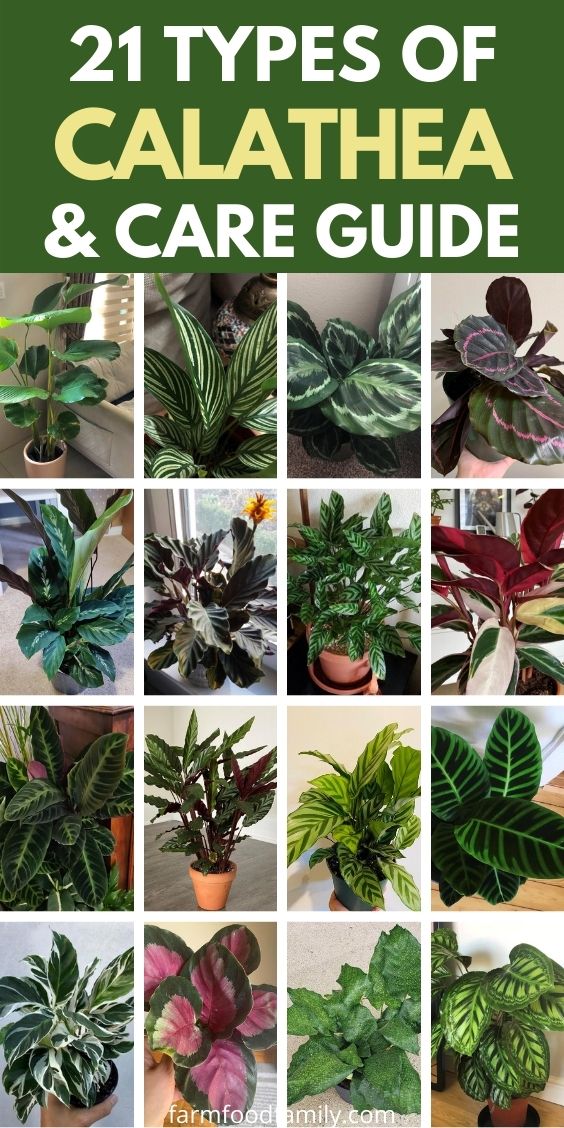
There is a wide array of Calathea varieties that cater to different aesthetic preferences and care requirements. While there are numerous species available, this guide will focus on 21 of the most popular Calathea types suitable for indoor environments.
Each of these varieties has unique traits that make them appealing, from the stunning foliage patterns to the varying sizes and shapes of the leaves. Understanding the distinctions between these types will help you choose the one that best fits your living space and lifestyle.
Now, let’s dive deeper into the various types of Calathea, starting with Calathea Orbifolia, which is one of the most prominent species.
1. Calathea Orbifolia
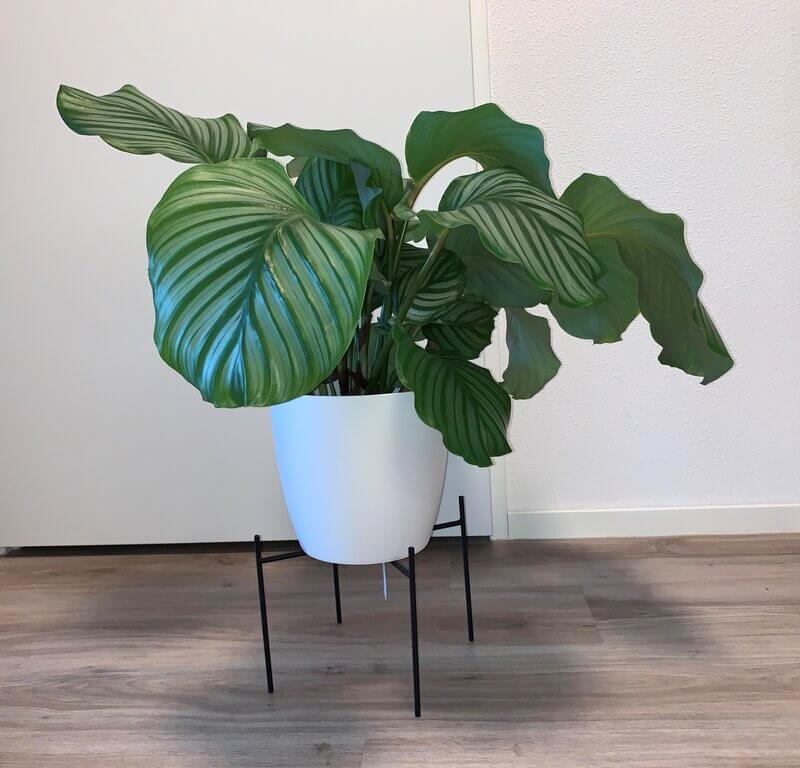
Calathea Orbifolia is known for its large, round leaves adorned with striking silver stripes that create an elegant appearance. This species can grow quite large, making it a stunning centerpiece in any room. The lush foliage provides an eye-catching contrast to more traditional houseplants.
Due to its captivating look and relatively easy care requirements, Calathea Orbifolia is often found in both residential and commercial spaces. Its ability to adapt to various indoor conditions makes it a favorite among plant parents.
When properly cared for, this plant can flourish, providing a vibrant touch to your indoor environment. Whether you’re a seasoned plant enthusiast or a newcomer, Calathea Orbifolia is a rewarding addition to your collection.
2. Calathea Ornata (Pin-Stripe Calathea)
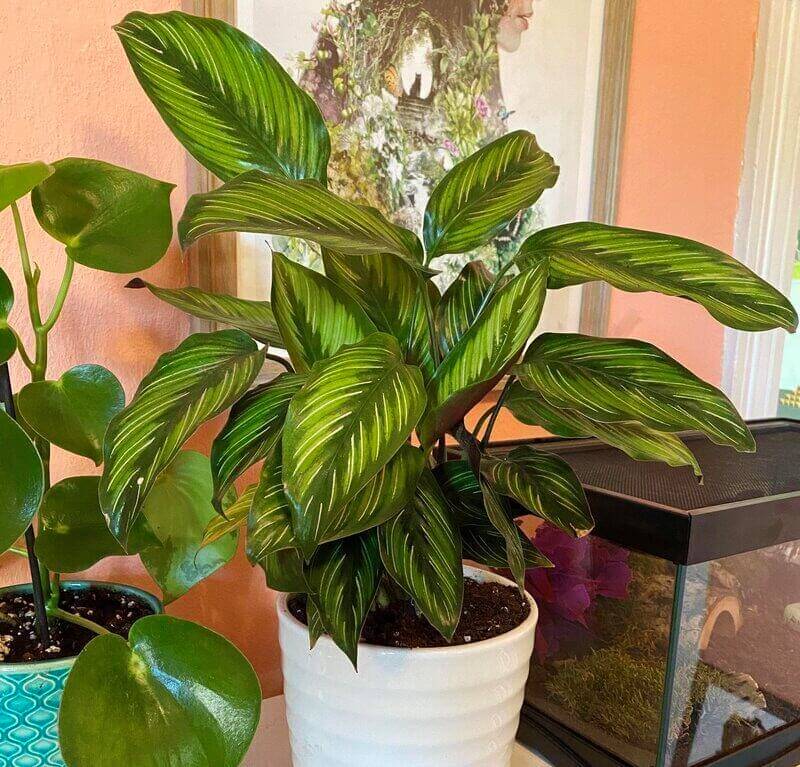
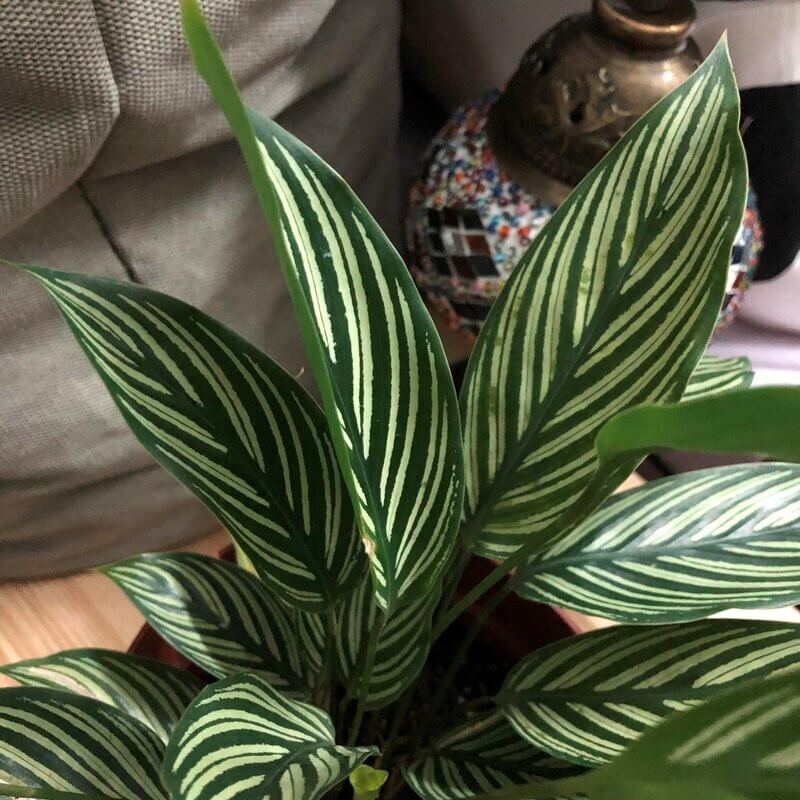
Commonly referred to as the Pin-Stripe Calathea, Calathea Ornata is admired for its striking appearance. The plant features broad green leaves that are complemented by distinctive pink stripes running down the center, creating a beautiful visual effect. This combination of colors makes it an attractive option for any plant display.
Caring for Calathea Ornata is manageable, as it thrives in environments with high humidity. While it can tolerate a bit of extra watering, it’s essential to ensure that the soil remains well-drained to prevent any potential root rot.
With its eye-catching foliage and relatively simple care requirements, Calathea Ornata is an excellent choice for anyone looking to introduce a touch of elegance to their indoor spaces.
3. Calathea Medallion
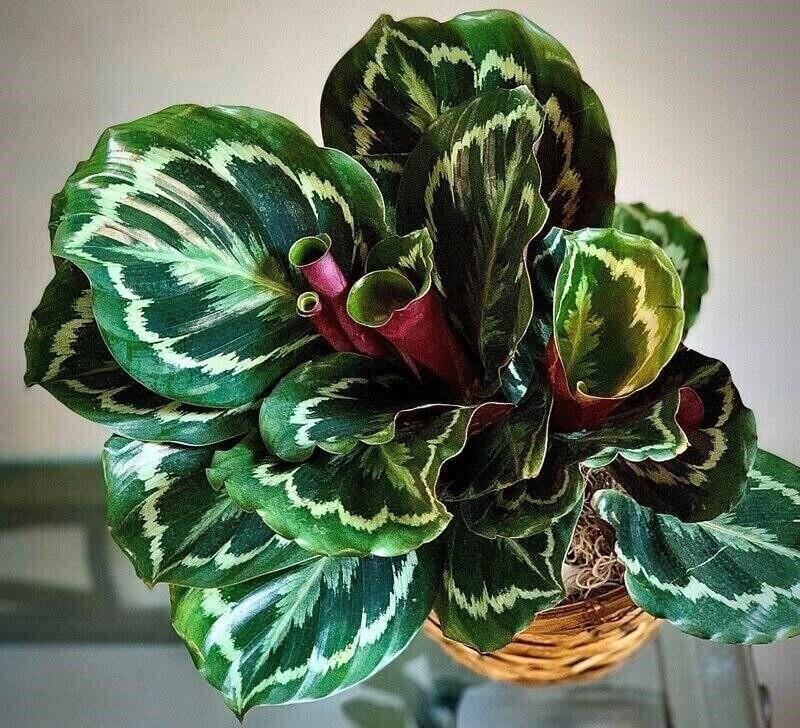
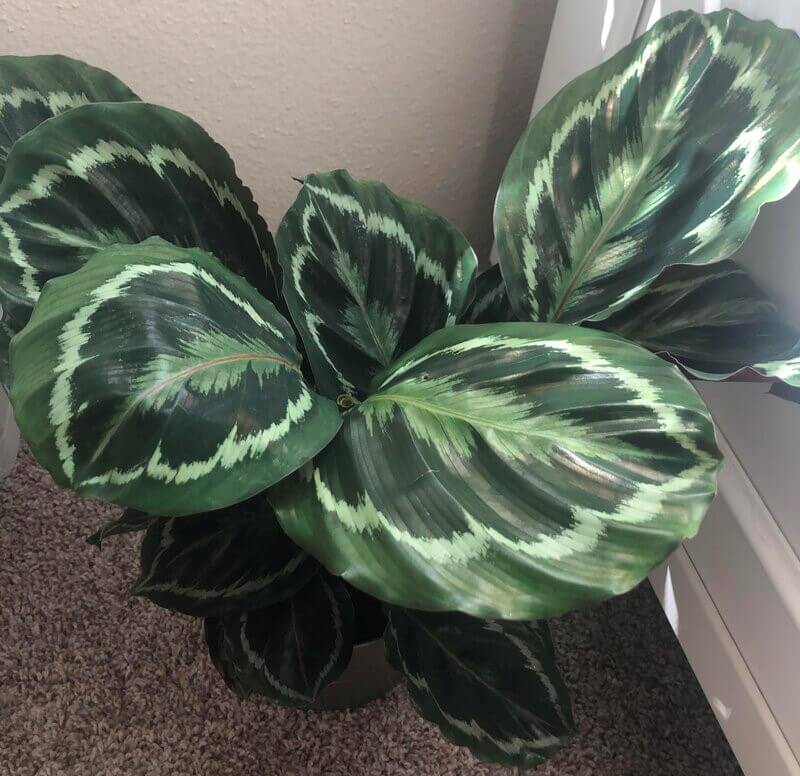
The Calathea Medallion is another stunning addition to the Calathea family, renowned for its unique leaf shape and pattern. The leaves are nearly circular and display a lovely light green border with a darker green center, resembling a medallion or coin.
This plant’s distinctive looks make it a popular choice for interior decor, and it is often used to create focal points in living rooms or offices. Its round leaves offer a different aesthetic compared to other Calathea varieties, making it a unique piece in any plant collection.
In terms of care, Calathea Medallion enjoys similar conditions to other Calathea types, thriving in high humidity and indirect light. With the right care, this plant can flourish, enhancing the beauty of your indoor garden.
4. Calathea Lancifolia (Rattlesnake Plant)
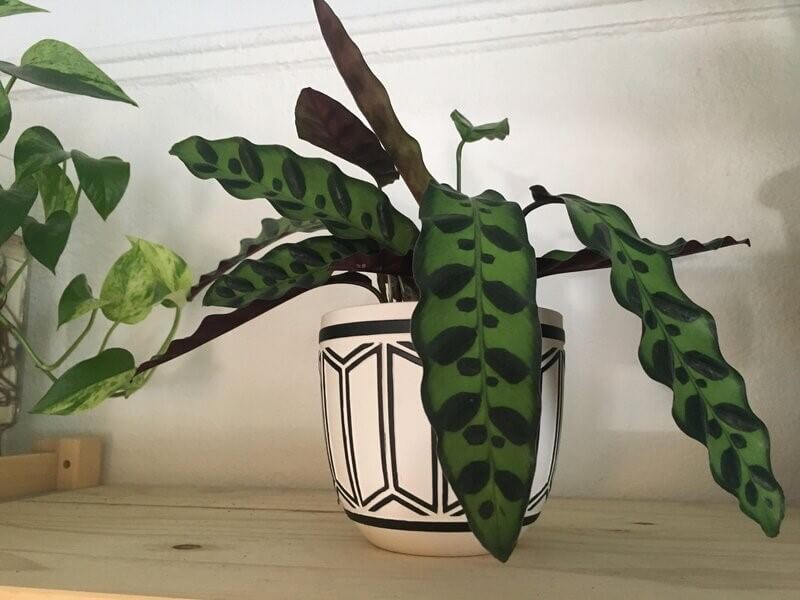
Calathea Lancifolia, commonly known as the Rattlesnake Plant, features long, curvy leaves that can easily be mistaken for those of a snake plant. The leaves have a beautiful pattern that resembles the tail of a rattlesnake, which is how it earned its name.
This unique plant adds an exotic touch to any indoor space, and its adaptability makes it a great choice for various settings. Calathea Lancifolia thrives in humid environments and prefers indirect light, similar to other members of its family.
With proper care, the Rattlesnake Plant can grow beautifully, making it a wonderful addition to any plant lover’s collection.
5. Calathea Musaica (Network Plant)
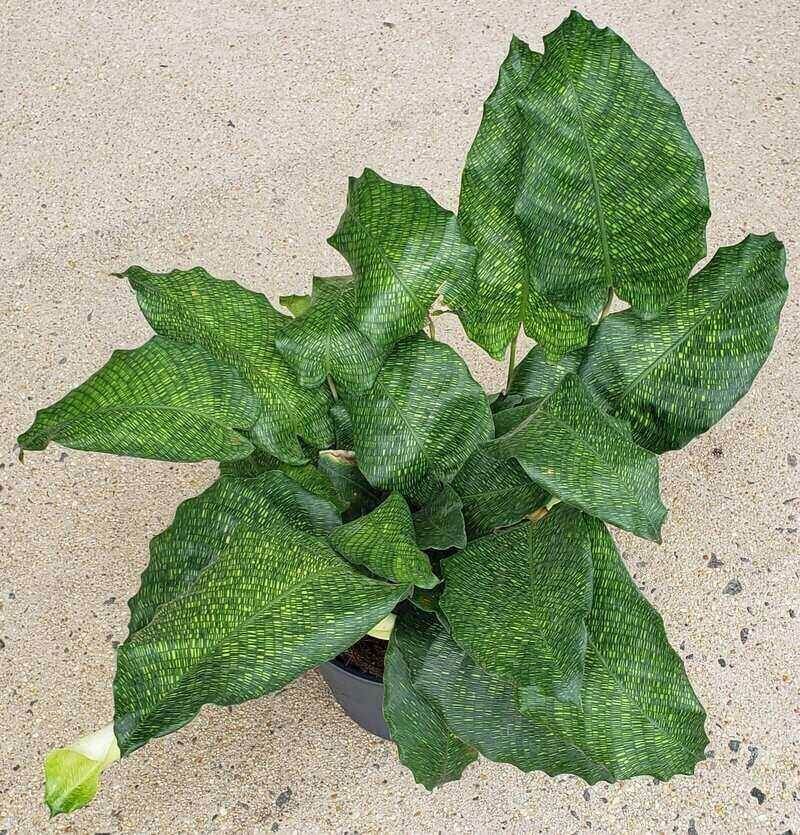
Calathea Musaica, or the Network Plant, hails from Brazil and is characterized by its unique, mosaic-like leaf pattern. The intricate design of its leaves gives it a pixelated appearance, which is a defining feature of this species.
This plant is not only visually striking but also relatively easy to care for, making it an ideal choice for those new to the world of houseplants. It thrives in high humidity and indirect sunlight, allowing it to flourish indoors.
Calathea Musaica can serve as a conversation starter due to its distinctive look, making it a favorite among both novice and experienced plant enthusiasts alike.
6. Calathea ‘Misto’
Calathea ‘Misto’ features long green leaves with a striking light green stripe running through the center. This plant is known for its simple yet elegant appearance, making it a popular choice in various indoor settings.
One of the reasons for its popularity is the ease of care associated with Calathea ‘Misto’. It thrives in humid environments and can be a perfect addition to offices or living rooms where it can receive indirect light.
With its lovely foliage, Calathea ‘Misto’ not only beautifies your space but also provides a sense of tranquility, making it a fantastic choice for anyone looking to enhance their indoor environment.
7. Calathea White Fusion
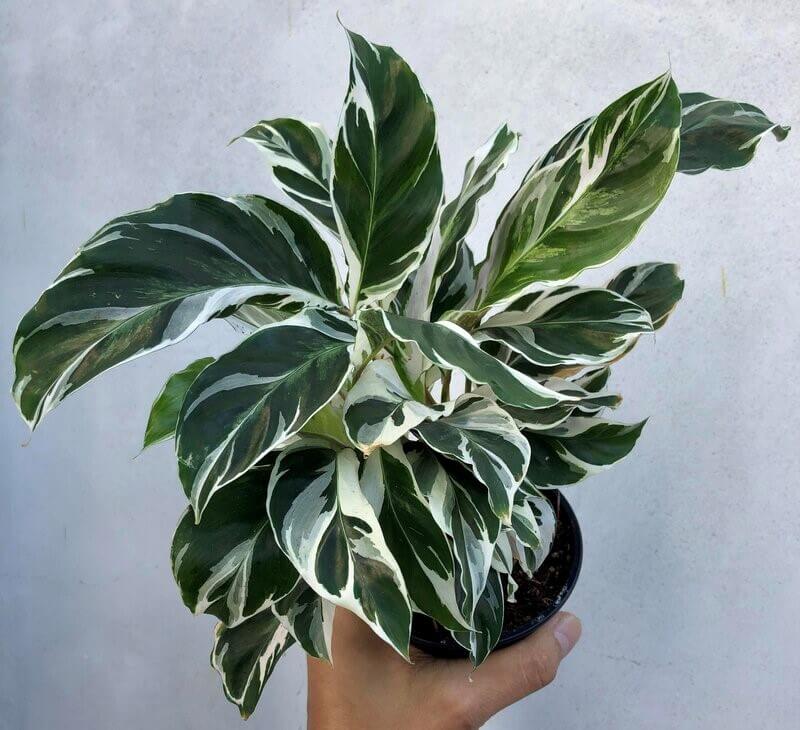
Also known as Calathea Leitzei, Calathea White Fusion stands out due to its unique leaf patterns that resemble a fusion of colors. The leaves showcase a captivating blend of green, silver, and white hues, creating a visually stunning effect.
This variety is not just aesthetically pleasing but also relatively easy to care for, making it a wonderful option for beginners. Calathea White Fusion thrives in humid conditions, preferring indirect sunlight for optimal growth.
Incorporating this plant into your indoor collection can elevate the overall aesthetic of your space, making it a fantastic choice for those who appreciate beautiful and unique houseplants.
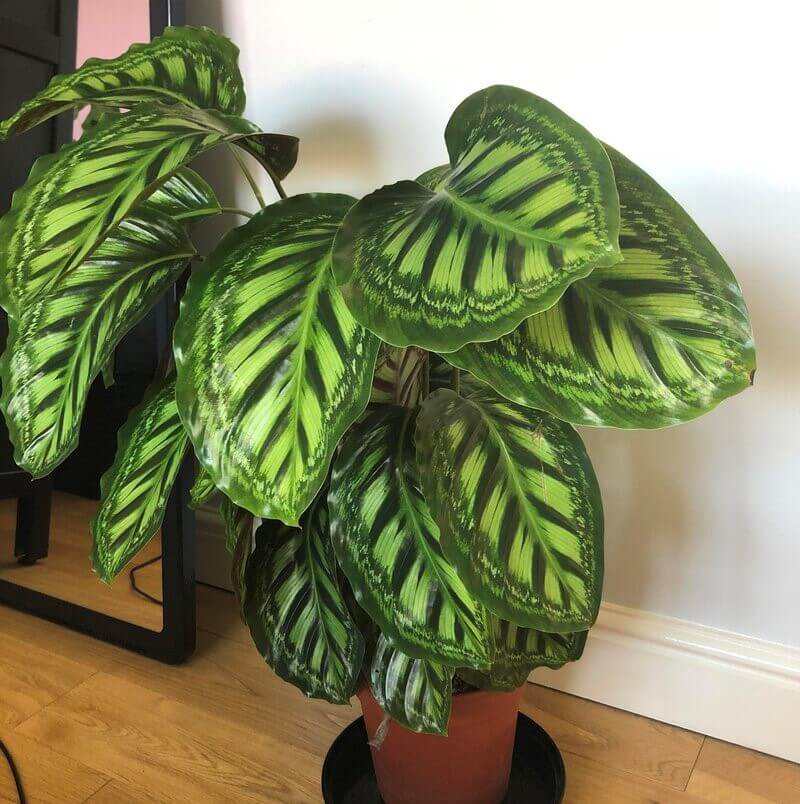
8. Calathea Makoyana (Peacock Plant)
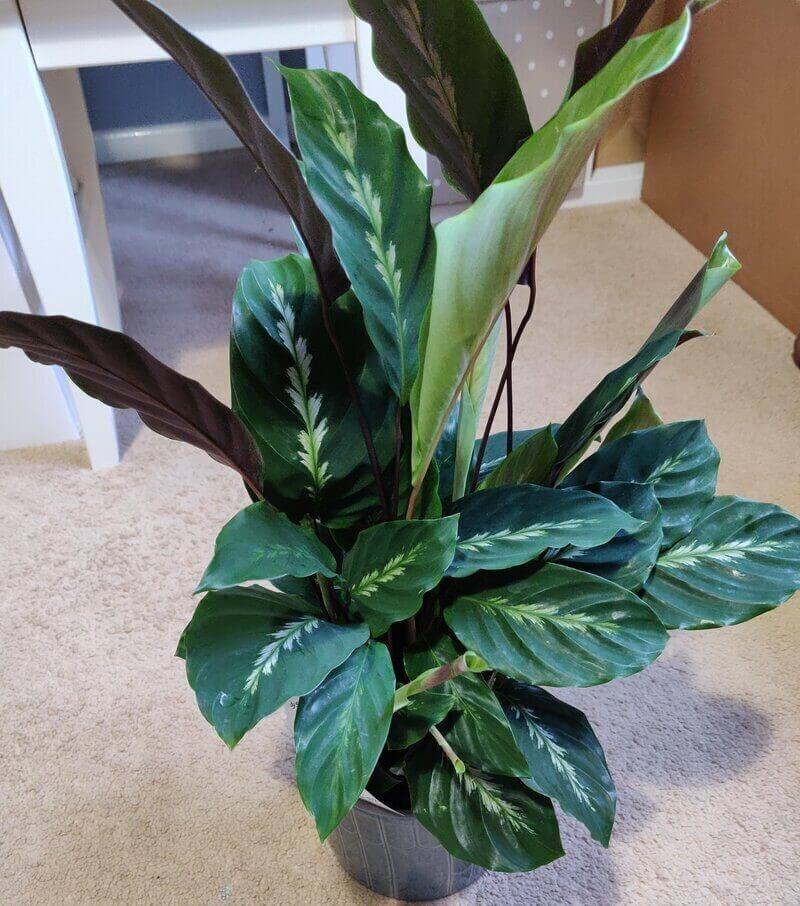
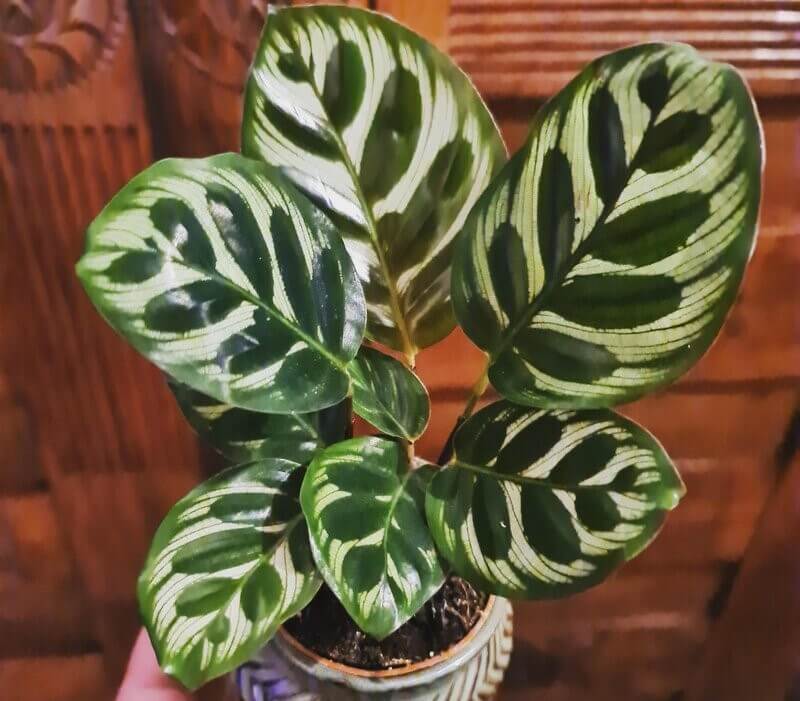
Calathea Makoyana, commonly referred to as the Peacock Plant, is celebrated for its stunning silver leaves adorned with a distinctive green feather pattern. This plant’s beauty is unmatched, making it a favorite among plant enthusiasts.
Beyond its visual appeal, Calathea Makoyana is known for its air-purifying qualities, making it a beneficial addition to any indoor space. It prefers high humidity and indirect light, thriving in conditions similar to those found in its native tropical environment.
By choosing Calathea Makoyana for your indoor garden, you’re not only beautifying your space but also enhancing the air quality, making it a dual-purpose plant that is both stunning and functional.
9. Calathea Roseopicta (Rose-Painted Calathea)
At first glance, Calathea Roseopicta may appear to be a common Calathea plant, but its true beauty is revealed when viewed from the underside of its leaves. The top side displays a lovely mix of green, pale green, and white, while the bottom is a vibrant pink.
This plant is known for its impressive size, with leaves that can grow quite large. Its bold appearance makes it ideal for larger spaces, such as offices or spacious living rooms, where it can truly shine.
Calathea Roseopicta thrives in humid environments and requires indirect light to flourish. By caring for this plant, you can create a striking focal point in your indoor decor.
10. Calathea Freddie
Calathea Freddie is one of the smaller varieties within the Calathea family, making it versatile in terms of placement. This plant features ruffled silver leaves with beautiful green stripes, giving it a unique and captivating look.
Despite its smaller size, Calathea Freddie shares similar care needs with its larger counterparts, enjoying humid conditions and regular watering. This makes it an excellent choice for those looking to add a touch of elegance to smaller spaces.
With its charming appearance and manageable size, Calathea Freddie can fit seamlessly into any room, enhancing your indoor garden’s overall beauty.
11. Calathea Zebrina (Zebra Plant)
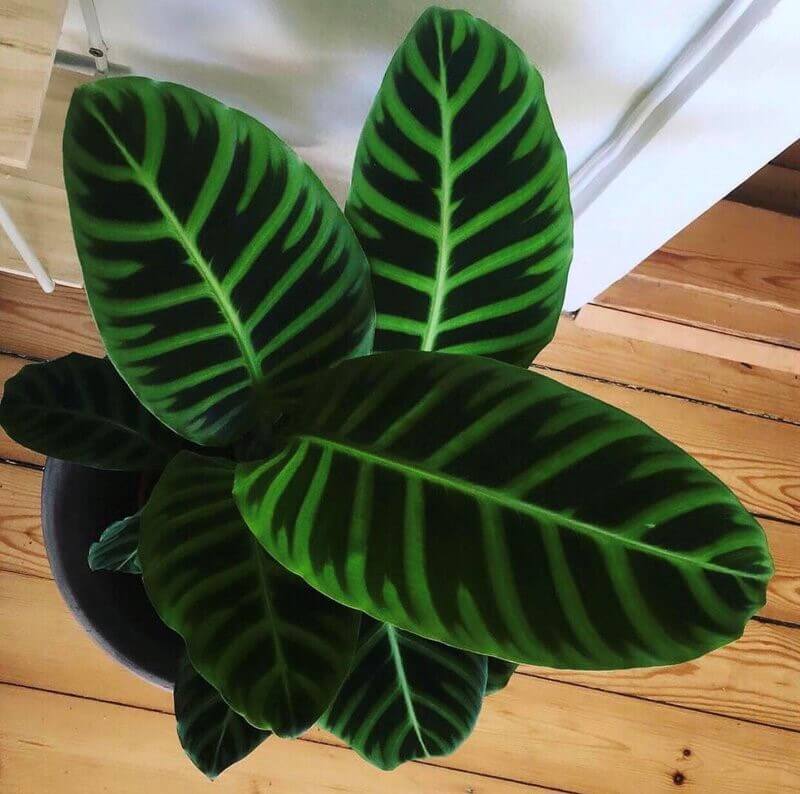
Calathea Zebrina, commonly known as the Zebra Plant, is famous for its distinctive foliage. The plant can grow up to one meter in height and boasts long, slender leaves with a striking green color and zebra-like stripes.
The impressive size of the Zebra Plant makes it a standout feature in any indoor setting. As it grows, you may find the need to repot it every couple of years to ensure it has enough space to thrive.
Calathea Zebrina is a fun and eye-catching plant that can elevate the decor of your home or office, making it a favorite among plant lovers.
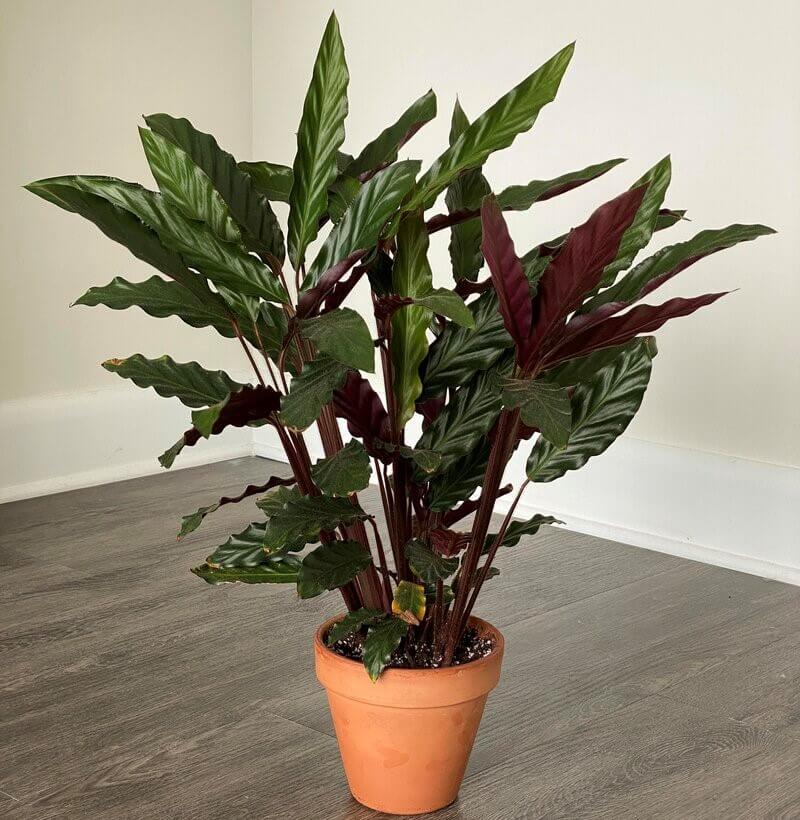
12. Calathea Rufibarba (Furry Feather Calathea)
Known by several names, including Velvet Calathea, Calathea Rufibarba is distinctive for its short hairs on the leaves, giving them a waxy texture. This plant features long leaves in shades of green and dark blue, with a deep purple underside, creating a visually appealing contrast.
The elegant appearance of Calathea Rufibarba adds a unique touch to any indoor garden. It thrives in humid environments and prefers indirect light, similar to other Calathea varieties.
With its extraordinary look and care requirements, Calathea Rufibarba is an excellent choice for anyone looking to diversify their plant collection.
13. Calathea Warscewiczii
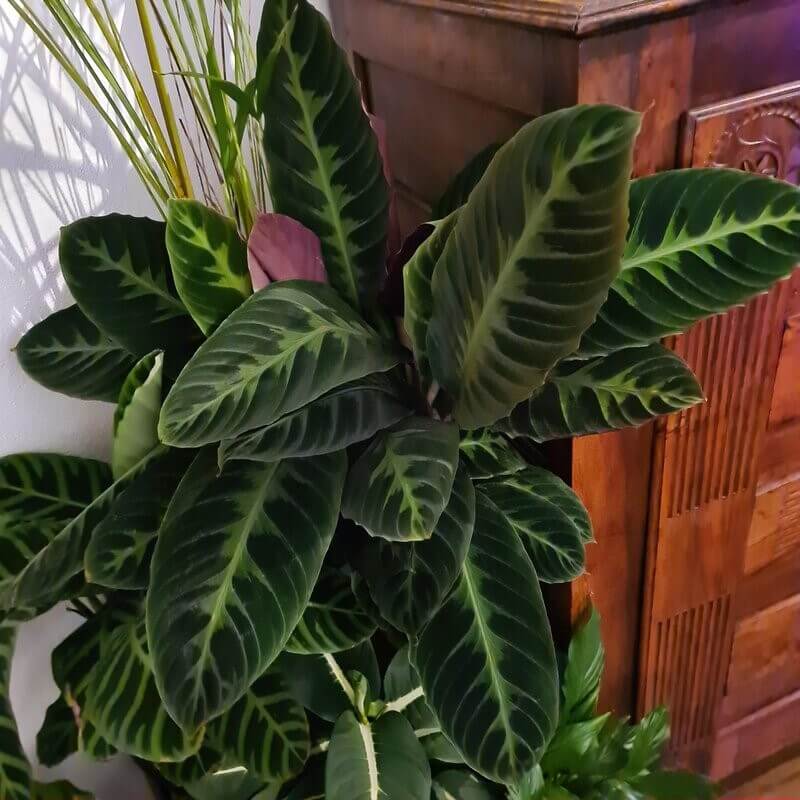
Calathea Warscewiczii, often referred to as Calathea Jungle Velvet, is known for its lush foliage and striking appearance. This plant originates from Central and South America and can grow impressively tall, reaching up to four feet under optimal conditions.
As a plant that thrives in humid environments, Calathea Warscewiczii requires care similar to its Calathea relatives, preferring indirect light for optimal growth. Its unique appearance and size make it a captivating addition to any indoor space.
By providing the right care, you can enjoy the beauty of Calathea Warscewiczii as it grows and flourishes in your home.
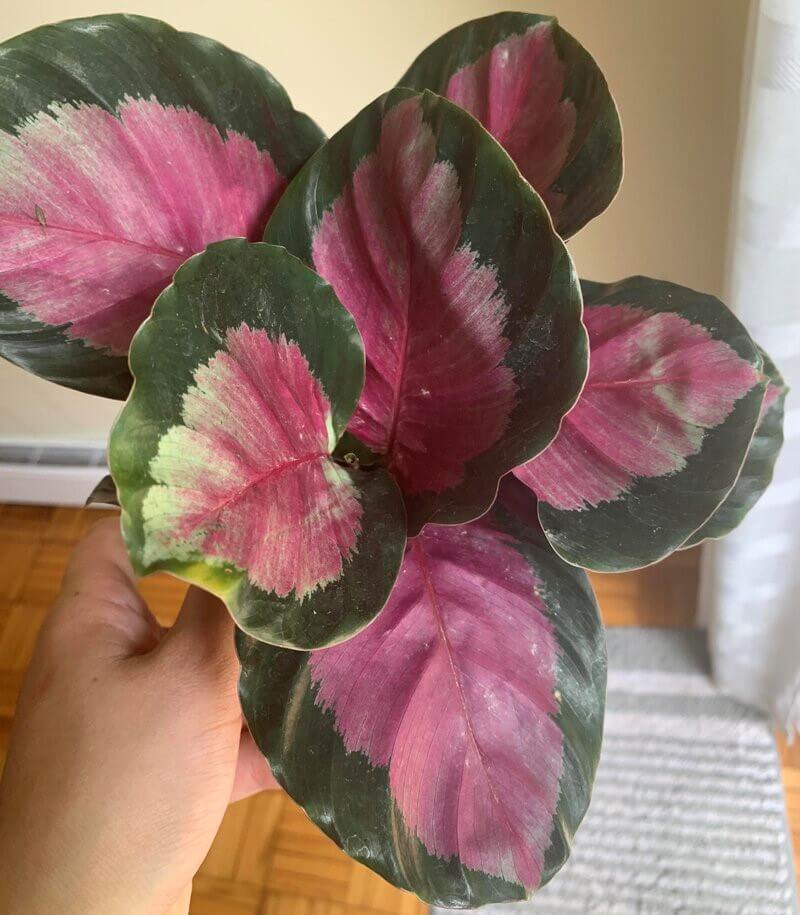
14. Calathea Triostar
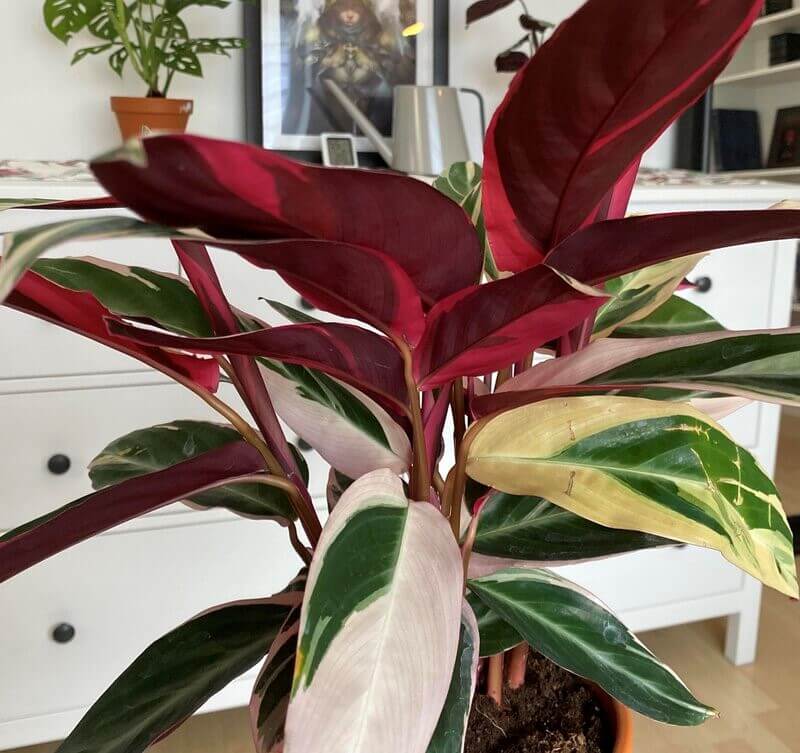
Calathea Triostar is a remarkable variety that features a stunning blend of three colors: green, pink, and white. This plant’s unique foliage makes it an eye-catching addition to any indoor garden, providing a vibrant pop of color that can brighten up any space.
Originating from the depths of the Amazon forest, Calathea Triostar thrives in humid environments, much like its fellow Calatheas. It prefers indirect light and can adapt well to various indoor conditions, making it suitable for a range of settings.
By incorporating Calathea Triostar into your collection, you can enjoy a unique and colorful plant that enhances the overall appeal of your indoor environment.
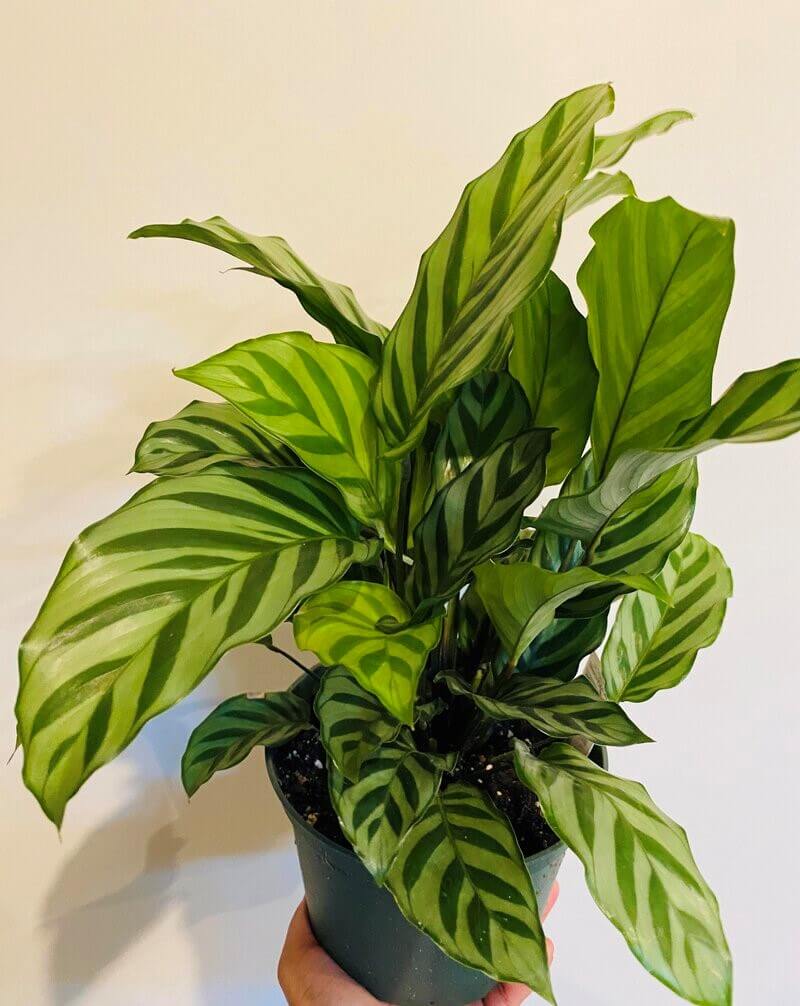
15. Calathea Concinna
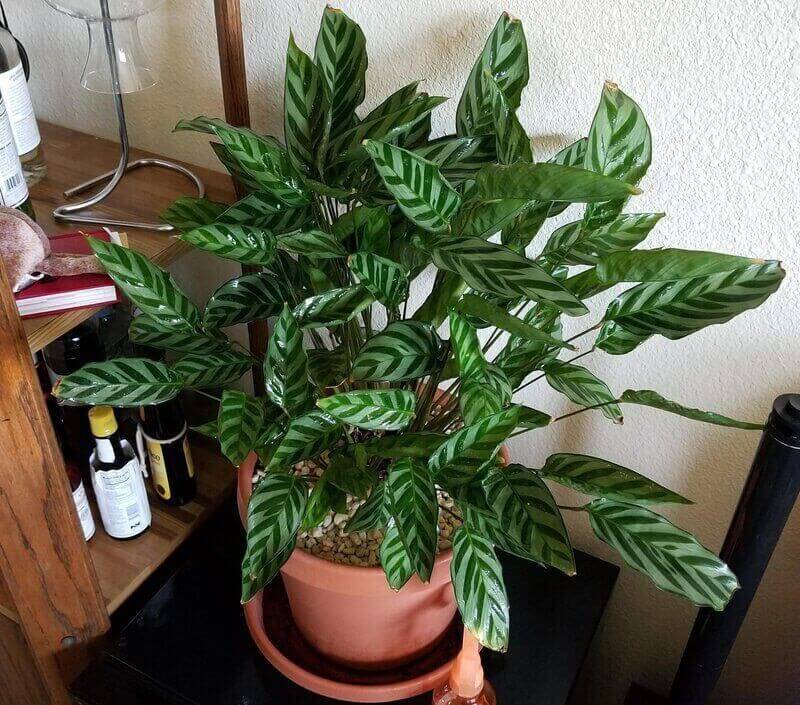
Calathea Concinna bears similarities to both Zebrina and Freddie, often causing confusion among enthusiasts. This plant features leaves adorned with a thicker zebra pattern, contributing to its striking appearance.
Calathea Concinna is adaptable and can thrive in room temperatures ranging from 19 to 27 degrees Celsius. Its unique leaves and manageable care requirements make it a must-have for plant lovers.
Incorporating Calathea Concinna into your indoor garden can add a distinctive flair while also providing a delightful plant care experience.
16. Calathea Crocata (Eternal Flame)
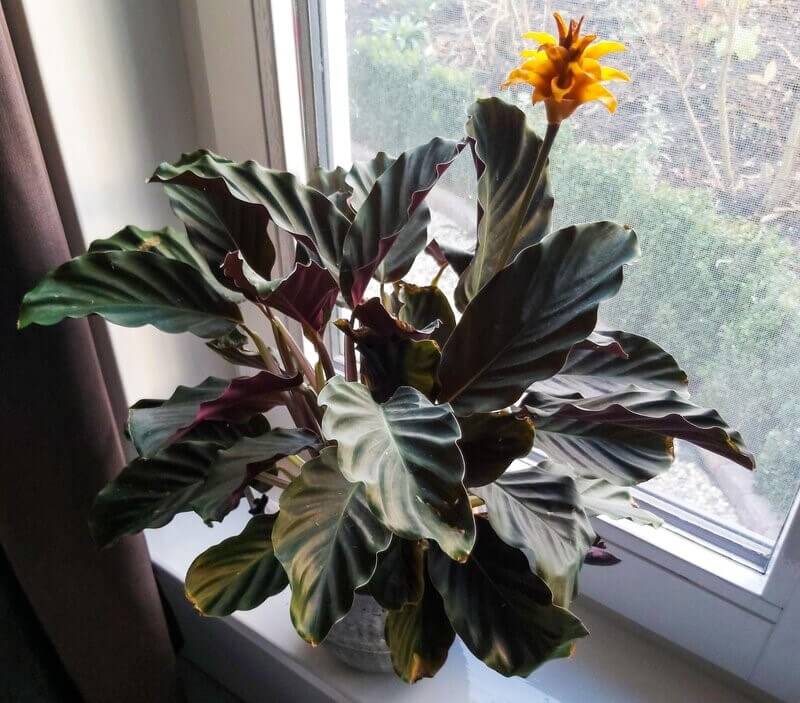
Calathea Crocata, popularly known as the Eternal Flame, is easily recognizable due to its ability to produce beautiful yellow flowers resembling torch flames. These flowers can last for several months, adding a bright touch to its lush foliage.
The leaves of Calathea Crocata are equally impressive, featuring a metallic-like appearance with a rich green top side and purple undersides. This combination of striking foliage and vibrant flowers makes it a standout choice for any indoor collection.
With proper care, Calathea Crocata can thrive and bring a unique charm to your home, making it an excellent option for those looking to enhance their indoor garden.
17. Calathea Veitchiana
Calathea Veitchiana is one of the larger species within the Calathea family, featuring broad, round leaves that can be somewhat delicate. This plant requires careful handling to avoid damaging its impressive foliage, but the effort is well worth it.
Like other Calathea varieties, Veitchiana prefers well-draining soil and moderate indirect light to thrive. Its stunning leaves can serve as a focal point in any room, making it a delightful addition to your plant collection.
By ensuring proper care, you can enjoy the beauty of Calathea Veitchiana as it grows and flourishes in your indoor environment.
18. Calathea Louisae
Calathea Louisae, native to Brazil, is another stunning addition to the Calathea family. This variety can grow up to 80 cm in height, displaying beautifully patterned pale and dark green leaves that can reach impressive dimensions.
The elegance of Calathea Louisae makes it an attractive option for various indoor spaces, and its care requirements are similar to other Calathea types. By providing adequate humidity and indirect light, this plant can thrive beautifully.
Incorporating Calathea Louisae into your collection will enhance your indoor garden’s aesthetic while also providing an enjoyable plant care experience.
19. Calathea Dottie
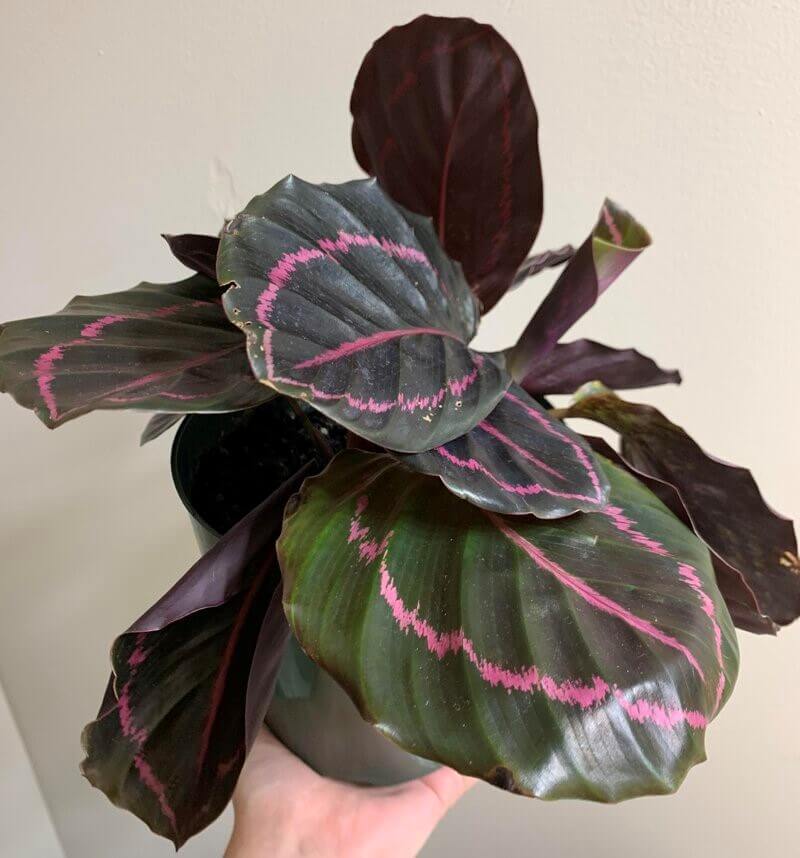
Calathea Dottie stands out as one of the most visually striking Calathea varieties. This plant features dark purple leaves adorned with unique pink ring-like patterns and stripes, creating a captivating appearance.
Growing quickly, Calathea Dottie can reach up to 60 cm in height, making it an eye-catching addition to your indoor space. Its unique coloration and patterns make it a favorite among plant enthusiasts.
With proper care, Calathea Dottie can thrive beautifully, adding a touch of elegance and charm to your home or office decor.
20. Calathea Vittata
Calathea Vittata is a cultivated species originating from Colombia. This smaller variety can reach a height of around 60 cm and features green leaves shaped like an eclipse, adorned with neat white stripes.
The attractive appearance and manageable size of Calathea Vittata make it a delightful choice for indoor gardening. Its care requirements align with those of its Calathea cousins, thriving in humid environments with indirect light.
Incorporating Calathea Vittata into your collection will not only beautify your space but also provide an enjoyable plant care experience.
21. Calathea Lutea
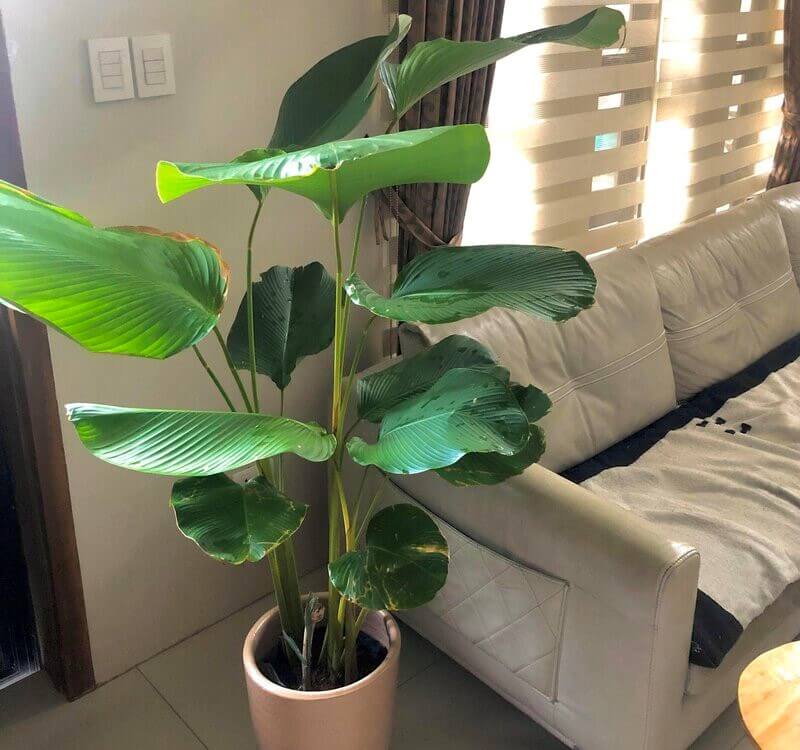
Known by various names such as Cigar Calathea and Cuban Cigar, Calathea Lutea is one of the tallest species within the Calathea family. This remarkable plant can grow up to 2-3 meters in height, featuring large paddle-like leaves.
One of the most distinctive characteristics of Calathea Lutea is its long brown flower, resembling a Cuban cigar. This unique floral display adds to the plant’s overall appeal, making it a fascinating choice for indoor gardening.
With proper care, Calathea Lutea can thrive and bring an impressive touch to your indoor environment, making it a noteworthy addition to any plant collection.
Humidity & Temperature
As a tropical plant, Calathea thrives in conditions that mimic its natural habitat. This means that maintaining the right levels of humidity and temperature is crucial for optimal growth. Calathea plants generally prefer humidity levels of around 50-60%, so it’s essential to ensure they are not placed in dry environments.
To maintain the necessary humidity, consider using a humidifier or placing a tray of water near your Calathea. Additionally, misting the leaves can help provide the moisture they crave, especially in drier climates.
Regarding temperature, Calathea plants thrive best in a moderate range of 18-23 degrees Celsius. They do not enjoy cold drafts or temperatures below 15 degrees Celsius, so it’s important to keep them away from windows during colder months. Conversely, they also dislike extreme heat, so avoid placing them in direct sunlight or areas that get too warm.
By ensuring your Calathea receives the right humidity and temperature, you can create a thriving environment that allows it to flourish.
In summary, Calatheas are a beautiful and diverse group of houseplants that can enhance any indoor space. With their unique foliage and manageable care requirements, they are perfect for both novice and seasoned plant enthusiasts. By understanding the various types of Calathea, as well as their care needs, you can enjoy the beauty of these plants in your own home.