14+ Innovative Ideas for Shade Gardens in Your Backyard
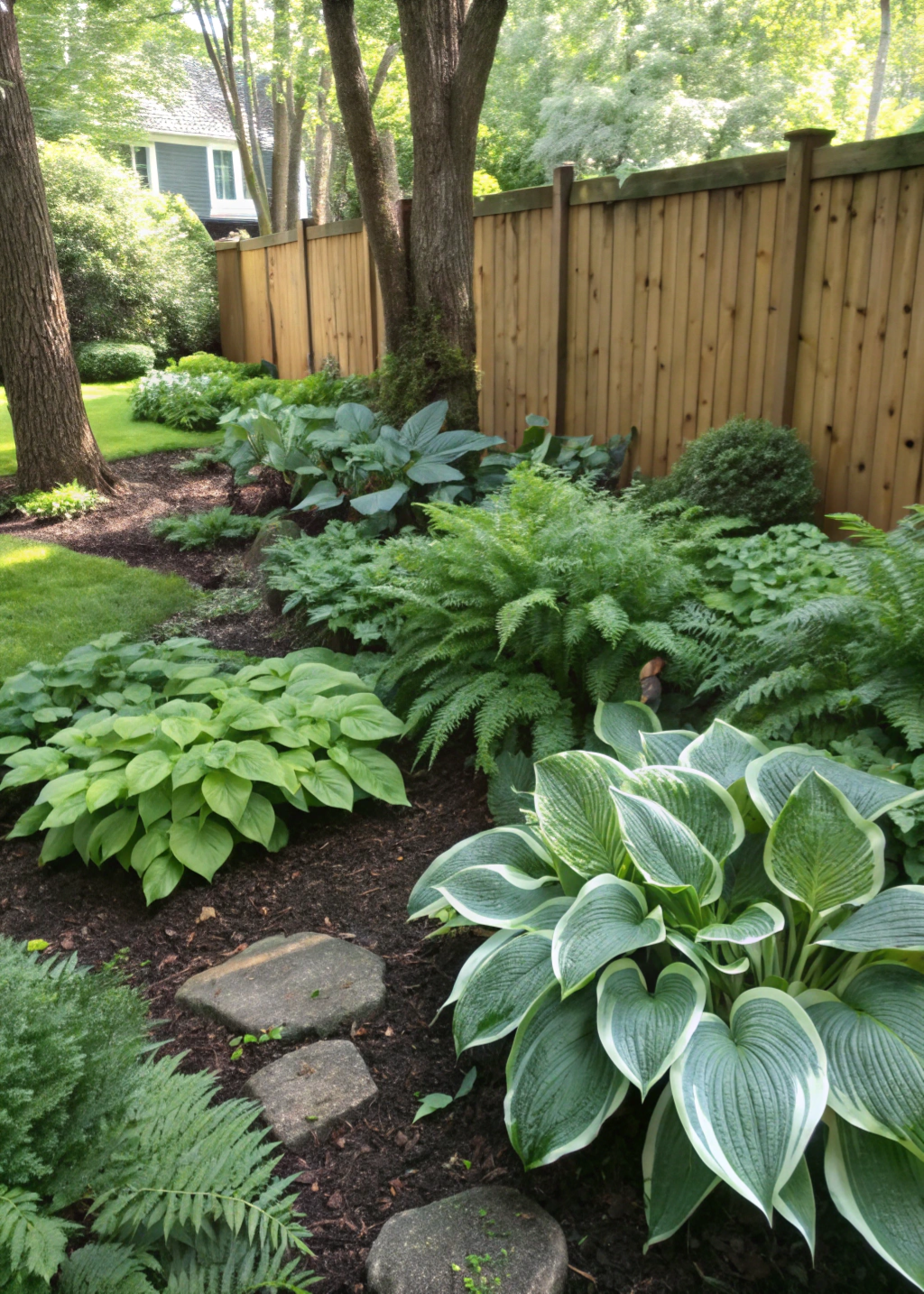
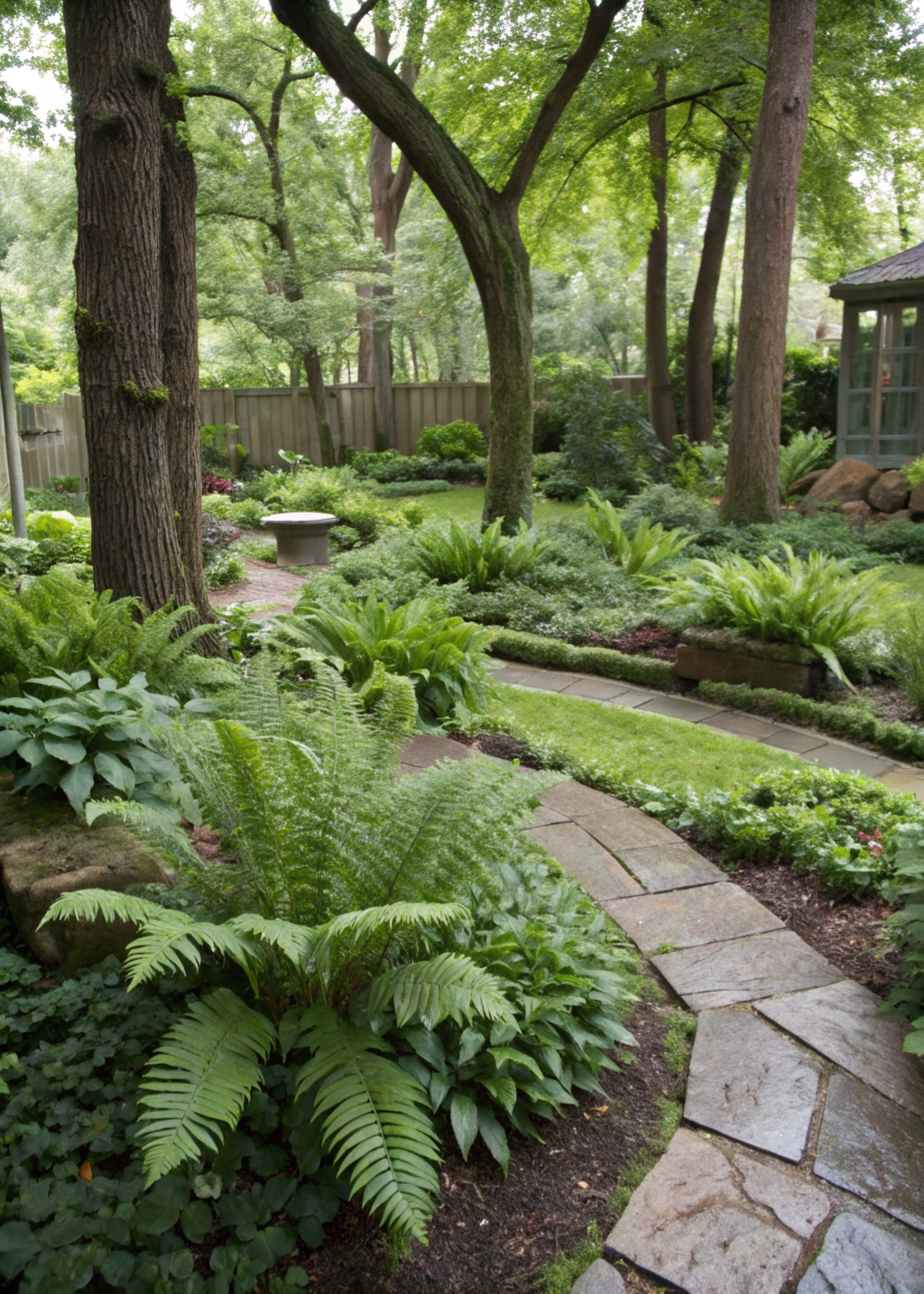
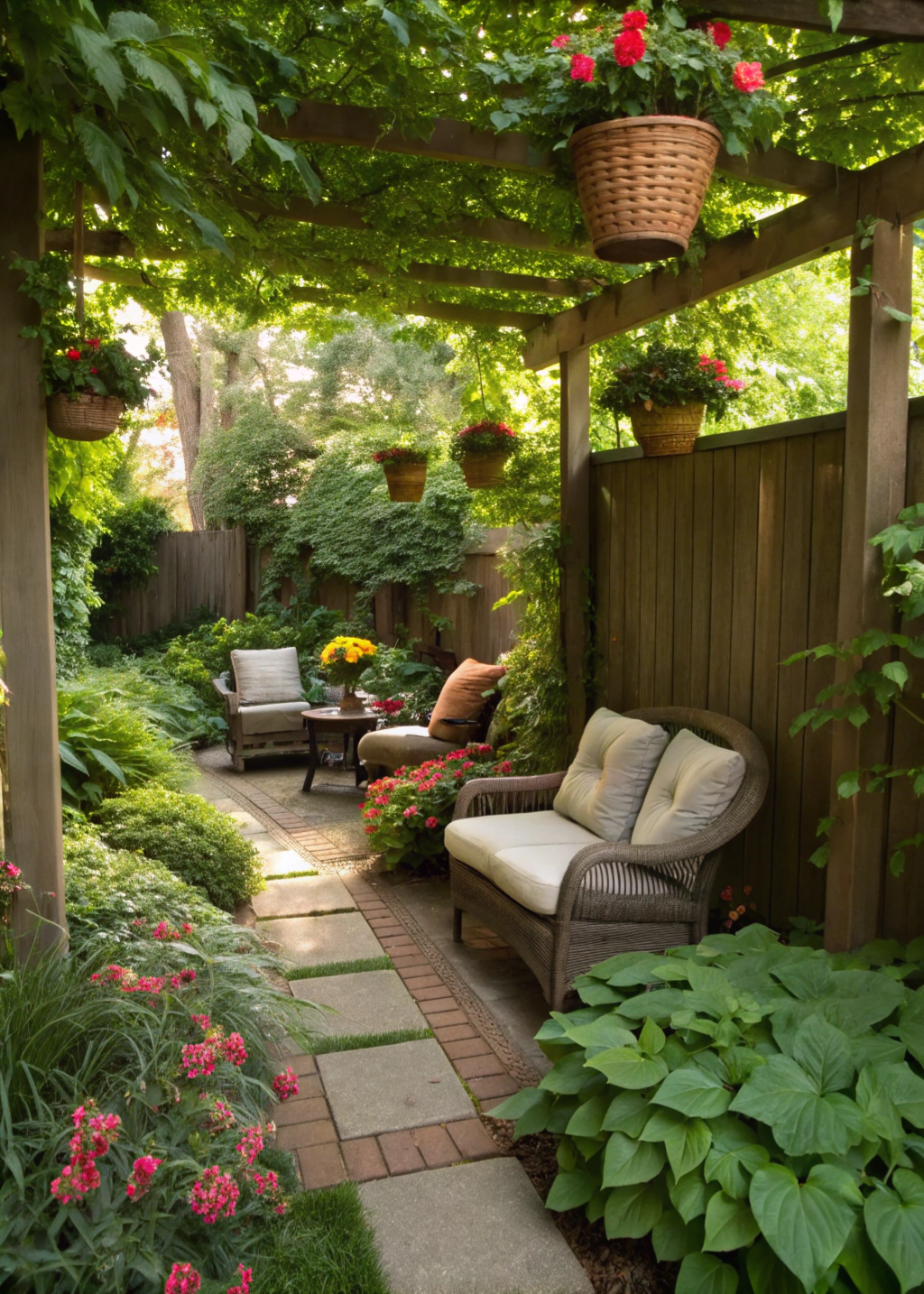
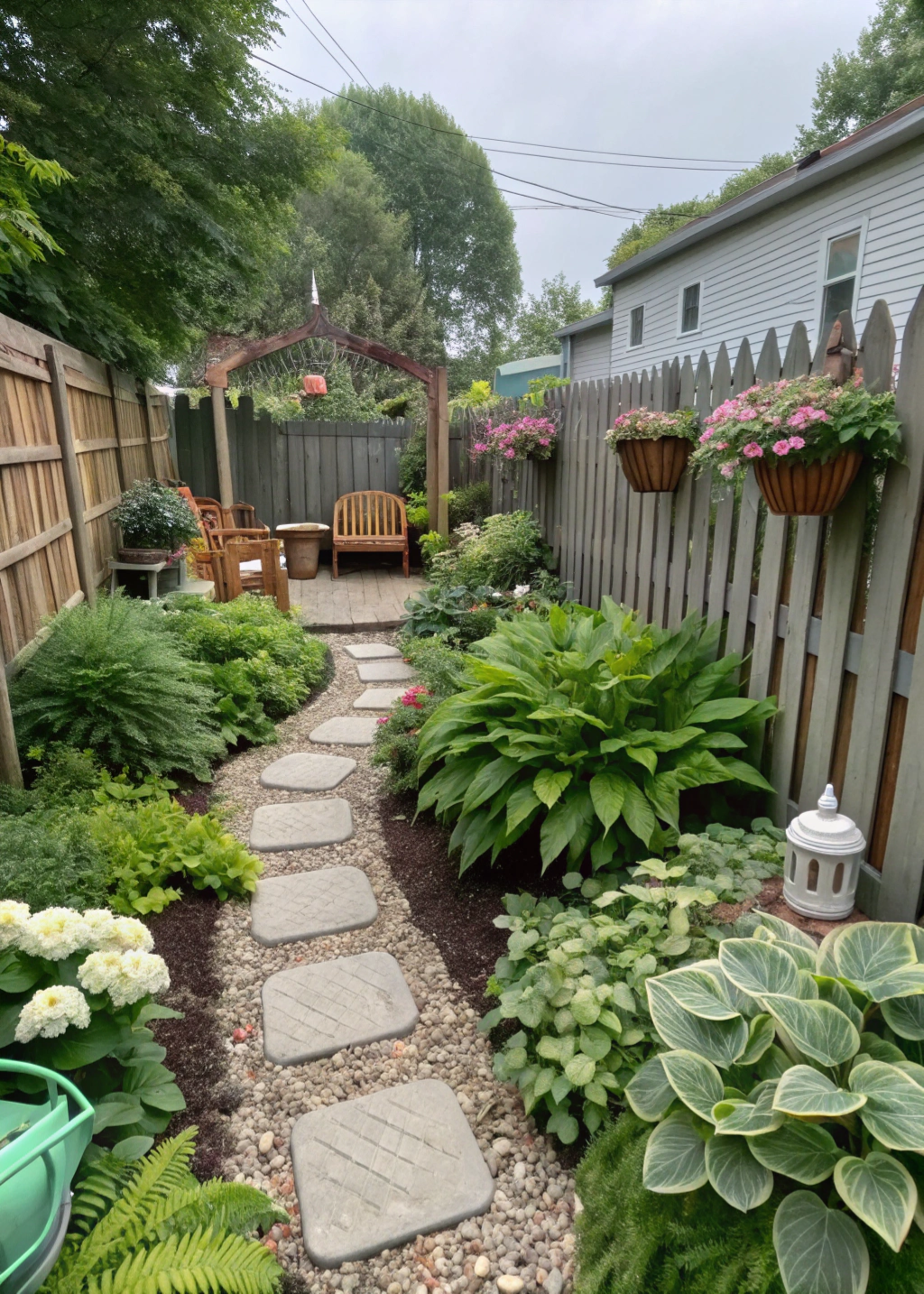
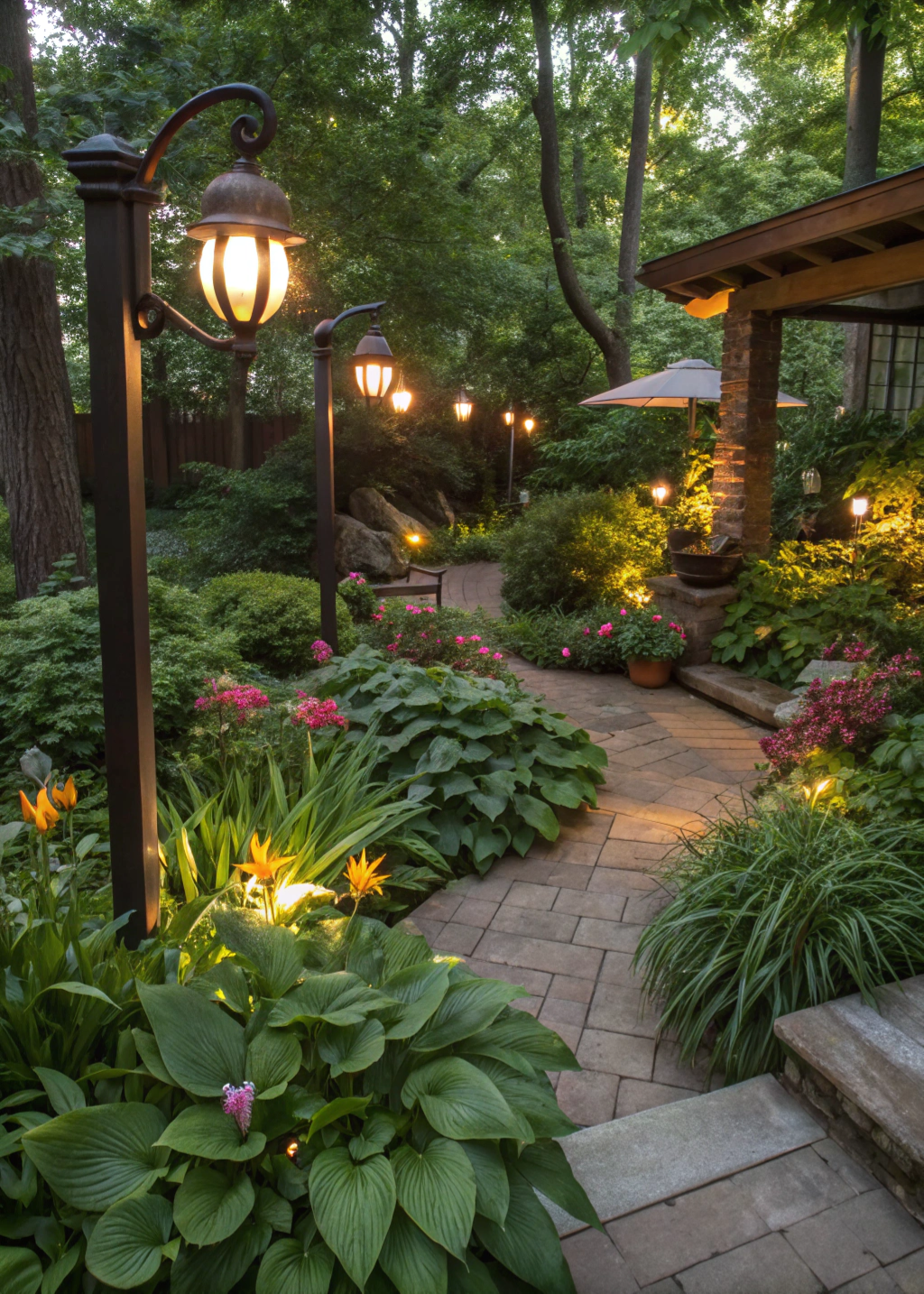
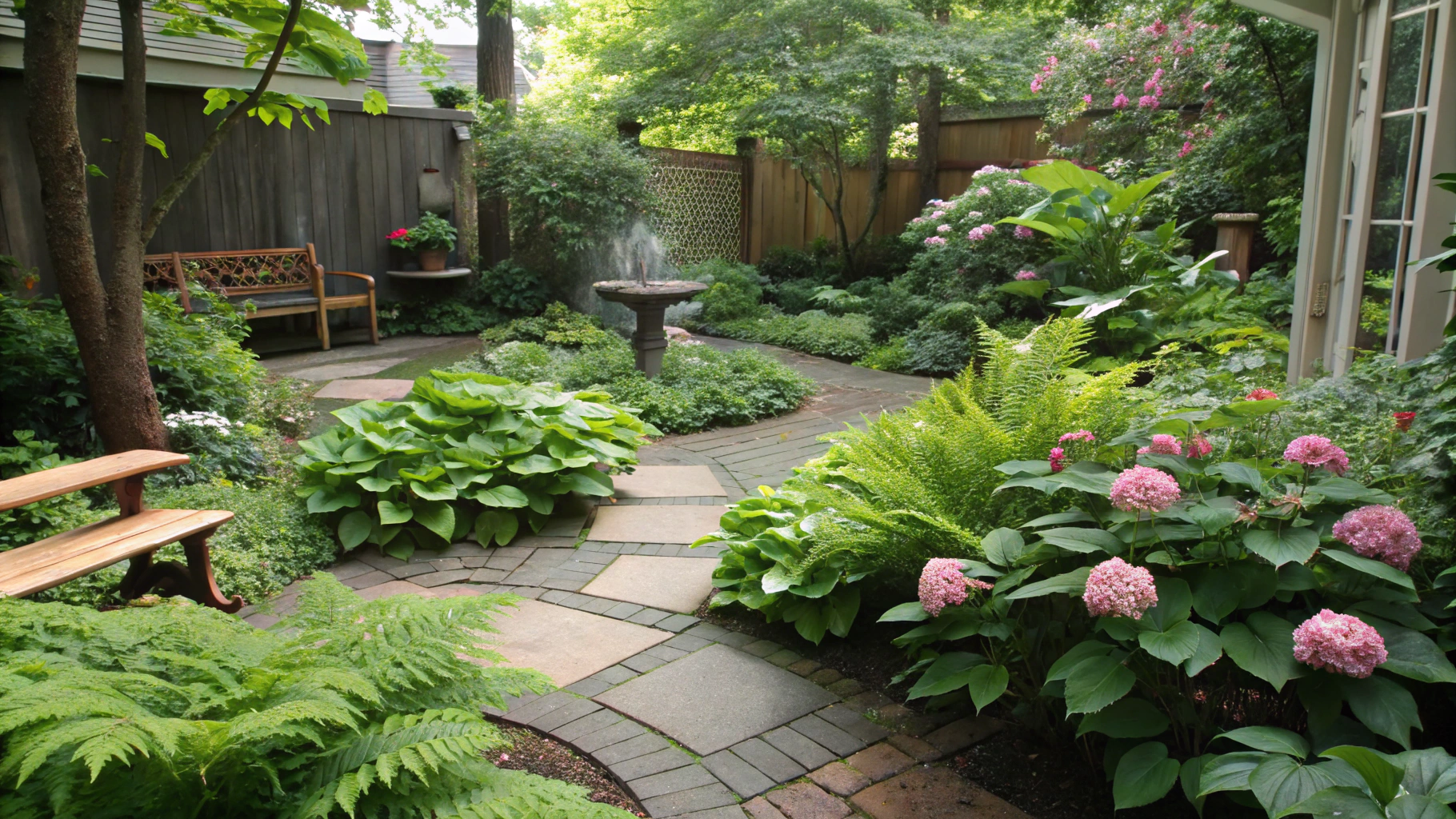
Backyard shade gardens can be mesmerizing when thoughtfully designed. Instead of battling the challenges posed by low light, a well-planned shade garden celebrates the beauty of lush foliage, intricate textures, and serene color palettes. By embracing the natural characteristics of shaded areas, you can create a tranquil oasis that invites relaxation and enjoyment.
With the right selection of plants, inviting pathways, comfortable seating, and charming decorative elements, shaded spaces can be just as vibrant and appealing as their sun-drenched counterparts. Whether you envision a cozy woodland retreat, a contemporary shaded landscape, or a delightful cottage garden nestled among trees, these creative ideas for backyard shade gardens will inspire you to craft serene outdoor spaces filled with texture, greenery, and rustic charm.
Why Shade Gardens Are So Beautiful
Shade gardens excel in showcasing texture, layers, and the contrast of foliage rather than relying on bright, sun-loving blooms. The benefits of cultivating a backyard shade garden are numerous. They not only create visually stunning environments but also foster cozy atmospheres that feel inviting and peaceful.
The interplay of different leaf shapes and textures adds depth and intrigue to these gardens. By incorporating tall shrubs, mid-height flowers, and low ground covers, you achieve a lush and multi-dimensional aesthetic. White flowers and light-colored stones can serve to brighten darker spots, allowing for a magical interplay of light and shadow.
Moreover, shade gardens naturally offer cooler temperatures, making them ideal for lounging and relaxation on hot summer days. The tranquility of woodland gardens evokes a sense of timelessness, making them perfect sanctuaries for unwinding. Pairing hostas, ferns, and woodland flowers can create a rich tapestry of layered textures that soften the overall look and feel.
Best Plants for Backyard Shade Gardens
When it comes to plants that thrive in shaded areas, hostas stand out as some of the most beloved options. Their striking foliage provides a wide range of colors and patterns, adding visual interest to any shade garden. Ferns are another fantastic addition, contributing soft greenery and gentle movement without the need for flamboyant flowers.
Ferns enhance the layered look of a garden while bringing a touch of woodland charm. They are particularly effective at filling spaces and adding depth to the design. Beyond foliage, flowering plants like astilbe and hydrangeas can also flourish in partial shade, providing delightful pops of color that brighten the overall ambiance.
Incorporating plants like heuchera and caladium can further enhance your garden’s visual appeal, offering unique leaf shapes and colors that complement the existing foliage. Additionally, moss can serve as an excellent ground cover, creating a lush, green carpet that invites barefoot strolls in your serene outdoor retreat.
Tips for Designing a Backyard Shade Garden
Designing a backyard shade garden involves thoughtful planning and creativity. Start by considering the overall layout and flow of the space. Incorporate a mix of plant heights, textures, and colors to create visual interest and avoid a flat look. Layering plants of varying heights not only adds depth but also mimics the natural structure of a woodland environment.
Incorporate seating areas into your design to transform your shade garden into a peaceful retreat. Comfortable benches or cozy nooks can encourage relaxation and provide a spot to enjoy your surroundings. To enhance the immersive experience, include meandering pathways that invite exploration and create a sense of adventure.
Curved pathways can soften the appearance of your garden, adding a touch of mystery and inviting visitors to wander. They can also guide the eye through the landscape, making the space feel larger and more inviting. Consider using natural materials like stone or gravel for pathways to maintain a cohesive look that complements the surrounding greenery.
1. Create a Woodland-Inspired Shade Garden
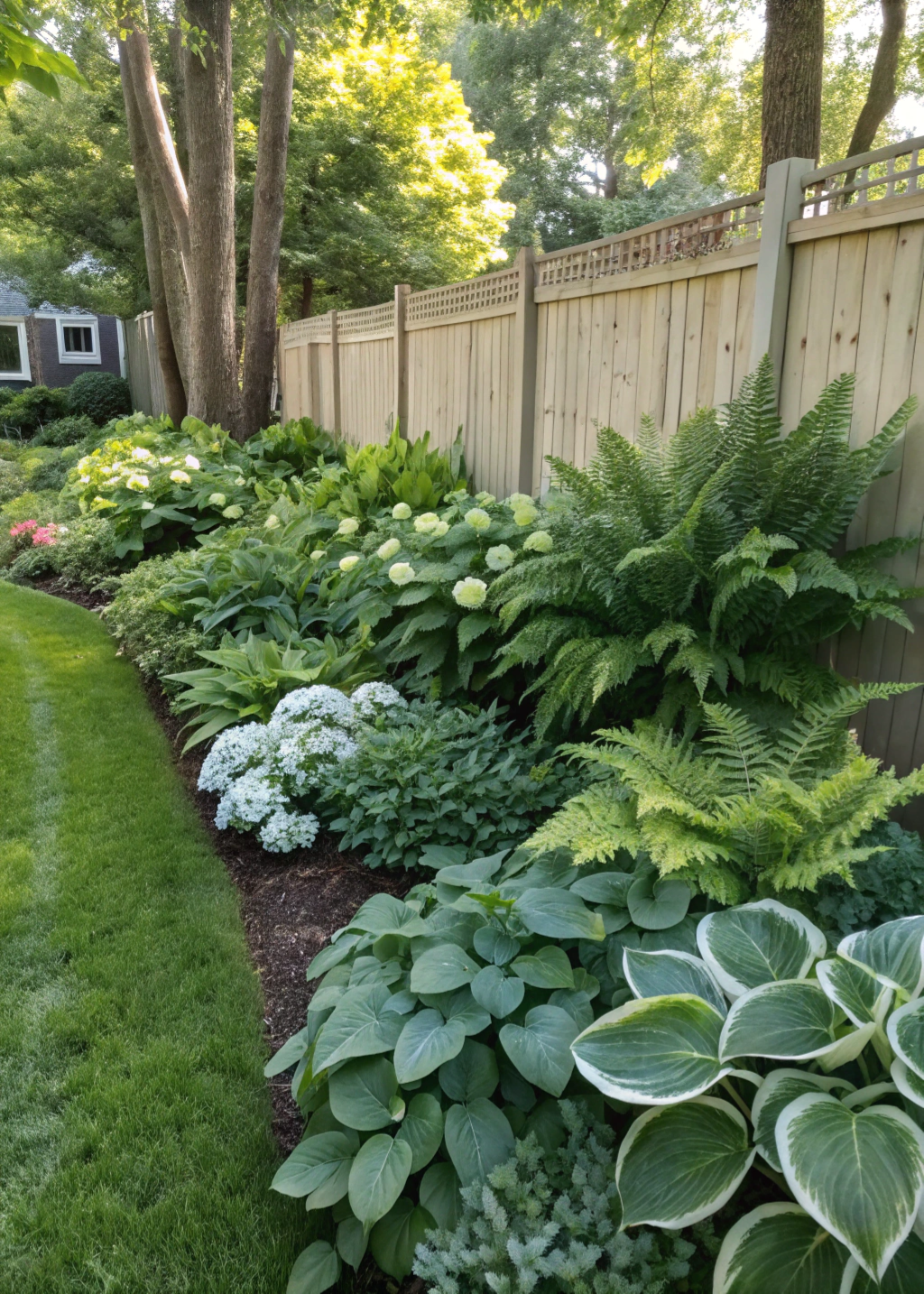
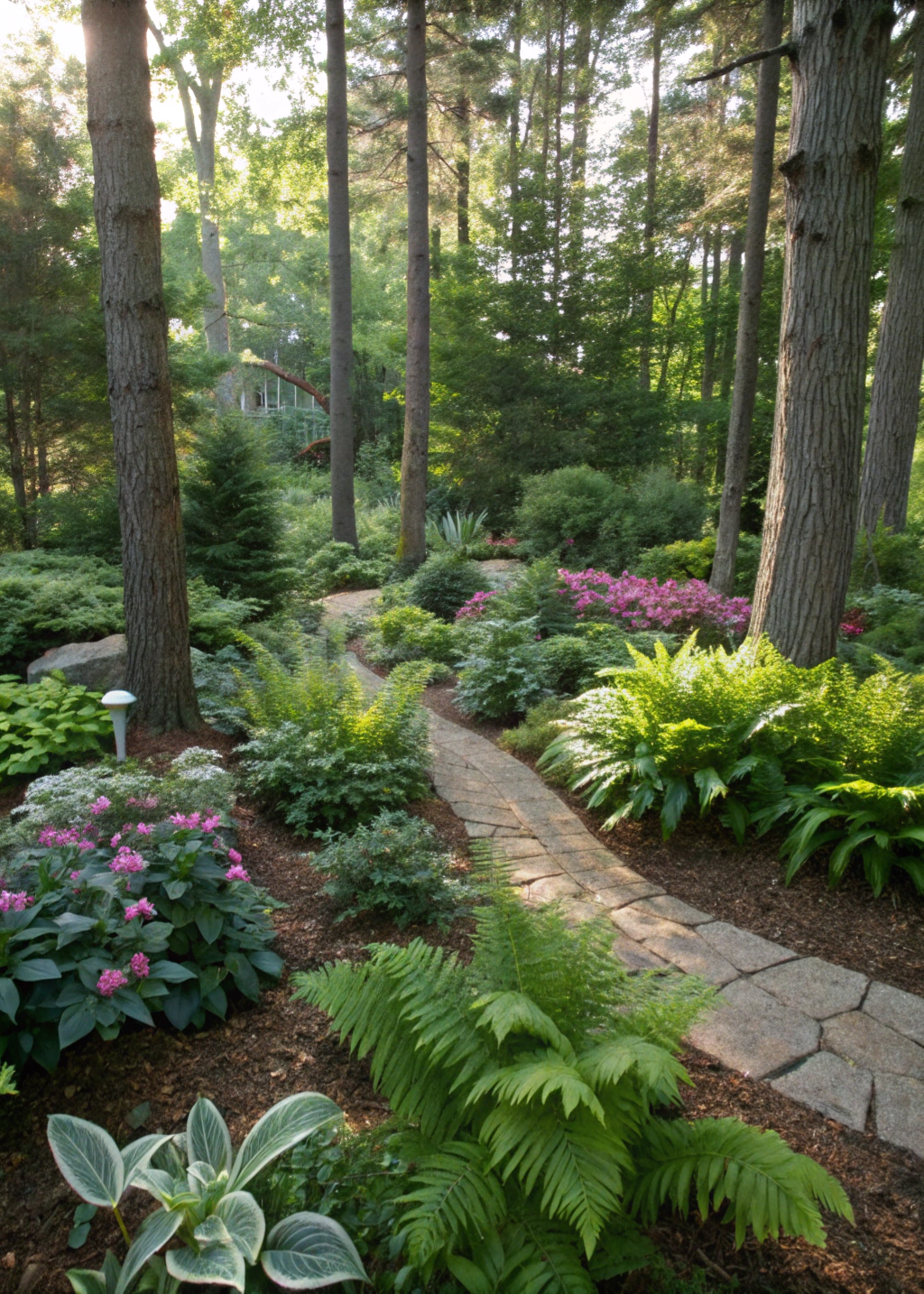
To achieve a woodland-inspired shade garden, focus on emulating the natural beauty of forests. Start by selecting a variety of trees and shrubs that thrive in shaded conditions, such as dogwoods or serviceberries. Layer these with a mix of ferns and woodland flowers like trilliums and bleeding hearts for a lush, authentic feel.
Incorporate features like fallen logs or boulders to mimic natural elements found in forests, enhancing the overall authenticity of your design. Create winding paths to guide visitors through your garden, allowing them to discover the unique plants and textures you’ve included. This immersive experience transports onlookers into a tranquil, natural setting.
Consider adding a small pond or water feature to enhance the serene atmosphere. The gentle sound of trickling water can elevate the peacefulness of your woodland garden, making it a perfect escape from the hustle and bustle of everyday life.
2. Make a Hosta-Focused Shade Garden
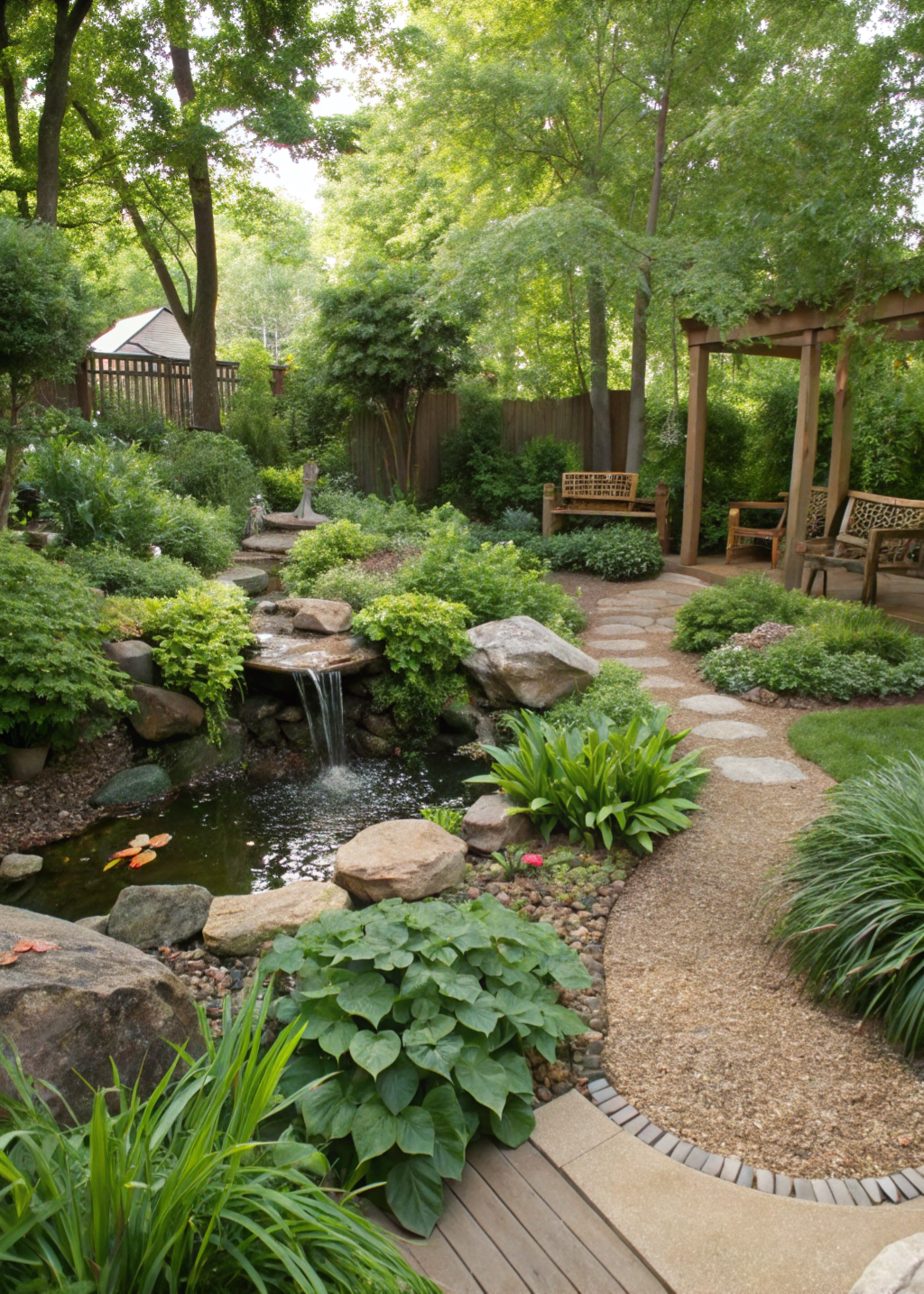
Hostas are iconic for a reason; their broad, lush leaves come in a variety of colors and patterns that make them perfect for shade gardens. When designing a hosta-focused garden, select a range of varieties to create a stunning visual display. Combine different leaf shapes and sizes for added interest.
Intersperse hostas with other shade-loving plants such as ferns or astilbe to create depth and complexity. You can also choose companion plants that bloom at different times to ensure your garden remains vibrant throughout the growing season. Consider adding decorative rocks or mulch to enhance the overall aesthetics and highlight the hostas’ beauty.
Incorporating paths or stepping stones can also help guide visitors through the garden while allowing them to appreciate the diversity of your hosta collection. This approach not only creates visual interest but also makes maintenance easier, as you can access plants without trampling on surrounding foliage.
3. Create a Backyard Fern Garden
A fern garden can be a captivating addition to your backyard, showcasing the beauty of these graceful plants. Start by selecting a variety of fern species, such as Japanese painted ferns and lady ferns, to create a lush, layered look. Their delicate fronds bring a sense of movement and tranquility to shaded spaces.
To enhance the visual appeal, mix in other plants that complement the ferns, such as hostas or shade-tolerant ground covers like creeping thyme. This combination will create a rich tapestry of textures and colors, making your fern garden a true focal point of your outdoor space.
Consider including natural elements like stones or logs to provide contrast against the soft fronds. A small water feature, such as a pond or a fountain, can further enhance the calming atmosphere of your fern garden, making it a perfect retreat for relaxation and reflection.
4. Add a Shade Garden Seating Nook
Creating a seating nook within your shade garden is essential for transforming it into a relaxing retreat. Choose comfortable seating options like benches, hammocks, or even a cozy swing chair to encourage visitors to linger and enjoy their surroundings. Position the seating strategically to take advantage of beautiful views or focal points within the garden.
Surround the seating area with lush foliage and fragrant flowers to create an inviting atmosphere. Incorporate cushions or throws to enhance comfort and add splashes of color to the space. Consider adding a small side table to hold drinks or books, making it a perfect spot for leisurely afternoons.
Enhancing the seating nook with overhead structures like a pergola or trellis can add an architectural element while providing additional shade. Climbing plants like wisteria or clematis can further enhance the ambiance, creating a secluded spot that feels like a hidden gem within your garden.
5. Create Curved Pathways Through Shade Gardens
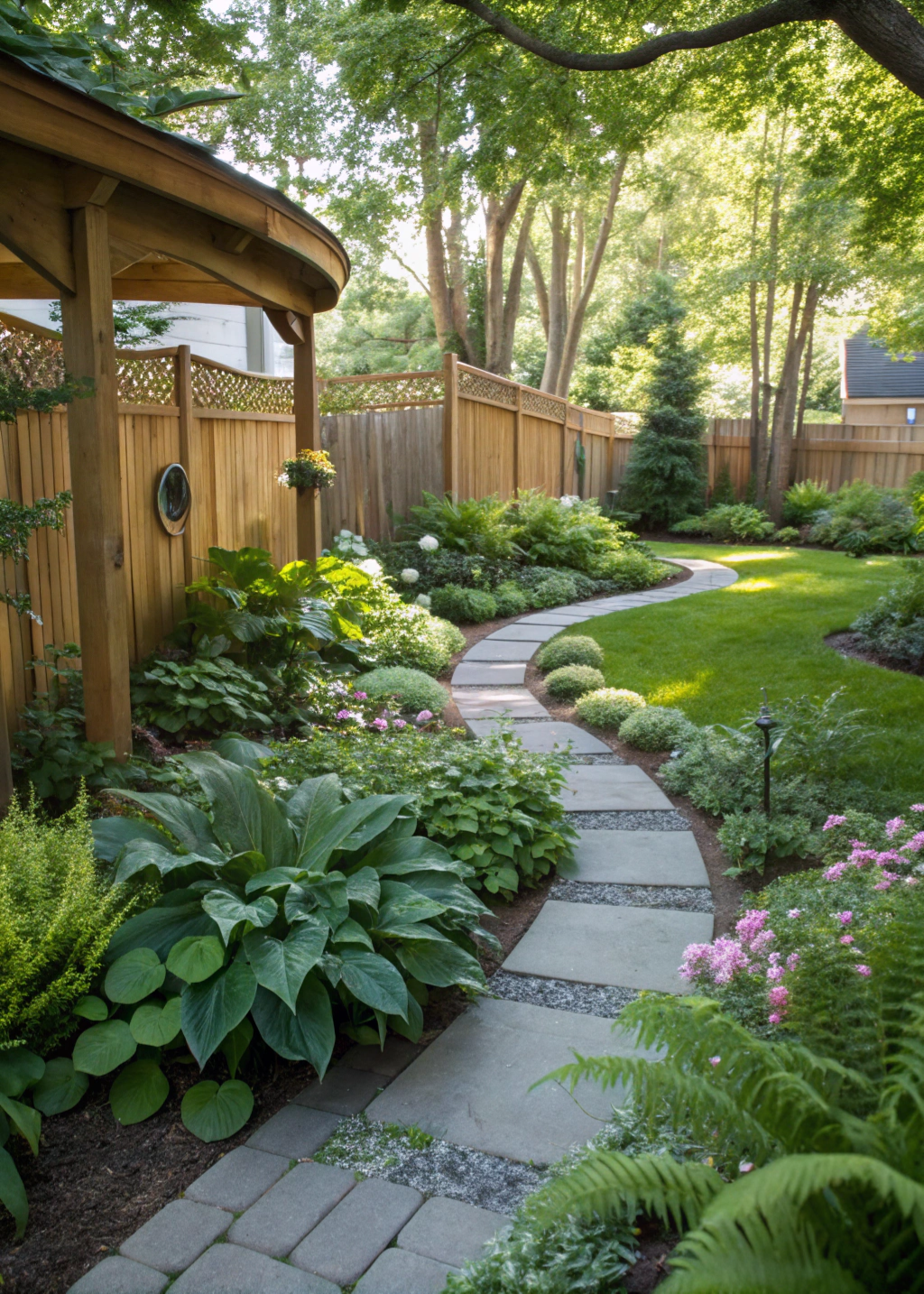
Curved pathways can bring a sense of whimsy and flow to your shade garden. Unlike straight paths, which can feel rigid and formal, curves invite exploration and create a more organic feel. Consider using materials like natural stone or gravel to construct these pathways, allowing them to blend seamlessly into the landscape.
As visitors meander along the winding paths, they can discover the diverse plants and features within your garden. Incorporate plantings along the edges of the paths to soften the look and encourage wildlife to feel welcome in the space. This not only enhances the beauty of your garden but also contributes to a healthy ecosystem.
To further enhance the experience, consider adding subtle lighting along the pathways. Soft illumination can create a magical atmosphere at night, guiding visitors through your garden and allowing them to appreciate its beauty even after the sun sets.
6. Make a Cottage-Style Shade Garden
A cottage-style shade garden is all about charm and abundance. Embrace a mix of colors, textures, and plant varieties to create a relaxed and inviting atmosphere. Start by selecting a variety of flowering plants that thrive in shade, such as astilbe, fuchsias, and hostas, to fill your garden with vibrant blooms.
Integrate charming elements like vintage garden furniture, decorative trellises, and whimsical ornaments to enhance the cottage feel. Create informal pathways using stepping stones or gravel to encourage visitors to wander through the garden and discover hidden delights.
Incorporate herbs, such as mint or chives, into your garden design for both culinary and aesthetic benefits. Their scents will further enhance the sensory experience of your cottage garden, making it a delightful retreat for both body and mind.
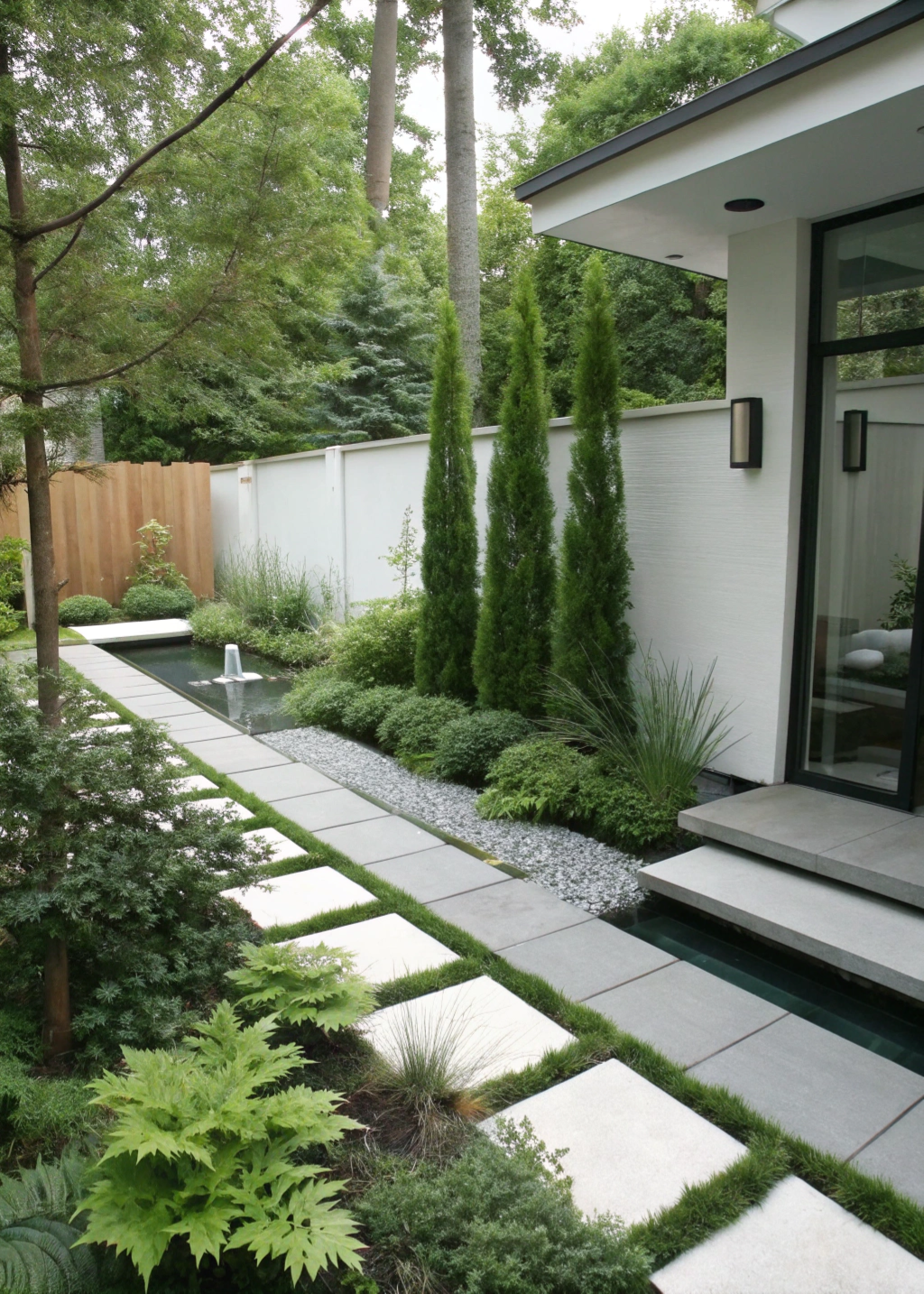
7. Create a Minimalist Modern Shade Garden
A minimalist modern shade garden emphasizes simplicity and clean lines. Start by selecting a limited palette of plants that thrive in shade, focusing on foliage that provides striking textures and colors. Plants like heuchera, ferns, and hostas can form the backbone of your design.
Incorporate sleek pathways and geometric shapes to create a structured layout. Use natural materials like concrete or stone for hardscaping to maintain a clean and uncluttered appearance. The goal is to create a serene environment that invites contemplation and relaxation.
Consider adding subtle water features, such as a small pond or a fountain, to enhance the calming atmosphere. Minimalist garden art can also contribute to the aesthetic without overwhelming the space, allowing the beauty of the plants to take center stage.
8. Add White Flowers to Brighten Shade
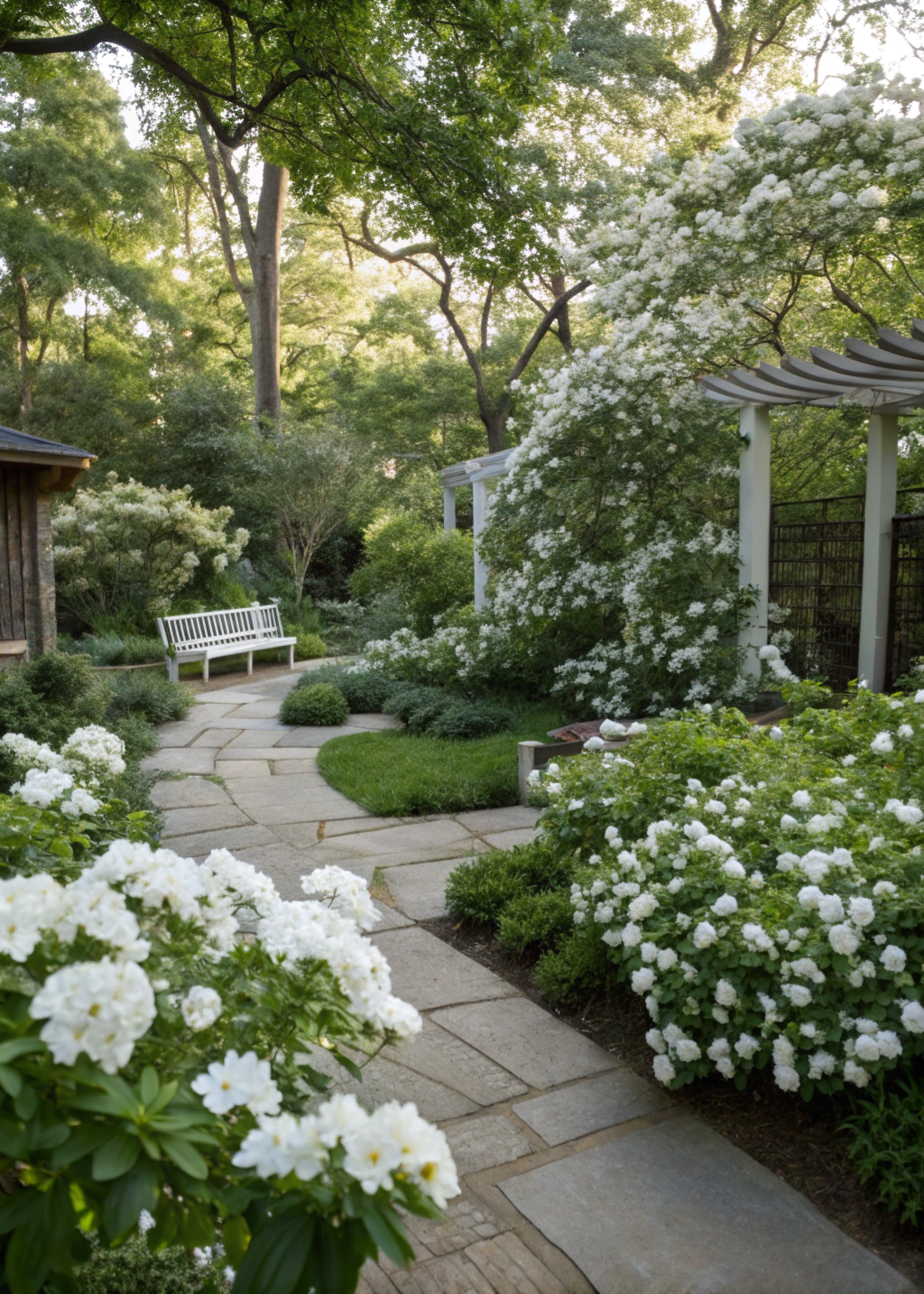
Incorporating white flowers into your shade garden can significantly brighten the space and create a sense of openness. Flowers like white hydrangeas, anemones, and lilies of the valley can provide stunning contrast against the dark green foliage typically found in shaded areas.
Strategically placing these white blooms can draw the eye and create focal points throughout the garden. Consider grouping them in clusters or creating sweeping drifts for a more impactful display. The luminosity of white flowers can help lift the overall ambiance, especially in areas that receive minimal light.
Additionally, light-colored stones or reflective surfaces can enhance the brightness of the garden, allowing light to bounce around and create a more inviting atmosphere. This combination of white flowers and light elements can transform even the shadiest corners into cheerful spots.
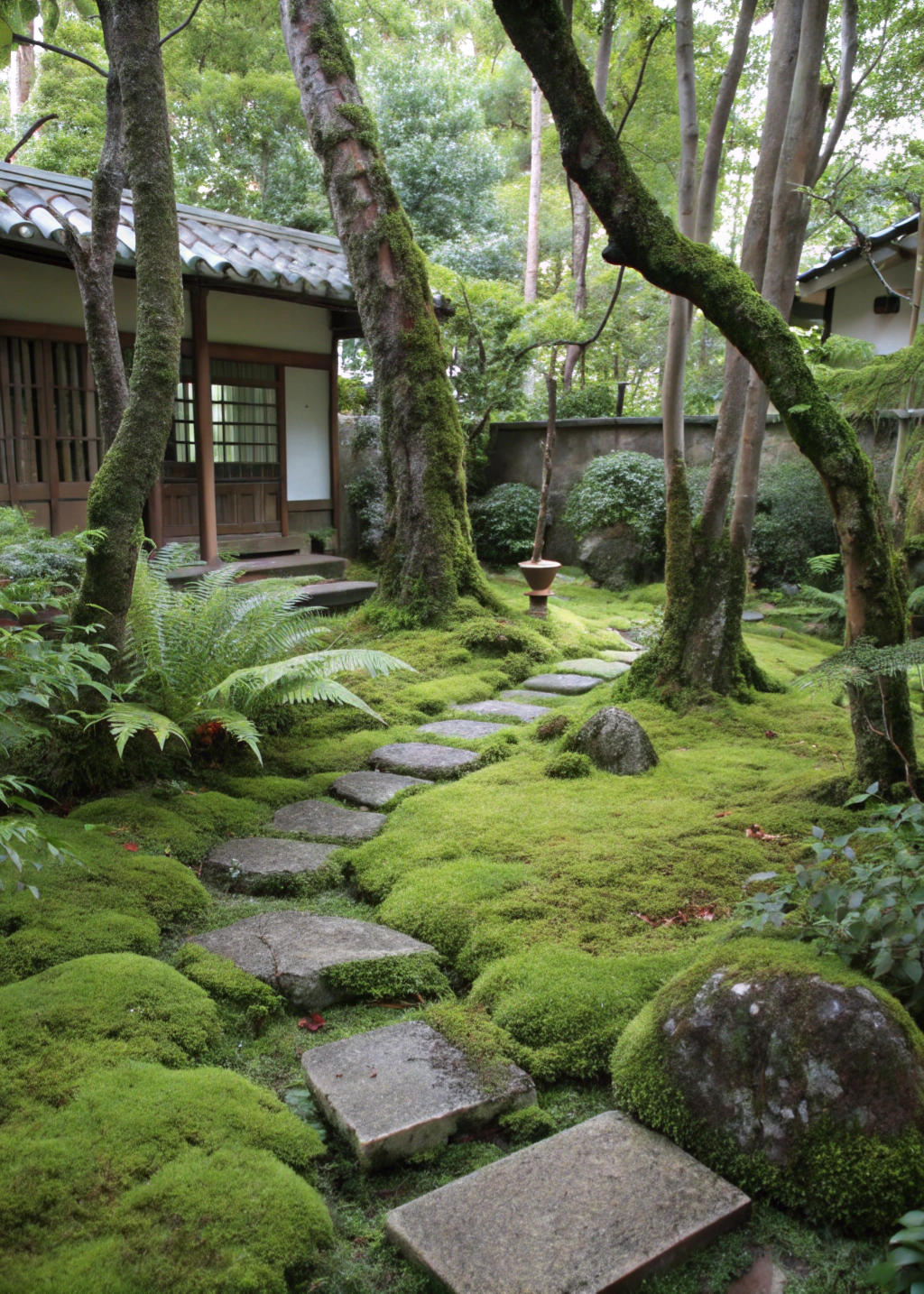
9. Create a Backyard Moss Garden
Moss gardens offer a unique and tranquil aesthetic that evokes the feeling of a serene Japanese landscape. Begin by selecting a variety of moss types that thrive in your region, ensuring they receive adequate moisture and shade. The lush green carpet of moss can create a calming atmosphere, perfect for relaxation and meditation.
Incorporate natural features like rocks and logs to add contrast and create visual interest within the moss garden. These elements can also help retain moisture and provide habitats for beneficial wildlife. Consider adding a few carefully placed stones or bamboo to enhance the Japanese garden feel.
To further elevate the experience, consider including a small water feature or a pebble path that meanders through the moss. The gentle sound of trickling water can enhance the peaceful ambiance, making your moss garden a perfect spot for quiet reflection.
10. Make a Shade Garden with Water Features
Water features can significantly enhance the tranquility of a shade garden. A small pond, fountain, or even a bubbling rock can add a soothing auditory element while attracting wildlife. The sound of flowing water creates a serene backdrop, making your garden feel more like a retreat.
When designing a water feature, consider how it will integrate with the surrounding plants and landscape. Surround the feature with shade-loving plants like ferns and hostas to create a harmonious environment. This will ensure that your water feature feels like a natural part of the garden rather than an afterthought.
Adding lighting around the water feature can also create a magical atmosphere at night, allowing you to enjoy the beauty of your shade garden long after the sun has set.
11. Create Layered Shade Borders
Layered shade borders can add structure and depth to your garden design. Start by planting taller plants at the back of the border, such as shrubs or tall ferns, and work your way forward with mid-height plants like astilbe and finally low-growing ground covers. This creates a sense of fullness and abundance while also allowing each plant to shine.
The layering technique not only enhances the visual appeal but also mimics the natural growth patterns found in forests. Consider mixing textures and colors to create a dynamic border that captivates the eye.
Incorporating paths or stepping stones in between the layers can provide access for maintenance while also adding interest to the layout. This design approach encourages exploration and invites visitors to experience the variety of plants and textures in your shade garden.
12. Add Decorative Containers to Shade Areas
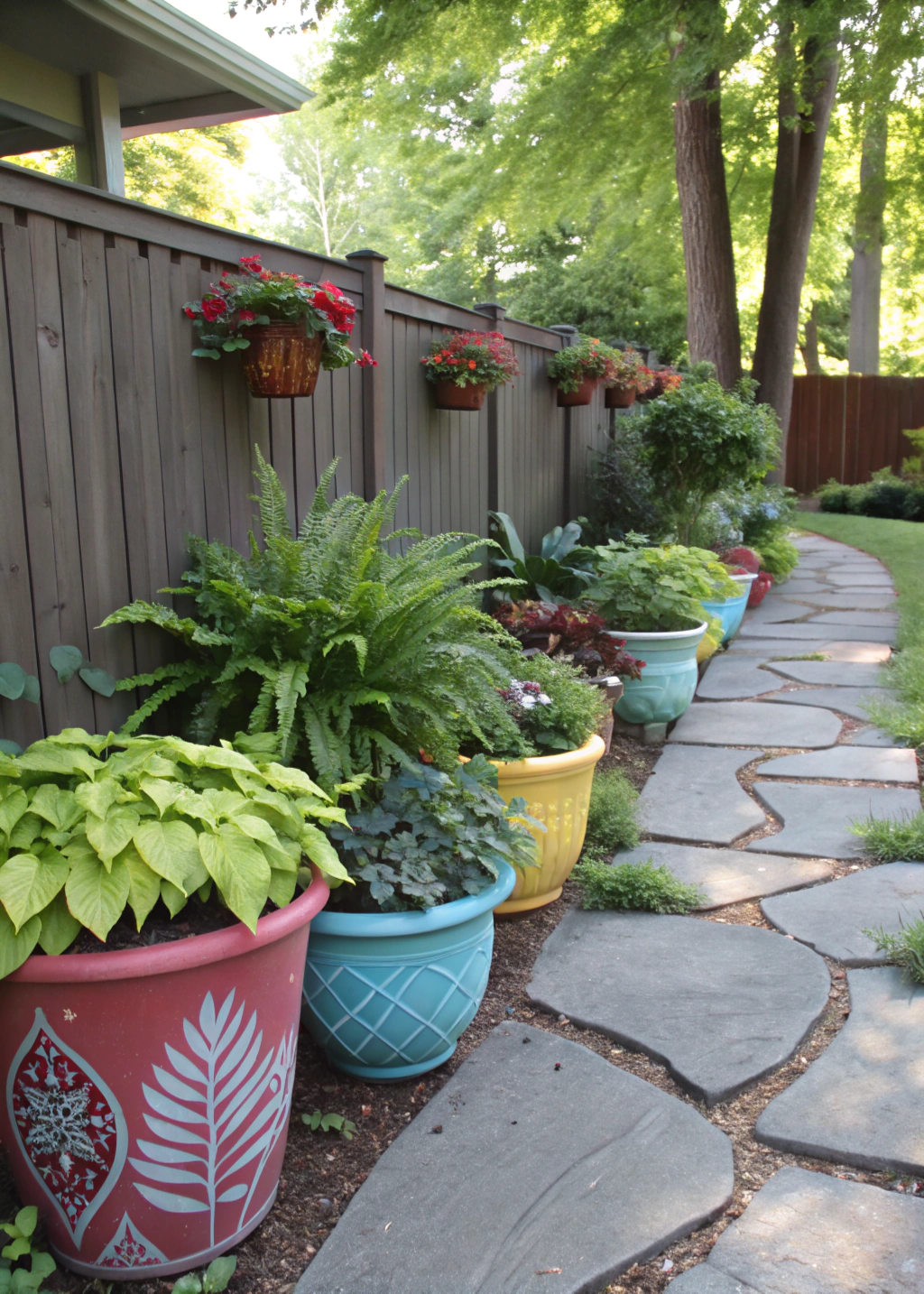
Decorative containers can be an excellent way to elevate shaded areas in your garden. Choose pots that complement the overall aesthetic, whether it’s rustic terracotta, sleek ceramics, or modern metals. Fill them with vibrant shade-loving plants to create striking focal points throughout your space.
Using containers allows for flexibility in your design, as they can be moved and rearranged as needed. This adaptability is particularly useful in shaded areas where certain spots may receive varying amounts of light throughout the day.
Consider incorporating a mix of heights and styles for added visual interest. Hanging planters can also enhance vertical space, drawing the eye upward and creating a more layered effect in your garden.
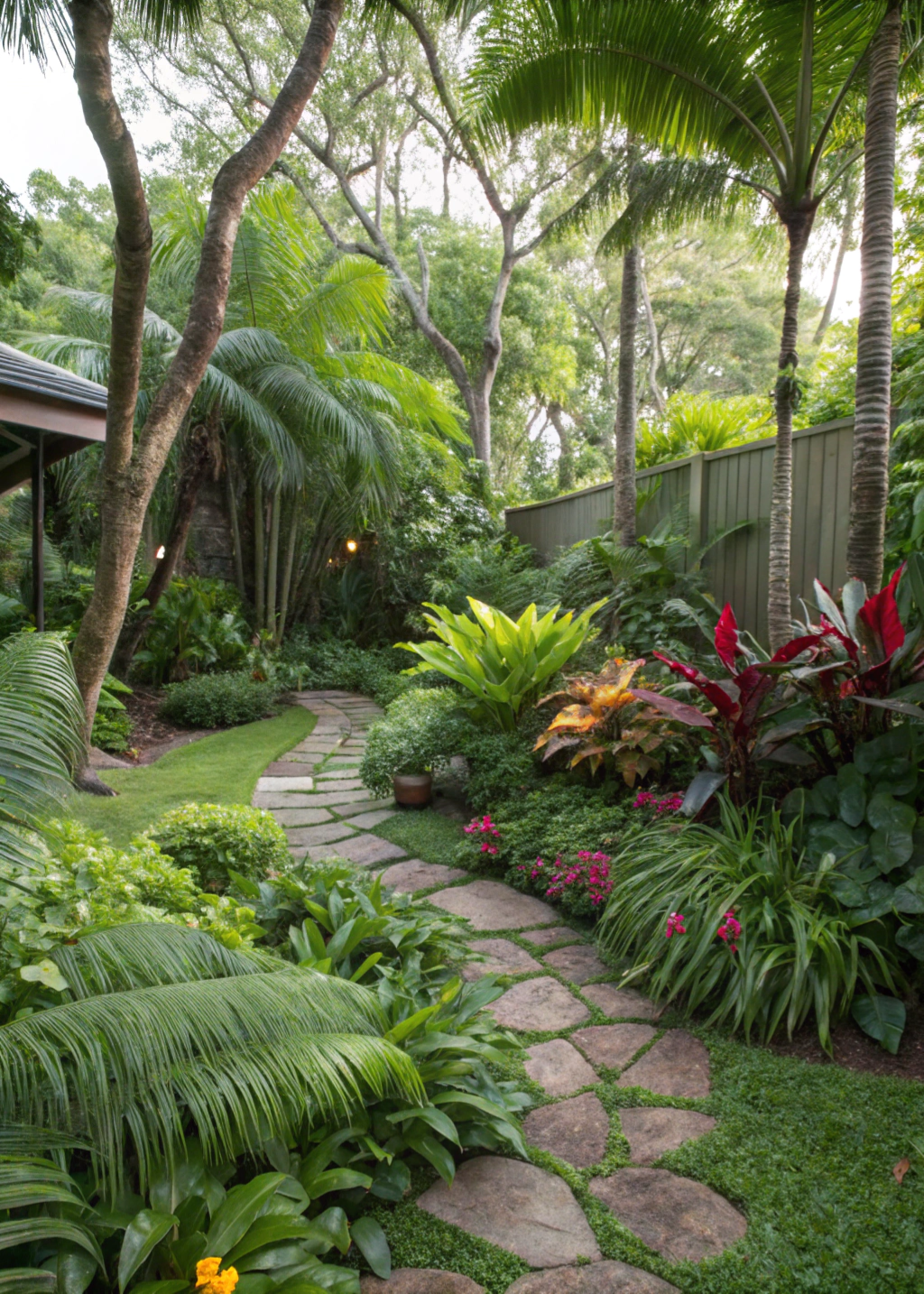
13. Create a Tropical Shade Garden
A tropical shade garden can transport you to a lush paradise right in your backyard. Select large-leaved plants like elephant ears and caladiums that thrive in low light to create a dramatic effect. The bold foliage can create an exotic atmosphere, making your garden feel vibrant and alive.
Incorporate colorful tropical flowers like begonias and impatiens to add pops of color among the greenery. These bright blooms can enhance the overall tropical feel and create a lively contrast against the rich foliage.
Consider adding elements like bamboo or palm trees to further enhance the tropical vibe. A small water feature, such as a fountain or pond, can also add to the atmosphere, creating a peaceful retreat that feels worlds away from everyday life.
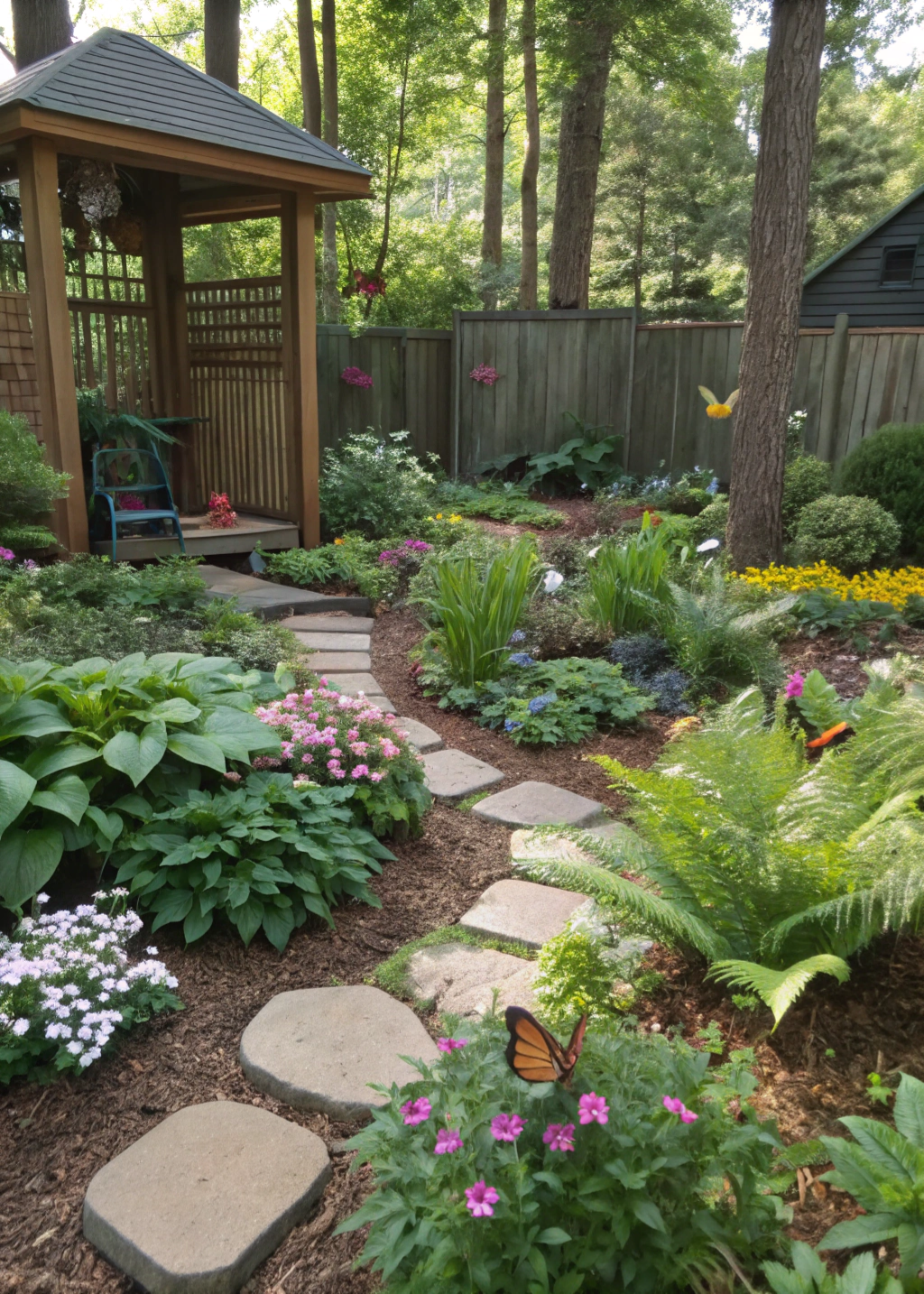
14. Make a Pollinator-Friendly Shade Garden
Even shaded areas can support a variety of pollinators, making them essential for a healthy ecosystem. When designing a pollinator-friendly shade garden, select flowering plants that attract butterflies and hummingbirds. Plants like native wildflowers and shade-tolerant blooms can provide the necessary nectar for these important creatures.
Incorporating a mix of heights and textures will not only create visual interest but also provide habitats for pollinators. Be sure to include plants that bloom at different times throughout the season to ensure a consistent food source.
Consider adding features like small water sources or bee hotels to enhance the habitat for pollinators. By creating a welcoming environment, you can support local wildlife while enjoying the beauty of your shade garden.
15. Add Shade Garden Lighting
Lighting can completely transform the atmosphere of your shade garden at night. Incorporating soft, warm lighting can create a magical ambiance that allows you to enjoy your outdoor space even after sunset. Consider using solar-powered lights or low-voltage fixtures to illuminate pathways and highlight key features of your garden.
String lights can add a whimsical touch, draping them across trees or along fences to create a festive feel. Uplighting can also be effective in drawing attention to interesting trees or plants, creating beautiful shadows and enhancing the overall ambiance.
Incorporating lighting strategically can enhance the beauty of your shade garden while providing safety and accessibility for nighttime enjoyment.
Focus on Foliage Variety
One of the keys to a stunning shade garden is the variety of foliage. Different leaf shapes, sizes, and colors can create a visually dynamic landscape that captivates the eye. Mixing plants with variegated leaves alongside solid greens can add depth and interest to your design.
Incorporate plants with differing growth habits to create layers and textures. For instance, combining low-growing ground covers with taller plants can create a lush, multi-dimensional look. This diversity not only enhances the garden’s appearance but also supports a wider range of wildlife.
Consider including plants that change color with the seasons, such as ferns that shift from bright green in spring to rich golds and reds in fall. This seasonal variation can keep your garden looking fresh and exciting throughout the year.
Layer Plants by Height
Layering plants by height is essential for creating a dynamic and visually appealing shade garden. Start by positioning taller plants at the back or center of the garden bed, gradually working your way down to mid-height plants and finally low-growing ground covers at the front. This approach not only enhances visual interest but also allows each plant to be appreciated for its unique beauty.
Incorporate a mix of foliage and blooms to create a rich tapestry that draws the eye. For example, pairing towering ferns with delicate astilbe can create a stunning contrast that highlights the best features of each plant. This layered approach can also help to create a sense of depth and fullness in your garden.
Be mindful of the spacing between plants to avoid overcrowding while still promoting a lush appearance. Properly spaced plants will have room to grow and thrive, resulting in a healthier and more vibrant garden.
Use Light-Colored Elements
Incorporating light-colored elements into your shade garden can help to brighten the space and create a sense of openness. Consider using light-colored stones or gravel for pathways and garden borders, which can reflect light and enhance the overall brightness of your garden.
Light-colored furniture or decorative elements can also contribute to the airy feel of the space. Choose materials like whitewashed wood or pastel ceramics to create a cohesive look that complements the surrounding greenery.
White flowers, such as hydrangeas or daisies, can serve as focal points while also adding brightness. This combination of light-colored elements and vibrant greenery can elevate the overall aesthetics of your shade garden, creating a welcoming and inviting atmosphere.
Add Seating for Relaxation
Incorporating seating into your shade garden design is essential for creating a space where you can unwind and enjoy nature. Consider comfortable options like lounge chairs, benches, or even a cozy swing. Positioning seating in strategic locations can provide beautiful views of your garden while also inviting relaxation.
Consider adding cushions or throws in colors that complement the surrounding foliage to enhance comfort and visual appeal. Creating nooks or alcoves can offer private spaces for reading or reflection, further promoting relaxation.
Incorporate a small table for refreshments or books, making your shade garden an ideal spot for leisurely afternoons with a cup of tea or coffee. This thoughtful design will encourage you and your guests to spend more time enjoying the beauty of your garden.
Best Hosta Features
Hostas are beloved for their stunning foliage and versatility in shade gardens. Their broad leaves come in various colors, from deep greens to striking blues and variegated patterns, providing endless design possibilities. They thrive in low-light conditions, making them perfect for shaded areas.
In addition to their visual appeal, hostas are relatively low maintenance, requiring minimal care once established. They can also tolerate a range of soil types, making them adaptable to various garden conditions. Pairing hostas with other shade-loving plants can create a lush, layered look that enhances the overall beauty of your garden.
Consider selecting hosta varieties with different sizes and shapes to create a dynamic display. The combination of large, bold leaves alongside smaller, more delicate varieties can add depth and interest to your shade garden.
Why Gardeners Love It
Gardeners are drawn to shade gardens for many reasons, including their ability to create serene and inviting spaces. The lush greenery, layered textures, and the opportunity to incorporate unique plants make shade gardening a rewarding and fulfilling endeavor. Additionally, shade gardens often require less maintenance than their sun-loving counterparts, as shaded soil tends to retain moisture and reduces weed growth.
Furthermore, shade gardens can provide a cooler and more comfortable environment, making them ideal for relaxation and leisure. The peaceful ambiance created by the interplay of light and foliage can offer an escape from the hustle and bustle of daily life.
With careful planning and creativity, gardeners can transform even the darkest corners into vibrant sanctuaries filled with beauty and tranquility.
Best Fern Varieties
Ferns are a staple in shade gardens, offering a wide variety of textures and forms. Some of the best fern varieties for shaded areas include Japanese painted fern, lady fern, and maidenhair fern. Each of these species brings its unique charm and grace to the garden.
Japanese painted ferns are particularly striking with their silvery fronds, adding a touch of elegance to the landscape. Lady ferns provide a more traditional look with their arching fronds, while maidenhair ferns offer delicate, lacy foliage that can create a soft, ethereal atmosphere.
Incorporating a mix of fern varieties can create a lush, layered look that enhances the overall beauty of your shade garden. Ferns are also low maintenance, making them an excellent choice for busy gardeners looking to create beautiful outdoor spaces without excessive upkeep.
Best Seating Features
When designing a shade garden, the right seating features can elevate the space and encourage relaxation. Consider incorporating comfortable benches, lounge chairs, or even a swinging seat for a touch of whimsy. This creates inviting spots for you and your guests to enjoy the beauty of your garden.
Choosing materials that complement the natural surroundings, such as wood or wicker, can enhance the overall aesthetic. Adding cushions in colors that harmonize with the foliage can provide extra comfort and visual appeal.
Position seating in areas that offer beautiful views of the garden or are strategically placed near blooming plants. This thoughtful arrangement can encourage guests to linger and enjoy the tranquility of your shade garden.
Best Pathway Materials
Choosing the right materials for pathways in your shade garden is crucial for creating a harmonious and inviting atmosphere. Natural stone, gravel, or pavers can provide a rustic feel that blends seamlessly with the surrounding landscape. These materials can also help to define the pathways and guide visitors through the garden.
When selecting materials, consider the overall aesthetic of your garden. For a more formal look, opt for uniform pavers, while irregular stones or gravel can create a more casual, organic feel. Incorporating greenery along the edges of the paths can soften the appearance and enhance the overall beauty of the garden.
Ensure that pathways are wide enough to accommodate foot traffic comfortably and are well-maintained to keep them inviting and accessible. A well-designed pathway can enhance the experience of exploring your shade garden while also making maintenance easier.
Best Cottage Shade Plants
A cottage-style shade garden thrives on an eclectic mix of plants that create a charming and inviting atmosphere. Some of the best plants for this style include astilbe, hostas, fuchsias, and bleeding hearts. These plants not only thrive in shade but also offer a beautiful array of colors and textures that reflect the relaxed nature of cottage gardening.
Incorporating herbs like mint or chives can enhance the sensory experience while adding practical benefits. Consider mixing perennial and annual flowers to ensure that your garden remains vibrant throughout the growing season.
Adding decorative elements such as whimsical garden art, vintage furniture, or trellises can further enhance the cottage-style feel. This approach encourages a sense of playfulness that makes your shade garden a delightful retreat.
Best Modern Features
For a minimalist modern shade garden, focus on clean lines and a limited color palette. Select plants with interesting foliage, such as heuchera or ferns, and arrange them in a structured layout. Incorporate geometric shapes and sleek pathways to create a sophisticated yet relaxed environment.
Consider adding contemporary features like stainless steel planters or sculptural elements to enhance the modern aesthetic. Water features in clean lines can also add a calming element while maintaining the minimalist theme.
Incorporating outdoor lighting with a modern twist can elevate the atmosphere at night, allowing your garden to transform into a serene retreat after dark. This attention to detail can create a space that feels both tranquil and stylish.
Best White Shade Flowers
White flowers can provide beautiful contrast and brightness in a shade garden. Some of the best white shade flowers include white hydrangeas, anemones, and snowdrops. These blooms can create focal points and enhance the overall lightness of the space.
Consider planting white flowers in clusters to create impactful displays, or mix them with darker foliage for dramatic contrast. The luminosity of white flowers can help to brighten shaded areas, making them feel more open and inviting.
Incorporating light-colored stones or reflective surfaces can further enhance the brightness of your garden, creating a harmonious balance between the plants and the surrounding elements.
Best Moss Garden Features
Moss gardens provide a unique and calming aesthetic, perfect for shade areas. To create an inviting moss garden, select different types of moss that thrive in your climate, ensuring they receive adequate moisture and shade.
Incorporate natural features like stones and logs to enhance the organic feel, creating visual interest and contrast against the soft moss. A gentle water feature, such as a small fountain or pond, can further enrich the atmosphere, creating a serene retreat.
Consider adding decorative elements like lanterns or stepping stones to enhance the moss garden’s charm. This thoughtful design can create a peaceful sanctuary that invites reflection and relaxation.
Best Water Features
Water features can significantly enhance the tranquility of a shade garden. Depending on your space, consider a small pond, a bubbling fountain, or a gentle stream to introduce the soothing sound of water. These elements can create a peaceful atmosphere while attracting wildlife.
When designing your water feature, ensure it complements the surrounding plants and landscape. Surround the feature with shade-loving plants like ferns and hostas to create a harmonious environment. This integration will make the water feature feel like a natural part of your garden rather than an artificial addition.
Adding lighting around the water feature can create a magical ambiance at night, allowing you to enjoy the beauty of your shade garden long after sunset.
Best Layering Plants
Layering plants is crucial for creating a lush and inviting shade garden. Start with taller plants, such as shrubs or tall ferns, at the back or center of your garden, then work down to mid-height plants and finally low-growing ground covers at the front. This technique adds depth and allows each plant to shine.
Incorporate a mix of foliage and blooms to create a rich tapestry that draws the eye. Combining towering ferns with delicate flowers can create beautiful contrasts, highlighting the best features of each plant while maximizing visual interest.
Be mindful of spacing to ensure plants have room to grow while maintaining a lush appearance. Proper spacing can promote plant health and ensure a vibrant, thriving shade garden.
Best Shade Container Plants
Container gardening in shaded areas can be an effective way to add color and interest to your outdoor space. Some of the best shade-loving container plants include fuchsias, impatiens, and caladiums. These plants not only thrive in low light but also provide vibrant blooms that can enhance your garden.
Using a mix of container sizes and styles can create a dynamic display. Consider incorporating hanging baskets or tall planters to draw the eye upward and create a layered effect. This approach allows you to play with height and texture while maximizing your garden’s visual appeal.
Containers also offer flexibility, allowing you to rearrange plants as needed. This adaptability can be particularly useful in shaded areas where light conditions may change throughout the day.
Best Tropical Shade Plants
Tropical shade gardens can bring a vibrant and exotic feel to your backyard. Some of the best tropical plants for shaded areas include elephant ears, caladiums, and various types of ferns. These plants thrive in low light and offer dramatic foliage that can create a lush atmosphere.
Consider incorporating colorful tropical flowers like orchids or begonias to add vibrant pops of color among the greenery. These bright blooms can create a lively contrast that enhances the overall tropical feel of your garden.
Adding elements like bamboo or palm trees can further enhance the tropical vibe, creating a lush, inviting sanctuary in your backyard. A small water feature, such as a pond or a fountain, can also contribute to the atmosphere, making your tropical shade garden feel like a serene escape.
Best Pollinator Shade Plants
Even shaded areas can support a variety of pollinators, making them essential for a healthy ecosystem. When designing a pollinator-friendly shade garden, select flowering plants that attract butterflies and hummingbirds. Plants like native wildflowers and shade-tolerant blooms can provide the necessary nectar for these important creatures.
Incorporating a mix of heights and textures will not only create visual interest but also provide habitats for pollinators. Be sure to include plants that bloom at different times throughout the season to ensure a consistent food source.
Consider adding features like small water sources or bee hotels to enhance the habitat for pollinators. By creating a welcoming environment, you can support local wildlife while enjoying the beauty of your shade garden.
Best Lighting Ideas
Lighting can completely transform the atmosphere of your shade garden at night. Incorporating soft, warm lighting can create a magical ambiance that allows you to enjoy your outdoor space even after sunset. Consider using solar-powered lights or low-voltage fixtures to illuminate pathways and highlight key features of your garden.
String lights can add a whimsical touch, draping them across trees or along fences to create a festive feel. Uplighting can also be effective in drawing attention to interesting trees or plants, creating beautiful shadows and enhancing the overall ambiance.
Incorporating lighting strategically can enhance the beauty of your shade garden while providing safety and accessibility for nighttime enjoyment.
What plants grow best in shade gardens?
Shade gardens can thrive with a variety of plants that love low-light conditions. Some of the best choices include hostas, ferns, astilbe, and hydrangeas. These plants not only tolerate shade but also provide stunning foliage and blooms that can enhance the beauty of your garden.
Additionally, many flowering plants like foxgloves and impatiens can also thrive in partial shade, adding color and vibrancy to your outdoor space.
Can shade gardens have flowers?
Yes, shade gardens can certainly have flowers! Many flowering plants are specifically bred to thrive in low-light conditions. Astilbe, hydrangeas, and fuchsias are excellent options that can add color and beauty to your shaded areas.
Additionally, incorporating a variety of blooming plants can create a dynamic and visually appealing garden, ensuring that even the shadiest corners are filled with life and color.
How do you brighten a shady backyard garden?
To brighten a shady backyard garden, consider using light-colored flowers and plants, such as white hydrangeas and daisies. Incorporating reflective surfaces, light-colored stones, and decorative elements can also help brighten the space.
Layering greenery with varying heights and textures can create a sense of depth, making the garden feel more vibrant and inviting. Additionally, strategically placed lighting can enhance the brightness of the garden during the evening hours.
Are shade gardens low maintenance?
In many cases, shade gardens can be relatively low maintenance. Since shaded soil tends to retain moisture for longer periods, watering needs are often reduced. Additionally, weeds typically grow more slowly in shaded areas, resulting in less time spent on maintenance.
Choosing native shade-loving plants can further simplify upkeep, as they are better adapted to local conditions and require less intervention.
What is the best mulch for shade gardens?
Natural bark mulch, leaf mulch, or shredded wood mulch work beautifully in shade gardens. These types of mulch help retain moisture, suppress weeds, and improve soil quality over time. Additionally, they can provide a more natural appearance that complements the lush greenery of a shade garden.
Using mulch can also help maintain an even temperature in the soil, promoting healthy root growth and reducing the likelihood of plant stress.
Can you create a tropical garden in the shade?
Absolutely! Many tropical plants thrive in filtered light and shaded conditions. Plants like elephant ears, caladiums, and ferns can create a lush and vibrant atmosphere while flourishing in shaded areas.
By selecting a variety of tropical foliage and colorful blooms, you can design a stunning tropical garden that feels like a paradise, even in low light.
Our Fact Checking Process
Ensuring the accuracy and relevance of our content is a top priority. We carefully review all articles to maintain high standards of quality and integrity, providing readers with trustworthy information.
Our Review Board
Our content is assessed by a dedicated team of subject matter experts who ensure clarity and correctness. We prioritize up-to-date insights and incorporate the latest research and trends into our articles, so readers can rely on the information we provide.