Grasping the Fundamentals of Shade Gardening
Shade gardens offer a unique opportunity to cultivate green spaces in areas where sunlight is sparse. These gardens can transform neglected, shaded corners into peaceful and beautifully designed outdoor havens. Although planting in low-light conditions poses certain challenges, selecting suitable plants and being aware of the specific requirements of shade gardens can lead to a thriving landscape. By focusing on the right plants, your garden can flourish without direct sunlight, adding both color and texture to shaded areas.
For those eager to create a flourishing shade garden, having the right knowledge is invaluable. This article will walk you through essential practices for shade gardening, starting from soil preparation to selecting the appropriate plants. It highlights some of the best plants that thrive in shade, assisting you in building a robust and vibrant garden. You will discover practical advice on caring for your plants and gain insights into maintaining healthy growth. Let’s demystify shade gardening and explore how you can make your shady space bloom.
A shade garden is characterized by its growth in areas with limited sunlight exposure. Unlike gardens basking in full sun, shade gardens must adapt to lower light levels and contend with competition from nearby trees. The roots of larger trees often absorb water and nutrients, making resource availability a significant hurdle. Consequently, plants struggling for light or nutrients may exhibit slower growth or smaller leaves.
Preparing the Soil for Your Shade Garden
Shade can vary significantly across different areas of your garden. Full shade indicates that little to no direct sunlight reaches the plants, ultimately limiting your plant choices to those adapted to low-light conditions. Dappled light, typically found beneath deciduous trees, provides filtered sunlight as leaves sway in the breeze. This light allows plants to harness more energy while still protecting them from the harsh sun. Understanding the type of shade you have is crucial for selecting the right plants and determining their care needs.
The different types of shade have a direct impact on both plant health and overall garden design. Full shade areas receive less than two hours of direct sunlight each day, often found beneath dense evergreen canopies. In these locations, it is essential to choose plants that thrive in low light, such as ferns and hostas, which may grow slowly but persistently.
Partial shade, on the other hand, receives three to six hours of sunlight, usually in the form of morning or late afternoon light. This condition accommodates a wider variety of plants since the light is more available without being intense enough to scorch leaves. Many flowering plants, including astilbe and bleeding heart, flourish under these circumstances.
Dappled sunlight, characterized by light filtering through moving leaves, results in patches of both light and shadow. Plants growing in this type of light often exhibit healthier growth and produce more foliage. Such conditions are particularly favorable for shade-loving species that require some sunlight, allowing for diverse plantings and enhanced visual interest.
Selecting the Ideal Plants for a Flourishing Shade Garden
Shade gardens frequently face challenges due to poor soil fertility. The roots of nearby trees tend to compete aggressively for nutrients, leaving fewer available for garden plants. Therefore, managing soil nutrition effectively is critical to keeping your shade plants healthy and vibrant.
Water availability can also pose issues in shade gardens. Areas that receive limited sunlight may dry slowly or remain overly damp, both of which can negatively affect plant roots. Finding the right moisture balance is essential. Excessively wet soil can lead to root rot, while dry soil can induce stress in plants.
The selection of plants is inherently limited by what can survive in low-light and nutrient-poor conditions. Not all vibrant, flowering or sun-loving plants can adapt to these circumstances, leaving you with a narrower range of options. Understanding which plants will thrive in your specific shade conditions helps you avoid investing time and effort into unsuitable choices.
Your shade garden soil requires special attention to adequately support plants that thrive with minimal sunlight. Start by testing the soil’s texture and nutrient content. Shade gardens often feature compacted soil, primarily due to tree roots pressing down on the ground, which limits airspace and hinders the growth of smaller plant roots. Loosening the soil through gentle tilling or turning it over before planting is essential.
Design Techniques for a Successful Shade Garden
Good soil texture is vital for balancing water retention and drainage. If you notice that your soil is heavy and clay-like, consider mixing in coarse sand or fine gravel to improve drainage. Conversely, for sandy soils, adding organic matter can help retain moisture. Additionally, since tree roots compete for nutrients, it is crucial to carefully enhance soil fertility to ensure that your garden plants receive adequate nutrition without overly favoring the trees.
Have you recently checked your soil’s pH? Different shade plants have varying preferences for pH levels. Adjusting the pH with lime or sulfur can help specific species perform better. Establishing a healthy soil base is a critical first step in fostering stronger plants beneath the canopy.
Incorporating organic matter into your soil is essential for improving its fertility in shade gardens. Spread a layer of 2-3 inches of compost or leaf mold on the soil’s surface and work it lightly into the topsoil. This will feed beneficial microbes that gradually release nutrients, which is ideal for shade plants that require a steady supply.
Mulching is another key strategy for retaining nutrients in the soil while also protecting roots. Utilize natural mulches like shredded leaves, pine needles, or bark chips. Mulch serves to keep the soil cooler, aligning with the shaded environment and promoting healthier root systems.
Watering and Sustaining Your Shade Garden
Choosing the right fertilizer is crucial and should align with the specific needs of your plants. Slow-release fertilizers containing balanced nitrogen, phosphorus, and potassium are effective. Avoid quick-release formulas, as these can cause nutrient spikes that may stress acid-loving plants like ferns or hostas.
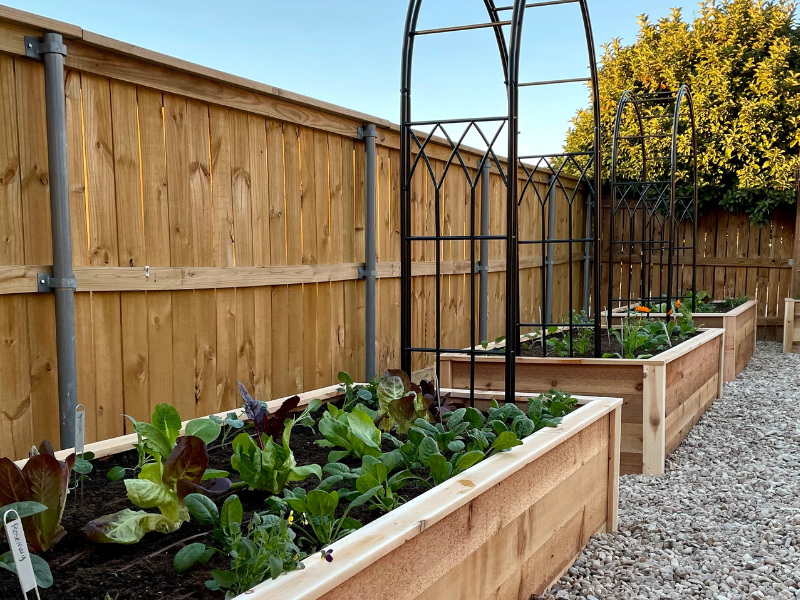
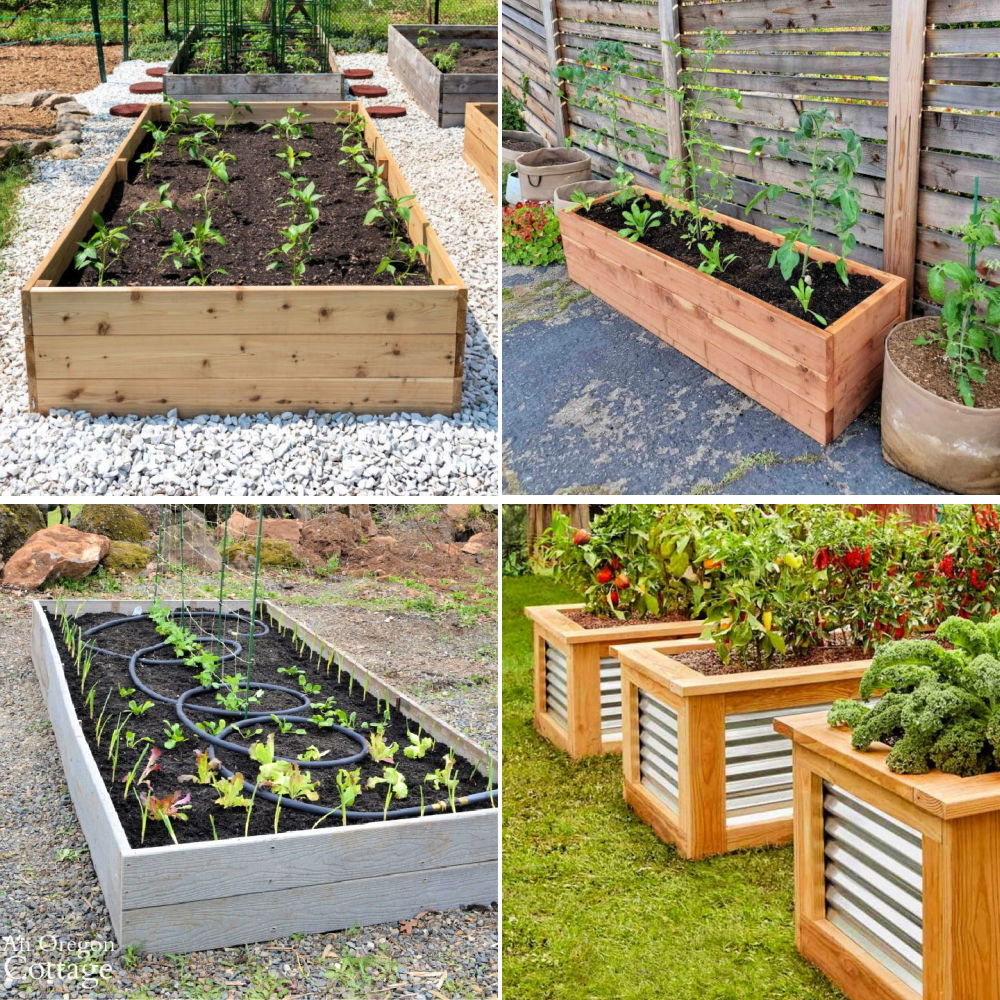
Shade gardens often retain more moisture than sunny beds due to lower evaporation rates without direct sunlight. It’s important to maintain a steady moisture level while preventing standing water, which can damage roots. Consider creating a gentle slope or utilizing raised beds to facilitate better drainage.
In clay soils, amending with organic matter can help break up the heavy texture, allowing excess water to drain without drying out your plants. For sandy soils, organic amendments will help retain moisture longer, ensuring your plants stay hydrated.
Keep an eye on your plants for signs of overwatering, such as yellowing leaves or fungal growth. Watering in the early morning allows the soil to dry before night, minimizing the likelihood of disease. Regularly assessing how your garden holds moisture after rainfall can help you determine if you need drainage solutions or additional mulch for moisture retention.
Managing Pests and Diseases in Your Shade Garden
Selecting plants that thrive in low-light conditions is crucial for cultivating a successful shade garden. You need varieties that can withstand reduced sunlight while bringing life and vibrancy to darker corners of your landscape.
Perennials and ferns can introduce seasonal interest and unique textures to your garden. Meanwhile, shrubs and groundcovers can add structure and fill in empty spaces with varying shapes. When selecting plants, consider how their sizes and leaf forms will interact with one another.
Assess the moisture retention of your garden, as many shade plants prefer moist, well-drained soil. Additionally, look for species that are known to resist pests and diseases that commonly afflict shaded, damp environments.
Are you ready to transform your shaded area? Choosing the right combination of plants will create harmony and keep your garden vibrant throughout the year.
Seasonal Care for Your Shade Garden
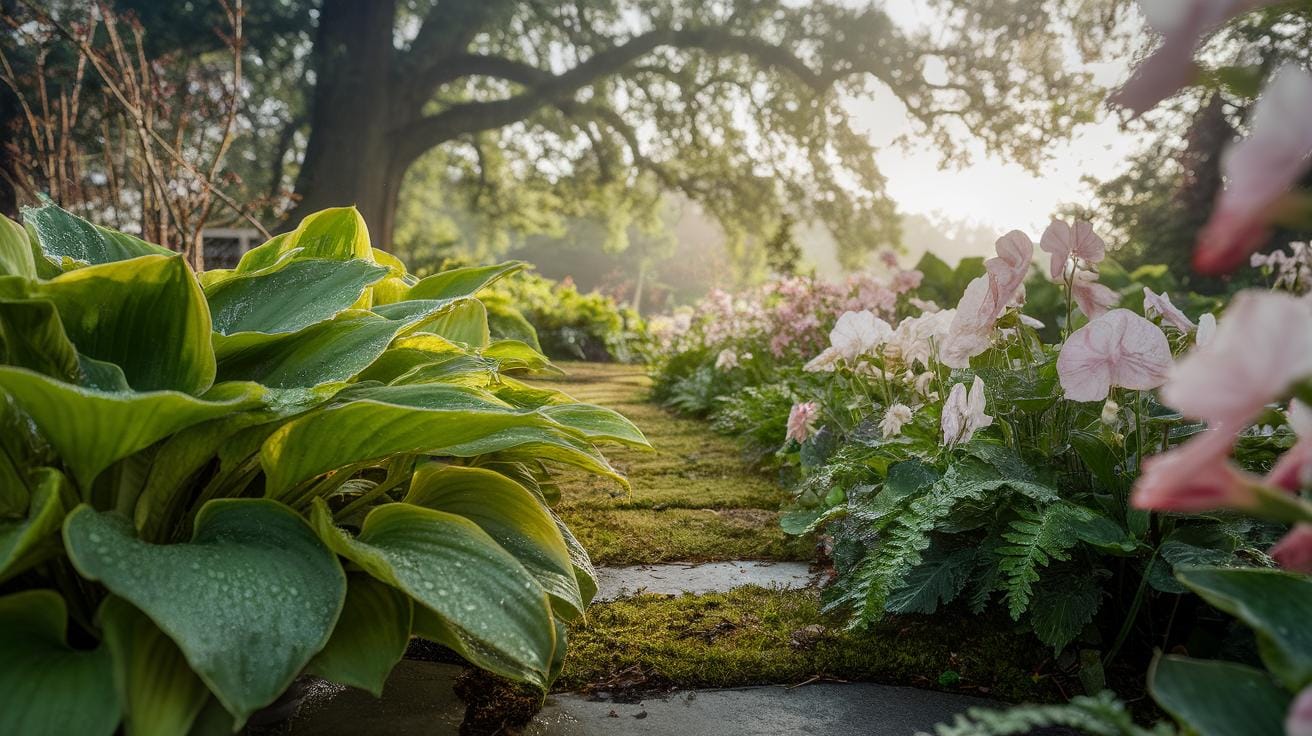
Hostas are a standout choice with their large leaves and diverse hues of greens and blues. They thrive in a variety of shade conditions and require moderate watering. You can find varieties that are compact enough for containers or larger ones that serve as stunning focal points.
Astilbes provide feathery flower plumes in shades of pink, white, and red. They prefer nutrient-rich, moist soil and bloom from late spring to summer. Their upright forms contrast beautifully with broader-leaved plants.
Ferns, such as the Christmas fern and Japanese painted fern, flourish under dense tree cover. These ferns introduce delicate, lacy textures and require consistent moisture. Their resilience makes them an excellent choice for dependable ground layers.
When caring for these perennials and ferns, ensure that the soil remains evenly moist and mulched to support cooler root systems. How might layering flower shapes and heights improve your garden’s overall aesthetic?
Incorporating Creative Elements into Shade Gardens
Shrubs such as azaleas and hydrangeas can add splashes of color to shady areas with their vibrant blooms. Azaleas prefer acidic soil and require protection from harsh winds, while hydrangeas adapt well to partial shade, producing lush flowers from summer into fall.
Groundcovers like pachysandra and sweet woodruff spread to fill bare soil, effectively reducing weeds and soil erosion. Pachysandra presents glossy evergreen leaves and tolerates deep shade well, while sweet woodruff offers tiny white flowers and a sweet fragrance in spring.
Contrast in foliage adds depth to your garden. For instance, the dark green leaves of inkberry holly can beautifully balance lighter groundcovers. Consider mixing various textures and heights to create an engaging landscape that invites close inspection.
What areas in your garden could benefit from the addition of evergreen shrubs or a soft carpet of groundcovers? Adding these layers will enhance stability and richness, creating a visually appealing environment throughout the year.
Addressing Common Challenges in Shade Gardens
Designing an appealing shade garden goes beyond merely selecting the right plants. Thoughtful arrangement can enhance both beauty and functionality in low-light settings. Group plants based on height and spread to create a natural flow and prevent overcrowding. Pathways or small clearings can effectively guide the eye and provide access.
In tightly packed or densely shaded areas, layering helps to maximize vertical space and adds depth to your garden. Position taller shrubs or small trees at the back or center to anchor your design, while medium-height perennials and groundcovers fill in the middle and front, creating a lush, multi-level effect. This arrangement also assists plants in thriving by aligning their individual light and moisture needs more effectively.
Consider contrasting leaf shapes, sizes, and colors to enrich the visual experience. You can brighten darker corners using plants with lighter or variegated leaves. Incorporating varied textures will create a pleasing balance. What mood do you want your garden to convey—serene, lively, or cozy? The right combinations can shape that experience within your shade garden.
Enhancing Your Shade Garden with Color and Texture
Structure your shade garden to ensure that plants are layered from the ground up to the canopy. Begin with groundcovers like creeping Jenny or sweet woodruff, which spread low and stabilize the soil. Next, add medium-height perennials such as hostas or astilbes. Finally, position taller shrubs or small trees like dogwood or Japanese maple behind or amid the middle layer.
This configuration optimizes the use of space in your garden without overcrowding. Each layer will receive adequate light and the necessary room to grow. It also draws the eye upward and inward, enhancing the feeling of spaciousness. If you prefer a more natural forest aesthetic, stagger your plantings rather than arranging them in straight lines. Consider how the mature sizes of the plants will affect spacing over time.
Planting in clusters of odd numbers, like threes or fives, can create a more organic look. How can you balance shade-loving plants of varying heights to develop a layered, vibrant garden throughout the seasons?
Watering Practices in a Shade Garden
Shade gardens may seem dull compared to their sunny counterparts, but you can infuse them with color and texture. Utilize foliage in diverse shades of green, from deep emerald to silvery gray. Plants like foamflower boast colorful leaves and small blooms that capture attention even in low light.
Mix smooth-leafed plants like hosta with fern fronds or ivy to create varied textures. Incorporating variegated plants with white or yellow edges adds vibrancy to your garden. You may also wish to introduce shade-tolerant flowering plants such as bleeding heart or astilbe for seasonal bursts of color.
Consider the color temperature of your plants, as well. Cool-toned blues and purples can create a soothing ambiance, while warm yellows and chartreuses can energize your space. Are you ready to explore plants that will brighten your shaded areas and give your garden a refreshing appeal throughout the year?
Routine Pruning and Fertilizing in Shade Gardens
Your shade garden requires water, but not as much as a garden exposed to full sun. Shade reduces evaporation, allowing the soil to retain moisture for longer periods. Regularly check the soil by inserting your finger about an inch deep. If it feels dry, it’s time to water.
Water deeply and less frequently to encourage strong root development. Shallow, frequent watering can weaken plants. The early morning is the ideal time to water, as this allows leaves to dry out during the day and reduces the risk of disease.
Do you monitor how the soil behaves after rainfall? Overwatering can lead to root rot, especially in shaded areas where water lingers. Adjust your watering schedule according to weather conditions and the specific needs of your plants. Mulching can help maintain consistent moisture levels and reduce the frequency of watering.
Identifying and Managing Shade Garden Pests
Regular pruning is essential for keeping your shade plants tidy and healthy. Remove any dead or damaged leaves to improve airflow and minimize the risk of disease. Trim back overgrown branches to ensure that lower plants receive adequate light.
Employ sharp tools for clean cuts, and aim to prune after plants finish flowering to avoid sacrificing next season’s blooms. For certain plants, such as ferns, removing old fronds can help stimulate new growth.
Feed your plants with a slow-release fertilizer specifically designed for shade plants. Many shade-loving species thrive on less fertilizer than their sun-loving counterparts. Excess fertilizer can harm roots or lead to leaf drop.
Implementing Disease Prevention Strategies
Consider your garden’s needs on a seasonal basis. How much growth are your plants exhibiting? If growth appears sluggish, you might want to consider a light feeding. Establishing a regular care schedule will help your shade garden flourish with balanced growth and vibrant foliage.
Many shade-loving plants thrive in moist, dense areas, attracting specific insects and promoting fungal growth. Understanding which pests are prevalent in low-light conditions can help you watch for their signs. Look for holes in leaves, sticky residue, or webbing as indicators of potential pest issues.
Seasonal Care for Your Shade Garden
Preventing disease is equally important. To maintain a healthy garden, ensure proper ventilation and promptly remove dead plant material. Avoid overhead watering to keep leaves dry and less prone to fungal infections. Utilizing natural products, like neem oil or insecticidal soap, can gently manage pests.
Creating a habitat for beneficial insects, such as ladybugs and lacewings, can help keep pest populations in check. Companion planting is another strategy to deter unwanted bugs naturally. Which steps will you take first to maintain a healthy shade garden?
Fall and Winter Preparations for Your Shade Garden
Various pests favor the cooler, shaded areas of your garden, such as slugs and snails, which often leave irregular holes and slimy trails on leaves. Aphids tend to cluster on new growth, turning leaves yellow and sticky. Spider mites thrive in dry shade and may cause tiny yellow spots or fine webbing on leaves. Whiteflies often scatter when disturbed, feeding on plant sap and weakening your plants. Fungus gnats breed in moist soil, potentially damaging roots.
Keep an eye out for leaf miners, which create winding trails inside leaves. These pests are easier to identify if you check your plants regularly. Have you noticed any puzzling signs in your garden?
Fungal diseases like powdery mildew and leaf spot thrive in damp, shady gardens. To prevent these diseases, ensure proper airflow by spacing your plants adequately. Trim crowded branches to reduce humidity around leaves. Water your plants at the base rather than on the foliage to minimize moisture on leaves, which invites fungi.
Incorporating Garden Features and Structures
Natural fungicides made from baking soda or garlic sprays can combat early infections. Regularly clean your garden tools to prevent spreading bacteria and fungi from plant to plant. Have you experimented with any natural remedies to protect your garden?
Lighting Options for Shade Areas
Your shade garden evolves with the seasons, and so should your care routine. Plants growing beneath tree canopies face different light and temperature patterns compared to those basking in full sun. Early spring brings limited light but stimulates new growth; preparing your plants by clearing dead leaves and refreshing soil nutrients is crucial during this time.
As temperatures rise in summer, shade plants still require consistent watering, but be cautious of overwatering since shaded soil retains moisture longer. Keep an eye out for any signs of plant stress related to heat and humidity changes. When fall approaches, light levels decrease again, causing many plants to slow their growth. Gradually reduce watering to prevent root rot and focus on protecting plants from early frosts.
Winter demands additional attention; mulching becomes essential for temperature control and moisture retention. Have you identified areas in your garden where shade is more pronounced? Those spots may require extra mulch or protective covers to shield tender plants from harsh cold. Each season necessitates keen observation of your garden’s subtle shifts to ensure balance and health under the canopy.
Creating Inviting Spaces in Your Shade Garden
Your shade garden awakens gradually in spring. Gently remove winter debris to avoid damaging new shoots. Applying a slow-release fertilizer will encourage steady growth while closely monitoring soil moisture is key, as shaded areas dry more slowly but still need water to thrive.
Warm months often see increased pest activity. Regularly check leaves for early signs of aphids, slugs, or spider mites. Employ gentle control methods, such as hand-picking or soapy water sprays, to keep infestations manageable before they escalate. Avoid using strong chemicals that could harm beneficial insects in your shaded ecosystem.
In late spring, lightly prune plants to improve airflow and reduce disease risks. Consider timing your plantings so that summer bloomers align with the dappled light your garden provides. How well do you understand your shade? Adjust your care routine based on which plants respond best as heat intensifies and growth peaks.
Preparing for Colder Seasons in Your Shade Garden
Prepare your shade garden for colder months by gently pruning dead or weak stems to mitigate disease issues. Leave some plant stems standing when possible to provide shelter for overwintering insects and birds. Apply a thick layer of mulch, about two to three inches, around plants to protect roots from freezing temperatures and retain soil moisture during dry winter spells. Be sure to replenish mulch as needed, especially after high winds.
As trees shed their leaves in fall, watch for changes in light patterns. This shift can impact plant growth and watering requirements. Gradually decrease irrigation to prevent waterlogged soil, and protect vulnerable plants with burlap screens or movable covers if winter temperatures drop unexpectedly. How does your garden’s shade change throughout the seasons? Adjusting care in response will help your plants thrive come spring.
Incorporating Functional Elements into Shade Gardens
Adding pathways in a shade garden helps guide visitors while protecting plants from foot traffic. Choose natural materials like stone or mulch to blend seamlessly with the environment. Incorporating benches creates inviting spaces for relaxation and contemplation beneath trees or near ferns. Opt for durable, weather-resistant seating to ensure longevity throughout the seasons.
Consider adding water features, such as small fountains or birdbaths, to draw wildlife and introduce soothing sounds to your garden. Sculptures or pieces of garden art can provide visual interest without overshadowing the plants. Position these elements to catch dappled light or sit beside darker foliage. What kind of outdoor experience do you envision? Functional elements enhance beauty while extending your enjoyment of your shaded space.
Utilizing Lighting to Enhance Shade Gardens
Shade gardens often receive limited sunlight, making additional lighting essential for evening use. Solar or low-voltage LED lights are ideal, as they produce minimal heat and won’t harm plants. Place path lights along walkways for safety and to accentuate textures. Utilize spotlights to draw attention to water features or sculptures after dark. Lanterns or string lights can add warmth without overwhelming the natural ambiance of the garden.
Think about which features you want to illuminate at night. Lighting can transform your shade garden into a tranquil retreat, even after sunset. How might subtle illumination change your connection to this space?
Troubleshooting Common Shade Garden Issues
Poor growth in shade gardens is often a result of inadequate light, compacted soil, or improper watering techniques. If your plants appear leggy or pale, they may not be receiving enough filtered sunlight. Consider relocating them to a slightly brighter spot or thinning nearby branches.
Soil that remains excessively wet or hard can impede root growth. Assess whether your soil drains adequately and consider loosening it or incorporating organic matter to improve its texture. Overwatering or underwatering can also lead to plant stress. Regularly test soil moisture to ensure you water only when necessary. Are your plants getting the nutrients they need? A slow-release fertilizer formulated for shade plants can enhance their health and vigor.
Ensuring Long-Term Health of Your Shade Garden
Early detection of problems is crucial in shade gardens. Regularly monitor plants for signs of pests, diseases, or nutrient deficiencies. Inspect the undersides of leaves and the stems for unusual spots or insects. Maintain cleanliness in your garden by promptly removing fallen leaves and debris that may harbor pests or diseases. Mulching with shredded bark helps retain soil moisture while suppressing weeds.
Be cautious with fertilizers, as heavy applications can burn delicate shade plants. Consider rotating plants each season to reduce pest build-up, and opt for disease-resistant varieties where possible to lower risks. Have you created a care schedule? Establishing reminders can aid you in staying proactive about potential issues. Taking early action can prevent many problems from escalating, ensuring that your shade garden remains lush and thriving throughout the year.
Embracing the Unique Beauty of Shade Gardens
Maintaining a shade garden involves adapting your gardening techniques to suit low light conditions. By selecting plants that are naturally suited for shade, you can minimize issues related to poor growth and plant decline. Regular care and attention to soil quality are also vital for sustaining the health of your garden. Shade gardens offer distinct beauty and a cooling retreat, so investing time and effort into their development yields rewarding results.
With this knowledge, you should feel empowered to plan and manage a shade garden that thrives and captures attention. Use this guide to select appropriate plants, prepare their environment, and provide ongoing maintenance throughout the seasons. Remember to observe your garden’s needs and adjust your care routines accordingly. With dedication and patience, your shade garden will flourish into a lush and inviting area that enhances your home’s landscape for years to come.