My journey into the world of pallet compost bins began unexpectedly, thanks to my neighbor’s initiative. One day, while meandering down to inspect the state of my chaotic compost heap—where ‘heap’ was truly the operative term—I spotted her assembling a series of wooden slats. Intrigued, I inquired further and discovered that she had purchased ready-made slatted compost bins that were not only aesthetically pleasing but also remarkably simple to put together.
As I watched her effortlessly assemble the bins, I felt a tug of competitiveness—I wanted to tackle the task the hard way. In fact, I was determined to take on a two-fold challenge. But fear not, dear readers; if you’re interested in constructing your own wooden compost bin from pallets, I’ll also share the easier method along the way.
This guide is specifically tailored for those looking to compost larger quantities of organic waste. If your composting needs are more modest, you may want to explore our other tutorials on creating a DIY trash bin composter or a worm bin composter—both of which are budget-friendly, easy to construct, and can be completed in under thirty minutes!
Advantages and Disadvantages of Pallet Compost Bins
Before you dive headfirst into building a pallet compost bin, it’s crucial to weigh the benefits and drawbacks. On the plus side, pallet compost bins are incredibly affordable and can be constructed with materials that are often available for free. This makes them an attractive option for eco-conscious gardeners seeking a cost-effective solution for composting waste.
Moreover, the slatted design of these bins allows for excellent airflow, which is essential for maintaining aerobic conditions within the compost pile. This can lead to faster decomposition and a more efficient composting process. Additionally, the size of pallet bins can accommodate larger quantities of organic matter, making them ideal for those who generate substantial waste.
However, there are some notable downsides to consider. The open sides of pallet bins can lead to insufficient insulation, particularly during colder months, which may slow down the composting process. Furthermore, their size may not be suitable for small gardens or limited spaces, where a smaller, more compact composting system might be preferable.
What Type of Pallets Do You Need to Make a DIY Compost Bin?
When embarking on your pallet compost bin project, selecting the right type of pallets is essential for both safety and effectiveness. Ideally, you should aim to find pallets that are uniform in size. This will make the assembly process more straightforward and ensure a more aesthetically pleasing final product.
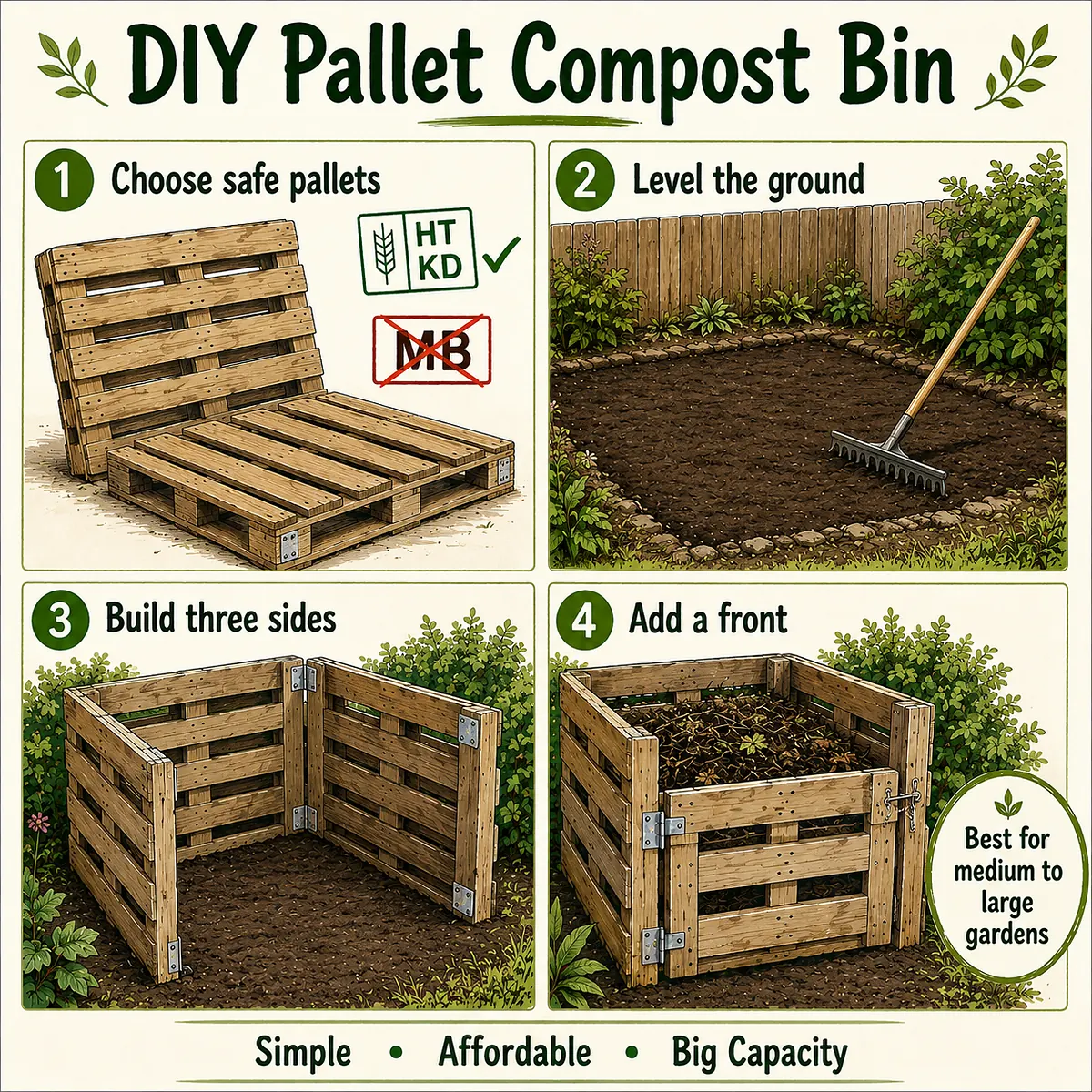
Additionally, it’s important to look for specific markings on the pallets. Most pallets come with stamps that indicate whether they are safe for use. Keep an eye out for markings such as IPPC or EPAL, which signify that the pallets meet safety standards. The letters HT indicate that the pallets have been heat-treated, while KD signifies kiln-drying. Sometimes these markings can be combined as KD-HT, which is a good sign.
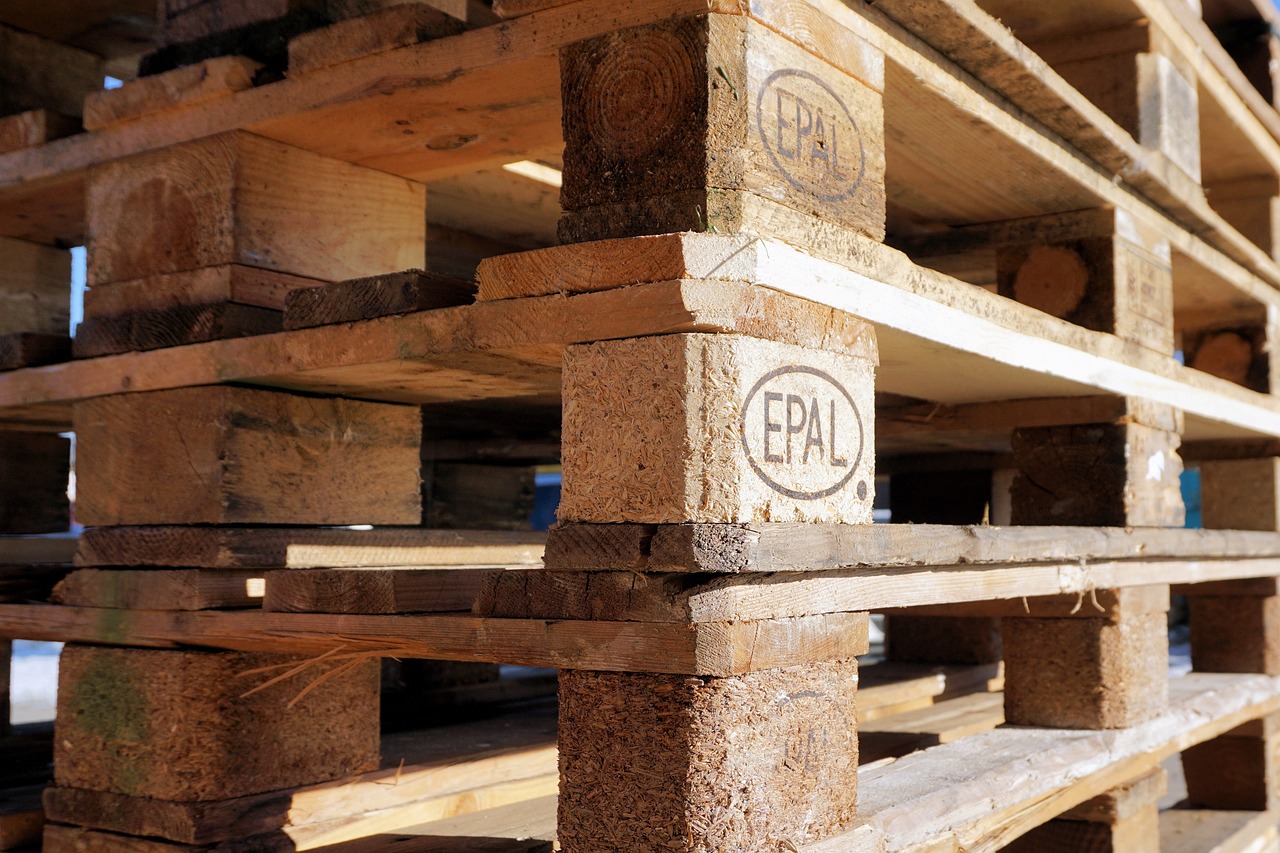
However, exercise caution when selecting pallets. Avoid any marked with the letters MB, as this indicates they have been treated with methyl bromide, a toxic pesticide. While these pallets are illegal in many regions, including the UK, US, and Europe, they may still be in circulation elsewhere, so it’s essential to be vigilant.
Pallets can often be sourced from larger retail outlets or warehouses, frequently at little to no cost. If local options are limited, consider purchasing them online from reputable suppliers.
Which is Best: Three-Sided or Four-Sided Pallet Bin?
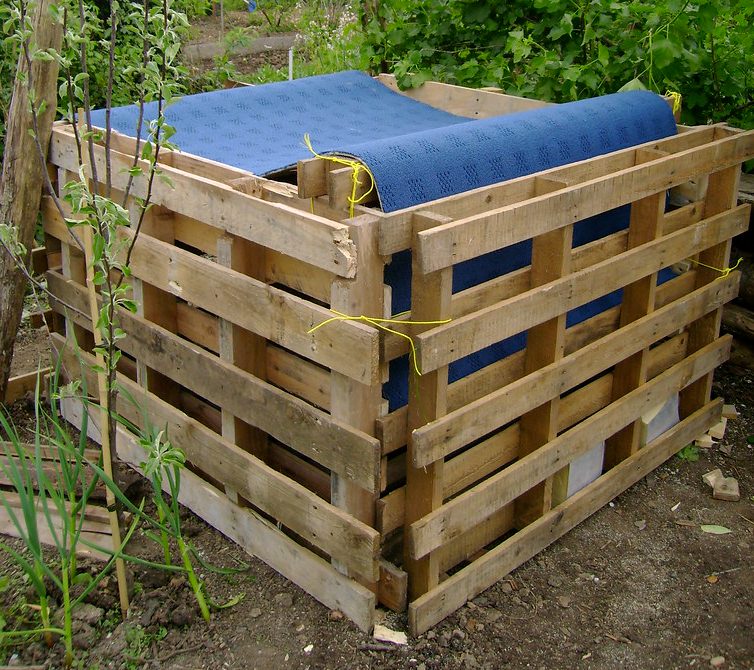
When deciding on the design of your pallet compost bin, you’ll have the option of constructing either a three-sided or four-sided bin. A three-sided bin offers the distinct advantage of easy accessibility. You won’t need to navigate a gate every time you transport a load of waste to the composting area.
That said, my personal preference leans towards the four-sided pallet bin. This design provides structural integrity as the compost pile expands, allowing you to build it up significantly higher than the pallet height. Interestingly, you can opt to leave the gate off during the initial stages of composting, which gives you the convenience of a three-sided bin while still benefiting from the stability of a four-sided structure.
Even though a four-sided bin may seem more complex, the assembly process is still manageable. The added security often outweighs the minor increase in effort required to put it together.
How to Make Pallet Bins
Building your own pallet compost bin is a straightforward process that can be completed with minimal tools and materials. To start, gather your pallets—ideally three or four, depending on your preferred design. You’ll also need corner brackets, screws, and possibly hinges if you plan to include a gate.
Begin by leveling the ground in the area where you intend to place your compost bin. If you have ample garden space, consider selecting a location that allows for future expansion into a multi-bin system. Although it’s best to place the bin on earth or soil for optimal drainage, concrete is an acceptable alternative.
Next, position the first pallet upright. It can be helpful to have a friend or family member assist you with this step. After securing the first pallet, place the second pallet at a right angle to create two sides of a box. To keep the pallets together while you work, you might want to tie them with string temporarily.
Once the first two pallets are in place, use corner brackets to attach them securely. Mark the location for the brackets, drill holes, and then screw them into place to ensure a sturdy connection.
Continue this process by adding a third pallet to form three sides of the compost bin. If you wish to include a fourth pallet as a gate, you can attach it with hinges, though this step may require some additional effort. You might need to trim the pallet to ensure it opens smoothly without dragging on the ground.
Do You Really Need a Gate on Your Pallet Bin?
The decision to incorporate a gate on your pallet compost bin ultimately depends on your personal preferences and composting habits. While having a gate can facilitate easy access to your compost pile, it might not be strictly necessary for everyone. If your bin is relatively small or if you frequently add materials to the compost, a three-sided design may suffice.
In my experience, I initially chose to include a gate on my first bin, but I found it unnecessary for the first few weeks of composting. I left the gate open until the bin was about half full, after which I reattached it with string for added security. This approach allowed me to easily add materials without the hassle of constantly opening and closing a gate.
For those who prefer not to deal with hinges and latches, you can simply tie the pallets together with strong string or wire. While this might not offer the same level of aesthetic appeal or stability as a fully constructed bin, it remains a practical solution for those pressed for time.
Second: The Easier Way to Build Pallet Bins
If the thought of working with tools and hardware seems daunting, there’s a simpler approach to constructing a pallet compost bin. Instead of using brackets and screws, you can tie the pallets together using robust string or wire. This method eliminates the need for complex assembly and still yields a functional compost bin.
While this alternative may not be as visually appealing as a more traditional bin, it certainly gets the job done. As long as you ensure the string or wire is secure, you can effectively create a sturdy structure for composting.
In addition to simplifying the assembly, consider adding stakes between the gaps in the pallets for extra reinforcement. Although I didn’t employ this step in my own design, it can be beneficial if you’re relying on string or wire to hold everything together.
Improving Your Pallet Bin
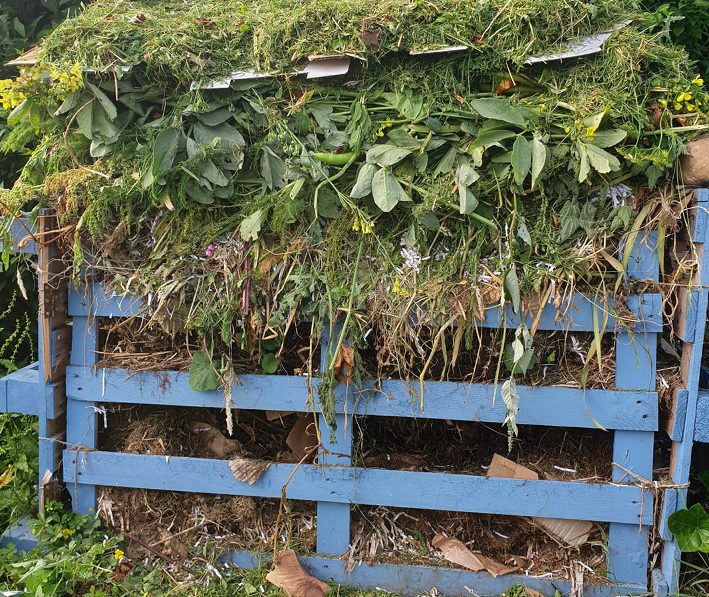
To enhance the performance of your pallet compost bin, consider adding insulation to the sides. While the open slats allow for good airflow, they can also make the bin colder during winter months, potentially slowing down the composting process. For a quick and effective solution, wrap the sides of your bin with cardboard. This material serves as a great insulator and can help retain heat within the compost pile.
As an additional layer of insulation, straw can also be employed. It’s an excellent material for keeping the compost warm and can be easily sourced from gardening suppliers. By placing cardboard or straw around the outside of the bin, you can improve the composting conditions, especially during chilly weather.
Covering the top of your compost bin is another crucial step, particularly in colder months. A top cover helps insulate the compost from harsh weather, prevents weed seeds from infiltrating the pile, and maintains optimal moisture levels. You have several options for covering the bin, including carpet remnants, black plastic, straw, or even layers of cardboard.
For example, using an old carpet can trap heat during winter, while black plastic can act as a sun shield in warmer months. A thick layer of straw provides excellent moisture control, and cardboard can serve as insulation that will naturally decompose over time.
Insulating Your Pallet Bin
As mentioned earlier, the gaps in the sides of your pallet compost bin can impact the composting process, particularly during colder seasons. While some gardeners choose to insulate their bins with specialized materials, a more accessible solution is to use cardboard. Wrapping cardboard around the exterior not only provides insulation but can also prevent compost leachate from seeping out.
Although the cardboard will eventually degrade, it can take quite some time, particularly when positioned on the outer layer of the compost. For even better insulation, you may want to explore using straw, which is known to maintain heat effectively.
Another important aspect of composting is moisture management. Covering the top of your bin is essential for maintaining the right balance of moisture. Too much rain can saturate your compost pile, while dry spells can inhibit decomposition. By covering your compost bin, you can help regulate moisture levels and ensure that the compost stays warm and inviting for microbial activity.
Wiring Your Compost Bin
To keep your compost bin tidy and prevent any material from spilling out, consider adding wire around the structure. This approach can help contain the compost, ensuring that it stays within the confines of the bin. However, it’s worth noting that while wiring can help maintain a neat appearance, it doesn’t provide the same insulation benefits as cardboard or straw.
One important caveat to consider is that wiring alone is unlikely to deter pests like mice or rats unless you also wire the bottom of the bin. These critters can easily burrow underneath or squeeze through gaps in the wire, so additional measures may be necessary to keep them at bay.
Painting/Treating Your Pallet Bin
It’s a wise decision to treat or paint your pallet compost bin to extend its lifespan. Applying a protective coat can help preserve the wood, ensuring that it withstands the elements and lasts for years to come. A painted bin can also enhance the overall aesthetic of your garden, making it a more attractive feature.
While I chose to paint the exterior of my bin, I now realize that it would have been more effective to paint the insides before filling them with compost. This would have provided an additional layer of protection against moisture and decay.
As I wrapped up my compost bin project, my stepfather expressed concerns about the structural integrity of the design. However, I’ve found that pallet bins are surprisingly sturdy, as the weight of the compost predominantly exerts downward pressure rather than outward pressure. Mine have held up well for several years, and I anticipate they will continue to do so for at least another year.
In conclusion, pallet compost bins are an accessible and effective way to manage organic waste. With a little creativity and effort, you can transform discarded pallets into a functional composting solution that not only benefits your garden but also contributes to a more sustainable lifestyle.