Stop spending money on overpriced, chemical-laden vegetables. Here’s a comprehensive plan to kick off your homesteading journey in your own backyard this weekend.
If you arrived here via Pinterest, chances are you’re fed up with high grocery bills and subpar produce at the store. You’re eager to cultivate your own food, but you might be wondering:
“I don’t have a sprawling farm.” “I’m clueless about what type of soil to choose.” “I don’t want to end up killing all my plants.”
The encouraging news? You don’t need vast stretches of land. All you need is a solid strategy.
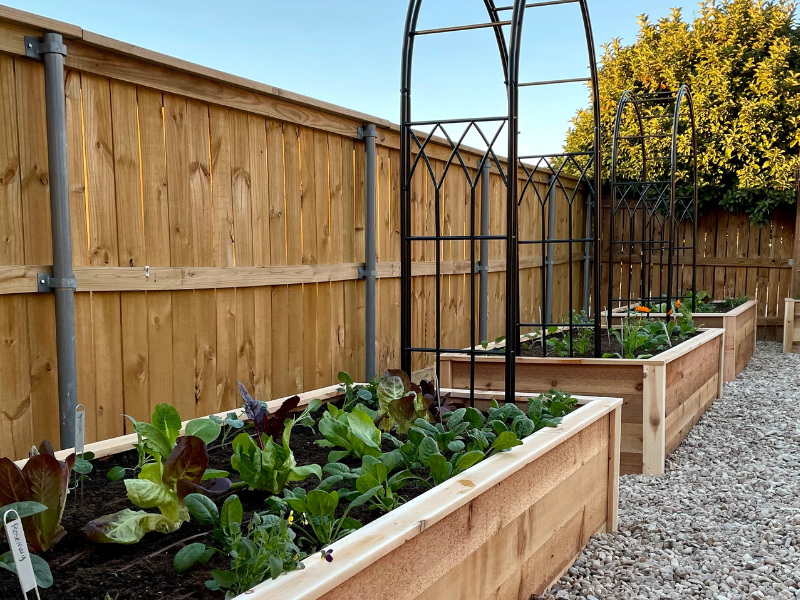
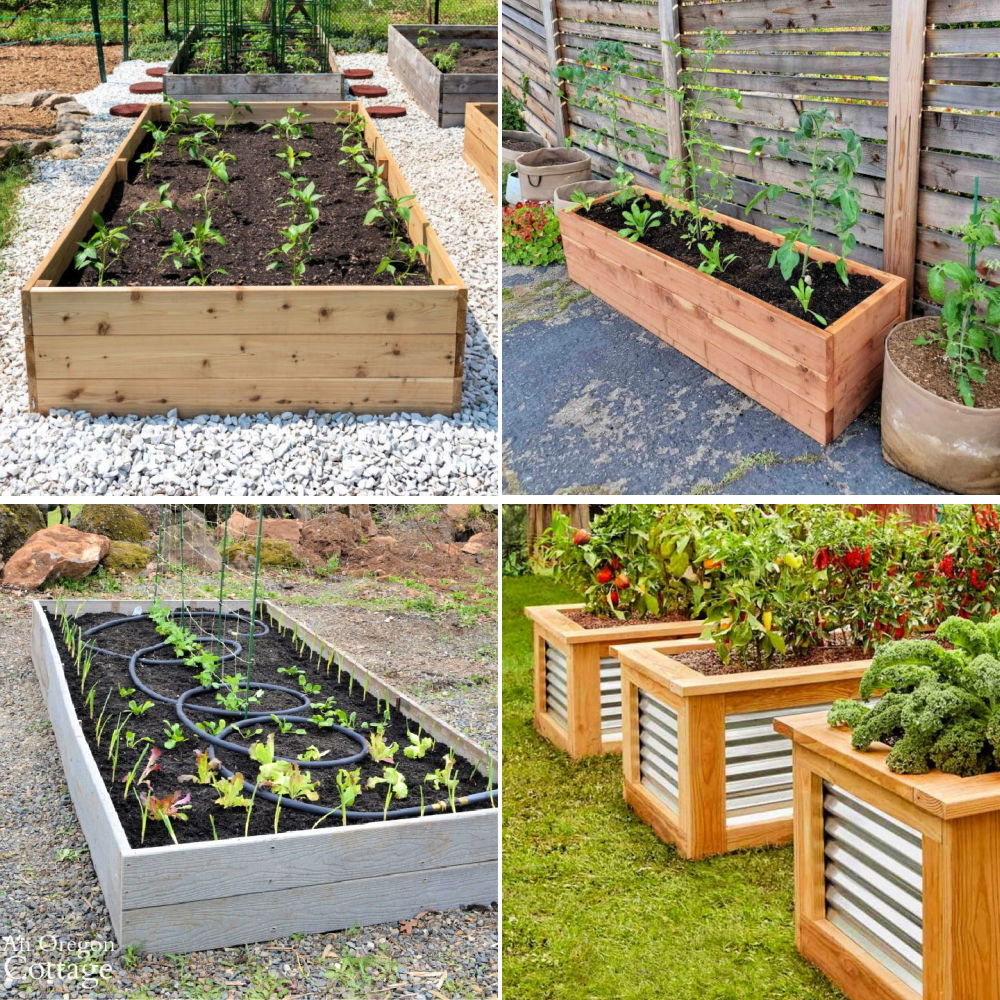
I began with just one 4×8 raised garden bed, and it completely transformed my family’s eating habits. Raised beds provide superior drainage, warmer soil during the spring, and — most importantly — significantly fewer weeds.
However, constructing the bed is merely the first step. To genuinely convert a limited space into a reliable food source, mastering the setup is essential.
A common pitfall for many gardeners is the assumption that filling a raised bed requires hundreds of dollars’ worth of soil. Thankfully, that’s not the case.
I employ a modified Hugelkultur method, which is simply a fancy German term for “burying wood.” This technique allows you to create a rich environment for your plants while reducing the amount of soil needed.
Once your raised bed is constructed and filled, the most significant error that beginners make is planting in linear rows.
In a confined area, traditional rows waste valuable space. Instead, utilizing a Grid System (often referred to as Square Foot Gardening) enables you to produce up to 100% more food in the same 4×8 area.
I often witness people constructing the ideal bed, filling it with quality soil, only to find that nothing thrives. Alternatively, they face issues where pests devour their plants, or they inadvertently plant incompatible crops like tomatoes and potatoes next to each other — a critical mistake!
Gardening transcends merely creating a structure; it’s fundamentally about nurturing an ecosystem.
To effectively reduce your grocery expenses, it’s vital to implement a comprehensive plan that encompasses Crop Rotation, Companion Planting (selecting plants that benefit each other), and Succession Planting (ensuring a continuous harvest throughout Spring, Summer, and Fall).
It became evident to me that a single blog post or a solitary infographic couldn’t convey the entire framework needed for self-sufficiency. You require a detailed roadmap.
This guide is more than just a gardening manual; it’s an all-encompassing resource for transforming any space — whether it’s a small balcony or a spacious backyard — into a thriving homestead.
Within the guide, you will discover:
Click here to download The Small-Space Homesteader’s Blueprint and embark on your growing adventure today.
Don’t let another growing season pass by longing for fresh produce. The ideal time to plant a tree was two decades ago. The optimal time to construct your raised bed is this very weekend.
Phase 1: The Setup (The “Cheap” Way)
Bottom Layer: Start by filling the lower 40% of your box with old logs, sticks, and cardboard. This innovative approach significantly reduces the volume that needs to be filled with expensive soil.
Middle Layer: Next, incorporate grass clippings, leaves, and compost into the mix, which provides vital nutrients for your plants.
Top Layer: This is where you should invest your budget. Use high-quality topsoil combined with organic compost for the upper 6–8 inches of your raised bed.
This strategic layering not only saves you money but also creates an optimal growing environment for your plants.
Instead of the typical 10 carrots, you can actually grow 16 carrots per square foot in this system.
Additionally, consider growing vertical crops such as beans and cucumbers on a trellis positioned on the north side of the bed, thereby preserving ground space.
The “Tetris” Method: This clever strategy enables you to fit three seasons’ worth of food into a single 4×8 box, maximizing your yield throughout the year.
Phase 2: Maximizing Your Square Footage
One of the most rewarding aspects of gardening is realizing how much you can grow in a limited area when done correctly.
Utilizing the Grid System allows for efficient planting and ensures that every inch of soil is being put to use. This technique involves dividing each square foot of your raised bed into smaller sections to optimize plant density.
This approach not only increases your yield but also makes tending to your garden more manageable, as you can easily track what’s growing where.
Planting in succession — rotating your crops throughout the seasons — ensures that your garden remains productive year-round, providing you with a continuous supply of fresh produce.
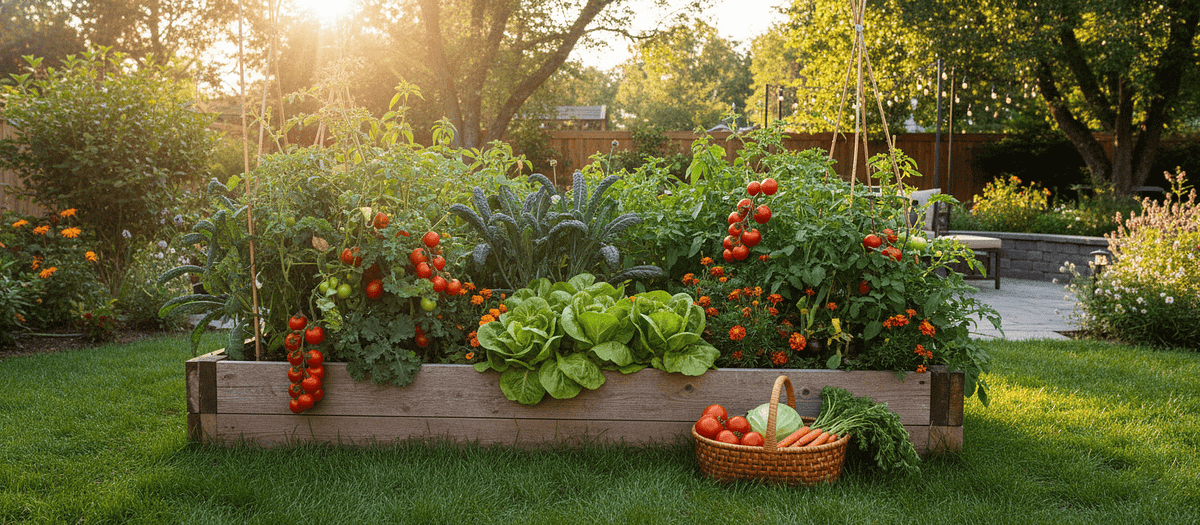
Moreover, employing companion planting can dramatically enhance growth rates and deter pests. By strategically pairing plants that benefit each other, you can create a harmonious ecosystem that thrives.
By diversifying your crops and utilizing vertical space, you can ensure a robust harvest even in a small area.
Incorporating these methods will not only allow you to grow an impressive variety of food but also give you a sense of accomplishment as you witness the fruits of your labor flourish.
The Problem: A Box is Not a Garden
Many novice gardeners mistakenly believe that simply building a raised bed will automatically yield a bountiful harvest. However, it’s essential to understand that a raised bed is merely a structure; it does not inherently create a flourishing garden.
Gardening is an intricate dance of elements: soil health, plant selection, and environmental factors all play crucial roles in determining your success.
To truly cultivate a productive garden, you must invest time into understanding the needs of the plants you wish to grow. Each species has unique requirements for light, water, and nutrients.
Furthermore, recognizing the importance of biodiversity can’t be overstated. A diverse garden is more resilient to pests and diseases, meaning that a variety of plants will typically thrive better than a monoculture.
Ultimately, your success as a gardener hinges on your ability to create an ecosystem that nurtures your plants while also being mindful of the surrounding environment.
Realizing that a raised box is just the beginning can open up a world of possibilities and help you cultivate a thriving garden.
Want the Full Blueprint?
It became abundantly clear that a simple guide wouldn’t suffice for those aspiring to achieve self-sufficiency in their gardening endeavors. You need a comprehensive, step-by-step blueprint that outlines every aspect of the process.
That’s precisely why I developed The Small-Space Homesteader’s Bible: to provide you with the tools and knowledge necessary to turn your dreams of a flourishing garden into a reality.
This guide is meticulously crafted to walk you through each phase of transforming your space into a productive homestead, ensuring you have all the information at your fingertips.
Don’t let the complexities of gardening deter you. With the right guidance, you can cultivate a thriving garden that provides for you and your family.
By following this well-structured roadmap, you’ll be equipped to grow your own food and embrace the joys of homesteading.
Get the Complete Guide
Inside The Small-Space Homesteader’s Bible, you’ll find all the insights and techniques needed to maximize your gardening efforts.
From soil preparation to harvest techniques, the guide covers every essential aspect to ensure your gardening journey is successful.
With easy-to-follow instructions and practical advice, you’ll be able to confidently tackle each stage of the process.
This is more than just a gardening book; it’s your ticket to becoming a self-sufficient gardener.
Are you ready to take control of your food source and start your journey toward self-sufficiency? Don’t wait any longer.
[LINK: Get the Guide Here] 👈
Click here to download The Small-Space Homesteader’s Blueprint and begin your adventure today! With this guide, you’ll have everything you need to transform your small space into a high-yield food factory. Take the first step toward a more sustainable lifestyle and enjoy the benefits of growing your own food.