Construct a garden that harmonizes with your local environment, climate, and geographical features by selecting flora that thrives naturally in your area. Opting for native plants not only minimizes the need for upkeep but also enhances the aesthetic appeal of your garden space.
Grow Your Own Produce
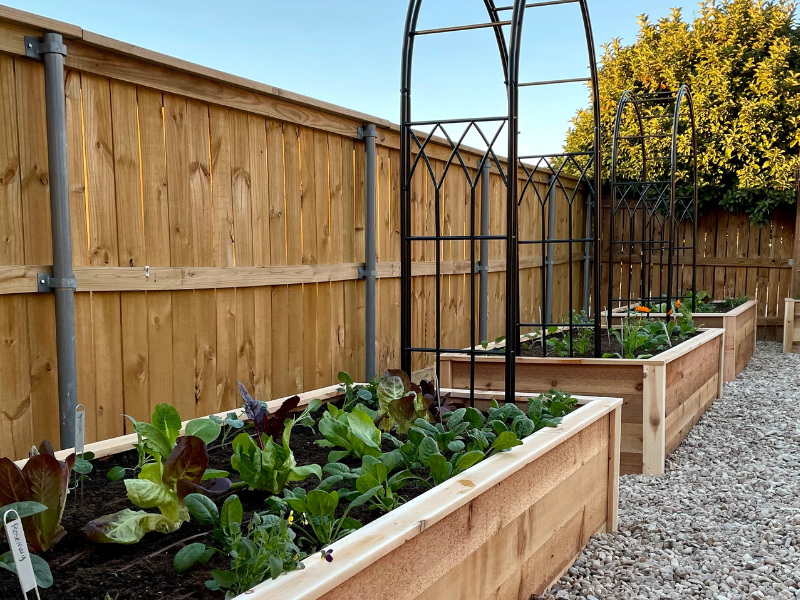
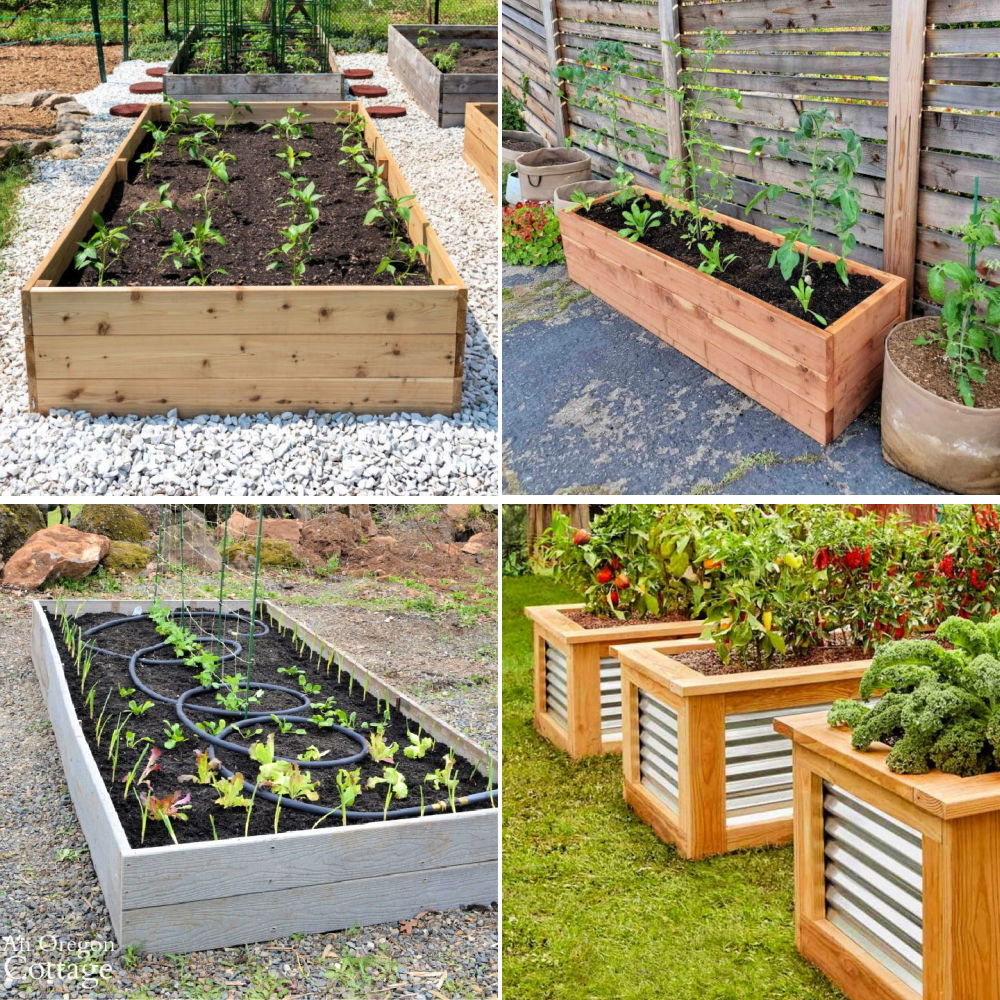
Start your gardening journey by cultivating vegetables from seeds. This rewarding practice will offer you a plethora of benefits, including an enjoyable workout, the satisfaction of savoring home-grown produce, financial savings, and a reduction in the carbon footprint associated with transporting food items.
By choosing to grow your own vegetables, you are actively participating in a more sustainable food system. The freshness of home-grown vegetables far surpasses store-bought options, yielding superior taste and nutritional value. Moreover, the exercise involved in tending to your garden contributes to a healthier lifestyle.
Utilize Organic Mulching Techniques
Instead of raking leaves, consider repurposing them into mulch using a mulching mower. This method not only conserves the natural nutrients in your yard but also fosters a healthier soil ecosystem.
Mulching helps retain moisture, suppress weeds, and gradually enrich the soil as it breaks down. It’s a simple yet effective way to enhance your garden’s health while managing waste sustainably.
Enhance Soil Naturally
Selecting eco-friendly approaches to enhance your garden’s soil and manage pests is vital. Consider using household items such as baking soda and potassium bicarbonate, which can serve as effective, non-toxic alternatives for improving soil health.
Employing these natural methods not only safeguards your plants from pests and diseases but also ensures that your gardening practices are aligned with environmental sustainability. This approach minimizes chemical runoff that can harm local ecosystems.
The Importance of Trees
Incorporating trees into your garden design is crucial. Trees not only create habitats for various wildlife but also provide shade, act as windbreaks, and significantly improve air quality.
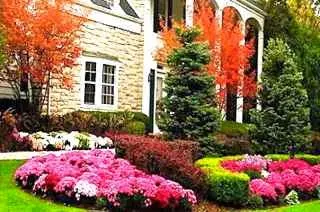
Additionally, the presence of trees in your garden can enhance the overall aesthetic, offering a tranquil space to relax and enjoy nature. Planting trees is an investment in both your garden’s beauty and the planet’s health.
Recycling Coffee Grounds
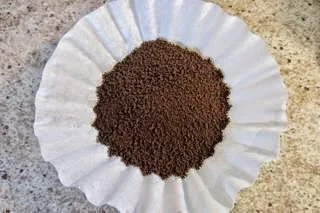
Consider adding used coffee grounds to your compost bin or directly to your soil. Rich in nitrogen, coffee grounds can greatly enhance plant growth and contribute to a more fertile garden environment.
Not only do they provide essential nutrients, but they also help improve soil structure and drainage. This simple act of recycling can make a significant difference in your garden’s productivity.
Eco-Friendly Fertilization
When it comes to nourishing your flowers and vegetables, opt for eco-friendly fertilizers and pesticides. There are many organic options available that will protect your plants without damaging the environment.
Using natural fertilizers ensures that your garden remains chemical-free, promoting a healthy ecosystem both above and below ground. This preserves the biodiversity that is crucial for a thriving garden.
Natural Pest Control
Utilize natural products like milky spore bacteria to combat pests such as Japanese beetles. These biological controls protect your garden without the adverse effects of synthetic chemicals.
Employing these methods can lead to a balanced ecosystem in your garden, allowing beneficial insects to thrive while keeping harmful pests at bay.
Weed Management
Safely eliminate weeds using organic, non-toxic herbicides. This approach ensures that your garden remains a safe environment for both plants and wildlife.
Consider using corn gluten as a natural pre-emergent herbicide to prevent weed growth before it starts. This proactive approach can save you time and effort in the long run.
Alternative Weed Solutions
Explore the use of clove oil as a natural herbicide to burn weeds. This potent solution can effectively manage unwanted growth without harmful chemicals.
Additionally, utilizing a mixture of salted water or a combination of water and white vinegar can serve as a safe and pet-friendly method to rid your garden of weeds.
Water-Wise Planting
Opt for plants that require minimal water, such as perennials like trilliums, which are more sustainable compared to annual bedding plants. This practice conserves water while providing a vibrant garden.
By incorporating drought-resistant plants, you contribute to a more sustainable landscape that requires less maintenance and resources.
Companion Planting
Engage in companion planting within your eco-friendly garden. This technique involves strategically planting different species together to promote mutual growth, protect against pests, and reduce the risk of disease.
For instance, planting onions or chives alongside carrots can deter carrot root flies, while basil thrives next to tomatoes, enhancing both flavor and growth.
Herbs for Pest Control
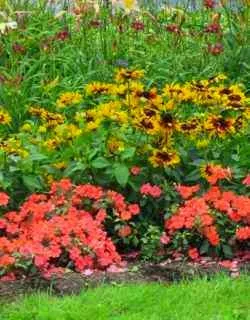
Incorporate aromatic herbs like mint, rosemary, and lavender, which act as natural repellents against ants and mosquitoes. Their strong scents help deter these pests while adding beauty and flavor to your garden.
Planting chamomile, cosmos, and marigolds can attract beneficial pollinators, ensuring a thriving ecosystem while enhancing your garden’s visual appeal.
Garlic and Other Natural Defenses
Consider growing garlic near lettuce and marigolds beside corn to repel pests effectively. The combination of these plants can create a natural barrier against harmful insects.
Furthermore, planting summer savory alongside green beans and oregano next to cucumbers can foster a healthier garden by keeping pests at bay.
Repelling Insects Naturally
Utilize strong-scented herbs like spearmint and sage to discourage insects from invading your garden. These natural deterrents can significantly reduce pest populations without using harmful chemicals.
Growing citronella grass in pots around your outdoor seating areas can also provide an effective means of keeping mosquitoes at a distance, allowing you to enjoy your garden in peace.
Water Conservation Techniques
Harvest seasonal rainfall by installing water collection barrels to irrigate your garden. This practice conserves water and reduces your reliance on municipal supplies.

Using collected rainwater not only helps your garden thrive but also promotes responsible water use, aligning with sustainable gardening principles.
Organic Composting
Implement organic compost or mulch in lieu of chemical fertilizers. This sustainable practice enriches the soil and promotes a healthy ecosystem within your garden.
Create a compost bin to repurpose organic waste, transforming kitchen scraps and yard trimmings into natural fertilizer for your plants.
Creating Nutrient-Rich Compost
Make your own compost by combining materials like grass clippings, vegetable peelings, paper, and garden waste. This nutrient-rich mixture will greatly enhance your soil’s fertility.
The process of composting not only minimizes waste but also contributes to a more sustainable gardening environment.
Utilizing Eggshells
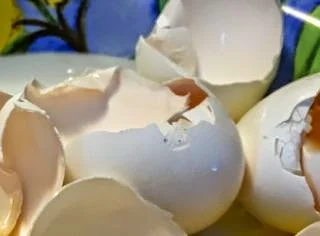
Crushed eggshells make for a natural fertilizer, rich in calcium carbonate. By incorporating them into your soil, you can enhance its quality and promote healthier plant growth.
Simply crush the shells by hand or in a blender before adding them to your garden, providing essential nutrients that your plants need to thrive.
Attracting Pollinators
Grow perennial flowers like blue salvia nemorosa and yellow coreopsis to attract crucial pollinators such as bees and butterflies. These insects play an essential role in maintaining a healthy garden ecosystem.
A diverse array of flowering plants not only beautifies your space but also supports biodiversity in your garden.
Chamomile Tea for Plant Health
Water your plants with cool chamomile tea a couple of times a week. This natural remedy will help maintain your plants’ health and ward off bacterial and fungal infections.
Chamomile offers an easy, organic solution to keep your garden thriving without resorting to synthetic chemicals.
Protecting Against Pests
Utilize mesh netting and fleece to safeguard your vegetable plants from pollinating insects. This protective layer can prevent pests from laying eggs, ensuring that your plants remain healthy and productive.
These measures help you maintain a natural gardening environment while minimizing the need for chemical interventions.
Repurposing Cooking Water
Consider using boiled water from cooking to nourish your garden plants. This nutrient-rich water contains vitamins and minerals that can benefit your plants significantly.
By reusing this resource, you contribute to a more sustainable gardening practice while giving your plants the nourishment they need.

Soil Enhancement Mixtures
Incorporate bone meal, cottonseed meal, and seaweed meal into your compost to further improve your garden soil. These organic amendments provide vital nutrients that promote healthy plant growth.
Using these natural products ensures a thriving garden ecosystem that supports both your plants and the surrounding environment.
Reducing Lawn Space
Consider decreasing the amount of lawn area by replacing grass with low-maintenance plants. This strategy not only conserves water but also reduces energy consumption and the time you spend maintaining your garden.
By shifting toward more sustainable landscaping options, you can create a garden that is both beautiful and eco-friendly.
Water-Saving Irrigation
Think about installing a water-saving irrigation system to optimize water usage in your garden. This technology ensures that your plants receive the moisture they need without excessive waste.
Implementing such systems can lead to significant water savings, further promoting sustainable gardening practices.
Strategic Tree Planting
Plant deciduous trees on the west and south sides of your property to help reduce energy consumption for heating and cooling your home. These trees provide shade during the warm months and allow sunlight to warm your home in winter.
Strategic tree placement can have a substantial impact on your energy bills while enhancing your property’s natural beauty.
Solar Garden Lighting
Opt for solar-powered garden lights to illuminate your outdoor spaces sustainably. These lights harness solar energy, providing a cost-effective and eco-friendly lighting solution for your garden.
By using solar energy, you reduce your reliance on traditional electricity sources, promoting a greener lifestyle.
Weed Prevention Techniques
Employ newspaper and black plastic bags to inhibit weed growth in your front and backyards. These materials can effectively suppress weeds while decomposing naturally over time.
This method is a simple yet effective way to maintain a tidy garden without resorting to harmful chemicals.
Recycling for Gardening
Repurpose food packaging, such as yogurt and ice cream containers, as pots for your plants. This practice not only saves you money but also reduces waste, contributing to a more sustainable gardening approach.
Using recycled materials in your gardening endeavors encourages creativity and resourcefulness while minimizing your environmental footprint.
Choosing Eco-Friendly Tools
Select gardening tools that are designed with sustainability in mind, such as push lawn mowers. Opting for manual tools reduces reliance on fossil fuels and promotes a more environmentally conscious gardening practice.
By making informed choices about the tools you use, you can further align your gardening practices with eco-friendly principles.