As spring approaches, one of the most exciting moments for garden enthusiasts is the opportunity to rejuvenate their outdoor spaces. For those residing in milder climates, the gardening season can kick off earlier, but regardless of where you live, certain essential tasks must be tackled in spring. This article outlines a comprehensive to-do list that will prepare your garden for summer and beyond.
Every gardener’s strategy may vary based on their local climate, but there are universal tasks that benefit every spring garden. This includes tidying up the yard, checking equipment for replacements, and preparing soil for planting. With years of experience growing a diverse array of vegetables, along with raising bees, ducks, and chickens, I’ve learned the importance of getting organized early in the season to ensure a bountiful harvest.
Over the years, my gardening interests have evolved, but one thing remains constant: I am always cultivating something in my garden. Whether it’s vegetables, herbs, or flowers, planning ahead is the key to a successful gardening season.
Spring Gardening Planning
The very first step in any gardening endeavor is effective planning. Understanding your USDA plant hardiness zone is crucial as it provides valuable information about first and last frost dates for your area. For those lucky enough to live in warmer climates, there can be opportunities for multiple growing seasons throughout the year. On the other hand, those in regions with distinct seasons will typically have a gardening window from spring through fall, while colder climates may only allow for a brief summer growing period.
Regardless of your climate, knowing when your last frost date is will help you work backward to plan your planting schedule. This is where having a garden journal or planner can prove to be incredibly beneficial. Whether you choose a digital app, a computer program, or simply a pen and paper, documenting your gardening plans and noting last year’s successes and failures will guide your decisions for the current season.
When you are reviewing your garden notes, consider what changes you would like to make this year. It’s vital to determine what you want to plant and the layout of your garden. While it can be tempting to fantasize about a large garden filled with diverse plants, it is essential to consider your actual growing space and abilities. For instance, if you only have three garden beds, growing 20 tomato plants would be impractical. Research the space requirements for each type of plant to ensure they have enough room to thrive. I personally enjoy using a garden planning app to manage my layout effectively.
A Garden Planner
Planning your garden layout not only helps in visualizing your space but also facilitates crop rotation, which is vital for maintaining soil health. Incorporating companion planting can further enhance plant vitality and soil quality. Once you have decided on your plants, jot down when to start seeds and when to transplant them into your garden.
It’s important to acknowledge that some plants thrive in warmer weather, necessitating a late spring or early summer planting. Conversely, there are cool-weather crops like peas, lettuce, spinach, and root vegetables that can be planted earlier. Understanding which plants can be directly seeded into the soil versus those that do better when started indoors is also part of the planning process. For a detailed guide on starting seeds, I recommend checking out my comprehensive seed starting guide.
Snip, Snip, Trim
While seed starting is crucial, another important task in spring is pruning. If you didn’t manage to prune your trees, bushes, and plants in the fall, now is the time to do so. Pruning helps remove dead or dying growth, allowing the plants to focus their energy on new growth. It’s a necessary task that ensures the vitality of your plants for the upcoming season.
During spring, be sure to trim away dead growth from your perennials and clear out old leaves, twigs, and debris, which can be composted. However, exercise caution not to prune spring-flowering plants, such as forsythia or lavender, as this can affect their blooming cycle.
Another aspect of spring preparation is organizing your garden shed and potting area. Take stock of your supplies and ensure that your watering can, garden hose, and tools are easily accessible when the gardening season begins. Clean, sharpen, and oil your tools as needed, and consider replacing any that are worn out. This is also a good moment to evaluate what tools you genuinely use; for instance, if you only have a few raised beds, investing in a large soil tiller may not be necessary.
Prep Spring Gardening Tools and Supplies
For those interested in sustainable gardening, setting up a rain barrel in late spring can be beneficial. Be sure to clean out your gutters to ensure that they are functioning properly. Proper water management is crucial as you prepare your garden for the growing season.
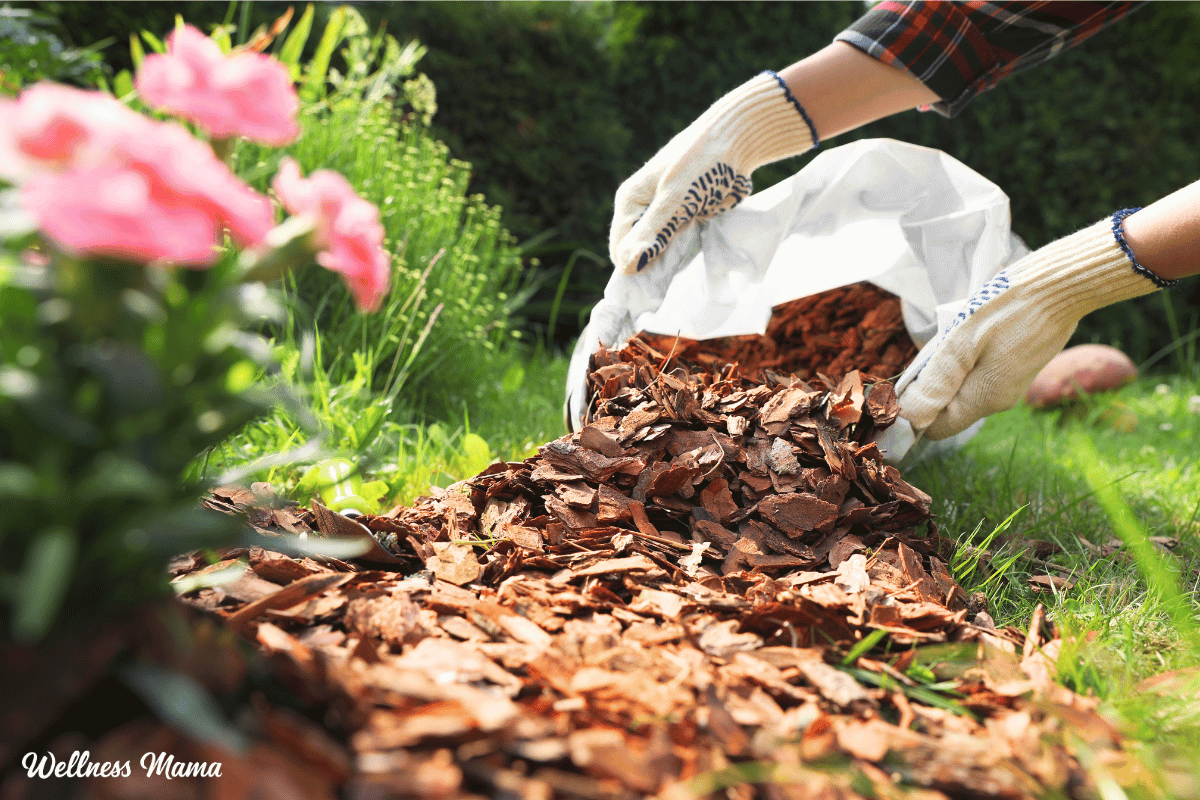
Removing weeds in their early growth stages is far easier than later on. Additionally, this approach minimizes the risk of those weeds going to seed and proliferating further. To deter future weed growth, consider covering your garden beds with a thick layer of mulch, although it can be advantageous to plant smaller transplants first and then mulch around them.
Maintaining Garden Areas
It’s wise to postpone any major cleanup tasks until the weather warms up. Leaf litter and other debris provide essential shelter for pollinators and beneficial insects during winter and into spring. According to the Xerces Society for Invertebrate Conservation, last year’s leaf litter still protects both plants and tiny creatures from late frosts, and chrysalides of butterflies may cling to dried stems and twigs, waiting for the right moment to emerge.
Timing yard cleanup is crucial, and ideally, it should happen in late spring or early summer, depending on your local climate. Beyond just the garden beds, it’s important to check pathways and surrounding areas for maintenance needs. Inspect any cracked or broken pavers that may need replacing, and remove any weeds from walkways. Ensure that any areas requiring fresh mulch or gravel are addressed as well.
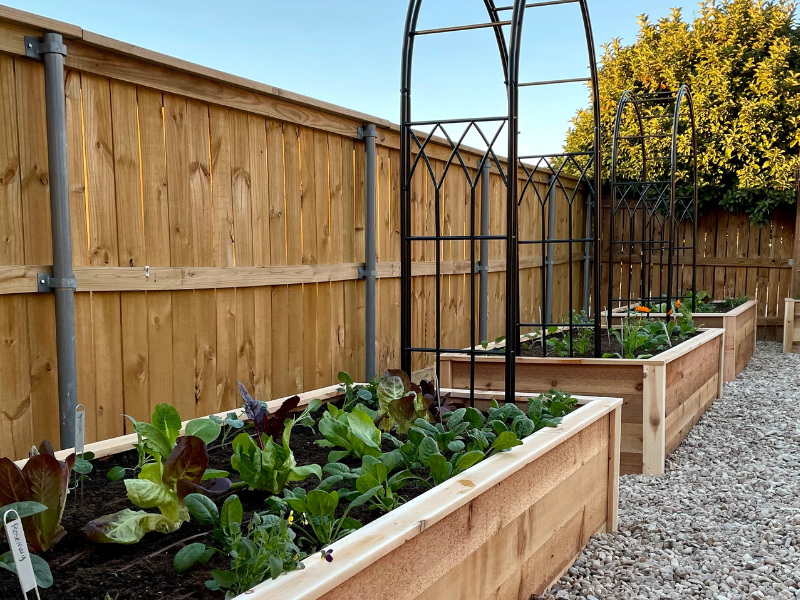
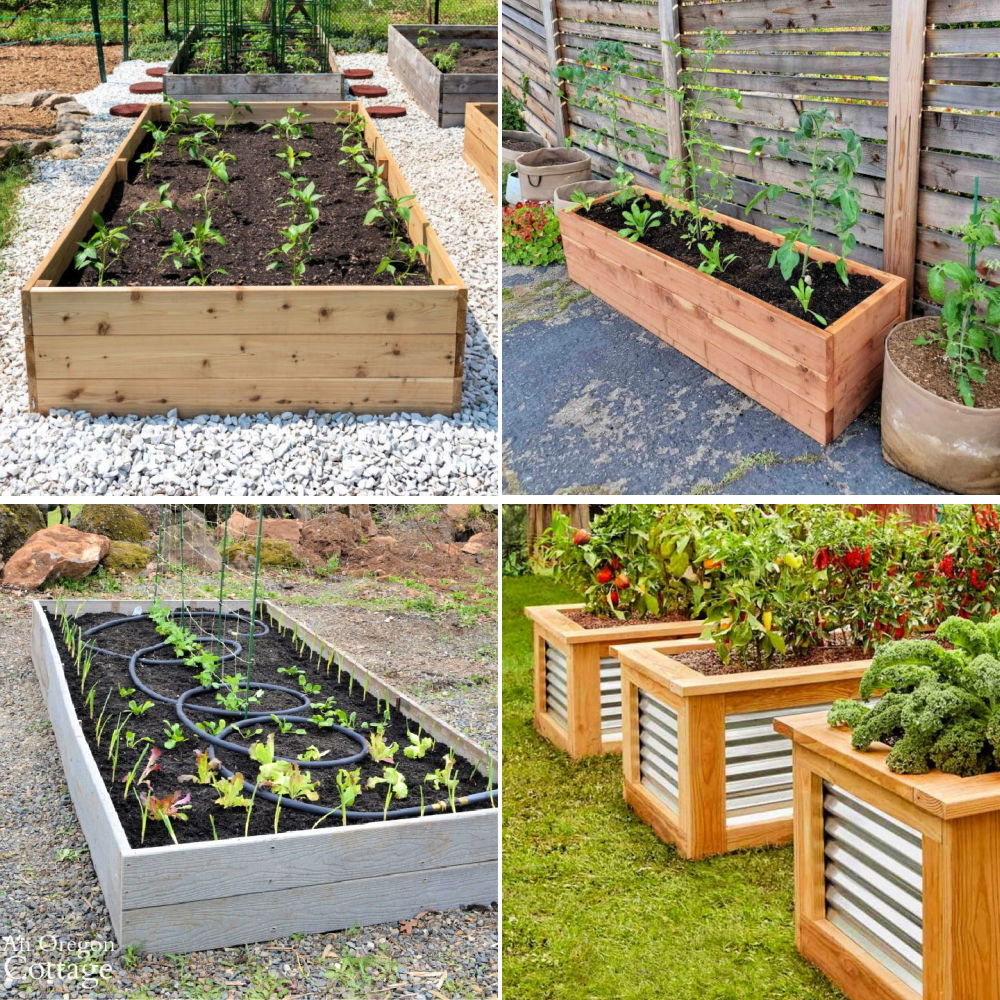
If you have raised garden beds, pots, or other planters, consider checking them for needed repairs. To extend the growing season, adding cold frames or row covers can be advantageous, especially for early plantings.
Perennials and Cuttings
Spring is also the perfect time to divide perennials and replant as necessary. When flowering perennials have been in one spot for a while, their growth may stagnate. Dividing them into multiple plants not only revitalizes their growth but can also lead to increased blooms. Additionally, it’s an excellent time to plant bare root cuttings, such as elderberry. If you’re interested in elderberry, I have a guide for gathering cuttings to plant for summer.
As the ground thaws and becomes workable, it’s a good moment to plant trees, fruit trees, bushes, or shrubs when the frost has lifted in spring. This ensures that your new plants will establish roots in their new environment before the heat of summer arrives.
Helping the Garden Friends
A thriving garden ecosystem relies on friendly insects and pollinators. While some may view bugs as pests, many contribute positively to the health of the garden. I’ve shared that I keep beehives in my backyard, and there are numerous ways to support pollinators and other beneficial garden inhabitants. Creating a bee hotel is a simple yet effective way to provide shelter for these important creatures.
Take stock of any birdhouses or feeders you have; dust them off and check for necessary repairs. Make sure to hang and refill bird feeders and clean out the birdbath to keep these areas inviting for local wildlife. If you don’t have a bat house, consider adding one to your property, as bats can help control insect populations. Planning and planting a butterfly garden can also attract and support these beautiful pollinators.
Preparing For a Spring Garden
As spring unfolds, it’s important to remember that you don’t have to tackle everything on your checklist at once. Life changes over time, and so does your garden. In my experience, there have been seasons where I’ve had extensive vegetable gardens, while at other times, I’ve focused more on cultivating herbs and flowers. It’s essential to do what feels manageable and enjoyable for you.
These gardening tips aim to help you feel more prepared as you embark on your spring gardening journey. Whatever your gardening aspirations may be, remember to pace yourself and embrace the process. Gardening should bring joy and satisfaction, not overwhelm.
Hold Up on Cleanup
Before diving into garden cleanup, it’s essential to recognize the benefits of maintaining some of last year’s organic matter. Dead or damaged branches, and the remnants of flowering shrubs are part of the ecosystem that provides shelter and food for wildlife. Allowing certain areas to remain untouched can encourage beneficial insects to thrive and provide a balanced environment in your garden.
As you prepare your garden for the upcoming season, consider all aspects of your outdoor space. From pruning and planning to maintaining your tools and supporting pollinators, each task is a stepping stone towards a flourishing garden. Remember, your garden is a reflection of your unique style and preferences, so take the time to cultivate it in a way that brings you joy.