Having a lush, green Monstera plant can transform any space into a vibrant oasis. This guide is designed to equip you with all the essential tips for nurturing a healthy Swiss cheese plant. From watering routines to propagation techniques, we’ll cover everything you need to know about Monstera plant care.
Monstera Plants
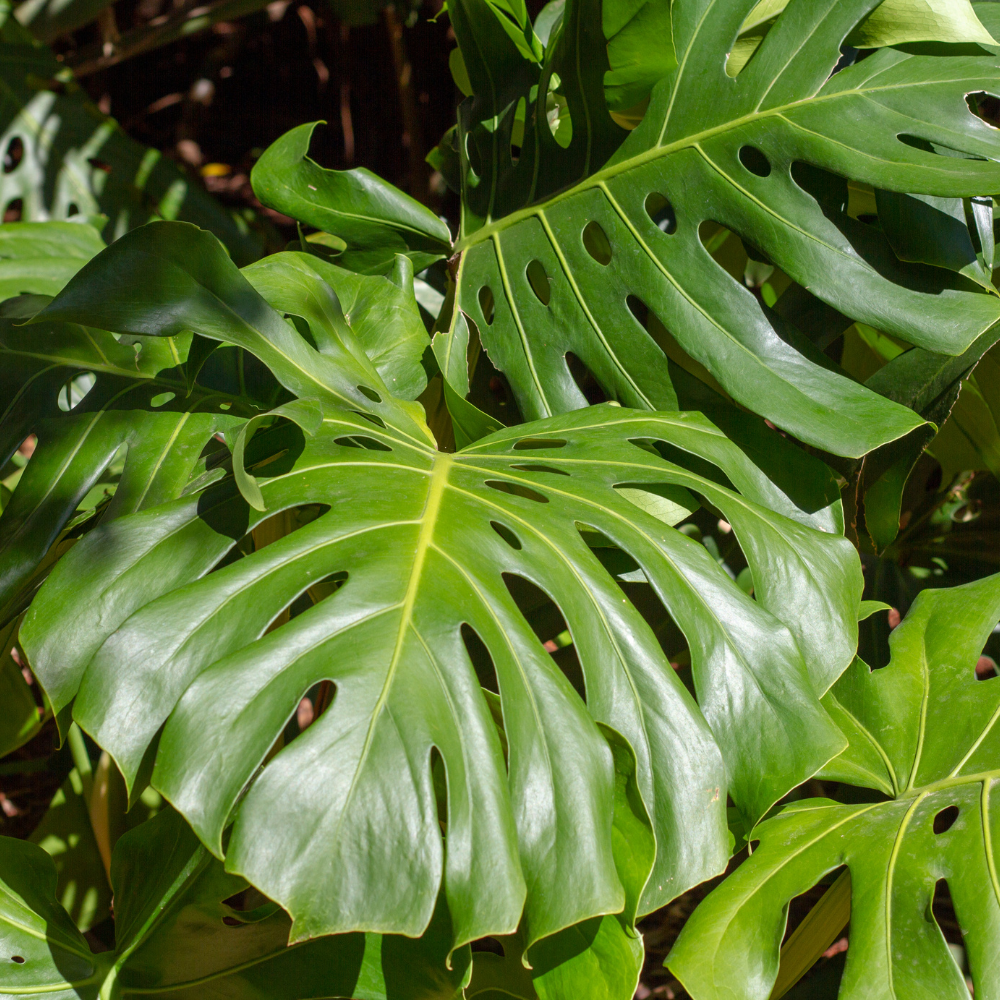
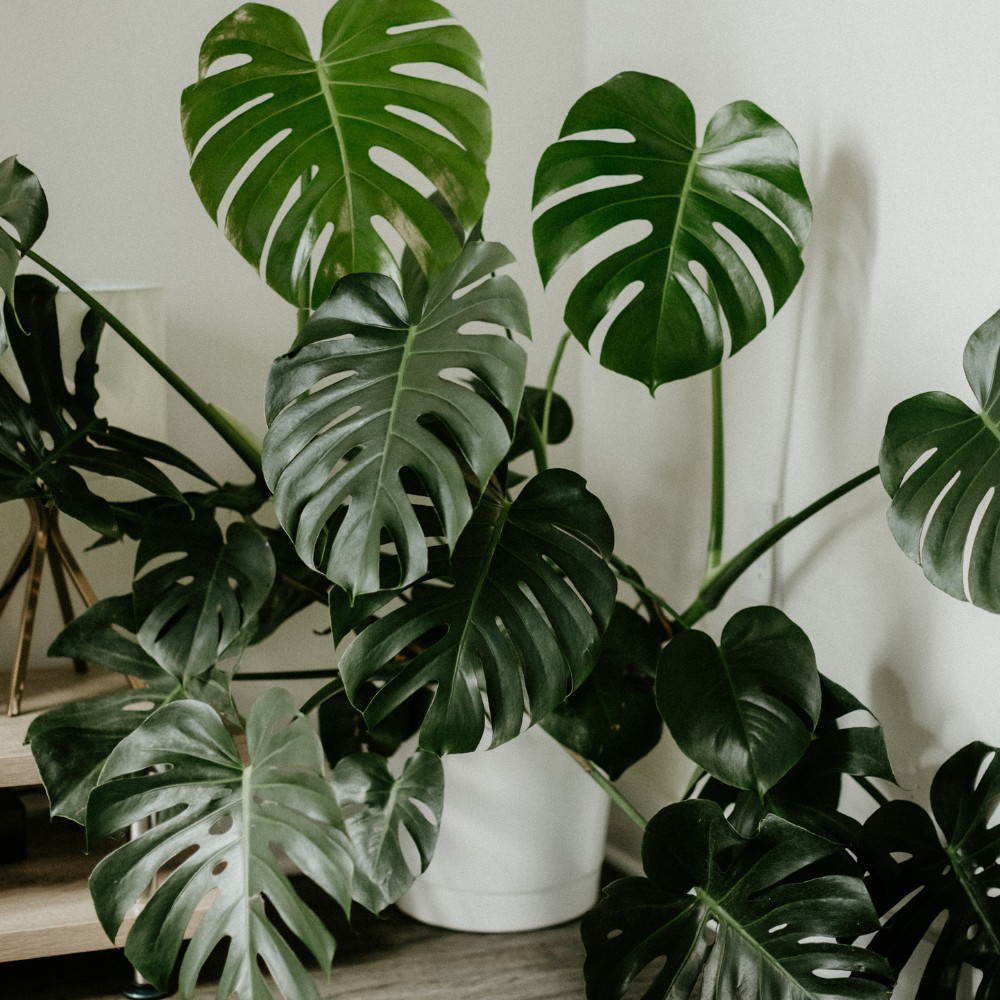
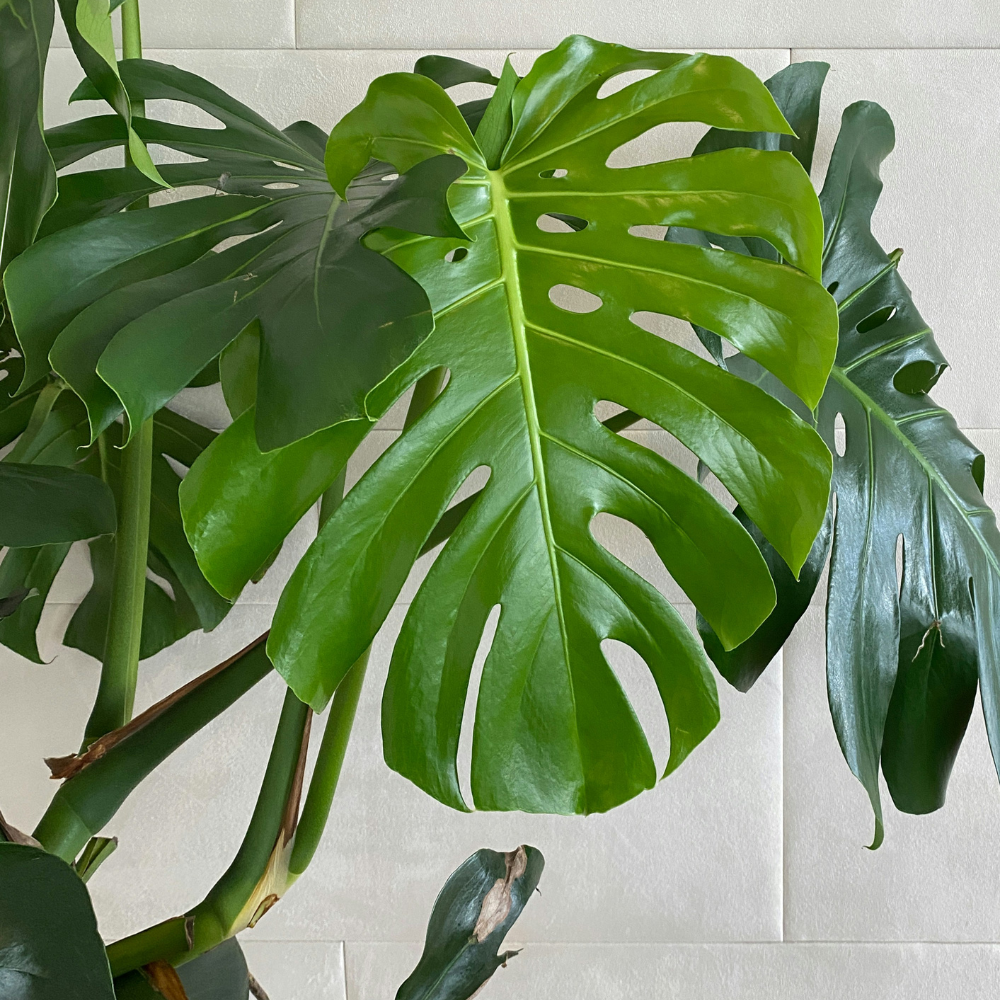
Monstera plants, particularly known for their striking heart-shaped leaves, have become a staple in many homes and gardens. Originating from the tropical regions of Central America, they flourish in warm, humid conditions, which makes them perfect for indoor environments that mimic their natural habitat. With their unique fenestrations, or leaf holes, they are both visually appealing and functional, capturing light while allowing the plant to thrive in its native rainforest.
As a member of the Araceae family, Monstera plants exhibit a fascinating growth habit. They are climbers by nature, often using surrounding structures for support as they stretch towards the light. This inherent tendency makes them ideal for vertical gardening, allowing you to maximize space while creating a stunning green display.
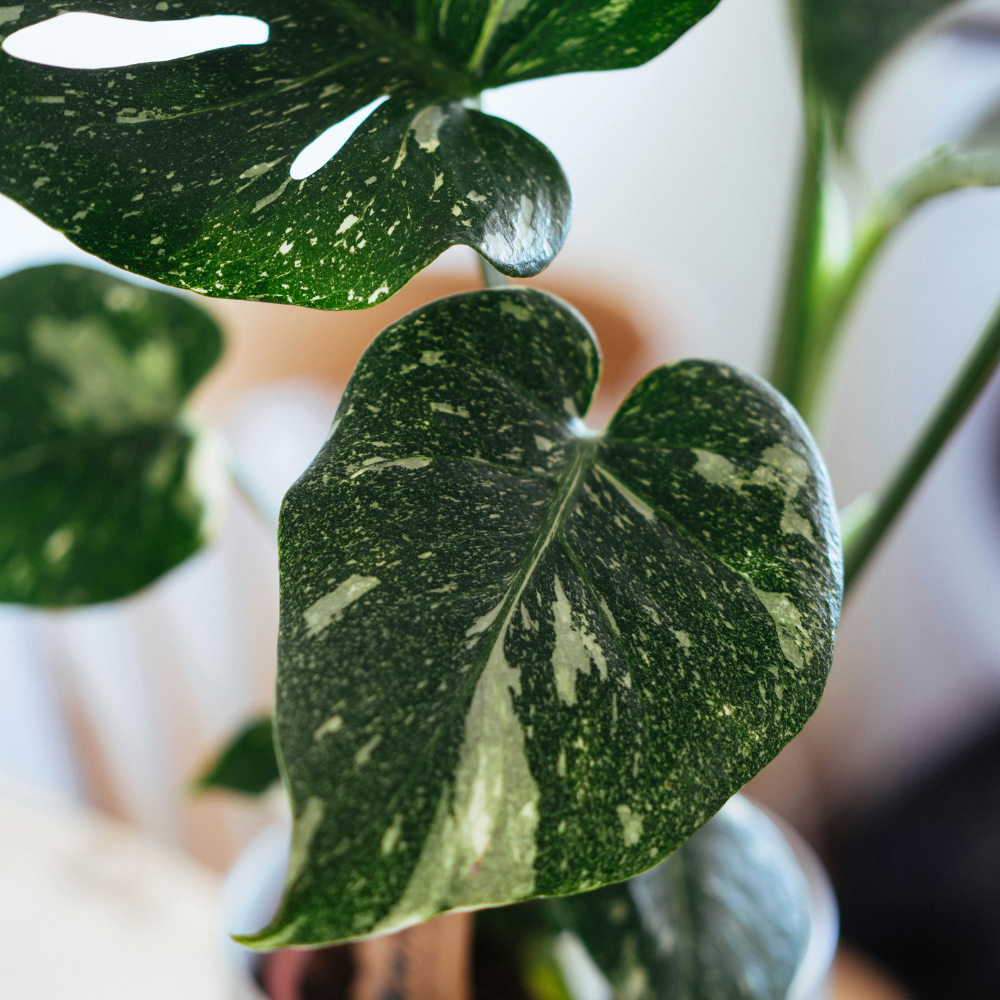
While many people appreciate the aesthetic appeal of Monstera, they also offer numerous health benefits, such as air purification and humidity regulation. This makes them not only a lovely addition to your decor but also a positive contributor to your living environment.
Light Requirements for Monstera Plants
Understanding the light requirements of Monstera plants is crucial for their growth and overall health. In their natural habitat, they thrive under the canopy of tall trees, receiving bright, filtered light. Therefore, when growing a Monstera indoors, it’s essential to mimic these conditions as closely as possible.
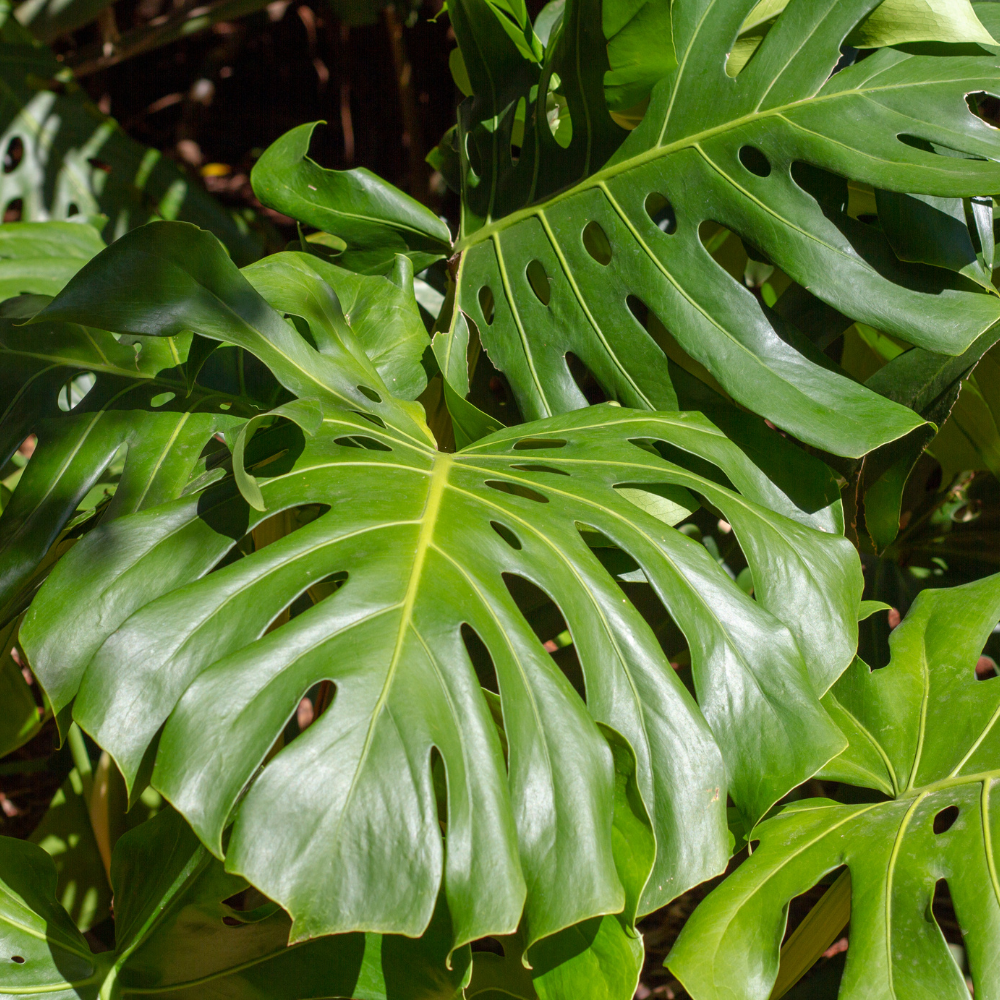
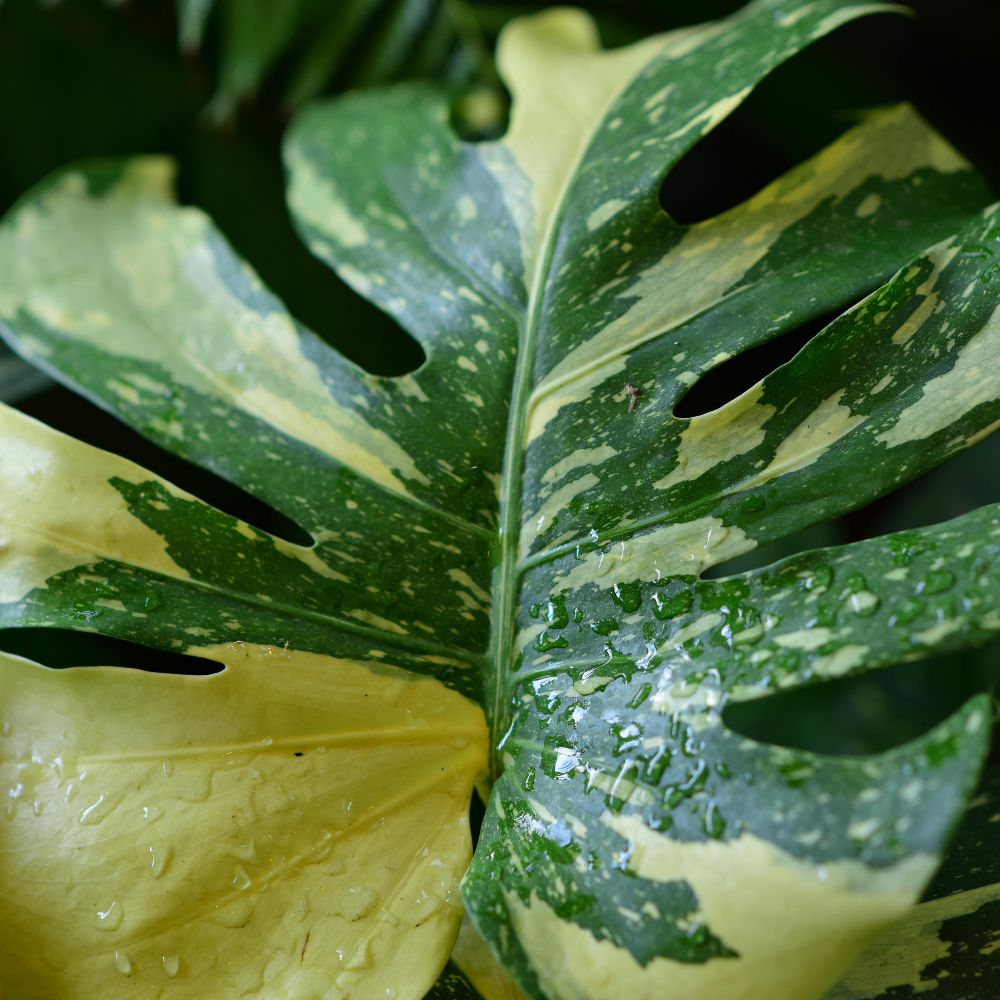
Bright, indirect light is ideal for a Monstera plant. Placing it a few feet away from a window, particularly east-facing, can provide the perfect balance of brightness without the risk of scorching its leaves. If your Monstera is leaning towards the light, it’s a natural response; simply rotate the pot periodically to encourage even growth.
In cases where natural light is limited, consider incorporating grow lights, especially during the winter months when sunlight is scarce. These lights can help maintain healthy growth and support the development of those signature fenestrated leaves that make Monsteras so sought after.
Watering Monstera
Watering is a critical aspect of Monstera plant care that can directly impact its wellbeing. These tropical plants prefer a watering routine that allows their roots to breathe, as they are accustomed to well-draining soil in their native environments. Overwatering can lead to root rot, while underwatering can cause the leaves to become dry and crispy.
Generally, watering every 1-2 weeks is sufficient, depending on factors such as humidity and temperature. During the hot summer months, you might find yourself watering more frequently, while in the cooler winter months, extending the interval to every 18-21 days is recommended. Always check the top two inches of soil; if it feels dry, it’s time for a drink.
A useful tip is to use rainwater for irrigation, as it’s typically free of the chemicals found in tap water. If rainwater isn’t an option, filtered or distilled water can be excellent alternatives. Additionally, misting the leaves can help increase humidity, which is beneficial for a Monstera’s health.
Soil & Potting Tips
The choice of soil is fundamental to successful Monstera plant care. These plants thrive in a well-aerated, fast-draining soil mix that allows for proper root development. A recommended recipe includes combining potting soil, coco coir, and perlite in equal parts. This mixture promotes drainage while retaining moisture, creating an ideal environment for your plant.
When potting your Monstera, ensure that the container has good drainage holes. If you have a decorative pot without drainage, consider placing a nursery pot inside so you can easily remove it for watering. Repotting every one to two years is also crucial for maintaining the health of your plant; this encourages growth and provides fresh nutrients.
When you repot, look for signs of root bound, such as roots growing out of the drainage holes. This is an indicator that your Monstera is ready for a larger pot. Spring is the best time to repot, as this aligns with their active growth season.
Humidity and Temperature Needs
Creating the right humidity and temperature environment is essential for the well-being of your Monstera plant. These tropical beauties flourish in higher humidity levels, ideally between 60-80%, along with temperatures ranging from 65-85°F (18-29°C). If you live in a dry climate, your Monstera may struggle and require extra attention.
To maintain adequate humidity, consider placing a humidifier nearby or misting the leaves regularly. Grouping your Monstera with other plants can also enhance humidity levels in the surrounding area. If your plant is outdoors, particularly in shaded areas, ensure to water it every few days, especially during the hot summer months.
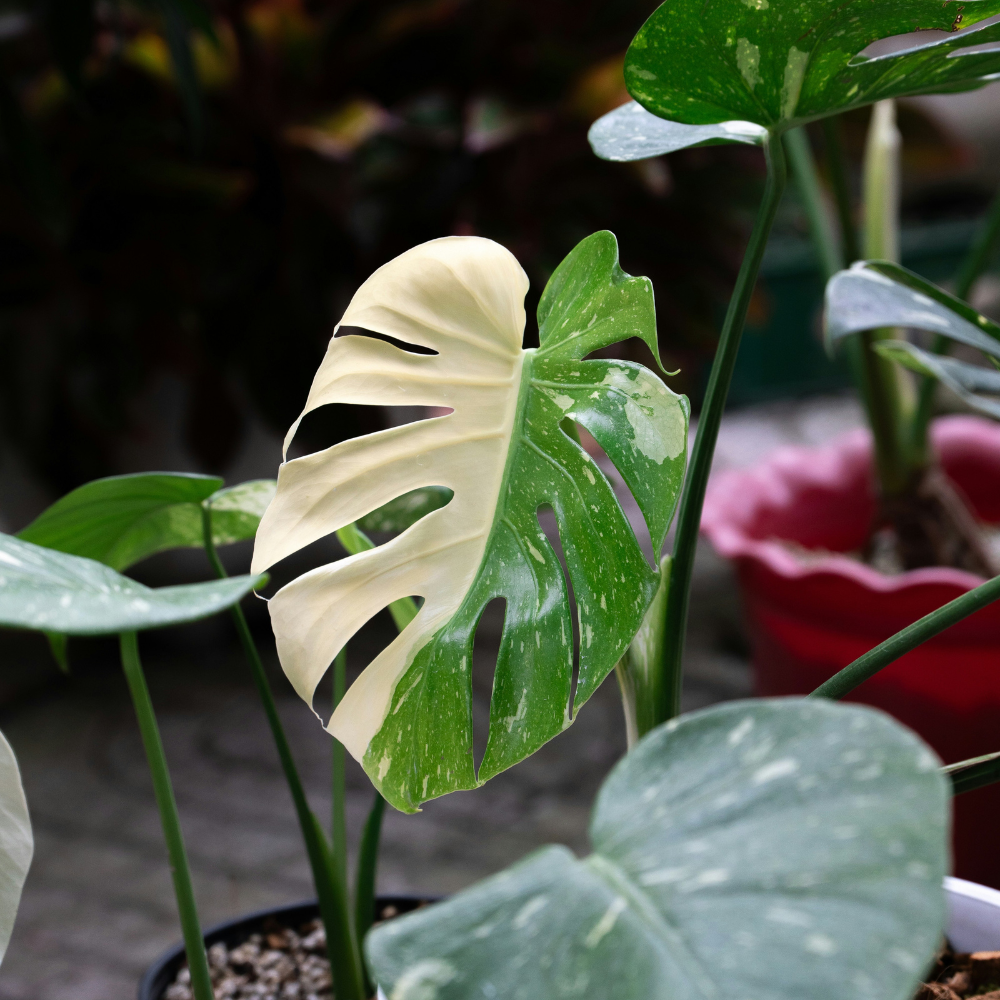
Avoid exposing your Monstera to sudden temperature fluctuations or cold drafts, as this can hinder its growth. Providing a consistent warm environment will keep your plant thriving and vibrant.
Fertilizing Your Monstera
Nutrition is vital for the health and growth of your Monstera. During the active growing seasons of spring and summer, it’s beneficial to feed your plant every 4-6 weeks. Using a balanced, water-soluble fertilizer diluted to half-strength will help replenish essential nutrients without risking root burn.
Organic options, such as compost tea or used coffee grounds, work wonderfully as fertilizers. These natural alternatives not only provide nutrients but also encourage a healthy soil ecosystem. In the fall and winter months, your Monstera’s growth will slow down, so it’s best to reduce feeding to every two to three months.
Always ensure your Monstera is well-watered before applying fertilizer; this reduces the risk of shocking the roots and promotes better nutrient absorption.
Monstera Plant Support
As Monstera plants grow, they may require additional support to maintain their structure. In their natural environment, they climb trees and other tall structures. To replicate this in your home, consider using a moss pole, trellis, or bamboo stake. These supports allow your plant to climb and provide stability for its heavy leaves.
A moss pole is particularly effective as it retains moisture, allowing aerial roots to attach and absorb water as your Monstera climbs. If you aim for larger, fenestrated leaves, be prepared to prune smaller or newer leaves to encourage the plant to focus its energy on developing the existing foliage.
Supporting your Monstera not only enhances its aesthetic appeal but also contributes to its overall health and growth. Regularly check for any signs of stress or imbalance, adjusting support as necessary.
Final Thoughts on Monstera Plant Care
Caring for a Monstera plant involves more than just following a set of guidelines; it requires observation, adaptation, and a touch of love. Each plant is unique, and understanding its specific needs will help you cultivate a thriving indoor jungle. Whether you’re a beginner or a seasoned plant parent, the journey of nurturing your Monstera can be incredibly rewarding.
By providing the right conditions, including light, water, humidity, and nutrients, you can watch your Monstera flourish over time. Remember, patience is key; nurturing a plant is a gradual process that reflects the care and attention you give it.
What Is a Monstera Plant?
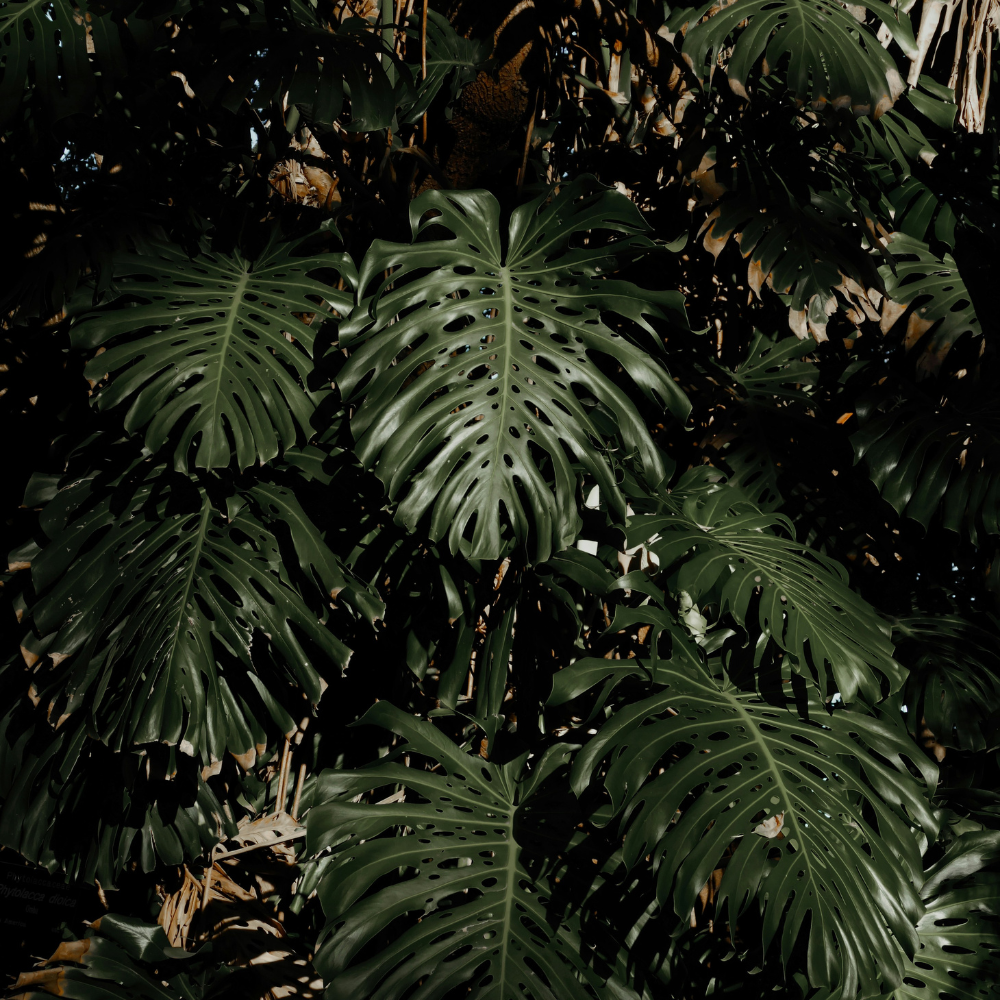
A Monstera plant, commonly referred to as the Swiss cheese plant, is a tropical perennial native to the rainforests of Central America. Its dramatic leaves, with natural splits and holes, are a hallmark of this species. These distinctive features not only enhance its visual appeal but also allow the plant to thrive in its natural habitat by optimizing light capture and reducing wind resistance.
Monstera plants are classified under the genus Monstera, which consists of several species, including the popular Monstera Deliciosa and Monstera Adansonii. Each variety possesses unique characteristics, yet all share the same basic care requirements. Their ability to adapt to indoor environments has made them a favorite among houseplant enthusiasts.
Beyond their aesthetic charm, Monsteras can reach impressive heights, making them a striking focal point in any space. Their climbing nature and lush foliage contribute to an inviting atmosphere, reminiscent of tropical landscapes.
Why Monstera Make Great Houseplants
Monstera plants are not just beautiful; they are also remarkably easy to care for, making them perfect for both novice and experienced plant parents. Their adaptability allows them to thrive in a variety of indoor conditions, and their striking appearance elevates any room’s decor.
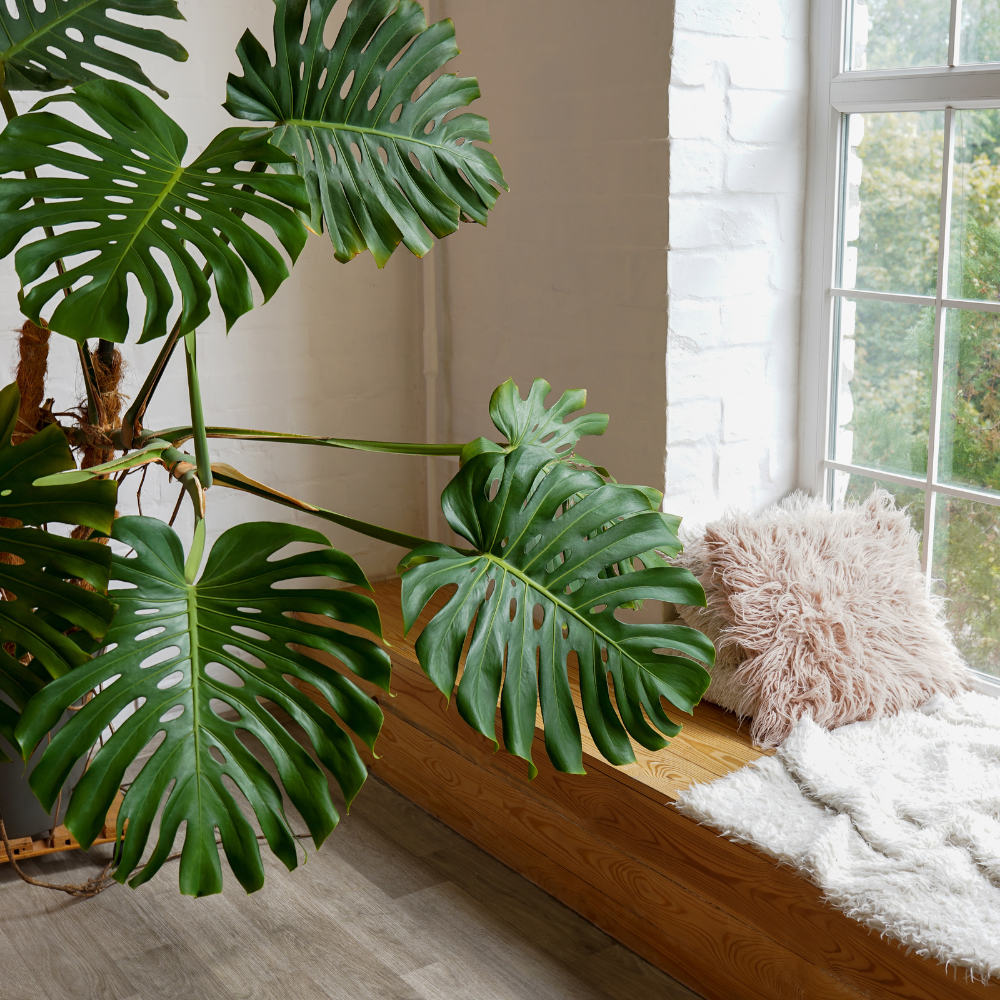
One of the key benefits of Monstera plants is their air-purifying qualities. They effectively filter toxins from the air, promoting a healthier indoor environment. Additionally, their large leaves can help maintain humidity levels, benefiting both the plant and the surrounding atmosphere.
Moreover, Monsteras are relatively low-maintenance compared to other houseplants. With the right light, watering schedule, and occasional fertilization, they can flourish for years. Their resilience and growth rate also provide a sense of accomplishment for plant enthusiasts.
Tips for Huge Leaves
If you aspire to achieve those stunning, large, fenestrated leaves that are often showcased in plant care blogs and social media, there are a few strategies to consider. Firstly, ensure your Monstera receives adequate light. Bright, indirect sunlight encourages leaf development and enhances the plant’s overall health.
Additionally, proper fertilization during the growing season will supply the necessary nutrients for robust growth. Fertilizing every 4-6 weeks will support strong, healthy leaves. Lastly, consider pruning smaller or weaker leaves to allow the plant to focus its energy on producing larger leaves.
Consistency in care, including a balanced watering routine and humidity management, will also contribute to achieving those impressive foliage results. With time and attention, your Monstera can flourish into a stunning centerpiece in your home.
How to Propagate a Monstera
Propagation is a rewarding process that allows you to expand your Monstera collection or share your love for these plants with friends. You can propagate Monstera through cuttings, which can root in either water or soil. The process is relatively simple and can be a delightful addition to your plant care routine.
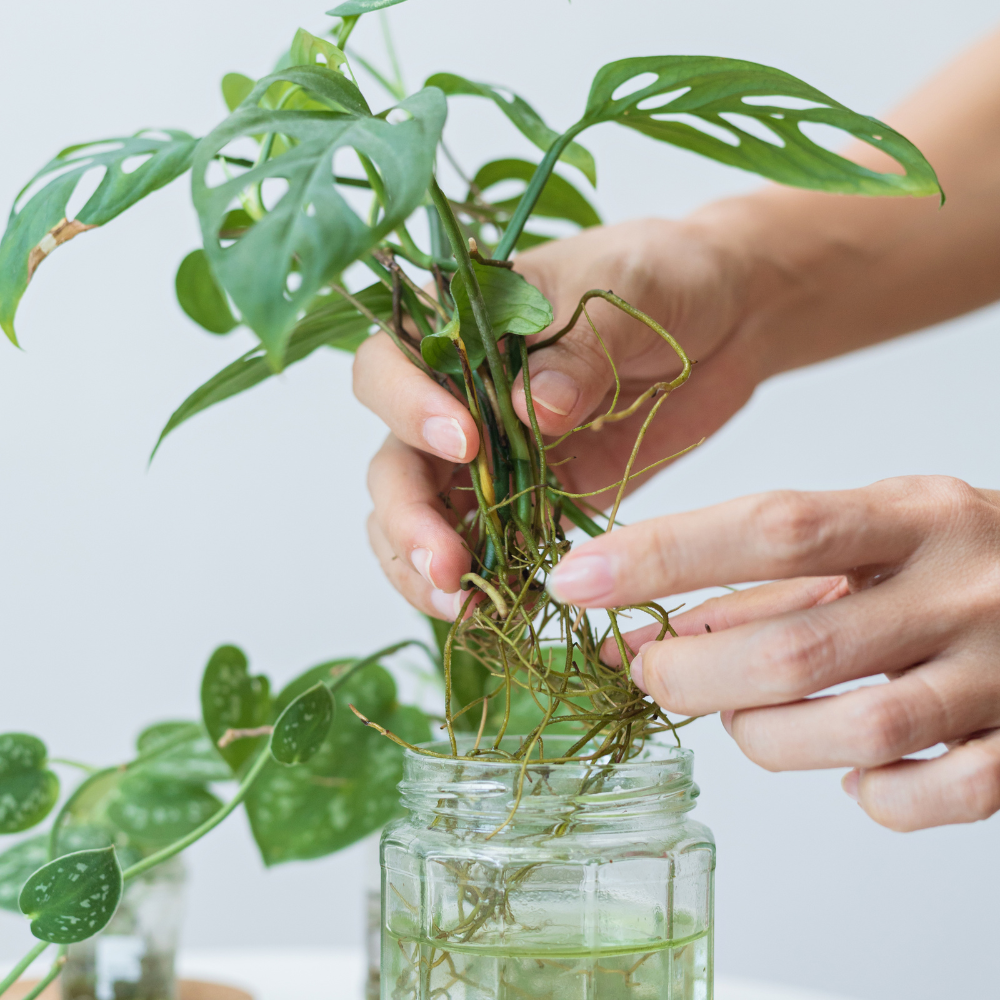
To start, select a healthy stem with at least one node. Using clean scissors, cut just below the node. If possible, include an aerial root, as this will aid in the rooting process. Place the cutting in a jar of clean, filtered water, ensuring that the node is submerged but the leaves remain above water.
Change the water every few days to keep it fresh, and within a few weeks, you should see roots developing. Once the roots are approximately 2-3 inches long, you can transfer the cutting into well-draining soil to encourage further growth.
Water Propagation
Water propagation is a popular method for Monstera cuttings due to its simplicity and effectiveness. By placing the cutting in water, you can easily observe the root development process. Ensure that the cutting is kept in a bright, indirect light location, as this will enhance the rooting process.
Maintain the water level consistently, ensuring that the node remains submerged while keeping the leaves dry. After a few weeks, roots should begin to sprout, typically around 2-3 inches long, indicating that it’s time to pot the cutting in soil.
Once potted, continue to provide bright, indirect light and consistent moisture to support the new plant’s growth. Water propagation is not only efficient but also allows for a more interactive experience as you watch your Monstera thrive.
Soil Propagation
Soil propagation is another effective way to grow new Monstera plants from cuttings. After preparing your cutting as mentioned earlier, plant it directly into a pot filled with well-draining soil. Make a hole in the soil for the cutting, ensuring that the node is buried while keeping the leaves above the soil line.
Once planted, water the cutting lightly to settle the soil around the roots. Place the pot in a warm, bright area with indirect light. To maintain humidity, you can cover the pot loosely with a plastic bag or a clear dome, creating a mini greenhouse effect that encourages root growth.
Keep the soil lightly moist while avoiding overwatering, which can lead to root rot. With proper care and attention, your soil-propagated Monstera will establish roots and begin to grow, adding to your indoor garden.
Seasonal Monstera Care Tips
Adapting your Monstera care routine to the changing seasons is crucial for its health and growth. During the spring and summer months, when the plant is actively growing, ensure it receives plenty of bright, indirect light, and water regularly. Fertilize every 4-6 weeks to support robust growth and healthy leaves.
As the seasons shift to fall and winter, the growth rate of your Monstera will slow down. During this period, reduce watering frequency to every 18-21 days, and lower fertilization to once every two or three months. Be vigilant about protecting your Monstera from cold drafts and sudden temperature changes, which can impact its health.
For those in dry climates, consider using a humidifier or regularly misting your plant to maintain adequate moisture levels. This seasonal adjustment will ensure your Monstera remains healthy and vibrant throughout the year.
FAQ about Monstera Plants
Can Monstera grow outdoors in colder climates?
Monstera plants thrive best in tropical or subtropical regions. In cooler climates, they are better suited for indoor growth, where they can receive the light and warmth they need to flourish.
How long does it take for a Monstera cutting to root?
The rooting time for a Monstera cutting can vary, typically taking anywhere from 2 to 6 weeks depending on environmental factors such as temperature and humidity.
Why are my Monstera leaves yellowing?
Yellowing leaves are often a sign of overwatering, poor drainage, or insufficient humidity. Adjust your watering schedule and ensure that the soil is well-draining to remedy this issue.