Spinach is a fantastic addition to any garden, especially in cooler growing seasons. This nutritious leafy green can thrive in your spring or fall garden, offering a quick and healthy crop that you can enjoy in a variety of dishes.
There’s something exhilarating about seeing those first signs of green in the garden after a long, dreary winter. For many gardeners, spring spinach is a highlight, with those tender green sprouts heralding the arrival of vibrant, fresh produce. Even if you don’t consider yourself a vegetable enthusiast, the advantages of planting spinach are hard to ignore.
Not only does spinach adapt well to cool weather, but its nutritional benefits are significant. It’s a versatile vegetable that can enhance the flavor and nutrition of numerous dishes. Whether you’re adding it to smoothies or incorporating it into savory meals, spinach is a wonderful choice for both health and flavor.
Rich in essential vitamins and minerals such as magnesium, iron, vitamin K, and various B vitamins, spinach is a powerhouse of nutrition that many of us need in our diets. Its mild flavor makes it easy to sneak into various recipes, including smoothies and soups. If you’re looking for some recipe ideas, check out this extensive list of healthy smoothie options!
Spinach can also be incorporated into egg dishes, sautéed for pastas, or even transformed into crispy chips when kale is in short supply. Just like kale, spinach is high in oxalates, which can hinder mineral absorption, so it’s best to enjoy it cooked rather than raw in large quantities.
One of the great advantages of spinach is how simple it is to preserve. Whether you freeze it for winter meals or dehydrate it to create a nutritious greens powder, you can easily store your excess harvest. More on that later!
Ready to dive into the world of spinach growing? Let’s explore how to cultivate this leafy green from seed to harvest!
Choosing the Right Spinach Seeds
Spinach is primarily grown from seed because it doesn’t transplant well, and its rapid growth allows for quick harvesting of baby leaves within weeks. While many associate spinach with spring gardens, it often tastes even better when harvested in the fall after a frost, which sweetens the leaves significantly.
There are three main types of spinach: Savoy, semi-savoy, and smooth leaf. Savoy spinach has crinkly leaves and is low to the ground, making it more challenging to clean, but it offers great disease resistance and a satisfying texture. Semi-savoy varieties tend to be more upright and are less crinkly, often providing good resistance to diseases and bolting.
When selecting spinach seeds, consider your gardening priorities such as ease of cleaning, timing of harvest, and disease resistance. Many seed varieties labeled with “winter” indicate good cold tolerance, while bolt-resistant types are ideal for spring and warmer climates. There are a plethora of options available from trusted seed companies.
For warmer climates, you might want to try alternatives to traditional spinach. Plants such as amaranth and lambsquarters can serve as substitutes in the kitchen. Perpetual spinach chard is another option that thrives in heat, as well as New Zealand spinach, which is refreshing but not as suitable for cooking.
Also worth considering is Malabar spinach, a perennial vine that works well in hotter regions, or Egyptian Spinach, both of which can add variety to your garden.
Some reputable seed suppliers include Seed Savers Exchange, Fedco, Johnny’s, and Seeds of Change, all of which offer a wide range of spinach varieties. You can find these online or at your local gardening store.
Planting Your Spinach
Timing is crucial when growing spinach. If you’re planting in the spring, it’s essential to give your plants at least six weeks to mature before the days grow longer and warmer, prompting the plants to bolt. Ideally, you should plant your seeds as soon as the soil is workable.
To gain a head start on the growing season, you can prepare your garden bed in the fall. This way, you can simply sow the seeds in the spring without needing to do extensive groundwork. Additionally, covering your garden bed with black plastic can help warm the soil and shield it from residual snow.
In cooler climates, spring is the optimal time to plant spinach, while in warmer areas, late fall planting can yield a winter crop. Depending on your local climate, you may need to provide some protection such as a cloche or cold frame to help the seeds thrive.
Spinach is also one of the few vegetables that can grow well in shaded areas, making it a practical choice if your garden doesn’t receive full sunlight.
When seeding, it’s advisable to plant a bit thicker than usual to account for the occasional germination issues caused by temperature fluctuations. If you overplant, you can simply enjoy the thinnings as they grow. Given that spinach seeds can be relatively inexpensive and don’t store well, having a healthy crop is well worth it.
For soil preparation, ensure it is rich and well-drained. Incorporate plenty of compost to provide essential nutrients and improve microbial activity in the soil. Loosening the soil to a depth of at least a foot will allow spinach’s taproot to thrive.
Avoid planting spinach where other members of the Chenopodiaceae family, like chard and beets, have been grown recently, as this can increase the risk of disease. It’s also wise to keep spinach away from cucumbers, as they can transmit blight. However, interplanting with radishes can deter pests like leaf miners.
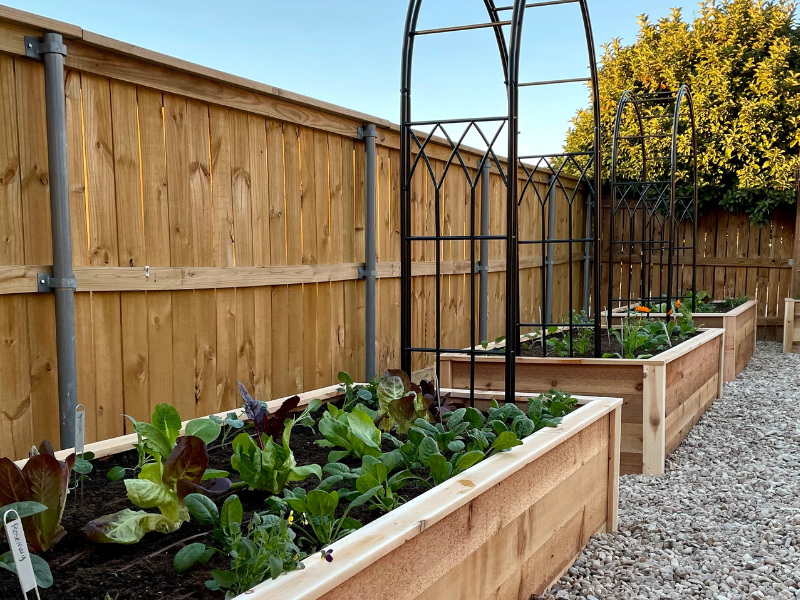
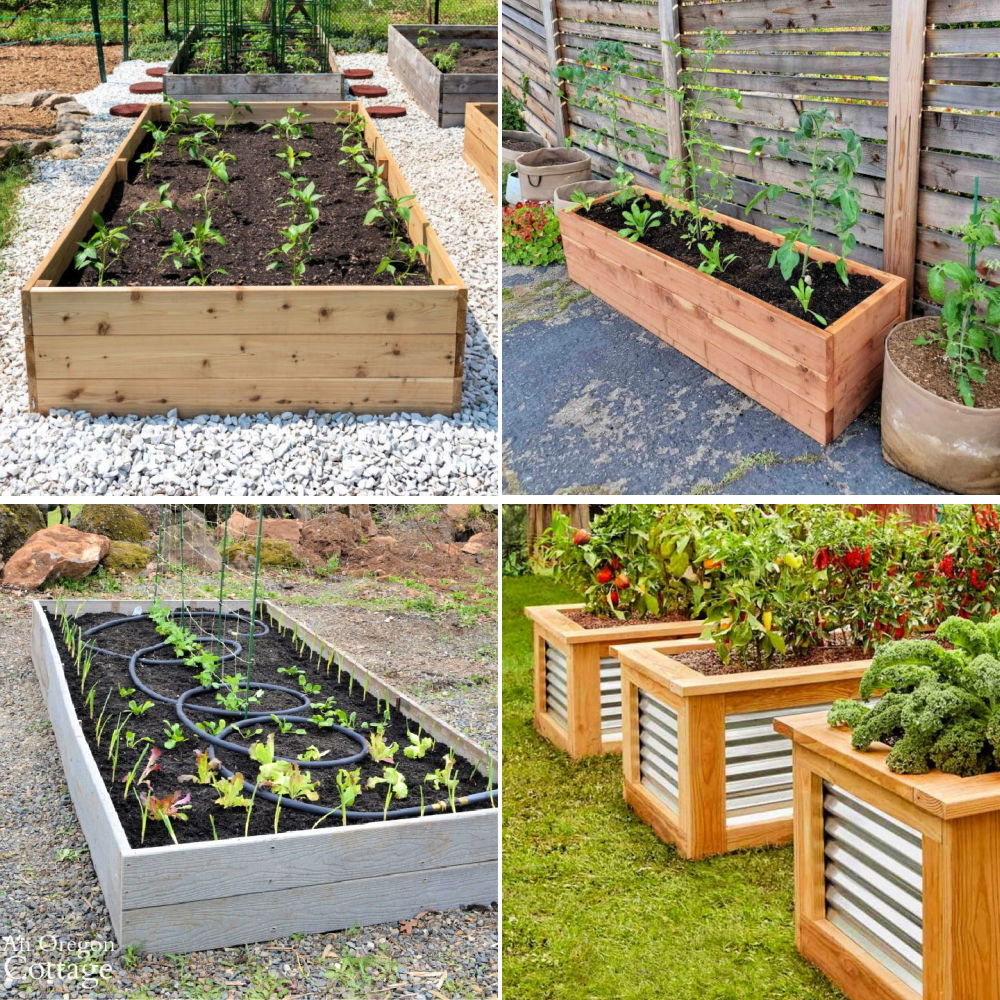
Follow the instructions on your seed packet for details on planting depth and spacing to ensure your plants have enough room to grow robustly. Raised beds are particularly beneficial for spinach, as the soil remains aerated and less compacted.
Harvesting Spinach
Spinach can be harvested relatively early when the leaves are still small. You have the option to cut the entire plant at its base and allow it to regrow, or selectively harvest larger leaves while letting the smaller ones continue to mature. Early morning is the best time to harvest, as the leaves will have higher moisture content, leading to better flavor and storage potential.
When dealing with savoy or semi-savoy varieties, it’s important to ensure that you thoroughly clean the leaves to remove any dirt or bugs. The best technique is to submerge the spinach in a bowl of water to dislodge impurities and then return the water to the garden, preserving valuable nutrients.
To extend the shelf life of harvested spinach, ensure that it is well-dried and stored in an airtight container. This will help retain freshness and prevent spoilage.
Storing Your Spinach Harvest
Preserving spinach for later use is straightforward, whether you choose to freeze or dehydrate it. Cooking the spinach briefly before freezing improves its quality; while many recipes suggest blanching, it’s generally more effective to wilt it in a dry pan. Once wilted, cool it down and squeeze out excess water to form compact portions, perfect for tossing into winter soups. A large batch of spinach can reduce to just a couple of racquetball-sized clumps!
For those unfamiliar with preserving techniques, dehydrating spinach is a great entry point. It requires minimal equipment and no specialized skills. Simply lay the spinach leaves on dehydrator trays and turn it on; they will dry at a low temperature in a timeframe of 8 to 24 hours, depending on the method you use.
With the right soil conditions, it’s time to start planting those spinach seeds! If you need more garden inspiration, consider checking out other crops that thrive in various conditions.
Recommended Spinach Varieties
If you’re looking to diversify your spinach garden, consider trying out these varieties. ‘Bloomsdale’ is a popular savoy type that performs well in cool weather but is prone to bolting. It’s an excellent choice for early spring or fall planting.
For those seeking semi-savoy options, ‘Tyee’ and ‘Teton’ boast strong resistance to bolting and downy mildew, making them reliable picks for many gardeners.
‘Space’ is a smooth-leaf variety that is also resistant to downy mildew, ensuring healthy growth in various conditions.
Now that you’re equipped with the knowledge of how to grow spinach from seed to table, it’s time to get started and enjoy the benefits of this nutritious green!