How Do You Protect Outdoor Herbs From Pests Naturally?
When I first ventured into the world of outdoor herb gardening, I encountered a myriad of challenges that tested my patience. My herbs faced an uphill battle with overwatering, drought, and an unexpected onslaught of pests that seemed to appear out of nowhere. One week, the leaves would look vibrant and healthy, and the next, they would turn a disheartening shade of yellow.
Many novice gardeners tend to give up on herbs because they mistakenly treat them as if they were houseplants, often following vague advice that fails to take the specific needs of outdoor herbs into account. In reality, these plants are more resilient than they appear, but they do have particular requirements that must be met.
Understanding the optimal growing conditions for herbs and how to protect them can make a world of difference. Here are several effective strategies to ensure your outdoor herbs thrive despite the challenges.
Pests often target herbs that are already under stress. To prevent this, it’s essential to ensure they receive adequate sunlight, are spaced properly to allow air circulation, and are planted in well-draining soil to avoid waterlogged roots. Overwatering can lead to soggy roots, which creates an inviting environment for pests.
If pests do make an appearance, don’t panic. You can wash them away with a gentle spray from the hose, prune off any damaged leaves, or apply neem oil if the situation escalates. Additionally, companion planting can be advantageous; for instance, planting basil close to tomatoes, and keeping mint in its own container can deter unwanted insects.
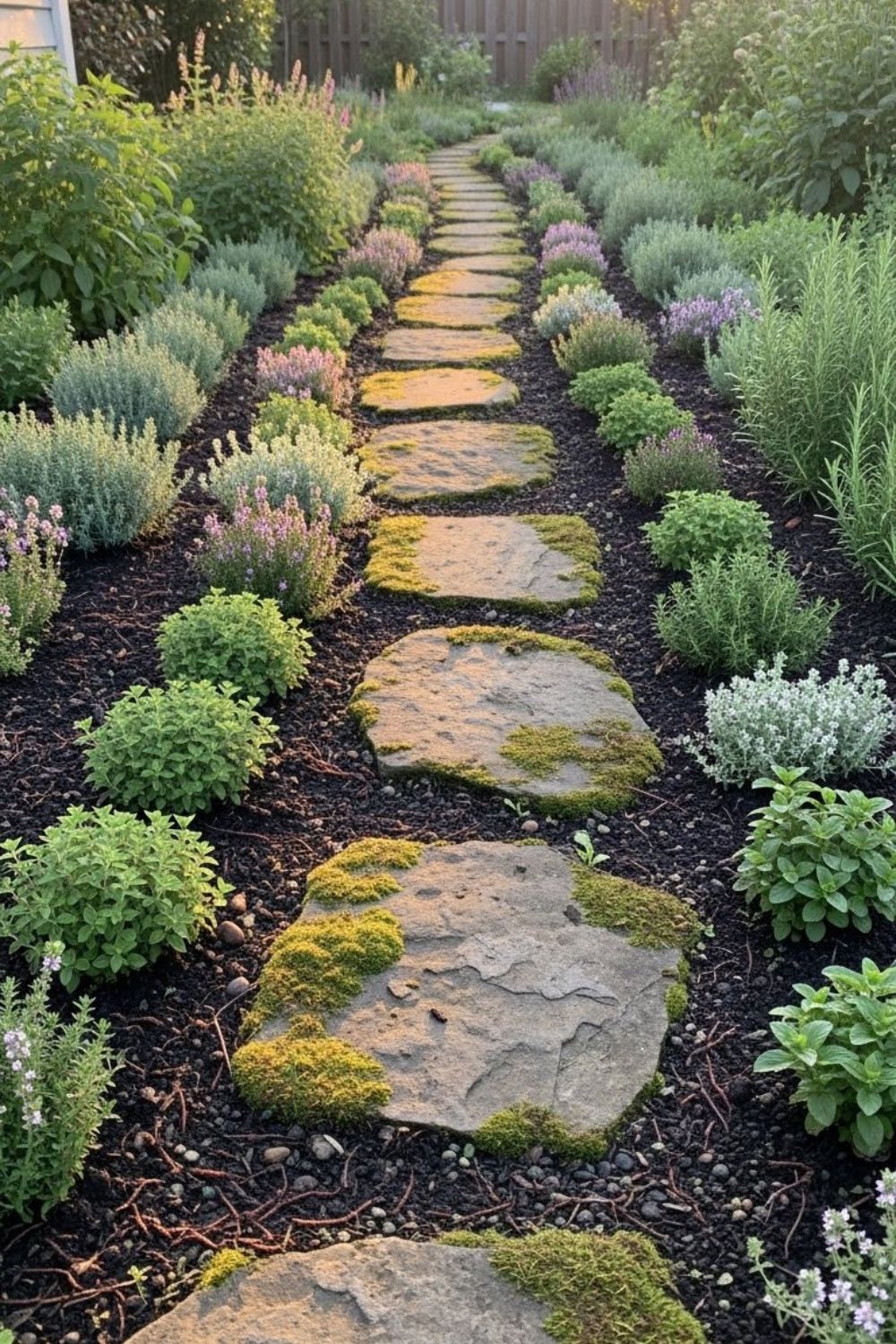
Where Is the Best Place to Put an Outdoor Herb Garden?
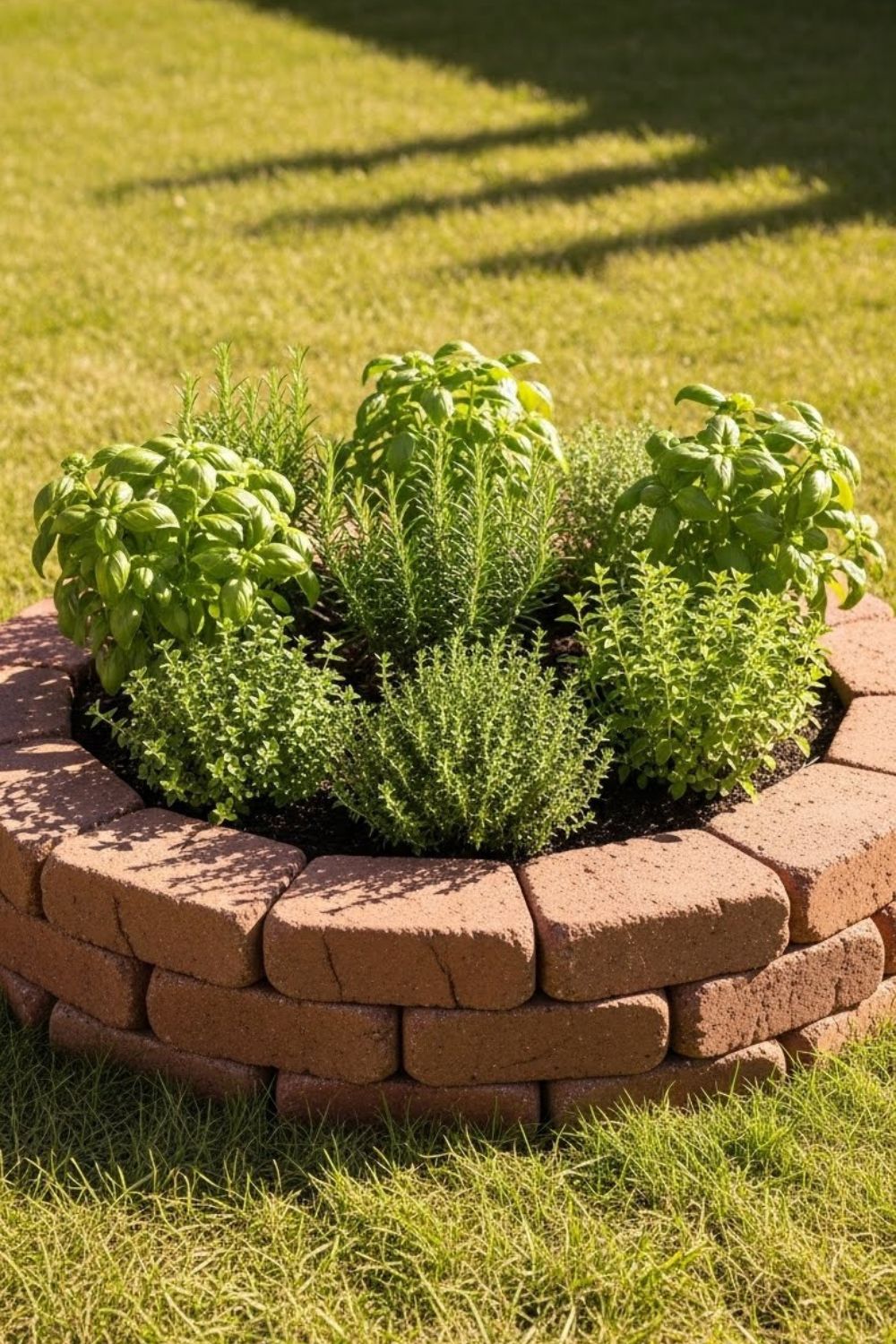
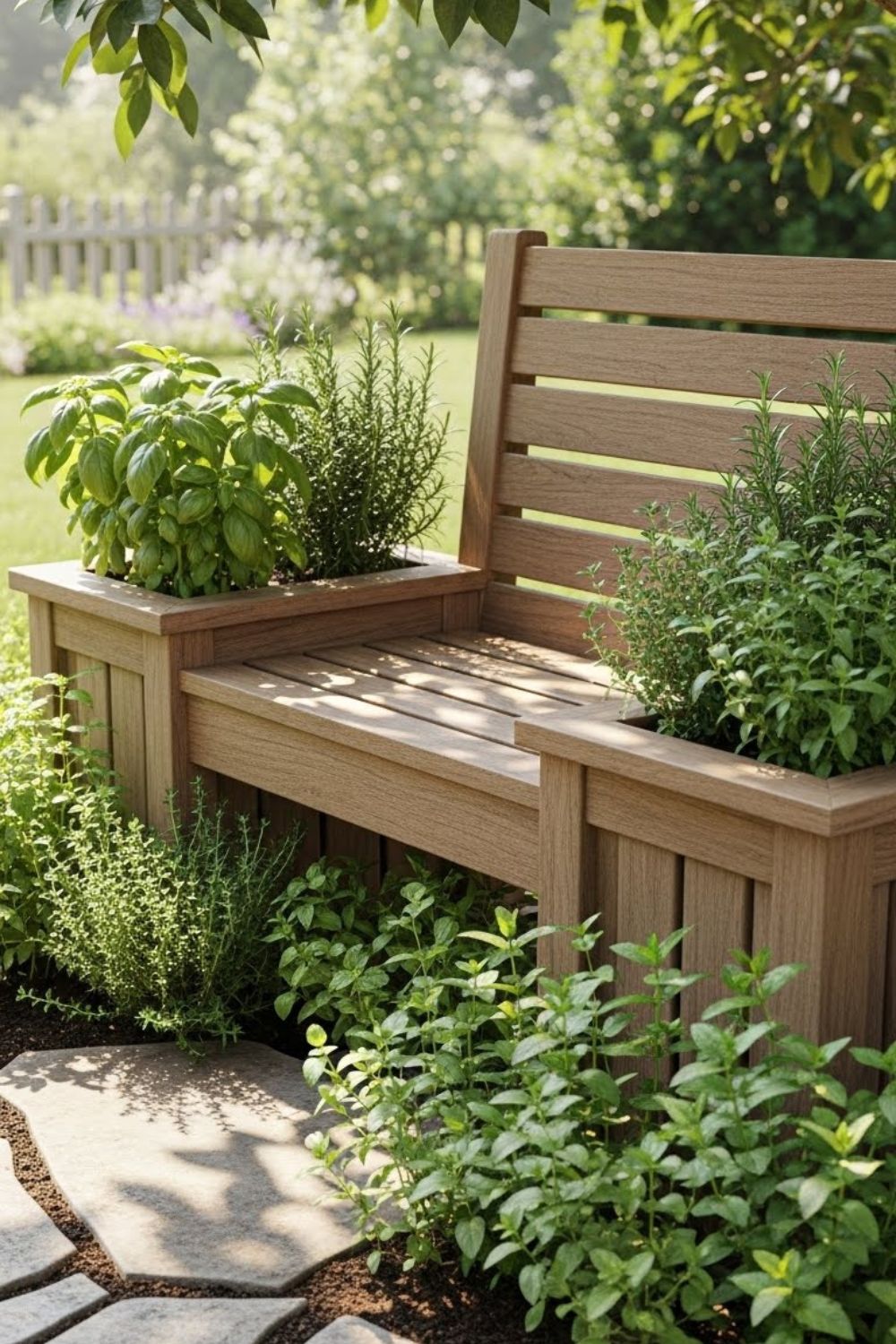
When designing your herb garden, the placement is crucial. Ideally, you want to position your herbs where they’ll be in your line of sight on a daily basis. Most herb varieties thrive in morning sun, with some afternoon shade proving beneficial. The key here is to choose a location that you will frequently check on.
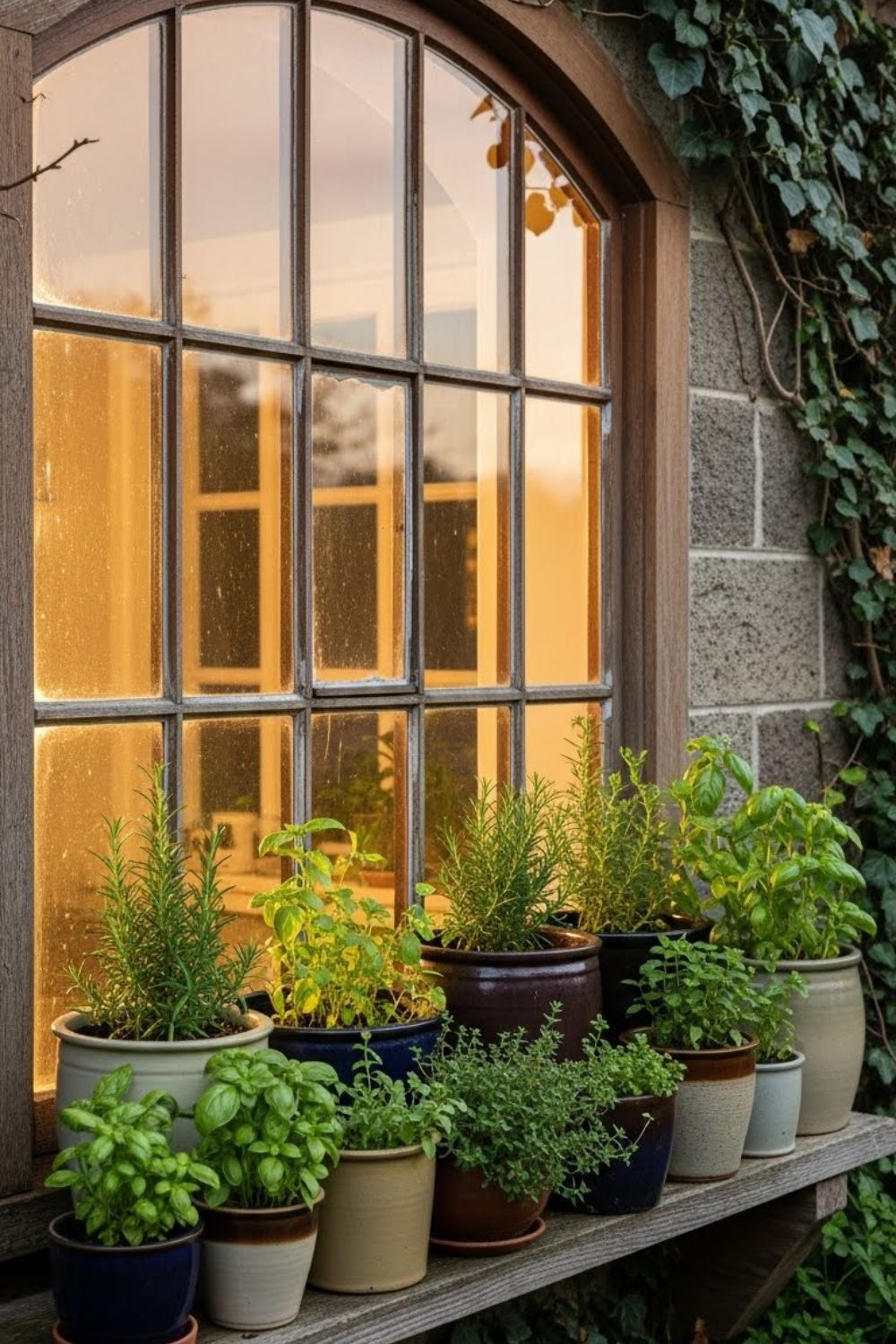
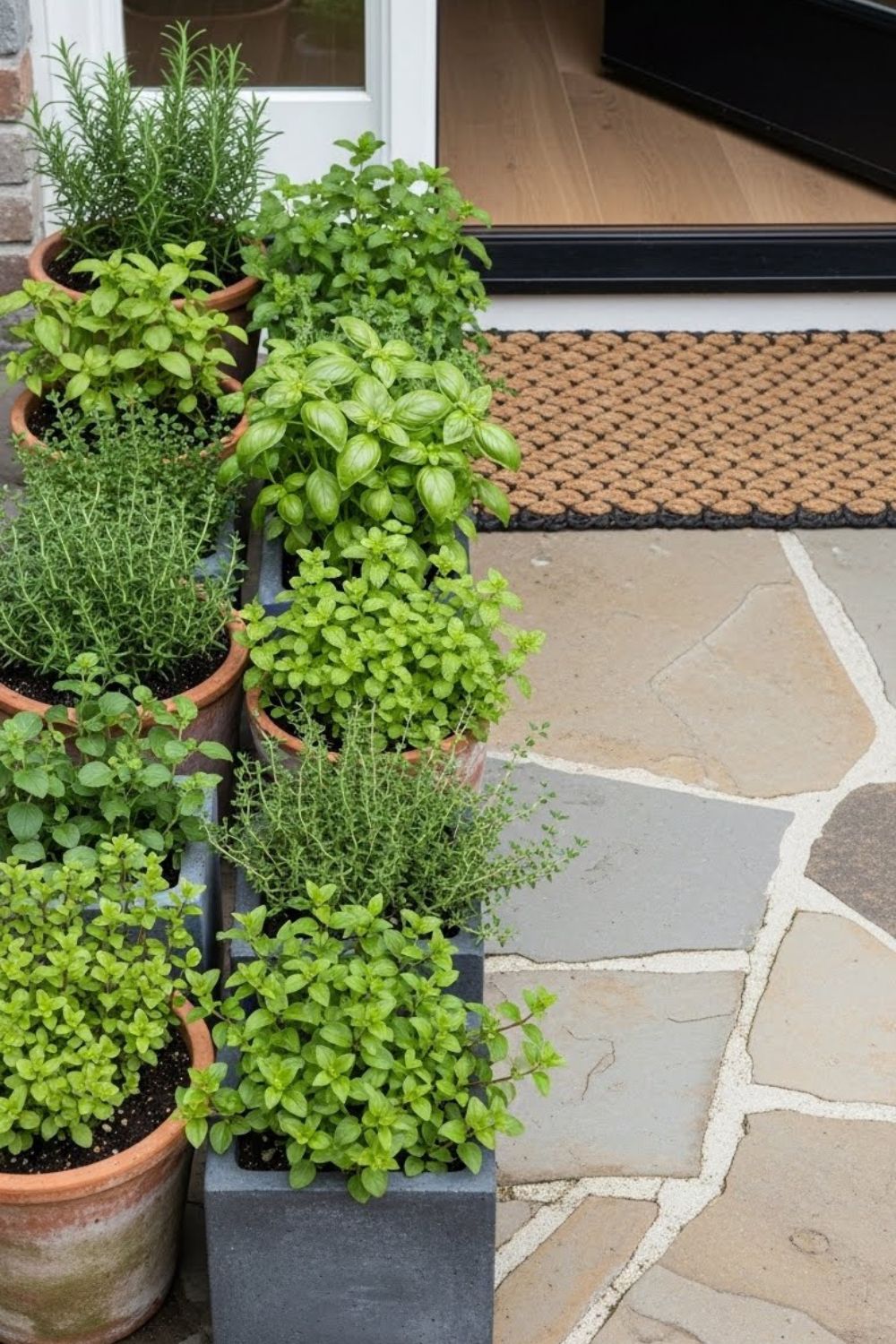
If your herbs are situated too far from your home, it becomes easy to forget about them. Conversely, if they are planted in a shaded area, they may grow weak and leggy, leaving them susceptible to various problems. Optimal spots include areas near the kitchen door, along walkways, or adjacent to your patio where you can keep an eye on them.
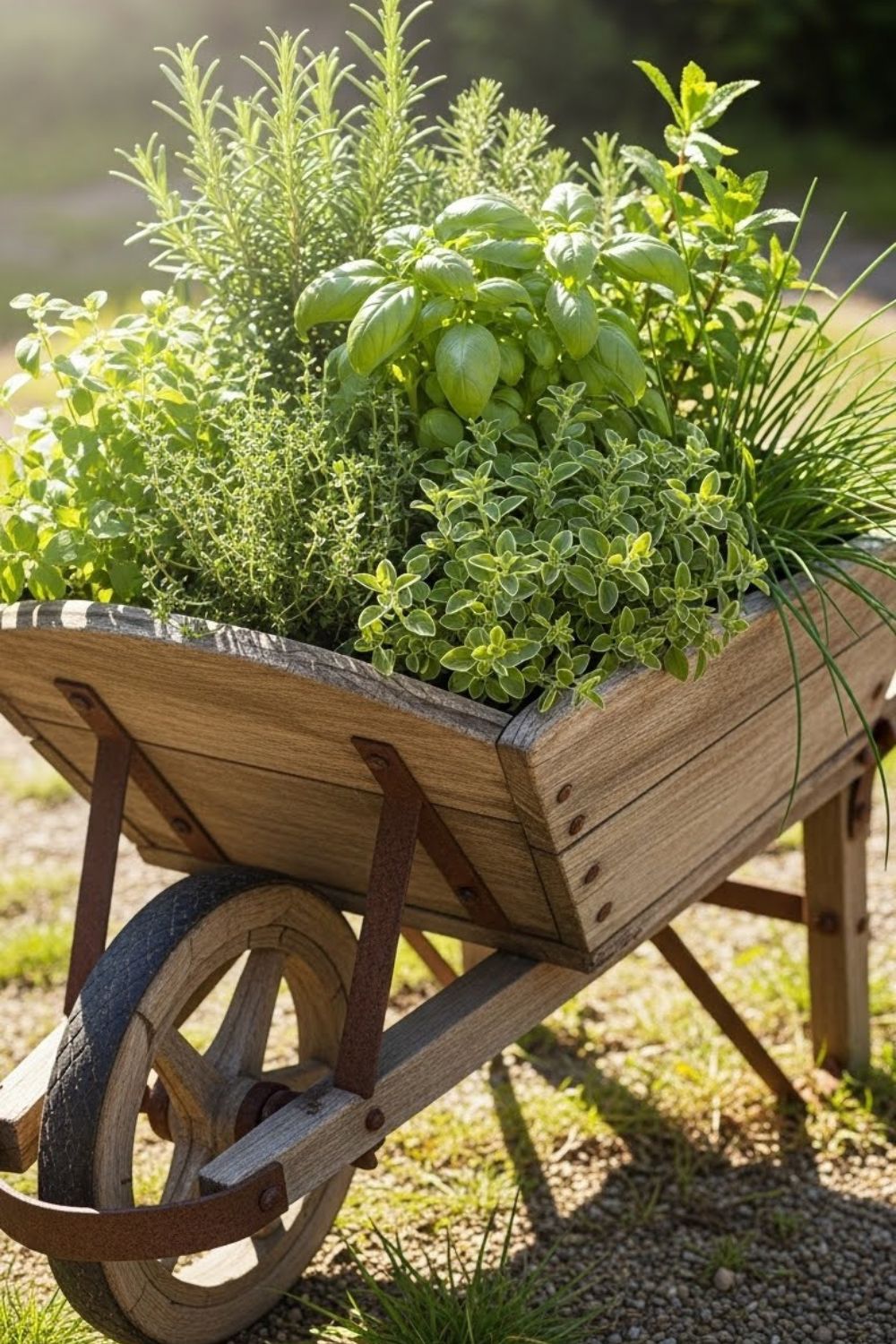
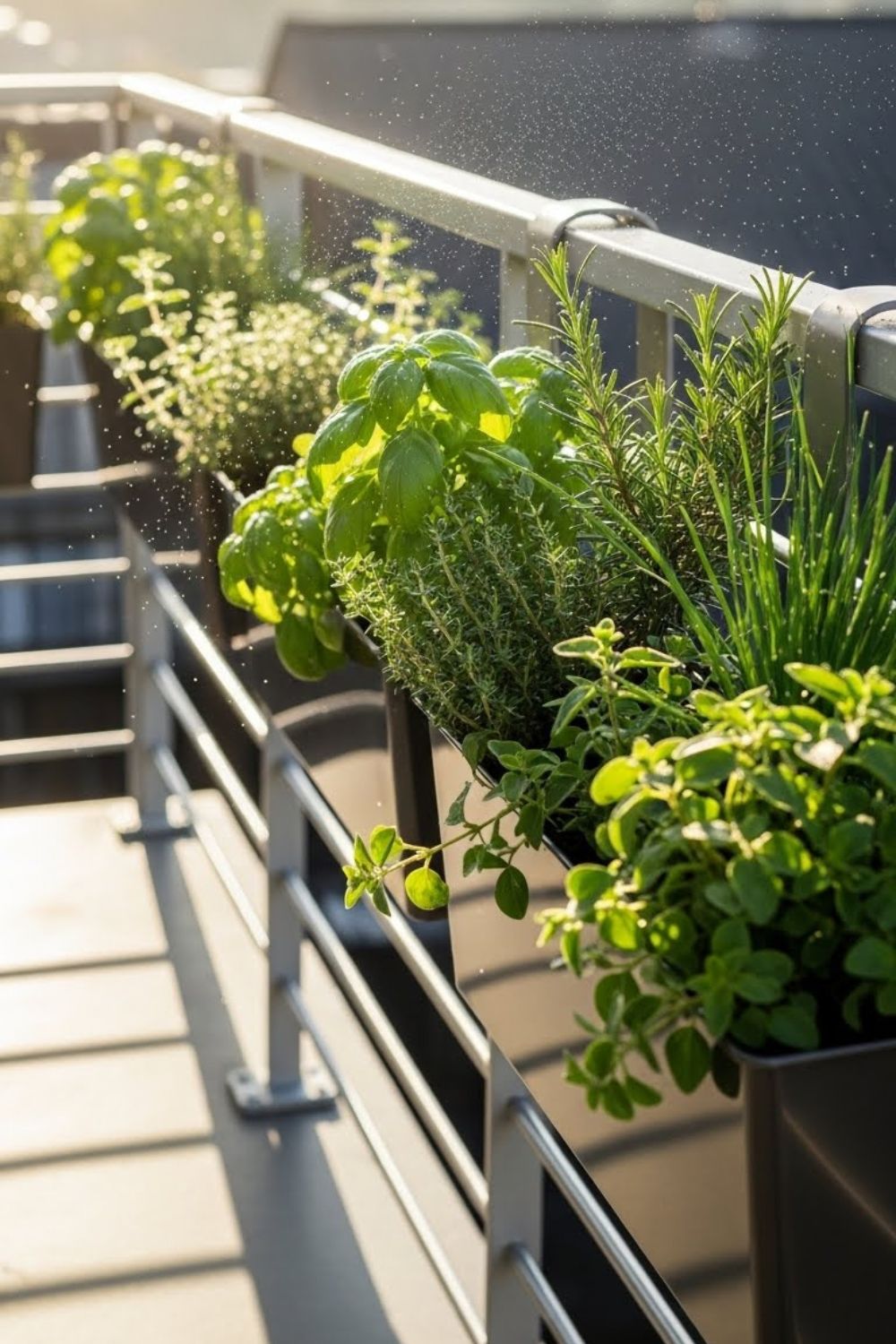
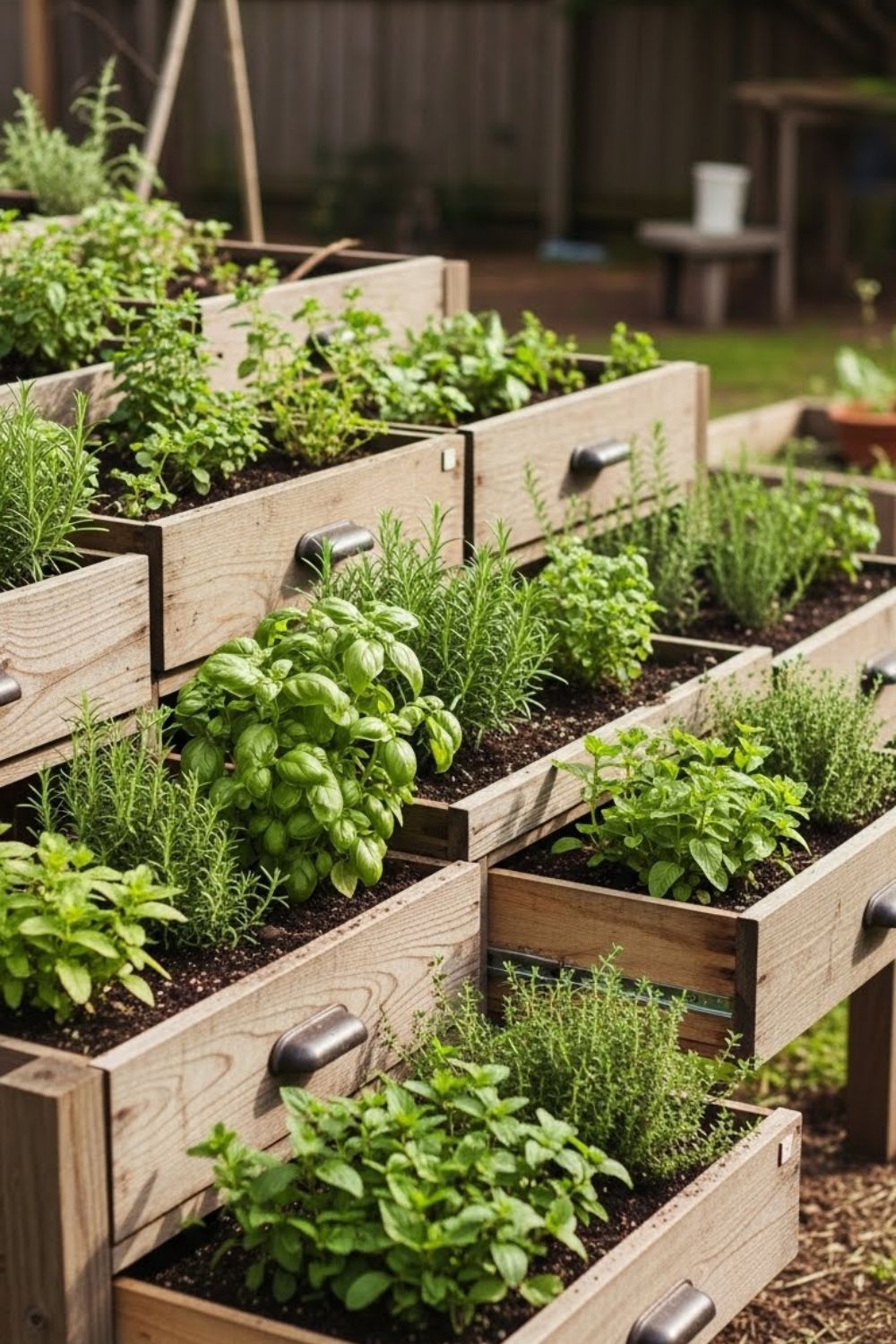
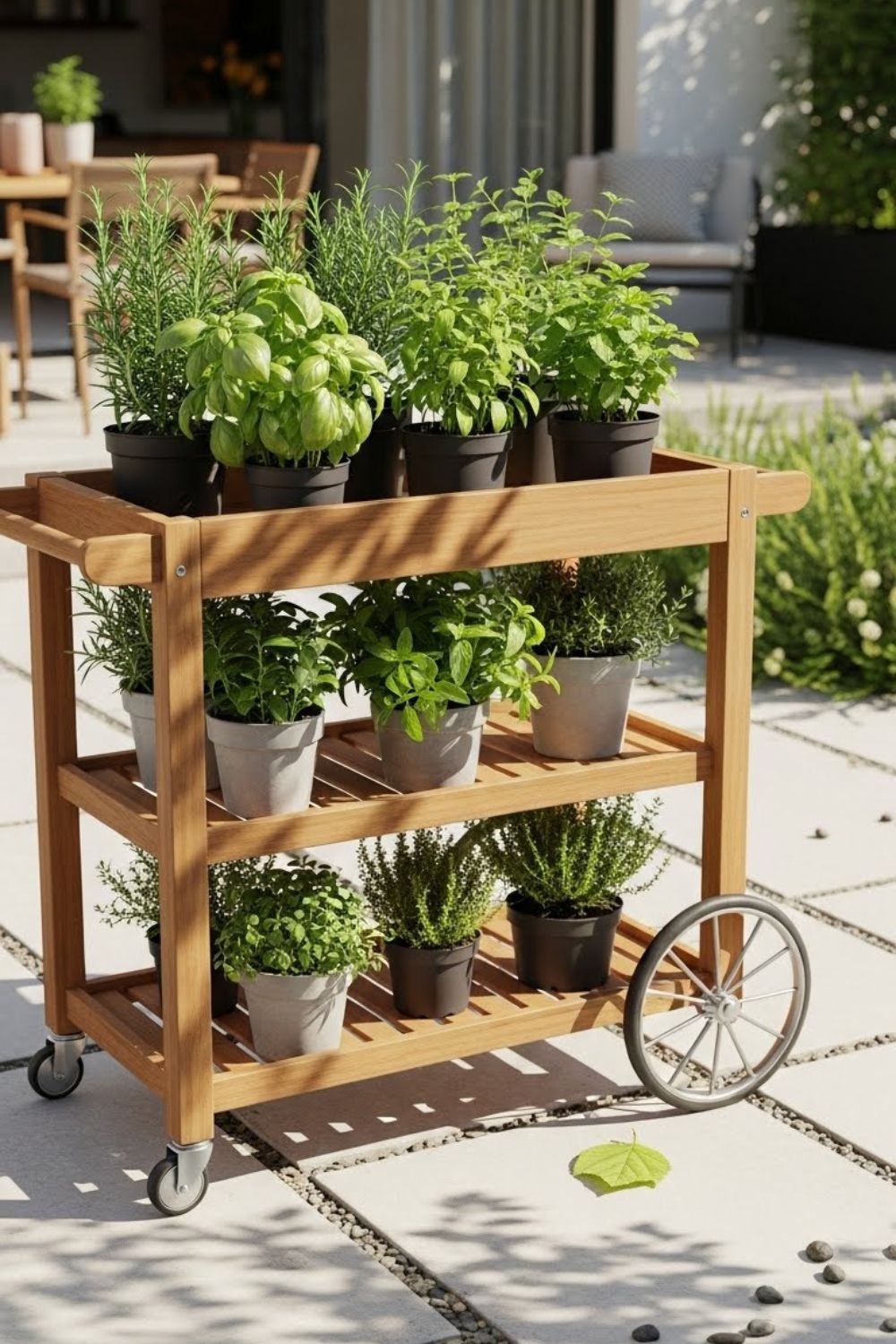
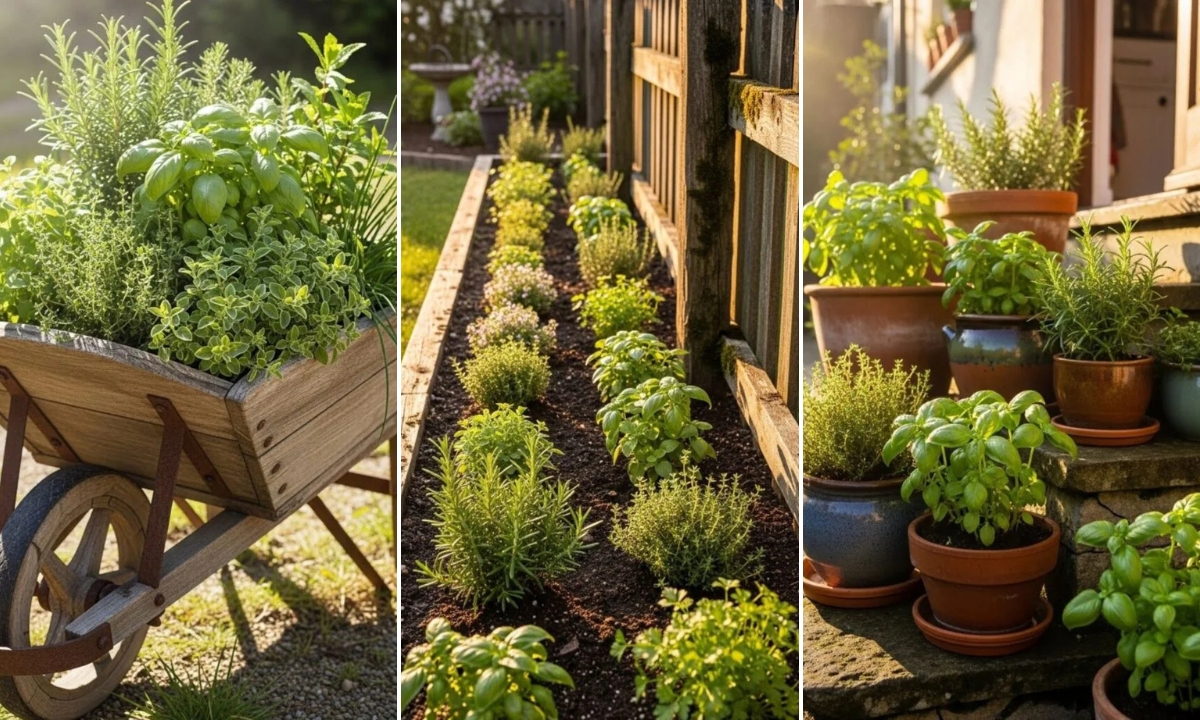
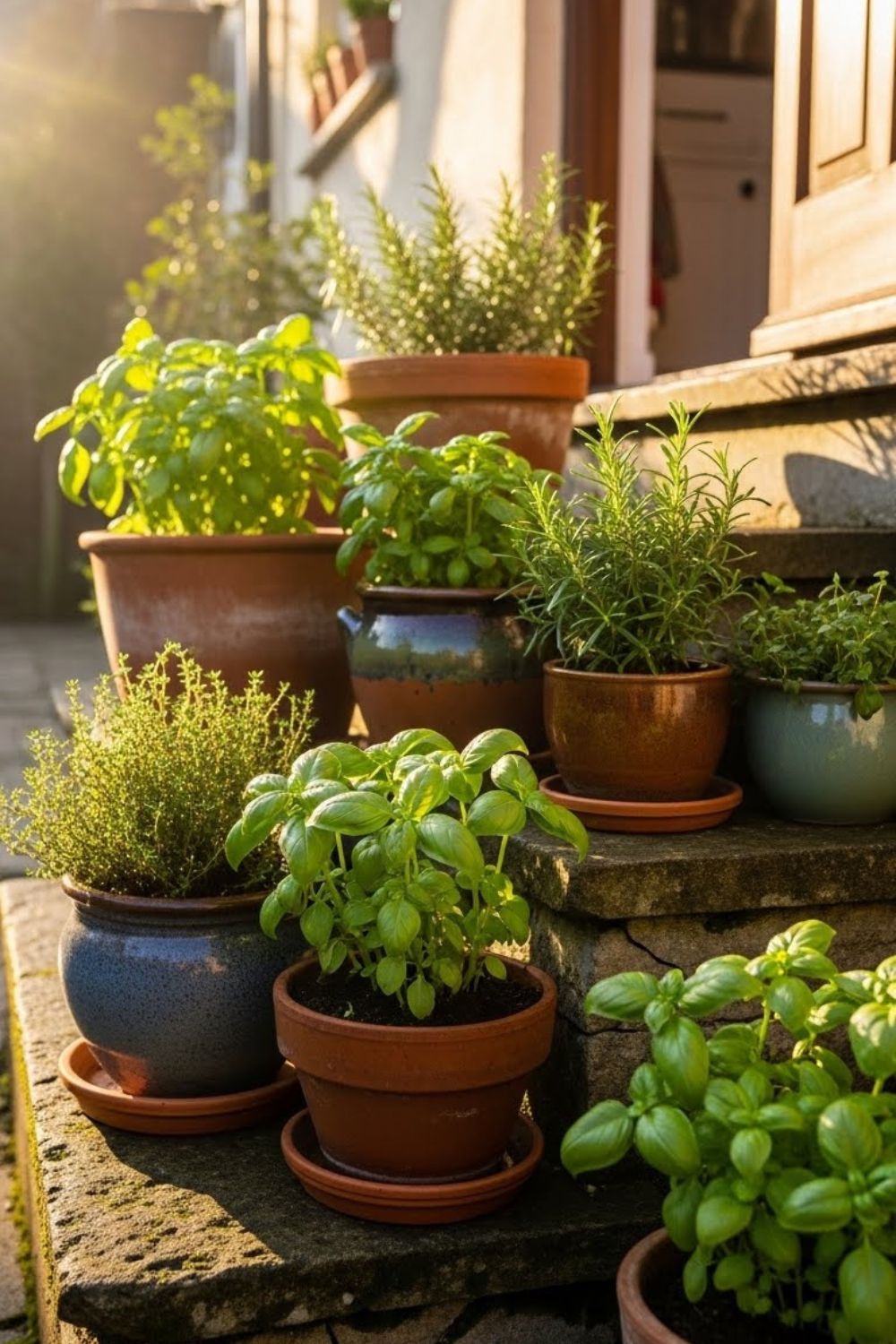
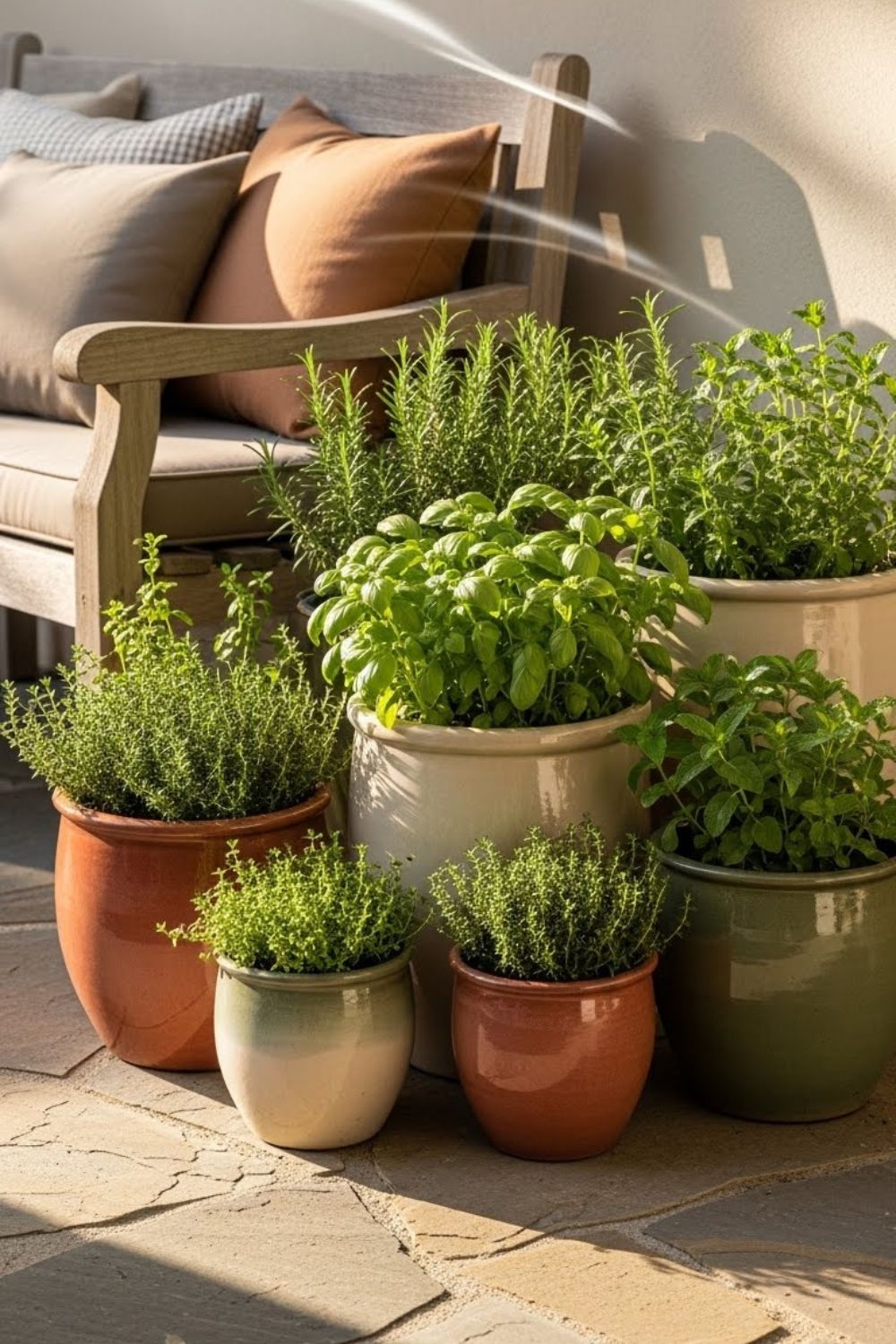
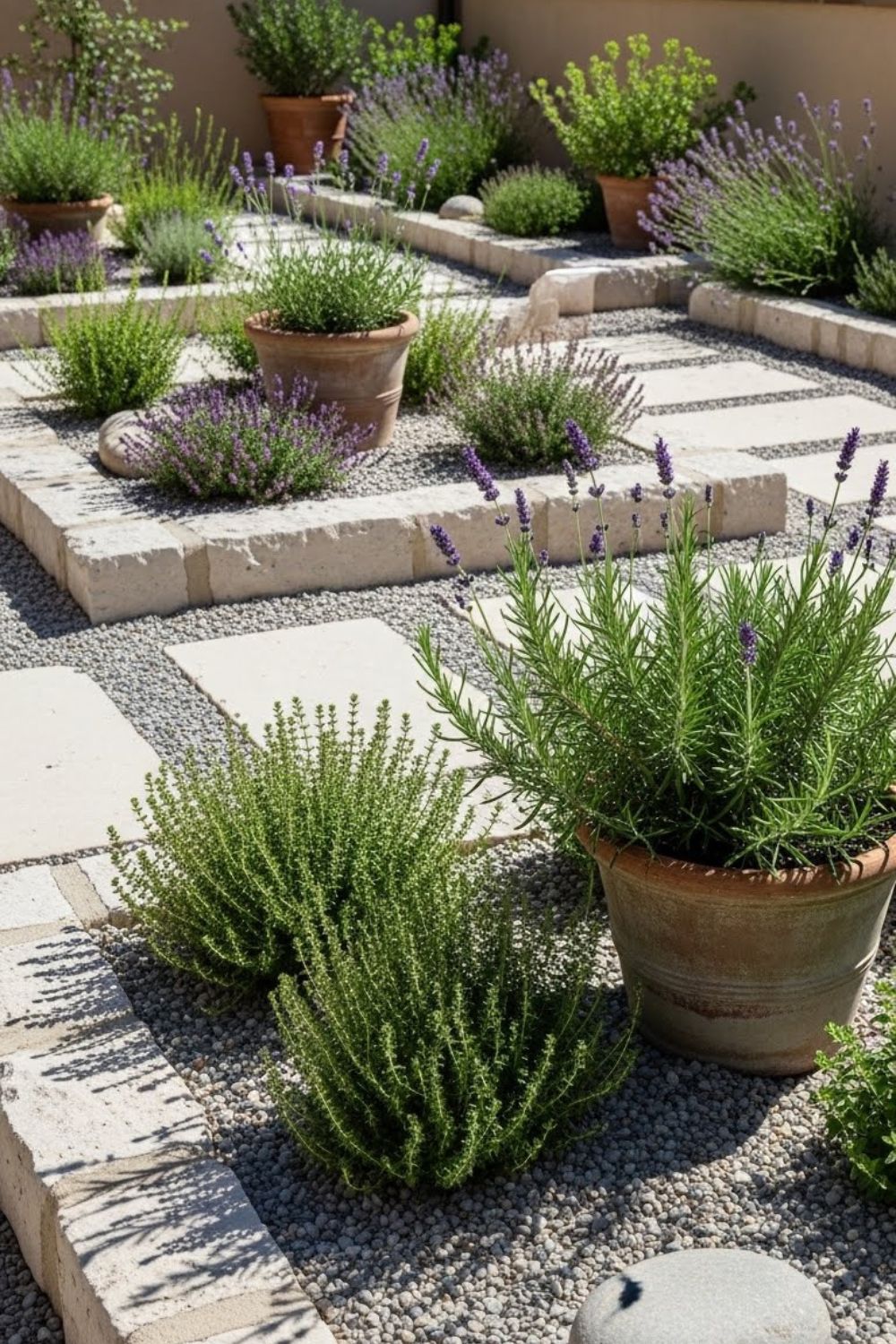
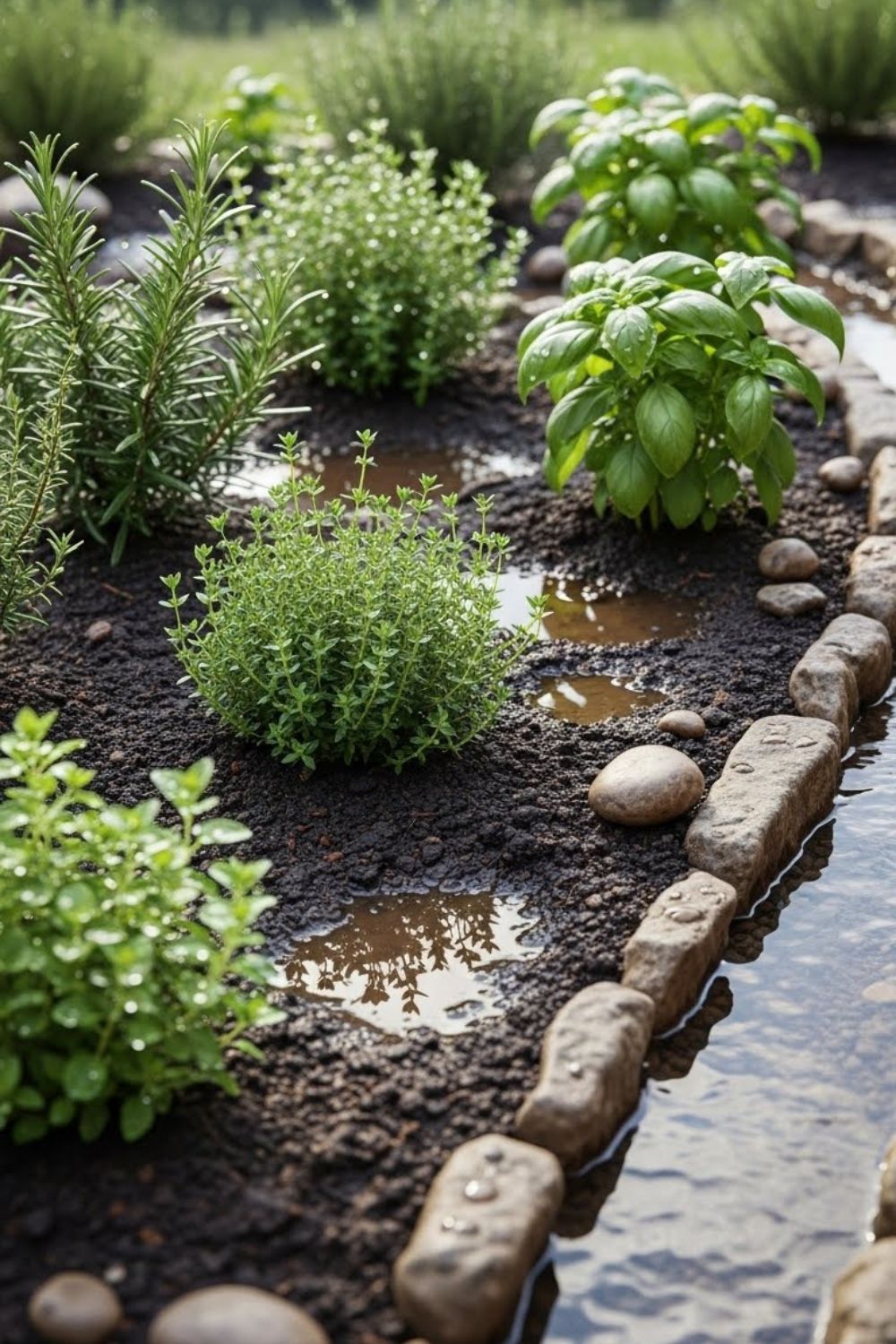
Drainage is another factor to consider. If water drains away effectively rather than pooling around your plants, you’re already ahead in the herb-growing game. Personally, I keep my most frequently used herbs right by the back steps. This way, every time I step outside, I’m reminded to check on their health.
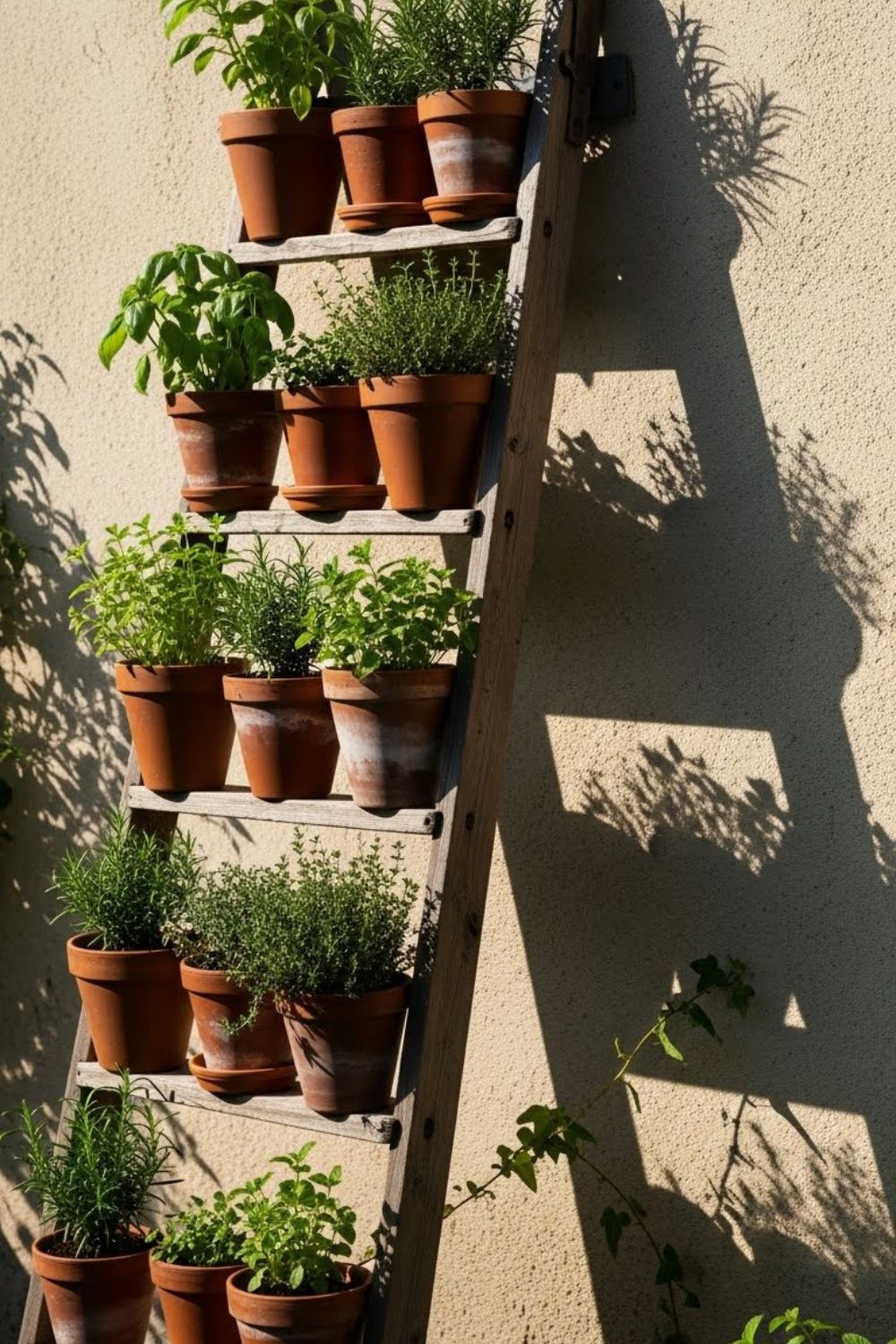
The gentle morning sun reaches this spot, and thanks to the quick drainage from the concrete, the roots don’t sit in excess moisture. If I need fresh basil for a meal, I can simply step outside without having to trek across the yard.
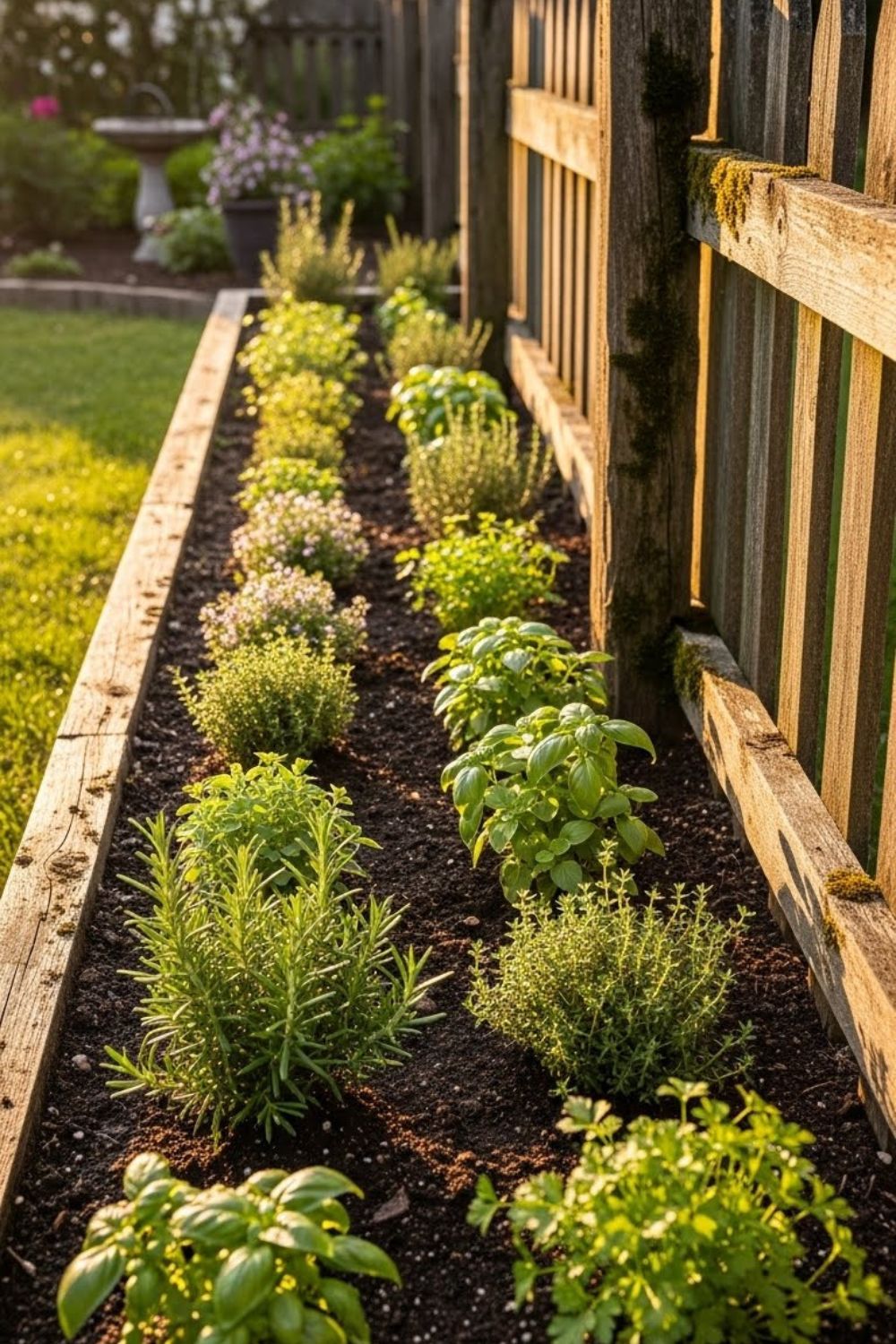
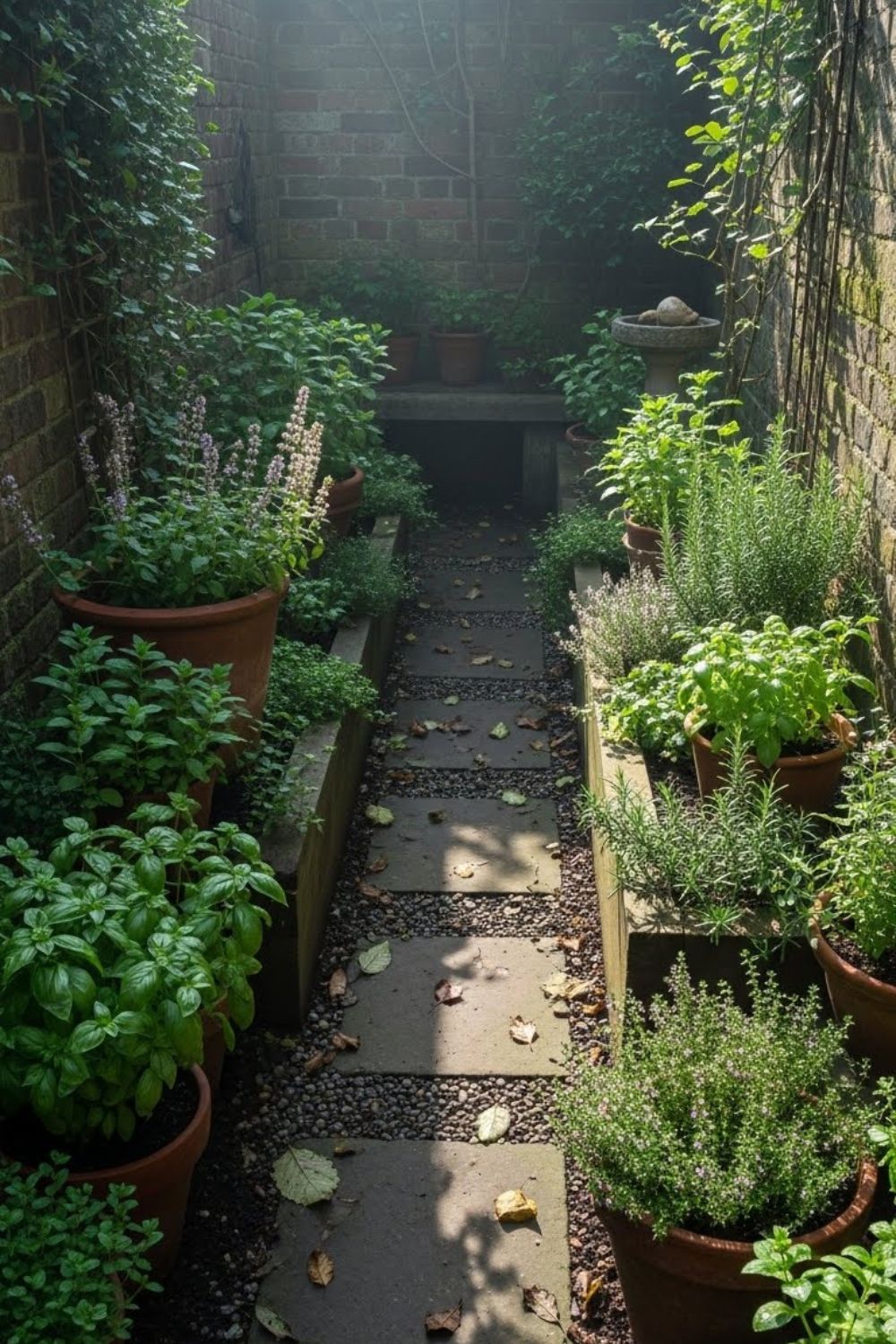
Additionally, situating herbs along a fence line can solve issues with wind while simultaneously transforming an otherwise dull boundary into a productive space. I ensure that there’s enough space between plants for airflow while still providing enough coverage from harsh winds.
Common Questions
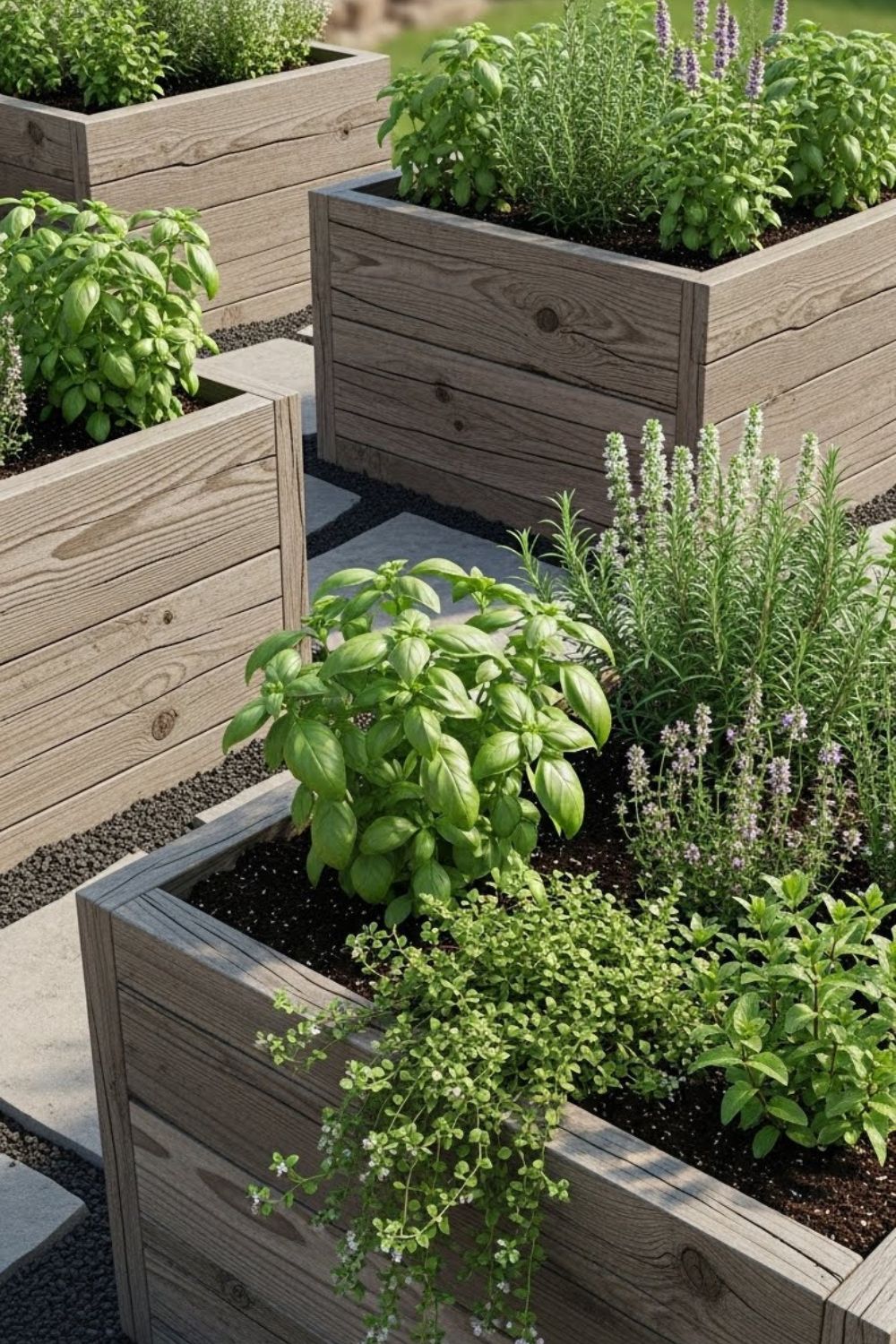
Many gardeners have questions about the intricacies of maintaining an outdoor herb garden. One common inquiry revolves around the best methods for ensuring herbs grow successfully in various conditions. Understanding the needs of each type of herb can help answer these questions effectively.
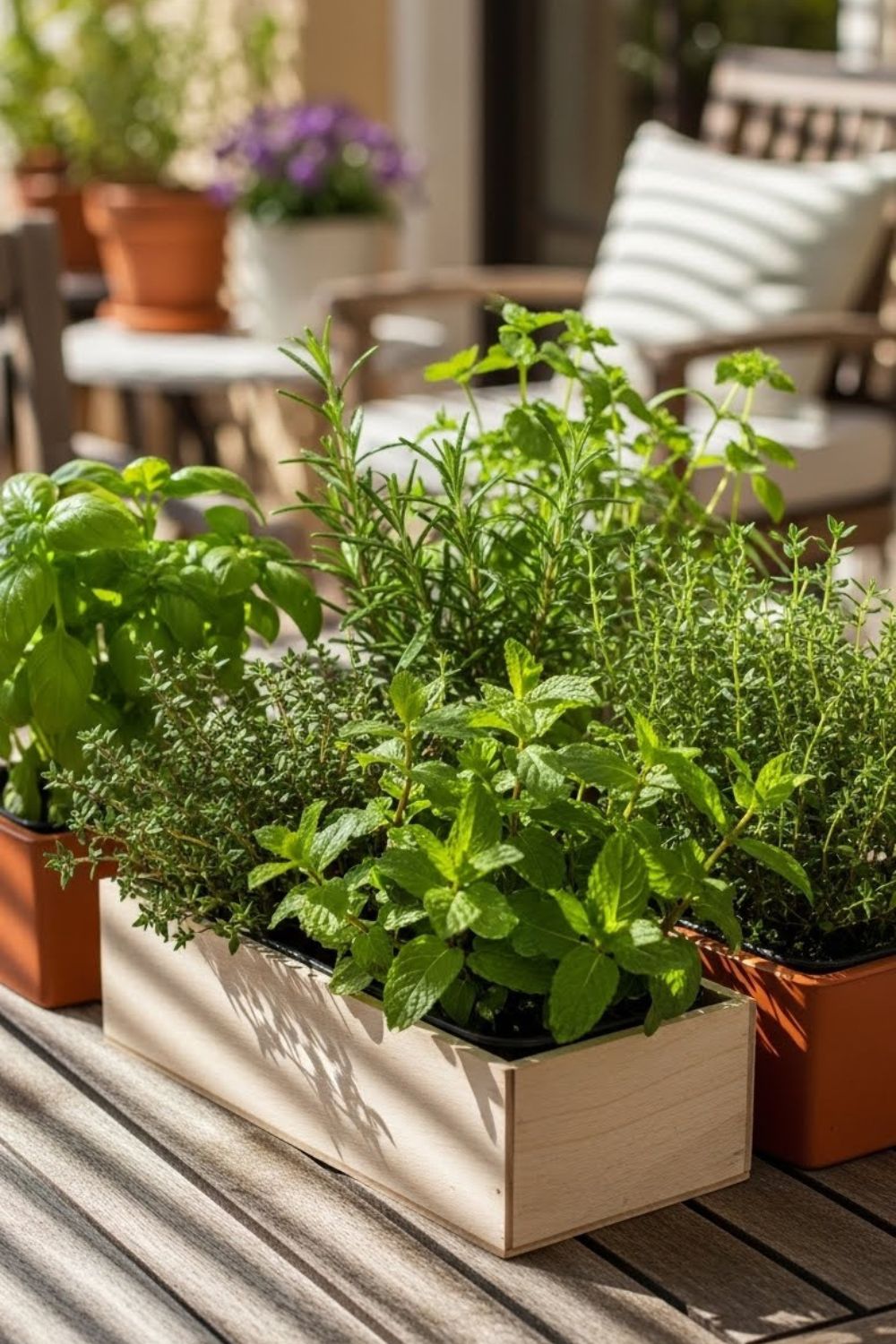
For example, some herbs thrive in full sunlight, while others prefer partial shade. It’s essential to tailor your approach based on the specific requirements of the herbs you are cultivating. Regular monitoring and adjusting conditions accordingly can be key to a thriving herb garden.
Another frequently asked question pertains to the treatment of pests and diseases. Knowing when to act and which natural remedies to use can help keep your herbs healthy without resorting to harsh chemicals. The key is to be observant and proactive when it comes to pest management.
Seasonal changes also raise questions among gardeners. Many wonder how to adapt their gardening practices as temperatures shift and conditions change. Understanding the life cycle of your herbs and planning accordingly can significantly impact their growth and flavor.
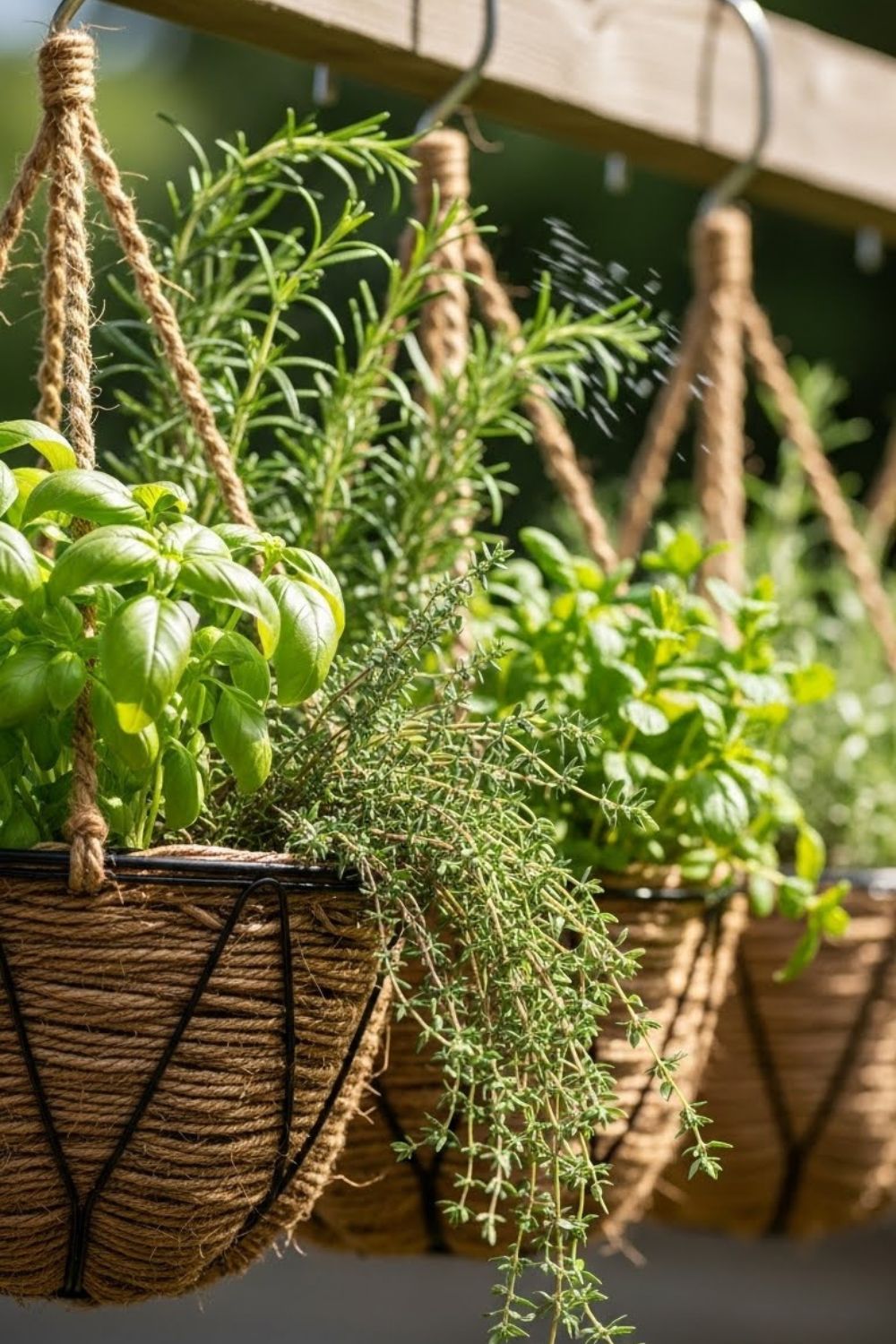
Hanging Baskets
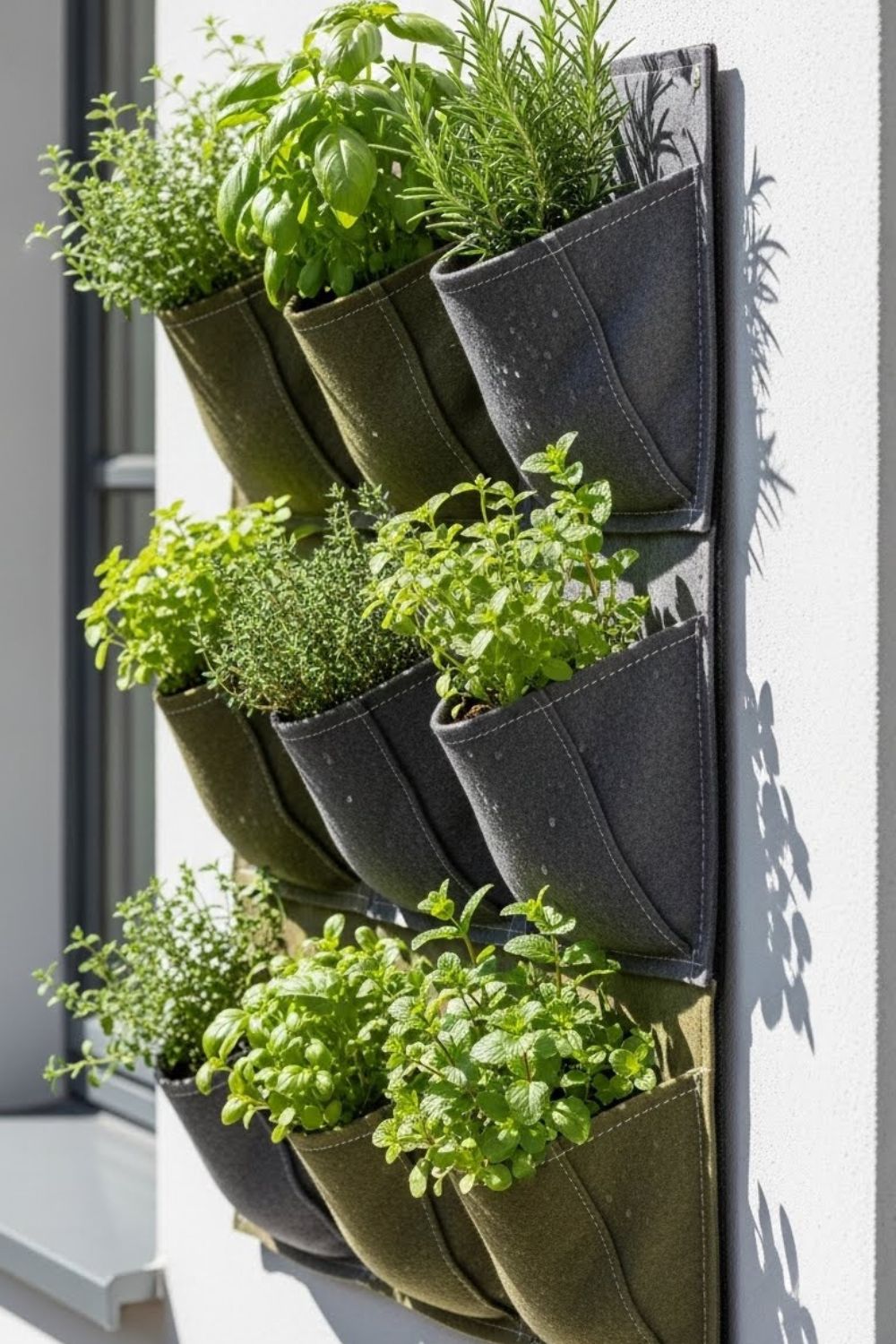
Utilizing hanging baskets for herbs can be an effective solution to pest problems. Elevating your plants off the ground makes it significantly more challenging for pests to reach them, and it also brings the greenery closer to eye level, allowing for easier monitoring.
However, it’s important to note that hanging baskets tend to dry out faster than plants in the ground. Therefore, daily checks are necessary to ensure they remain adequately hydrated. I typically hang my baskets in a location that receives consistent sunlight but is shielded from harsh midday heat to prevent stress on the plants.
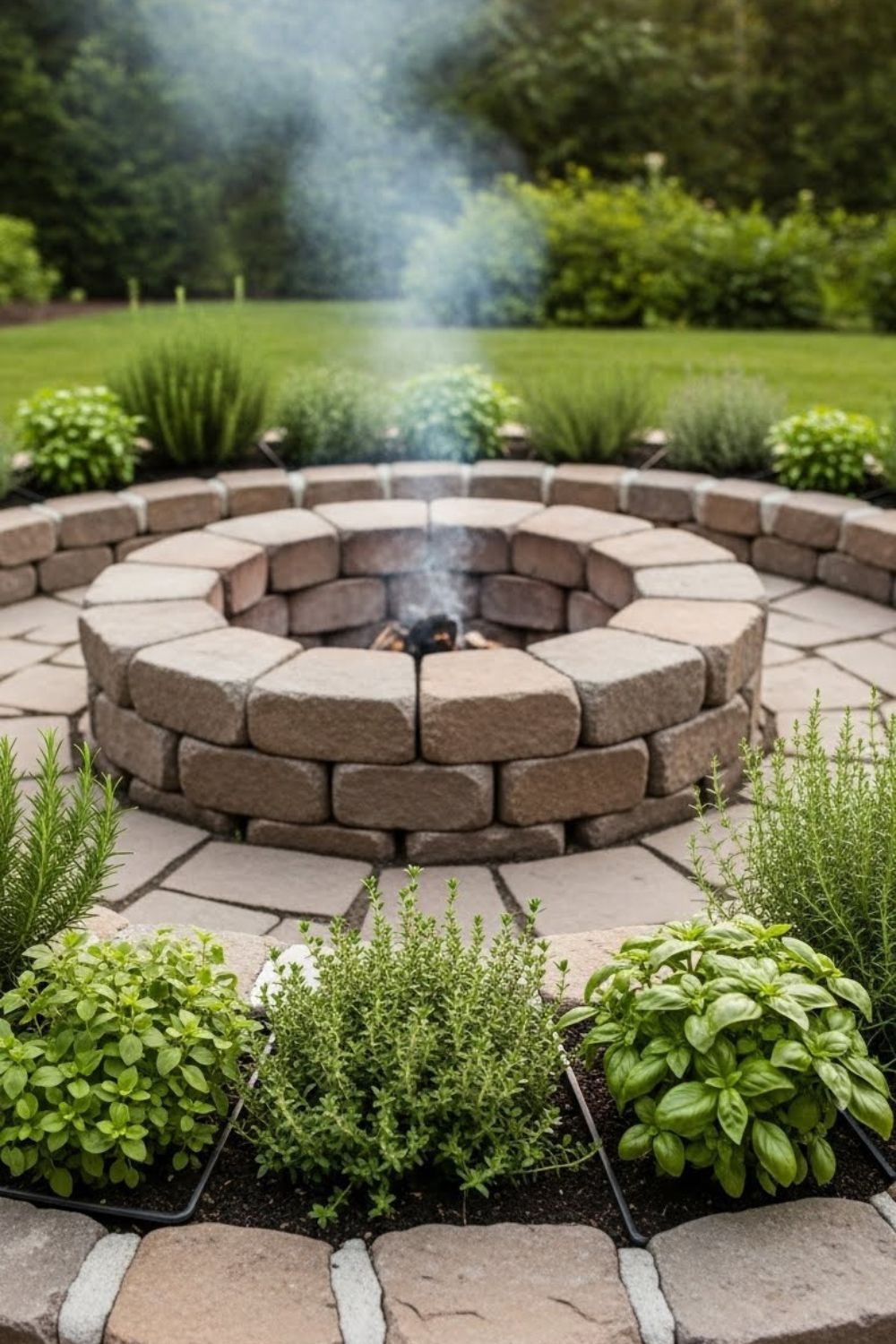
Creating a low brick circle around your herbs can not only provide structure but also help retain heat during the day, gradually releasing it at night. This layout allows for good airflow while preventing weeds from becoming a nuisance.
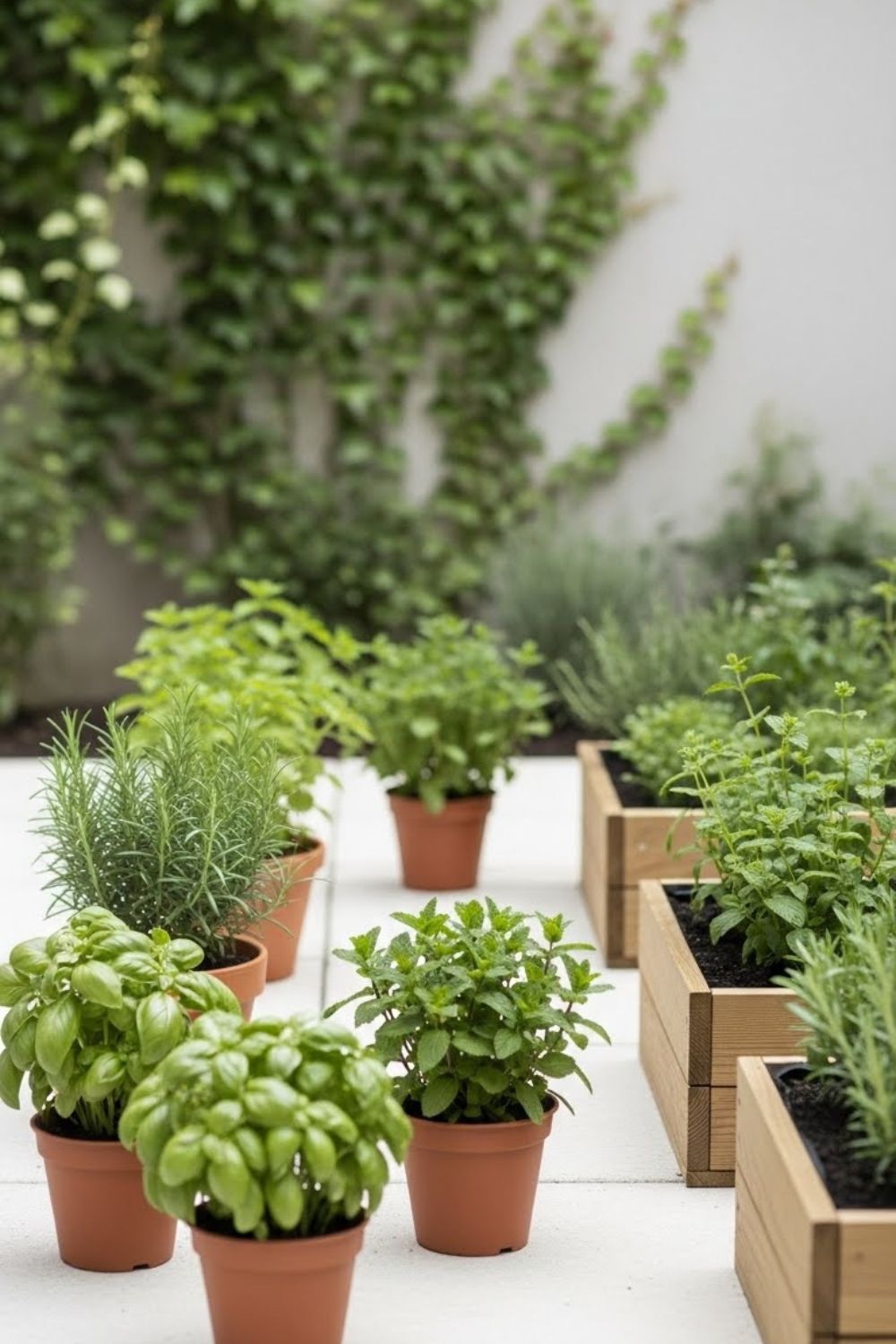
This intentional design turns your herb garden into a delightful focal point in your outdoor space, making it both functional and aesthetically pleasing. By positioning the herbs near an outdoor kitchen window, you can easily keep an eye on their health without stepping outside.
Save this post for later ❤️
Looking for more tips and tricks to maintain your herb garden? Be sure to save this post for easy reference later on! You’ll want to come back to these tried-and-true strategies that can help you cultivate the best herbs possible.
Family Learning
Involving children in herb gardening can turn it into a valuable learning experience. Teaching kids how to gently pick herbs fosters a sense of responsibility and connects them to nature. I make it a point to plant herbs at a height accessible to little hands, ensuring they can participate without causing damage.
Fast-growing herb varieties are particularly beneficial for young gardeners, as they provide immediate gratification and encourage continued interest in gardening. While some messiness is inevitable, I find that the educational aspect far outweighs the need for perfection.
Regular interaction with the plants not only helps in monitoring their health but also deepens the child’s appreciation for gardening as they witness the fruits of their labor. This hands-on experience fosters a sense of ownership and pride in the garden.
Season Rotation
Implementing a seasonal rotation for your herbs can greatly enhance soil health and overall plant productivity. By swapping herbs in and out based on the season, you can maintain the vitality of the soil and prevent the buildup of diseases that can occur when the same plants are grown in the same place year after year.
Using containers makes this rotation easier, as it minimizes disturbance to the roots. Keeping track of which herbs thrive during specific seasons will allow you to adjust your planting schedule accordingly. This flexibility ensures that your herb garden remains healthy and bountiful throughout the year.
Can outdoor herbs survive all year, or do they need to be replanted?
The ability of outdoor herbs to survive through the winter largely depends on the specific type of herb and the severity of the winter conditions. Hardier varieties like rosemary, thyme, and mint are more likely to return year after year if they have the right conditions.
On the other hand, herbs like basil are more tender and will succumb to frost, requiring replanting each year. In regions where winters are particularly harsh, it’s advisable to move pots to a sheltered location or provide ground plants with protective cover to help them survive.
Why do outdoor herbs grow but lose their flavor over time?
Herbs may exhibit vigorous growth but still lose their flavor due to stress factors or excessive growth. Overwatering, inadequate sunlight, and overly rich soil can dilute the flavor of your herbs, leading to disappointing culinary results.