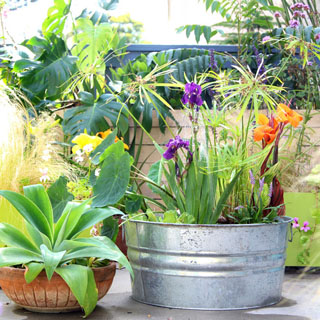
Embarking on the journey of crafting your own outdoor solar fountain can be a delightful experience! The soothing sound of bubbling water, combined with the natural beauty of pond plants, transports you to a serene mountain creek right in your backyard.
Garden fountains and patio ponds are cherished features in many landscapes, yet they often come with the hassle of complex plumbing and electrical setups. With just an old galvanized tub and a simple solar fountain pump, you can create an enchanting outdoor solar fountain that also serves as a charming birdbath! This project is not only easy to construct but also simple to maintain, allowing you to enjoy it throughout the year. In colder regions, you can conveniently move it to a sheltered area when temperatures dip below freezing.
Today, I’m thrilled to guide you through the steps to make a straightforward DIY fountain that doesn’t require a traditional fountain kit. In fact, you can even opt to create a water feature without a pump! Be sure to check out the Helpful Tips section at the end, where I’ll provide insights on selecting vessels, solar pumps, incorporating aquatic plants or fish, and maintaining clean water that is free of mosquitoes. 🙂
Essential Materials for Crafting Your Outdoor Solar Fountain or Bird Bath:
Before diving into the construction process, it’s crucial to gather all the materials you’ll need for your DIY water fountain or bird bath. The right supplies can make your project much smoother and ensure a successful outcome, so let’s outline what you’ll require.
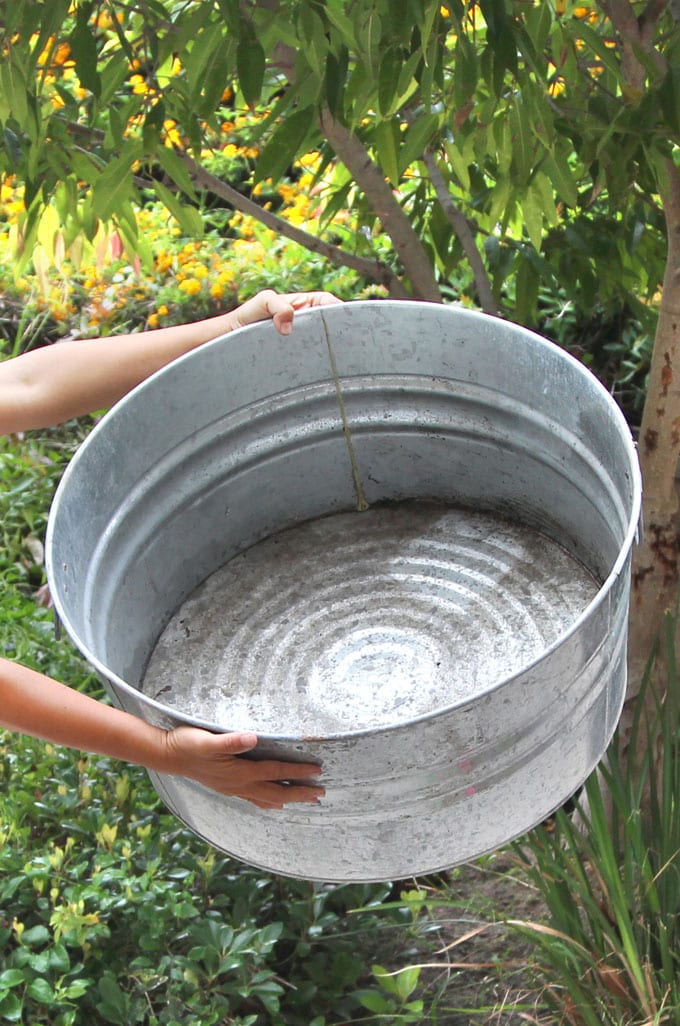
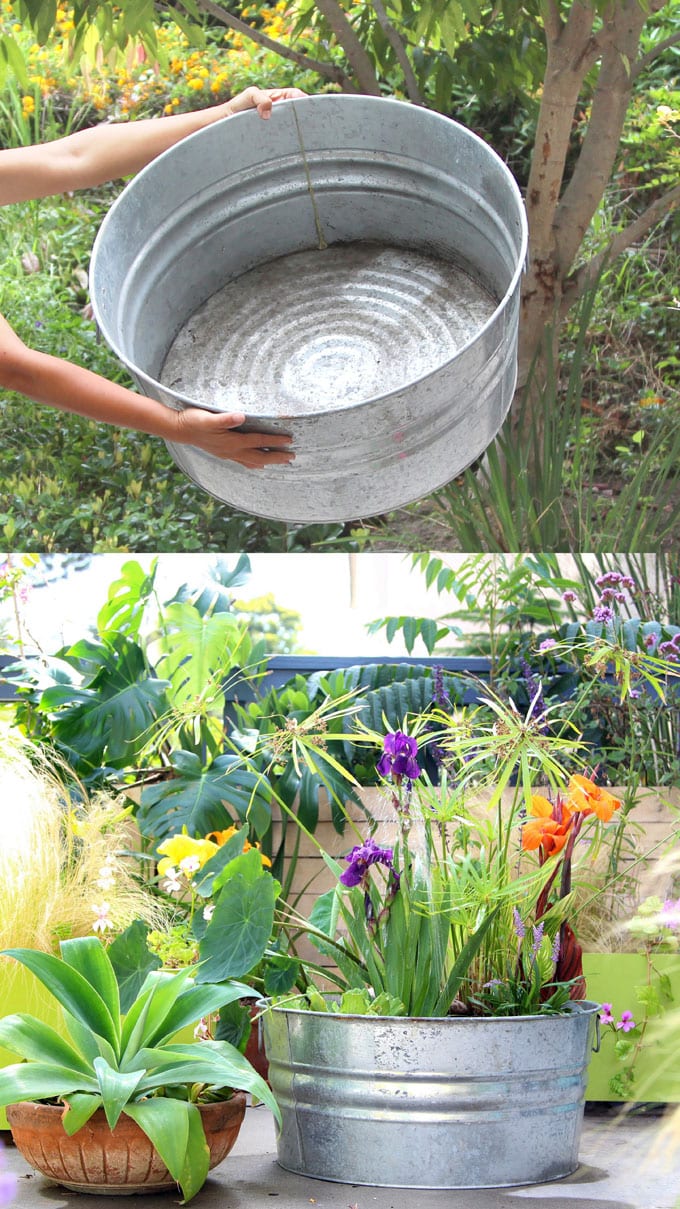
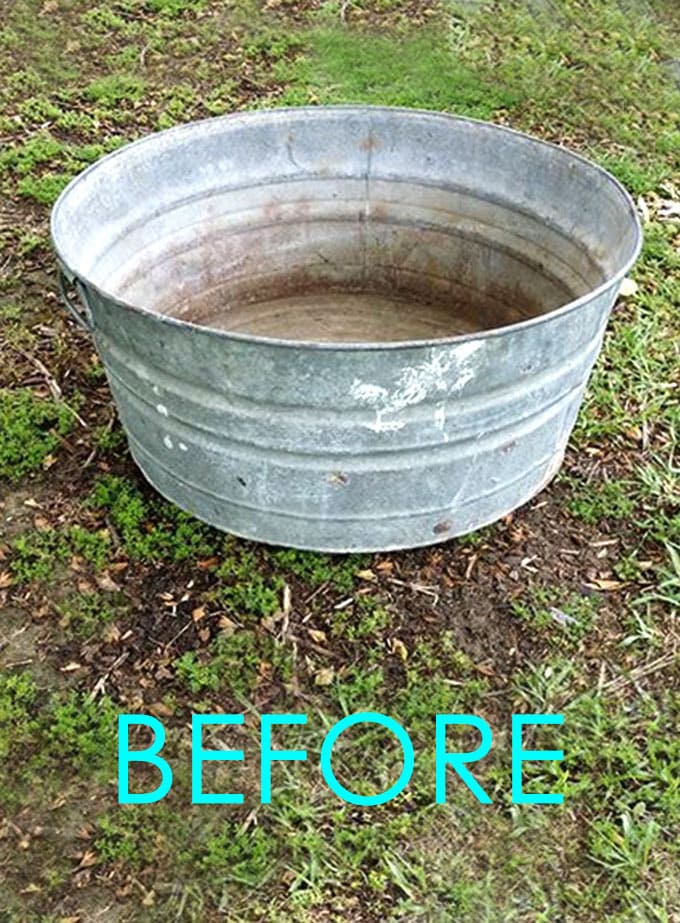
First and foremost, you’ll need a suitable basin to hold your fountain water. Options include an old galvanized tub, a half wine barrel, or any durable container that is at least 3 inches deep. This depth is necessary to accommodate the solar pump you’ll be using. Additionally, ensure that the vessel is designed for outdoor use and has no drainage holes.
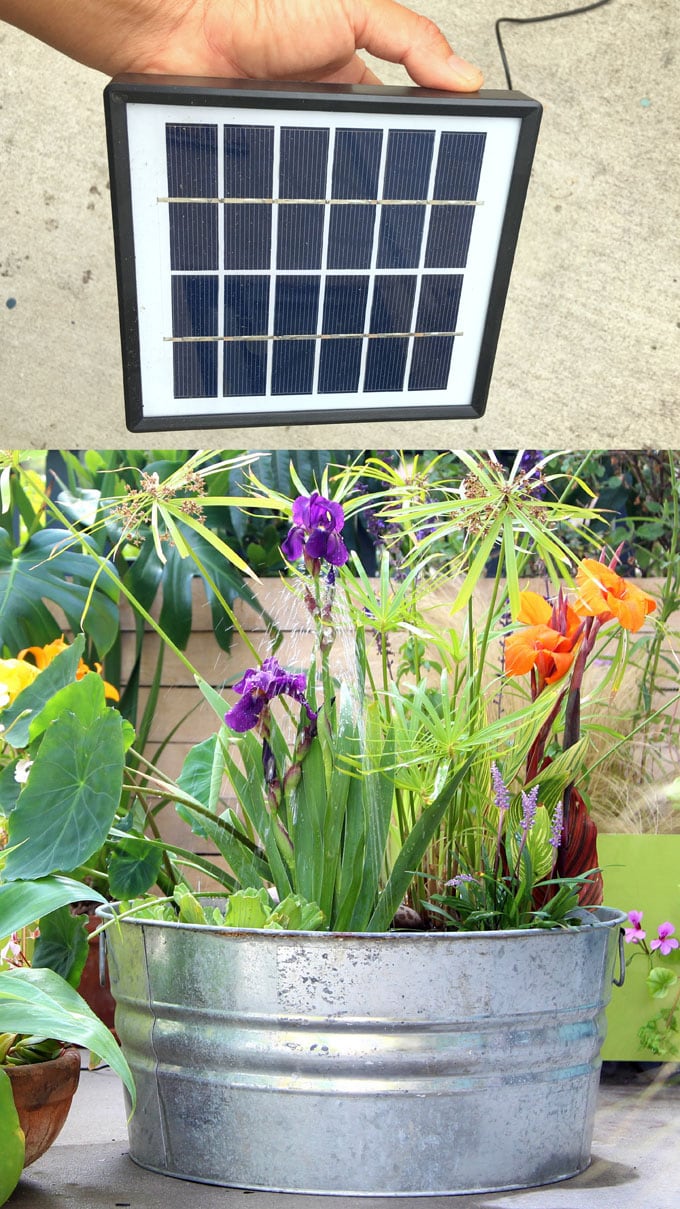
Next, you’ll need a solar fountain pump. We recommend a 1.5-watt solar pump with a long cord—approximately 10 feet—allowing you to position the solar panel in sunlight, even if the fountain itself is in the shade. This flexibility is essential for optimal performance.
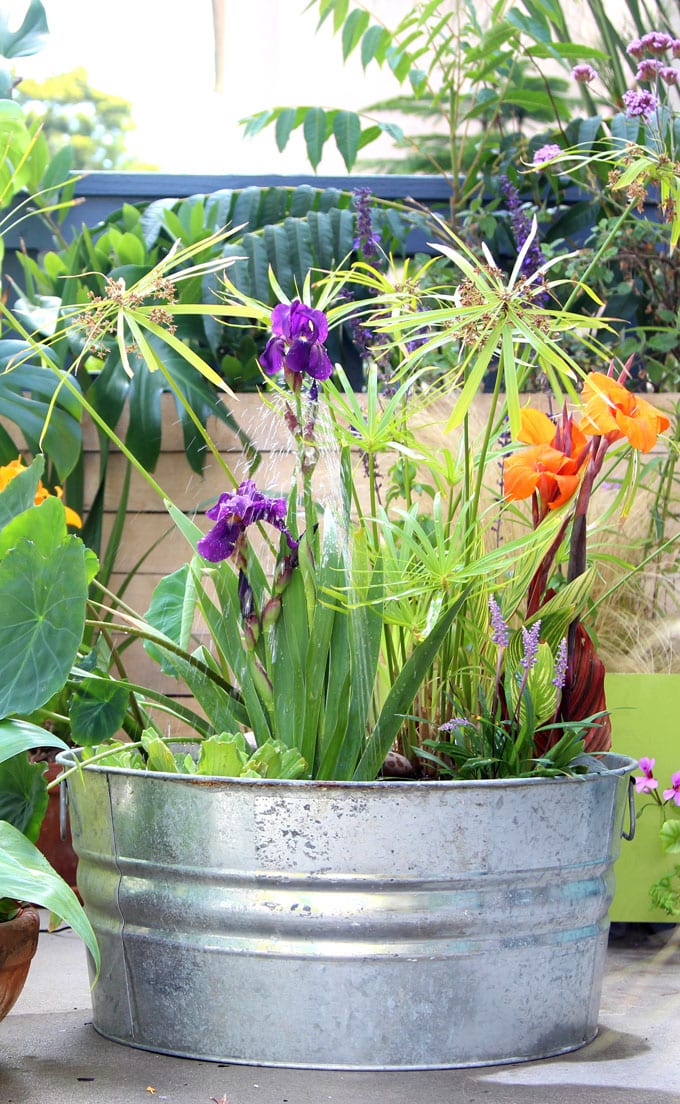
Lastly, consider incorporating aquatic plants to enhance the beauty and ecological balance of your fountain. Selecting a variety of water garden plants can not only beautify your fountain but also assist in keeping the water clean by preventing algae growth. With these materials in hand, you’re ready to start your project!
Step 1: Begin with Water and Aquatic Plants
Once you’ve chosen the perfect location for your DIY water fountain or bird bath, the next step involves adding water and planting aquatic greenery. While pond plants are optional, they significantly enhance the aesthetic appeal of the fountain and can play a role in maintaining water quality.
Start by filling your chosen vessel halfway with water. This initial water level provides a stable base for your plants and fountain pump. After positioning your plants, you can top off the water level as needed.
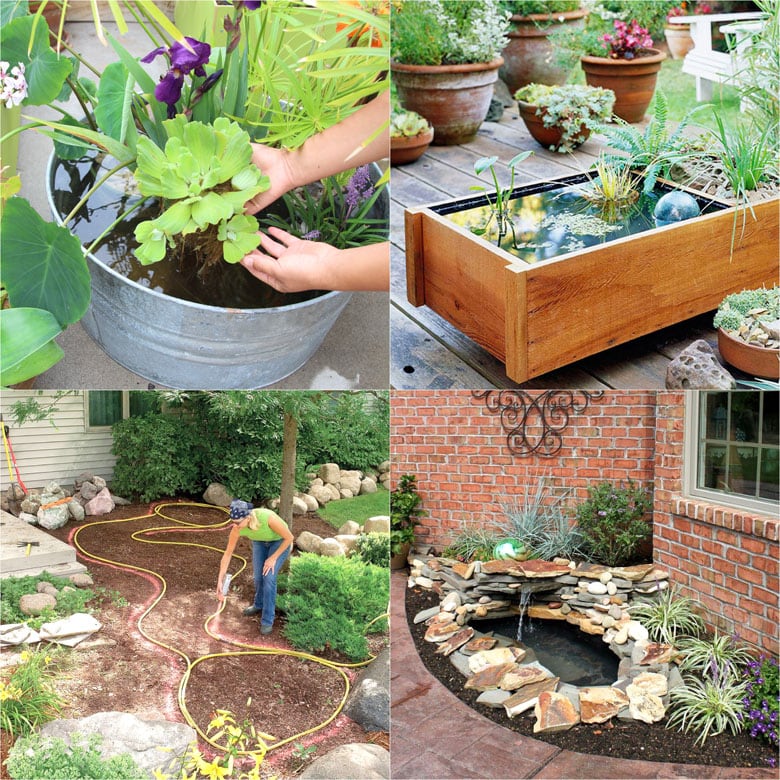
In the Helpful Tips section later, I’ll delve deeper into the types of soil and pots suitable for water plants. For now, remember to use plastic nursery pots rather than rich potting soil, which can contribute to algae growth. Aesthetic touches like pea gravel or small river rocks can be added on top of the soil to enhance the visual appeal and help keep the dirt from floating away.
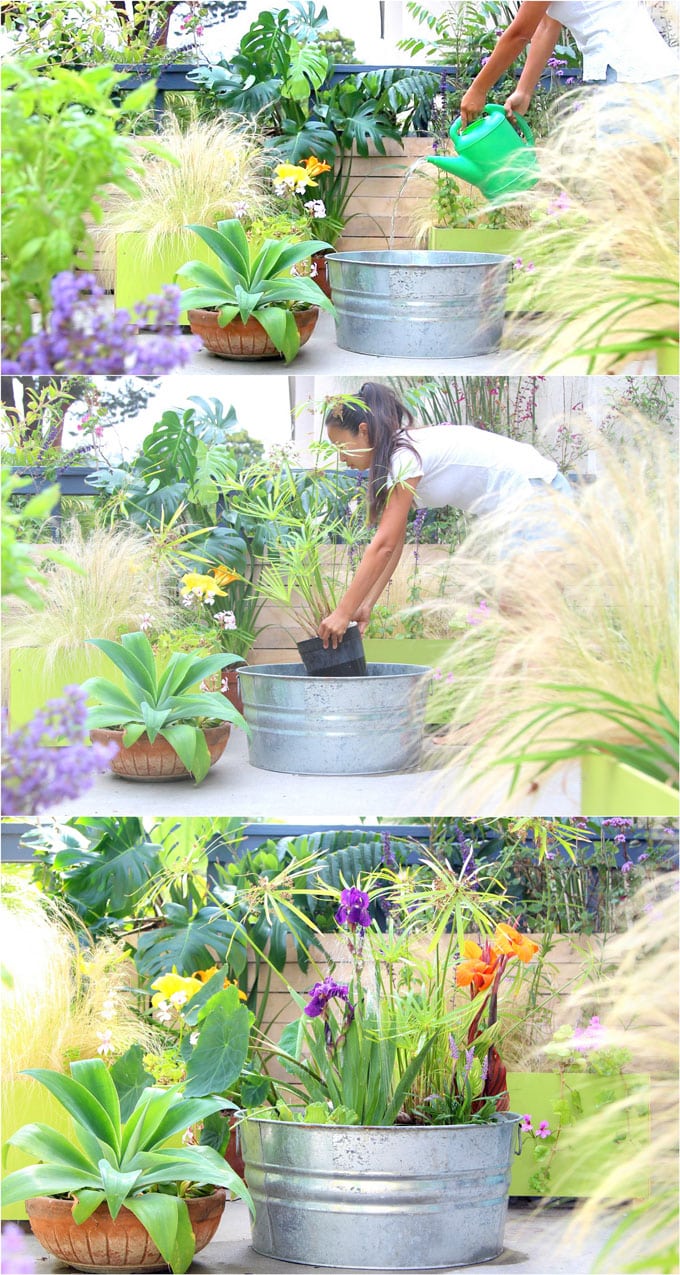
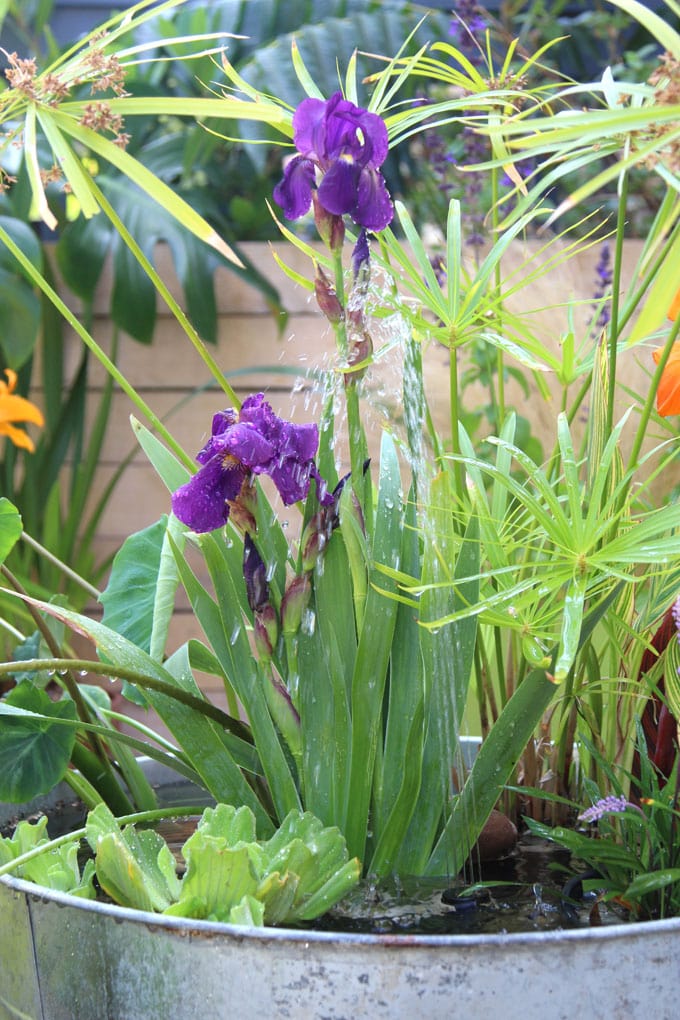
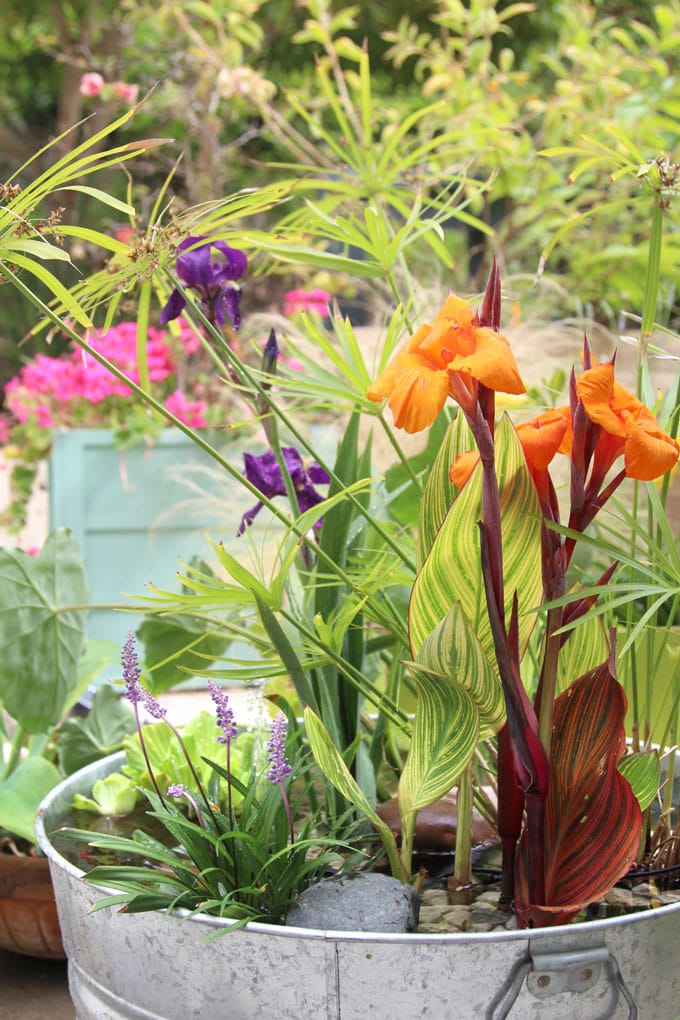
There are numerous beautiful water garden plants to choose from. For our project, we selected Cyperus involucratus “Baby Tut”, Taro, Canna Lily, Siberian Iris, and Liriope, all of which are emergent plants. Additionally, we included floating plants like water lettuce, which boasts extensive roots that effectively purify the water. At this stage, your mini patio pond could be complete, but the captivating sound of flowing water is simply too enticing to resist!
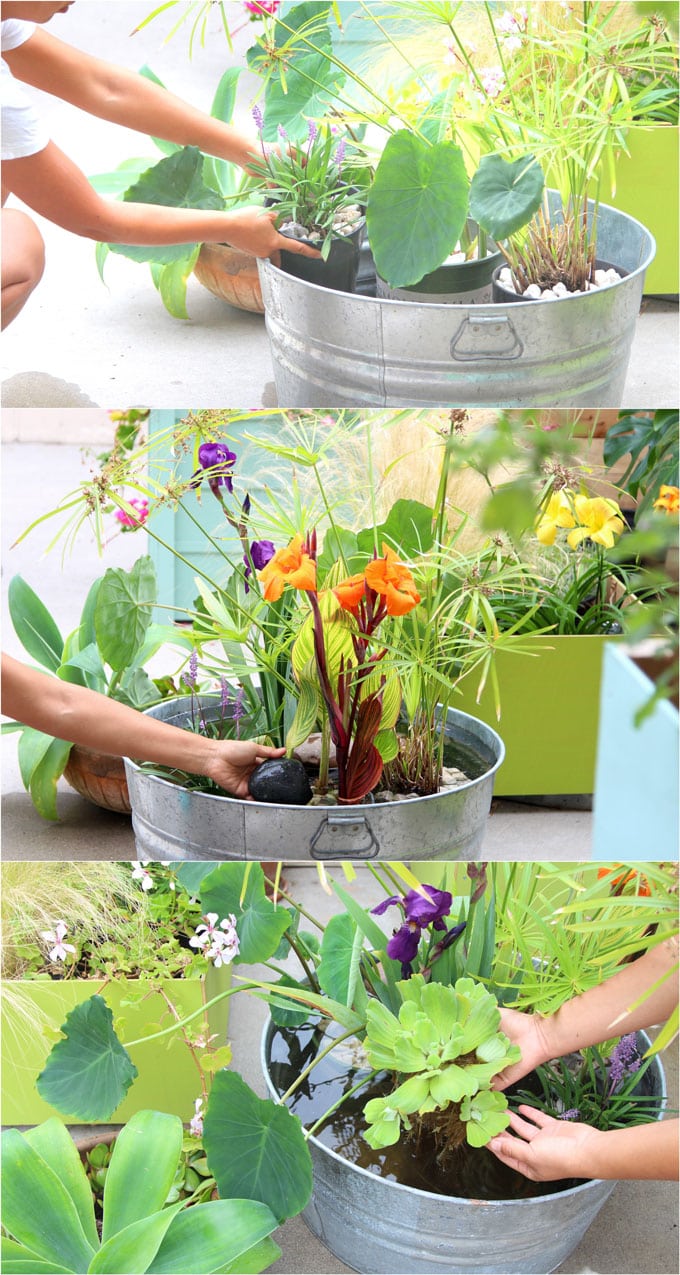
Step 2: Incorporate the Solar Fountain Pump
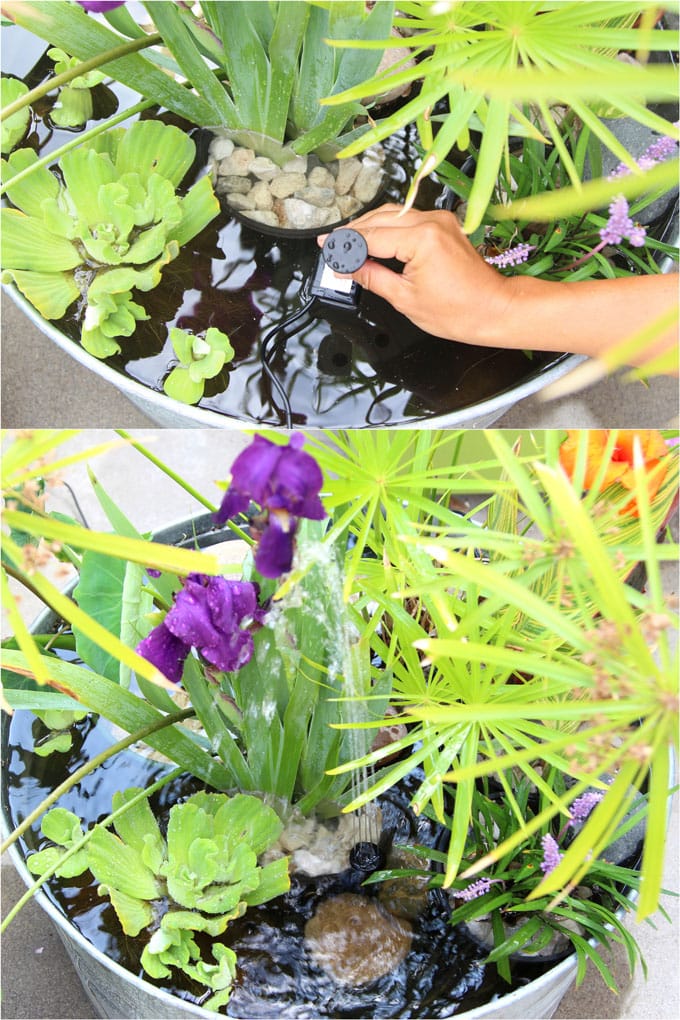
Now that you’ve got your water and plants sorted, it’s time to introduce the solar fountain pump. The magic of this project lies in the simplicity of using a solar pump and a freestanding basin, which can save you a significant amount of time and effort in the creation process!
The 1.5-watt solar pump we’re using features a 10-foot cord connecting the pump to the solar panel, offering flexibility in placement. This arrangement allows for optimal sunlight exposure while keeping the pump discreetly out of sight. The solar pump comes with various nozzle options, including bubblers and sprayers, allowing you to customize the water feature to your liking. Keep in mind that this type of pump does not store solar energy, meaning the fountain will stop operating when the sun isn’t shining on the panel.
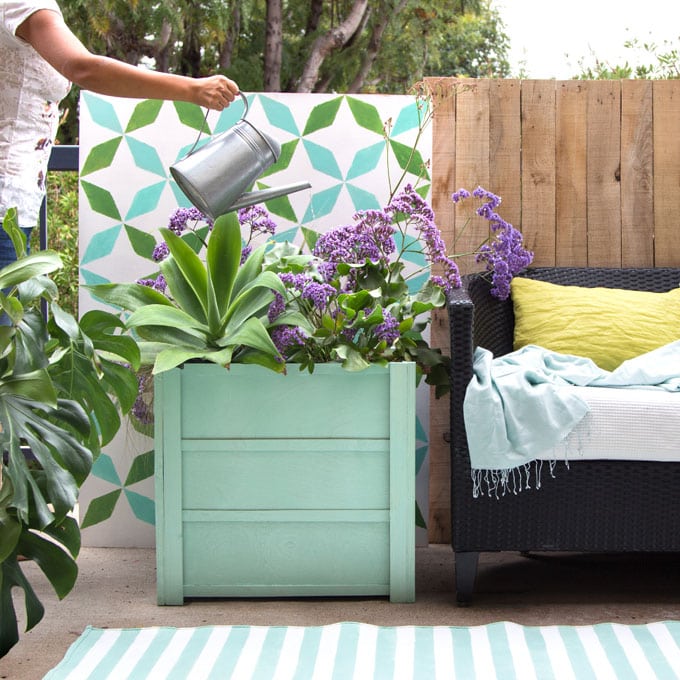
With the solar fountain pump in place, you now have a delightful bubble fountain that can grace your garden, patio, porch, or deck! When designing your fountain, consider the splash radius of the water, as this will influence where you position the fountain and your other outdoor furniture.
One crucial tip to remember: always keep the pump submerged in water while it’s operational. If you need to make adjustments, turn the solar panel away from the sun until you can ensure that the pump remains underwater. This precaution helps prevent potential damage to the pump, whether you’re using a traditional or floating solar pump.
Helpful Tips and FAQs
As you embark on your DIY solar fountain journey, there are several helpful tips and frequently asked questions to consider that can enhance your overall experience and success with the project.
First, when selecting a basin for your fountain, you have numerous options beyond galvanized tubs. Consider using half wine barrels, large bowls, or any container that meets the depth requirement while being sturdy enough for outdoor use. A depth of at least 3 inches is necessary to accommodate most small pumps.
Another important factor in maintaining your fountain is algae growth. Algae thrive in sunny environments with ample nutrients, so positioning your fountain in a shaded area or using aquatic plants to cast shade over the water can significantly reduce algae proliferation. The roots of the plants will also consume excess nutrients, promoting a healthier water environment.
To combat mosquito larvae, which can only survive in stagnant water, ensure your fountain operates frequently. Running water deters mosquitoes effectively. Alternatively, you can introduce small fish, such as mosquito fish, into your fountain to consume any larvae that may appear and help keep algae at bay.
Solar Fountain Pump Options and Considerations
When selecting a solar fountain pump for your outdoor water feature, several options and considerations should guide your choice to ensure you get the best performance for your needs.
As mentioned earlier, a 1.5-watt solar pump is a popular choice due to its efficiency and ease of use. However, it’s essential to consider the specifics of the pump you choose, including its cord length and nozzle options. A longer cord (10 feet is ideal) allows for better placement flexibility, while having multiple nozzle options gives you the ability to customize the fountain’s water display.
It’s also important to note that some solar pumps may have built-in batteries for energy storage, allowing them to operate even when the sun isn’t shining. However, these pumps may come at a higher price point. Assess your budget and weigh the benefits and drawbacks of different models to find the perfect fit for your DIY fountain.
Finally, always check the product specifications to ensure compatibility with the vessel you’ve chosen. Some pumps are better suited for certain types of containers than others, depending on their design and water capacity.
Choosing the Right Vessel for Your Solar Fountain
The vessel you choose for your solar fountain plays a crucial role in determining the overall success and aesthetic of your project. Various options are available, and understanding their pros and cons will help you make an informed decision.
For starters, a galvanized steel tub, like the Behrens 15 Gallon Round Steel Tub, which measures 25 inches in diameter and 12 inches tall, is a fantastic option due to its durability and rustic charm. Other viable choices include buckets, half whiskey barrels, or decorative flower pots. Just ensure that the container is deep enough to hold at least 3 inches of water and is designed for outdoor use.
While selecting the vessel, consider how it will fit into your existing outdoor decor. You may want to choose colors and styles that complement your garden or patio. Remember, this feature will not only serve as a water fountain but as an eye-catching focal point in your outdoor space.
Additionally, think about the ease of maintenance. Some materials may require more upkeep than others, so choose a vessel that aligns with your willingness to maintain the fountain over time.
Maintaining Clean Water and Preventing Mosquitoes
Keeping your solar fountain water clean and free from mosquitoes is essential for both aesthetic and health reasons. Fortunately, there are several strategies you can employ to ensure your fountain remains a clean and inviting feature in your garden.
First, regular water circulation is vital in preventing stagnant water, which is a breeding ground for mosquitoes. Ensure that your solar pump runs frequently to keep the water moving. If your fountain operates consistently, it will significantly reduce the likelihood of mosquito larvae survival.
Introducing small fish into your fountain can also be an effective way to manage mosquito populations. Fish such as mosquito fish, guppies, or minnows can consume larvae before they have the chance to develop into adult mosquitoes. However, be mindful of the size of your vessel, as larger fish may require more space to thrive.
Another consideration is the type of soil used for planting aquatic plants. Avoid rich potting soils that can contribute to water contamination. Instead, use clay or garden soil, which is less likely to float on the surface and lead to water quality issues. Keeping your aquatic plants healthy and well-maintained will contribute to a cleaner water environment.