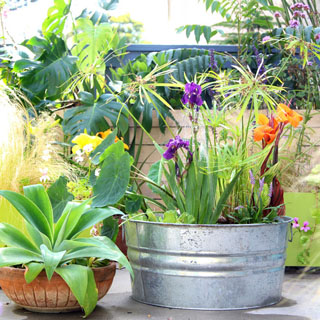
Have you ever imagined how effortless it could be to set up your own solar fountain? This DIY project not only brings tranquility with its gentle water sounds but also enhances the aesthetics of your garden or patio. With the right materials and a little bit of creativity, you can transform your outdoor space into a serene oasis that mimics the charm of a mountain creek.
Video tutorial below: Easy DIY outdoor solar fountain!
For those who prefer a visual guide, we have a comprehensive video tutorial that walks you through the entire process of creating this beautiful outdoor solar fountain. You’ll see firsthand how simple it is to assemble and how quickly you can achieve stunning results. Be sure to check it out for tips and tricks that can make your DIY experience even smoother.
This project is perfect for anyone looking to add a splash of life to their outdoor area. Whether you’re an experienced DIYer or a beginner, our step-by-step instructions will guide you through, ensuring you can create a delightful fountain that attracts birds and provides a peaceful ambiance.
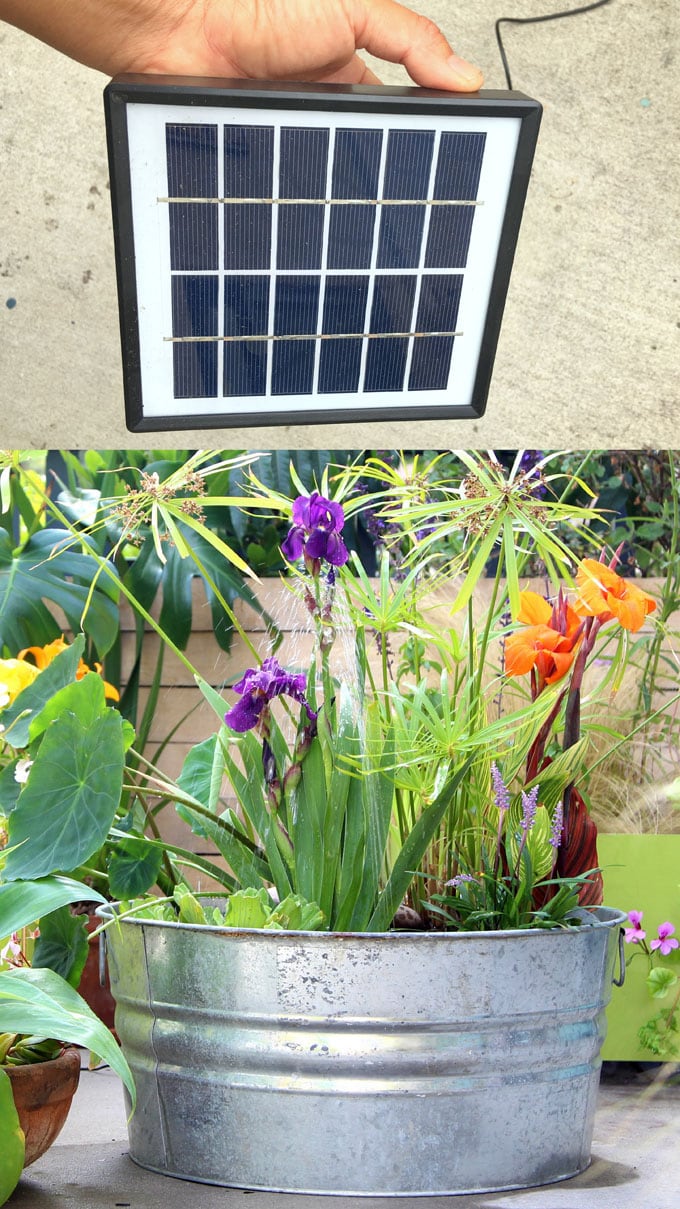
Materials needed to make a simple outdoor solar fountain or bird bath:
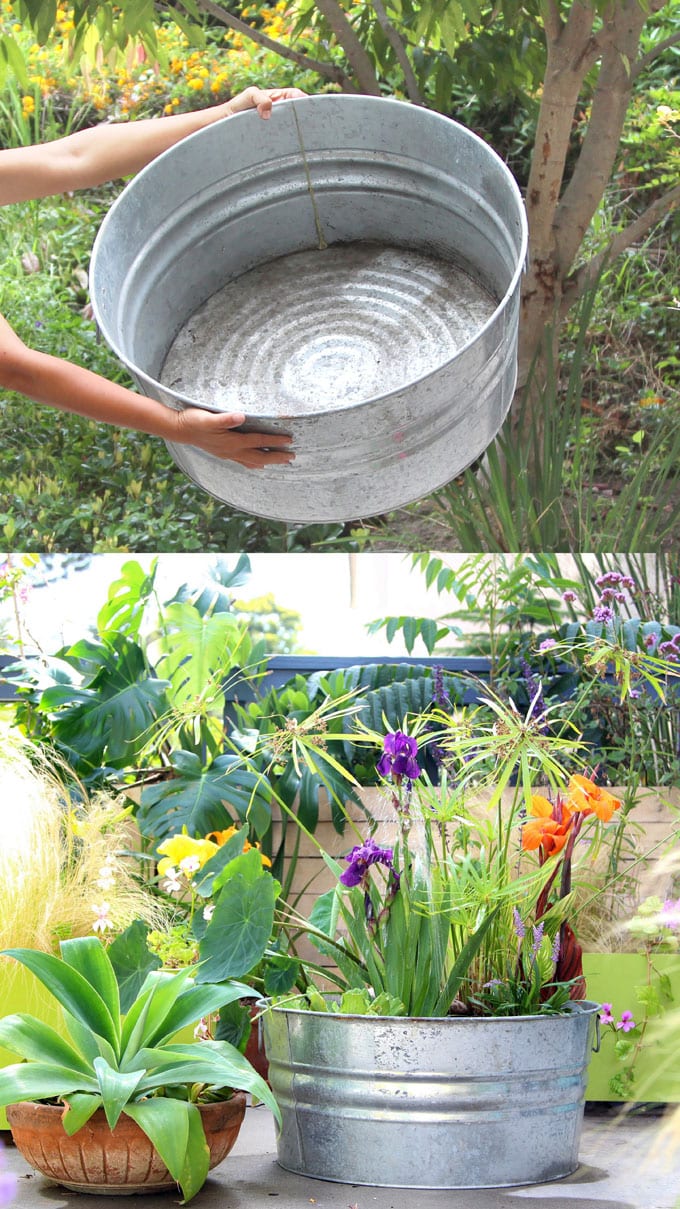
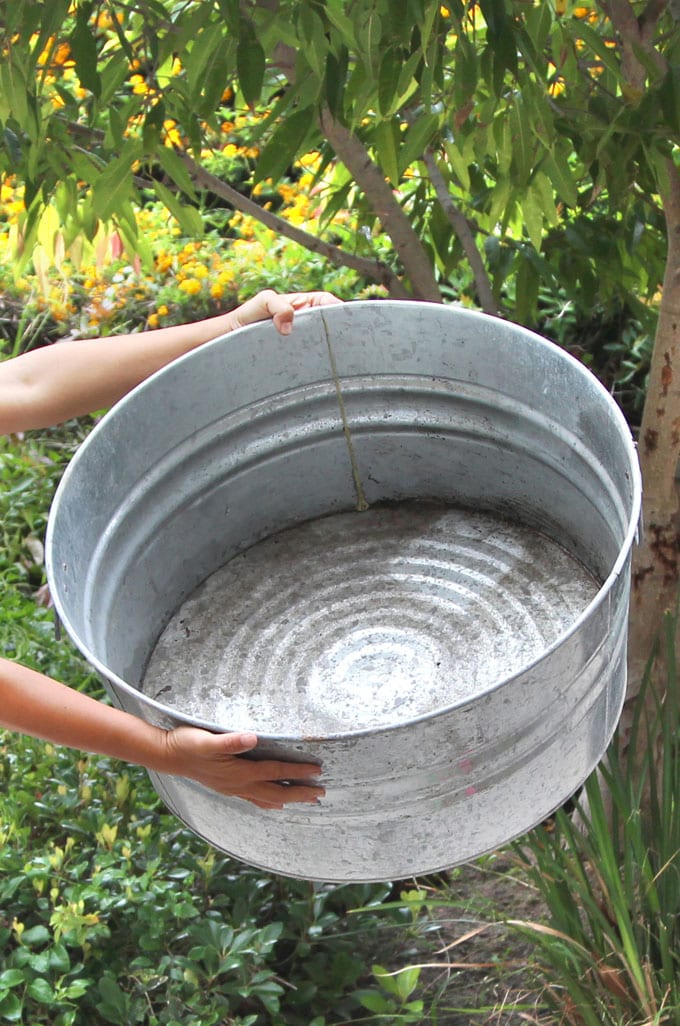
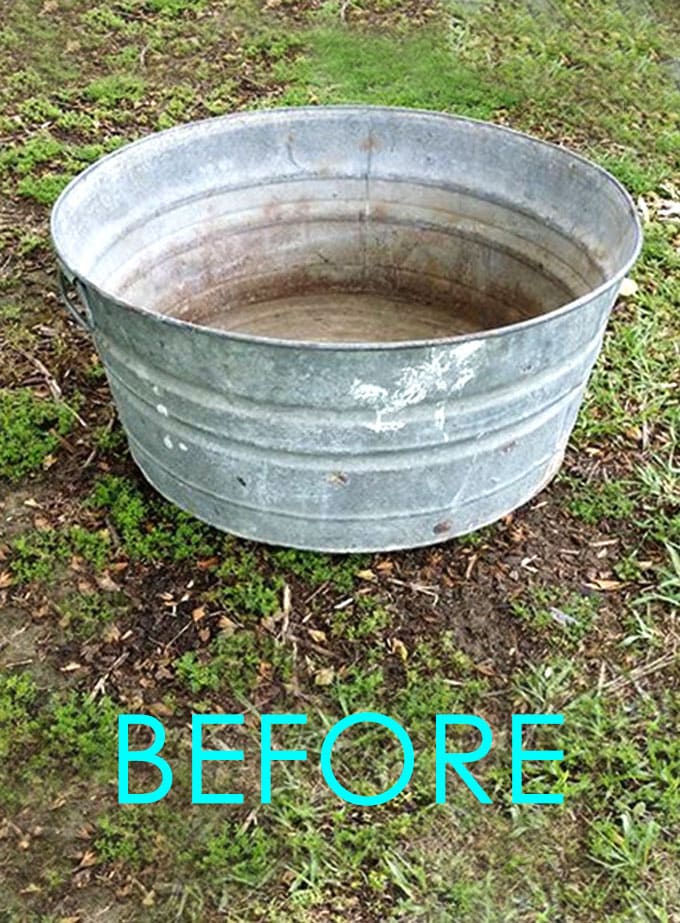
To get started on your DIY solar fountain, gather the essential materials. You’ll need a few basic items to make the process straightforward and enjoyable. Begin with a container that will serve as the fountain basin—this could be an old galvanized tub, a large bowl, or even a half wine barrel. The container should be durable and able to hold water without any drainage holes.
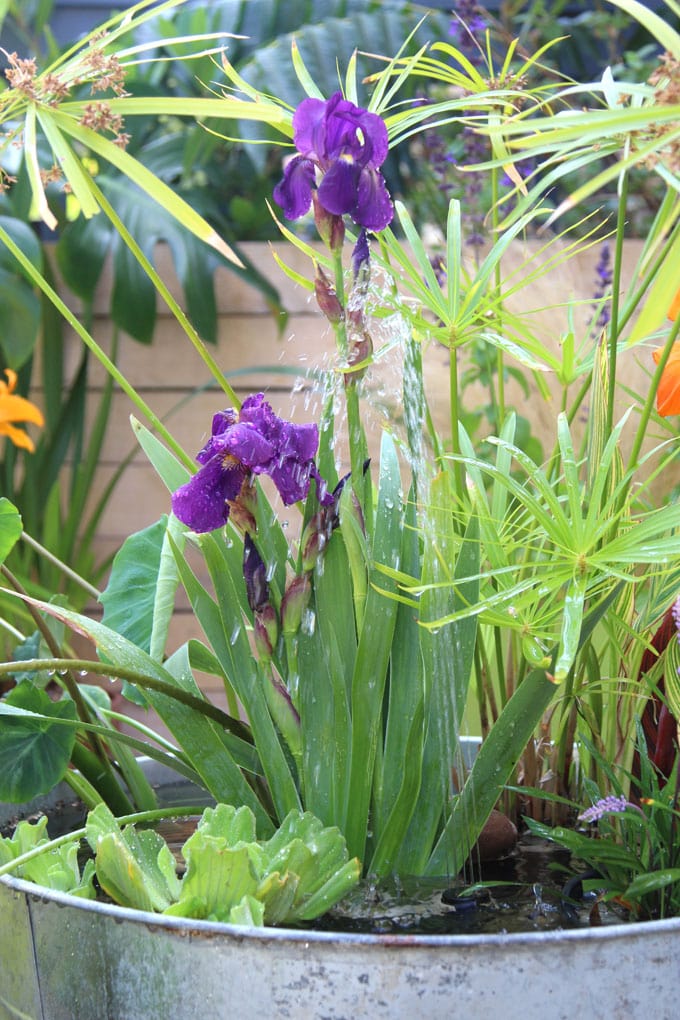
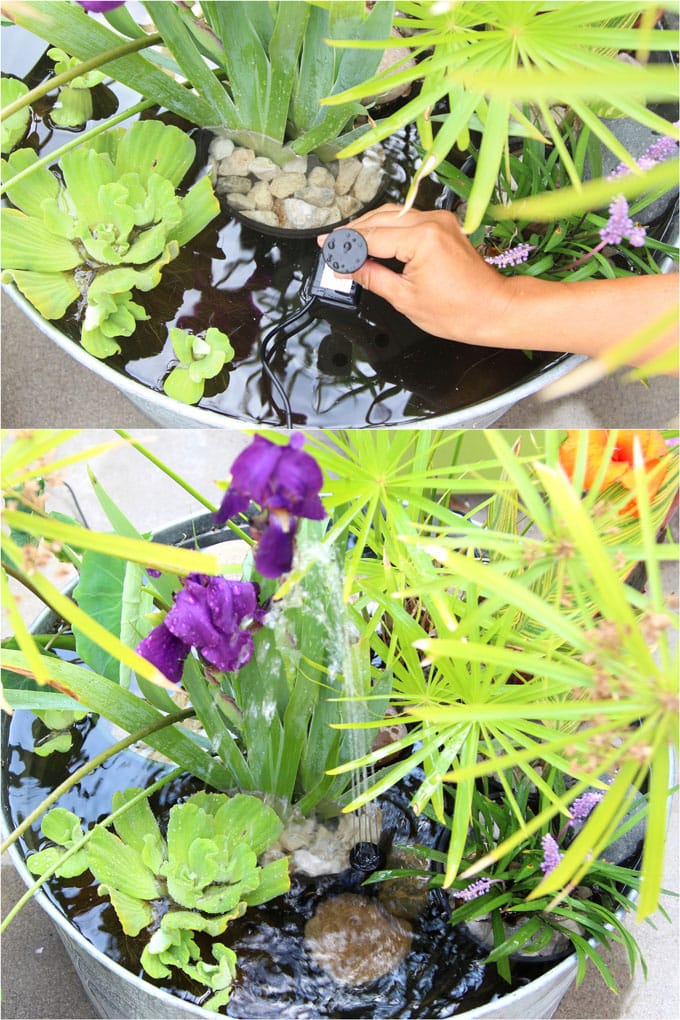
Next, you will need a solar fountain pump. These pumps are available online and in garden centers, and they typically come with several nozzles to create different water effects. Make sure to choose one that is suitable for your basin size, and remember that the pump needs to be submerged in water for optimal performance.
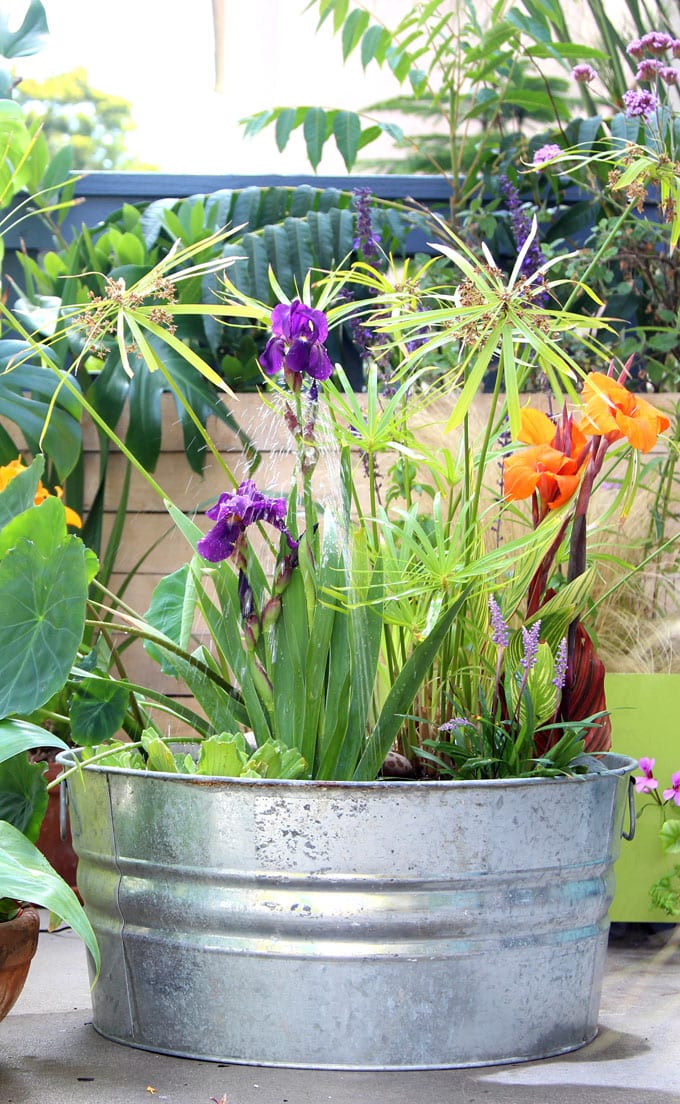
Lastly, consider adding aquatic plants to your fountain. Not only do they enhance the visual appeal, but they also help in keeping the water clean and free of algae. Look for easy-to-maintain options like water lettuce or emergent plants like Cyperus involucratus for a beautiful and functional design.
Step 1: start with water and plants
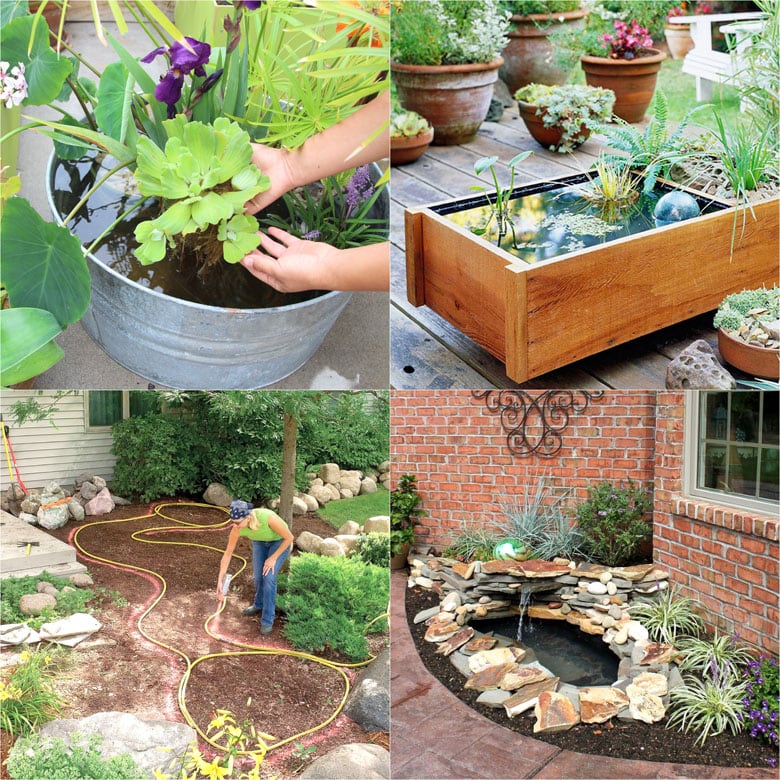
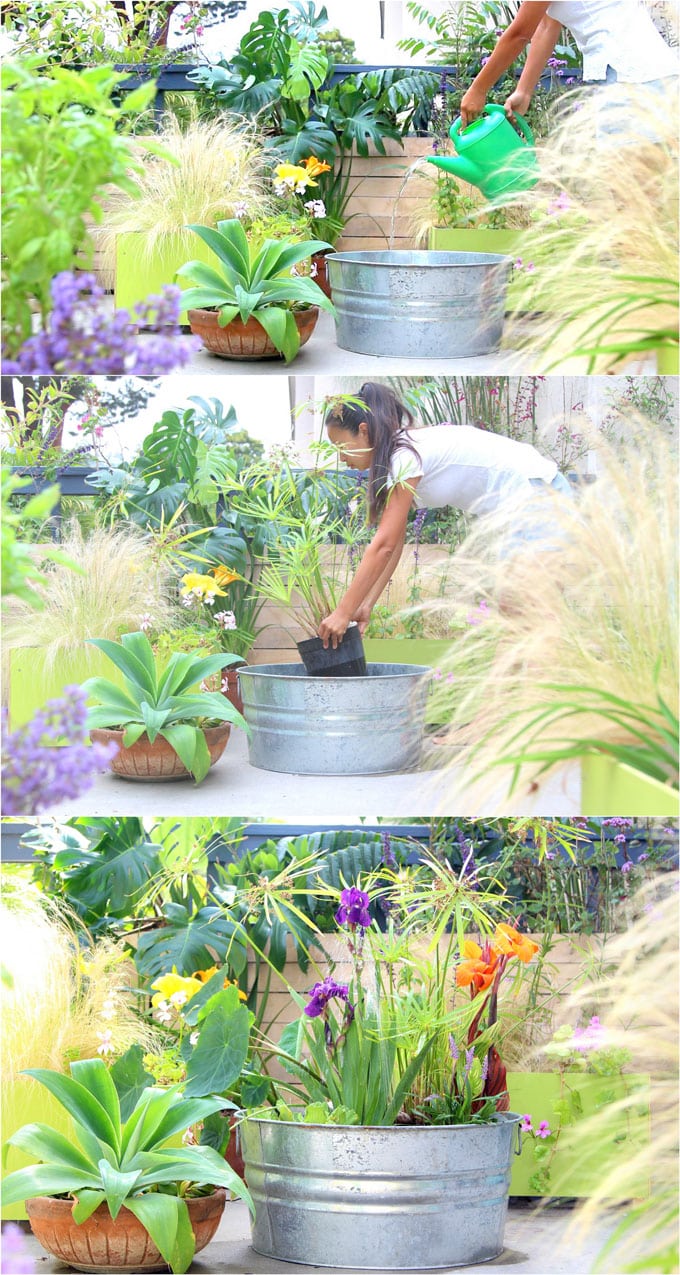
The first step in creating your DIY fountain is to select a suitable location and prepare your container. Once you’ve chosen the perfect spot, fill your basin halfway with water. This initial step is crucial as it sets the foundation for your aquatic plants.
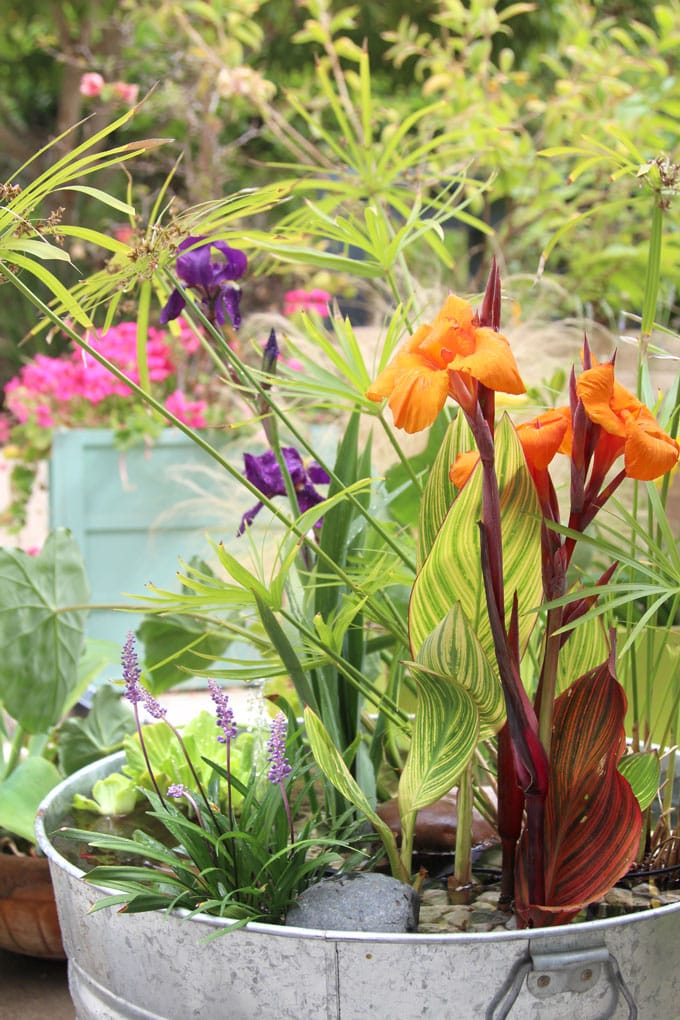
While aquatic plants are optional, they bring a vibrant element to your fountain. Their roots not only look lovely but also naturally filter the water, preventing the growth of algae. For our fountain, we used a variety of plants including Taro, Canna Lily, and Siberian Iris, which are known for their ease of care and stunning foliage.
When planting, use plastic nursery pots instead of regular potting soil to prevent any soil from floating into the water. A top layer of pea gravel or small river rocks can help keep the soil in place and add an attractive finish to your fountain.
Step 2: Add solar fountain pump.
Now it’s time to introduce the solar fountain pump. This is the heart of your fountain, providing the necessary water circulation to create that soothing sound of flowing water. The solar pump we used has a 10-foot cord, allowing you to position your solar panel in a sunny spot while keeping the fountain itself in the shade if desired.
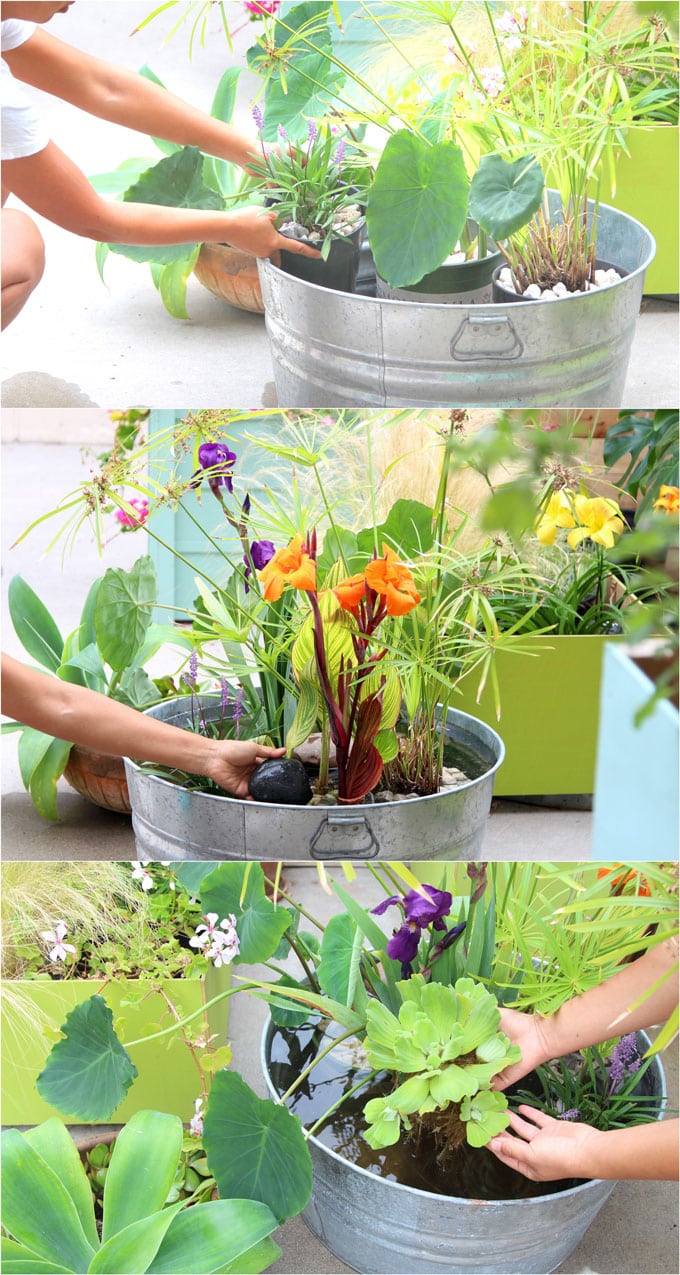
Once the pump is in position, submerge it in the water and ensure that it is completely covered. This is crucial to prevent the pump from burning out. The pump will not store solar energy, which means it will only operate when the sun is shining directly on the panel, so plan your placement accordingly.
As you set up the pump, take note of the water splash radius. This is important to consider as it affects the placement of surrounding furniture or decor items. You want to create a harmonious arrangement that enhances your outdoor aesthetics.
Helpful Tips and FAQs
As you embark on this DIY journey, you may have questions or need some additional guidance. One of the most critical aspects of maintaining your solar fountain is ensuring it has adequate sunlight to function effectively. If the solar panel is shaded, the pump won’t work, so finding the right balance between sun and shade is essential.
You might also wonder about the best practices for keeping your fountain running smoothly. Regularly check the water level, especially during hot weather, and refill as necessary. Additionally, keep the pump clean to prevent blockages that could hinder its performance.
Another fantastic tip is to introduce small fish into your fountain. Fish can help keep mosquito populations at bay by feeding on larvae, and they add an extra layer of life to your water feature. However, ensure that the fish you choose are suitable for smaller setups, like mosquito fish or guppies, which thrive in smaller containers.
Solar fountain pump choices and considerations.
When selecting a solar fountain pump, there are a few key factors to consider. First, look at the power of the pump; typically, a 1.5-watt pump is sufficient for most small to medium-sized fountains. Ensure that the pump has a long enough cord to reach from your fountain to the solar panel, which will allow for flexible placement.
Next, consider the various nozzle options that come with the pump. Different nozzles can create varying water effects, from gentle bubbling to more dramatic sprays. Assess your preferences and how you envision your fountain’s appearance to choose the right one.
Lastly, take into account the warranty and durability of the pump. Investing in a reliable pump will save you headaches down the line and ensure that your fountain remains a beautiful feature for years to come.
Solar fountain vessel choices and considerations.
Your choice of vessel is crucial to the success of your DIY fountain. While galvanized tubs are a popular choice, there are many other options available. You could use a decorative bowl, a large ceramic pot, or even repurpose a whiskey barrel for a rustic charm.
Make sure the vessel is deep enough to accommodate the pump and provide ample water for the plants. A depth of at least 3 inches is ideal for most small pumps, ensuring that they remain submerged and effective.
Moreover, consider the aesthetic appeal of your chosen vessel. The color, texture, and overall style should complement your garden or patio decor, creating a cohesive look that enhances your outdoor space.
How to keep your solar fountain water clean and free of mosquitoes.
Keeping your solar fountain clean is essential not just for aesthetics but for the health of your plants and fish. Regularly change the water and clean the fountain to prevent algae buildup. Adding aquatic plants can also help filter the water naturally, keeping it clear and healthy.
To further deter mosquito larvae, ensure that your fountain runs frequently. Stagnant water is a breeding ground for mosquitoes, so the continuous movement of water is key to prevention. If mosquitoes become a concern, consider adding small fish to your fountain, as they will eat the larvae and keep the water clear.
Lastly, be mindful of the surrounding environment. If your fountain is placed near dense vegetation or areas prone to stagnant water, it may require more frequent attention. Regular maintenance will ensure that your solar fountain remains a beautiful and tranquil addition to your outdoor space.