Complimentary Garden Planner Template (50 Pages Included)
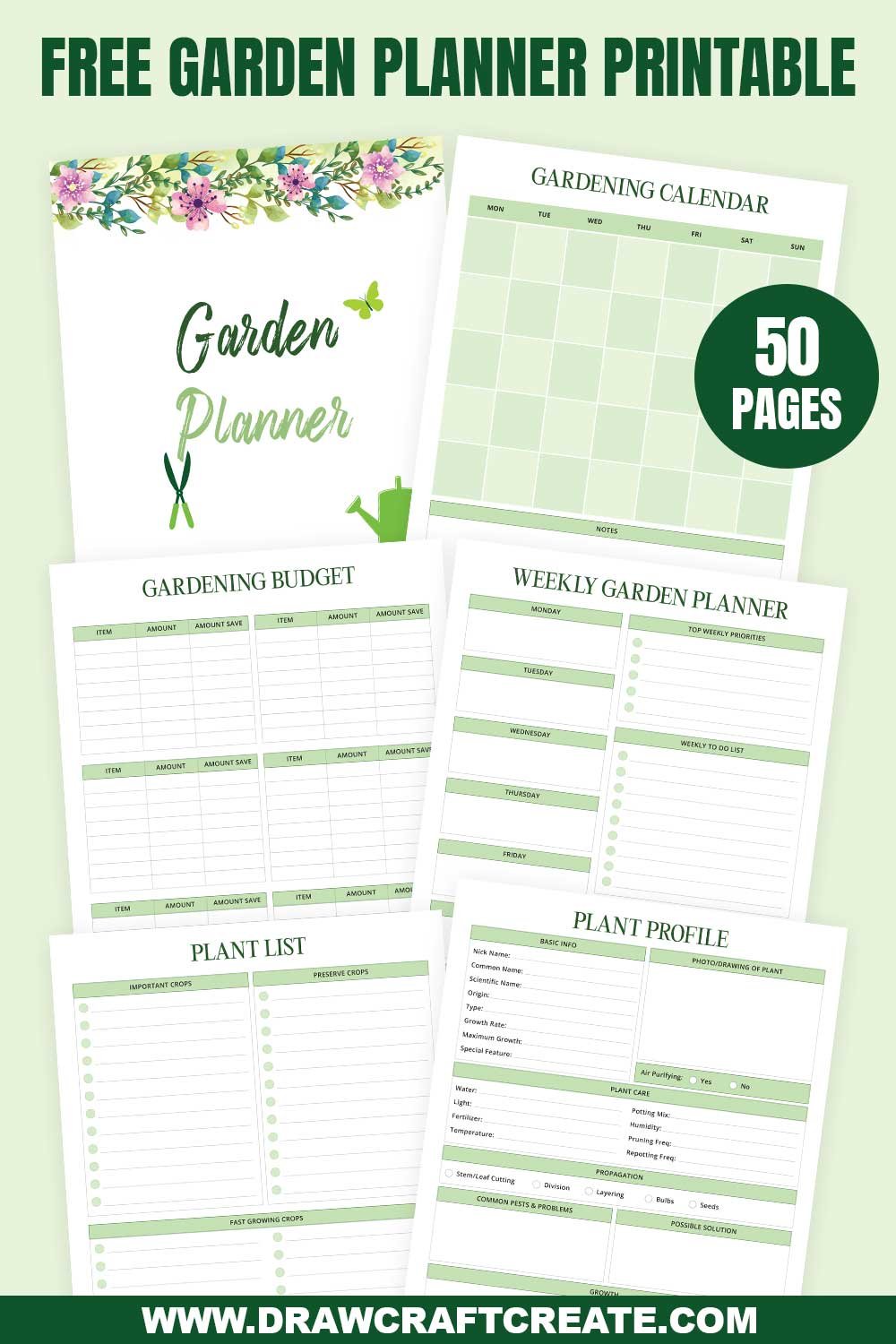
Are you ready to cultivate a thriving garden while keeping everything organized? Our Complimentary Garden Planner Template is just what you need! This extensive 50-page planner is available for free and is ideal for personal use. Designed in a convenient standard 8.5×11 inch paper size, it is perfect for printing and organizing in a binder.
This planner allows you to meticulously manage various aspects of your gardening experience, including planting schedules, watering plans, budgeting, seed tracking, garden layouts, and much more. Regardless of whether you are just starting out or are a seasoned gardening veteran, this planner is equipped with all the tools necessary to help you stay organized and fully appreciate your green sanctuary.
If you’re in a hurry, feel free to glance through our tips below or click here to directly access your free download form!
Why You Need a Garden Planner
A garden planner serves as an essential tool for anyone looking to enhance their gardening experience. By using a planner, you can ensure that you are on track with your planting schedules, watering routines, and overall garden maintenance. It brings a structured approach to what can often be a chaotic hobby.
Planning ahead allows you to anticipate seasonal changes and adjust your gardening activities accordingly. This not only saves you time but also fosters a more successful gardening journey. By documenting your progress, you can reflect on what strategies work best for you and make informed decisions for future planting seasons.
Moreover, the act of writing down your gardening goals can greatly motivate you. You’ll be able to celebrate your successes while also identifying areas for improvement. With your progress documented, you’ll have a tangible record of your gardening adventures year after year.
1. Garden Planner Cover
Your garden planner begins with a beautifully designed cover page that you can personalize. This sets the tone for your gardening journey, making it not just a planner, but a cherished companion throughout your gardening endeavors. A visually appealing cover can also inspire you every time you open your planner.
You can customize this cover to reflect your unique gardening style, whether it’s floral, rustic, or modern. Add your name or a personal motto to make it truly yours. This simple yet effective addition can transform your planner into a source of motivation and creativity.
Having a dedicated cover page also makes it easier to identify your planner, especially if you have multiple books or binders. It’s a small detail that can have a significant impact on your overall organization.
2. Gardening Calendar
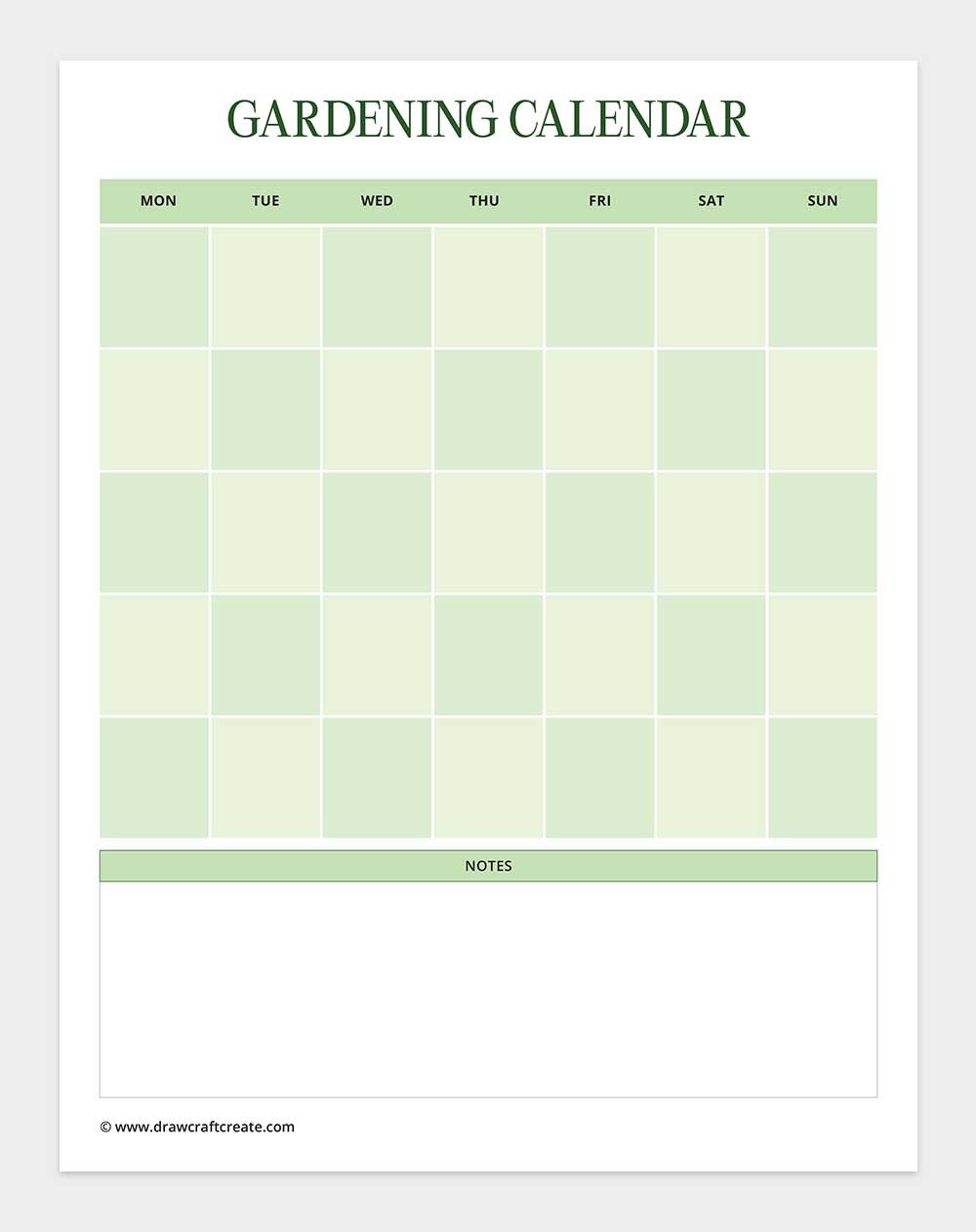
The gardening calendar is an essential feature of the planner, allowing you to track all your seasonal tasks, planting dates, and harvest periods throughout the year. This comprehensive calendar provides a yearly overview, helping you stay organized and ensuring that you never miss an important gardening deadline.
With the gardening calendar, you can mark significant dates, such as when to plant specific seeds, when to expect blooms, and when to prepare for harvest. This feature is particularly useful for planning crop rotations and understanding which plants thrive in which seasons.
By utilizing this calendar, you can also align your gardening activities with local climate patterns, ensuring you plant at the optimal time for growth. This foresight helps maximize your garden’s productivity and minimizes the likelihood of crop failure.
3. Gardening Budget
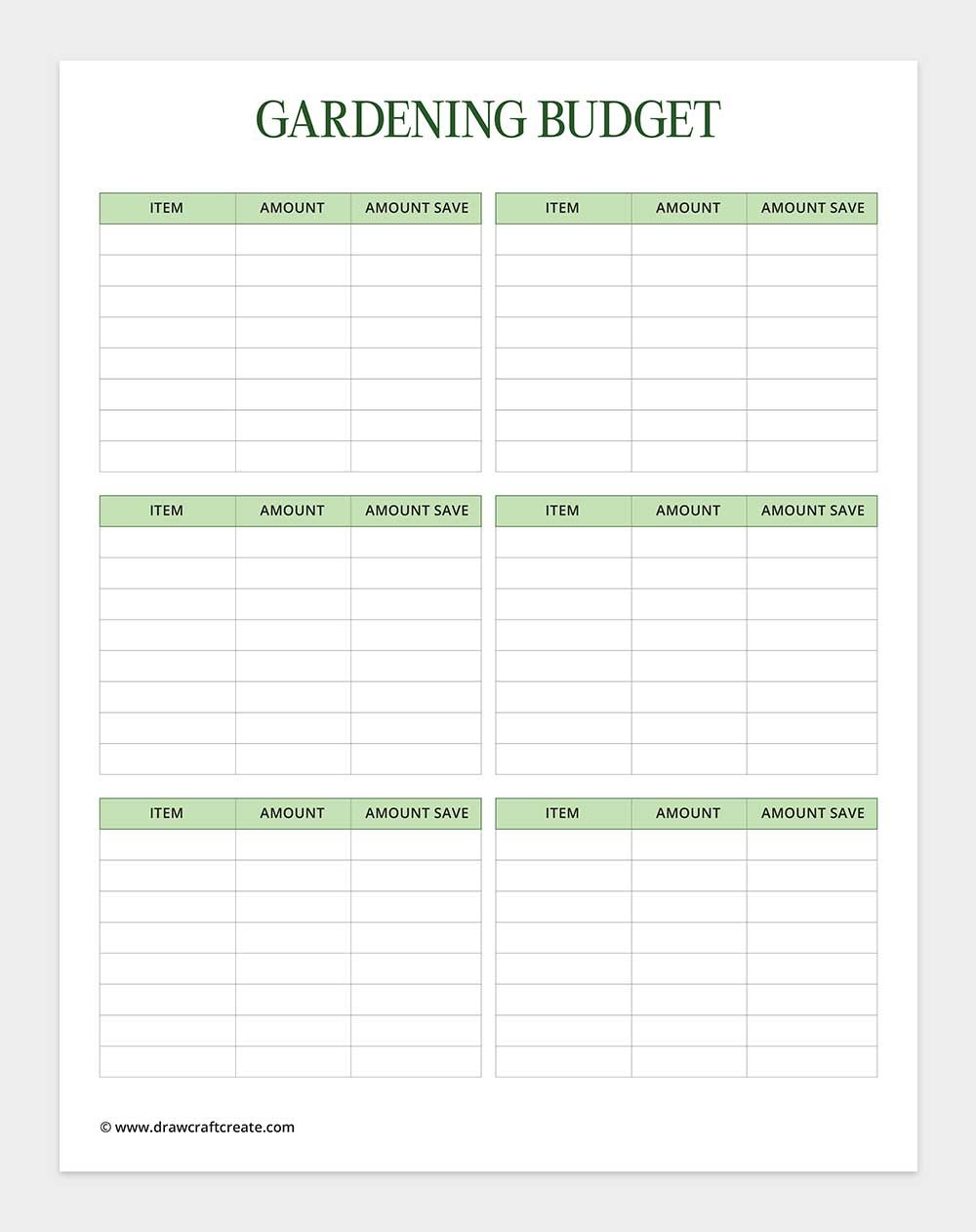
Managing a garden can sometimes lead to unexpected expenses, which is why a gardening budget is a vital part of the planner. This section allows you to plan and record all your gardening-related costs, from seeds and soil to tools and equipment. By keeping a close eye on your spending, you can avoid overspending and ensure that your gardening remains a fulfilling and affordable pursuit.
Within this budget tracker, you can categorize expenses into different areas, making it easy to see where your money is going. This can help you identify potential savings and make more informed choices about which plants to invest in each season.
By tracking your gardening expenses, you’ll also gain a better understanding of the financial commitment your garden requires, allowing you to plan accordingly for future seasons.
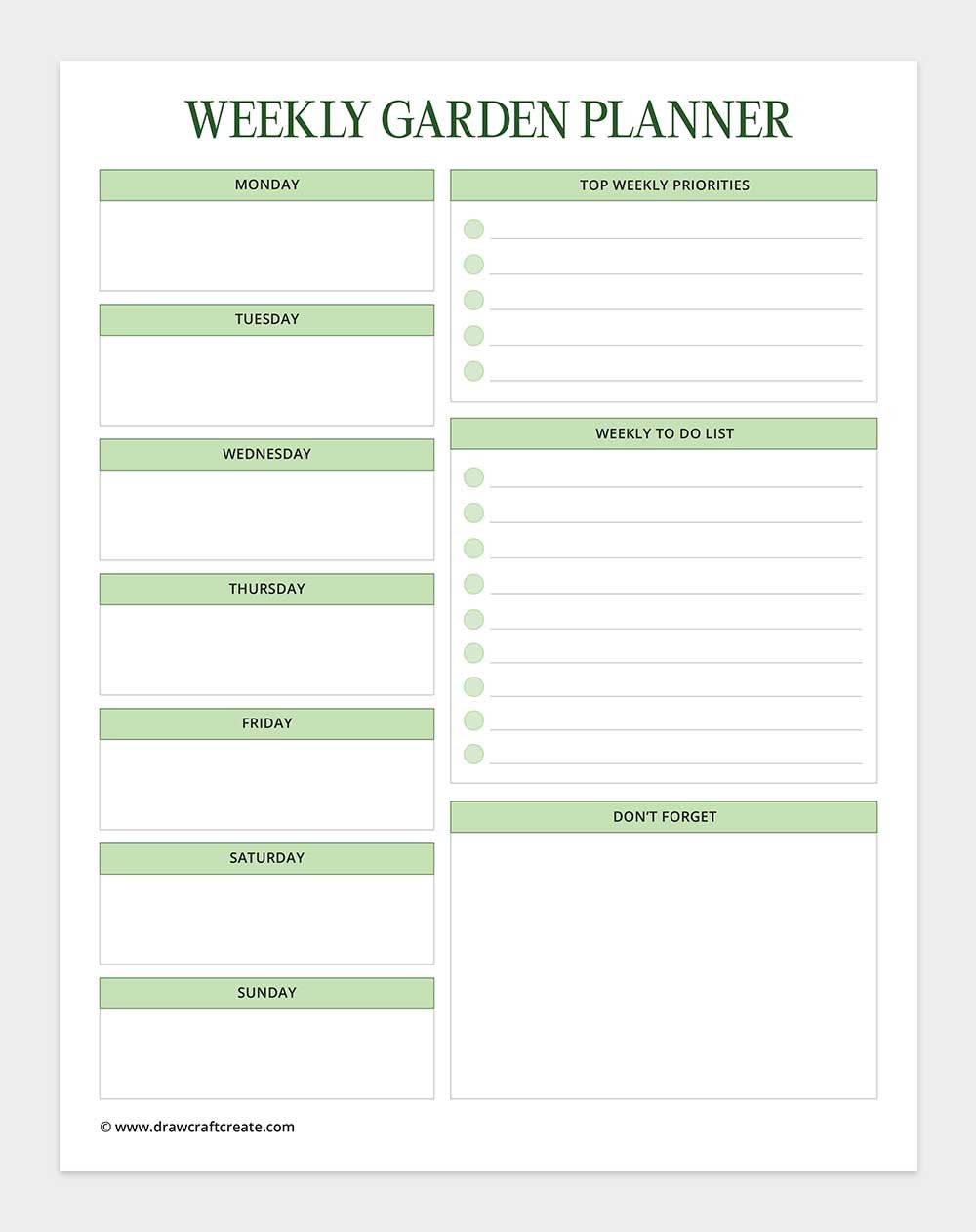
4. Weekly Garden Planner
The weekly garden planner is another invaluable tool included in your gardening template. This section helps you organize your weekly tasks, such as planting, weeding, pruning, and watering. By breaking down your gardening responsibilities into manageable tasks, you’ll be able to tackle them systematically without feeling overwhelmed.
Using the weekly planner, you can jot down specific tasks for each day, ensuring that nothing falls through the cracks. This structured approach helps you maintain consistency in your gardening efforts, which is crucial for the success of your plants.
Moreover, having a designated weekly planner allows you to adapt your gardening activities to fit your schedule. Whether you have time for a few small tasks or a larger project, this planner can help you make the most of your time spent in the garden.
6. Plant Profile
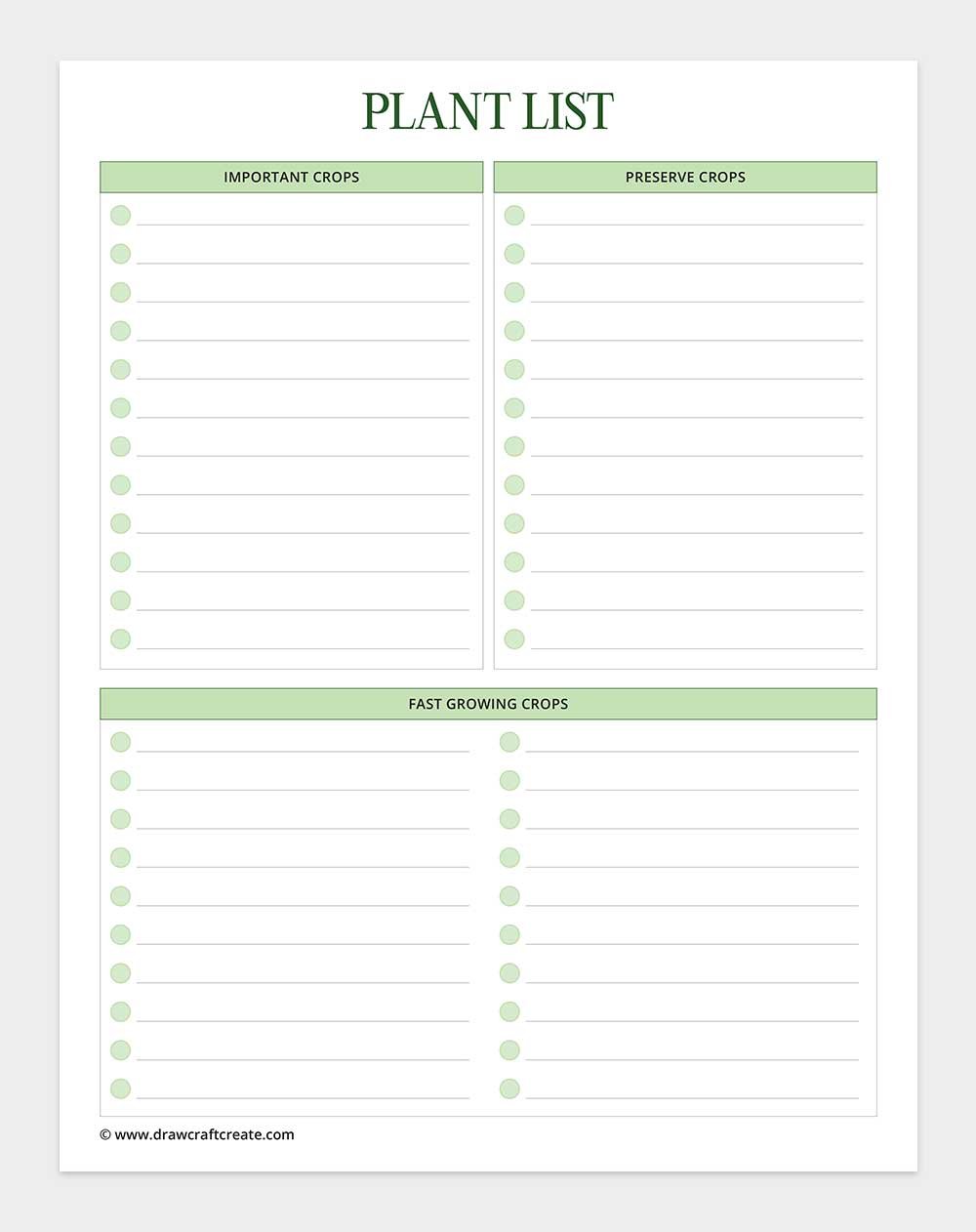
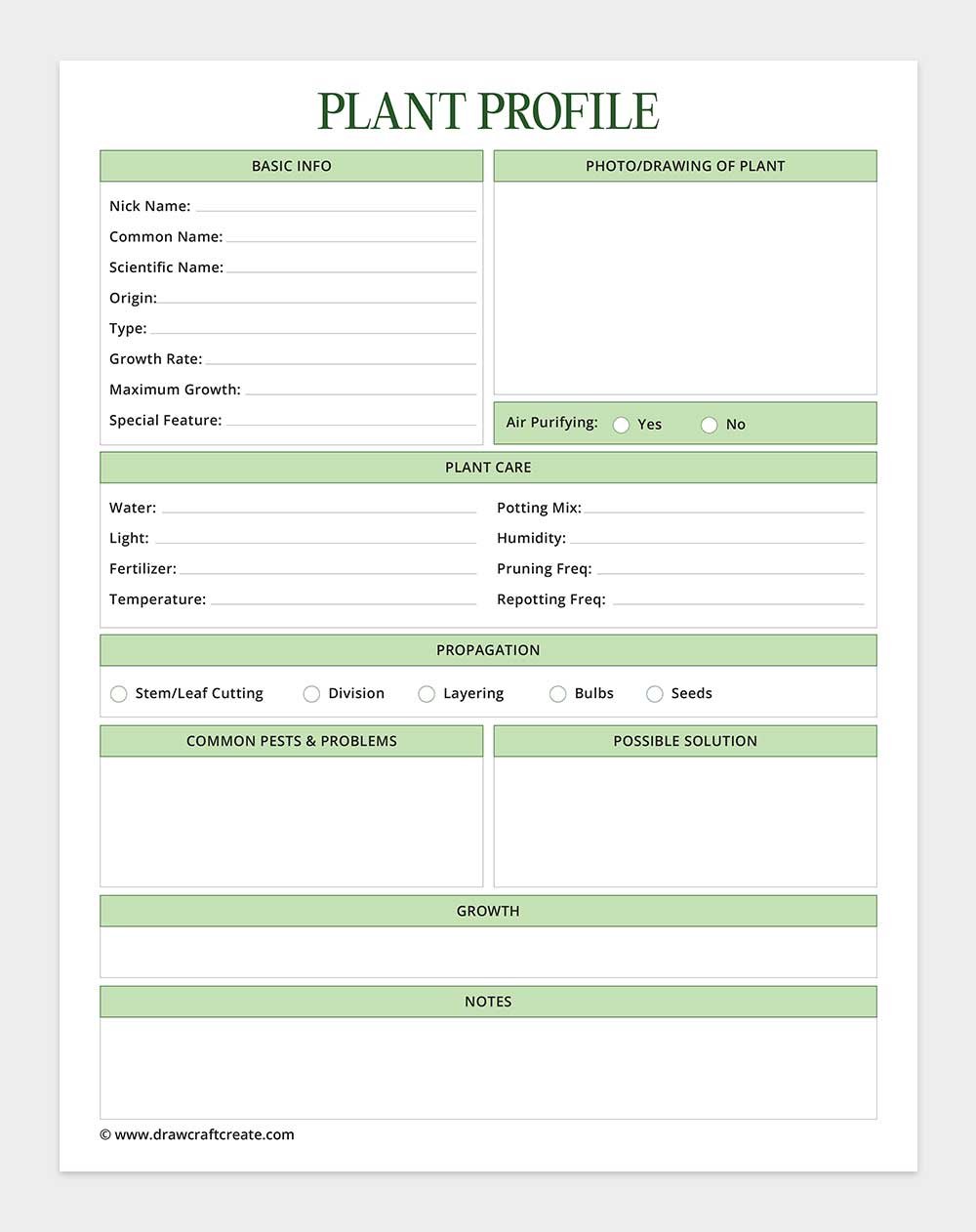
The plant profile section serves as a dedicated space to document every plant in your garden. From vegetables and herbs to flowers and shrubs, this section allows you to keep detailed records of each plant’s specific needs, characteristics, and growth patterns. By having this information consolidated in one place, you can make better care decisions and enhance your gardening knowledge.
You can include details such as care requirements, sunlight preferences, watering schedules, and any other notes that are important for the plant’s health. This information is invaluable when you are trying to troubleshoot issues or optimize growing conditions.
By regularly updating your plant profiles, you’ll create a living document that reflects the evolving nature of your garden, giving you insights into what works and what doesn’t.
7. Garden Maintenance Checklist
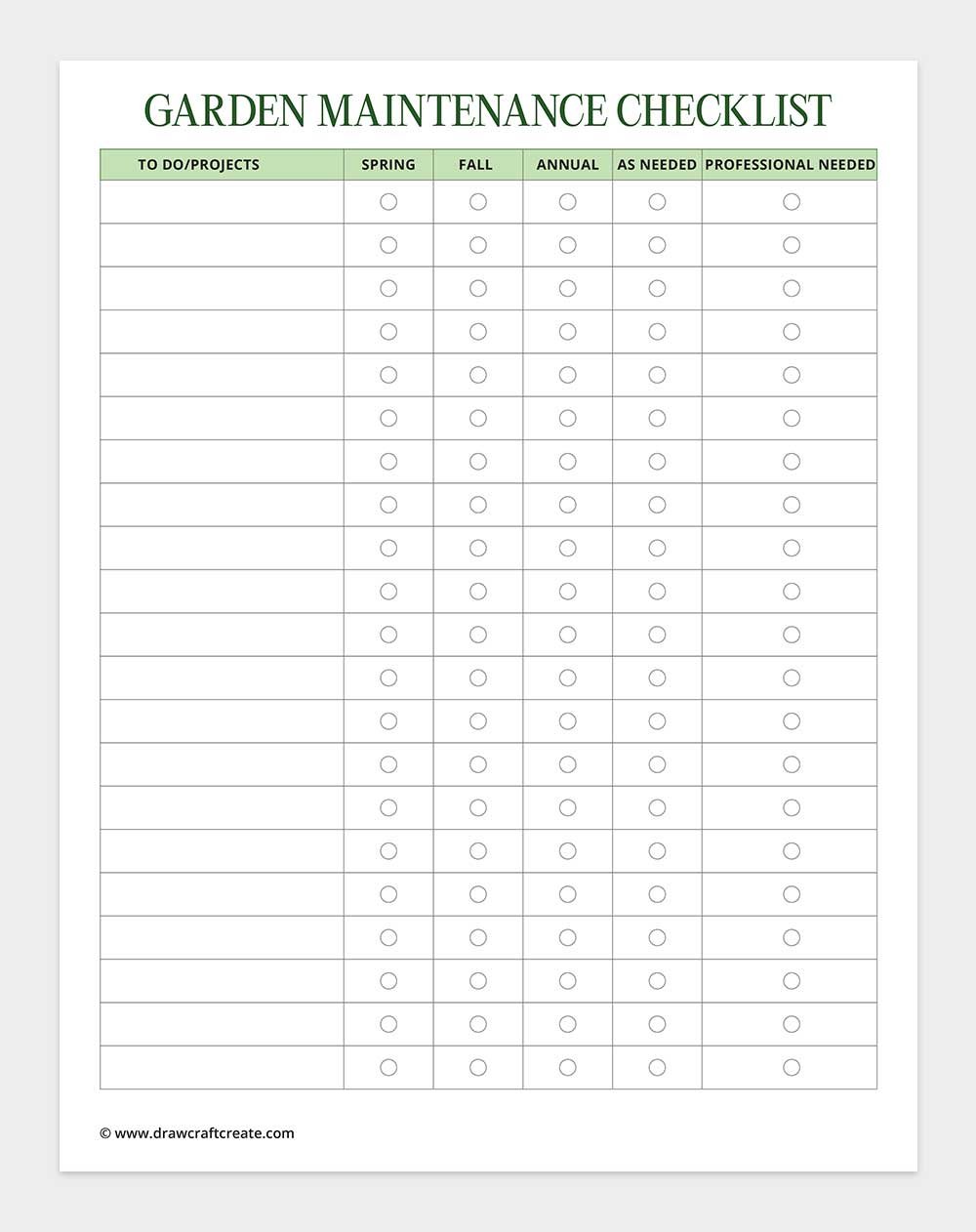
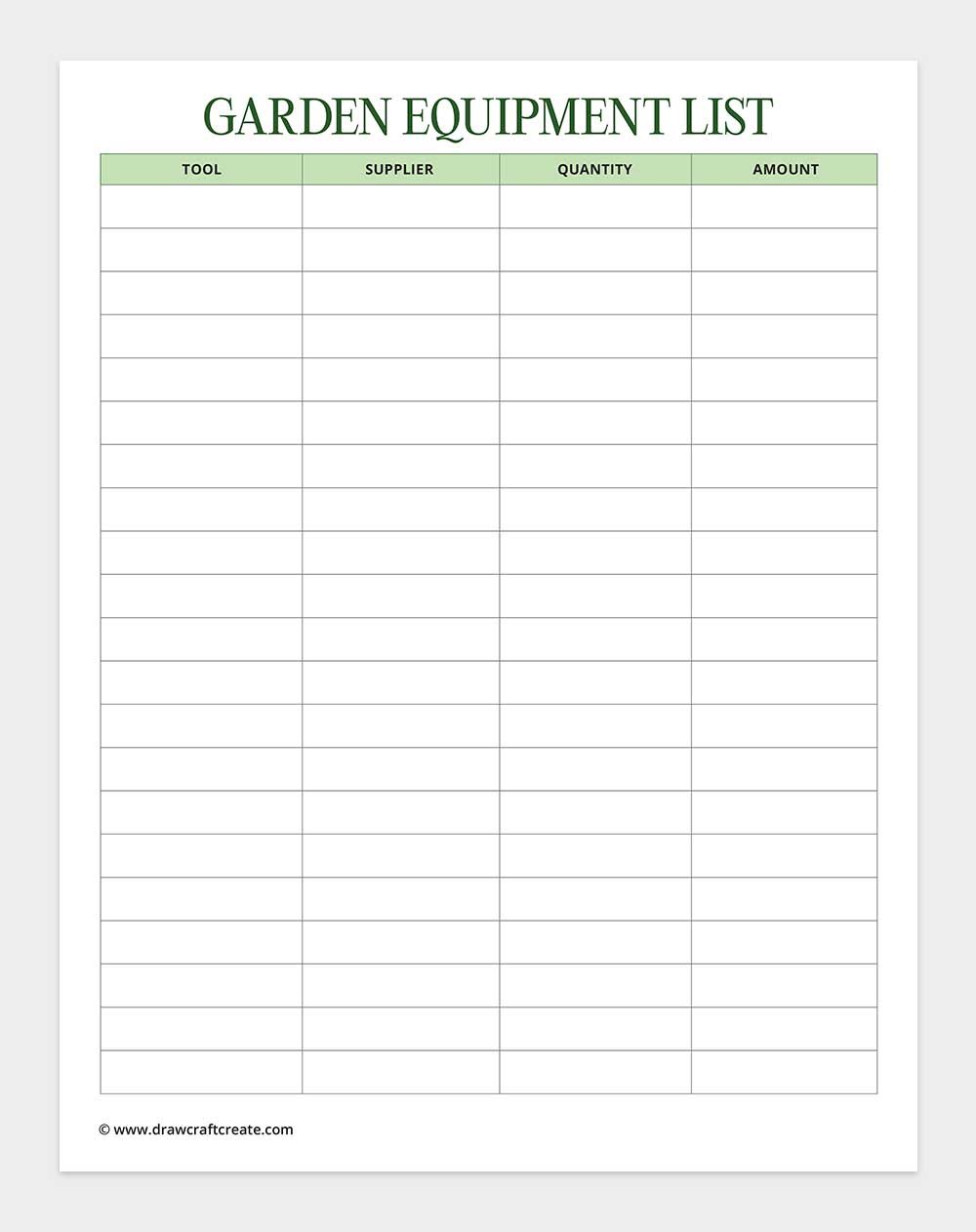
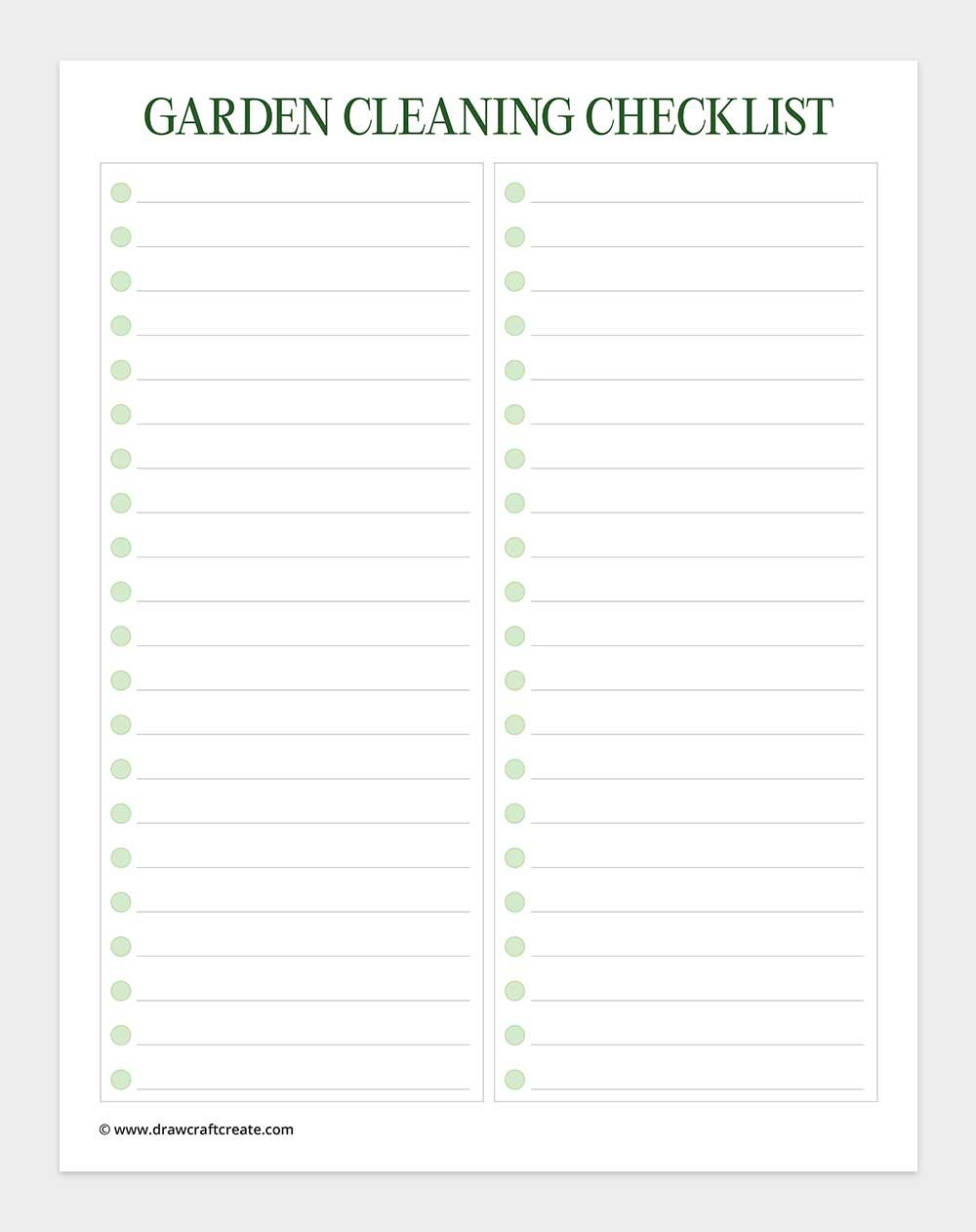
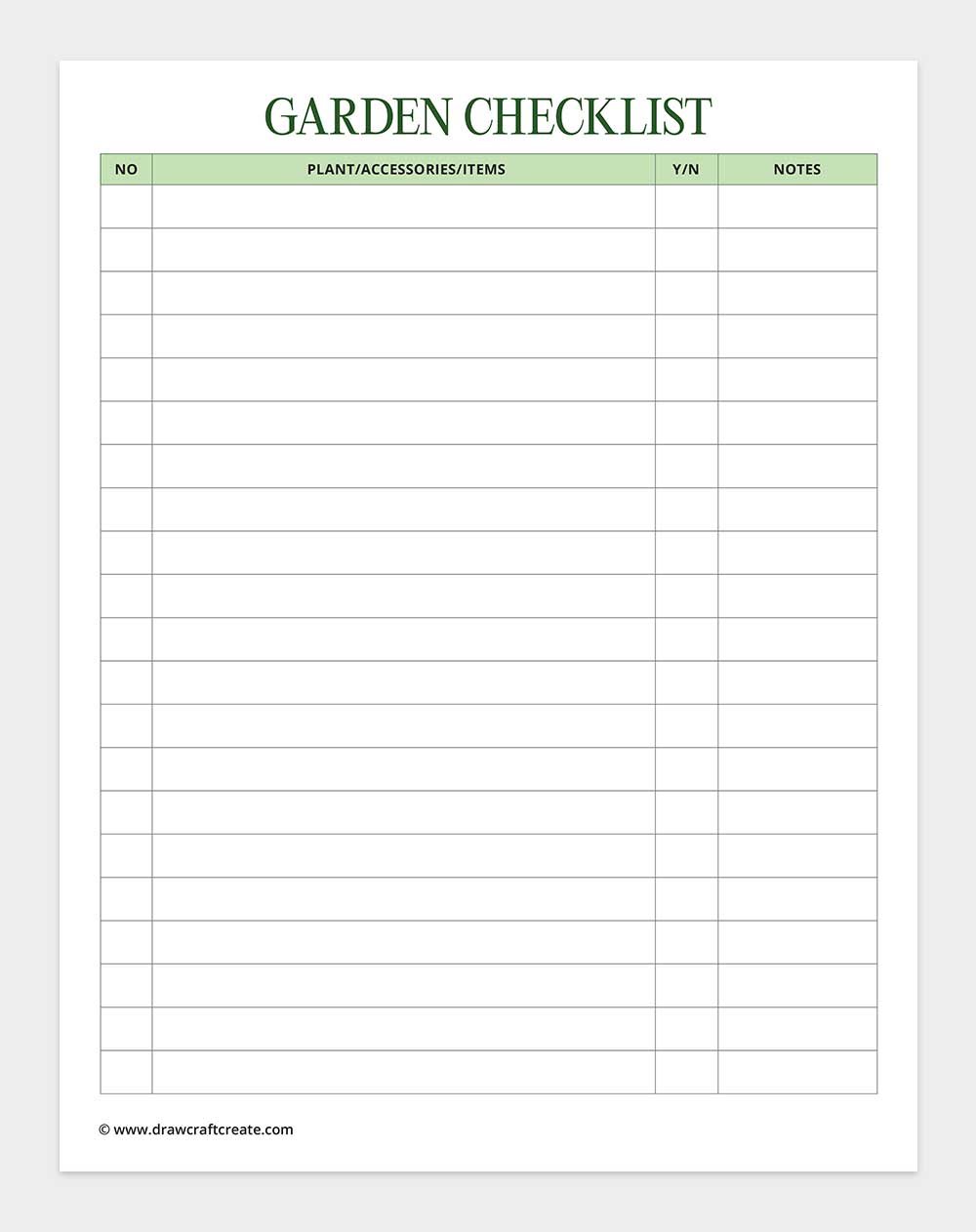
The garden maintenance checklist is an essential tool for ensuring that your garden remains healthy and thriving. With this checklist, you can track all the necessary maintenance tasks that need to be performed regularly, such as pruning, fertilizing, and pest control. By having these tasks outlined, you can systematically approach garden upkeep without forgetting any critical steps.
Maintaining a checklist not only keeps your garden organized but also helps you establish a routine. Regular maintenance is crucial for preventing issues that could hinder plant growth, such as pests or diseases.
Additionally, this checklist can serve as a reference for future gardening seasons, allowing you to learn from your experiences and improve your maintenance practices over time.
8. Plant Details
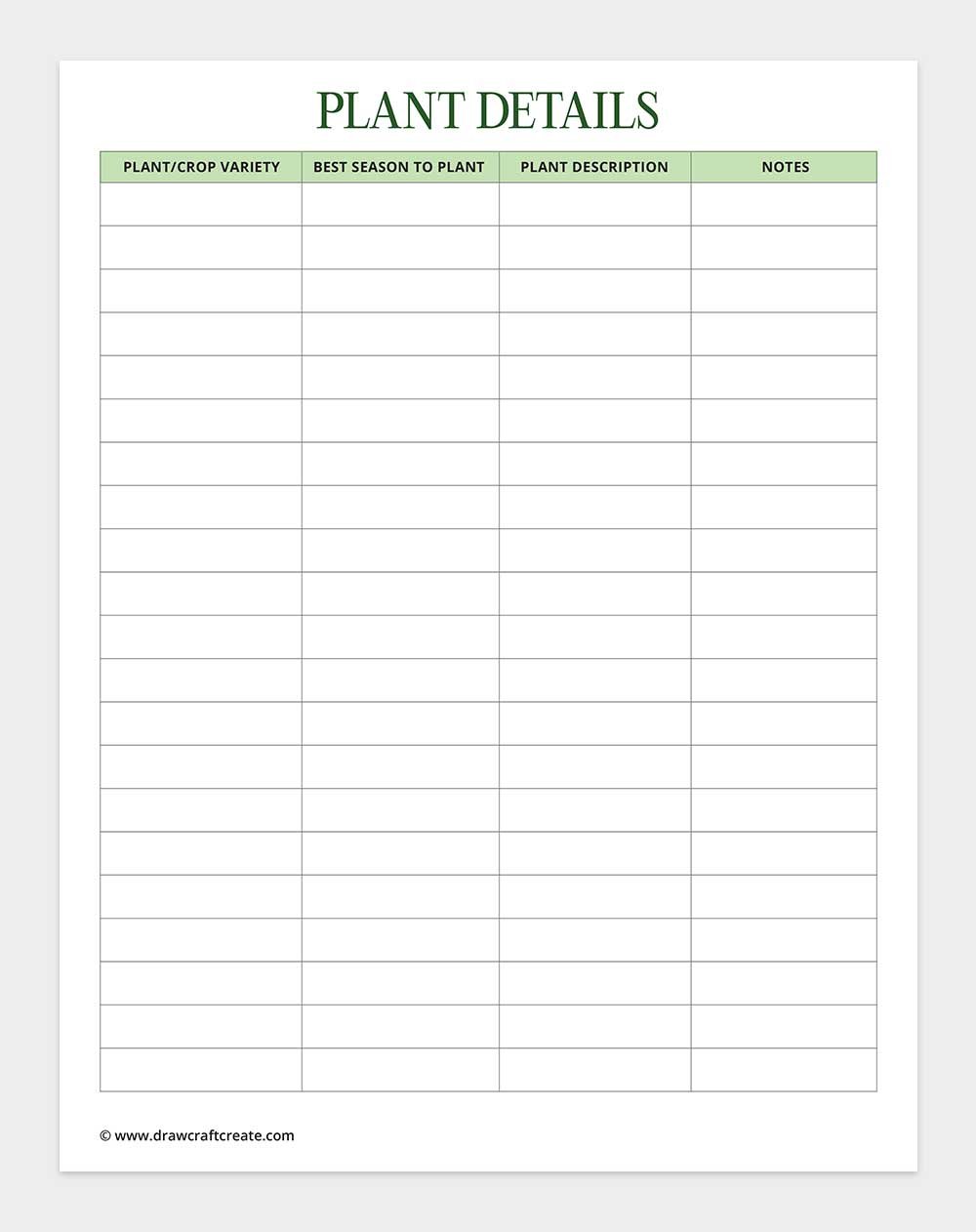
In the plant details section, you can log all important information about each individual plant in your garden. This includes specifics such as planting dates, growth status, and any challenges encountered during their care. By documenting this information, you can identify patterns and make informed decisions in your gardening practices.
This section can be particularly beneficial for tracking the performance of different varieties of the same plant type, helping you discover which ones thrive best in your specific conditions. By analyzing this data, you can fine-tune your planting strategies for future seasons.
Moreover, keeping detailed records of your plant care can help you troubleshoot issues more effectively. If a plant is struggling, you can look back at your notes to determine what changes might be necessary to improve its health.
9. Sunlight Tracker
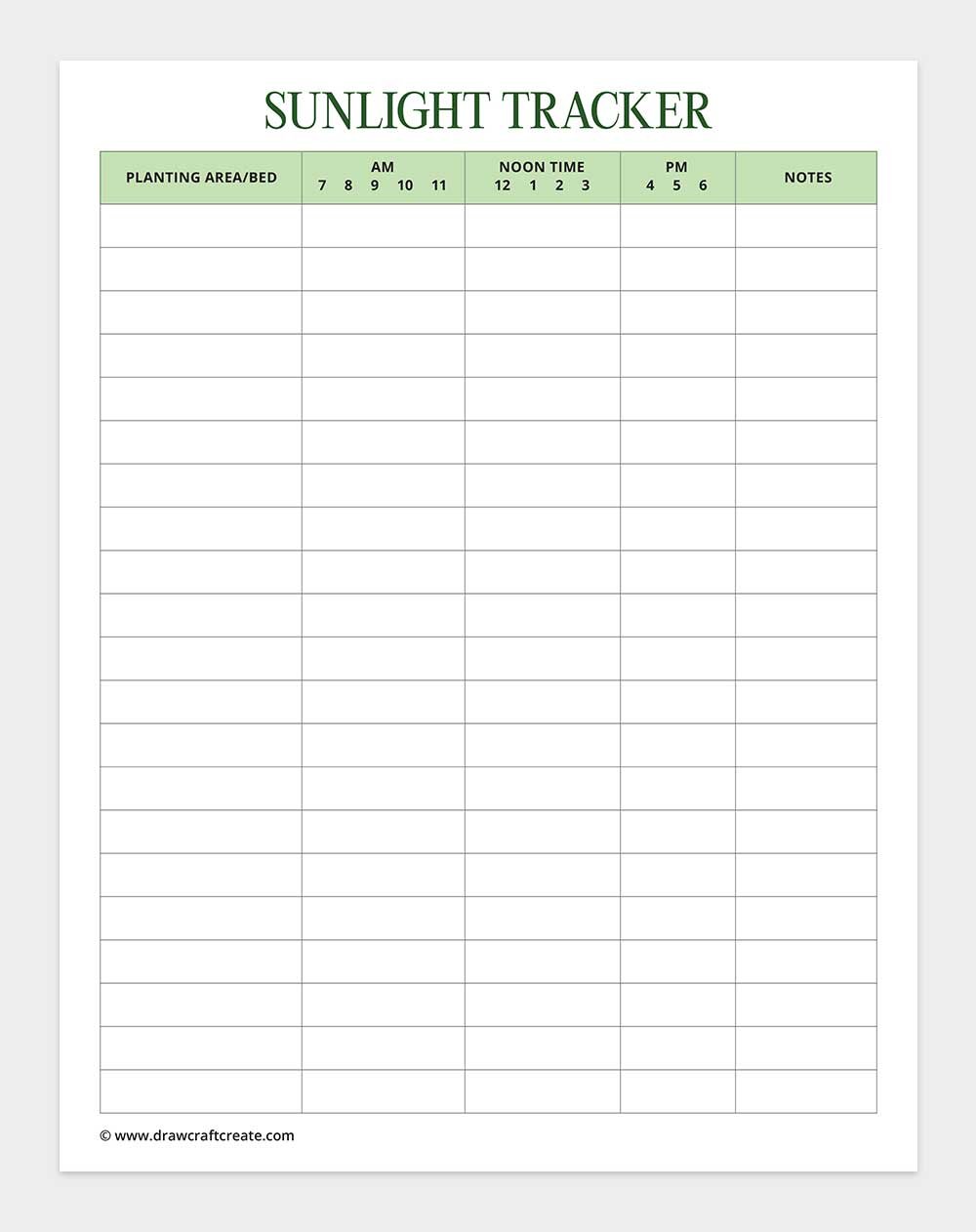
The sunlight tracker is a unique feature that allows you to monitor how much light different areas of your garden receive. Understanding the sunlight exposure for each section of your garden is crucial when planning where to plant different varieties, as some plants require full sun while others thrive in partial shade.
By recording sunlight levels, you can make informed decisions about plant placement, maximizing the growth potential for each species. This tracker can also help you identify areas that may need to be adjusted in terms of plant selection or positioning.
10. Monthly Planting
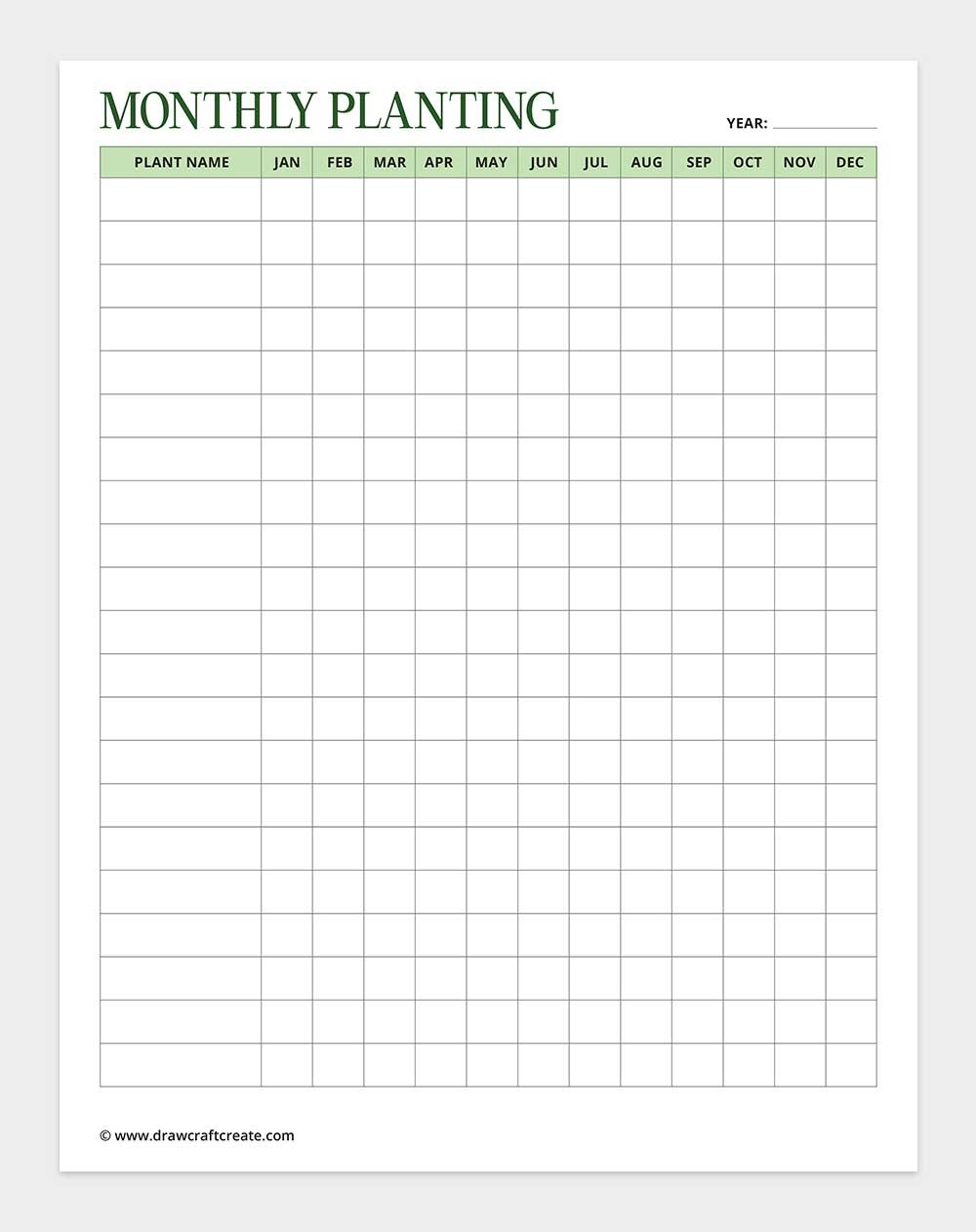
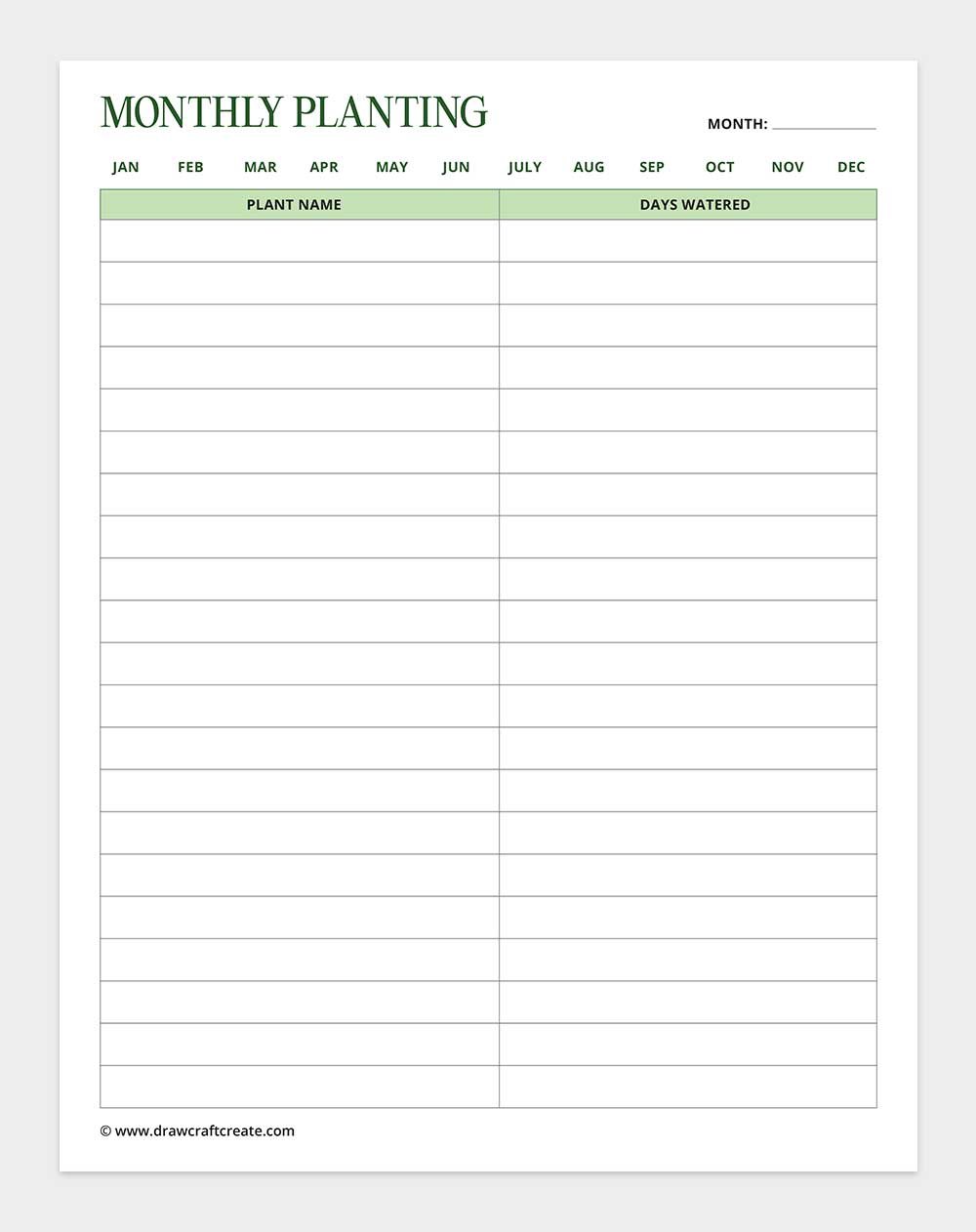
This section of the planner is designed to help you plan what to plant each month based on your local climate and gardening goals. By organizing your planting schedule in this way, you can ensure that you are always planting at the optimal time for growth.
11. Weekly Watering Schedule
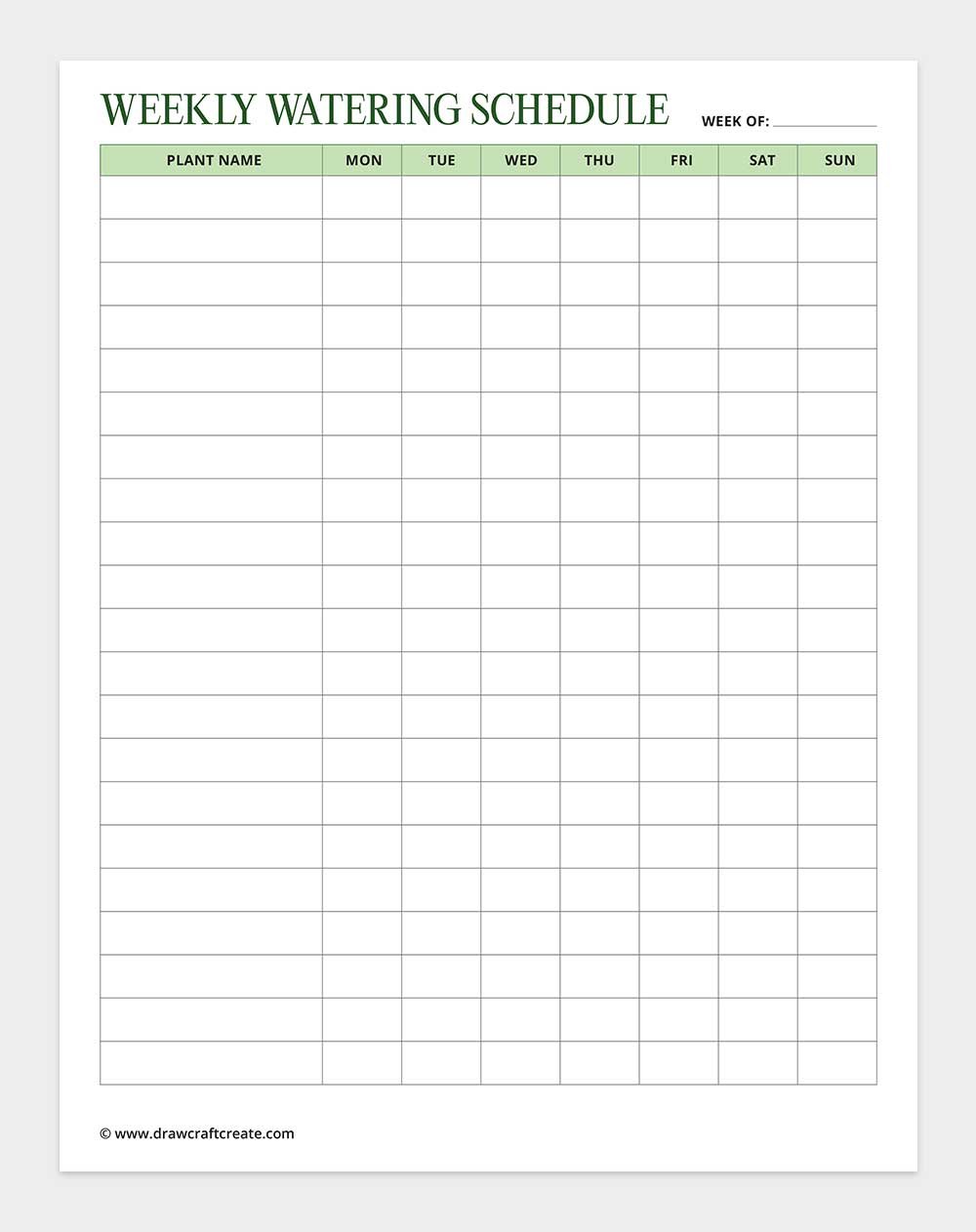
Watering is one of the most critical aspects of gardening, and the weekly watering schedule helps you stay on top of this essential task. This section allows you to track daily or weekly watering needs for each plant or garden bed, ensuring that your plants receive the right amount of moisture at the right times.
12. Monthly Planting
In addition to the specific monthly planting section, you can also revisit your overall planting strategy each month. This provides another opportunity to assess your garden layout and make necessary adjustments based on what you’ve learned so far. It enables you to stay flexible in your gardening approach while still adhering to a structured plan.
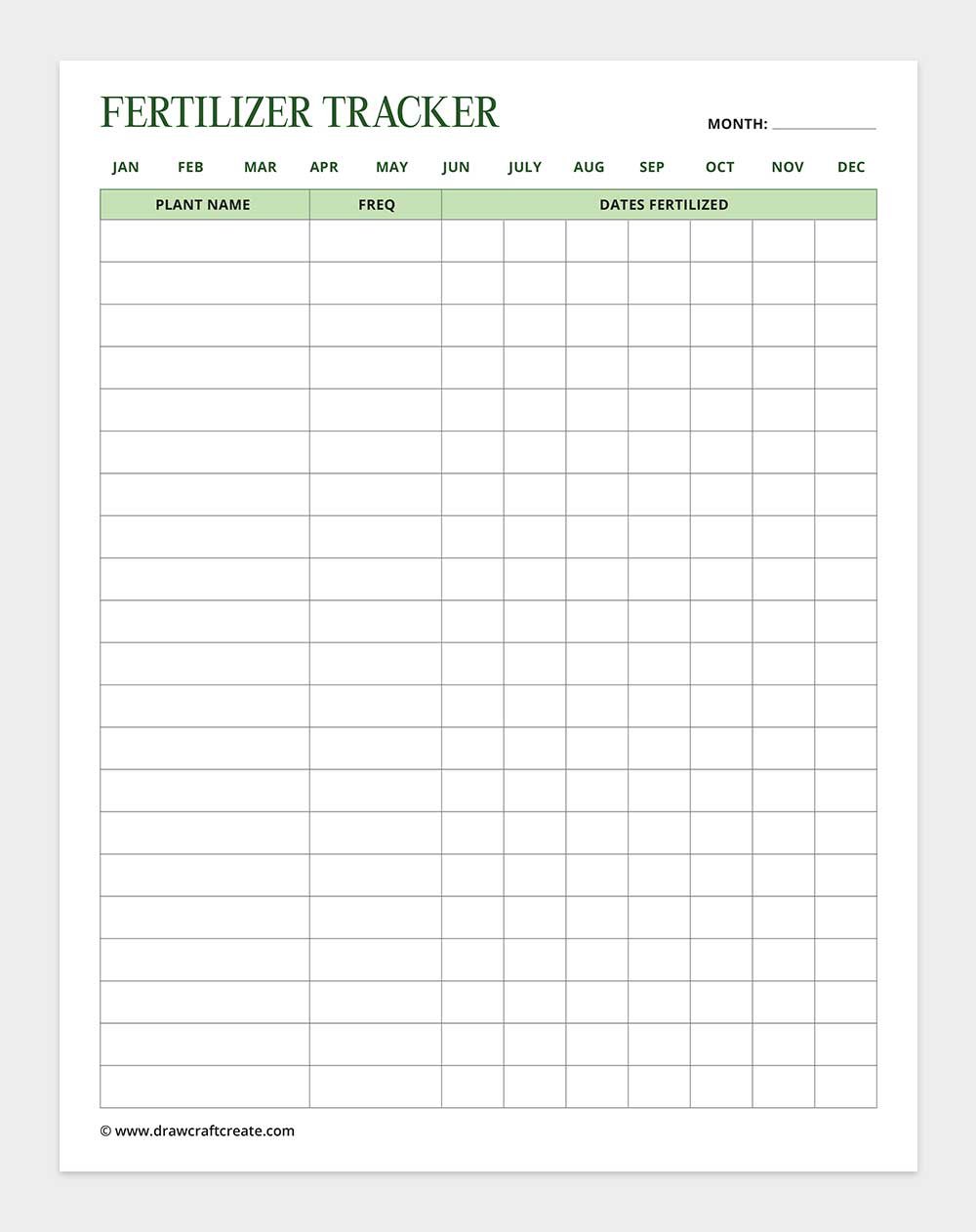
13. Fertilizer Tracker
14. Cutting Log
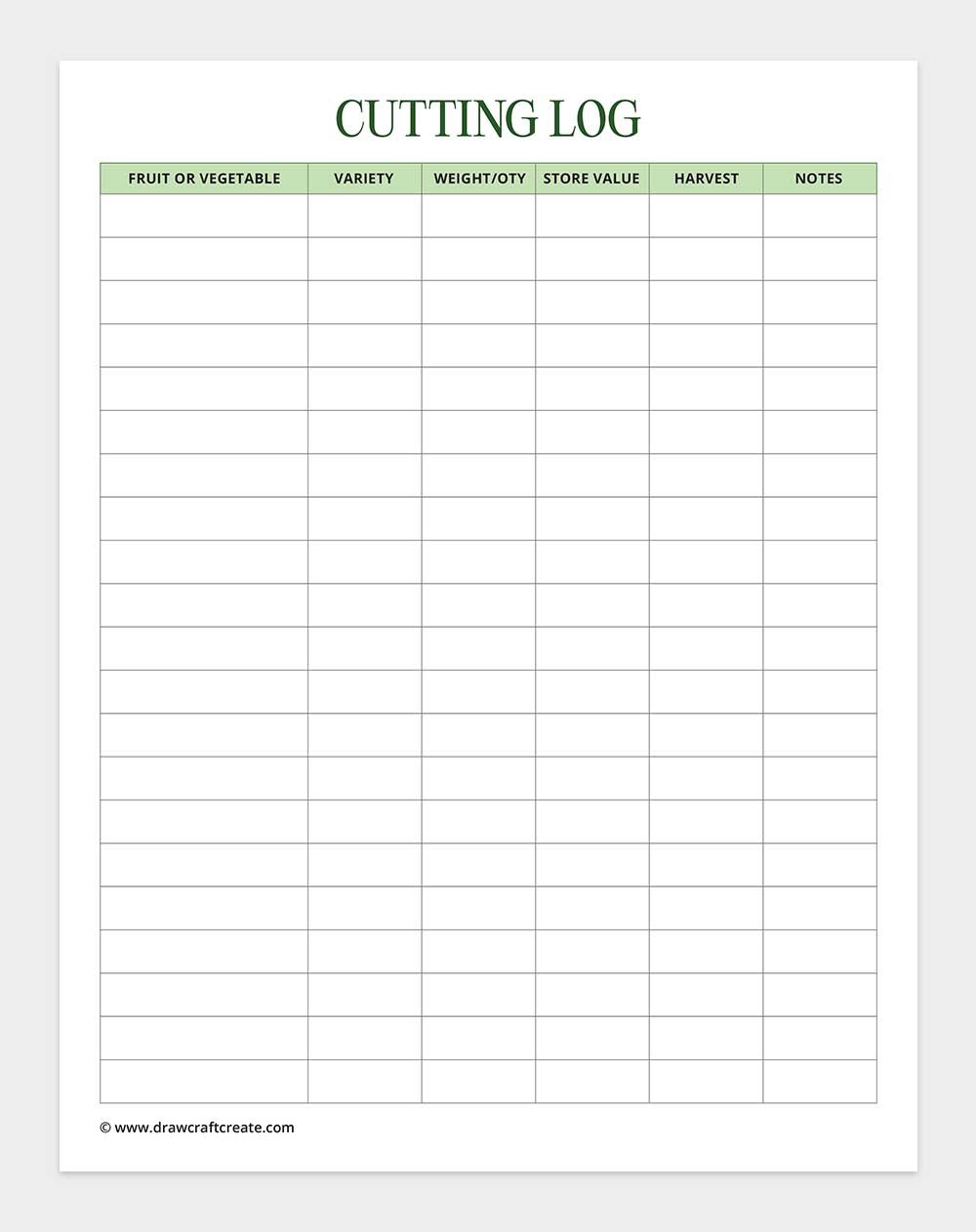
The cutting log is a dedicated space for recording information about plant cuttings, propagation methods, and results over time. This section is particularly useful for gardeners interested in expanding their collections through propagation. By keeping a detailed log, you can track which methods yield the best results for different plant varieties.
15. Expense Log
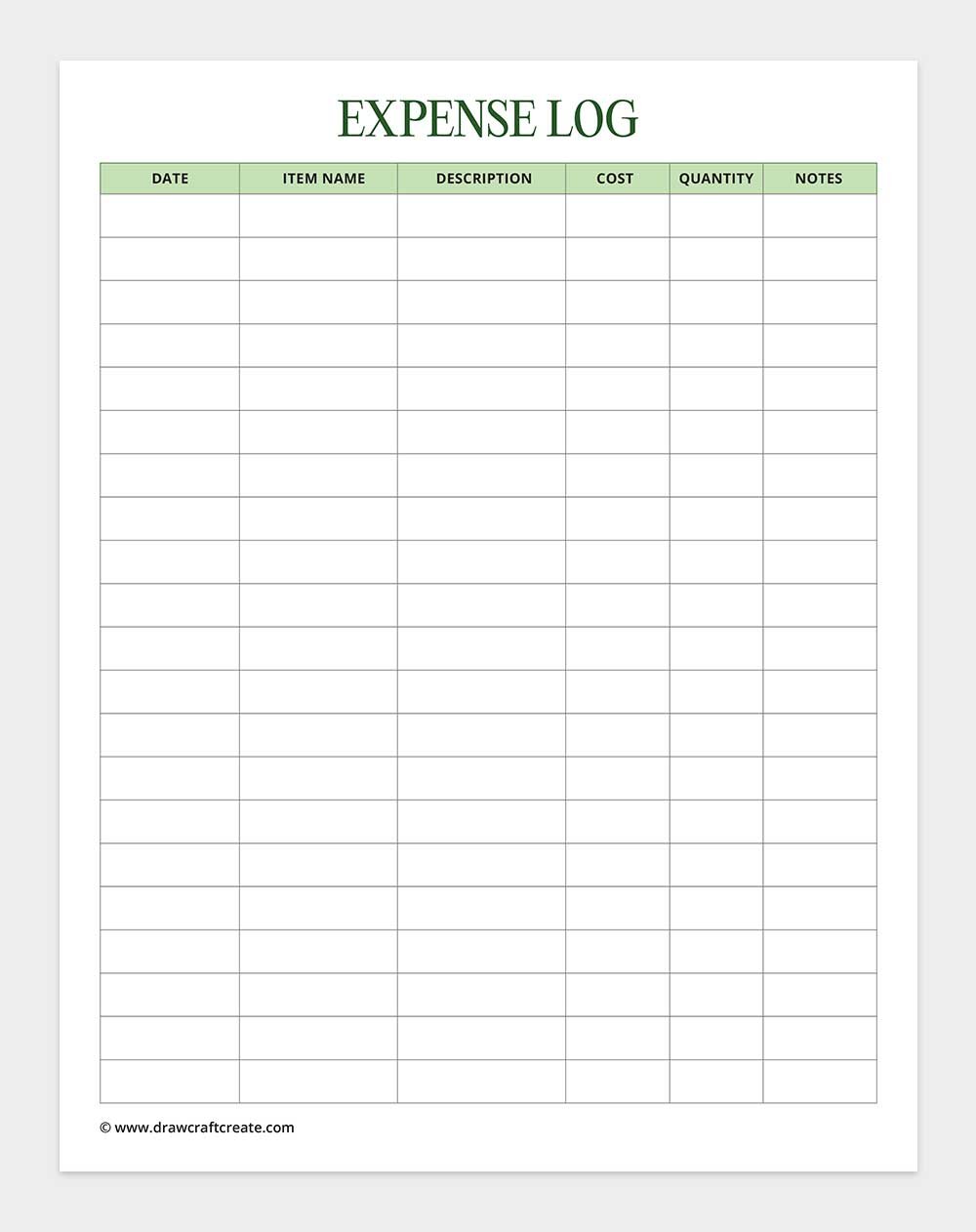
Like the gardening budget, the expense log serves to track all costs associated with your gardening activities. This comprehensive log enables you to keep a detailed account of every expense, from soil and seeds to tools and fertilizers. By documenting these costs, you can gain a better understanding of your gardening investments and make informed decisions about future purchases.
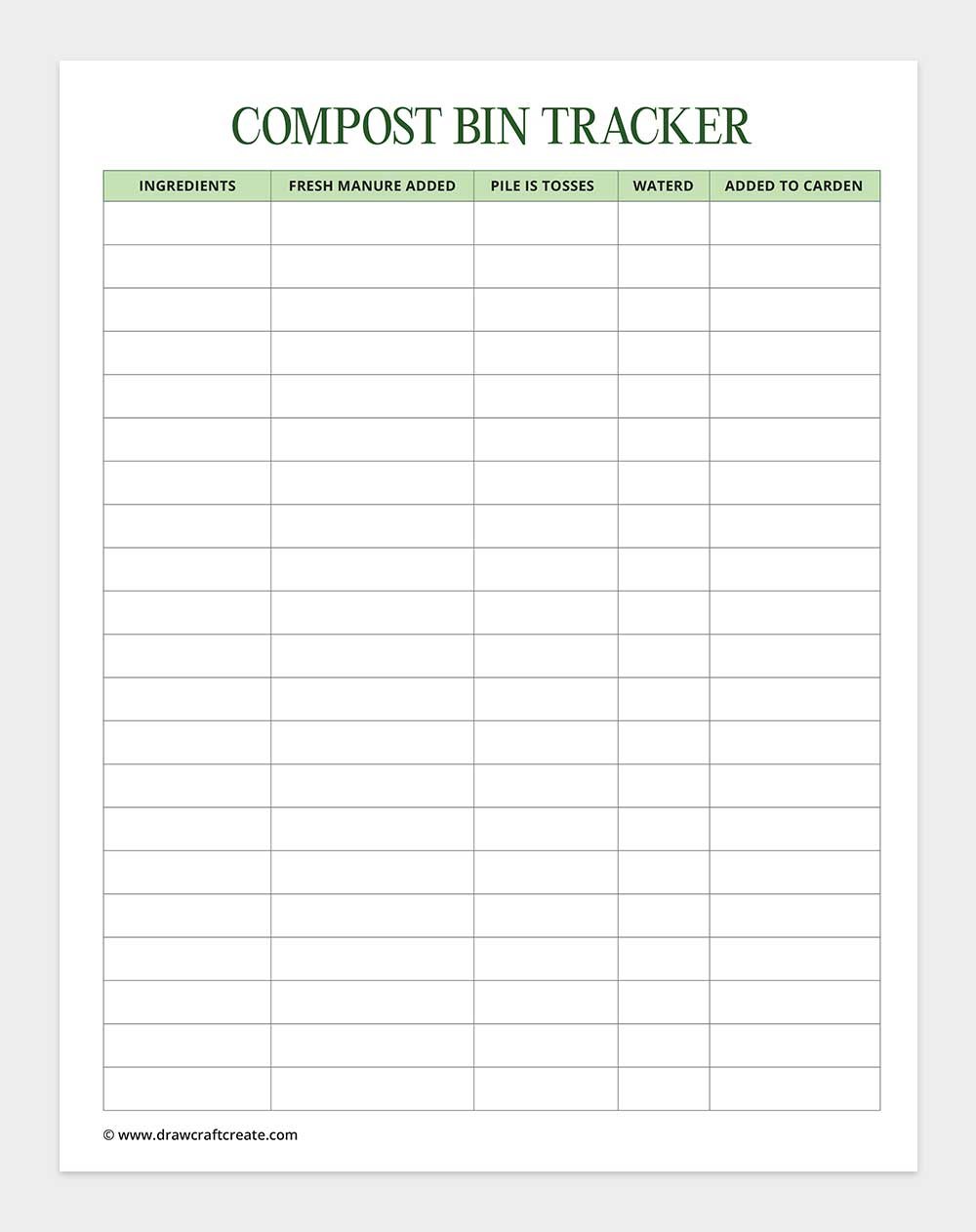
16. Compost Bin Tracker
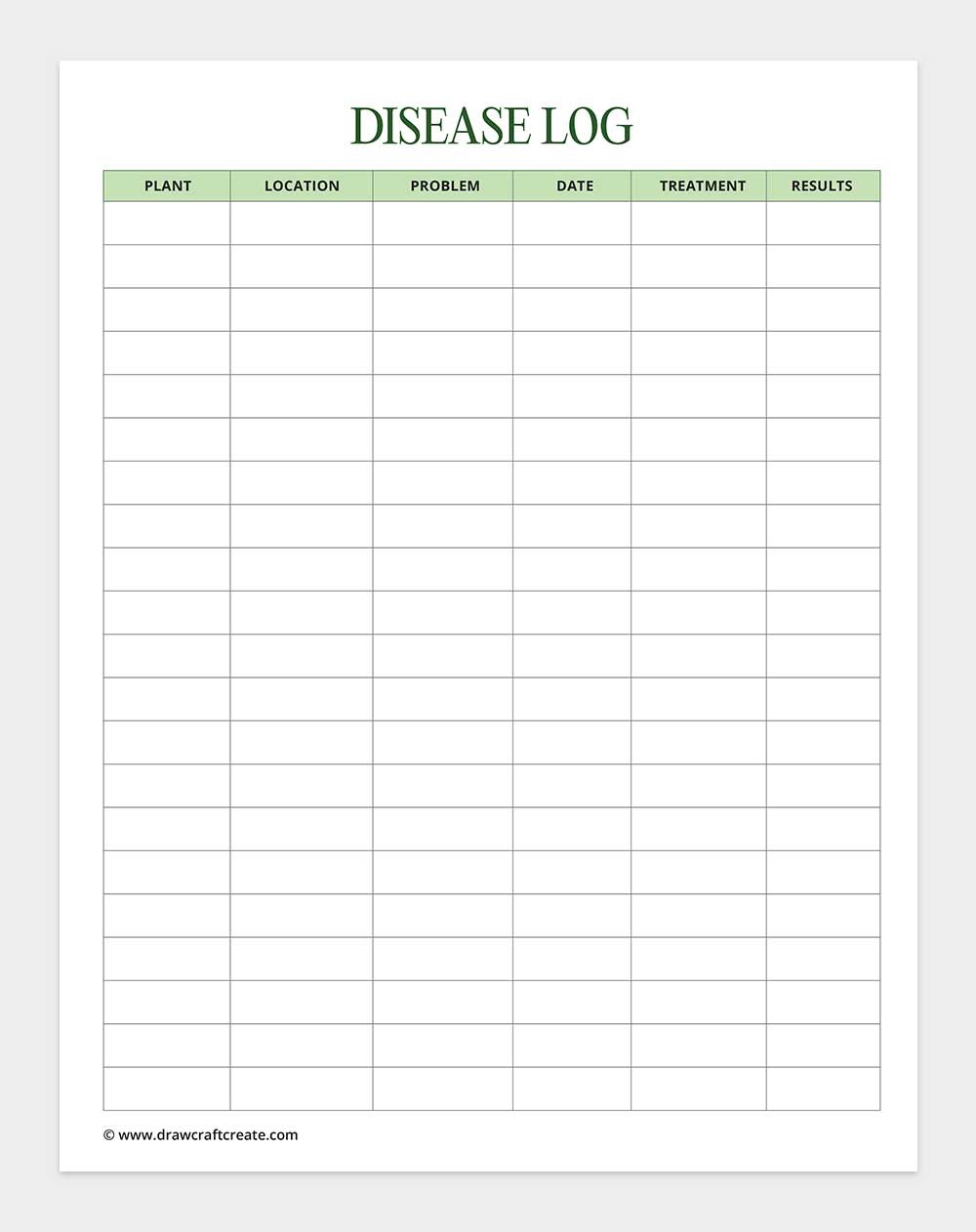
17. Disease Log
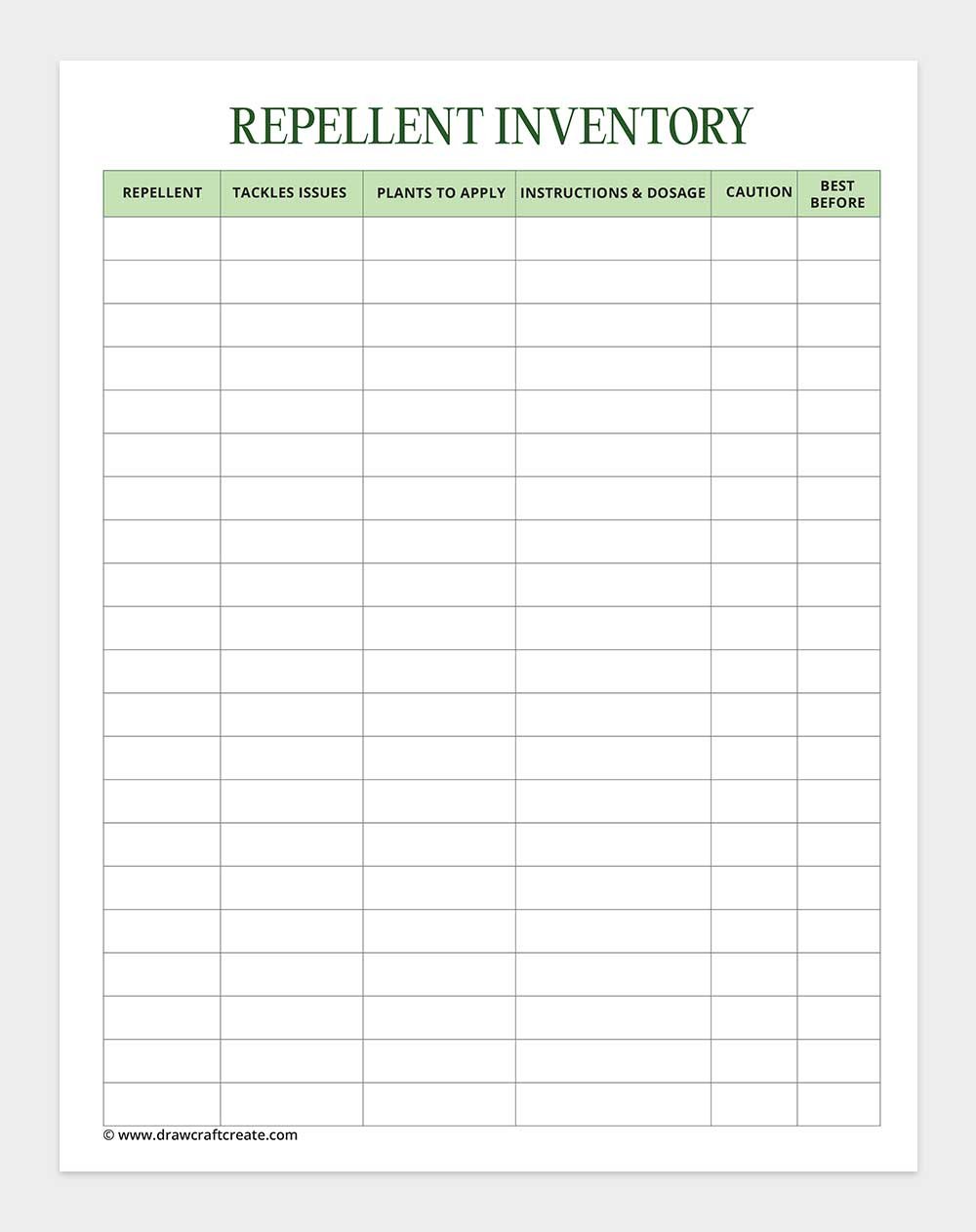
18. Repellent Inventory
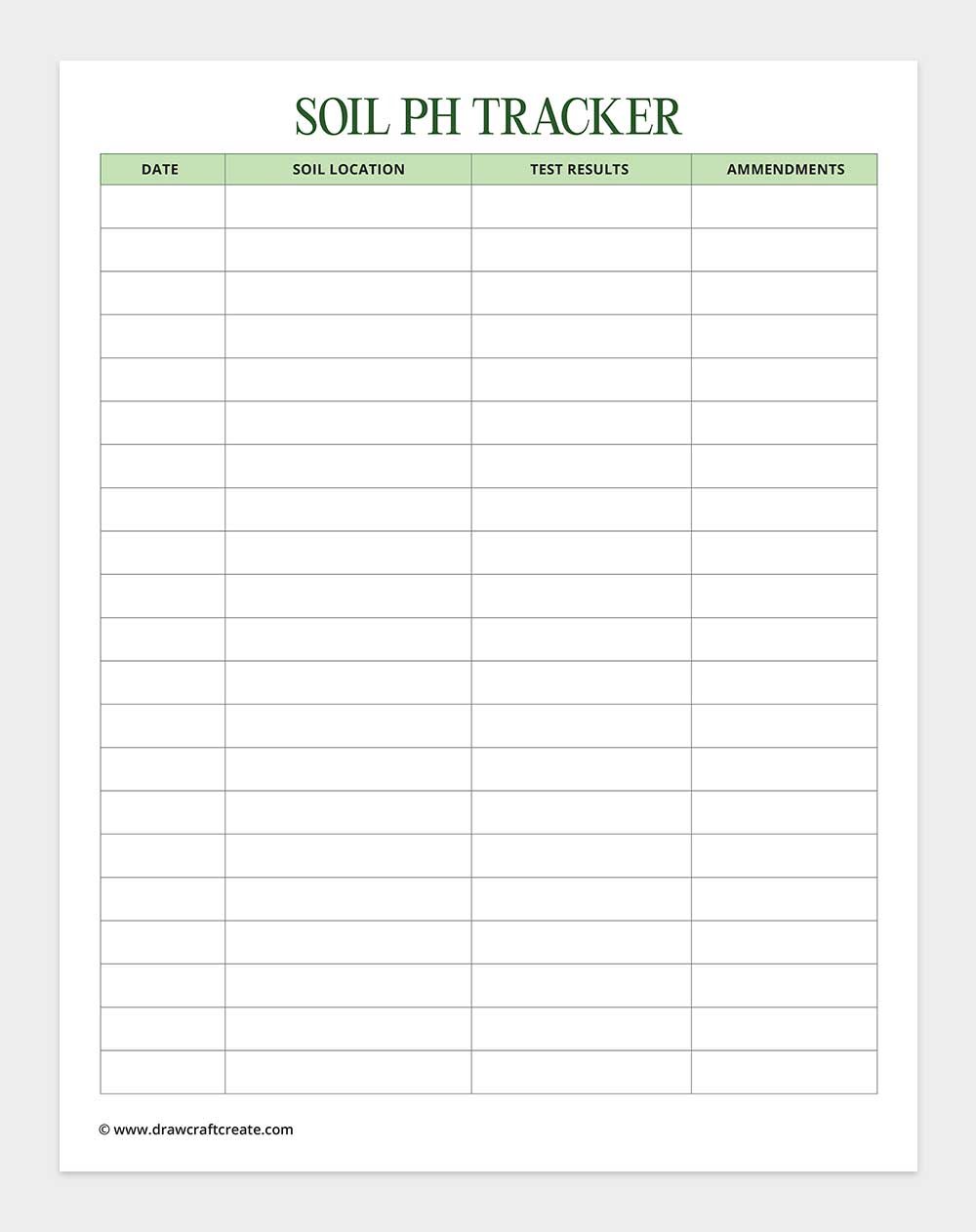
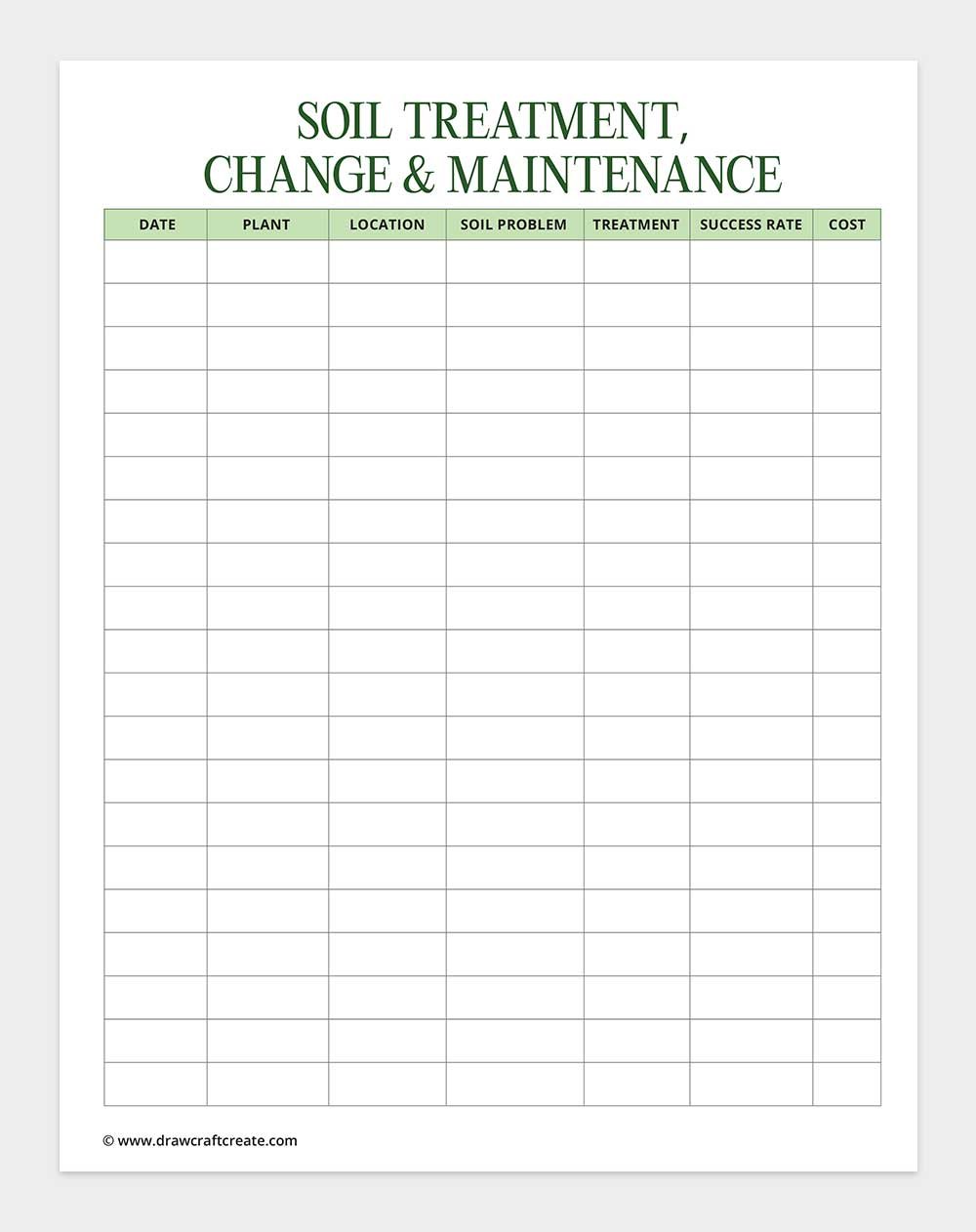
19. Soil Treatment, Change and Maintenance
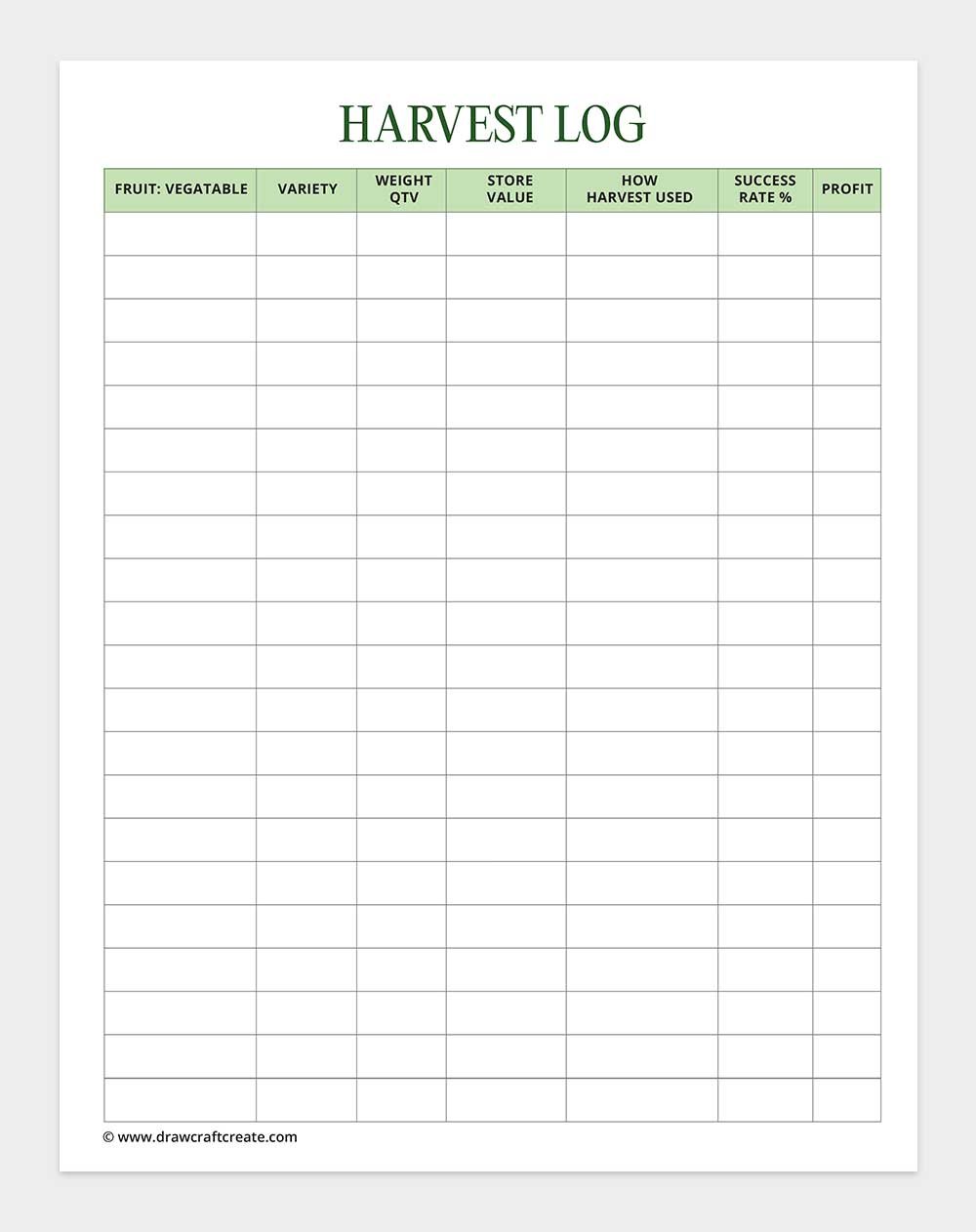
20. Harvest Log
21. Garden Equipment List
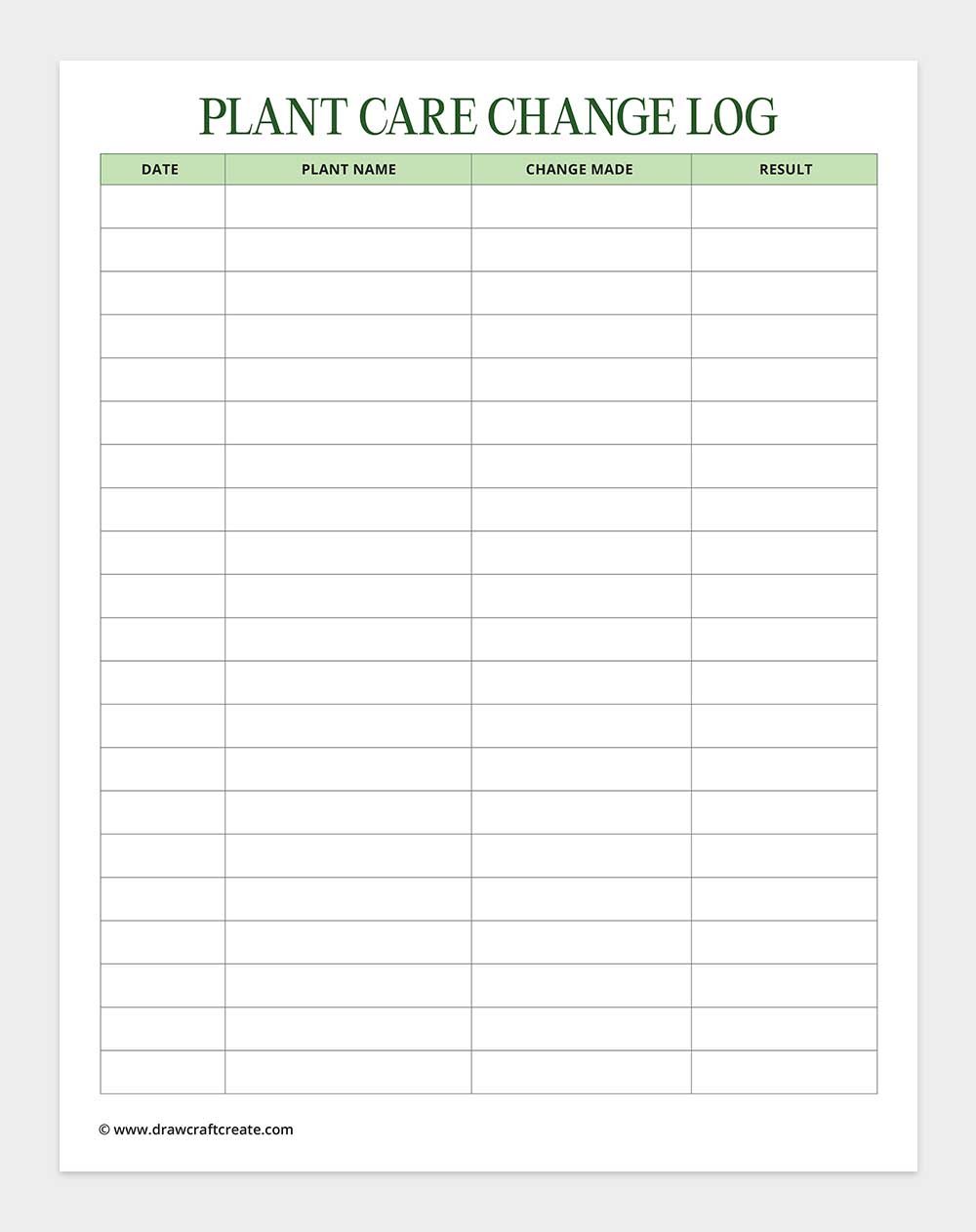
22. Plant Care Change Log