What Is Companion Planting?
Companion planting is a gardening technique that involves planting various types of plants in close proximity to one another for mutual benefit. This approach leverages the natural abilities of different plants to enhance growth, deter pests, and improve soil quality. By understanding how plants interact, gardeners can create a more harmonious ecosystem that thrives on cooperation rather than competition.
In essence, companion planting is all about strategic relationships in the garden. Some plants can deter pests that would otherwise harm their neighbors, while others may enhance the soil’s nutrient levels or provide necessary shade. By selecting the right combinations, gardeners can cultivate a flourishing environment where plants support one another.
Think of it like forming a team; just as people work together for a common goal, plants can also collaborate to achieve shared benefits. For those looking to optimize their garden, this method not only makes sense but also promises to simplify garden management and boost productivity.
What are the Benefits of Companion Planting?
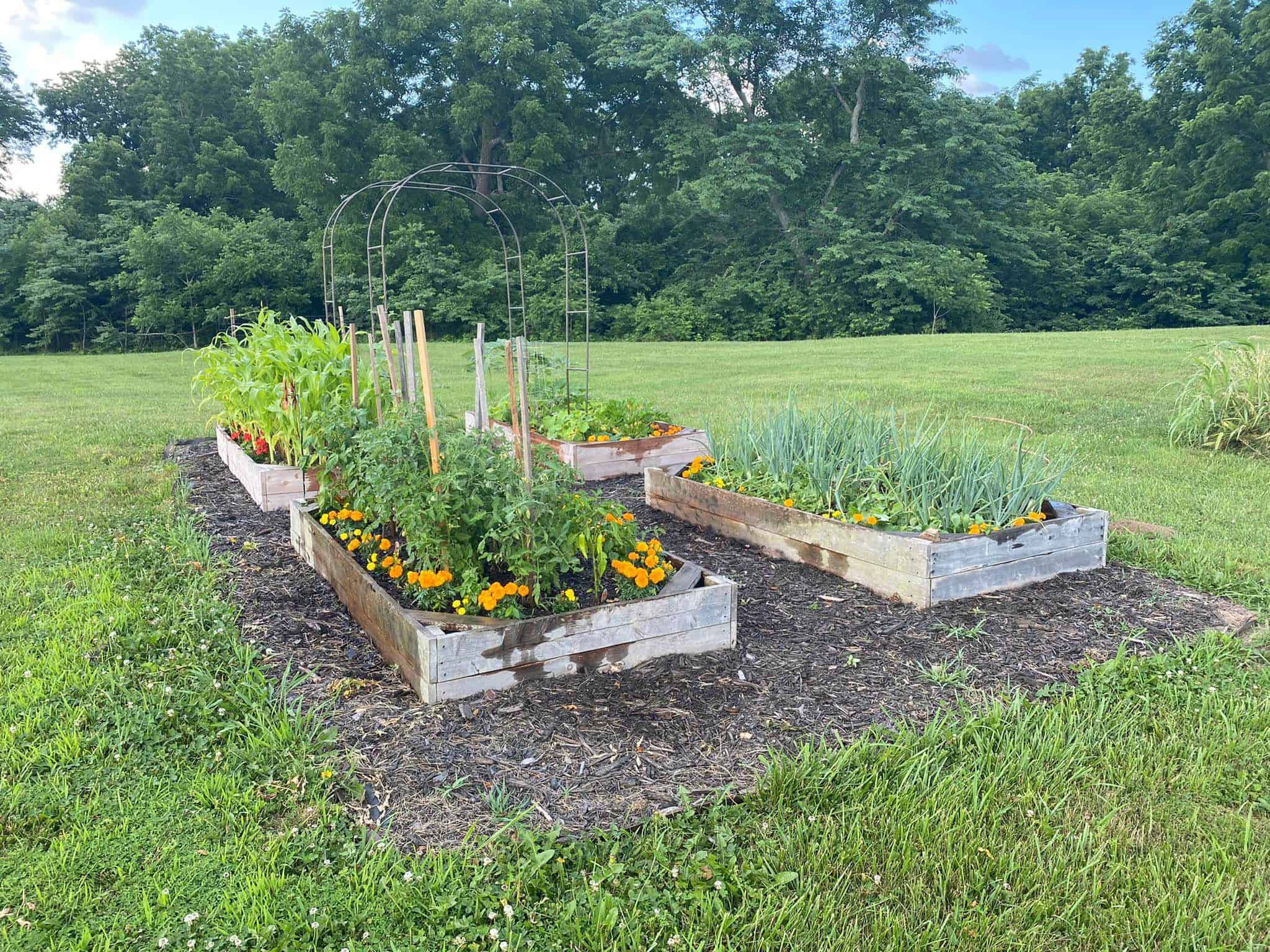
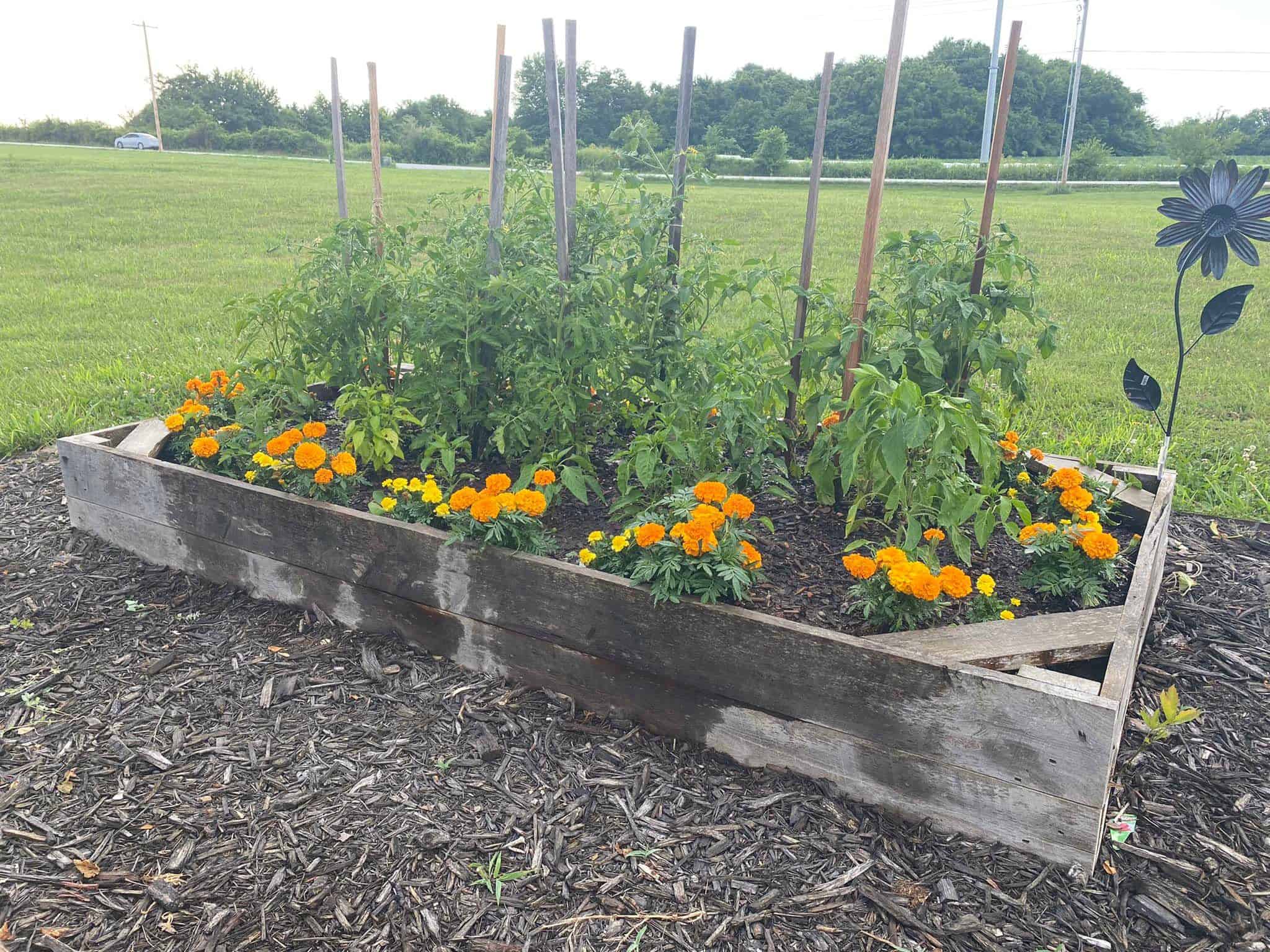
When it comes to the advantages of companion planting, the benefits are extensive and varied. One of the most notable perks is the natural pest control it offers. Certain plants possess unique properties that repel pests, reducing the need for chemical pesticides. Basil, for instance, is renowned for its ability to deter aphids when grown near tomatoes, while marigolds can ward off nematodes and whiteflies.
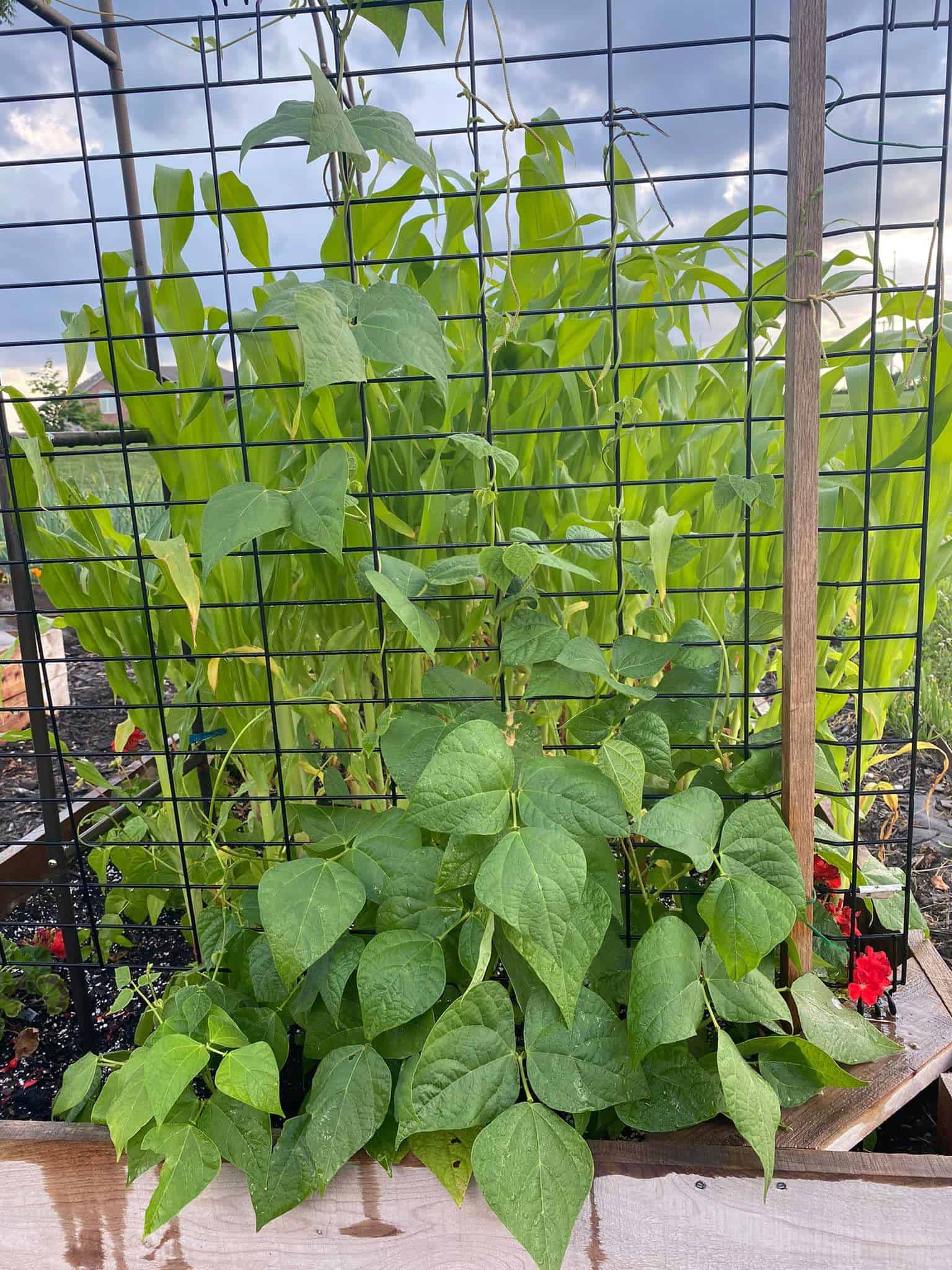
Additionally, companion planting can lead to healthier plants and increased yields. By creating an environment where plants can thrive together, gardeners often find their crops grow larger and more robust. Certain combinations, like beans and corn, exemplify this relationship; beans enrich the soil with nitrogen, benefitting the corn while the corn provides support for the climbing beans.
Moreover, this gardening technique is also space-efficient. Gardeners can maximize their plots by planting compatible species together, ensuring that no precious space goes to waste. For example, radishes can thrive in the shade of tomato plants, allowing both crops to flourish without competing for sunlight.
Common Companion Plant Pairings and Their Benefits
Understanding which plants work well together is crucial for successful companion planting. The classic pairing of onions and beans is a great example, as onions help to repel pests that might otherwise target beans. Meanwhile, beans contribute nitrogen to the soil, supporting the growth of onions.
Another beneficial duo is potatoes and tomatoes, though they should be planted separately due to overlapping pest vulnerabilities. However, carrots and dill create a beneficial relationship where dill can attract pollinators while carrots benefit from the improved soil structure.
Furthermore, corn and tomatoes can coexist when planted thoughtfully; corn provides height and shade for tomatoes, while tomatoes can help compete against weeds. These combinations not only make the best use of space but also encourage a thriving garden ecosystem.
Plants That Shouldn’t Be Planted Together
While many plants thrive together, some combinations should be avoided. Onions, for instance, can inhibit the growth of beans and peas due to the chemical compounds they release, which interfere with nitrogen fixation. This means that planting them together can stunt the growth of beans, which rely on nitrogen to thrive.
Inevitably, the pairing of potatoes and tomatoes is another that must be approached with caution, as both plants are susceptible to the same diseases. When planted near each other, the risk of disease spreading is significantly heightened. This is especially true for blight, a fungal infection that can devastate both crops.
Similarly, dill can hinder carrot growth when planted too closely, as it releases chemicals that stunt the carrots’ development. Corn and tomatoes also compete for resources, leading to diminished yields for both plants. Understanding these incompatibilities is essential for maintaining a healthy and productive garden.
How to Plan Your Companion Planting?
Successful companion planting begins with careful planning. Grouping plants based on their needs is a practical approach. For example, you can plant water-intensive crops together, ensuring that they receive adequate hydration, while more drought-tolerant varieties can be placed in separate areas.
Consideration of height differences is also fundamental. Taller plants can create shade for shorter varieties that require less sunlight, effectively utilizing vertical space in your garden. This strategic arrangement not only maximizes growth potential but also ensures that no plant is overshadowed.
Additionally, crop rotation plays a vital role in maintaining soil health. By changing the location of your crops each year, you can prevent nutrient depletion and reduce the risk of pest infestations that tend to follow specific plants. Understanding seasonal variations is also crucial; some plants thrive in cooler months, while others prefer the warmth of summer.
Companion Planting for Raised Beds
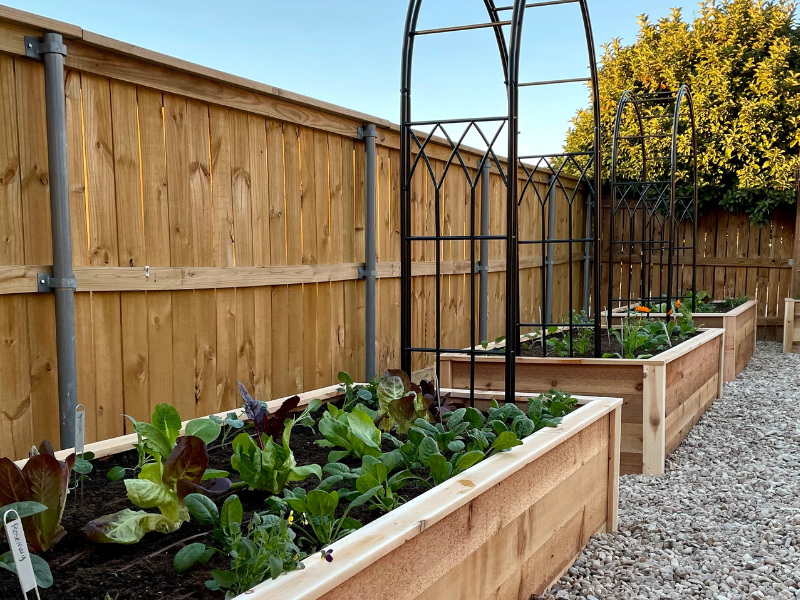
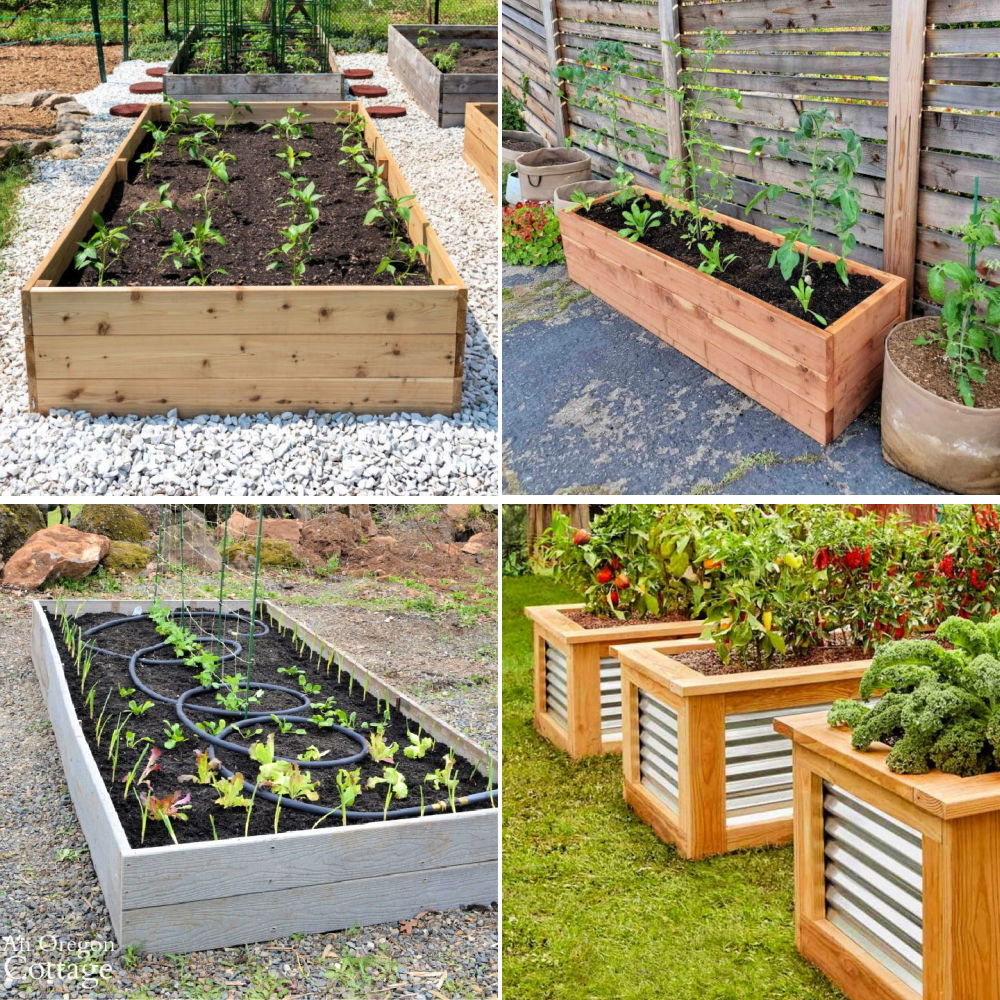
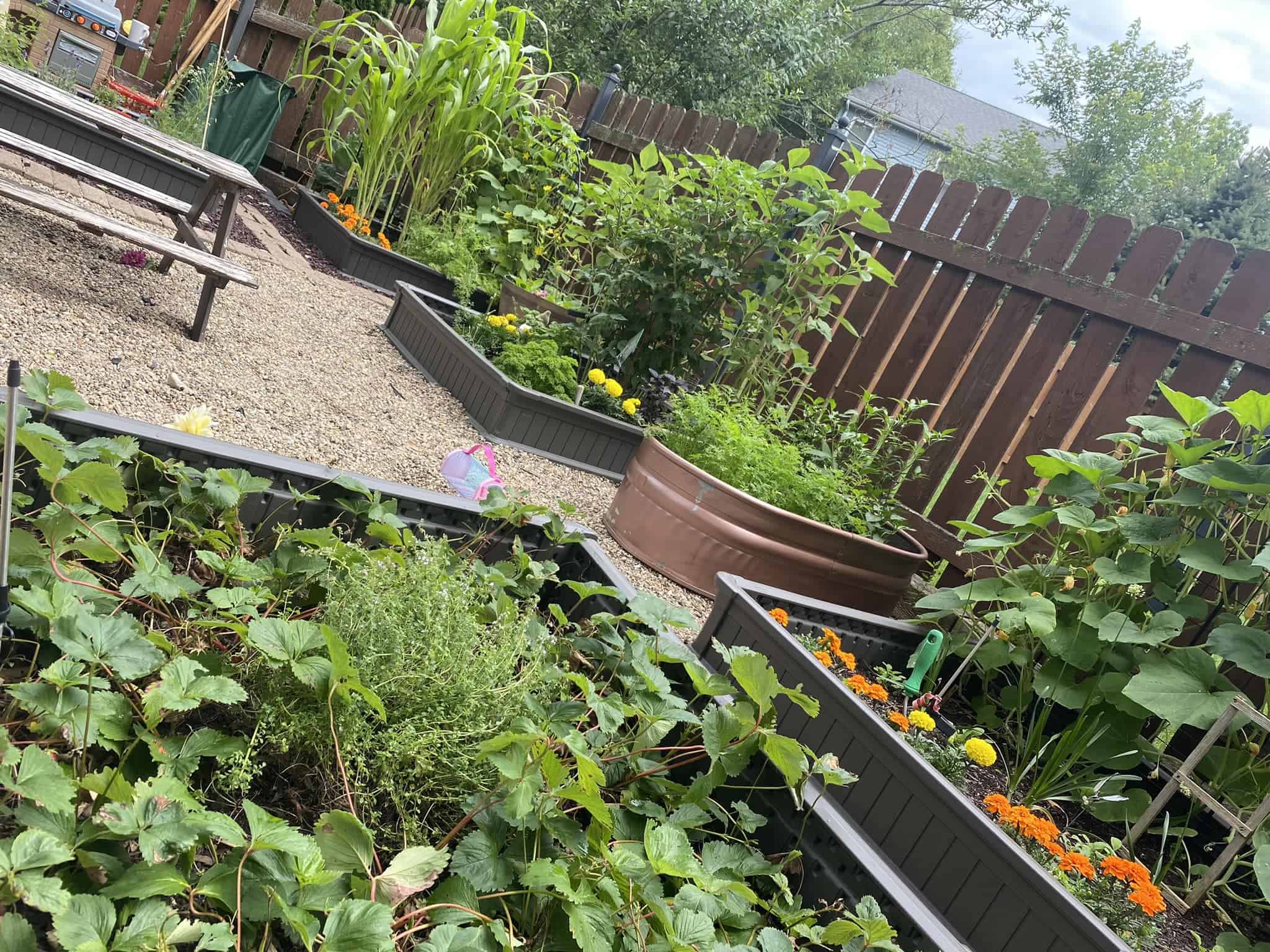
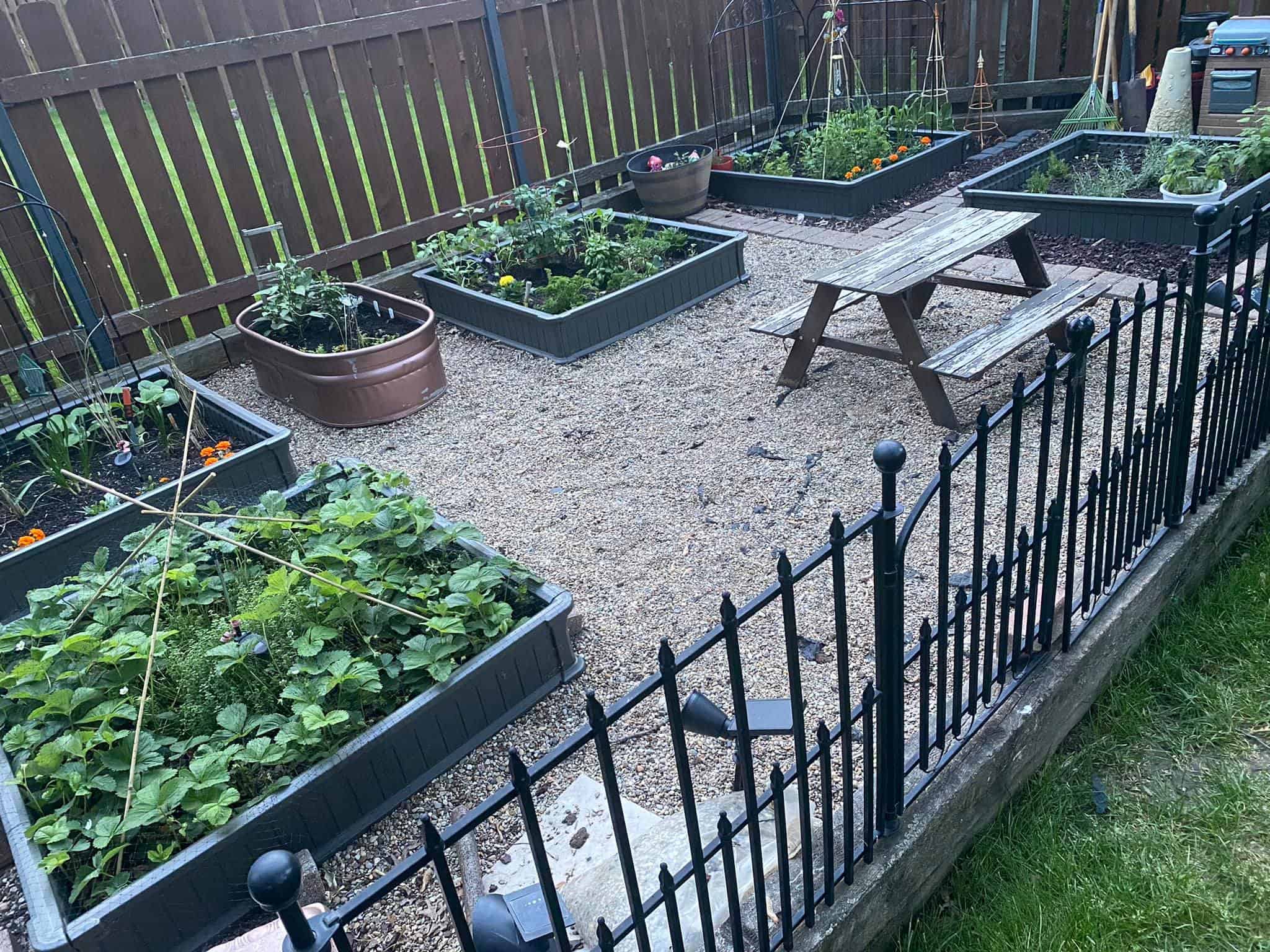
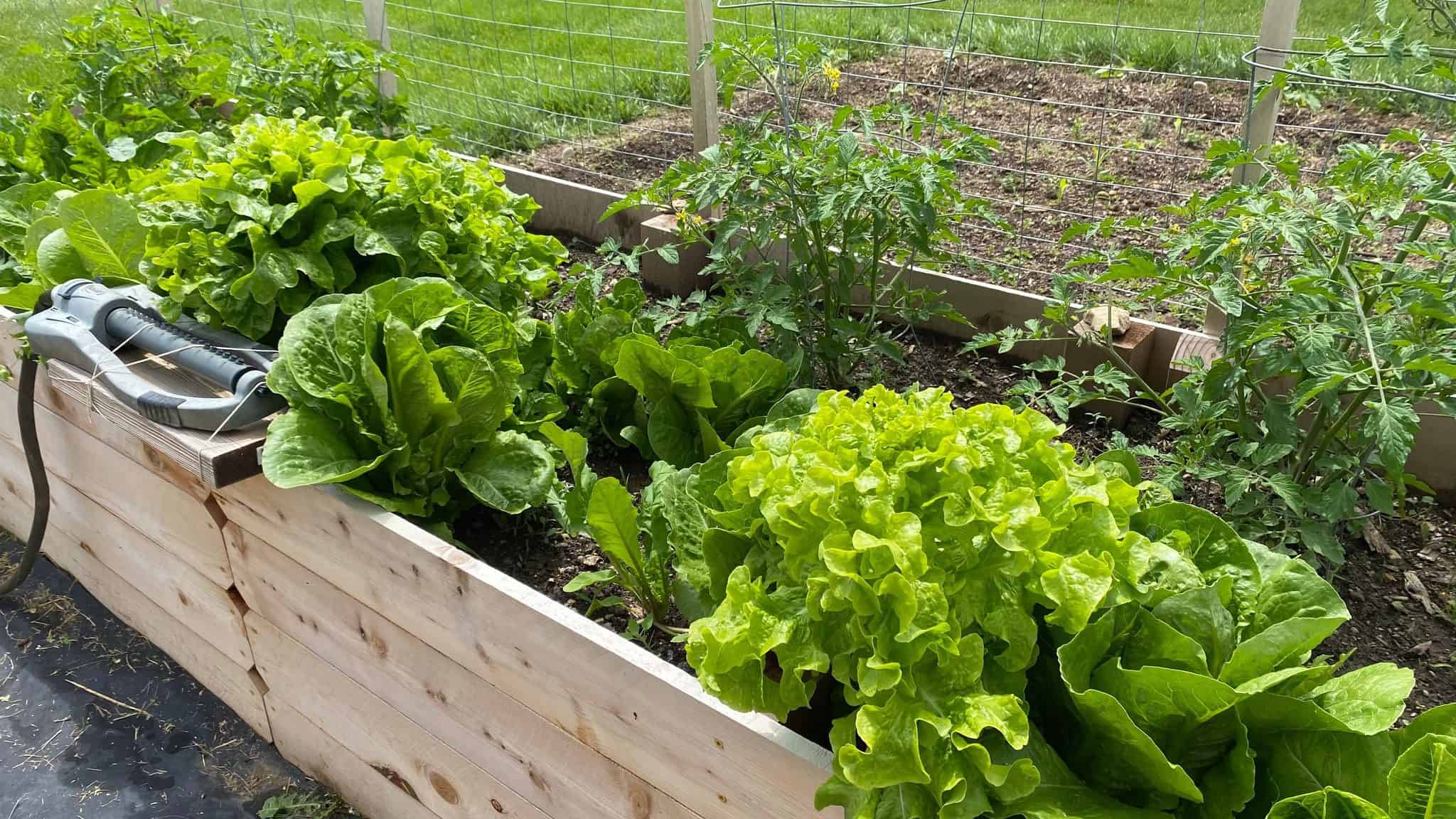
When it comes to raised bed gardening, companion planting can be especially advantageous. The structure of raised beds allows for closer planting without overcrowding, making it easier to arrange plants optimally. This setup encourages healthy growth by providing enough space for roots to spread while facilitating effective water and nutrient distribution.
In raised beds, you can strategically position taller plants like tomatoes or sunflowers alongside shorter herbs or leafy greens. This not only creates a visually appealing garden but also ensures that smaller plants receive adequate sunlight and cooler soil temperatures.
Proper preparation of your raised bed is essential. Ensure that your plants have enough room to grow and that the soil is well-aerated. By following a few simple steps—like clearing the area of debris, checking soil pH, and adding compost—you can set the stage for a thriving companion planting experience.
Common Challenges in Companion Planting and How to Handle Them
Despite its benefits, companion planting can present challenges. Sometimes, even the best pairings may not perform as expected due to specific environmental factors or garden conditions. It’s crucial to maintain an open mind and be willing to experiment with different plant combinations.
One common issue is the persistence of pests, even when companion planting. While certain plants can help deter pests, they may not eliminate them entirely. Monitoring your garden regularly for signs of insect activity is essential. If you notice an infestation, consider using natural remedies to manage the problem instead of resorting to synthetic pesticides.
Another challenge is climate variation. Each plant has its unique preference for temperature and light, which may not align with your local growing conditions. By being mindful of your local climate and adjusting your plant pairings accordingly, you can significantly enhance the success of your companion planting efforts.
More Tips for Companion Planting
To make the most of your companion planting experience, consider keeping a garden journal. Documenting what works and what doesn’t can provide valuable insights for future planting seasons. Over time, you’ll develop a better understanding of which combinations thrive in your unique garden environment.
Additionally, be cautious about overcrowding your garden beds. While it’s tempting to fill every inch of space, plants need room to grow. Proper spacing allows for healthy root development and reduces competition for nutrients.
Utilizing trap crops can also be an effective strategy. These are plants that attract pests away from your main crops, allowing you to protect your valuable vegetables naturally. By implementing these tips and strategies, you’ll enhance your garden’s health and productivity.
Ready To Transform Your Garden?

If you’re eager to enhance your gardening experience through companion planting, now is the time to get started. Take the knowledge you’ve gained and begin experimenting with various plant pairings in your garden. The journey of companion planting is not only educational but also immensely rewarding.
By nurturing a garden that thrives on cooperation, you’ll enjoy a bounty of healthy produce while also fostering a harmonious ecosystem. Embrace the joy of gardening and watch as your efforts bear fruit!
Your Free 22-Page Garden Planner
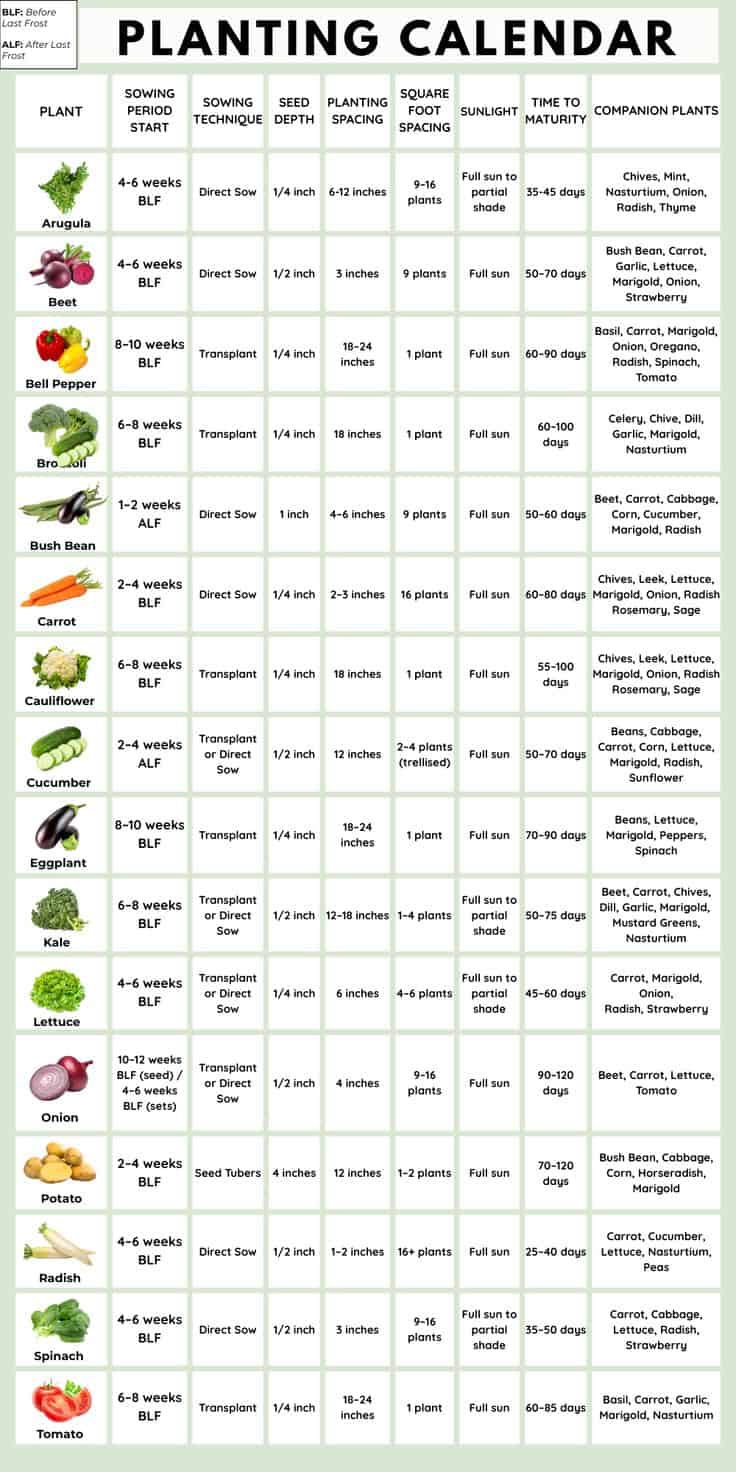
To assist you in your gardening journey, don’t forget to grab your free 22-page garden planner. This comprehensive guide is tailored to your local frost dates and includes a planting calendar, monthly checklists, and a harvest log to keep your gardening organized.
With this planner, you can ensure that you’re planting at the right times and maximizing your garden’s potential. It’s a fantastic resource for both new and experienced gardeners looking to streamline their planning process.
Keeping Pests Away Naturally
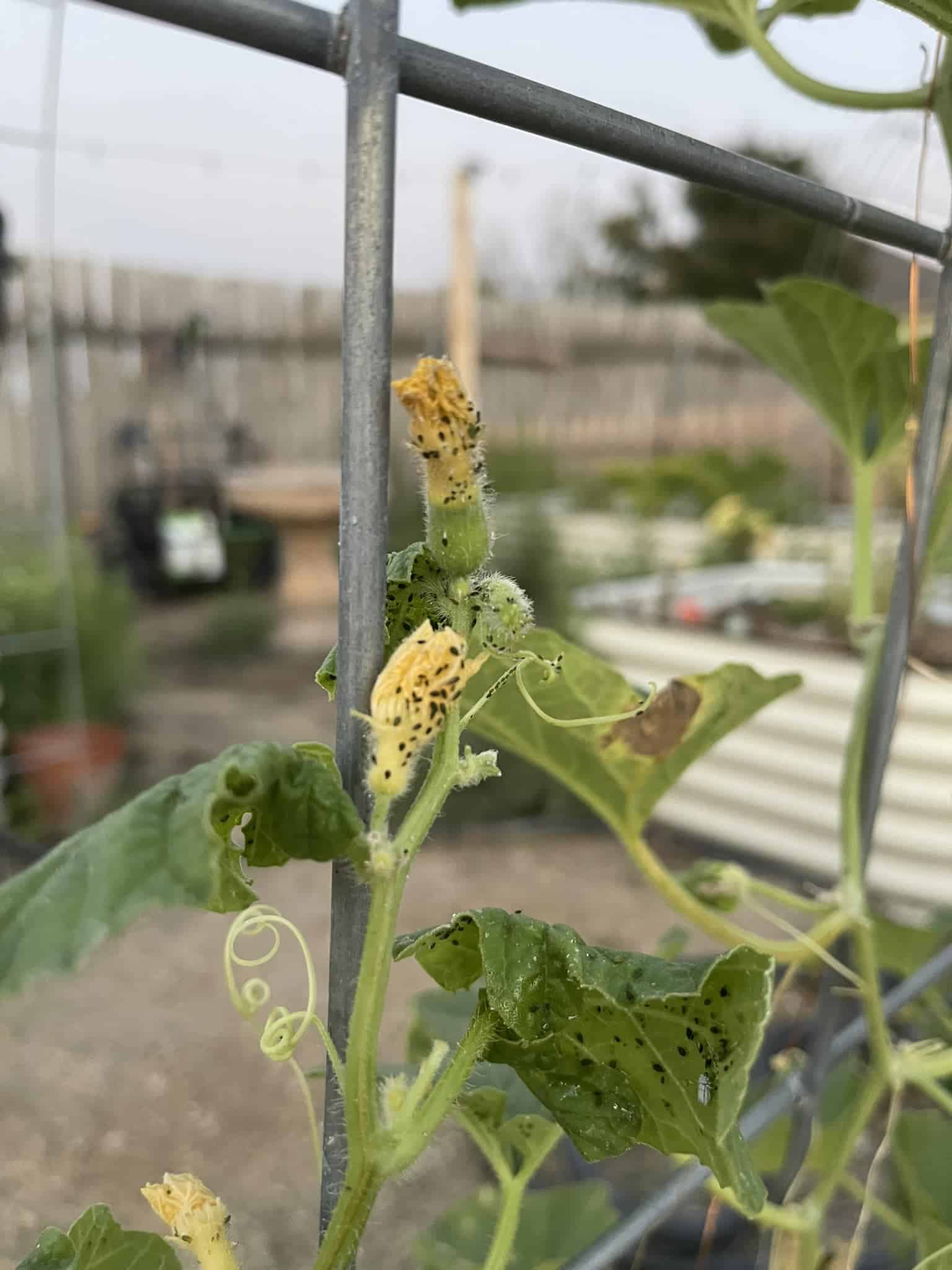
One of the most appealing aspects of companion planting is the natural pest control it offers. By choosing the right plant combinations, you can create an environment that discourages pests without the use of harmful chemicals. For example, certain herbs, such as basil, are known for their pest-repelling qualities, making them excellent companions for various vegetables.
Incorporating flowers like marigolds can further enhance your garden’s natural defenses. These vibrant blooms not only add beauty but also act as a deterrent to a range of garden pests. Embrace these natural solutions to keep your garden healthy and thriving.
Better Growth and More Produce
Companion planting can significantly enhance the growth and yield of your crops. When plants support one another, they create a balanced ecosystem that fosters healthy development. For instance, the symbiotic relationship between beans and corn showcases how nitrogen-fixing plants can enrich the soil and support taller plants.
By selecting compatible pairings, you’re not only maximizing your growing space but also boosting productivity. Gardens that effectively utilize companion planting often yield more produce, allowing you to enjoy a bountiful harvest.
Space Efficiency
For those with limited gardening space, companion planting offers an excellent solution. By pairing plants that can thrive together, you can efficiently utilize every inch of your garden. For example, radishes can flourish beneath the canopy of tomato plants, allowing both crops to coexist harmoniously.
This method encourages gardeners to think strategically about their layouts, ensuring that plants are not competing for resources. As a result, you can grow a diverse array of crops in a smaller area, making the most of your gardening efforts.
Weed Suppression
Weeds can be a gardener’s worst enemy, but companion planting can help combat this problem. Certain plants, like clover, can create a dense ground cover that suppresses weeds by blocking sunlight and limiting their growth. Similarly, broad-leaved plants like squash can shade the soil, preventing weed seeds from germinating.
By incorporating plants that naturally deter weeds, you can reduce the amount of time spent on maintenance and focus more on enjoying your garden. This approach not only simplifies your gardening experience but also promotes a healthier ecosystem.
Pollinator Attraction
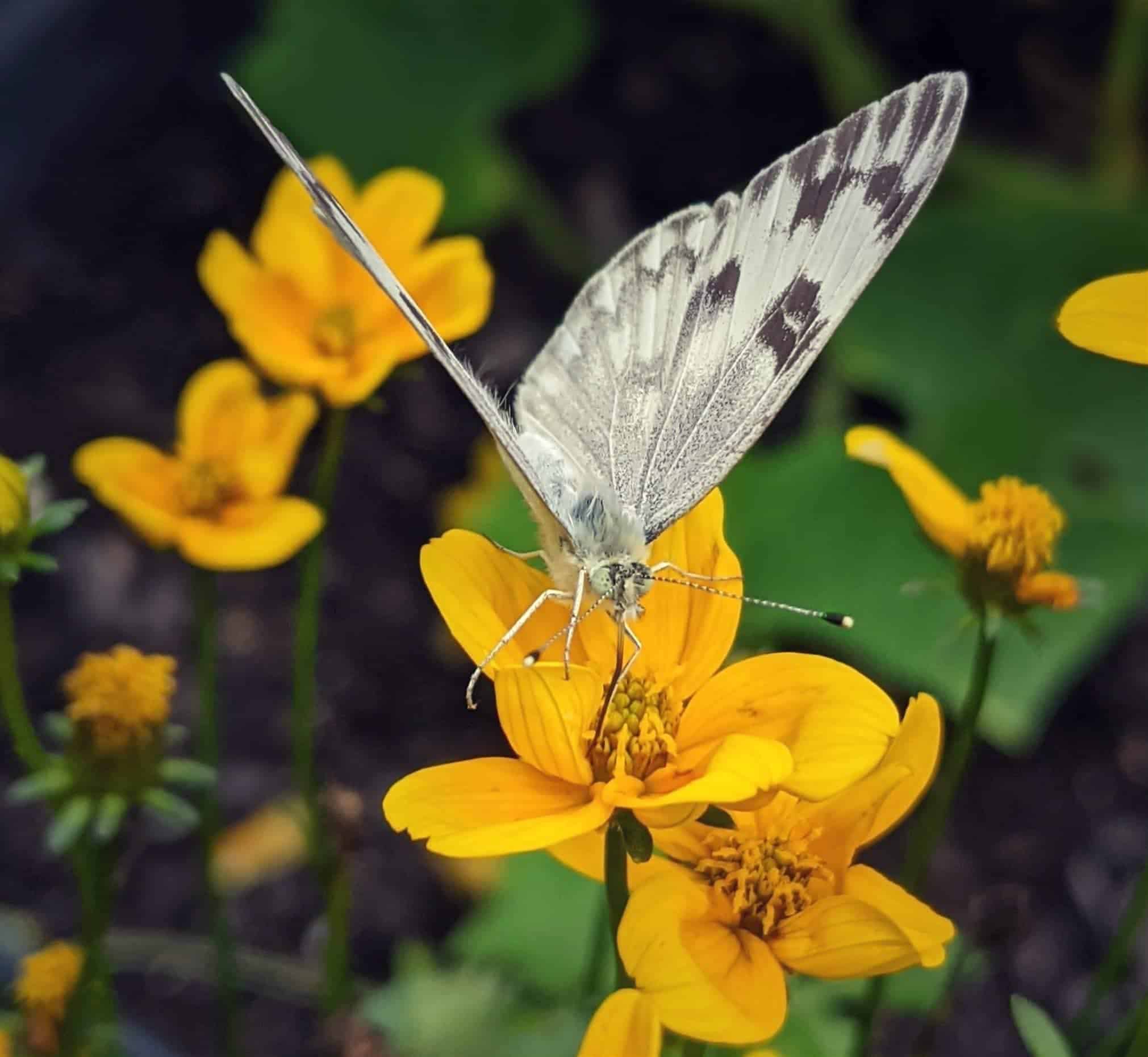
Attracting pollinators is essential for a thriving garden, and companion planting can help with this as well. By including flowers that draw in bees, butterflies, and other beneficial insects, you can enhance the pollination of your fruits and vegetables. Plants like lavender and sunflowers are particularly effective at attracting these vital pollinators.
In addition to boosting pollination, these flowers provide visual appeal and can enhance the overall health of your garden. By embracing companion planting principles, you can create a vibrant, productive ecosystem that not only benefits your crops but also the wildlife in your area.
Onions and Beans
The relationship between onions and beans is a classic example of companion planting. Onions help deter pests that commonly target beans, while beans contribute nitrogen back into the soil, enriching it for the onions. This symbiotic relationship allows both plants to thrive and maximize their growth potential.
However, it’s important to remember that onions can also negatively impact the growth of beans if planted too closely. Careful planning and spacing are crucial to ensure that both plants can benefit from each other’s presence without hindering growth.
Potatoes and Tomatoes
Though potatoes and tomatoes are often thought to grow well together, they should actually be kept apart. Both plants are susceptible to similar diseases, particularly blight, which can quickly spread between them. This overlapping vulnerability makes it essential to plant them in different areas of your garden to minimize the risk of disease.
By avoiding this pairing, you can protect your crops and ensure that both plants have the opportunity to thrive without the threat of shared pest problems.
Carrots and Dill
Carrots and dill can form a beneficial relationship when planted at the right distance. Dill attracts pollinators that can aid in the growth of carrots, while also providing a flavorful herb for your kitchen. However, it’s essential to maintain adequate spacing, as dill can release chemicals that may inhibit carrot growth if planted too closely.
By understanding these dynamics, you can create an effective pairing that supports both plants while avoiding potential issues.
Corn and Tomatoes
Corn and tomatoes can cohabitate in the garden, but they must be placed thoughtfully. Corn can provide shade and support for tomatoes, but both plants compete for similar resources, including nutrients and water. It’s important to plan their placement carefully, ensuring that neither plant overshadows or starves the other.
By observing their growth patterns and adjusting their positioning accordingly, you can create a thriving environment where both corn and tomatoes flourish side by side.
Free Planting Guides for This Article
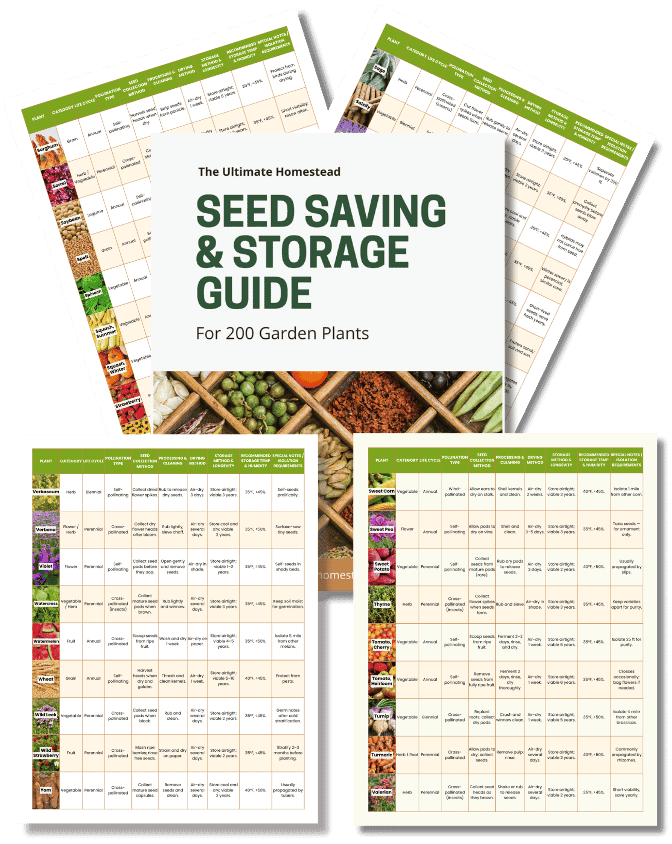
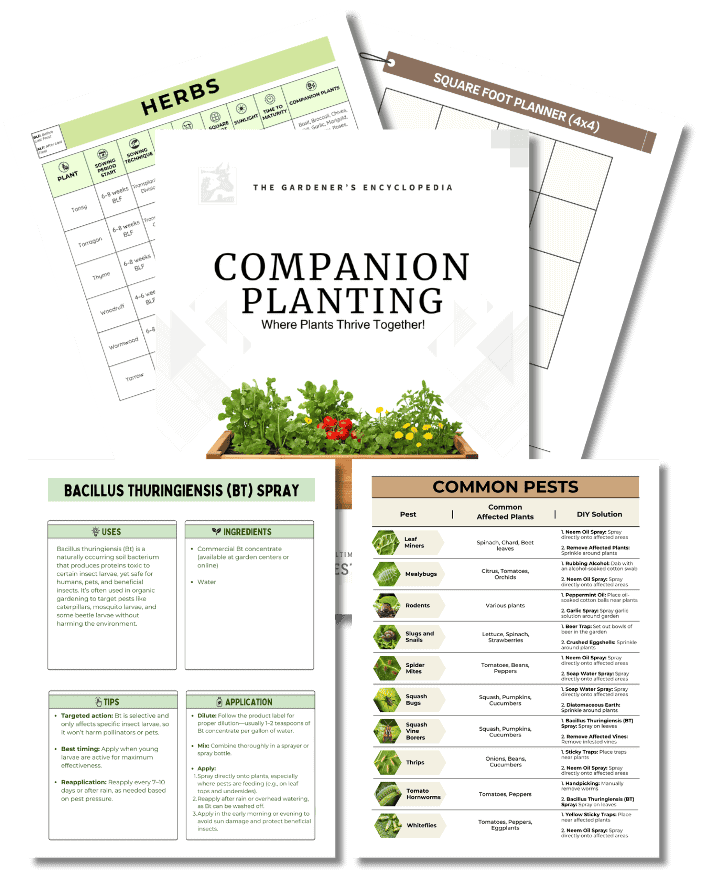
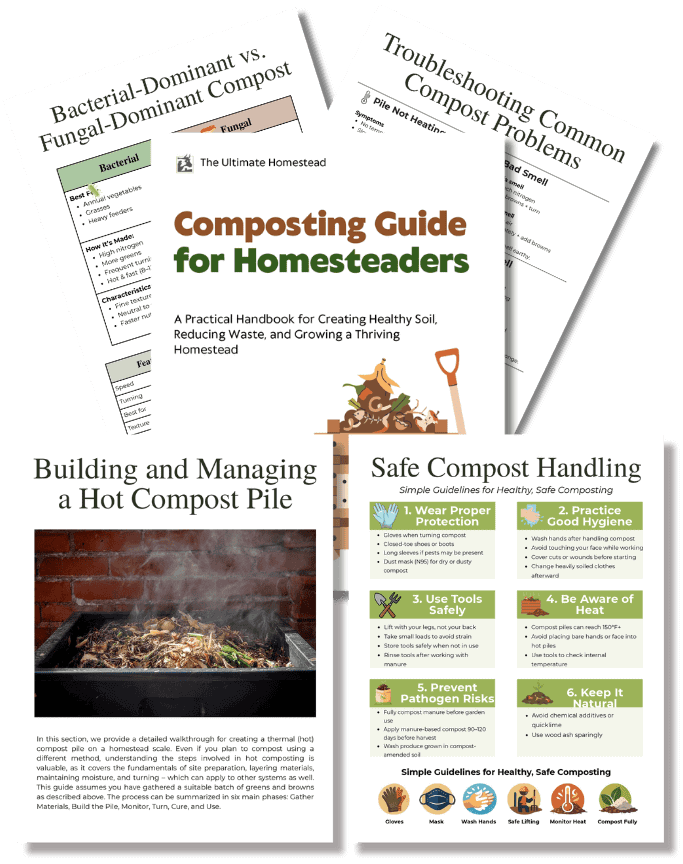
To assist you in your companion planting journey, utilize free planting guides available for download. These resources can provide detailed information about which plants grow well together, pest management strategies, and tips for maximizing your garden’s potential.
Having access to well-organized planting guides can enhance your gardening experience and help you make informed decisions about plant pairings.
Grouping by Needs
Grouping plants by their needs is a fundamental principle in companion planting. Plants have varying requirements for water, sunlight, and nutrients, and understanding these needs can lead to better garden management. By planting species with similar requirements together, you can streamline your care routine and promote healthy growth.
This method not only simplifies watering and fertilization but also reduces competition among plants, leading to a more harmonious garden environment. By considering each plant’s needs, you’ll create a thriving ecosystem where all plants can flourish.
Utilizing Height Differences
Height differences among plants can be a powerful tool in companion planting. Taller plants can provide shade for smaller varieties, protecting them from intense sun exposure while allowing them to thrive. For instance, placing sunflowers alongside shade-loving herbs can create a diverse and productive garden.
By strategically utilizing height variations, you can maximize your gardening space and ensure that all plants receive the light and nutrients they need to thrive. This thoughtful arrangement fosters a balanced ecosystem that benefits all plants involved.
Consider the Seasons
Seasonal considerations are crucial in companion planting. Different plants have unique growth cycles and temperature preferences, and understanding these variations can help you plan your garden more effectively. For example, cool-weather crops like lettuce may struggle in the heat of summer, while warm-weather plants like peppers thrive in those conditions.
By timing your plantings based on seasonal needs, you can ensure that each crop has the best chance to mature successfully. This thoughtful approach can lead to a more productive garden, providing you with fresh produce throughout the growing season.
Raised Bed Preparation Tips
Proper preparation of your raised beds is essential for successful companion planting. Start by clearing any weeds, debris, or old plant material from the area. This ensures that your new plants have a clean slate to grow in. Next, check the soil pH to confirm that it is suitable for the plants you intend to grow.
Add a 2-inch layer of organic compost to enrich the soil and promote healthy growth. Mix it into the top six inches of soil to ensure that nutrients are readily available to your plants. Finally, level the surface and pre-water the bed to establish a moist environment before planting.
How Hard Is It to Garden in Your County?
Understanding your local gardening conditions is key to successful companion planting. Each county has its own unique Gardening Difficulty Score, influenced by factors such as frost risk, soil quality, and climate trends. By researching these aspects, you can make informed decisions about which plants to grow and when to plant them.
Take advantage of local resources and gardening communities to gain insight into the challenges and advantages specific to your area. This knowledge will empower you to create a flourishing garden that thrives despite local difficulties.
Pests and Diseases
Being aware of potential pests and diseases is essential in companion planting. While some plant pairings can help deter certain pests, others may be susceptible to specific diseases that can spread quickly. Regular monitoring of your plants is crucial to catch any issues early on.
Implementing integrated pest management strategies can further enhance your garden’s resilience. This includes rotating crops, using companion plants that deter pests, and maintaining good garden hygiene to minimize the risk of disease.
Climate Considerations
The climate in which you garden has a significant impact on your companion planting success. Some plants thrive in hot weather, while others prefer cooler conditions. Understanding your local climate will allow you to choose the best plant pairings that will flourish together.
Additionally, consider seasonal changes and how they affect your plants’ growth cycles. By aligning your planting schedule with climate patterns, you can create a garden that not only survives but thrives.
Don’t Overcrowd
One of the most common mistakes in companion planting is overcrowding. While it may seem efficient to plant as many crops as possible in a small space, this can lead to competition for resources and hinder growth. Each plant needs adequate space to spread its roots, access sunlight, and gather nutrients.
By allowing for proper spacing, you can ensure that your plants have the best chance to thrive. It’s always better to err on the side of caution and give your plants the room they need to flourish.
Plan for Trap Crops
Trap crops can be an effective strategy in companion planting. These are plants that attract pests away from your primary crops, serving as a decoy to protect your valuable vegetables. For instance, planting radishes near beans can lure aphids away from the beans, keeping them safe from infestations.
When planning your garden, think about which plants can serve as effective trap crops. This natural pest management technique can help you avoid the use of chemicals while promoting a healthier ecosystem.
Rotate Crops and Companions
Crop rotation is a vital practice in companion planting. By changing the location of your crops each season, you can prevent pests from establishing themselves in your garden and ensure that the soil remains healthy. Different plants utilize various nutrients, and rotating them allows the soil to recover and replenish.
Incorporating rotation into your gardening routine can lead to healthier plants and a more productive garden overall. This simple practice can save you from headaches down the line and promote long-term sustainability in your gardening efforts.
Experiment and Observe
Gardening is a journey of learning and discovery, and companion planting is no exception. Don’t be afraid to experiment with different plant combinations to see what works best in your unique garden. Keep a journal to document your observations and track the results of each pairing.
As you gain experience, you’ll develop a better understanding of which plants thrive together and which ones do not. This knowledge will empower you to make more informed decisions in your gardening endeavors.
Use Companion Planting Charts as a Reference
Companion planting charts can be valuable resources for those just starting out. These charts outline beneficial pairings and can help guide your plant selections. However, remember that every garden is different, and what works well in one space may not be as effective in another.
Use these charts as a starting point, but remain flexible and open to adjusting your pairings based on your observations and experiences. Over time, you’ll refine your approach and develop a deeper understanding of companion planting.
Level Up Your Garden
Are you ready to elevate your gardening experience? By embracing the principles of companion planting, you can create a thriving, productive garden that maximizes its potential. Take the time to plan, experiment, and observe your plants’ interactions, and you’ll be rewarded with a bountiful harvest.
With every planting season, you’ll gain more insight and confidence, ultimately leading to a garden that is not only beautiful but also abundant in fresh produce.