Understanding Companion Planting
Companion planting is a strategic gardening technique that focuses on how different plants interact with one another. By thoughtfully selecting which plants to grow in proximity, gardeners can create a harmonious environment that maximizes growth and yields. This method emphasizes pairing plants that support each other while avoiding those that might hinder one another’s development. The benefits of companion planting are numerous and can include enhanced growth, improved soil quality, and increased pest resistance.
At the core of companion planting lies the concept of encouraging natural partnerships among plants. For instance, some plants can deter pests that threaten nearby crops, while others may attract beneficial insects like pollinators. Additionally, companion planting takes into account the varying growth habits and heights of plants, allowing taller species to provide shade for shorter ones, thus optimizing light exposure and moisture retention.

Incorporating flowers and herbs into vegetable gardens not only beautifies the space but also contributes to a thriving ecosystem. These additions can enhance biodiversity and create a more inviting environment for beneficial fauna, which in turn supports the overall health of the garden.
The Tradition of Three Sisters Planting
One of the most celebrated examples of companion planting is known as the “Three Sisters,” a traditional Native American agricultural practice that involves growing corn, pole beans, and squash together. This trio of plants forms a synergistic relationship that showcases the power of companion planting. The corn serves as a natural support structure for the climbing pole beans, while the beans, in turn, enrich the soil by fixing nitrogen, which is vital for the growth of both corn and squash.
Squash plants play a crucial role in this relationship as well; their broad leaves create a protective canopy that helps retain soil moisture and suppress weed growth. This method not only enhances the productivity of each plant but also promotes sustainable farming practices by reducing the need for synthetic fertilizers and herbicides.

The Three Sisters planting method exemplifies the wisdom of indigenous agricultural practices and serves as a model for modern gardeners looking to incorporate companion planting techniques into their own gardens. By understanding these relationships, gardeners can cultivate a more productive and resilient garden ecosystem.
Utilizing the Companion Planting Chart in Your Vegetable Garden
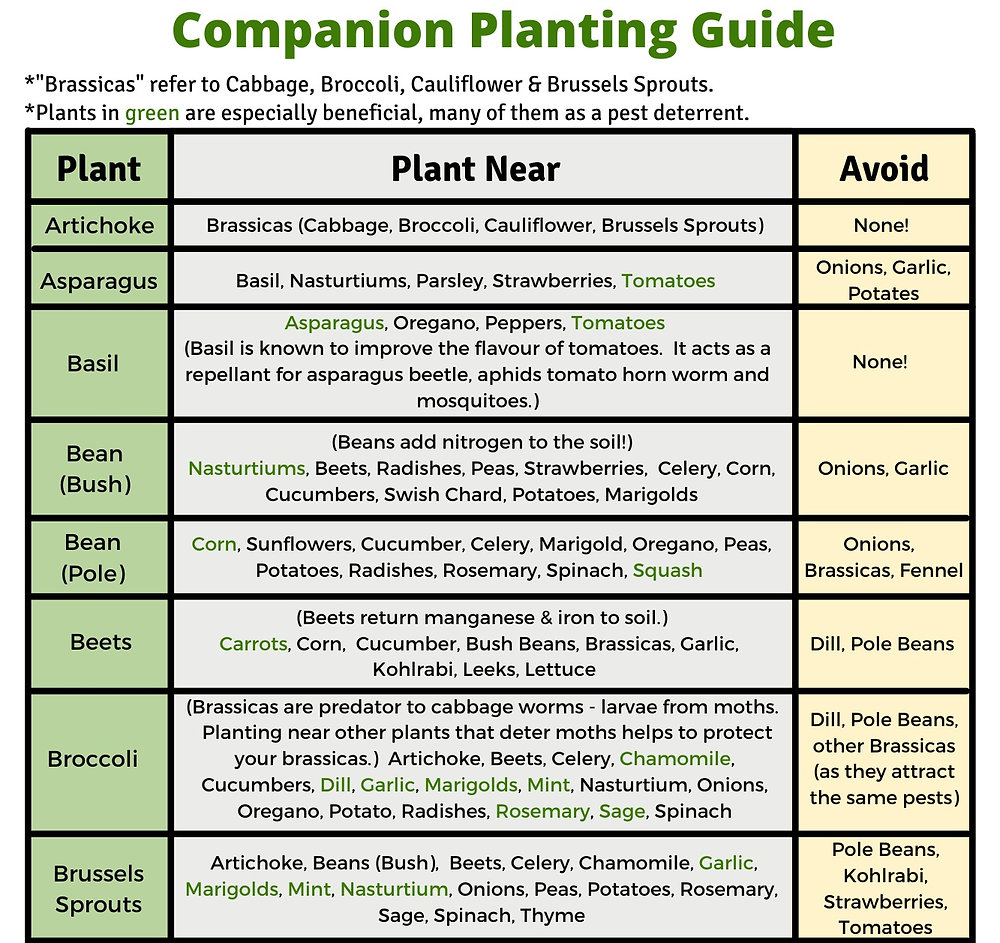
To effectively implement companion planting in your garden, it is essential to refer to a companion planting chart, which acts as a valuable resource for determining which plants thrive together. By following the guidelines outlined in this chart, you can strategically position your vegetables and herbs to maximize their growth potential. A good rule of thumb is to keep beneficial companion plants within three feet of each other, while ensuring that incompatible plants are at least three feet apart to prevent negative interactions.




When planning your garden layout, it is not necessary to include every recommended companion plant; instead, focus on selecting one or two beneficial plants to grow alongside your primary crops. This targeted approach simplifies the planting process while still reaping the rewards of companion planting.
Utilizing a companion planting chart can significantly enhance your gardening experience. It can help you make informed decisions about plant placement based on their interactions, ultimately leading to a more prolific garden. If you’re keen on optimizing your gardening efforts, consider incorporating this strategy into your planning routine.
Access Your Printable Companion Planting Guide
If you’re eager to dive deeper into companion planting and want to access a comprehensive guide tailored for northern garden vegetables, simply provide your email address below. You will receive a detailed companion planting chart directly in your inbox, which can serve as an invaluable tool in your gardening arsenal.
In addition to the companion planting chart, consider exploring other gardening resources like a garden journal. This journal can assist you in meticulously planning your garden layout while also providing space to jot down important notes about your plants’ progress and experiences throughout the growing season.
As you embark on your gardening journey, remember that there are numerous free garden printables available to support your planning and help you cultivate a thriving space. With the right tools and knowledge, you can create a flourishing garden that’s both productive and beautiful.