Companion planting is a fantastic method for cultivating a thriving and productive garden, all while minimizing the need for chemical interventions.
By strategically pairing plants that enhance each other’s growth, you can boost the vitality of your crops, elevate their flavors, deter pests, and optimize your garden space.
However, selecting the wrong plant combinations can result in stunted growth, increased susceptibility to diseases, and a disappointing harvest.
What NOT to Plant Together
Understanding which plants should not be grown alongside one another is a crucial step in successful gardening. Certain plants may compete for the same nutrients, attract similar pests, or even release chemicals that inhibit the growth of their neighbors.
To foster a flourishing garden, it’s essential to be aware of these detrimental pairings, as they can hinder your plants’ potential. Incompatible companions can lead to poor yields and an unhealthy garden ecosystem.
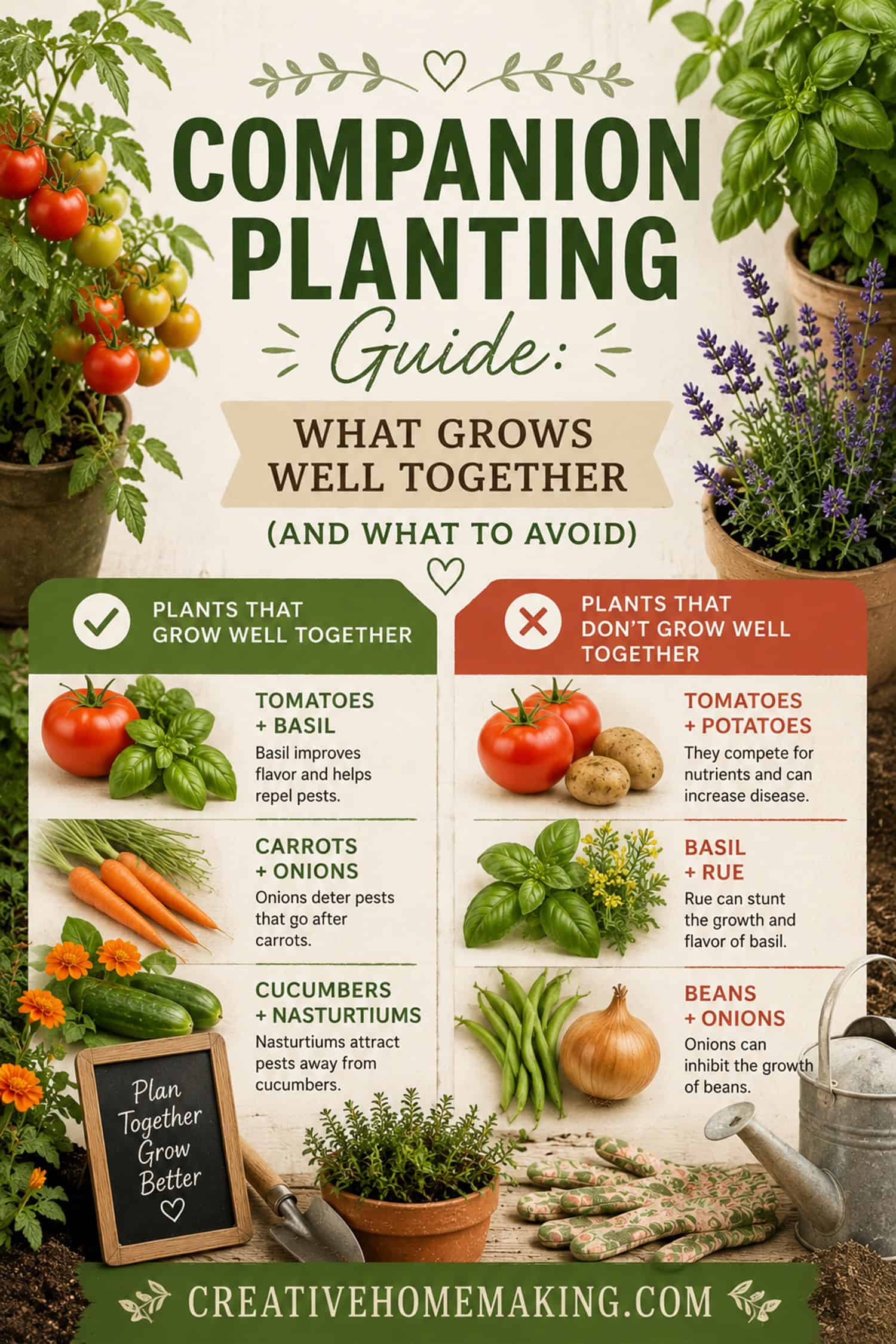
For instance, plants like tomatoes and potatoes share common vulnerabilities, making them poor neighbors. Similarly, beans can negatively affect the growth of onions, while certain herbs may inhibit the flourishing of other flowers.
Keep in mind that if your plants are struggling, the issue may often stem from their incompatible neighbors. By educating yourself on what not to plant together, you can avoid some of the most prevalent gardening blunders.
Vegetable Companion Planting
Vegetable gardening greatly benefits from the practice of companion planting. Strategic pairings can lead to increased yields, enhanced flavors, and natural pest reduction. Certain vegetables thrive when planted alongside specific companions that either enhance their growth or provide protection from pests.
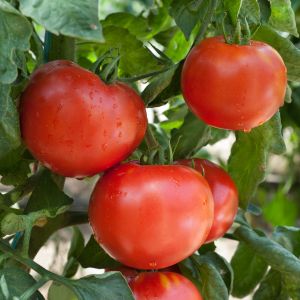
For example, tomatoes flourish when paired with basil, carrots, and onions, while they should be kept away from potatoes and corn. Meanwhile, cucumbers and radishes create a mutually beneficial relationship, but cucumbers should avoid planting near potatoes.
Each vegetable has its own ideal companions that can contribute to a more bountiful harvest while simultaneously improving the overall health of the garden. Understanding these relationships is vital for creating a productive vegetable patch.
Utilizing companion planting techniques not only leads to healthier plants but also promotes a sustainable gardening approach that works in harmony with nature.
Fruit & Berry Companion Plants
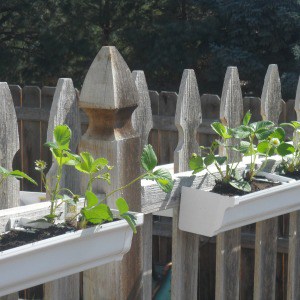
Fruit and berry plants also thrive with the right companions. Planting compatible species together can significantly enhance pest control and improve pollination rates, leading to robust plants and larger fruit yields.
In addition to improving pest management, companion planting can also promote better pollination. For example, planting flowers that attract bees near berry bushes can lead to more fruitful harvests.
Investing time in understanding which fruits and berries pair well with certain plants can yield fruitful rewards, both literally and figuratively. The right combinations can transform a simple fruit garden into a thriving, productive space.
Herb Companion Planting
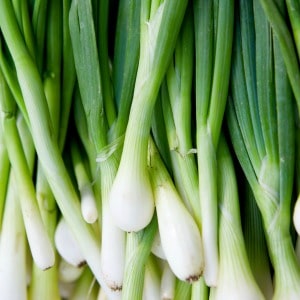
Herbs are among the most effective companion plants available to gardeners. Many herbs possess natural pest-repelling properties, attract beneficial insects, and even enhance the health of neighboring plants.
For instance, basil is known to improve the flavor of tomatoes while simultaneously repelling harmful pests like aphids and whiteflies. Similarly, planting rosemary near beans can deter pests while boosting the overall health of both plants.
Incorporating herbs throughout your garden is an easy and efficient way to create a balanced and thriving ecosystem. They can not only enhance the flavors of your vegetables and fruits but also contribute to a healthier environment for all your plants.
By using herbs as companion plants, gardeners can take advantage of their myriad benefits and elevate their gardening experience.
Flower Companion Planting
Flowers serve a purpose far beyond mere aesthetics in the garden—they are vital for creating a well-rounded ecosystem. Flowering plants attract pollinators, deter harmful pests, and add visual charm to your garden space.
For example, marigolds are a popular choice for companion planting as they can repel nematodes and other garden pests. Meanwhile, sunflowers can provide much-needed shade for more delicate plants and attract beneficial insects.
By incorporating flowers strategically within your garden layout, you can significantly improve the productivity and health of your plants. Not only do they enhance the beauty of your garden, but they also play an essential role in creating a balanced environment.
Quick Companion Planting Guide
Getting started with companion planting doesn’t have to be overwhelming. A simple approach can lead to positive results. Focus on a few straightforward combinations, monitor how your plants grow, and gradually expand your knowledge and plant pairings.
As you gain experience, you will begin to notice which combinations thrive together and which do not. This hands-on learning will help you become more confident in your gardening skills.
With careful planning, you can witness healthier plants and improved results in your garden. Even minor adjustments, such as adding herbs or steering clear of incompatible pairings, can result in significant benefits.

Quick Companion Planting Chart
This quick reference guide can help you kickstart your companion planting journey. It outlines compatible plant pairings and provides a foundation for further exploration.
Use this chart as a launching point to discover the best companions for your favorite plants, and remember that you can always delve deeper into the more comprehensive guides for detailed planting strategies.
Companion Planting for Beginners
If you are new to companion planting, the best approach is to keep things simple at first. Start with a few easy combinations and observe how they perform in your garden.
As you become more comfortable with the process, you can begin to experiment with more advanced pairings and explore the diverse array of plants that can work together harmoniously.
Remember that companion planting is a journey, and every garden is unique. By taking the time to learn and adapt, you can cultivate a thriving garden that truly reflects your hard work and dedication.
Happy gardening! Be sure to save this guide for future reference and to inspire continuous growth in your planting journey.