Your Spring Garden Checklist
As winter’s chill begins to fade, your garden calls for attention to prepare for the vibrant growing season ahead. A methodical checklist can be the key to ensuring that all necessary repairs, maintenance, and plantings are completed well before summer’s arrival.
For many gardeners, springtime can be a whirlwind of activities, making it easy to overlook essential tasks, be it planting seeds or fertilizing. We aim to help you streamline these projects and keep everything on track as the season unfolds.
This checklist is thoughtfully organized into three phases: early, mid-, and late spring. This structure guarantees that you can handle your gardening duties with minimal stress, although specific timings may vary based on your geographic region.

From prepping and pruning to planting, staying ahead of sprouting growth will ensure that you have all the essential elements for rich soil, an appealing landscape, and thriving plants ready to flourish as the warm weather begins.
If you’re eager to get your hands in the soil and bring your garden back to life, let’s dive into your spring gardening checklist!
Start the Season Strong
The early spring season typically spans from mid-March to mid-April in the Northern Hemisphere. Although temperatures may still be chilly and rainy, it’s the perfect time to get ready for the summer ahead with plenty of indoor activities available when outdoor work is limited.
Spring is an incredibly busy season in the garden, filled with a variety of tasks that must be addressed before the growing season kicks off. Use this time to organize and prioritize your garden plans, as a well-structured approach will afford you more leisure time in the summer to enjoy your beautiful and productive garden.
Start by revisiting your garden journal from the previous year, pulling forward any pending tasks, repairs, or improvements that need your attention. If you haven’t been keeping a journal, now is an excellent opportunity to start one. The simple act of jotting down your ideas, results, and plans can significantly enhance the productivity of your gardening efforts.

Your journal doesn’t need to be elaborate; a straightforward binder will suffice. There are also many options available for garden journals that can make a thoughtful gift for fellow gardening enthusiasts.
Establish a timeline for all your spring duties, including repairs, tool maintenance, seed starting indoors, direct sowing outdoors, perennial division, and planting bulbs. Following a schedule can help distribute tasks evenly throughout the spring, ensuring that nothing is rushed or neglected.
Plan for Success
Once winter’s grasp has finally loosened, it’s time to inspect your garden for any winter-related damage. Look for heaved pathways, structural damage to arbors or fences, and any broken items like birdbaths or planters that may have succumbed to harsh weather.
In addition to hardscape checks, be on the lookout for damage to trees, shrubs, and perennials. Broken branches and signs of nibbling from wildlife can indicate that your plants have suffered during the cold months. Bring your journal and a camera along as you survey your garden, documenting the various tasks that need addressing.

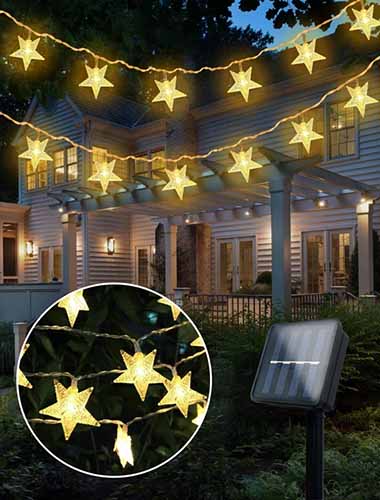
Prioritize your tasks based on urgency and the improving weather conditions. This is also a great time to clean the batteries in your solar lights and swap out any winter decorations for twinkling garden lights that will brighten your outdoor space.
As the temperatures begin to warm, a thorough cleanup is essential. Clear flower, herb, and vegetable beds, berry patches, as well as pots and window boxes to give everything a fresh start for the new season.
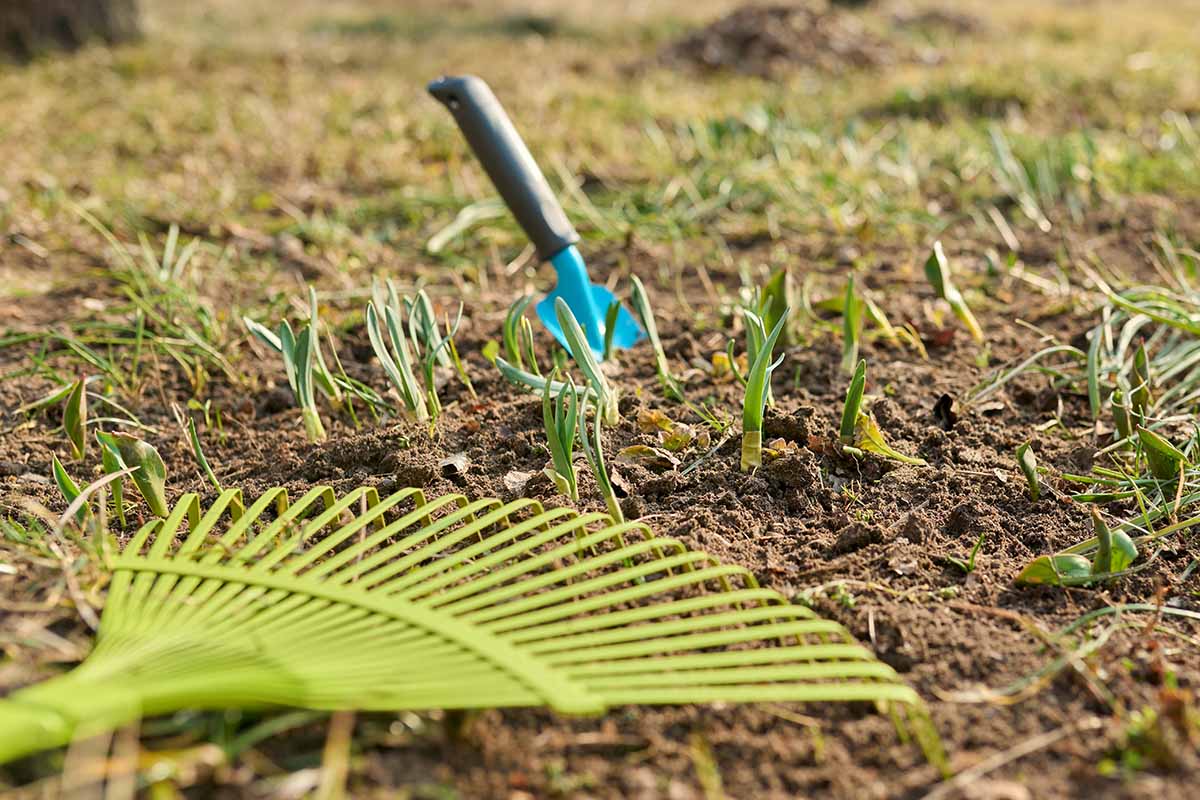
Cut back any dead or damaged plants, remove spent flower stalks, and rake away winter debris. A leaf rake is particularly useful for gently cleaning surfaces while safeguarding tender, emerging shoots from damage.
Check Winter Damage
When assessing your garden after winter, it’s common to find various forms of damage that need attention. Inspect pathways and rockeries for any upheaval, look for structural issues with fences and trellises, and check for any breakage in birdbaths or decorative planters.
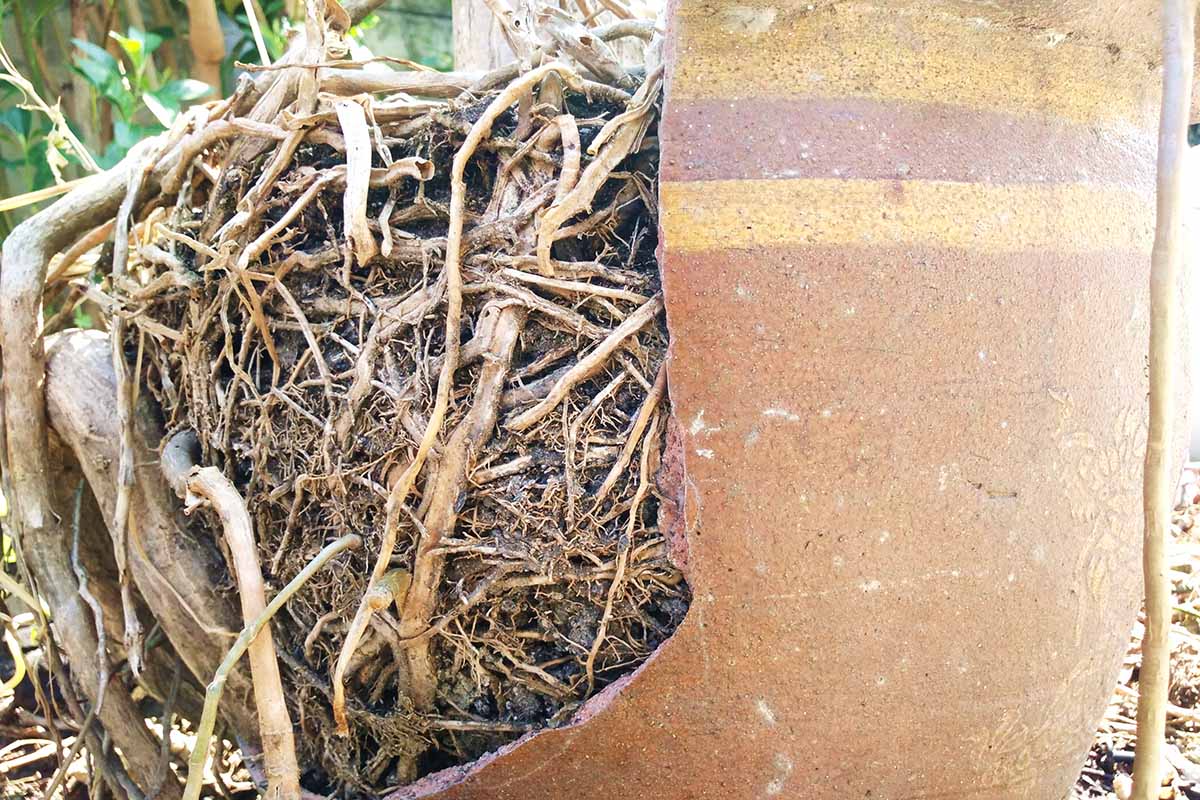
While you’re evaluating hardscapes, remember to pay close attention to your plants as well. Look for broken limbs or signs of nibbling from deer and rodents that may have taken a toll on your trees, shrubs, and perennials during the harsh winter months.
Document your findings with notes in your garden journal and take photographs to help remind you of the necessary repairs. Prioritize these tasks based on urgency and the likelihood of better weather, and keep your tools and materials handy for when it’s time to tackle them.
This period is also an opportune moment to check on any solar lights in your garden. Ensure they are functioning properly and consider replacing any damaged items to illuminate your garden effectively.
Clean Flower, Herb, Fruit, and Vegetable Beds
As winter fades, your garden will require a general cleanup to prepare for the new growth that lies ahead. All types of garden beds, including flower, herb, and vegetable patches, benefit from a thorough tidying up.
Begin by cutting back any dead or damaged plants. Remove spent flower stalks and rake away leaves, old mulches, and debris that has accumulated over the winter months. A leaf rake is ideal for this task, as it allows you to clean surfaces without harming delicate new shoots.
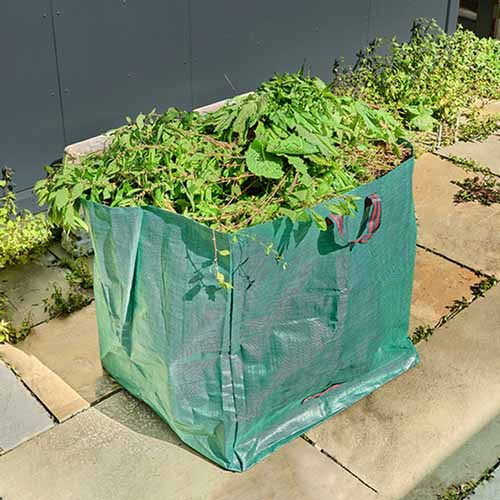
In addition to cleaning up garden beds, remember to tidy up containers and planters. Remove any dead plant matter from these areas and give ornamental grasses, clumps of perennials, and woody herbs a gentle grooming to encourage healthy growth.
Don’t forget to remove any overwintered weeds that may have taken root in your flower and vegetable beds as well as containers. Clearing these out will help promote better growth for your desired plants.
Divide Late Flowering Perennials
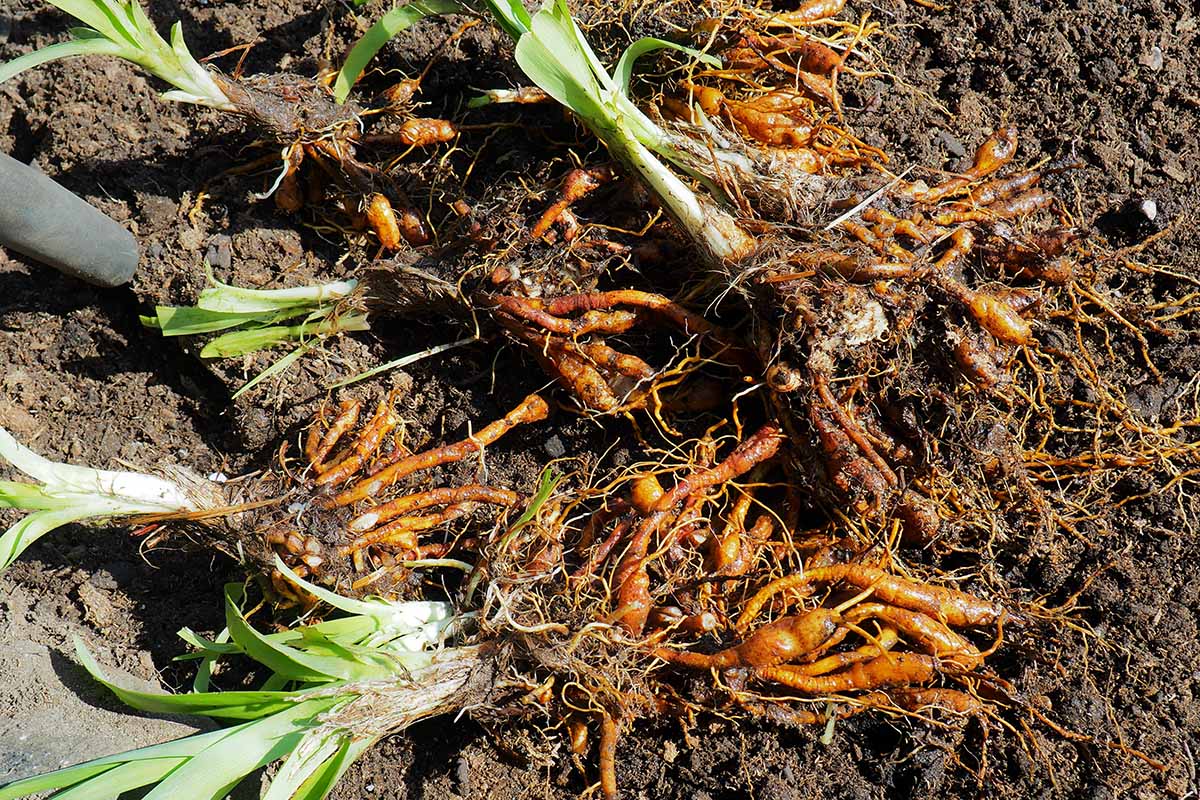
Early spring is the perfect time to divide late-flowering perennials, such as asters, hardy mums, and coneflowers. If you are on the lookout for more options, consider exploring our guide on the best fall-flowering perennials.
Be cautious, however, and avoid disturbing spring- and summer-flowering perennials, as they are best left undisturbed until fall for optimal results. For those new to this division practice, our comprehensive guide will walk you through the necessary steps for successful division.
For plants that begin to emerge early in the season, such as cool-weather herbs like chives, parsley, and tarragon, along with fall-planted garlic, it’s advisable to top-dress with compost, leaf mold, or well-aged manure. This will provide the nutrients that new growth requires while also protecting tender shoots from late frosts.
Spread a two-inch layer of organic matter over the root zone of these plants and gently work it into the soil to avoid damaging the roots.
Feed Early Sprouters
Early spring is when many plants wake from their winter dormancy, making it an optimal time to provide nourishment to those that break dormancy early. This includes a variety of herbs and vegetables, such as chives, tarragon, and overwintered carrots.
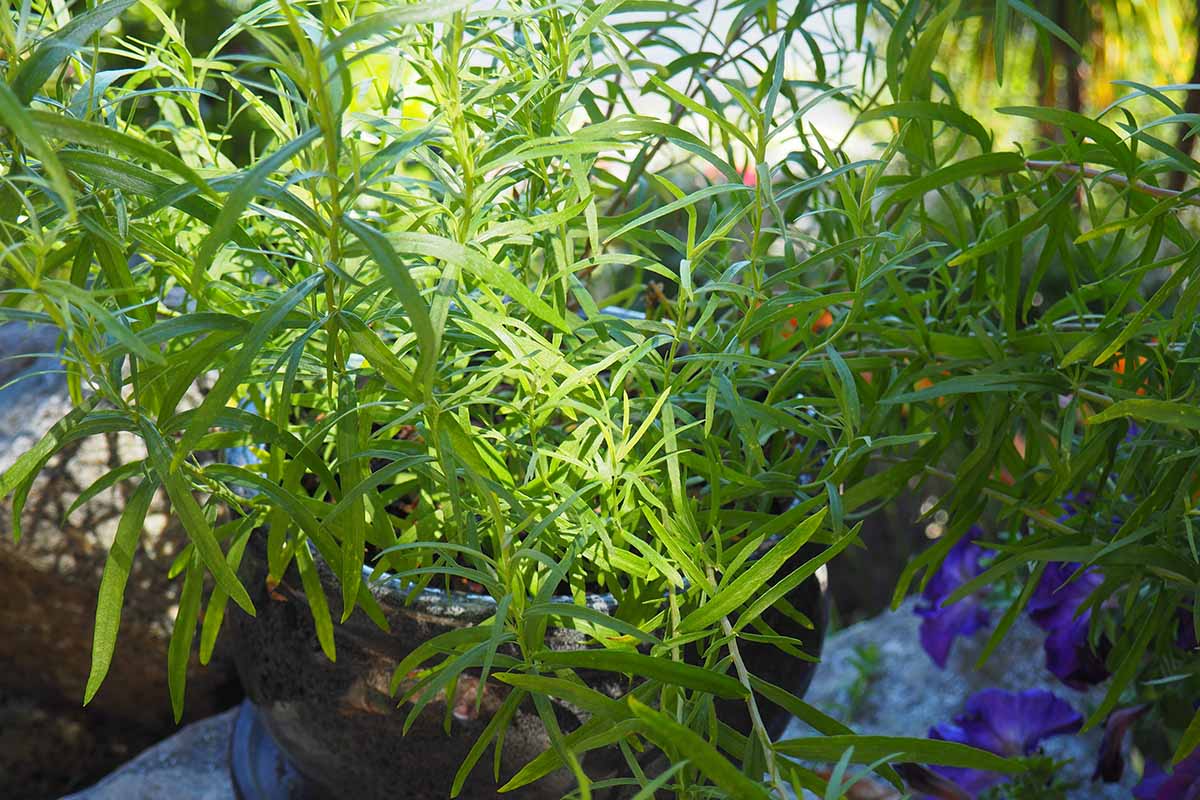
A top dressing of compost or well-aged manure will not only supply essential nutrients but will also help protect tender shoots from unexpected late frosts, allowing them to thrive as the weather warms.
Gently work the organic matter into the soil without disturbing the roots of your plants. This layer of nutrients will support healthy growth and set your garden up for success as the season progresses.
Prune Berry Canes, Shrubs, Trees, and Vines
Spring is an excellent time to prune berry canes, shrubs, trees, and vines that bloom in summer. This includes a variety of shrubs such as crape myrtle, hydrangea, and roses, as well as fruit-bearing vines like grapes.
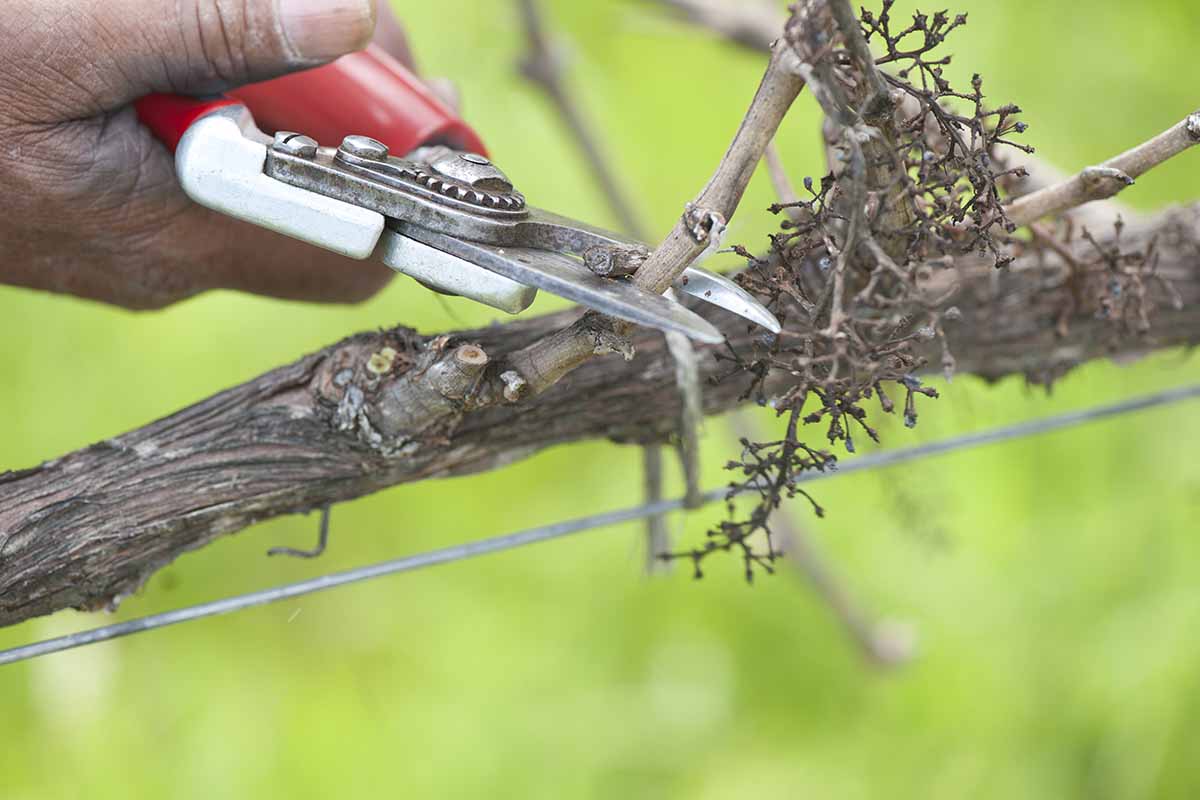
When pruning, focus on removing any dead, damaged, or crossed branches to encourage healthy growth. Be cautious with early-blooming shrubs, such as azaleas and lilacs, as pruning them in spring may result in the loss of blooms for the coming season.
Instead, early-flowering shrubs should be pruned immediately after they finish blooming, typically in early summer. This timing allows them to set buds for the following year while maintaining their shape and vitality.
It’s also essential to manage the size of second-year raspberry and blackberry canes during this time. Pruning can help maintain their size and make berry-picking easier once they ripen.
Repairs and Maintenance
As part of your garden’s repair and maintenance schedule, early spring is an ideal time to tackle various tasks before the busyness of the growing season takes hold. Completing these chores early on will set the stage for a more fruitful and enjoyable gardening experience.
Once you’ve addressed the initial spring tasks, shift your focus to the mid-spring duties that await you. As temperatures begin to rise, typically around mid-April to mid-May depending on your location, a new wave of gardening responsibilities emerges, including the eagerly awaited planting season.
Following a general cleanup of your garden beds and the division of overgrown clumps, it’s time to spread a layer of mulch around the root zones of your perennials. A two-inch mulch layer will help retain moisture, suppress weeds, and add organic matter to the soil.
Be cautious not to apply deep layers of mulch during the growing season, as this could suffocate your plants’ roots. However, deeper layers are acceptable during winter for root protection in freezing temperatures.
Mulch or Feed Perennials
Mid-spring is the ideal time to apply mulch to your garden beds. A fresh layer of mulch not only enhances the aesthetic of your garden but also provides essential benefits such as moisture retention and weed suppression.
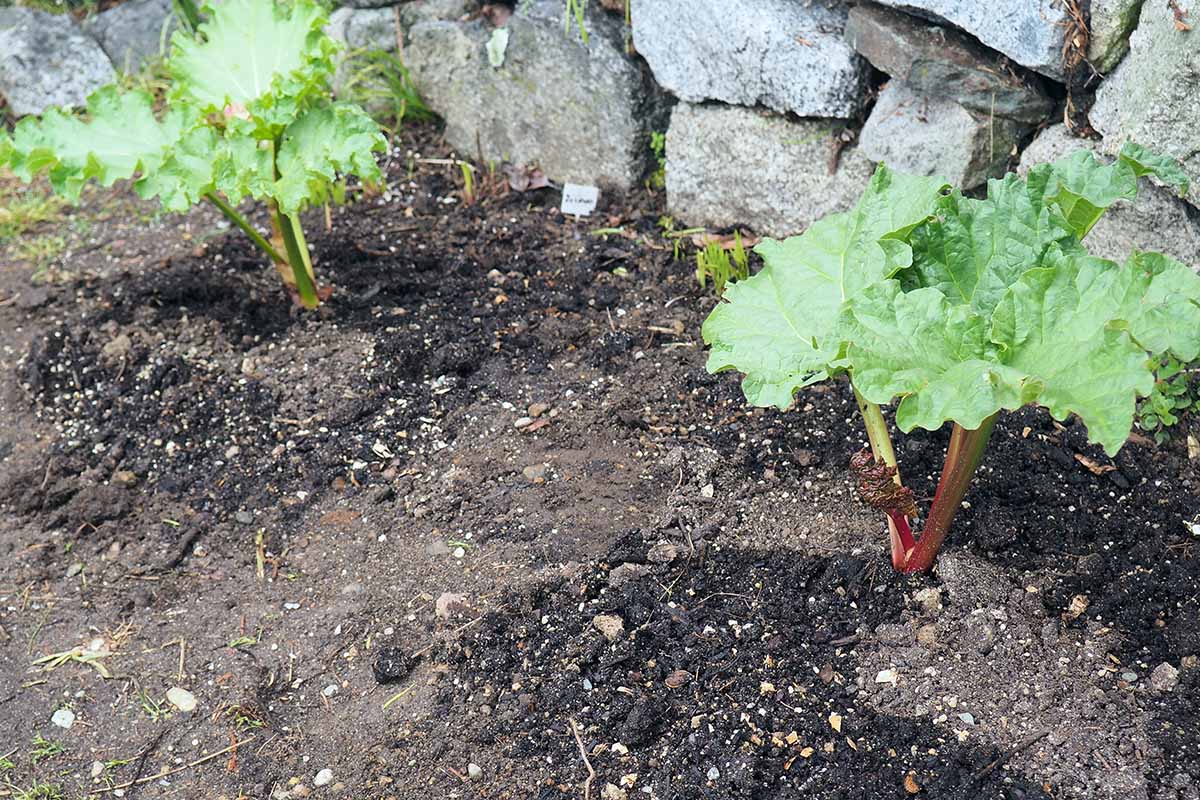
Choose organic mulches like compost or hardwood bark for added nutrients, while avoiding heavy materials that may not contribute to plant health. The best time to apply mulch is when most plants are just starting to emerge, ensuring that you do not disrupt their growth.
If you prefer not to use mulch, consider applying a slow-release, granular fertilizer as new growth begins to establish itself. When plants are just a few inches tall, a balanced all-purpose fertilizer can provide the necessary nutrients for robust growth.
Plant Summer Bulbs
While spring-flowering bulbs are best planted in the fall, summer-flowering bulbs typically go into the ground during mid-spring. Once the danger of frost has passed and the soil begins to warm, it’s time to plant varieties such as dahlias, glads, and caladiums for a beautiful late summer display.
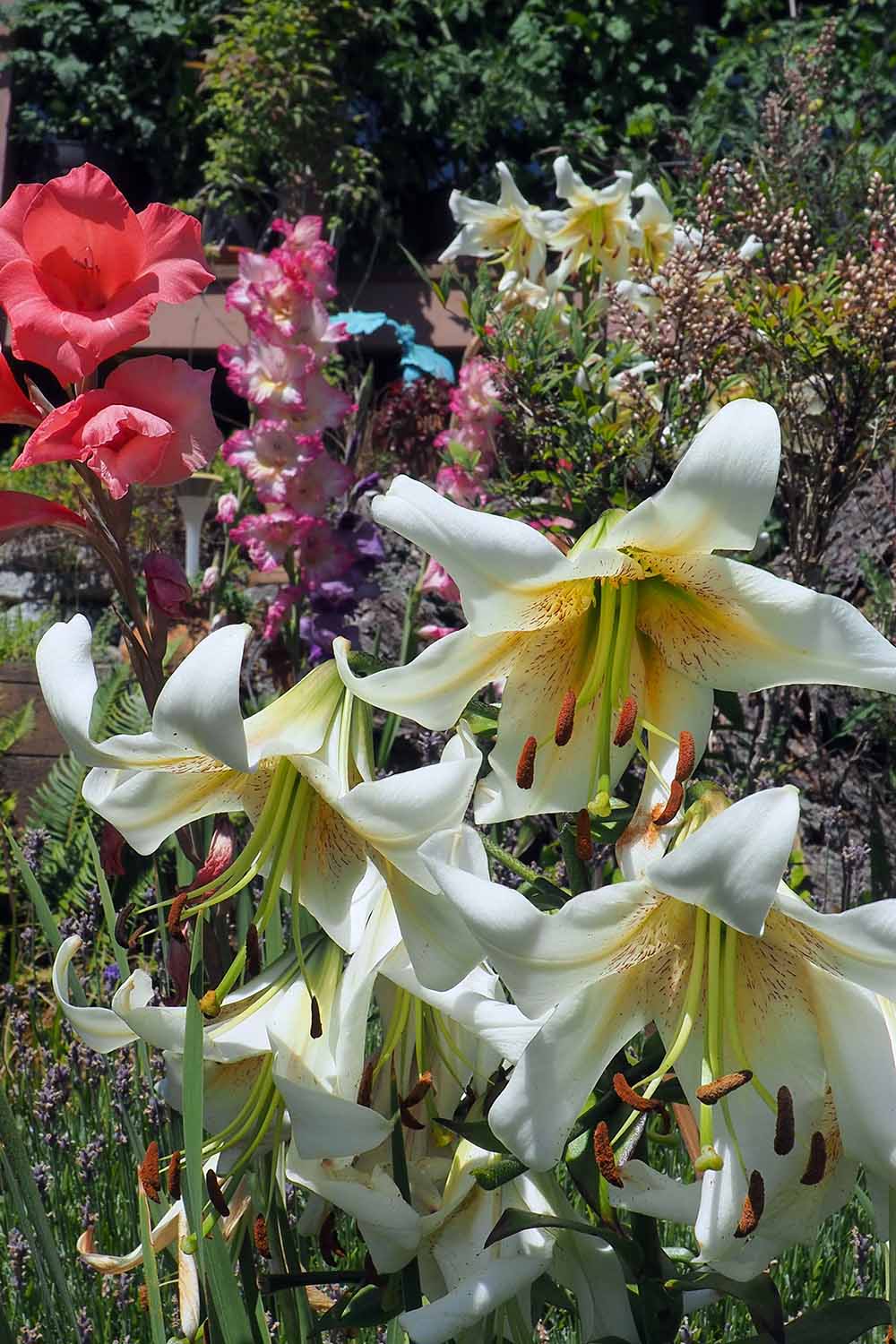
When planting summer bulbs, ensure they are placed in well-draining, humus-rich soil. Adding a sprinkling of bone meal will support rapid root development, helping your bulbs establish themselves quickly.
Set Out Supports
As mid-spring rolls around, it’s time to set out supports for climbing plants like clematis or honeysuckle, as well as for heavier perennials that may require assistance in standing upright. Installing trellises, stakes, or poles at this point allows you to guide plant growth effectively.
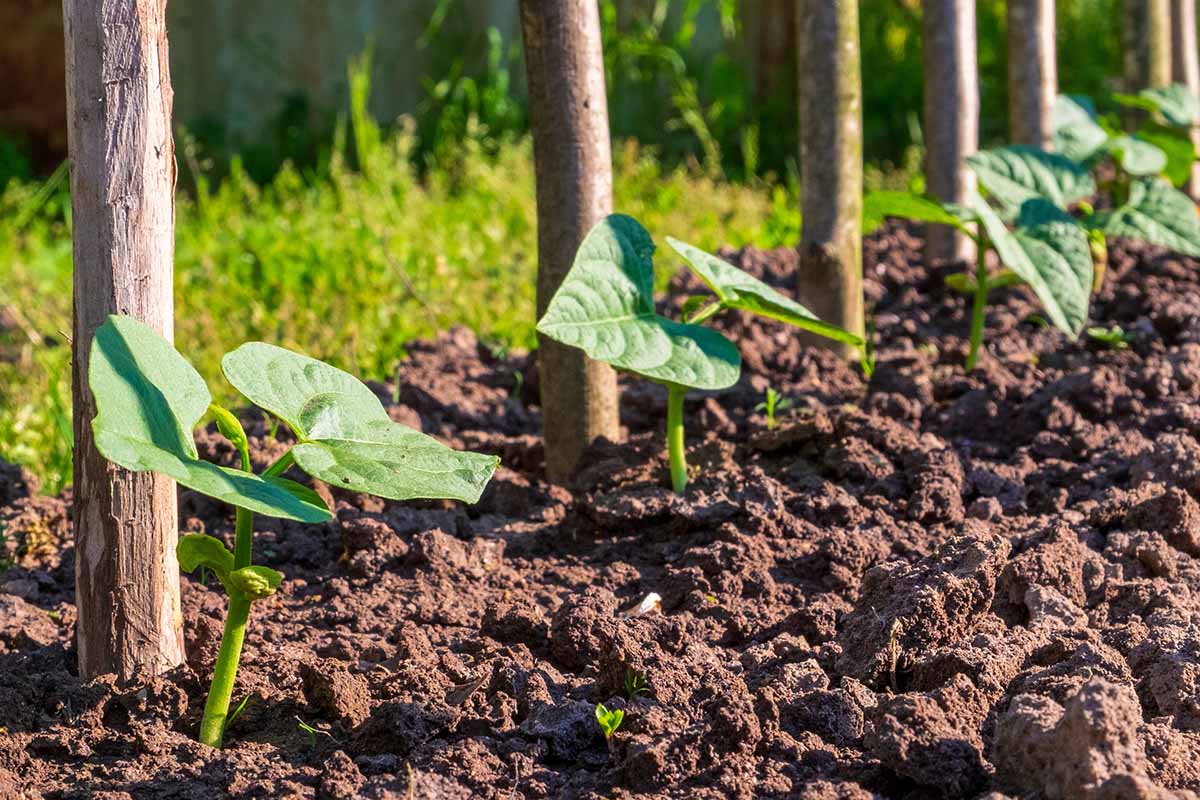
Ensure that supports are securely placed before new growth begins. As your plants start to bud and grow, use plant clips or twine to attach the stems to their supports, providing them with the necessary structure to flourish.
Sow Cool Season Vegetables
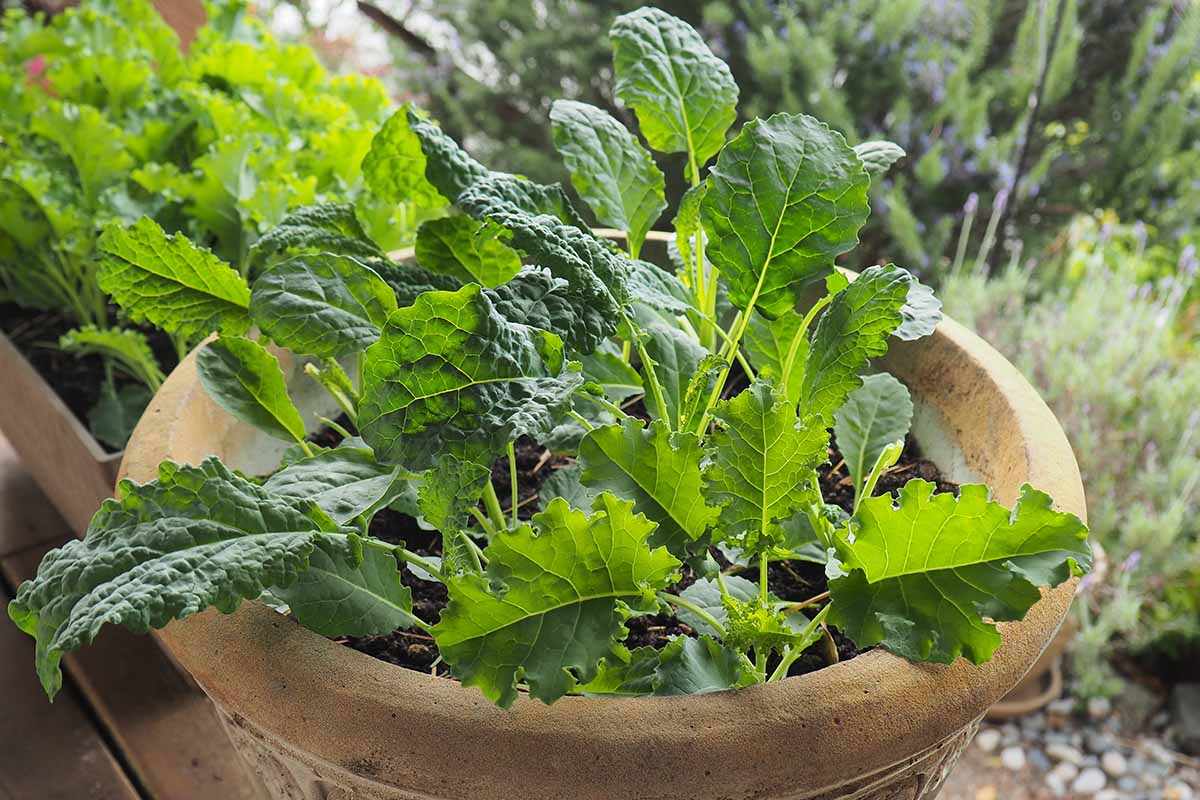
Once conditions are warm enough to work the soil in your vegetable beds, it’s time to loosen and amend the soil with organic matter, preparing it for the sowing of cool-season crops. Cool-season vegetables thrive in the mild temperatures of spring and can be directly sown into the soil.
Consider planting crops like lettuce, kale, and broccoli, which prefer the cool days of early spring. Root vegetables such as carrots and radishes can also be sown during this time, as well as peas and other Brassica varieties.
Start Summer Vegetables Indoors
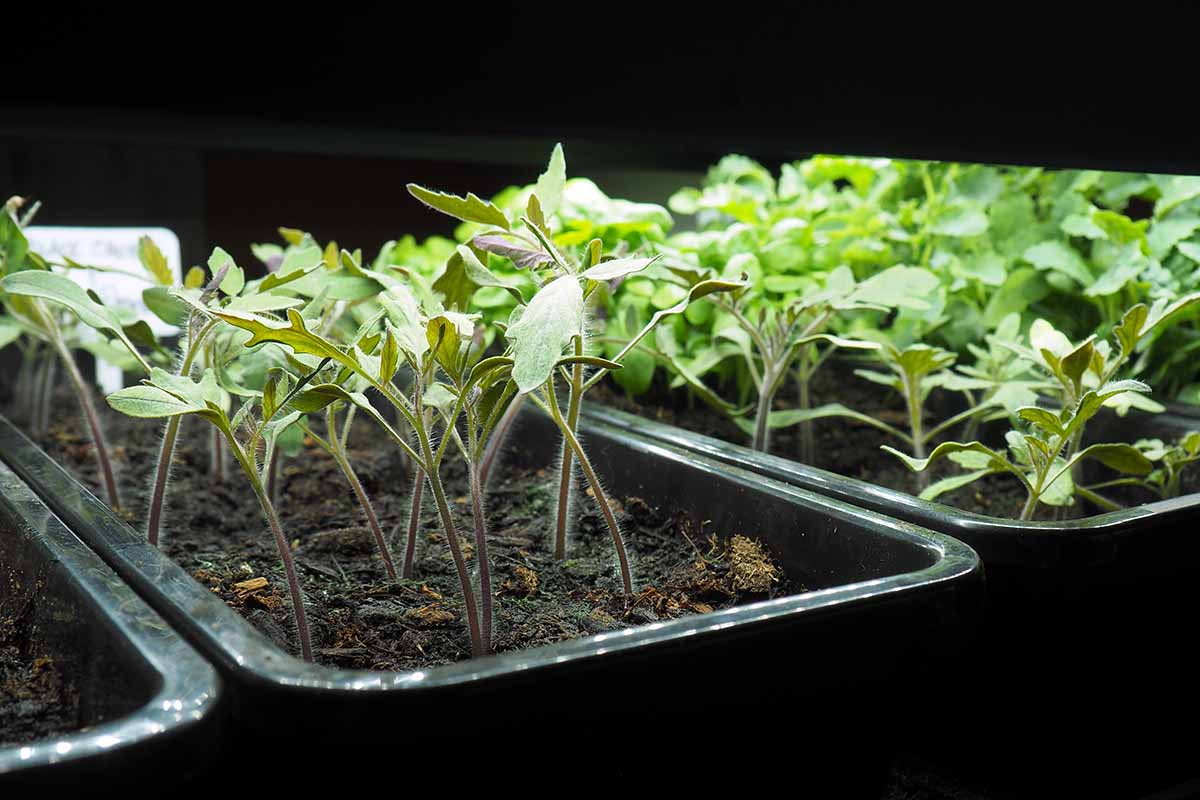
For those annual vegetables that thrive in hot temperatures and require a longer growing season, starting them indoors is advisable. This early start allows you to get a jump on the season and ensures that crops can mature fully before the onset of cold weather again.
Remove Protective Covers
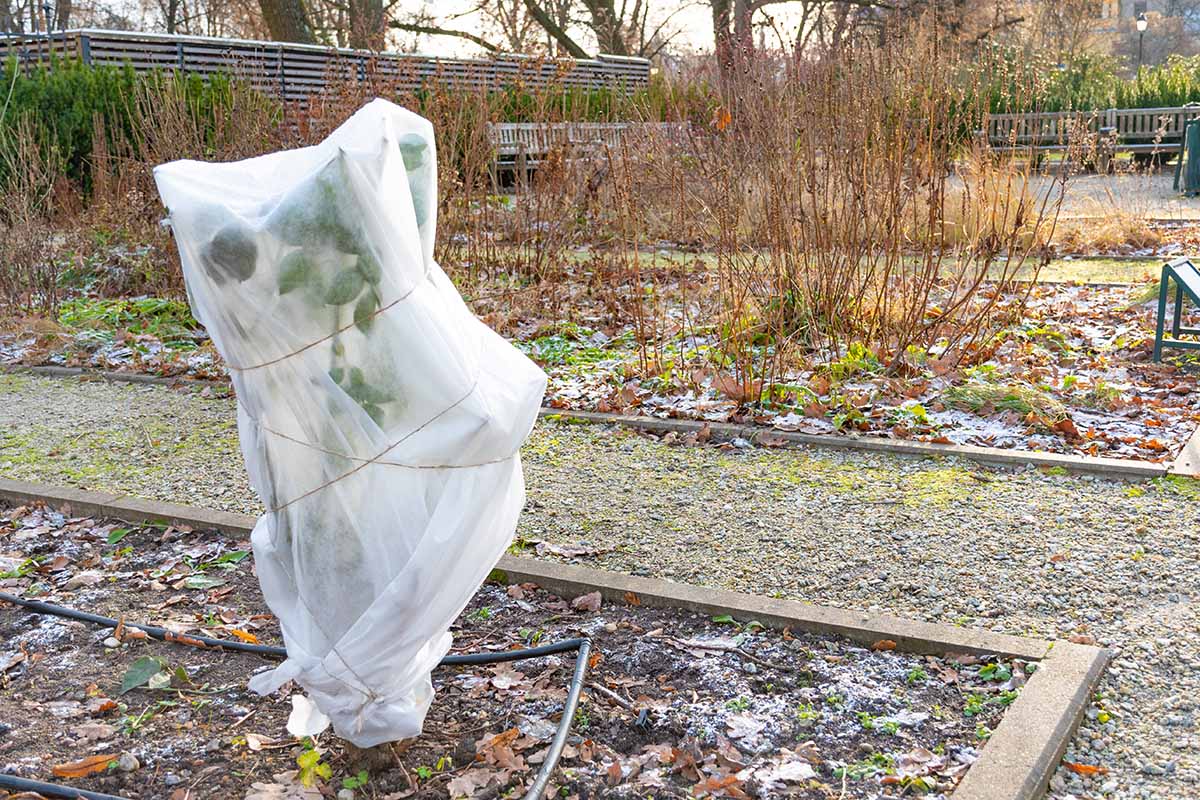
As spring progresses and temperatures stabilize, it’s crucial to remove any protective covers that have been shielding your plants throughout the winter. This helps improve air circulation and prevents mold buildup, while also allowing plants to acclimatize to warmer temperatures.
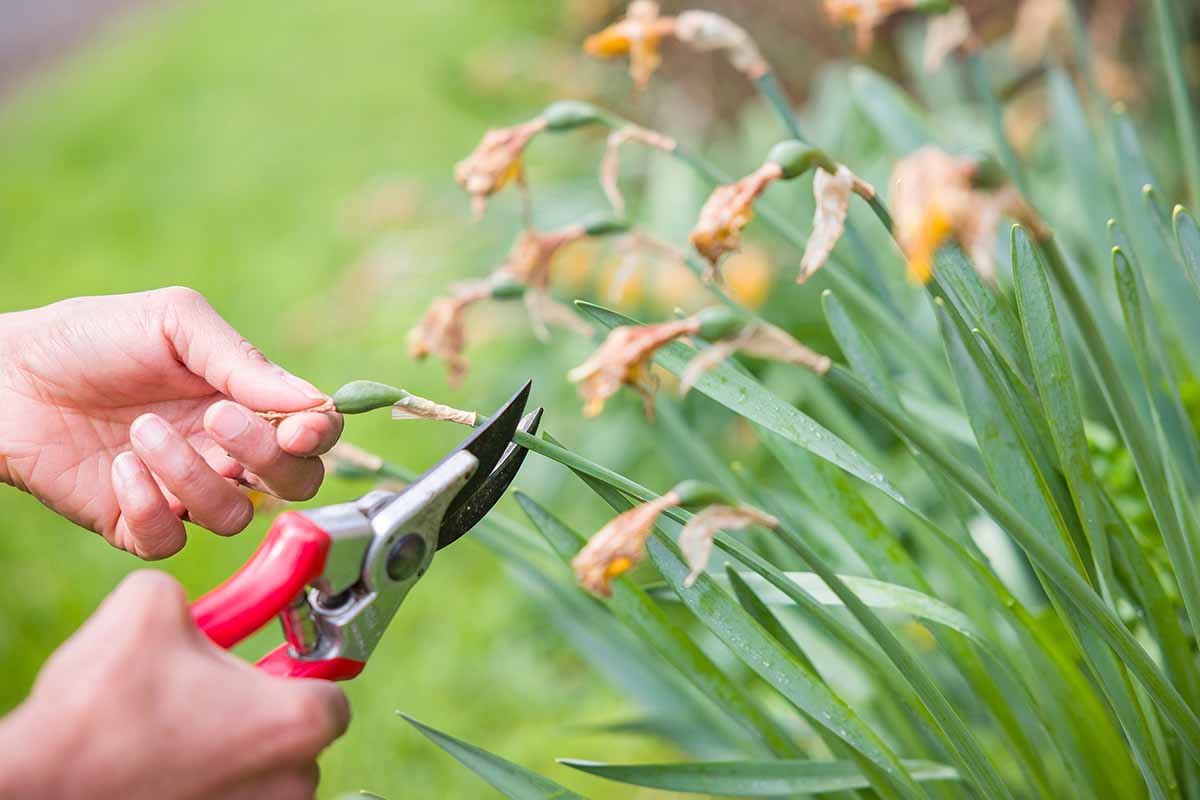
Deadhead Early Flowering Bulbs
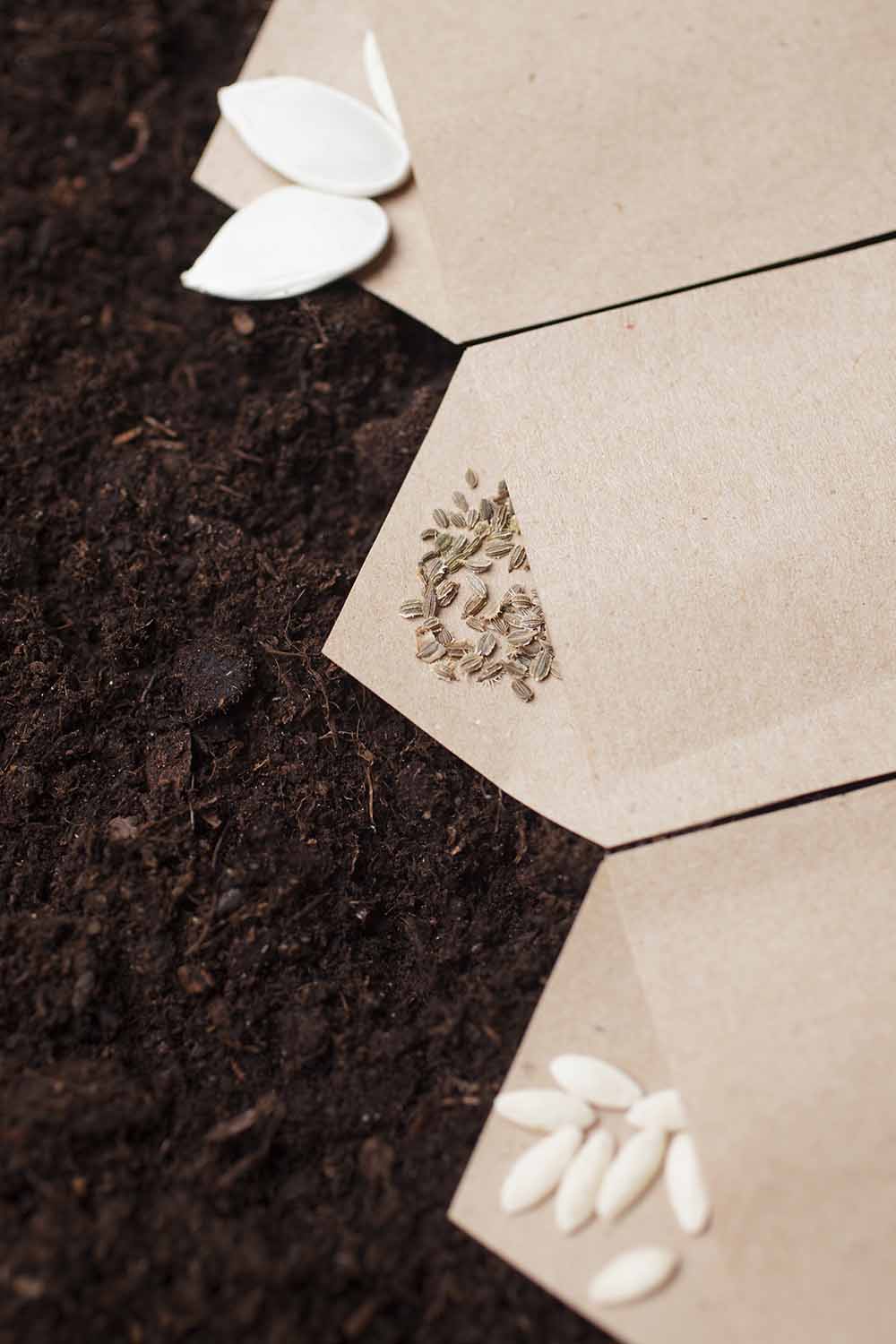
Direct Sow Annual Flowers, Herbs, and Summer Vegetables
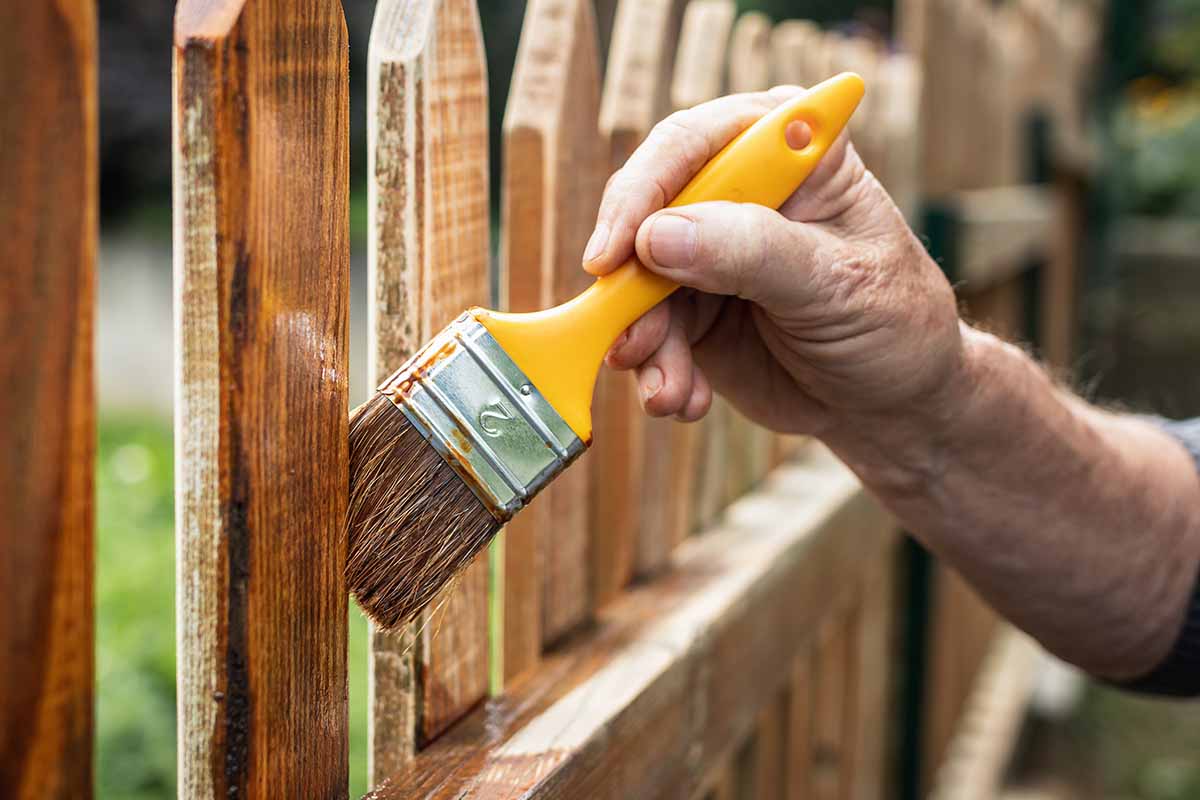
Paint or Stain Hardscape Elements