Mastering the art of growing tomatoes in pots opens up the possibility of enjoying fresh tomatoes right from your balcony, patio, or any sunny nook in your yard. Container gardening allows for the cultivation of tomato plants that can be just as fruitful as those grown in open gardens, provided they have ample room for their roots, consistent moisture, sturdy support, and regular feeding. This method is perfect for those with limited space or poor soil conditions, making it accessible for everyone.
However, the success of container tomatoes often hinges on the right setup. Many issues arise from using pots that are too small or from erratic watering routines. By carefully selecting the appropriate container size, variety of tomato, and maintaining a rigorous care schedule, your plants can thrive. In this detailed guide, we will explore everything from picking the right container to troubleshooting common issues as you nurture your plants from seedlings to ripe tomatoes.
It’s important to note that even though container tomatoes are designed for smaller spaces, they still require significant care and attention. They are not miniature plants unless you specifically choose compact varieties. For a broader understanding of container gardening, consider reviewing additional resources that cater to beginners in this rewarding hobby.
Choosing the Right Tomato Variety
When embarking on your container gardening journey, selecting the right tomato variety is crucial. For success, focus on determinate, patio, dwarf, or compact cherry tomato varieties. Determinate types are particularly well-suited for pots because they grow to a manageable size and produce most of their yield in a concentrated timeframe. This makes them ideal for gardeners who prefer a more predictable harvest.
Dwarf varieties are also excellent choices; they maintain a shorter stature while still yielding full-sized or cherry tomatoes. These options are easy to manage in confined spaces, allowing for optimal growth without the need for excessive pruning or support.
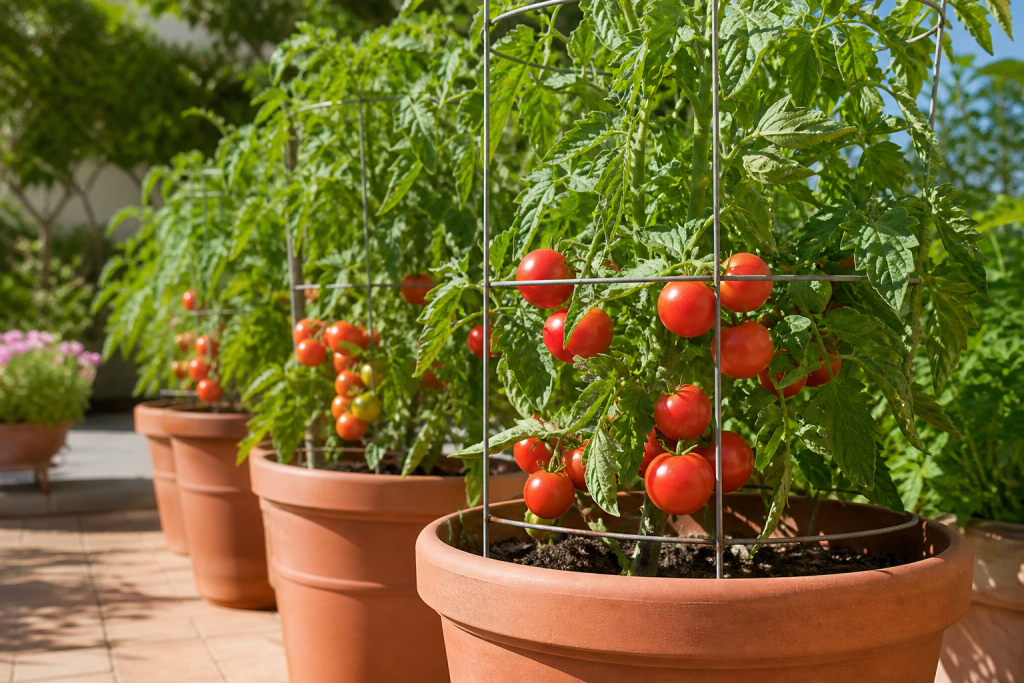
Indeterminate tomatoes, while capable of thriving in containers, present a unique challenge. They continue to grow and produce fruit until the cold weather sets in, requiring larger pots, sturdier supports, and more frequent attention to pruning and tying. Always refer to the plant label for guidance on the variety’s height and space requirements to ensure you choose one that fits your available area.
Use a Large Container With Excellent Drainage
For the majority of tomato plants, selecting a container that can hold at least 10 gallons of soil is recommended, with 15 to 20 gallons being the ideal choice for vigorous or indeterminate varieties. A larger pot retains moisture more effectively, provides ample room for root growth, and minimizes stress during hot weather conditions. However, if you’re opting for compact dwarf varieties, it may be acceptable to use smaller containers as specified by the variety’s instructions.
Drainage is another critical factor. Ensure your pots have multiple drainage holes to prevent water from accumulating at the bottom. If necessary, elevate your container slightly using pot feet to facilitate proper drainage. Be cautious not to let the container sit in standing water after you’ve finished watering, as this can lead to root rot and other issues.
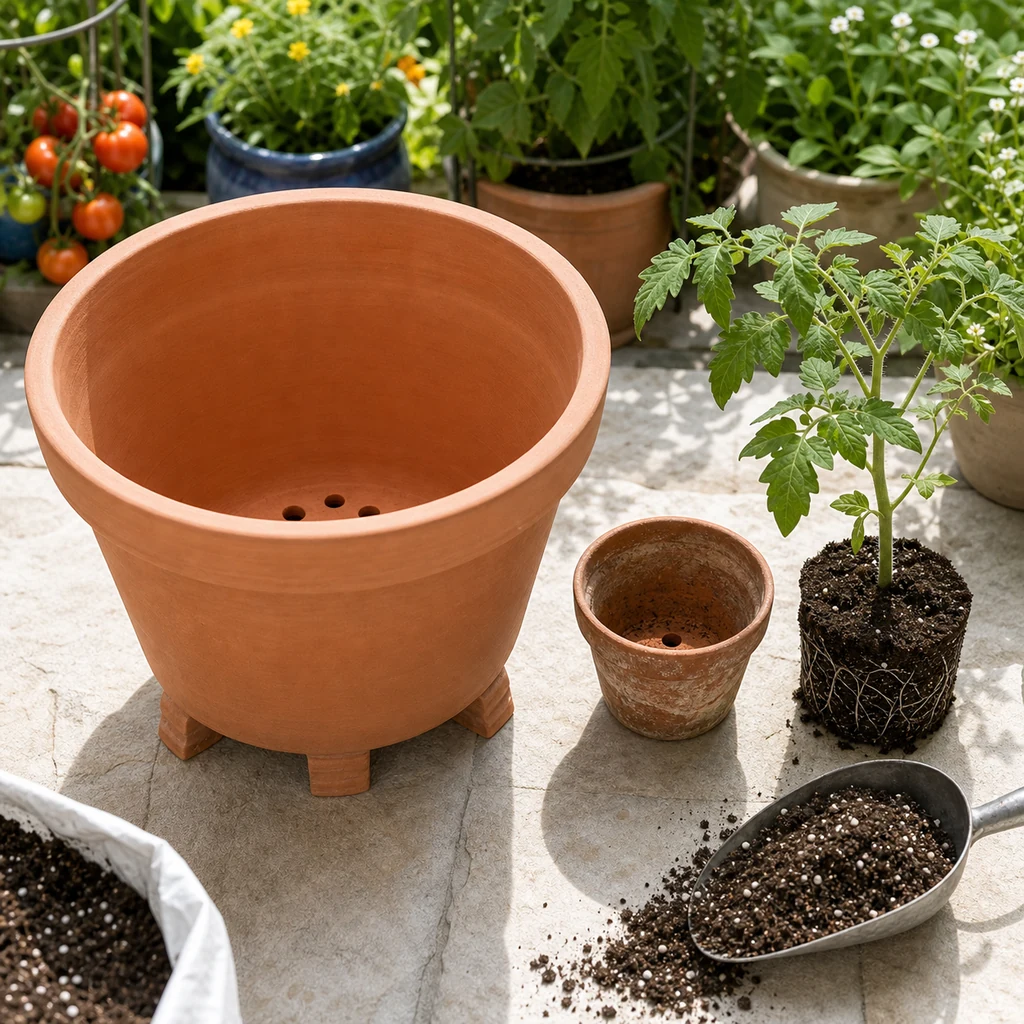
The material of the pot also plays a role in moisture management. Plastic and glazed pots typically hold moisture longer than unglazed terracotta, which may require more frequent watering. Always choose a container that suits your climate and the specific watering needs of your tomato plants.
Fill the Pot With Quality Potting Mix
When it comes to filling your container, opt for fresh potting mix instead of heavy garden soil. Potting mix is formulated to balance moisture retention with adequate drainage and airflow, which is crucial for healthy root development. In contrast, garden soil can compact within a container, restricting oxygen flow to the roots and impeding drainage.
Incorporating finished compost into your potting mix can be beneficial, but be mindful of the proportions. Follow the potting mix guidelines and avoid filling the entire container with compost, as tomatoes require a balanced growing medium rather than an overly rich or dense mixture. Leaving one to two inches of space at the top of the pot will also make watering more manageable.
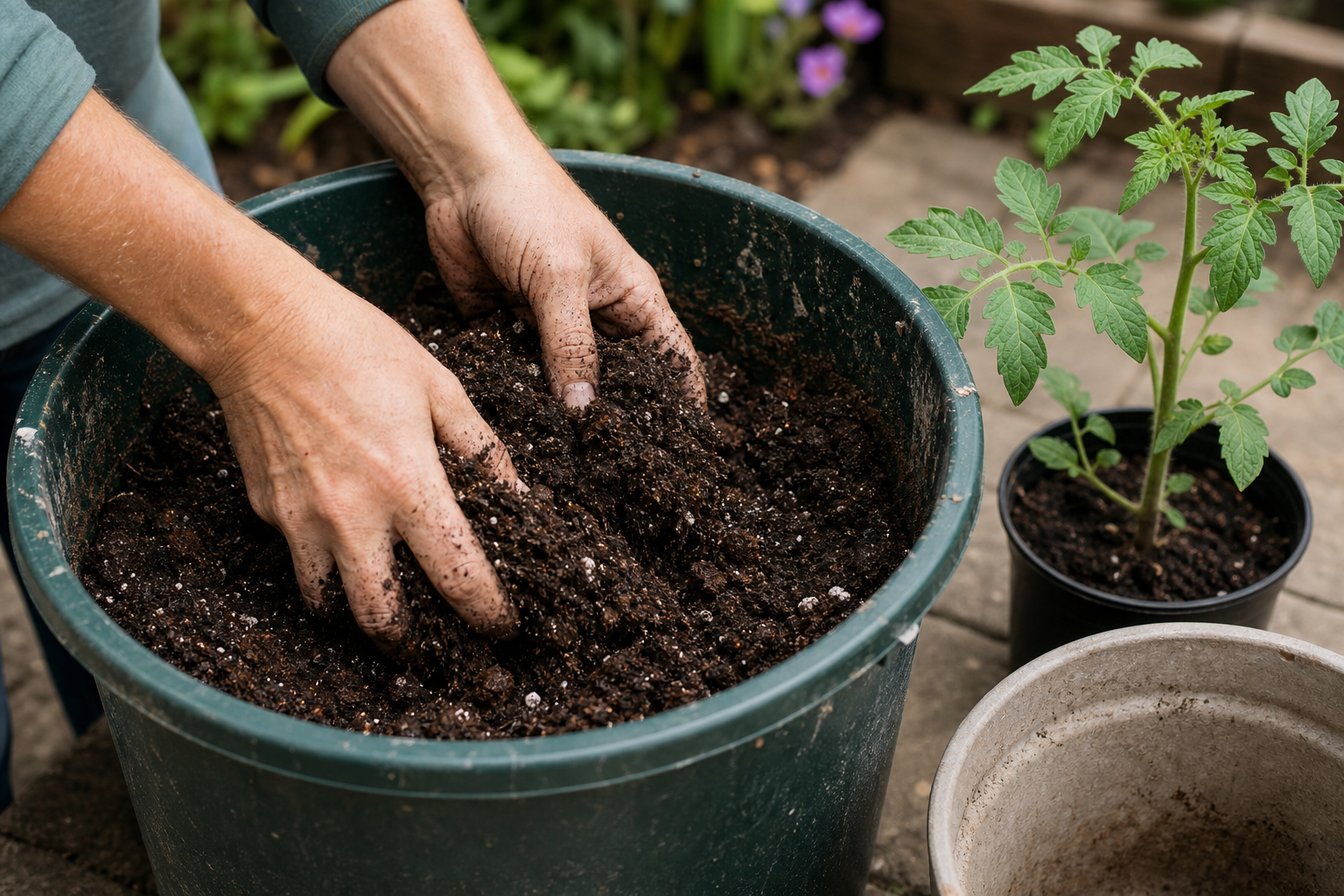
After filling the pot, it’s essential to ensure that the mix is settled properly around the roots. Water thoroughly after planting to help the soil settle and eliminate air pockets that could hinder root growth.
Plant the Tomato Seedling Deeply
When planting your tomato seedling, a crucial step is to remove the lowest leaves and plant a portion of the stem below the soil surface. This technique allows tomatoes to develop additional roots along the buried stem, which fosters a more robust root system. Following this method can lead to stronger and healthier plants.
After placing the seedling in its new home, be sure to water it thoroughly to ensure that the potting mix settles tightly around the roots. This initial watering is vital for establishing a strong foundation for your plant.
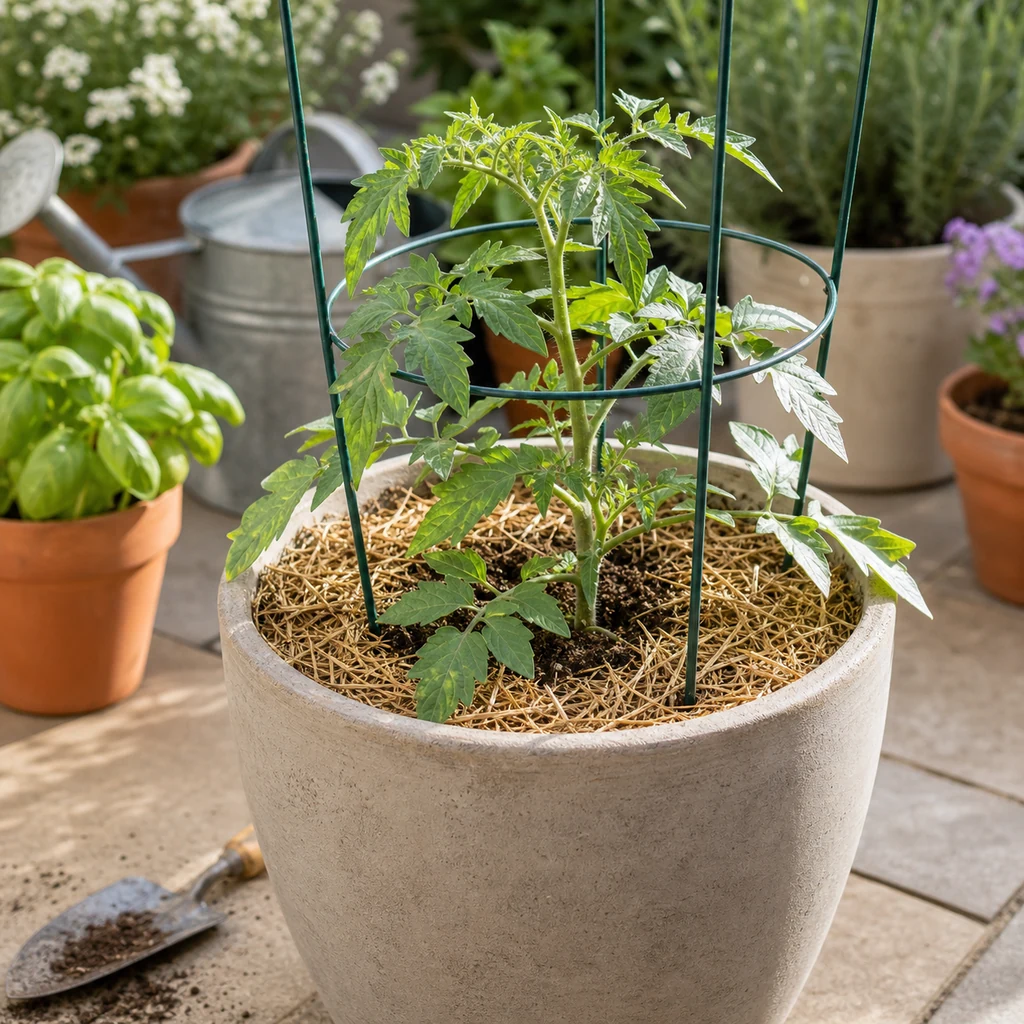
Additionally, it’s wise to install any necessary support structures, such as cages or stakes, at the time of planting. Waiting until the plant is established can lead to root damage. A lightweight mulch, such as straw, can also be added on top of the potting mix to reduce evaporation without obstructing the plant stem.
Give Container Tomatoes Enough Sun
Tomato plants thrive on sunlight, requiring a minimum of six hours of direct sunlight each day, with eight hours being optimal for robust growth and abundant fruit production. When selecting a location for your container, observe the sun patterns in your outdoor space to determine the best spot for your plants.
Morning and early afternoon sunlight is particularly beneficial, as it helps to warm the soil and promotes healthy growth. However, if you live in extremely hot climates, consider a location that offers strong morning sunlight with some shade during the intense heat of the afternoon. This can help prevent stress on the roots and reduce the risk of wilting.
Be aware that the color of your container can also impact temperature. Lighter-colored pots tend to absorb less heat compared to darker ones, which can lead to a cooler root zone during hot weather.
Water Deeply and Consistently
During warm weather, it’s essential to check the soil daily. Water the plants when the top inch of the potting mix feels dry, applying water slowly at the soil level until you see it draining from the bottom. Be sure to empty any collected runoff after the pot has finished draining to prevent the roots from sitting in standing water, which can lead to root rot.
Establishing a consistent watering routine is more important than adhering to a strict schedule. Hot, windy days may require daily watering, while cooler or overcast days may need less. Allowing the plant to wilt repeatedly and then soaking it can lead to problems like cracked fruit and blossom-end rot, so aim for a steady moisture level.
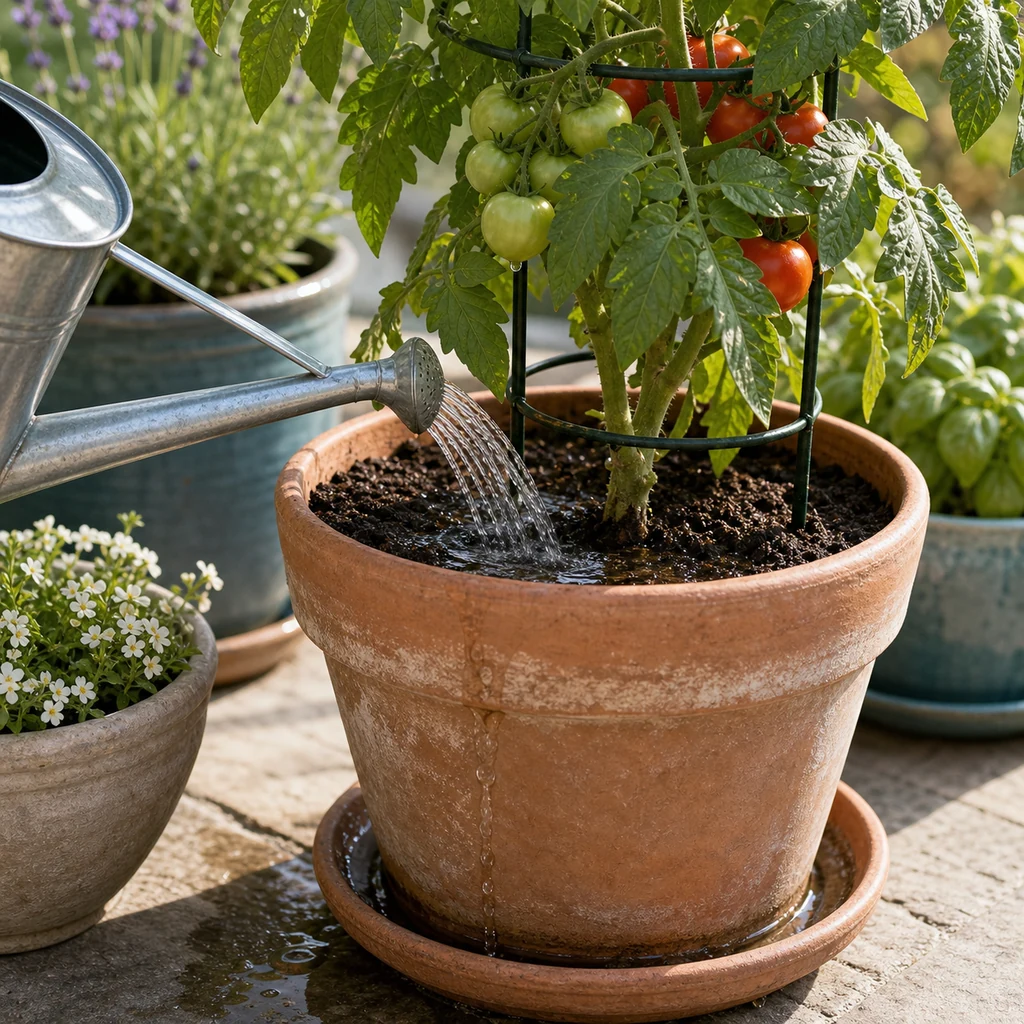
As the season progresses and the plants grow, you may need to adjust your watering habits based on the plant’s size, the temperature, and the wind conditions in your area.
Feed Tomatoes Throughout the Season
Container-grown tomatoes gradually deplete their nutrients with regular watering, so it’s essential to start feeding them according to the fertilizer label after they become established and show signs of active growth. Utilize a fertilizer specifically formulated for tomatoes or vegetables, adhering to the recommended application rates.
Be cautious with nitrogen levels; excess nitrogen can lead to lush foliage but fewer flowers and fruits. Once blooming begins, switch to a balanced tomato fertilizer that supports fruit development. Always water the plants before applying concentrated fertilizer to avoid damaging the roots, especially if the potting mix is very dry.
Regular feeding is vital for maintaining healthy growth and fruit production. Pay attention to the nutrient needs of your plants throughout the growing season to ensure a plentiful harvest.
Support, Tie, and Prune Carefully
Providing adequate support for your tomato plants is crucial. A sturdy cage or trellis will prevent stems from breaking under the weight of the fruit. As the plants grow, use soft plant ties to secure long stems loosely, ensuring you check the ties frequently and loosen them as needed to accommodate the thickening stems.
To promote airflow and overall plant health, regularly remove any yellowed or damaged leaves, as well as foliage that touches the soil. For indeterminate varieties, selective sucker pruning may be beneficial, but avoid over-pruning healthy leaves, as they play a vital role in protecting fruit from sunscald and ensuring the plant’s energy production.
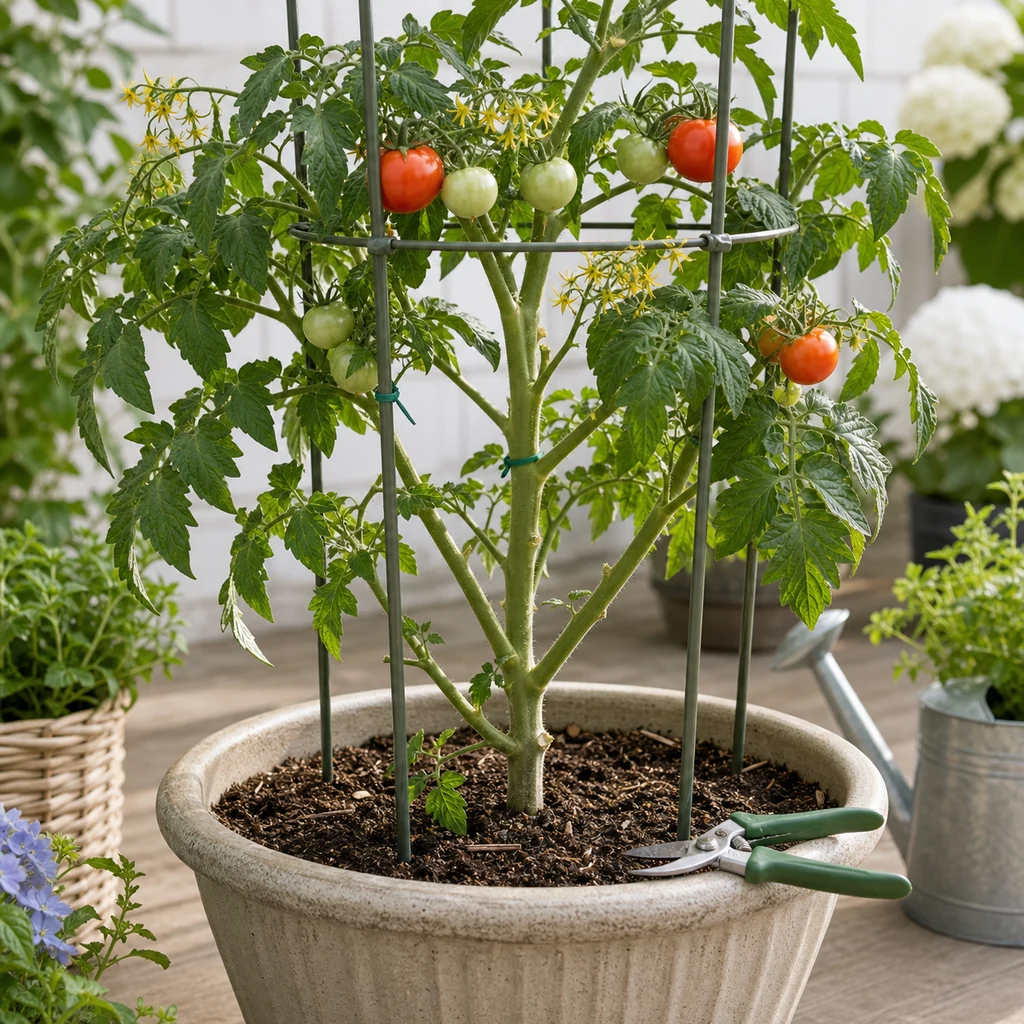
Determinate varieties typically require less pruning, but it’s still important to maintain proper airflow and plant health by addressing any issues that arise.
Common Container Tomato Problems
Container tomatoes can face a variety of challenges. The first step in troubleshooting is to check the potting mix before watering. If the soil is dry, it’s time to water, but if the soil is wet and the leaves are wilting, it could indicate poor drainage or root stress. Temporary wilting during extreme heat is common, and the plants often recover by evening if given adequate care.
Conditions such as extreme heat, cold nights, inconsistent watering, or too much nitrogen can lead to blossom drop. To mitigate this, maintain consistent moisture and avoid overfeeding your plants. Gently shaking flowering branches can also help distribute pollen when air movement is limited, promoting successful fruit set.
Blossom-end rot is another common issue, typically linked to inconsistent moisture affecting calcium movement within the plant. Regular watering and avoiding root damage are critical in preventing this problem. Adding extra calcium without first confirming a deficiency may not address the underlying moisture issue.
Harvest Tomatoes at the Right Time
Timing your harvest is essential for enjoying flavorful tomatoes. Harvest when the tomatoes reach their mature color and yield slightly to gentle pressure. Regularly picking ripe fruit can also encourage the plant to produce more, so don’t hesitate to remove them promptly.
For tomatoes that begin to color but may be threatened by pests, storms, or extreme heat, you can finish ripening them indoors. Simply place them in a sunny spot in your home, and they’ll continue to develop their flavor and color.
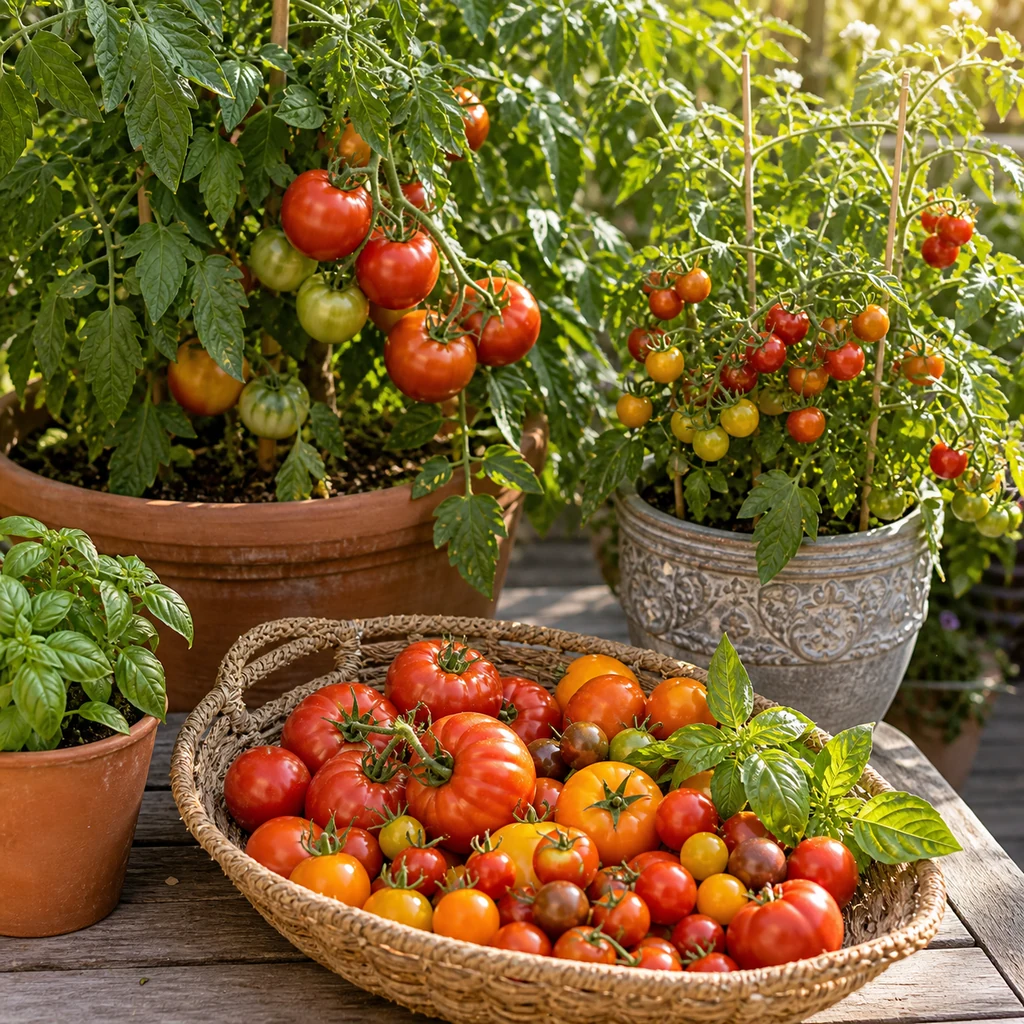
Fresh tomatoes can be utilized in various delicious summer recipes, making them a delightful addition to your culinary creations. Consider pairing them with fresh basil grown in a separate pot to elevate your summer dishes.
Growing Tomatoes in Pots Checklist
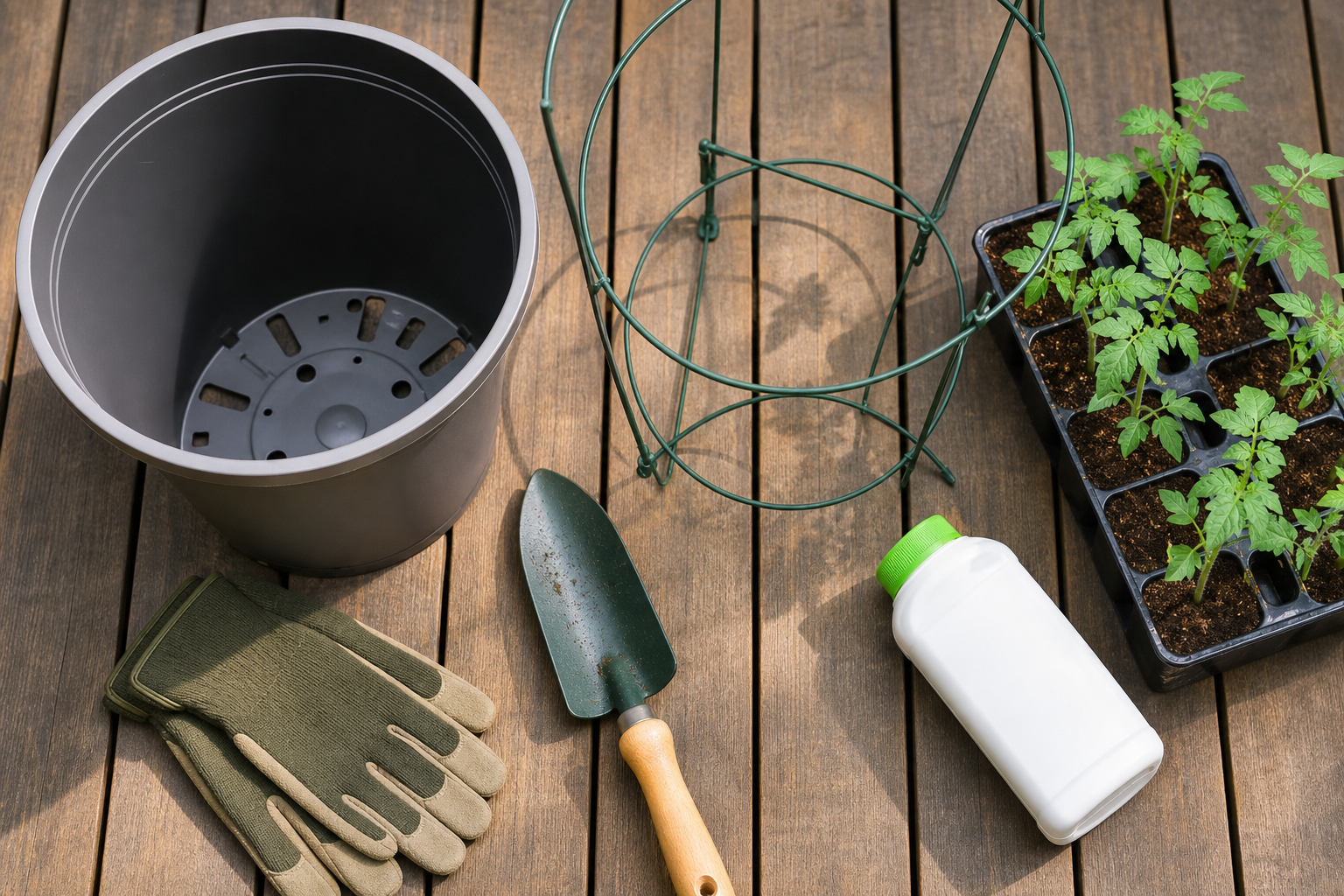
To ensure a successful container garden, adhere to this handy checklist. Start with a container of at least 10 gallons, ideally 15 to 20 gallons, to provide ample root space. Confirm that your pot has open and unobstructed drainage holes to prevent excess water accumulation.
Next, fill the container with high-quality potting mix designed for containers. Plant the seedling deeply and install any necessary support structures immediately after planting. Position the pot in a location that receives at least six hours of direct sunlight daily.
Monitor soil moisture closely, checking daily and watering deeply at the soil level when necessary. Feed your tomatoes according to the fertilizer label throughout their active growth period. Finally, regularly remove damaged leaves and tie stems loosely to support healthy growth.
Frequently Asked Questions
As you embark on your journey of growing tomatoes in pots, you may have several questions. One common inquiry is about the best size pot for a tomato plant. A 15-to-20-gallon container is generally a reliable choice for most varieties, while compact types may tolerate smaller pots.
Watering frequency is another common concern. During warm weather, check daily and water when the top inch feels dry. The actual frequency will vary based on factors such as temperature, wind, plant size, container material, and sunlight exposure.
Many gardeners wonder if they can grow two tomato plants in one pot. Generally, it’s best to stick with one plant per container to avoid competition for resources unless you have an exceptionally large pot.
Support is also essential. Most tomato plants will benefit from some form of support, even compact varieties, as they can become heavy with fruit. Install a sturdy cage, stake, or trellis at planting time to avoid disturbing the roots later.
Reusing potting mix is not advisable, as it can harbor pests, diseases, and depleted nutrients. It’s better to replace it or thoroughly refresh and sanitize it according to local guidelines, especially if the previous plant was unhealthy.
Lastly, the best potting mix for tomatoes in pots is a fresh, lightweight mix that offers good drainage and airflow. Blend in a modest amount of finished compost if the label allows, and avoid dense mixes that might restrict root oxygen and drainage.
A Productive Tomato Garden Without Garden Beds
Creating a flourishing container tomato garden is not only possible but can be incredibly rewarding. By making a few practical decisions—such as selecting the right variety, providing sufficient root space, using fresh potting mix, supporting the plants early on, and maintaining consistent moisture—you can enjoy a bountiful harvest without needing a traditional garden bed.
The flexibility of container gardening allows you to place your plants in the sunniest spots available, giving you better control over soil conditions and making it easier to monitor their needs. Plus, if you’re limited on space, a single productive tomato plant can thrive on a balcony or compact patio.
One of the additional benefits of growing tomatoes in containers is the reduced risk of soil-related diseases. Fresh potting mix minimizes exposure to pathogens that could affect your plants, leading to healthier and more productive plants throughout the growing season.
Leaves Wilt During the Day
If you notice your tomato plant’s leaves wilting during the heat of the day, it can be concerning. However, this is often a natural response to extreme heat and doesn’t necessarily indicate a problem. Temporary wilting can occur as the plant conserves moisture during the hottest parts of the day.
To help mitigate this, ensure that your plants are consistently watered and consider providing some afternoon shade if your area experiences intense heat. Regular monitoring of soil moisture will help you determine when it’s time to water again.
By following these guidelines and remaining attentive to your plants’ needs, you can successfully grow tomatoes in pots and enjoy a delicious harvest all summer long.