Pollinator gardens are essential for fostering local wildlife by attracting various insects, birds, and mammals that play a crucial role in the pollination of plants. By cultivating flowers that produce nectar and pollen, you can invite these indispensable species into your garden. Pollinators are responsible for approximately one-third of the food we consume, making their presence vital for a balanced ecosystem. Establishing a pollinator-friendly environment not only enhances plant growth and fruit yield but also supports biodiversity.
As pollinators face increasing threats from habitat destruction and pesticide exposure, it’s crucial to create safe havens that provide food and shelter. This guide will walk you through selecting the right native plants, creating habitats, and avoiding harmful practices that endanger these vital creatures. By supporting local pollinators, you are contributing to a more diverse ecosystem and securing food sources for the future.
Understanding Pollinators And Their Role
Pollinators are a diverse group of animals that facilitate the transfer of pollen between flowers, a process essential for plant reproduction. This process, known as pollination, enables many plants to produce seeds and fruit. Without these pollinators, countless plants would struggle to grow and reproduce, which in turn affects the entire food chain, including human beings.
Among the most recognized pollinators are bees, which visit flowers to collect nectar and pollen while inadvertently transferring pollen from one bloom to another. Other creatures, such as butterflies, hummingbirds, and even some mammals like bats, also contribute significantly to pollination. Each species interacts with plants in unique ways, fostering the maintenance of diverse ecosystems.
Pollinators are essential for producing a significant portion of our diet, including fruits, vegetables, and nuts. Unfortunately, many of these creatures are facing challenges due to habitat loss, pesticide use, and climate change. By protecting pollinators, we are not only safeguarding our ecosystems but also ensuring the stability of our food supply.
Planning Your Pollinator Garden Location
The location you choose for your pollinator garden is critical to its success and its ability to attract local wildlife. Sunlight is a key factor influencing plant growth and blooming patterns, which in turn affects the accessibility of nectar and pollen for pollinators. Ideally, select a site that receives at least six hours of direct sunlight each day, although some plants thrive in partial shade. Understanding the sun exposure in your garden will help you choose plants that will flourish in their designated spots.
Soil quality also plays a pivotal role in the health of your pollinator garden. Well-draining soil that is rich in organic matter allows roots to develop robustly and keeps plants resilient throughout various seasons. Conducting a soil test can provide insights into pH levels and nutrient content, enabling you to amend the soil with compost or other natural enhancements as needed.
Space is another important consideration. Different plants have varying spatial requirements; some need room to spread while others remain compact. Ensure your garden can accommodate your chosen plants without overcrowding. Think about incorporating pathways or distinct zones that allow pollinators to navigate freely while providing you with opportunities to observe their behavior without intruding.
Choosing Native Plants For Your Garden
Selecting native plants for your pollinator garden is one of the most effective ways to support local wildlife. These plants have co-evolved with the native pollinators, providing essential food sources, nesting materials, and habitat. Utilizing native species helps maintain the natural balance of your local ecosystem and promotes healthy populations of native insects.
Native plants typically require less water and care than non-native varieties, as they are adapted to local climate conditions and soil types. This adaptability means you’ll spend less time and resources trying to keep them alive, making your garden not only more sustainable but also easier to maintain over time.
If you’ve observed that some plants flourish in your area while others struggle, it’s likely due to their compatibility with the local environment. Incorporating native species into your garden not only benefits pollinators but also enhances your experience as a gardener.
Creating Shelter And Resources For Pollinators
Enhancing your garden to provide adequate shelter and resources is vital for supporting local pollinator populations. Nesting sites are essential for many bees and other insects, providing safe locations for them to raise their young. Additionally, including larval host plants gives caterpillars and larvae the specific food sources they need during their growth phases. Creating resting spots allows pollinators to recuperate between foraging trips, making your garden a welcoming haven.
Water is another crucial component of a pollinator-friendly habitat. Pollinators require hydration, especially on hot days, so consider setting up shallow water sources with smooth stones that allow them to land safely without the risk of drowning. Furthermore, piles of leaves, small stones, and natural debris can create cover from predators and harsh weather, offering insects a refuge and increasing biodiversity in your garden.
Incorporating nesting boxes for solitary bees and other cavity-nesting insects can also be beneficial. These can be simple wooden structures with small openings to accommodate various species. Additionally, leaving patches of bare soil allows ground-nesting bees to burrow safely, while dead wood and native grasses provide natural shelter.
Avoiding Harmful Practices In Your Garden
While maintaining a pollinator garden, it’s essential to avoid harmful practices that can jeopardize their health. Many common pesticides and herbicides, although seemingly effective for controlling pests, can harm pollinators like bees and butterflies. These chemicals can impair their ability to navigate, find food, and reproduce, leading to population declines.
Consider using organic or natural pest control methods instead. Encouraging beneficial insects, such as ladybugs, and utilizing alternatives like neem oil can effectively reduce pest populations without endangering pollinators. Hand-picking pests and incorporating companion plants that naturally repel harmful insects are also effective strategies for maintaining a healthy garden.
Invasive non-native species can significantly threaten pollinator populations by overshadowing native plants that provide essential nectar and pollen. These invasive plants often outcompete local flora, diminishing food availability for native pollinators. Regularly removing invasive plants and replacing them with native species will contribute to a healthier and more balanced garden ecosystem.
Planting Techniques To Maximize Pollinator Visits
Implementing effective planting techniques can significantly increase the likelihood of pollinator visits to your garden. One approach is to group plants of the same species together, creating larger landing zones that are easier for bees, butterflies, and hummingbirds to locate. Instead of scattering individual plants, consider arranging clusters that will attract more pollinators.
Height and arrangement also play crucial roles in accessibility. Taller plants should be placed at the back or center of your garden, serving as natural landmarks. Meanwhile, shorter plants can be positioned in the front, ensuring that they are easily accessible to pollinators. Color and scent are also important; bright hues such as blue, yellow, and purple are more likely to attract visitors, while fragrant flowers can lure pollinators from a distance.
Additionally, planning for a variety of bloom times is vital for providing continuous food sources throughout the growing season. By selecting early, mid, and late-season flowering plants, you can ensure that there is always nectar available for pollinators. Diversity in flower shapes and sizes will also attract a wider range of pollinator species.
Maintaining And Monitoring Your Pollinator Garden
Routine care is essential for ensuring the health and vitality of your pollinator garden. Watering should be done early in the day to minimize evaporation, but avoid over-saturating the soil, as this can harm plant roots and discourage beneficial insects. Regularly deadheading spent flowers allows plants to redirect energy toward producing new blooms that will attract pollinators. Pruning is also beneficial for promoting airflow and reducing disease risks.
Adding organic compost or mulch enhances soil health by providing essential nutrients and conserving moisture. It is wise to avoid using pesticides or disturbing the soil during critical pollinator activity periods, such as nesting or egg-laying times. By maintaining a stable and nurturing environment, you create a thriving habitat where pollinators can flourish.
Observing your garden can provide valuable insights into pollinator behavior. Consider keeping a journal or taking photos to document different species visiting your plants. Noting the times of day when various pollinators are active can help you understand patterns and make adjustments for future plantings.
Expanding Your Impact Beyond The Garden
Your efforts in creating a pollinator garden can extend beyond your own backyard, influencing the broader community. Share your knowledge with neighbors, local groups, and community leaders to raise awareness about the importance of pollinator gardens for wildlife and food sources. Encourage others to start their own gardens or incorporate pollinator-friendly plants in existing green spaces.
When multiple gardens are linked together, they create corridors that facilitate safe movement for pollinators between habitats. Consider locations such as schools, parks, and community centers as potential areas for expanding pollinator habitats on a larger scale. Engaging with local governments to advocate for pollinator-friendly policies can further support these efforts.
Education is key to inspiring others to take action. Share simple tips on planting native flowers and reducing pesticide use to make a meaningful impact. Organizing garden tours or workshops can provide hands-on learning experiences, allowing community members to see the benefits of pollinator-friendly practices firsthand.
Types Of Pollinators To Know
Understanding the various types of pollinators that may visit your garden is essential for effective planning. Bees, including honeybees and a multitude of native bee species, are among the most important and efficient pollinators. Solitary bees often specialize in particular plants, while honeybees live in large colonies and pollinate a wide variety of flowers.
Butterflies are another key group of pollinators, known for their preference for open flowers with flat surfaces. They are attracted to wildflowers and cultivated garden plants alike, contributing significantly to pollination. Hummingbirds, with their long beaks, are adept at hovering near flowers to feed on nectar, while certain mammals, like bats, are nocturnal pollinators that visit flowers that bloom at night.
Small mammals, such as mice, can also play a role in transferring pollen while foraging. Familiarizing yourself with the specific pollinators native to your area will help you select the most suitable plants to attract and support them.
Why Pollinators Matter To You
The presence of pollinators in your garden directly influences the quality and quantity of the fruits and vegetables you grow. If your garden includes crops such as tomatoes, strawberries, or squash, you will benefit from pollinators helping these plants to produce larger and more abundant yields. This means a more fruitful harvest without the need for additional effort or chemical interventions.
Supporting pollinator health not only benefits your personal garden but also contributes to the broader environment. Pollinators enhance biodiversity, which is vital for maintaining balanced ecosystems that are resilient against pests and diseases. When pollinators flourish in your garden, you are also safeguarding food sources that extend beyond your backyard, impacting local farms and wild plant populations.
Have you noticed a decline in bees or butterflies in your area? By creating a welcoming habitat with the right plants and resources, you can help reverse this trend. Your individual actions can have a significant impact on improving pollinator populations and ensuring food security within your community.
Finding The Perfect Sunlight And Soil
To create a successful pollinator garden, understanding the specifics of sunlight and soil in your chosen location is crucial. Most pollinator-friendly plants thrive in full sun, requiring at least six hours of direct sunlight daily to produce abundant flowers. However, some species, like columbine and wild ginger, flourish in partial shade, making them suitable for cooler areas.
Soil quality can greatly affect plant health and their ability to attract pollinators. Well-draining soil enriched with organic matter allows roots to grow robustly, ensuring plants remain resilient throughout the seasons. Testing your soil can provide insights into its pH and nutrient levels, guiding you on how to improve it with compost or natural amendments as needed.
Prepare your soil by clearing debris and loosening it with a garden fork or tiller, which helps new plants establish themselves more quickly. Local extension offices or garden centers often offer soil testing kits to help you assess nutrient levels. Understanding the unique conditions of your yard will help guide you in selecting the best plants that thrive in those environments.
Space And Safety
Creating a safe and spacious environment for your pollinator garden is essential for ensuring the well-being of both plants and visiting wildlife. Some plants require more space to spread out, while others remain compact and low-growing. Be mindful of the size of your garden and ensure that it has enough room to accommodate your chosen plants without overcrowding.
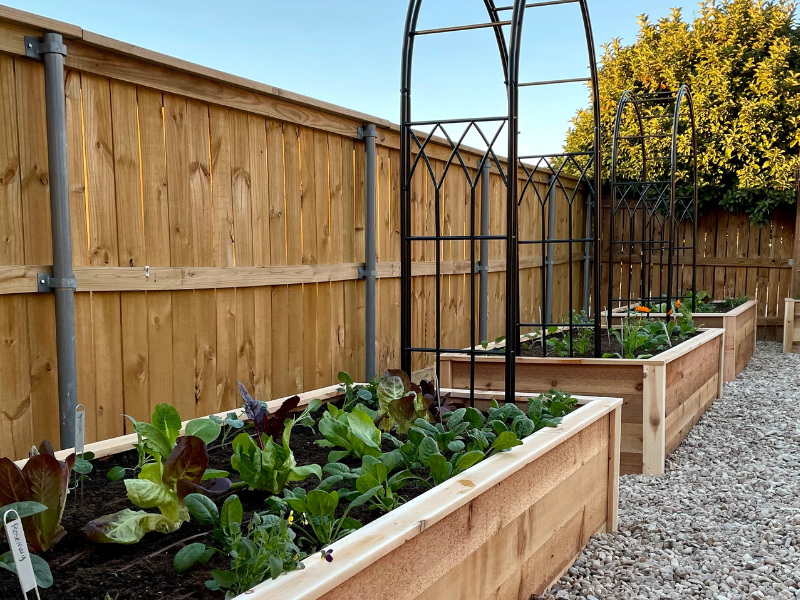
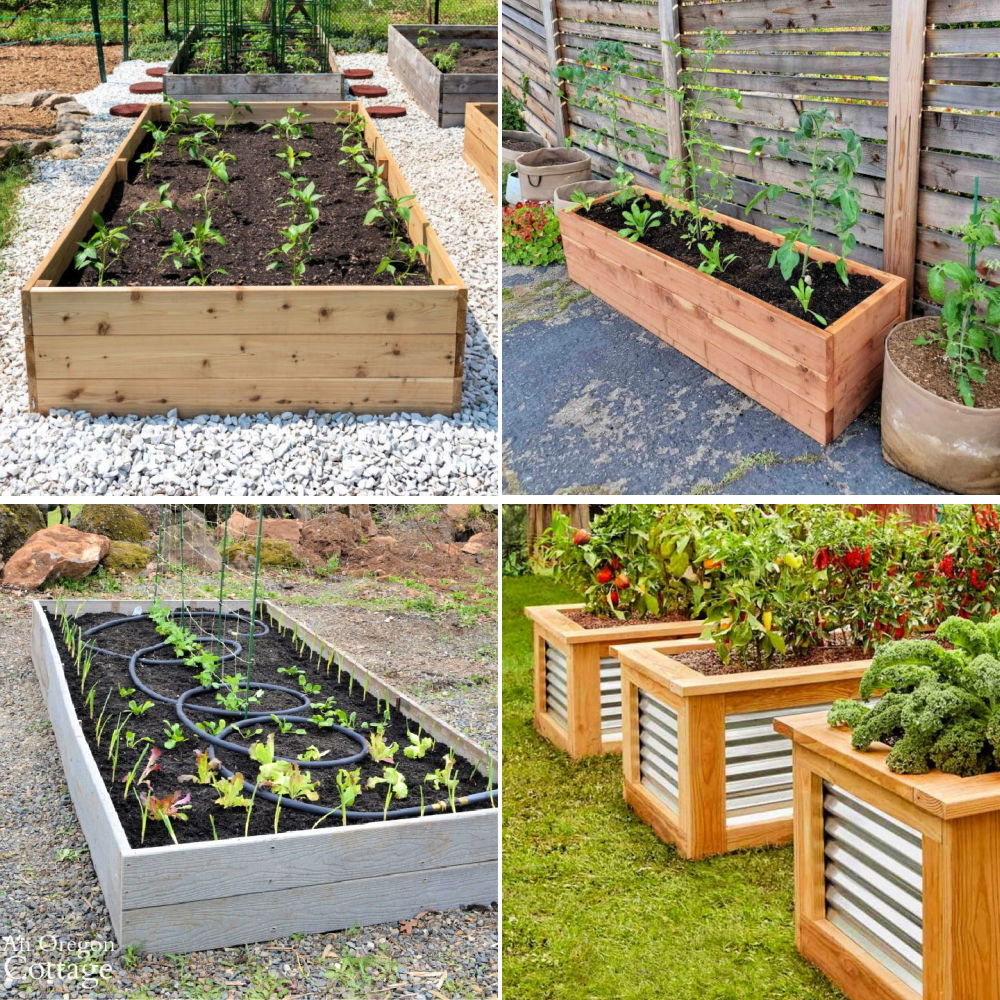
Think about incorporating pathways or zones that allow pollinators to navigate easily while giving you a chance to enjoy their activities without disrupting their habitat. Protecting your garden from pets and foot traffic is also important; consider using raised beds, low fences, or garden markers to create a safe haven for pollinators.
Benefits Of Native Plants
Incorporating native plants into your pollinator garden has numerous advantages. These plants have co-evolved with local pollinators, providing essential food sources, nesting materials, and habitat that support their life cycles. Using native species helps maintain the natural balance within your area’s ecosystem while fostering healthy populations of native insects.
Native plants also require less water and maintenance compared to many non-native varieties, as they are already adapted to local climate and soil conditions. This results in a more sustainable and manageable garden that minimizes the need for extra resources.
By choosing plants that thrive in your region, you are creating an environment that is in harmony with nature, benefiting not only pollinators but also enhancing your experience as a gardener.
Examples Of Pollinator-Friendly Native Plants
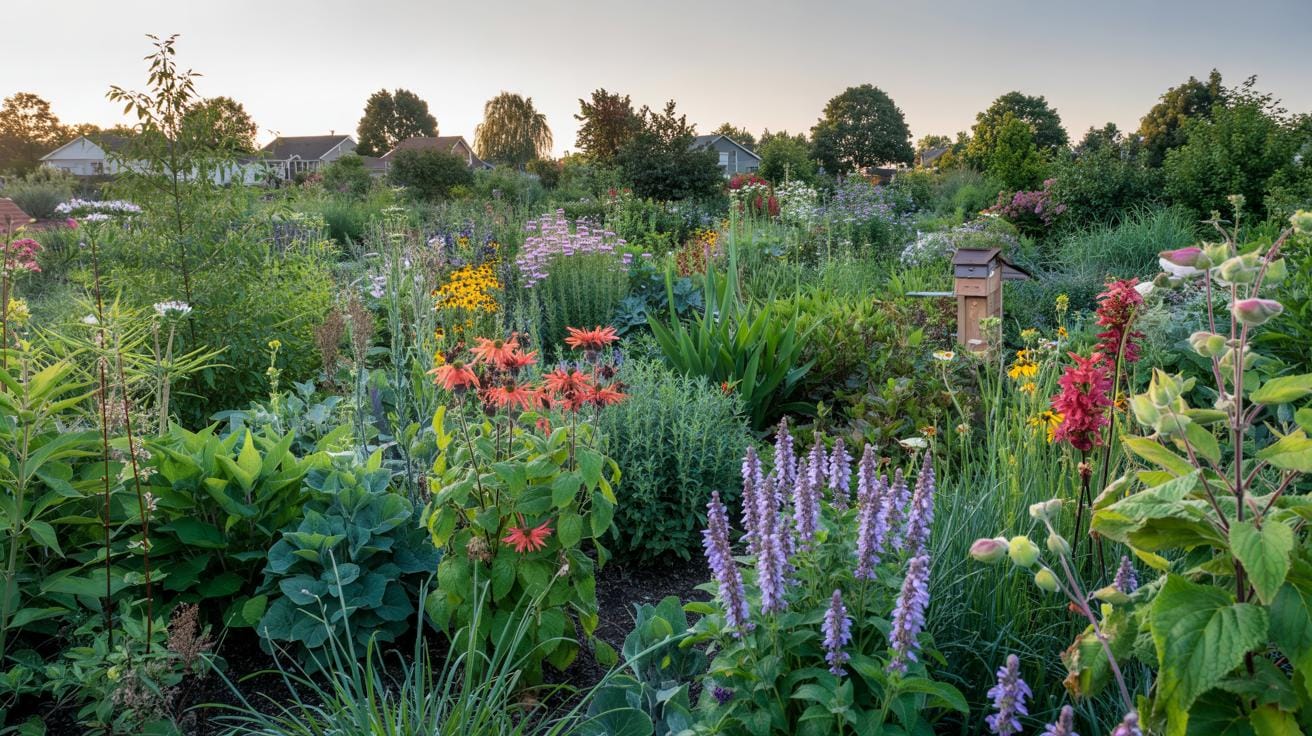
Choosing the right native plants for your pollinator garden can significantly enhance its effectiveness. In the Midwest, for instance, purple coneflower (Echinacea purpurea) and black-eyed Susan (Rudbeckia hirta) are excellent options that provide rich nectar for bees and butterflies. In the Southwest, species like desert marigold (Baileya multiradiata) and Texas lantana (Lantana urticoides) are known to attract hummingbirds and various native bees.
Some native plants serve a dual purpose by supporting larval stages as well. For example, milkweed (Asclepias spp.) is crucial for monarch butterfly caterpillars, while goldenrod (Solidago spp.) attracts bees and offers shelter for butterfly larvae. By including a variety of native plants that cater to different pollinator life stages, you can increase the overall value of your garden for local wildlife.
Nesting And Larval Support
Facilitating nesting and larval support in your pollinator garden is essential for enhancing local pollinator populations. Providing nesting sites allows bees and other insects to raise their young in a safe environment. Additionally, incorporating larval host plants offers necessary nutrition for caterpillars and larvae during their growth stages. Creating resting areas enables pollinators to recharge between foraging trips, increasing the overall health of your garden.