Crafting a bee-friendly flower garden is an enchanting way to enhance your outdoor space while simultaneously providing support to our essential pollinators. Beyond the beauty that flowers bring, the right plant choices offer critical resources for bees and other pollinators. By thoughtfully selecting a variety of native plants and arranging them in a way that encourages visitation, you can create a thriving ecosystem. Here, we delve into a range of practical ideas and plant combinations that can transform your garden into a welcoming sanctuary for bees.
Select Native Wildflowers for a Bee-Friendly Landscape
When I envision a bee-friendly garden, the first thought that springs to mind is the inclusion of native wildflowers. These plants are wonderfully suited for our local environments, thriving in the native soil and climate. They not only provide essential nectar and pollen sources but also attract a variety of pollinators throughout the entire growing season.
One of the most appealing aspects of native wildflowers is their low-maintenance nature. Once established, these plants require minimal care, allowing you to enjoy a beautiful garden without the constant upkeep. By opting for native species, you are actively contributing to the support of local ecosystems, encouraging biodiversity, and creating a more harmonious environment.
Incorporate Perennials for Year-Round Blooms
Integrating perennials into your bee-friendly garden is an excellent way to ensure vibrant flowers that return year after year. I particularly love selecting varieties such as coneflowers and black-eyed Susans, which are known for their ability to attract bees and provide consistent food sources over the seasons.
When planted in clusters, these perennial flowers not only create a striking visual display but also encourage pollinators to visit more frequently. Their durability means they can withstand various weather conditions, keeping your garden alive and buzzing with activity season after season.
Add Annuals for Seasonal Brightness
While perennials lay the groundwork for a bee-friendly garden, incorporating annuals can inject a splash of color and diversity throughout the seasons. I find joy in selecting an array of vibrant blooms, such as zinnias and cosmos, which are particularly attractive to bees and offer delightful variation.
These seasonal plants keep my garden lively and engaging, ensuring that there is always something beautiful to behold for both myself and the pollinators. The visual interest and colorful display of annuals can brighten any garden space and create a cheerful atmosphere.
Layer Flowers by Height for a Striking Look
To achieve a visually appealing bee-friendly garden, I love the technique of layering flowers by height. Starting with tall blooms such as sunflowers or hollyhocks at the back, I transition to medium-height flowers like coneflowers in the middle, and finally, I place shorter varieties such as daisies or creeping thyme at the front. This arrangement not only looks stunning but also facilitates easier access for bees to their favorite nectar sources.
The height variation adds depth and dimension to the garden, enhancing its overall aesthetics while creating a welcoming environment for pollinators. By thinking vertically in your garden design, you can create a picturesque landscape that is both beautiful and functional.
Use Group Planting to Entice Pollinators
Grouping flowers together serves a dual purpose: it enhances the overall aesthetic of the garden while also creating a more inviting space for pollinators. I’ve observed that planting clusters of flowers encourages bees and butterflies to visit more frequently, as they are drawn to the concentrated colors and scents.
This method not only makes it easier for pollinators to find their food sources, but it also creates a visually cohesive and attractive display. By considering the placement and grouping of your plants, you can create an inviting atmosphere that encourages pollinator activity.
Create a Colorful Palette to Attract Bees
When designing a flower garden with the intention of attracting bees, I find it essential to focus on a vibrant color palette. Mixing bright yellows, rich purples, and fiery reds creates a visual feast that captures the attention of bees and draws them into the garden. The clustering of colorful flowers amplifies their visual impact, making it easier for bees to spot their preferred blooms.
A colorful garden not only delights the eye of the gardener but also serves as a crucial resource for our hardworking pollinators. By thoughtfully selecting and arranging colorful flowers, you can cultivate an environment where bees thrive.
Include Herbs That Draw in Bees
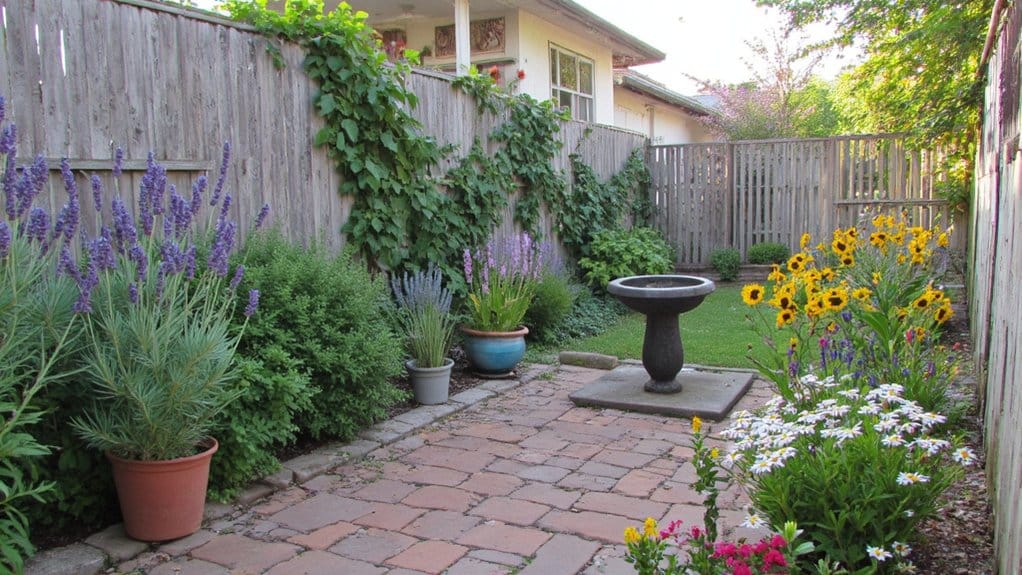
Integrating herbs into your garden is a wonderful way to enhance both its beauty and its functionality by providing vital food sources for bees. I enjoy planting fragrant herbs such as lavender, mint, and thyme, which are known for their appeal to pollinators. Not only do these herbs smell delightful, but they also serve as an important nectar source for bees.
Incorporating herbs into your garden design creates a multi-functional space where you can enjoy the benefits of fresh herbs while supporting local bee populations. These aromatic plants can be both practical and aesthetically pleasing, adding to the overall charm of your garden.
Add Flowering Trees for Food and Shelter
While colorful blooms are often the centerpiece of my garden, adding flowering trees has proven to be a game changer for attracting bees. These trees not only provide essential shelter for bees but also offer an abundance of nectar and pollen. I’ve noticed that species like cherry and dogwood are particularly attractive to pollinators, enhancing both the beauty and biodiversity of my garden.
Flowering trees can create a stunning focal point in your outdoor space, providing shade and refuge for both insects and humans alike. By carefully selecting flowering trees, you can create a thriving environment that benefits both your garden’s aesthetics and the local bee population.
Incorporate Flowering Shrubs for a Buzzing Environment
To create a garden that buzzes with activity, I’ve learned the importance of incorporating flowering shrubs. These vibrant plants add beauty and structure to the landscape while providing essential nectar and pollen for hungry pollinators. I love selecting varieties like butterfly bush and blueberry shrubs, which not only attract bees but also offer lovely blooms and fruit.
By choosing flowering shrubs, you enhance the overall beauty of your garden while creating vital resources for local pollinators. These shrubs are a win-win, supporting the ecosystem while contributing to the visual appeal of your outdoor space.
Construct a Bee Bath for Hydration
Creating a bee bath is a simple yet effective way to provide hydration for our buzzing friends. I recommend using a shallow dish filled with fresh water and adding pebbles for bees to safely land on while drinking. This ensures they can quench their thirst without the risk of drowning.
Placing the bee bath in a sunny spot near your flowers will help attract bees, ensuring they remain refreshed while pollinating your garden. This small addition can make a significant difference in supporting local bee populations, as hydration is essential for their well-being.
Provide Nesting Sites With Bee Hotels
Bee hotels serve as fantastic nesting sites for solitary bees, providing them with a safe haven to thrive in your gardens. I love placing these charming structures near blooming flowers to attract these vital pollinators. You can easily create a bee hotel using materials like bamboo, wood, or hollow stems that offer ideal nesting conditions.
These structures not only promote biodiversity but also add an element of interest to your garden. By providing nesting sites for bees, you actively contribute to their population and ensure that they have the resources they need to thrive.
Steer Clear of Pesticides to Safeguard Bees
Though gardening can be a joy, I’ve come to realize that avoiding pesticides is essential to protecting our precious bee populations. These chemicals can harm not only bees but also the entire ecosystem. Instead, I opt for natural pest control methods, such as introducing beneficial insects or utilizing organic solutions.
By taking a pesticide-free approach, you can create a safe environment where bees and other beneficial insects can thrive. This commitment to natural gardening practices promotes a healthier ecosystem and supports the well-being of our essential pollinators.
Select Flowers With Simple Shapes for Accessibility
Choosing flowers with simple shapes can significantly enhance a bee-friendly garden, as these blooms provide easier access for our pollinator friends. I enjoy incorporating open-faced flowers like daisies, sunflowers, and clovers into my garden, as their designs allow bees to land and gather nectar effortlessly.
By prioritizing flowers that are easy for bees to access, you are creating a welcoming environment that encourages their visitation and helps support their populations. These simple blooms are not only appealing to pollinators but also add charm to your garden.
Opt for Plants With Staggered Bloom Times
To create a truly bee-friendly garden, I’ve learned the importance of selecting plants with staggered bloom times. This approach guarantees that there’s always something flowering throughout the seasons. For instance, I mix early bloomers like crocuses with summer favorites such as coneflowers, ensuring a continuous supply of food for bees.
This thoughtful planting strategy helps to sustain bee populations year-round, creating a vibrant display in the garden while supporting pollinators. By ensuring a diverse range of blooms, you contribute to a healthy ecosystem that benefits both plants and bees alike.
Incorporate a Variety of Flower Shapes and Sizes
A diverse array of flower shapes and sizes not only enhances the visual beauty of your garden but also caters to the needs of various bee species. I’ve found that including tubular flowers, flat daisies, and spiky blossoms creates a welcoming environment for all types of bees.
This variety guarantees that bees can easily access nectar, promoting a healthy ecosystem. By thoughtfully selecting a range of flower types, you ensure that your garden is a supportive habitat for the many species of bees that visit.
Create a Sunny Spot for Bees to Flourish
After considering flower shapes and sizes, it’s crucial to focus on another important aspect of your garden: sunlight. Bees thrive in warm, sunny spots, so selecting a location that receives ample direct sunlight throughout the day is essential. A sunny patch encourages bees to visit your flowers more often, increasing pollination and helping your garden flourish.
By allowing bees to bask in the warmth, you create an inviting environment that supports their activity and enhances your garden’s overall productivity.
Utilize Native Grasses to Support Pollinator Habitats
While colorful flowers often take center stage in my garden, I’ve discovered that incorporating native grasses is equally important for creating a supportive habitat for pollinators. These grasses provide shelter, nesting sites, and food sources for various insects. By choosing local species, I can enhance biodiversity and create a thriving environment for bees.
Additionally, native grasses are low maintenance, making them a practical choice for any gardening enthusiast. They serve as a beautiful backdrop for blooming flowers while also supporting the overall ecosystem.
Incorporate Climbing Plants for Vertical Interest
Another delightful addition to my bee-friendly garden is the incorporation of climbing plants that bring vertical interest and additional nectar sources. I enjoy planting vines such as honeysuckle or clematis, which not only add beauty but also attract pollinators. These plants can climb trellises or fences, transforming ordinary spaces into vibrant havens.
Furthermore, climbing plants provide shelter for beneficial insects, making my garden even more inviting. By integrating vertical elements, you can create a lush and diverse environment that appeals to both bees and gardeners alike.
Select Drought-Resistant Plants for Easy Maintenance
When designing my bee-friendly garden, I prioritize drought-resistant plants that thrive with minimal water and care. This approach ensures that my garden remains beautiful while conserving resources. Drought-resistant plants not only support local pollinators but also save me time and effort in maintenance.
I love incorporating varieties like lavender, succulents, and coneflowers. They add beauty and resilience to my garden, ensuring that it flourishes even during dry spells. By focusing on hardy plants, I can create a thriving environment that requires less intervention.
Create a Pollinator Pathway in Your Community
Establishing a pollinator pathway in your neighborhood can significantly boost local bee populations and enhance biodiversity. I recommend collaborating with neighbors to plant native flowers, shrubs, and trees that attract pollinators. You might also consider creating small, interconnected green spaces or gardens that support these vital insects.
Such community efforts not only benefit bees but also foster vibrant outdoor spaces for everyone to enjoy and appreciate nature. By working together, we can create a thriving environment that supports both pollinators and our local community.
Educate Others on the Importance of Bee Conservation
Although many individuals admire the beauty of flowers, few realize the crucial role bees play in our ecosystem. I’ve found that sharing facts about bees’ contributions to pollination can spark interest and inspire action. Organizing workshops or community events helps raise awareness about the importance of bee conservation.
Educating others about these vital insects naturally leads to exploring ways we can enhance biodiversity in our gardens. By spreading knowledge and encouraging proactive measures, we can collectively support bee populations and create a healthier environment.
Organize Community Planting Days for Local Pollinators
When we come together as a community to organize planting days for local pollinators, we can transform our neighborhoods into thriving habitats. It’s a fantastic opportunity to educate others about the importance of pollinators while fostering connections among community members.
By choosing native plants for collective efforts, we create sustainable environments that attract bees and butterflies. Together, we can make a meaningful difference in supporting local ecosystems and ensuring the health of our pollinators.
Document Your Garden’s Impact on Local Bees
As I nurture my flower garden, I cannot help but notice the buzzing activity of bees, reminding me of the importance of documenting their presence and behaviors. Keeping a journal has become a rewarding practice, allowing me to note the different species I see and their interactions with my plants.
This not only deepens my appreciation for their role in the ecosystem but also enables me to adjust my gardening practices to better support them. By documenting your observations, you can gain insights into the effectiveness of your bee-friendly efforts and continually enhance your garden’s appeal to pollinators.