Creating an indoor herb garden is an enjoyable way to introduce fresh flavors and a touch of greenery to your home. There are countless creative possibilities, from innovative space-saving designs to visually striking displays, making it easy to find a method that suits your personal style.
But how can you establish a herb garden that is both aesthetically pleasing and functional, ensuring that your plants flourish indoors?
Let’s delve into a variety of inspiring concepts that allow you to cultivate herbs indoors, transforming them into a beautiful feature of your living space.
Smart herb garden
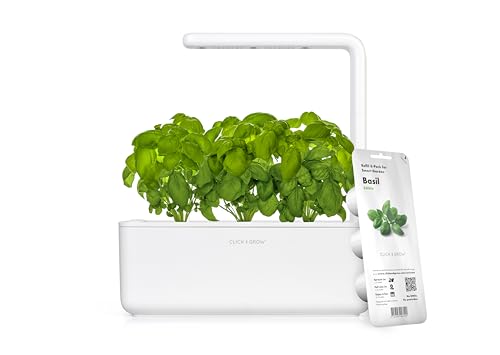
A smart herb garden represents a cutting-edge approach to indoor herb cultivation with minimal effort required from you. These innovative systems employ technology to automate essential tasks such as watering, lighting, and nutrient delivery, facilitating an effortless growing experience.
This type of indoor garden has received rave reviews for good reason. All you need to do is set it up, and the system will take care of the rest, allowing you to reap the benefits of fresh herbs without the usual labor involved.
Most smart gardens come equipped with built-in LED lights, which are perfectly tailored to provide the optimal light conditions for your herbs. Their compact design means they can fit seamlessly on a kitchen countertop or a small side table.
Additionally, many models offer the space to grow a variety of herbs, ensuring you can enjoy fresh produce throughout the entire year.
Vertical garden
Implementing a vertical garden is an excellent way to maximize indoor space. This method enables you to grow herbs even in smaller environments by utilizing walls as a growing surface.
You can create a vertical garden using various structures like shelves, ladders, or even pocket planters. For a stylish option, consider mounting an indoor wall planter in your kitchen specifically for herbs.
Pick a location that receives ample sunlight, as this is crucial for your herbs’ growth. Be sure to select sturdy materials that can support the weight of multiple pots filled with soil and plants.
Don’t forget to ensure that each pot has proper drainage to protect your herbs from overwatering—a key consideration when starting any herb garden.
Choose herbs that thrive indoors, such as basil, mint, or parsley, to ensure your vertical garden remains lush and productive throughout the year.
Hanging planters
Utilizing hanging planters is a fantastic way to make the most of your space, particularly if you’re constrained on room. They take advantage of vertical space, allowing your plants to catch more sunlight while adding visual interest at varying heights within your home.
You can select hanging planters made from various materials, including clay, metal, or plastic, and position them near windows to ensure your herbs receive plenty of natural light. This approach allows you to grow herbs without sacrificing valuable countertop or shelf space.
Opt for simple herbs that are easy to cultivate, such as thyme, basil, or oregano. Regularly check the water levels and drainage, as hanging planters can become quite heavy; ensure your hooks and supports are robust enough to handle the weight.
Magnetic tins
Magnetic tins represent a playful and practical option for growing herbs indoors. Their unique design allows you to attach them to your refrigerator or any magnetic surface, keeping your herbs conveniently close while you’re cooking.
Simply fill these tins with soil, plant your seeds or seedlings, and ensure they receive adequate light. This easy project not only adds a pop of greenery to your kitchen but also makes herb access seamless during meal preparation.
Hydroponic system
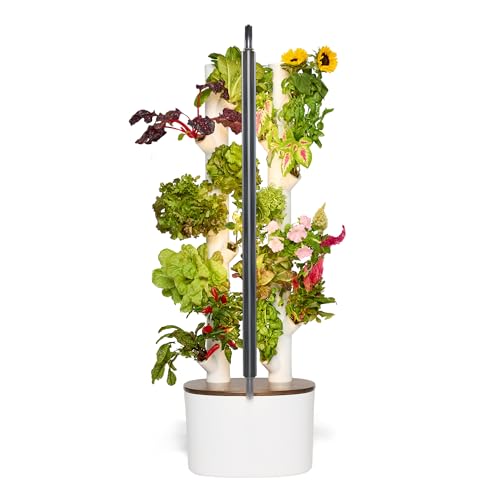
A hydroponic system allows you to grow herbs using only water and nutrients, eliminating the need for soil altogether. This method is particularly efficient and can easily fit into smaller spaces, making it a great option for growing herbs like basil, mint, and parsley.
Hydroponic systems can vary significantly in complexity, from simple setups involving mason jars to more sophisticated kits. They offer a controlled environment that supports healthy plant growth while minimizing mess and maintenance requirements.
If you’re interested in a smart herb garden that functions as a hydroponic system, the one mentioned earlier is an excellent choice. For those seeking a more advanced solution that can help your indoor herb garden really flourish, consider investing in a high-tech hydroponic system that will keep your herbs thriving.
Old wine bottles
Old wine bottles can be transformed into stylish and functional planters for your indoor herb garden. Their narrow necks can support your plants, and their transparent glass allows you to monitor root growth easily.
To repurpose wine bottles, start by cutting them to create an open top for planting. Fill the bottom of the bottle with pebbles for drainage before adding soil and carefully planting your herb seedlings.
Position these unique planters in an area that receives plenty of sunlight, ensuring that your herbs remain healthy and vibrant.
Pallet garden
Creating a pallet garden is a cost-effective and straightforward way to grow herbs indoors. Repurposing an old pallet allows you to maximize vertical space for your plants, making it a perfect solution for smaller areas.
Begin by selecting a strong pallet and cleaning it thoroughly. Secure landscape fabric to the back and sides to contain the soil, and then fill the slats with potting soil before planting your favorite herbs.
Place your pallet garden in a well-lit location to provide the necessary sunlight for your herbs. Regularly water and trim the plants to keep them healthy and thriving throughout the seasons.
Install a new kitchen shelf
Installing a new kitchen shelf can significantly enhance your indoor herb garden experience. Not only does it save valuable space, but it also allows your herbs to be conveniently located near your cooking area.
When installing a shelf, choose a spot close to a window to ensure your plants receive ample natural light. Make sure the shelf is robust enough to support multiple small pots and consider its height for easy access and maintenance.
Chalkboard Pots
Chalkboard pots offer a creative and fun way to label your herbs. By applying chalkboard paint to the outside of any pot, you can easily transform it into a writable surface for clear labeling.
If you prefer, you can use existing pots or jars by adding chalkboard labels for easy identification. Another option is to use wooden tags placed directly into the soil of your herbs for a rustic touch.
This labeling method allows you to update names as you rotate plants or note special care instructions. It’s particularly useful for keeping track of multiple herb types in a compact space.
Furthermore, chalkboard pots can serve as charming personalized gifts for friends or family. You can write messages or draw decorative elements on the pots to add a special touch.
Grow lights
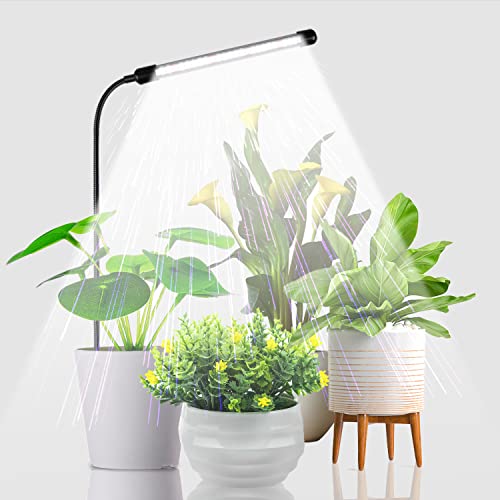
Grow lights are essential for any indoor herb garden, providing the necessary light for plants to flourish, especially in areas with limited natural sunlight. Available in various styles and sizes, they can adapt to your specific space and herb requirements.
LED grow lights are particularly energy-efficient and effective, making them an excellent choice for small indoor setups. Position your grow lights strategically to ensure that your herbs receive consistent illumination throughout the day.
Using a timer with your lights can help automate the process, guaranteeing your herbs receive the light they need without requiring constant attention. This setup mimics natural light cycles, promoting healthy growth.
If you’re unsure which grow lights to select, consider the ones recommended earlier for your indoor herb garden. Their size and technology make them ideal for most herb pots, and their full-spectrum light helps ensure your plants thrive.
Repurposed tin cans
Repurposing tin cans is an innovative way to create containers for your indoor herb garden. They are inexpensive, widely available, and contribute to waste reduction. Moreover, you can customize them with paint or other decorations to suit your style.
To begin, wash and dry your cans thoroughly, ensuring that you remove any sharp edges. Drill several small drainage holes in the bottom to prevent waterlogging and promote healthy roots.
Line the base with small pebbles before adding potting mix and planting your chosen herbs. Position them on a sunny windowsill or utilize grow lights for additional support.
Hanging Mason Jar Rack
A hanging mason jar rack is a delightful and functional way to cultivate herbs indoors. This setup is perfect for saving space while showcasing your plants beautifully. You can easily hang the rack in your kitchen or any sunlit area.
To create your own hanging mason jar rack, attach mason jars to a wooden board using clamps. The jars provide an excellent environment for herbs, allowing plenty of light to penetrate. Remember to drill drainage holes in the lids to prevent waterlogged soil.
Feel free to customize this setup to reflect your personal style. You can paint the board or use decorative jars to make it uniquely yours. This arrangement simplifies the watering process and is ideal for small plants.
Eggshell planters
Eggshells offer a charming and eco-friendly option for starting your indoor herb garden. They are biodegradable, allowing you to plant them directly into larger pots once the seedlings mature. Additionally, they provide calcium to the soil as they decompose.
To use eggshells as planters, gently crack the eggs near the top and remove the contents. Rinse the shells and let them dry completely. Fill the shells with potting soil and plant your desired seeds.
Support the eggshells in a carton to prevent them from tipping over, and place them in a sunny location. Make sure to water them gently to avoid saturating the soil. Once the seedlings grow large enough, transplant them into bigger containers for continued growth.
Drawer Garden
Transforming an old drawer into a quaint herb garden is an excellent way to recycle unused furniture while cultivating fresh herbs. This straightforward project requires you to line the drawer with plastic for waterproofing and drill drainage holes for excess water.
Fill the drawer with quality potting soil and select herbs that thrive in your indoor environment, such as basil, mint, or thyme. Position the drawer near a bright window to ensure your herbs receive plenty of sunlight.
Adding a small handle or label can help you easily organize and identify your herbs. Enjoy the delightful aroma and flavor in your cooking by harvesting fresh herbs directly from your indoor garden.
Terrarium-style herb garden
Imagine cultivating herbs in a captivating glass world. A terrarium-style herb garden offers just that, turning an ordinary space into a miniature garden oasis.
Using glass containers, you can create a self-sustaining environment for your herbs. Varieties like mint and thyme thrive beautifully in this setup. The closed or open container functions like a mini-greenhouse, promoting a healthy environment for growth.
When selecting your container, choose one with a wide opening for easy access and adequate airflow. Start by adding a base layer of small stones for drainage, followed by a layer of charcoal, and then top it with potting soil.
Consider using small, low-growing herbs that are compatible with the specific moisture and light conditions within the glass container. Your terrarium will not only highlight their vibrant growth but also serve as a stunning decorative piece in your home.