8 Innovative Vegetable Garden Layouts for Optimal Harvests
Creating a productive vegetable garden requires thoughtful planning and design. The layout of your garden can significantly influence the yield of your crops. In this article, we delve into eight innovative vegetable garden layouts that promise to maximize your harvest while ensuring sustainable practices. Whether you have a spacious backyard or a small terrace, these techniques can help you grow healthy vegetables efficiently.
1. Raised Bed Gardening Layouts for Maximizing Vegetable Yield
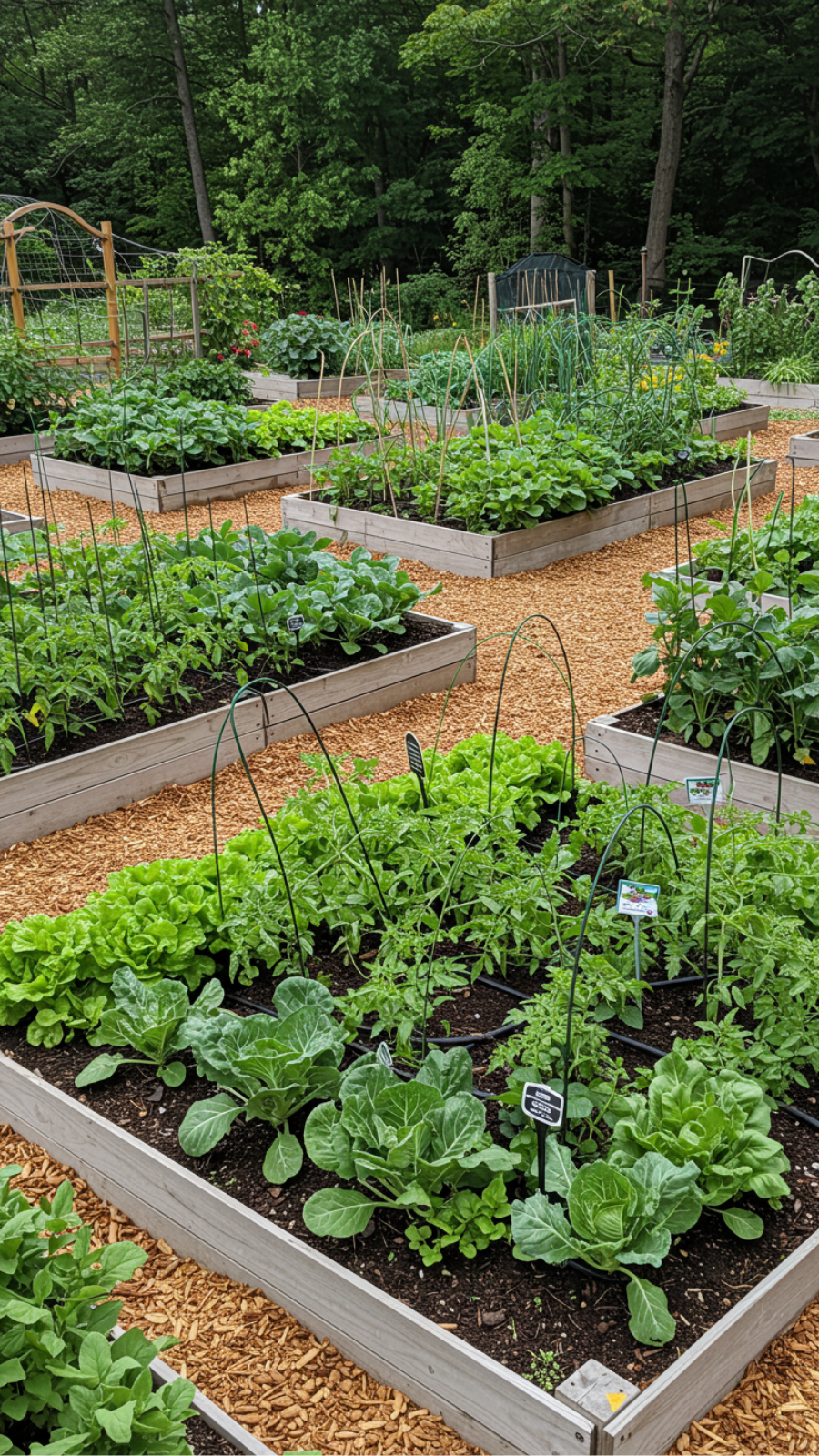
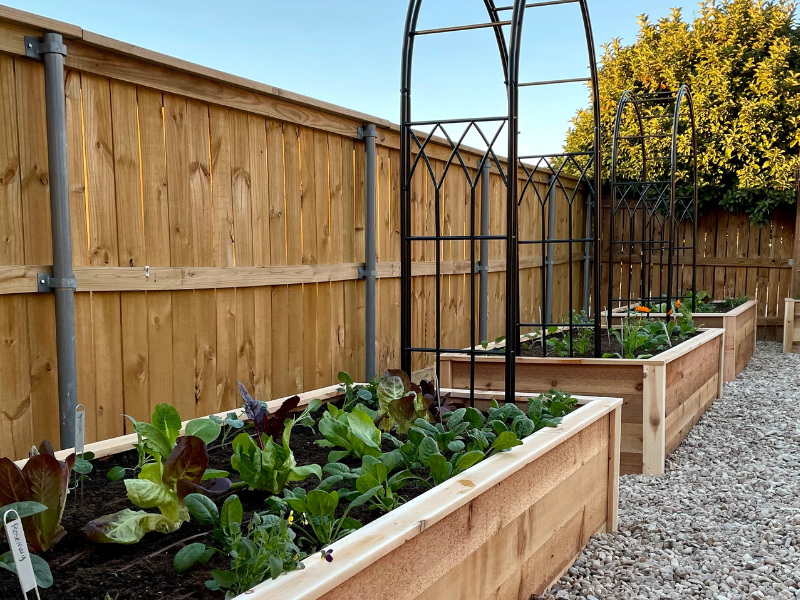
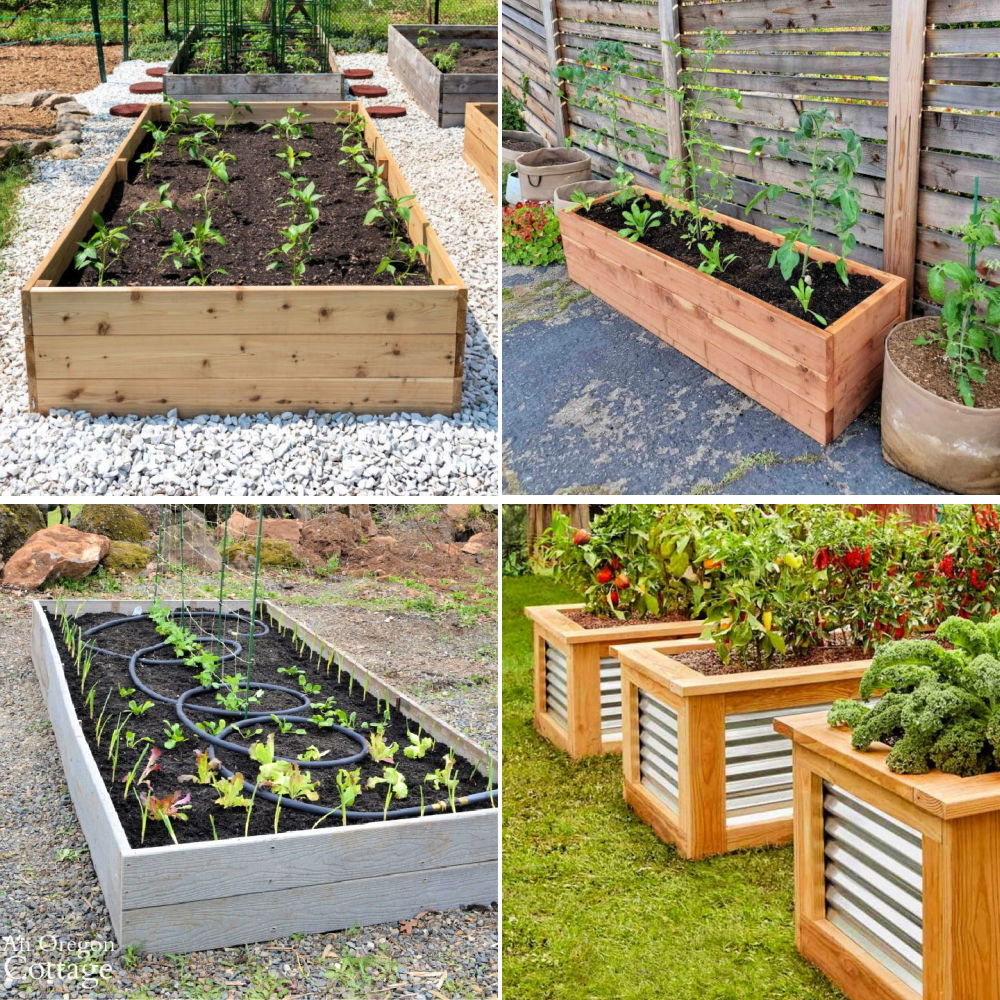
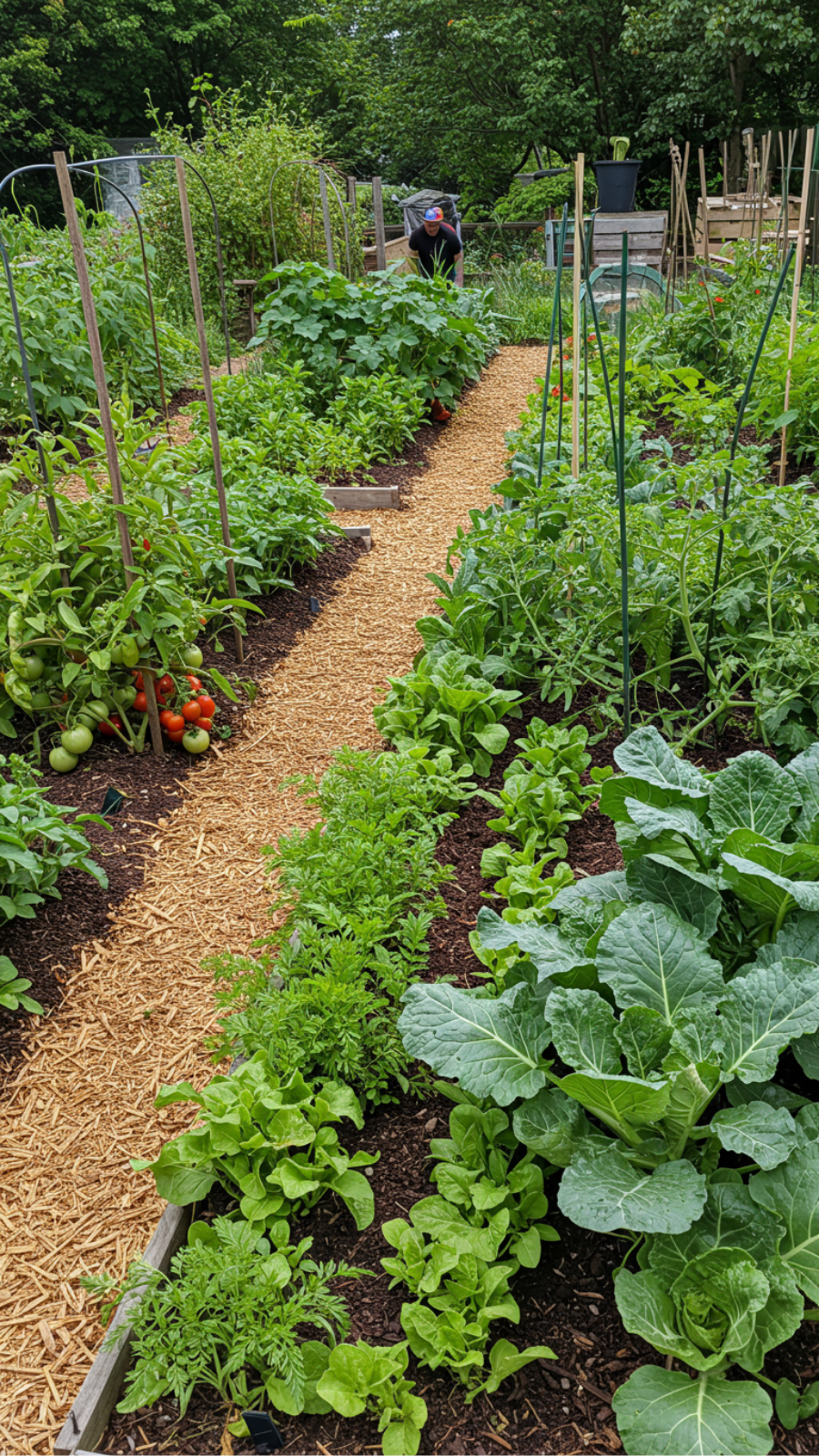
Raised bed gardening is a well-regarded technique that enhances vegetable yield, particularly in constrained spaces. By elevating your garden beds, you improve drainage and soil quality, which leads to healthier plant growth. This section explores the best practices and layouts for raised beds to help you achieve remarkable results in your vegetable garden.
One advantageous layout is the Square Foot Gardening method, where the raised bed is divided into equal square sections. This allows for efficient planting of various vegetables in a compact area. For instance, a 4-foot by 4-foot raised bed can host a variety of crops, including 16 lettuce plants, 4 tomato plants, and even a zucchini plant, maximizing your yield while minimizing maintenance efforts.
Incorporating companion planting within your raised beds can further enhance productivity. Combining plants such as tomatoes and basil not only improves flavor but also helps to repel pests. Here are a few beneficial pairings to consider: carrots and onions, as the scent of onions deters carrot flies; or cucumbers and beans, where beans enrich the soil with nitrogen, benefiting cucumber growth.
To ensure success in your raised bed garden, avoid common pitfalls like neglecting soil quality by utilizing a mix of compost and peat moss, and ensuring your plants receive adequate sunlight—most vegetables require at least 6-8 hours of direct light each day. By adhering to these guidelines, you can significantly boost your vegetable yield while enjoying the rewards of your gardening efforts.
2. Companion Planting Strategies for a Productive Vegetable Garden
Companion planting is an essential technique for developing a thriving vegetable garden. This method involves pairing compatible plants to enhance growth, deter pests, and boost biodiversity. In this section, we will explore effective strategies for implementing companion planting in your garden.
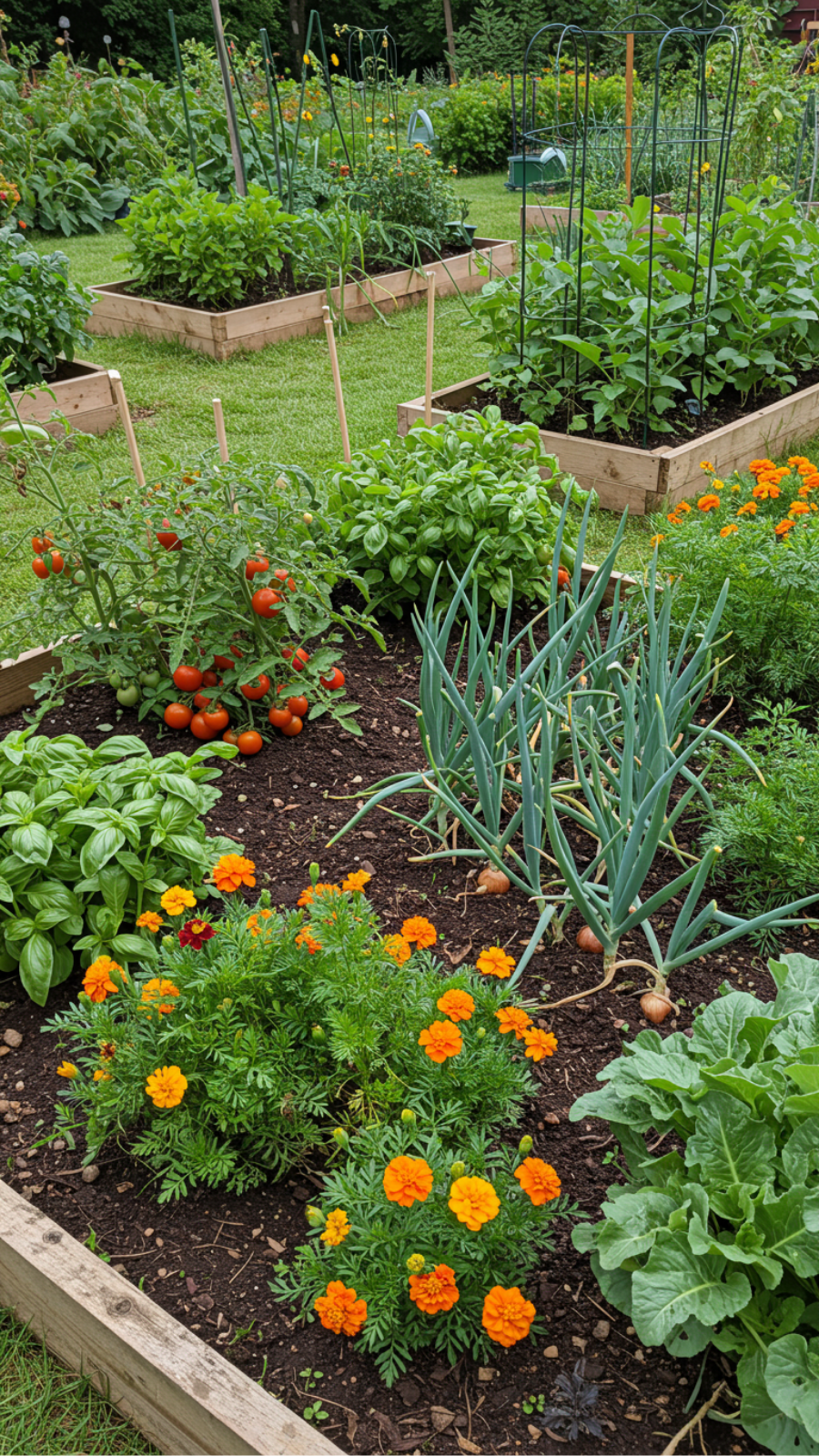
Understanding the relationships between different plant species is crucial for successful companion planting. Certain combinations, like tomatoes with basil, not only optimize space but also elevate the flavor of the tomatoes while protecting them from pests. Other successful pairings include marigolds with nearly any vegetable, as they can repel nematodes and aphids, and radishes with carrots, which help deter common pests.
While the benefits of companion planting are numerous, it is essential to avoid common mistakes. For instance, overloading your garden with too many companion plants can lead to overcrowding, which hinders growth and increases competition for nutrients. Additionally, ensuring healthy soil is imperative for the success of your companion plants, as they rely on nutrient-rich environments to thrive.
As sustainable gardening becomes increasingly popular, many gardeners are integrating permaculture principles with companion planting. By choosing native plants as companions, you can foster a balanced ecosystem that attracts beneficial insects and pollinators. With proper planning and observation, you will cultivate a productive vegetable garden that thrives in harmony with nature.
3. Square Foot Gardening Techniques for High Density Planting
Square foot gardening is a revolutionary method that maximizes yield and space efficiency in small gardens. By dividing your growing area into square sections, this approach allows for high-density planting, ensuring optimal growth and harvest. This section outlines the steps to successfully implement square foot gardening in your vegetable garden.
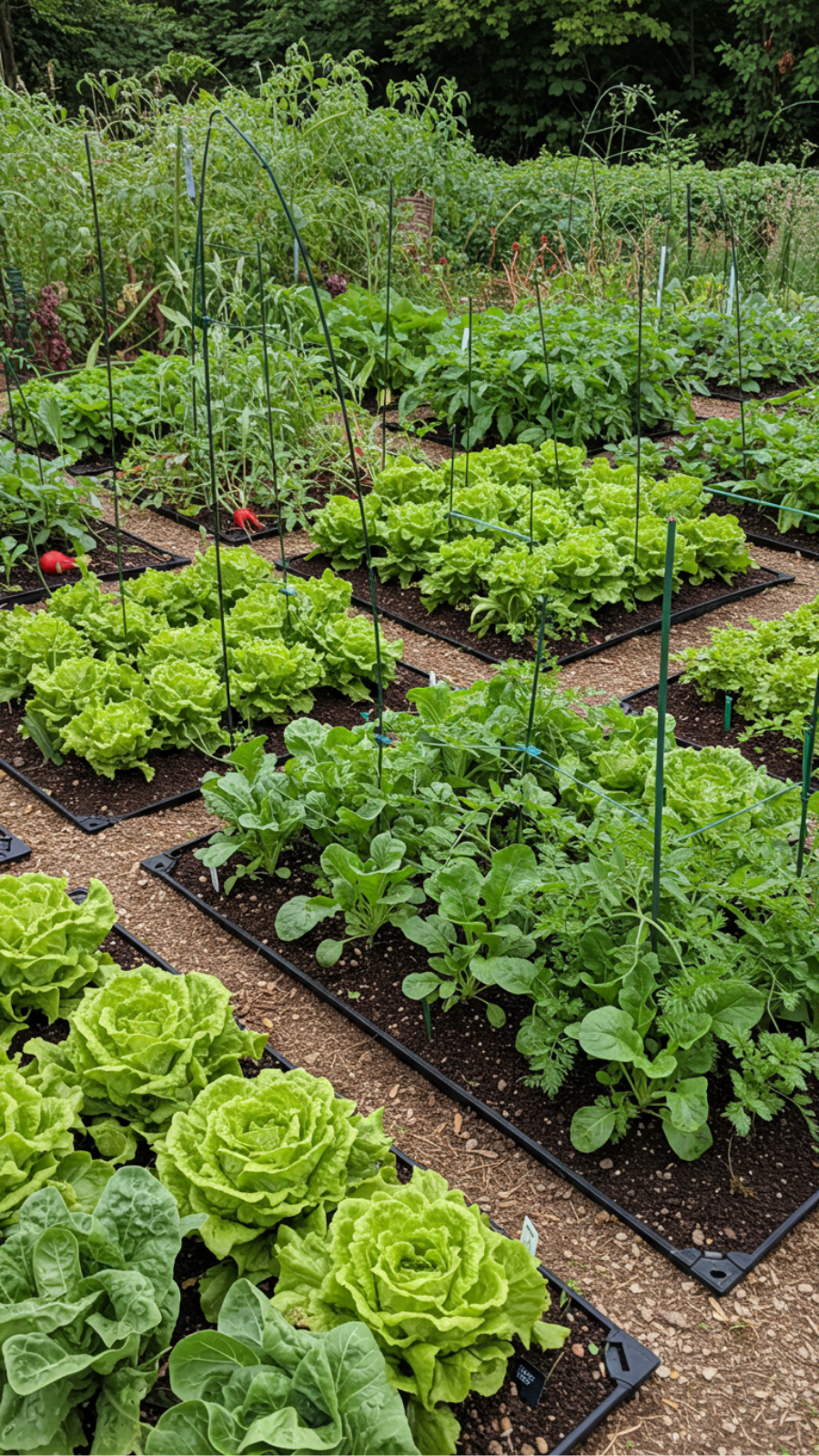
To get started, design your grid by creating a 4-foot by 4-foot frame, dividing it into 16 one-foot squares using string or wooden dividers. This structured layout makes it easy to manage your planting and maintain an organized garden. Selecting the right crops is also crucial; determine which vegetables will thrive together in the same square. For example, you could plant 16 radishes in one square or 1 tomato plant in another.
Soil preparation is another critical element of square foot gardening. Utilize a high-quality, nutrient-rich soil mix, ideally a combination of compost, peat moss, and vermiculite, to ensure adequate moisture retention and soil health. When planting, follow the recommended spacing for each crop and pay attention to their growth habits to maximize productivity.
Rotating your crops seasonally is an essential practice to prevent soil depletion and disease. Avoid overcrowding plants, as this can lead to issues with air circulation and nutrient competition. Regular watering is vital, so establish a consistent schedule to keep your plants healthy. By following these guidelines, you’ll enjoy a bountiful harvest from your square foot garden.
4. Vertical Gardening Designs to Boost Small Space Vegetable Yields
Vertical gardening has become a popular solution for maximizing vegetable yields in limited spaces. By utilizing vertical structures, you can efficiently grow a variety of vegetables, making it an ideal choice for urban gardeners or those with small yards. In this section, we’ll explore effective vertical gardening designs that can help you grow abundantly in confined areas.
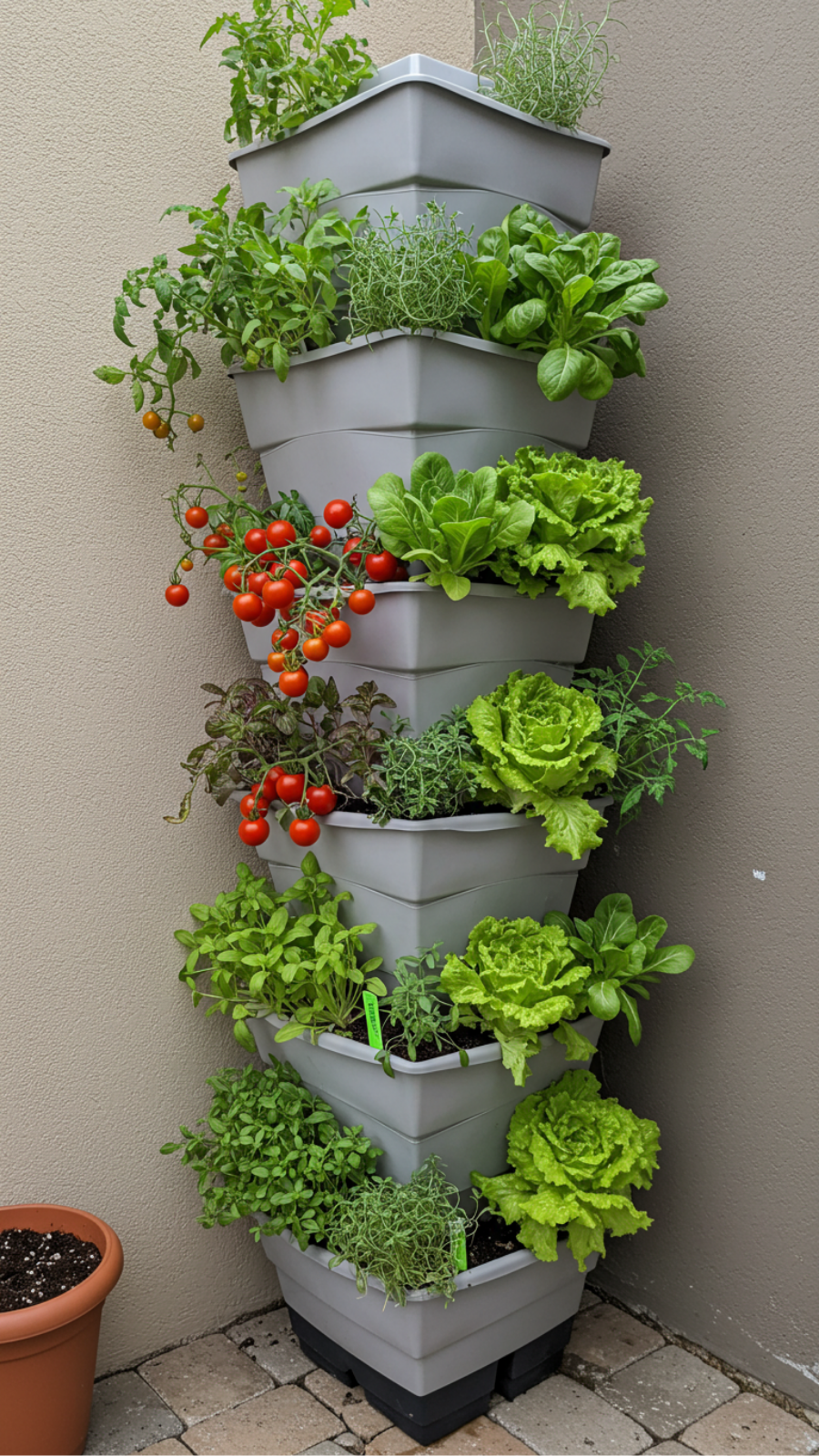
There are various vertical gardening designs you can implement, such as wall planters, trellises, and stacked containers. Wall-mounted planters or pockets are excellent for growing herbs and leafy greens, while trellises can support climbing vegetables like tomatoes, cucumbers, and beans. Stacked containers create an eye-catching display while providing ample growing space for your plants.
To ensure successful vertical gardening, consider the sunlight and wind exposure in your chosen area. Select crops that thrive in vertical arrangements, such as peas, squash, and peppers. Build or purchase sturdy support structures that can accommodate the weight of mature plants, ensuring they remain stable throughout the growing season.
Regular watering is crucial, as vertical gardens can dry out more quickly than traditional ground gardens. Fertilize your plants consistently with a balanced organic fertilizer to support their growth. By embracing vertical gardening designs, you can significantly enhance your vegetable yields while enjoying a visually appealing garden.
5. Intercropping Methods for Maximizing Garden Productivity and Health
Intercropping is a beneficial technique in vegetable gardening that involves growing two or more crops in close proximity to one another. This method not only boosts garden productivity but also encourages healthier plants through natural pest control and improved soil fertility. In this section, we’ll discuss effective intercropping methods that can help you achieve a flourishing vegetable garden.
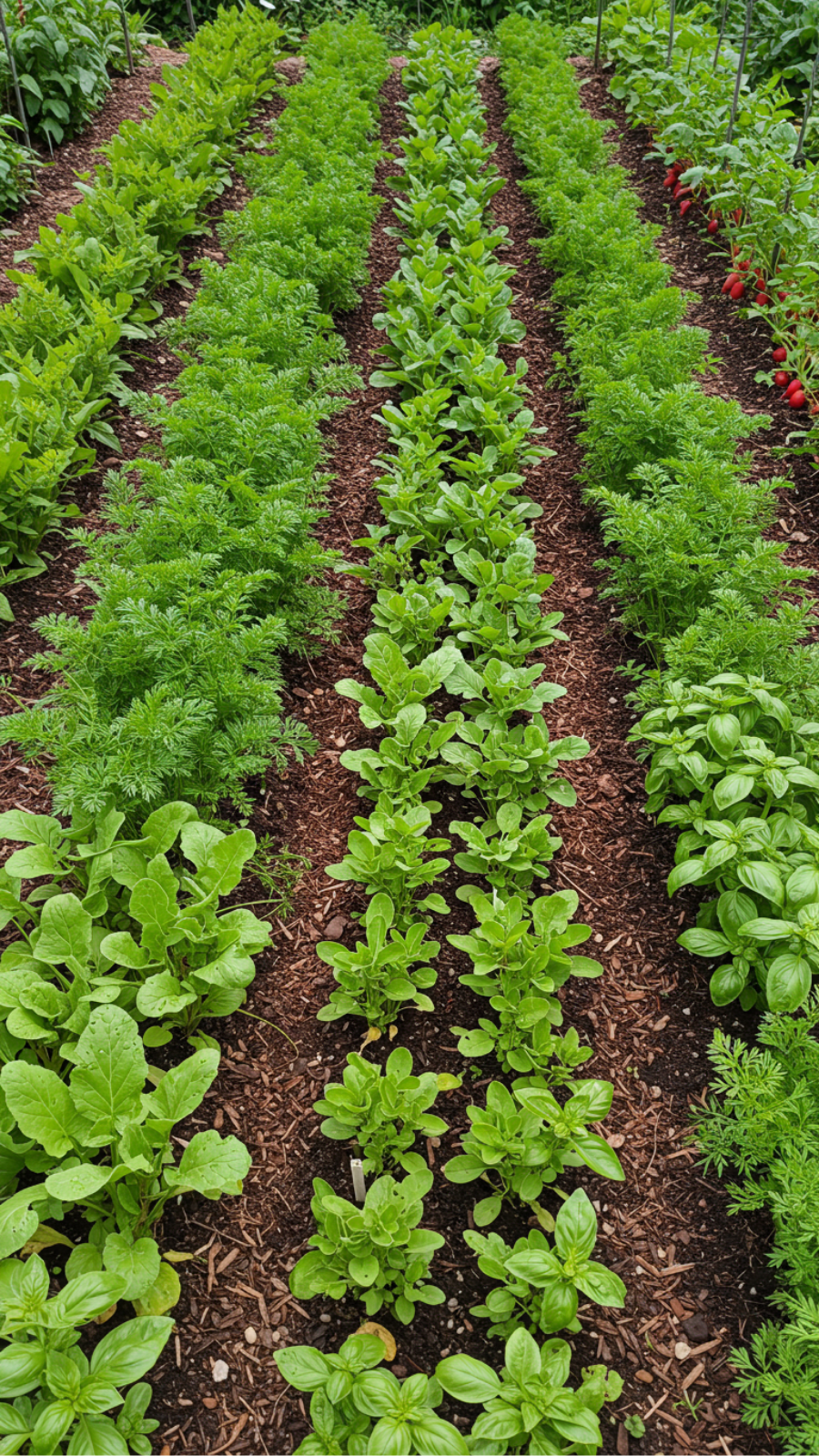
Strategically pairing compatible crops, such as corn and beans, creates a symbiotic relationship where beans fix nitrogen in the soil, benefiting the nutrient-hungry corn. This practice aligns with the current emphasis on sustainable gardening, promoting ecological balance. Additionally, consider intercrops that provide shade or support for each other, enhancing overall growth.
Implementing intercropping methods can lead to a more productive garden while supporting a healthy ecosystem. For instance, utilizing cover crops during the off-season can improve soil structure and prevent erosion. Embrace diverse plantings, as they attract beneficial insects and contribute to a resilient garden.
By adopting intercropping strategies, you’ll cultivate a vibrant and diverse vegetable garden that flourishes year after year. This sustainable approach not only maximizes your harvest but also promotes environmental health.
6. Permaculture Principles in Vegetable Garden Layouts for Sustainability
Integrating permaculture principles into your vegetable garden designs can significantly enhance sustainability and productivity. By mimicking natural ecosystems, you create a resilient garden that thrives with minimal intervention. Here are some expert tips to optimize your garden layout using permaculture principles.
Start by observing the natural patterns in your garden, such as sunlight, wind, and water flow. This knowledge is crucial for effectively positioning your beds, pathways, and water catchment systems. Diverse plantings not only boost resilience but also attract beneficial insects, leading to a more balanced ecosystem.
Incorporate water management techniques, such as rainwater harvesting systems, to reduce reliance on municipal water sources. Creating swales can direct water flow, nourishing your plants while preventing erosion. By applying these permaculture practices, you’ll cultivate a sustainable garden that respects nature’s rhythms.
Implementing permaculture principles not only enhances your vegetable garden’s productivity but also minimizes your environmental impact. The key is to observe, adapt, and design your space thoughtfully, creating a garden that thrives harmoniously with the surrounding environment.
7. Crop Rotation Plans for Long-Term Soil Health and Yield Increase
Implementing effective crop rotation plans is essential for maintaining soil health and increasing vegetable yields in your garden. This technique involves alternating the types of crops grown in a specific area over time, helping to prevent nutrient depletion and reducing the cycles of pests and diseases. In this section, we’ll explore how to develop crop rotation plans for optimal soil health and productivity.
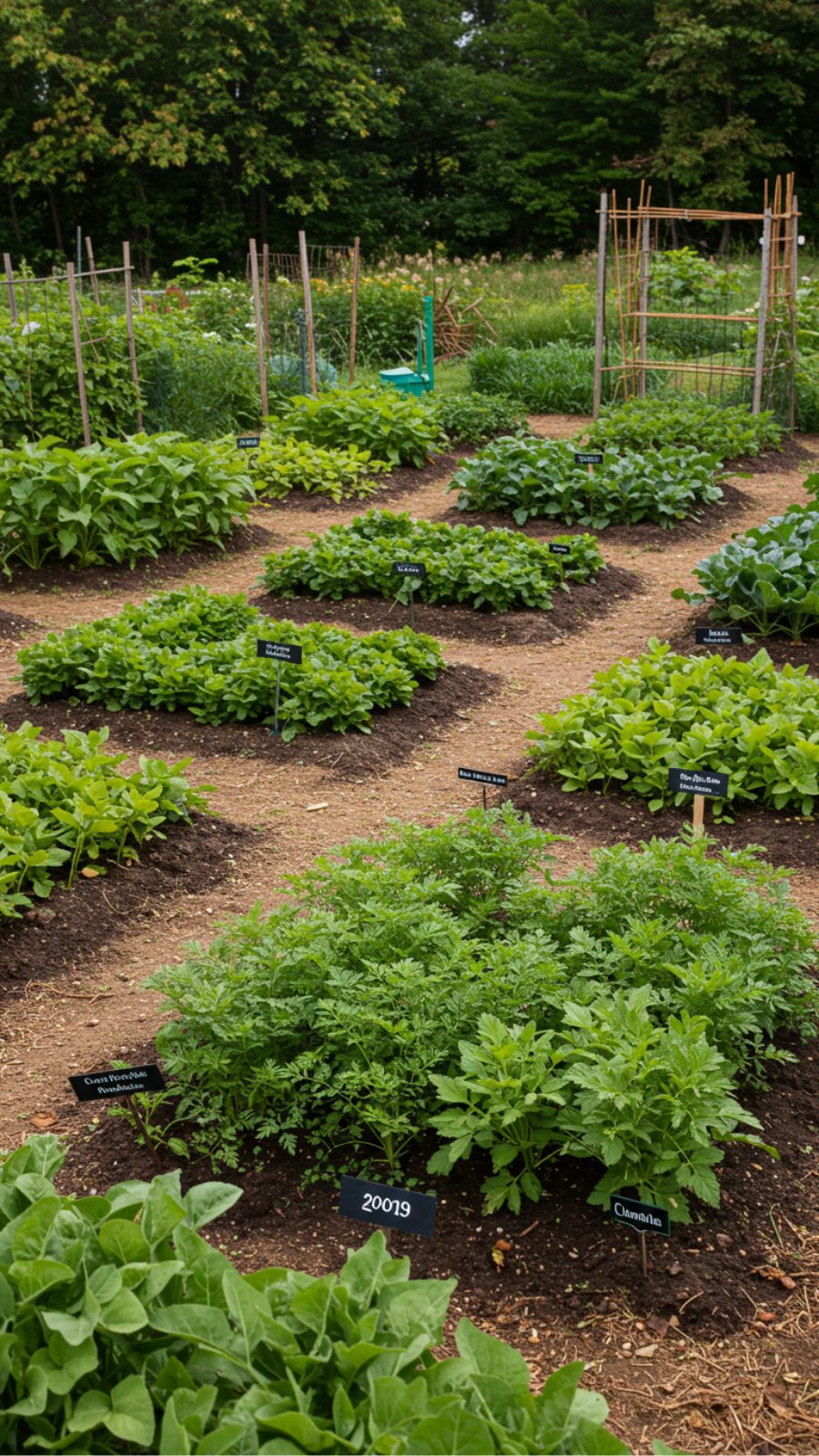
Many gardeners overlook the importance of rotating crops, which can lead to soil degradation and increased pest problems. A well-structured rotation plan should be followed consistently to reap the long-term benefits. For instance, group your crops into categories: legumes, leafy greens, root vegetables, and fruiting plants. This will help you create a diverse planting schedule.
Consider implementing a 3-4 year rotation cycle, ensuring that you avoid planting the same crop family in consecutive years to prevent disease buildup. Additionally, incorporating cover crops during the off-seasons can fix nitrogen and improve soil structure, enriching your garden further.
By following a thoughtful crop rotation plan, you can significantly enhance your vegetable garden’s soil health and yields. Remember, a well-planned rotation is not just beneficial—it’s essential for sustainable gardening practices that can lead to flourishing crops.
8. Succession Planting Schedules to Extend Your Vegetable Harvest Season
Succession planting is a strategic approach that allows you to maximize your vegetable harvest season. By staggering your planting times, you can ensure a continuous supply of fresh produce throughout the growing season. In this section, we’ll explore expert tips for creating an effective succession planting schedule.
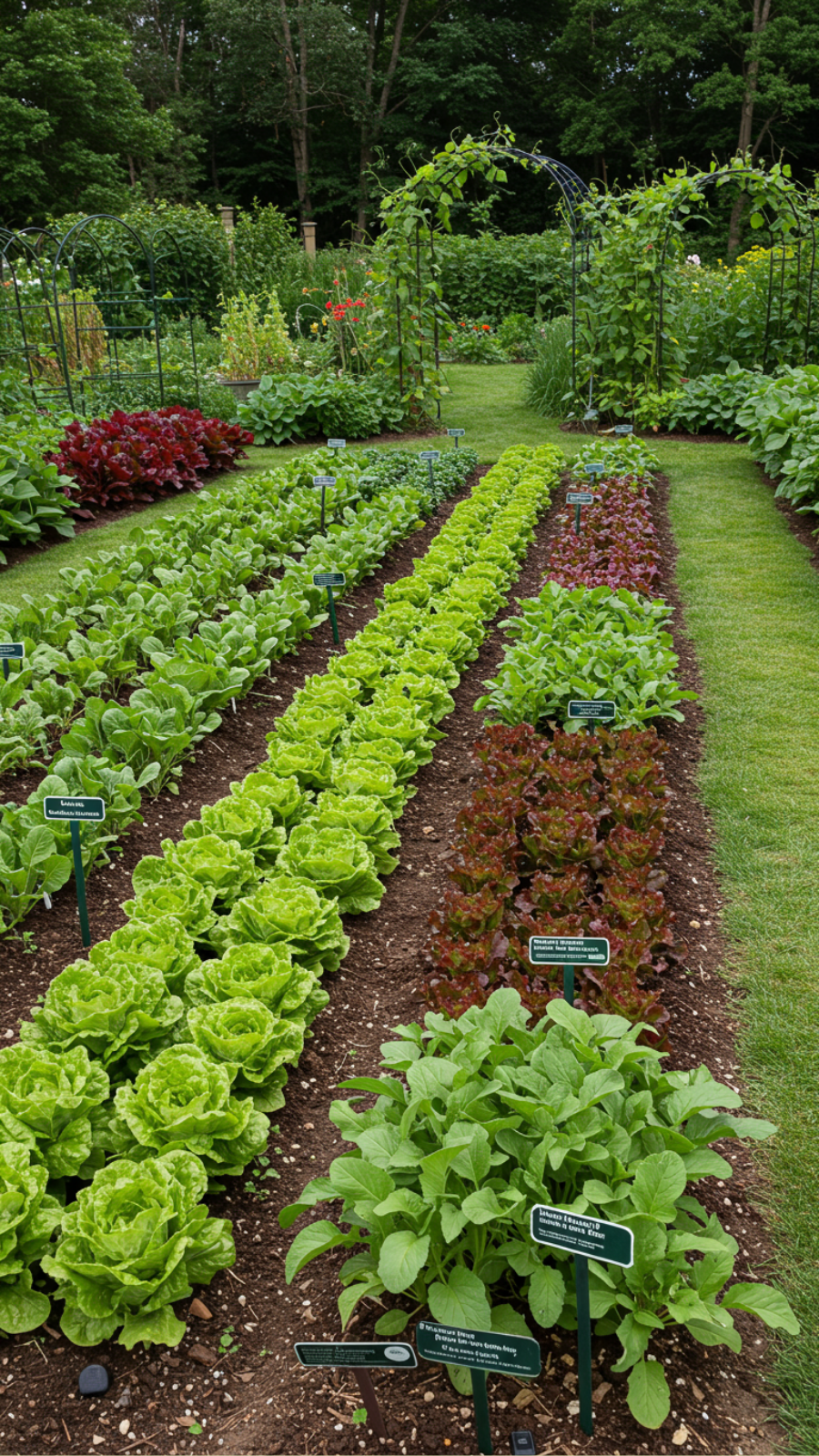
To begin, understand the concept of succession planting, which involves planting crops at intervals to ensure a steady harvest. This technique works particularly well for fast-growing vegetables such as lettuce, radishes, and beans. Aim to plant every two weeks for quick-growing varieties and every four weeks for slower-growing crops to diversify your harvest.
While succession planting can significantly enhance your harvest, there are common pitfalls to avoid. Neglecting to plan your planting schedule can lead to overcrowding and competition for resources, which can ultimately decrease your yield. To further optimize your vegetable garden, keep a gardening journal to track planting dates and outcomes.
By implementing effective succession planting schedules, you can enjoy a bountiful vegetable harvest from spring to fall. With careful planning and attention to detail, your garden will thrive, providing fresh produce throughout the growing season.
Frequently Asked Questions
This section addresses common inquiries related to vegetable gardening and the various techniques discussed in this article. By providing clear and concise answers, we aim to enhance your gardening knowledge and ensure your success.
Raised Bed Gardening Layouts for Maximizing Vegetable Yield
To create a raised bed garden layout that maximizes yield, begin by selecting a sunny location and constructing beds that are at least 12 inches deep. Utilize the square foot gardening method within these beds, spacing plants closely to optimize space. Incorporate companion planting techniques to improve growth and naturally deter pests, ultimately leading to a flourishing vegetable garden.
Square Foot Gardening
Square foot gardening is a method that divides the growing area into manageable squares, typically 1-foot by 1-foot, allowing for high-density planting. This approach maximizes space, minimizes weeds, and simplifies crop rotation, enabling gardeners to grow a diverse range of vegetables in a limited area while ensuring optimal growth conditions. By following best practices, you can enjoy a bountiful harvest.
Companion Planting
Companion planting strategies promote biodiversity, improve soil health, and can naturally repel pests. By pairing compatible plants, such as tomatoes and basil, you can enhance flavors, increase yields, and create a more resilient garden ecosystem, ultimately leading to a healthier and more productive vegetable garden.
Common Mistakes to Avoid
Some common mistakes to avoid in vegetable gardening include neglecting soil quality, which can hinder growth; planting too closely, leading to competition and reduced yields; and failing to plan for pest management, which may result in infestations. By being mindful of these pitfalls, you can create a thriving garden that provides abundant produce.
Expert Tips and Tricks
To enhance your gardening experience, consider the following expert tips: utilize high-quality seeds to improve germination rates, keep a gardening journal to track your planting dates and outcomes, and regularly amend your soil with organic matter to maintain its health. By implementing these best practices, you’ll be well on your way to achieving gardening success.
Companion Planting Strategies for a Productive Vegetable Garden
Understanding plant relationships is crucial for effective companion planting. Certain combinations can enhance growth and deter pests. For instance, tomatoes and basil can grow well together, while cucumbers and beans create a mutually beneficial environment. This section explores the science behind companion planting and how to optimize your garden layout.
Understanding Plant Relationships
Understanding the relationships between different plants is key to successful companion planting. Certain pairings can enhance growth, deter pests, and improve soil health. For example, planting radishes with carrots can help deter pests while maximizing space. This knowledge allows gardeners to make informed decisions when planning their layouts.
Step-by-Step Companion Planting Guide
To implement companion planting effectively, begin by selecting compatible plants that benefit each other. Consider spacing and sunlight requirements to prevent overcrowding. Regularly monitor plant growth and interactions, adjusting pairings as needed to ensure optimal performance. This strategic approach will lead to a more productive and harmonious vegetable garden.
Current Trends in Companion Planting
As sustainable gardening practices gain popularity, more gardeners are exploring companion planting strategies. Integrating native plants as companions fosters a balanced ecosystem, attracting beneficial insects and pollinators. By staying informed about current trends and techniques, you can enhance the health and productivity of your vegetable garden.
Square Foot Gardening Techniques for High Density Planting
To successfully implement square foot gardening, follow a step-by-step guide that includes designing your grid, preparing soil, and selecting crops. This method allows for high-density planting while ensuring optimal growth conditions. By carefully following these steps, you can maximize your garden’s potential.
Step-by-Step Guide to Square Foot Gardening
Creating a successful square foot garden starts with designing your grid. Construct a 4×4-foot frame and divide it into 16 squares, which can be filled with a variety of crops based on their space requirements. Use a nutrient-rich soil mix to ensure healthy growth and follow the recommended spacing for optimal yields.
Expert Tips and Common Mistakes
To avoid common mistakes in square foot gardening, ensure proper spacing and avoid overcrowding. Regularly water your plants and implement crop rotation to maintain soil health. By following expert tips, you can enhance your square foot gardening experience and enjoy a plentiful harvest.
Vertical Gardening Designs to Boost Small Space Vegetable Yields
To successfully implement vertical gardening, choose the right design that suits your space and crop selection. Utilize wall planters, trellises, and stacked containers to maximize your growing area. This innovative approach not only increases yields but also adds visual appeal to your garden.
Choosing the Right Vertical Gardening Design
Selecting the appropriate vertical gardening design is crucial for maximizing space and yield. Consider the types of vegetables you wish to grow and their growth habits. Choose structures that provide adequate support for climbing plants, ensuring they receive sufficient sunlight and air circulation.
Step-by-Step Guidance for Successful Vertical Gardening
To ensure successful vertical gardening, assess your available space and select crops that thrive in vertical arrangements. Build or purchase sturdy support structures that can accommodate the weight of fully grown plants. Regular watering and fertilization are key to maintaining healthy vertical gardens.
Intercropping Methods for Maximizing Garden Productivity and Health
Understanding the benefits of intercropping is essential for maximizing garden productivity. This method promotes biodiversity and encourages healthier plants. In this section, we’ll explore the various intercropping methods you can implement in your vegetable garden.
Understanding Intercropping
Intercropping involves growing two or more crops in close proximity to one another. This technique not only maximizes space but also improves soil health and pest control. Pairing compatible crops, such as beans and corn, creates a symbiotic relationship that enhances overall productivity.
Step-by-Step Intercropping Guide
To implement effective intercropping, start by selecting plant species that utilize different nutrients and space efficiently. Stagger planting times and consider using cover crops to protect soil health. Regularly monitor plant interactions and adjust pairings as necessary to ensure a thriving garden.
Permaculture Principles in Vegetable Garden Layouts for Sustainability
Applying permaculture principles in your vegetable garden design can significantly enhance sustainability. By observing natural patterns and creating diverse plantings, you can cultivate a resilient garden that thrives with minimal intervention. This section provides tips for integrating permaculture principles into your layouts.
1. Observe and Interact
Begin by observing the natural patterns of your garden area, such as sunlight, water flow, and wind direction. Use this knowledge to strategically position your garden beds and pathways. Interacting with your garden regularly allows you to adapt your design based on seasonal changes and plant performance.
2. Design for Diversity
Incorporate diverse plantings in your garden to enhance resilience and attract beneficial insects. This diversity not only boosts soil health but also promotes a balanced ecosystem. Use companion planting and intercropping techniques to create a harmonious garden environment.
3. Use Zones Effectively
Design your garden in zones, placing high-maintenance plants like herbs and salad greens close to your home for easy access. Allocate space for larger crops that require more room and attention. This zoning approach simplifies garden management and enhances productivity.
4. Incorporate Water Management
Implement water management strategies, such as rainwater harvesting, to reduce dependency on municipal water sources. Create swales to direct water flow toward your plants, ensuring they receive adequate moisture while preventing erosion. By managing water effectively, you can enhance your garden’s sustainability.
Understanding Crop Rotation for Long-Term Soil Health
Crop rotation is a key practice for maintaining soil health and increasing yields. This technique involves alternating crop types over time to prevent nutrient depletion and reduce pests. In this section, we’ll discuss how to develop a successful crop rotation plan for your vegetable garden.
Step-by-Step Crop Rotation Guidance
Begin by assessing your soil nutrients and testing its composition. This information will guide your crop selection for rotation. A common rotation cycle includes grouping crops into categories, such as legumes, leafy greens, root vegetables, and fruiting plants. Implementing this cycle over 3-4 years will enhance soil fertility and structure.
Expert Gardening Tips
To successfully implement crop rotation, keep a garden journal to track crop performance and soil health. Make adjustments as needed based on your observations. Incorporate cover crops during the off-seasons to improve soil structure and fertility, ensuring your garden thrives year after year.
Avoid Common Mistakes
Be mindful of common mistakes when practicing crop rotation, such as neglecting soil health and overcrowding plants. Regularly amend your soil with organic matter, and ensure adequate spacing between crops to promote airflow and reduce disease. By avoiding these pitfalls, you’ll foster a more productive vegetable garden.
Succession Planting Schedules to Extend Your Vegetable Harvest Season
Understanding succession planting is vital for maximizing your vegetable harvest season. This technique involves staggering your planting times to ensure a continuous supply of fresh produce. In this section, we’ll explore how to create an effective succession planting schedule.
Understanding Succession Planting
Succession planting allows you to plant crops at intervals to guarantee a steady harvest throughout the growing season. This approach is particularly beneficial for fast-growing vegetables like lettuce, radishes, and beans, ensuring you enjoy fresh produce from spring to fall.
Creating Your Succession Planting Schedule
To create your succession planting schedule, use a planting calendar to determine optimal sowing dates. Aim to plant every two weeks for quick-growing varieties and every four weeks for slower-growing crops. This strategy will help you maintain a consistent supply of fresh vegetables.
Best Practices for Success
To optimize your succession planting efforts, monitor the growth stages of your plants and harvest regularly to encourage further production. Be mindful of spacing and avoid overcrowding, which can lead to competition for nutrients. By following these best practices, you’ll enjoy a bountiful harvest throughout the growing season.