Creating a herb garden offers an unparalleled sense of fulfillment that few other gardening endeavors can match. The utility of herbs transcends mere aesthetics; they serve as a valuable resource in daily cooking. Whether it’s a sprig of basil added to your pasta sauce, a handful of cilantro tossed into a salad, or a bouquet of herbs dried for winter use, the connection between the garden and the kitchen is undeniably strong. This aromatic garden serves a practical purpose, making it a worthy investment in any home.
Herbs are not only versatile but also incredibly forgiving for novice gardeners. They can thrive in a multitude of environments: pots on a balcony, raised beds, window boxes, or even the small crevices between stones. This adaptability allows anyone, regardless of space constraints, to grow their own flavorful herbs. The following sections explore diverse methods of cultivating herbs, each focusing on unique arrangements and spaces designed to enhance both the beauty and productivity of your garden.
1. The Classic Kitchen Garden Herb Bed
A dedicated herb bed situated close to your kitchen—ideally just a few steps from the cooking area—is the most practical and frequently accessed herb garden option. The key advantage of placing herbs near the kitchen is that it encourages regular use; herbs located far from daily cooking activities are often overlooked. A well-prepared rectangular bed filled with the most commonly used herbs becomes the most productive square meter in your garden.
To maximize efficiency, plant herbs in defined blocks by variety rather than mixing them throughout the bed. For instance, create distinct sections for basil, parsley, thyme, and rosemary. This structured approach not only enhances visual coherence but also simplifies the harvesting process. Consider labeling each block with charming slate or pressed metal tags to provide both aesthetic appeal and practical guidance.
When arranging your herb bed, be strategic with plant heights—position taller herbs like rosemary and sage at the back and shorter varieties like thyme and marjoram at the front. This layout ensures that each herb receives ample sunlight while remaining visible and accessible for harvesting. Neglecting this arrangement can lead to poor growth among the shaded plants, ultimately diminishing the quality and yield of the entire bed.
2. The Raised Bed Herb Garden
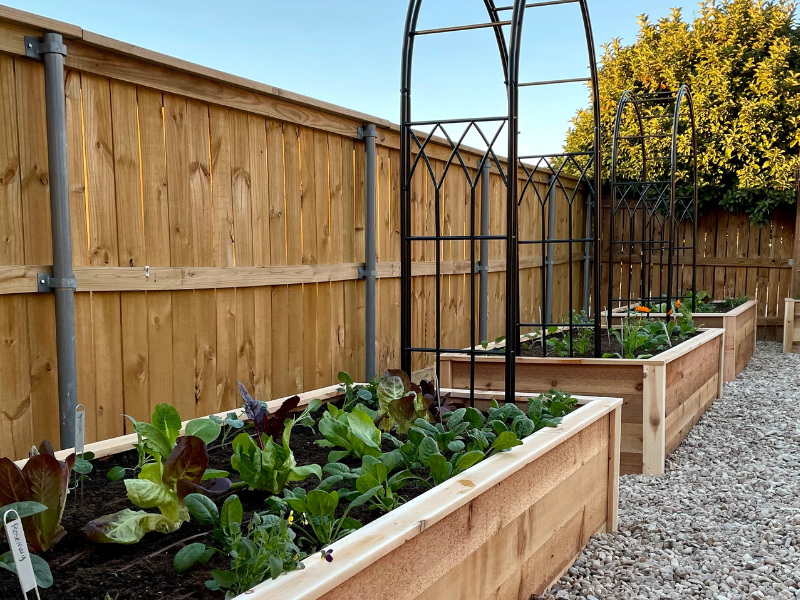
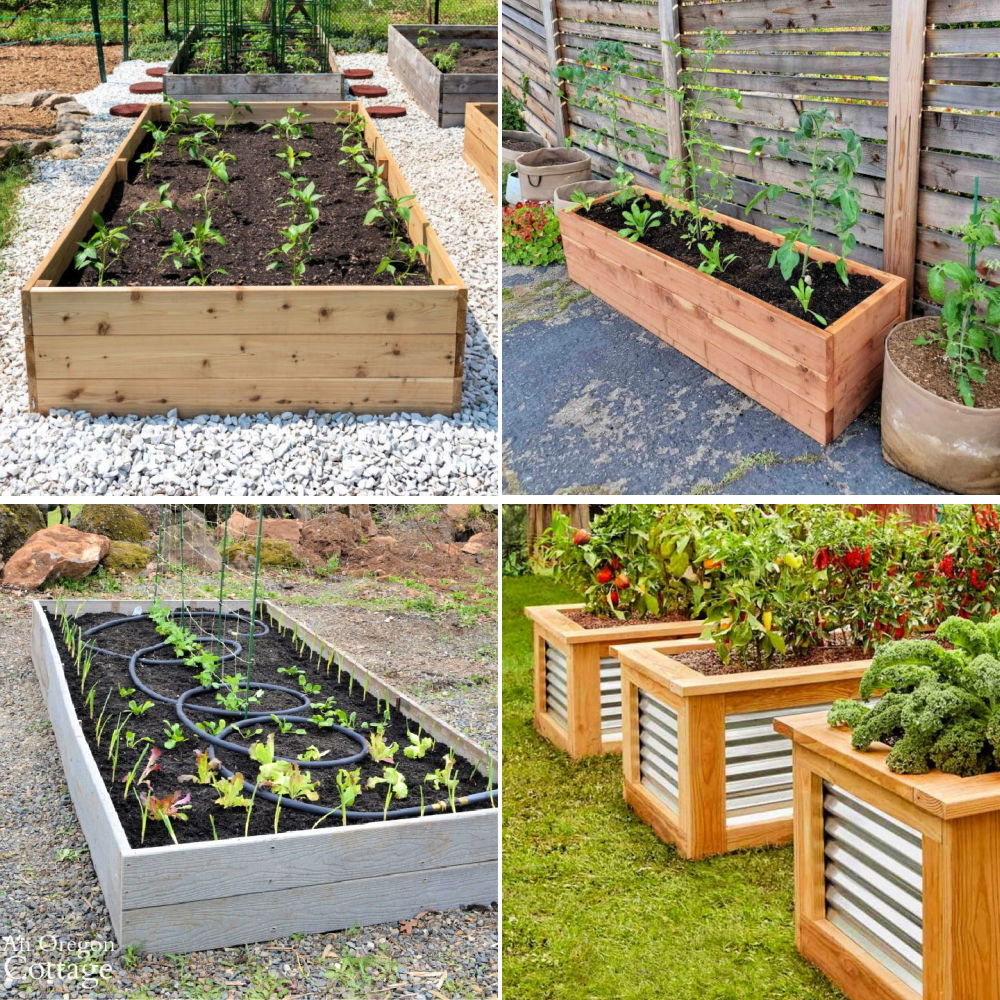
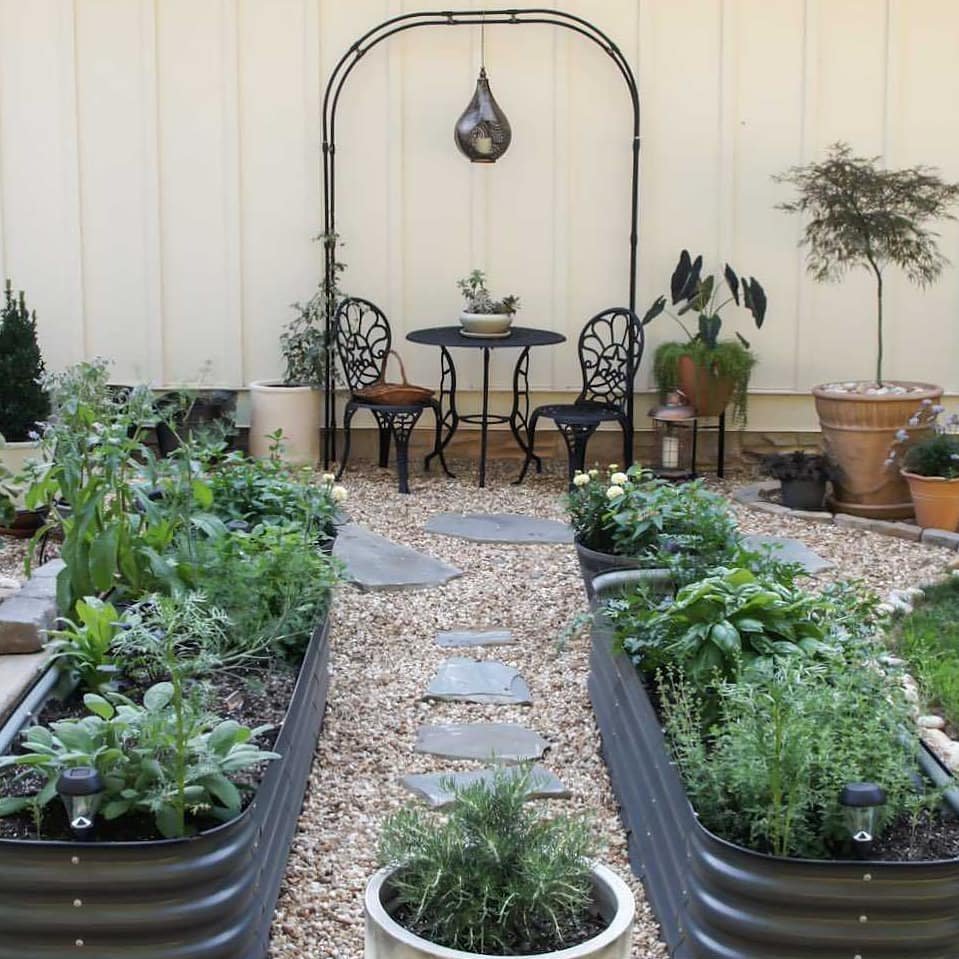
A raised bed dedicated to herbs, ideally 30 to 40 centimeters deep, presents optimal growing conditions for various culinary herbs. This elevated structure enhances drainage—crucial for herbs that are prone to root rot in waterlogged soil—while allowing for complete control over soil composition. Additionally, raised beds warm up faster in spring, extending the growing season and providing a well-defined growing space that is visually appealing as well.
For the ideal soil mix, combine two parts topsoil with one part horticultural grit and one part compost. This leaner, more free-draining mixture is particularly suited for Mediterranean herbs like rosemary and thyme, which thrive in lower-nutrient environments. Plants grown in raised beds often outperform those in richer, moister soils.
To maintain organization within the raised bed, use timber dividers, reclaimed bricks, or small slate pieces to create sections. This will help contain spreading herbs and prevent their more vigorous counterparts from dominating the space. For instance, mint should always be contained in a buried pot to prevent it from overtaking the entire bed in a single growing season, ensuring that all herbs can coexist harmoniously.
3. The Spiral Herb Garden
The spiral herb garden is a visually captivating structure that offers a creative way to grow herbs in a small area. This raised, spiraling mound of soil and stone creates a variety of microclimates within a compact footprint, roughly 1.5 meters in diameter. The design allows for sunny, dry conditions at the top, ideal for Mediterranean herbs, while the base remains shadier and moister—perfect for moisture-loving varieties.
Construct the spiral using durable materials such as reclaimed bricks, local stones, or stacked timber. Fill it with a mix of compost and grit, adjusting the ratio to create a gradient, with the top being leaner and the bottom richer in nutrients. Consider planting rosemary and thyme at the top, basil and parsley in the middle, and mint and chives at the base, where they can thrive in the cooler, moister conditions.
When positioning the spiral, ensure that the highest point faces south or southwest to maximize sunlight exposure. Correct orientation enhances growing conditions for the Mediterranean herbs at the top while providing the necessary shade for moisture-loving plants below. An incorrectly positioned spiral may fail to create the desired microclimate and could turn into a decorative element rather than a functional growing space.
4. The Container Herb Collection
A collection of containers—ranging from terracotta pots to wooden crates—offers a flexible and visually appealing way to grow herbs, particularly for those without designated garden space. This method allows for easy reorganization and expansion, making it perfect for renters or those who prefer not to commit to a permanent garden bed.
Arrange your containers at varying heights to create visual interest and accessibility. Use bricks, upturned pots, or different levels to enhance the display, ensuring that frequently harvested herbs are positioned for easy access. This layered approach prevents a flat arrangement and turns the herb garden into an engaging focal point.
During hot summer months, be diligent about watering container-grown herbs, as the limited soil volume dries out quickly. Drought stress can lead to diminished flavor and premature bolting. Consider using self-watering pots with integrated reservoirs to simplify the watering process and maintain consistent moisture levels, reducing the daily commitment required to care for your herbs.
5. The Formal Knot Garden
A formal knot garden is a visually striking design that features geometric patterns of low-clipped hedges, traditionally made from box, germander, or dwarf lavender, with herbs planted in the spaces between. This design, which dates back to the Tudor and Elizabethan periods, represents the pinnacle of horticultural sophistication and can serve as a stunning centerpiece in any garden.
Creating a simple four-quadrant knot garden using dwarf lavender or box can cost between $60 and $200 for hedging plants, depending on the size and design. The internal spaces can be filled with culinary herbs or ornamental plants, offering a balance between productivity and aesthetics. The discipline required for maintaining this design through precise planting and annual clipping enhances its visual appeal.
To create the knot garden layout, mark the intended design on the ground with sand before planting any hedges. This technique allows for easy adjustments and ensures accuracy in the pattern, making it more practical than relying solely on a written plan. With careful attention to detail, a well-executed knot garden can provide a striking and historically rich addition to your outdoor space.
6. The Window Box Herb Garden
A window box herb garden is the ultimate solution for those with limited outdoor space, providing a compact and practical option for growing essential culinary herbs. A south or west-facing kitchen windowsill can accommodate a window box filled with basil, parsley, chives, mint, and thyme, supplying fresh herbs right at your fingertips.
Terracotta window boxes are preferable because they offer better drainage and air circulation than plastic alternatives. A standard 60-centimeter window box can comfortably house four to six different herb varieties, ensuring you have a steady supply for everyday cooking. Always ensure the window box has adequate drainage holes and is securely mounted to support the weight of the soil and plants.
To keep your basil thriving, consider replacing it every four to six weeks during the summer instead of attempting to maintain a single plant. As basil is an annual that declines quickly with intensive harvesting, introducing a new seedling from a garden center ensures a continuous supply of fresh basil throughout the season.
7. The Potager Herb and Vegetable Garden
The potager represents a harmonious blend of culinary and ornamental gardening, where herbs, vegetables, and edible flowers coexist in a thoughtfully designed space. This French tradition embraces the idea that food plants can be cultivated with the same beauty as ornamental varieties, transforming the kitchen garden into a visually appealing area worth spending time in.
In a potager, herbs can serve as edging plants around vegetable beds, while architectural plants like fennel add height and visual interest. Incorporating colorful elements such as nasturtiums and lavender further enhances the garden’s aesthetic appeal, creating a kitchen garden that is as beautiful as it is functional.
To create visual richness in your potager, mix various textures and colors among edible plants. Pair purple basil with green parsley, bronze fennel with grey-green rosemary, and flowering chives with red-stemmed chard. This intentional design creates a vibrant palette that celebrates the beauty of edible plants while maintaining their practical value.
8. The Indoor Kitchen Herb Garden
An indoor herb growing system—a tiered herb stand, wall-mounted magnetic pots, or a self-contained unit with LED lighting—provides a unique opportunity to cultivate fresh herbs year-round. This setup is ideal for urban households without outdoor space, ensuring a continuous supply of fresh herbs even during winter months when outdoor gardens are dormant.
Self-watering wall-mounted planters offer a convenient solution for small kitchens, costing between $30 and $60 for a few pots. Alternatively, LED grow light systems provide the necessary light intensity for vigorous indoor growth, with units available for $40 to $100. These options allow you to maintain an indoor herb garden regardless of natural light availability.
When harvesting indoor herbs, opt for frequent, light collections instead of gathering large amounts at once. This technique encourages compact and bushy growth, ensuring that your herbs remain productive. Heavy harvesting can deplete the plant’s energy reserves, making it difficult to recover in the limited light conditions typical of indoor environments.
9. The Heritage and Unusual Herb Collection
A herb garden filled with heritage and unusual varieties—such as lemon verbena, lovage, and Vietnamese mint—offers a unique culinary adventure that showcases the diversity of herbs beyond the typical supermarket selection. This collection not only serves as a resource for adventurous cooks but also acts as an educational tool, providing insight into culinary history and the vast array of flavors available.
Specialist nurseries often stock these rare herb varieties, many of which can be ordered online for convenience. A collection of ten to twelve unusual herbs can become the centerpiece of a garden that attracts the attention of herb enthusiasts and curious visitors alike.
To enhance the educational aspect of your herb garden, label each plant with both its common and botanical names. This dual labeling approach adds a scholarly touch, inviting questions and sparking conversations about the culinary potential of each herb. By providing visitors with information, you communicate not just your gardening knowledge but also your passion for the plant world.
10. The Medicinal and Therapeutic Herb Garden
A medicinal herb garden, featuring plants like echinacea, chamomile, and lavender, extends the role of the herb garden beyond culinary use. This space reflects a deep engagement with the historical practices of herbalism and provides valuable resources for creating teas, tinctures, and other botanical preparations throughout the growing season.
Many medicinal herbs are as visually appealing as they are useful. For example, echinacea produces stunning late-summer blooms, while calendula’s bright flowers add vibrant color to the garden. A medicinal herb garden can achieve a beautiful blend of utility and aesthetics, offering a sanctuary that inspires relaxation and wellness.
When harvesting medicinal herbs, timing is essential for ensuring maximum potency. Collect flowers at the moment they open, leaves before flowering, and roots in autumn when the plant’s energy has returned to its root system. Thoughtful harvesting practices elevate the quality of the dried or processed herbs, enhancing the effectiveness of your medicinal preparations.
11. The Paved Path Herb Garden
Incorporating herbs into the gaps between paving stones creates a fragrant and living pathway that enhances the organic feel of your garden. Plants such as creeping thyme, chamomile, and pennyroyal thrive in these joints, releasing delightful aromas with every step and enriching the garden experience.
Creeping thyme varieties are particularly robust and can endure foot traffic while providing a delightful scent. Roman chamomile, known for its apple-like fragrance, also makes an excellent choice for a fragrant path. Both can be purchased for a modest price, requiring only well-draining soil in the paving joints to flourish.
For best results, plant herbs during the initial laying of the paving stones. This approach allows for optimal growing conditions, as introducing herbs into established joints can be labor-intensive and challenging. By planning ahead, you can create a fragrant path that brings joy to every garden visitor.
12. The Bee and Butterfly Herb Garden
A herb garden designed to attract and support bees, butterflies, and other beneficial insects holds significant ecological value. Featuring plants like lavender, borage, and flowering thyme, this garden not only beautifies your space but also supports pollinator populations that are essential for the health of your garden and food supply.
Borage stands out as one of the most bee-attractive herbs, producing abundant nectar from its vibrant, star-shaped flowers. Once established, it self-seeds freely and requires minimal maintenance, making it a delightful addition to any garden. The edible flowers can also enhance salads and summer beverages, adding both beauty and functionality.
To support pollinators effectively, allow culinary herbs like thyme and marjoram to flower fully. While conventional wisdom suggests cutting herbs back to maintain culinary quality, allowing them to bloom creates a valuable resource for pollinators. Balancing culinary harvesting with the needs of pollinators ensures both a fruitful kitchen and a thriving ecosystem.
13. The Hanging Herb Garden
A vertical hanging herb garden can transform any sunny wall, fence, or pergola into a productive growing space. Utilizing wall-mounted pocket planters, stacked hanging baskets, or tiered systems, this approach allows for the cultivation of herbs in areas where ground space is limited, such as balconies or small patios.
Fabric pocket planters are an affordable option, costing between $15 and $40 for a panel that can accommodate multiple herb plants. Alternatively, stacked terracotta planters create a visually appealing display while maximizing vertical space and work well for patios or garden corners.
When planning your hanging herb garden, opt for compact, shallow-rooted varieties that thrive in limited soil volumes. Herbs such as thyme, parsley, and small-leafed basil are ideal candidates, while larger or more vigorous plants may struggle in these confined spaces. By choosing suitable varieties, you can create a flourishing hanging garden that maximizes your available space.
14. The Four-Season Herb Garden
A herb garden designed for year-round interest combines evergreen herbs for winter structure, tender annuals for summer abundance, and hardy perennials for autumn color. This approach ensures that your garden remains productive and visually engaging throughout the entire calendar year, transforming the perception of seasonal gardening.
Begin with a foundation of evergreen herbs like rosemary, sage, and thyme, which provide stability and beauty in the colder months. Layer in summer annuals such as basil and coriander while incorporating bulbs for spring interest, like chives and fennel for late-summer height, ensuring a continuous harvest cycle.
To maintain a steady supply of annual herbs, implement succession planting by sowing every three weeks. This strategy prevents feast-and-famine cycles, allowing for a consistent harvest throughout the growing season. By embracing this habit, you can maximize the productivity of your herb garden, ensuring that it continuously earns its place in your kitchen.
Regardless of the scale or style of your herb garden, the rewards are plentiful for those who invest their time and effort. From the fresh herbs that enrich your meals to the delightful scents that fill your kitchen, a well-tended herb garden transforms cooking into a sensory experience. Choose a design that aligns with your space and culinary needs, plant generously, and enjoy the fruits of your labor every single day.