For culinary enthusiasts, having a stash of fresh herbs readily available can transform cooking from mundane to extraordinary. The aromas, the flavors, and the joy of harvesting your own produce can elevate any meal to new heights.
However, many of us may not have the luxury of expansive backyards or sufficient space for a conventional garden. This is where the innovative concept of a vertical herb garden comes into play.
Vertical gardening has surged in popularity, particularly among individuals residing in apartments or homes with limited outdoor areas. It offers a unique solution for those who want to cultivate fresh herbs without the need for extensive ground space.
At first glance, the idea of growing herbs vertically instead of traditionally in the soil may seem unconventional. Still, it’s an incredibly effective method for maximizing space while also providing an aesthetically pleasing addition to your home.
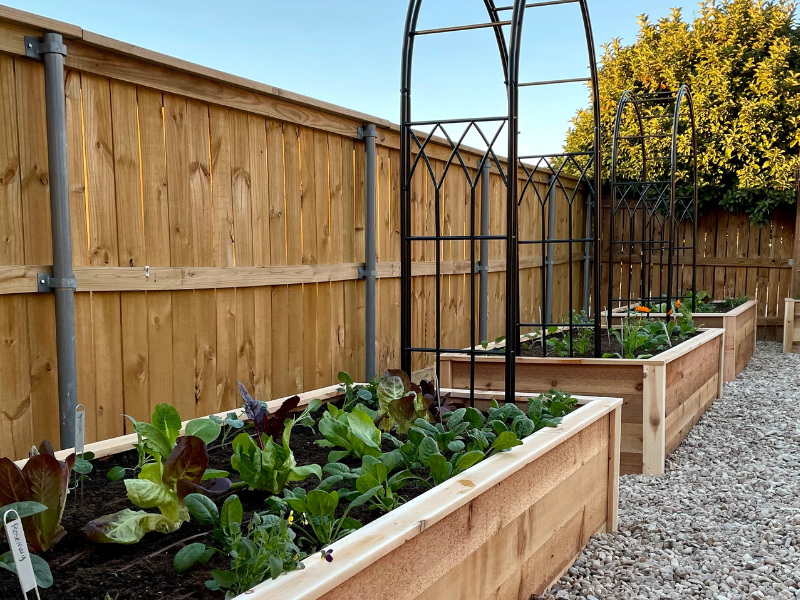
With a vertical setup, you can utilize walls, fences, or even balconies, turning otherwise unused areas into thriving gardens. Whether you opt for wall-mounted crates or a personalized shelving unit, a vertical herb garden can seamlessly fit into any nook of your living space.
This gardening style not only conserves physical space but also enhances sunlight exposure for your plants, allowing for more manageable growing conditions. It’s an ideal arrangement for anyone looking to make the most of their limited gardening options.
2. Choosing the Right Herbs for Your Vertical Garden
When it comes to selecting herbs for your vertical garden, it’s crucial to consider their specific light and watering requirements. Some herbs thrive in full sunlight, while others can adapt well to partial shade.
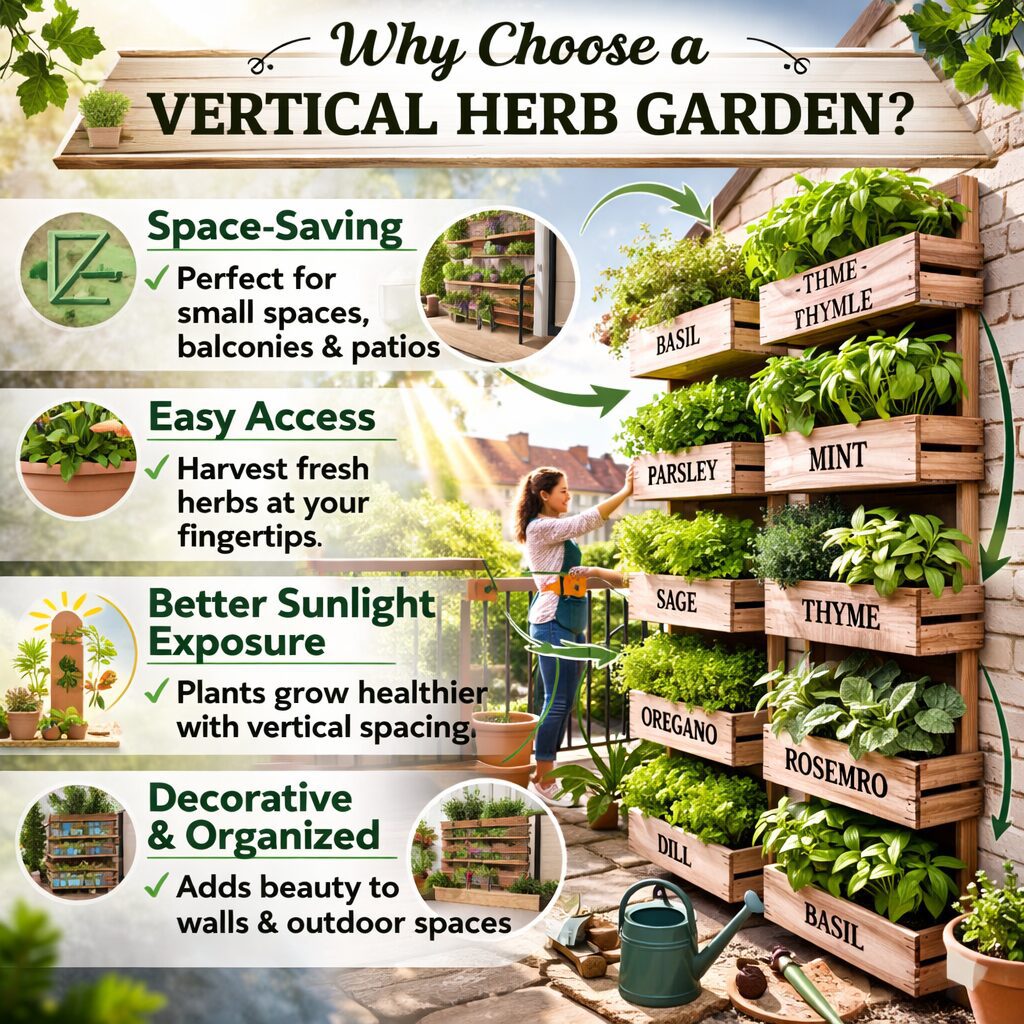
In the vibrant photograph I included, you can spot a selection of herbs, each bringing distinct flavors and culinary possibilities to your kitchen. This visual representation showcases the diverse options available for your vertical herb garden.
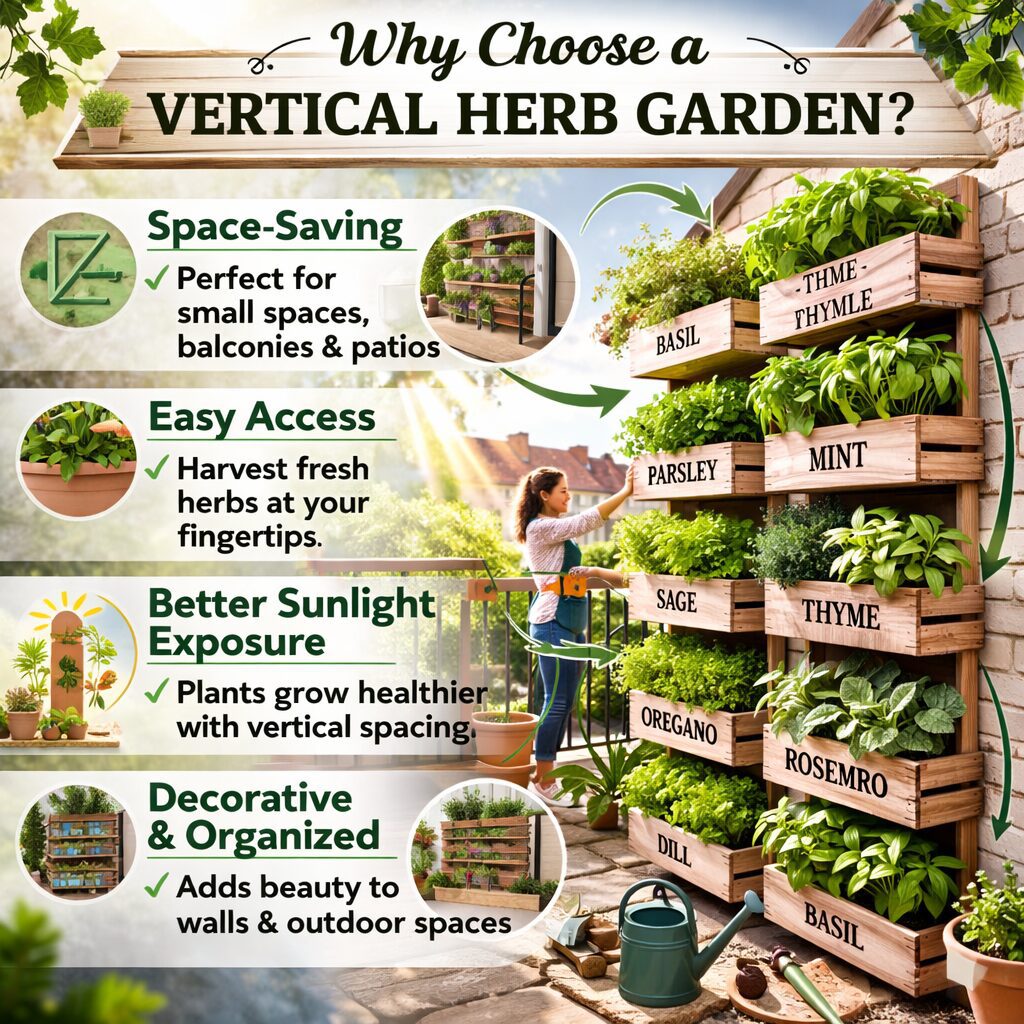
For beginners, here are some fantastic herbs to consider planting: basil, mint, parsley, and thyme. Each of these herbs has unique characteristics that make them suitable for vertical gardening.
Additionally, you might want to explore other herbs such as rosemary, oregano, sage, and dill—all of which flourish in container gardens and vertical setups. Their versatile nature allows for a rich variety of flavors in your culinary creations.
3. Selecting the Right Container for Your Vertical Garden
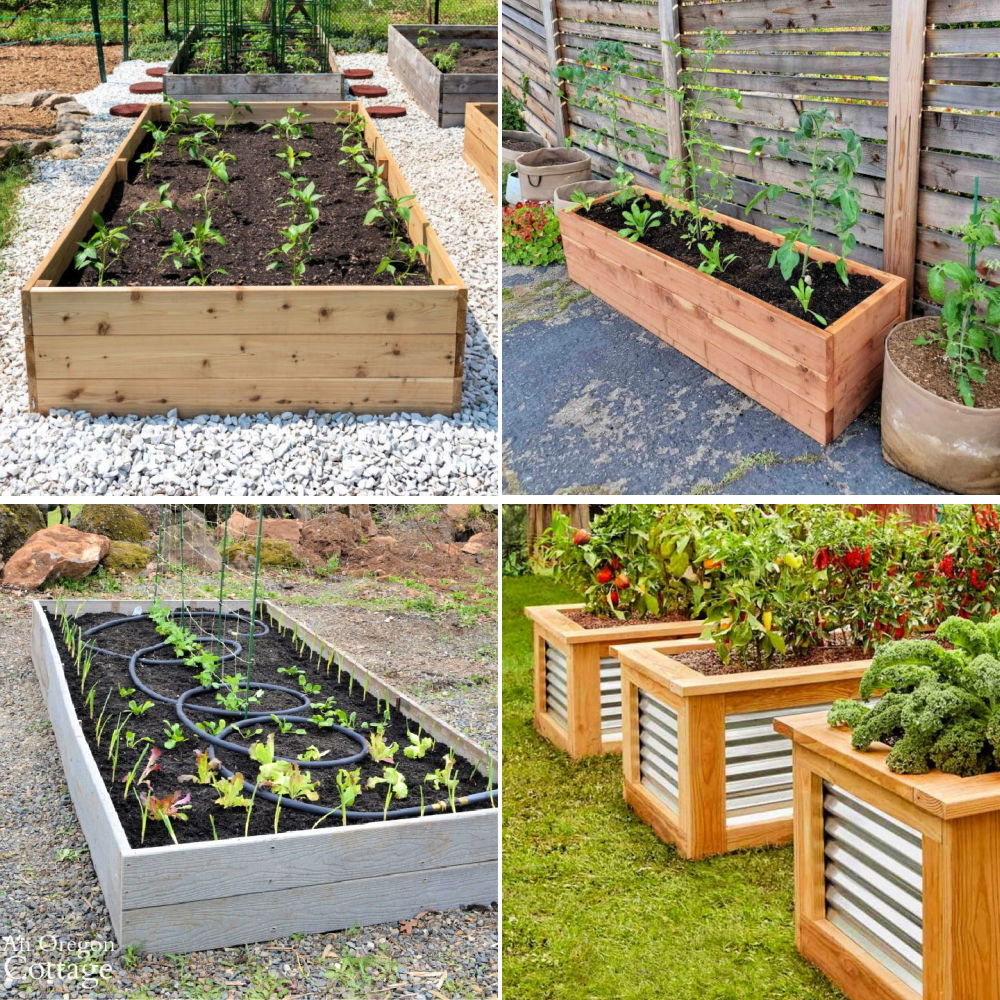
The versatility of vertical gardening extends to the types of containers you can use. From rustic wooden crates to vibrant pocket planters, the choices are virtually limitless.
For my own vertical herb garden, I’ve opted for wooden crates, which you can see in the accompanying image. Their rustic charm not only complements most outdoor aesthetics but also provides excellent drainage for the plants.
When choosing containers, it’s essential to ensure they have adequate drainage holes to prevent water accumulation at the bottom, which can lead to root rot. A simple yet effective solution is to drill a few holes in the bottom of wooden crates or any other containers you decide to use.
Some popular container options for vertical gardens include:
- Wooden crates, which are stylish and allow roots to spread.
- Wall-mounted pots that can be hung directly on your wall or fence, adding a cascading effect as the plants mature.
- Hanging baskets that are particularly well-suited for trailing herbs like mint, which appreciate the extra space to grow.
4. Assembling and Installing Your Vertical Herb Garden
Now that you have chosen your herbs and containers, it’s time to put your vertical garden together. Here’s a step-by-step guide to help you get started:
- Choose the right location: Identify a spot that receives adequate sunlight. Herbs such as basil and rosemary thrive in full sun, while parsley and mint can comfortably grow in partial shade.
- Mount your containers: Depending on your available space, securely attach your wooden crates or pots onto a sturdy fence, wall, or other structures. If you opt for wall-mounted pots, consider a vertical garden system that includes a built-in irrigation feature for added convenience.
- Plant your herbs: Fill each container with high-quality potting mix and plant your herbs, ensuring each one has enough space to grow without overcrowding. For quicker-growing herbs like basil, maintain a spacing of about 6-8 inches.
- Water and maintain: Regular watering is crucial, especially in a vertical garden where plants may dry out more rapidly. Start by watering the top containers and allow the moisture to trickle down to the lower plants. A gentle watering can or drip irrigation system works best to avoid over-saturating the soil.
5. Caring for Your Vertical Herb Garden
Once your vertical herb garden is established, ongoing care will be essential to ensure your herbs thrive. Here are some maintenance tips to keep in mind:
Herbs generally prefer thorough watering but should be allowed to dry out between watering sessions. Avoid letting the soil become soggy, and monitor the moisture levels closely to water only when necessary.
Regular pruning is also vital to promote healthy growth. Trim your herbs frequently to prevent them from becoming leggy and encourage bushier foliage. Frequent harvesting can also stimulate new growth.
Feeding your herbs with a balanced, slow-release fertilizer will help maintain their health and vigor. Organic options, such as compost tea, are particularly effective for this purpose.
Lastly, keep an eye out for pests. Since vertical gardens can have limited airflow, pests can spread rapidly. Employ natural pest control methods, such as neem oil or soapy water, to safeguard your plants from infestations.
6. The Benefits of Growing Your Own Herbs
The advantages of cultivating a vertical herb garden are numerous. For me, it extends beyond just the herbs themselves; it’s about the fulfillment that comes from nurturing and harvesting fresh and healthy ingredients.
One of the most significant benefits is the convenience of having fresh herbs at your fingertips. Imagine stepping outside and plucking the perfect sprig of basil or mint whenever you need it for your culinary endeavors.
Additionally, growing your own herbs can be a cost-effective alternative to purchasing them from the store, where prices can add up quickly, especially if you only require small quantities.
There are health benefits as well; cultivating herbs at home allows you to have complete control over what goes into your plants, steering clear of pesticides and chemicals that are commonly found in commercially grown herbs.
Moreover, vertical gardens contribute aesthetic appeal to your living space, infusing beauty and greenery into otherwise bare areas. They are an excellent choice for small patios or urban environments, offering a touch of nature amidst the concrete.
A Fresh and Flavorful Garden Awaits
Creating a vertical herb garden stands as one of the most fulfilling gardening projects I have embarked upon. It not only provides a continuous supply of fresh herbs throughout the year but also enhances the aesthetic charm of any outdoor area.
With a bit of foresight and care, you can enjoy the fruits of your labor—home-grown herbs that not only elevate your culinary creations but also brighten your living space. The journey of growing your own herbs is a delightful experience that rewards you with fresh flavors and a sense of accomplishment.