Creating a thoughtfully designed vegetable garden layout can significantly enhance your harvest while maintaining a tidy and visually appealing space. Whether you have expansive land to work with or are limited to a compact balcony garden, selecting the appropriate layout is crucial. In this article, we will delve into 16 inventive and practical vegetable garden layout ideas that can inspire your next gardening endeavor. From the use of raised beds to clever companion planting techniques, there is something suitable for every gardener, regardless of experience.
1. Optimal Pathways for Easy Access in Your Vegetable Garden
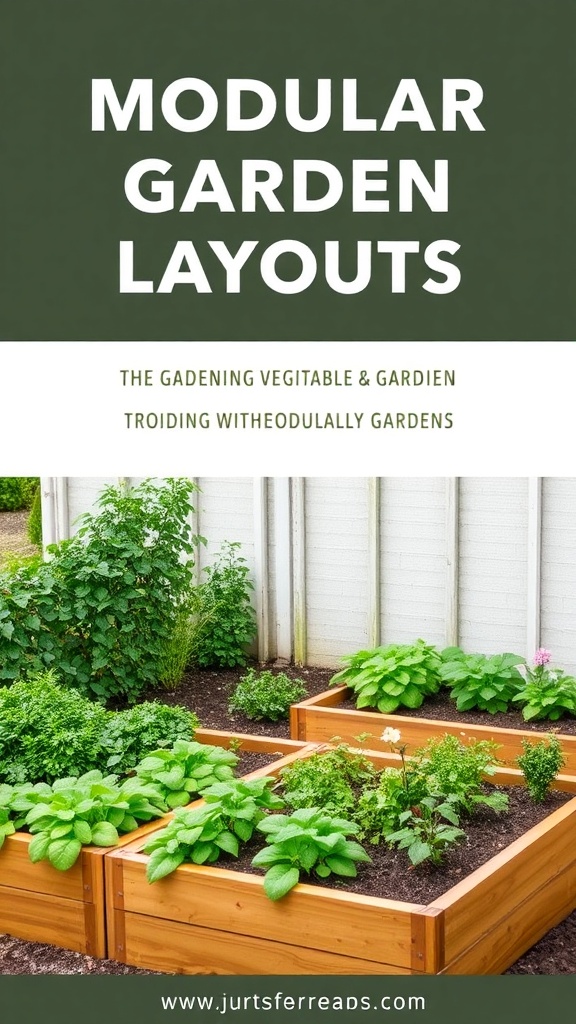

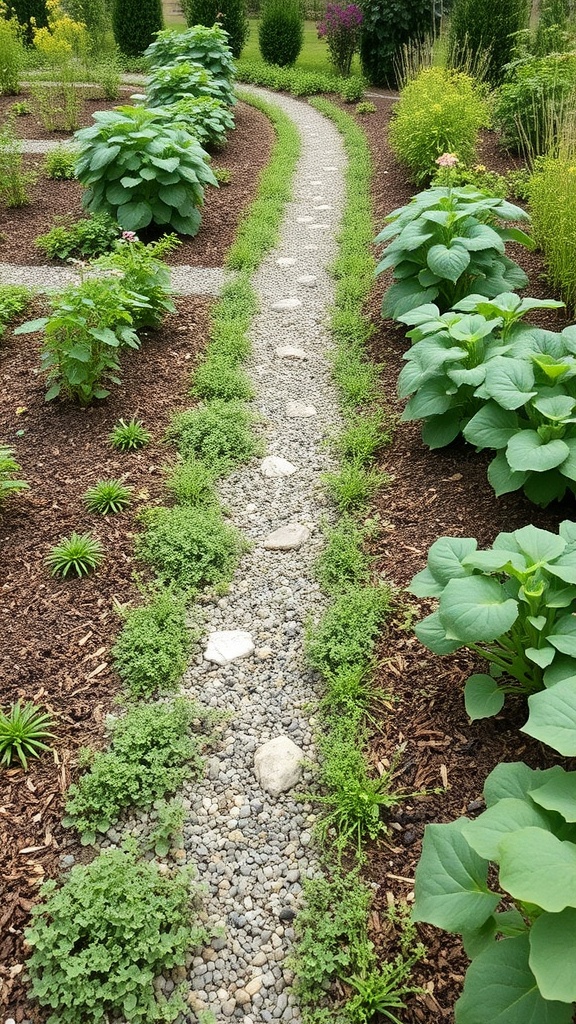
Establishing well-planned pathways in your vegetable garden is vital for ensuring effortless access and efficient upkeep. It is advisable to create paths that are at least 18-24 inches wide to allow for comfortable movement and the easy transportation of a wheelbarrow or gardening tools. You can utilize materials like mulch, gravel, or stepping stones to keep walkways dry and manageable during watering sessions or after rainfall.
When it comes to arranging your vegetable beds, consider a grid or parallel layout that facilitates easier harvesting and weeding. This configuration guarantees that no plant is situated more than an arm’s reach from the path, thus providing convenience during maintenance tasks. To further enhance functionality, incorporating water sources or storage areas for tools near the pathways can save time and effort when tending to your garden.
Remember, the design of your pathways can also influence the overall flow and aesthetics of your garden. Well-defined paths not only make the space more navigable but also draw the eye, inviting you and visitors to explore each section of the garden. By prioritizing accessibility, you set the foundation for a garden that is not only productive but a joy to work in.
2. Creative Companion Planting Designs for Maximum Yield
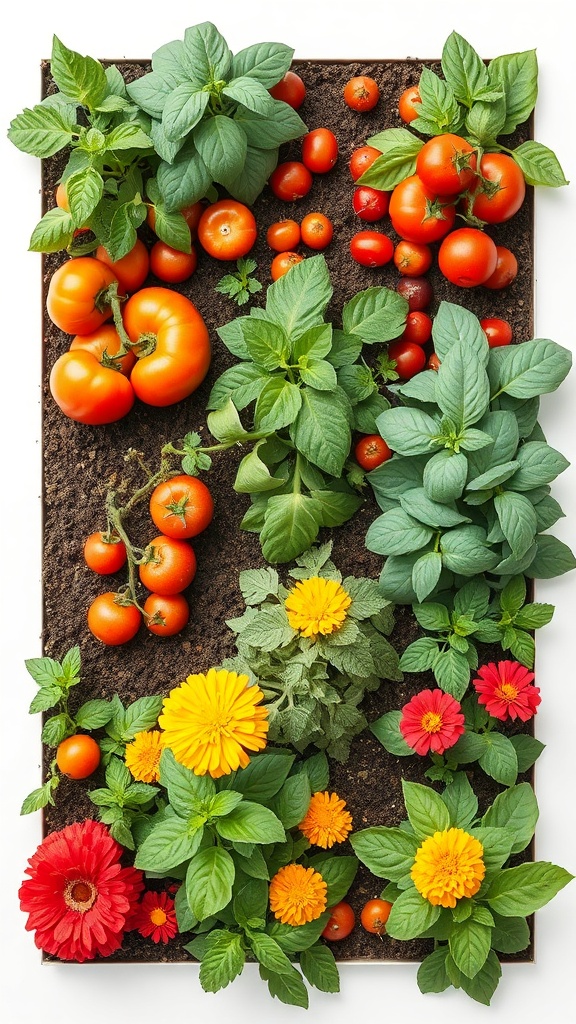
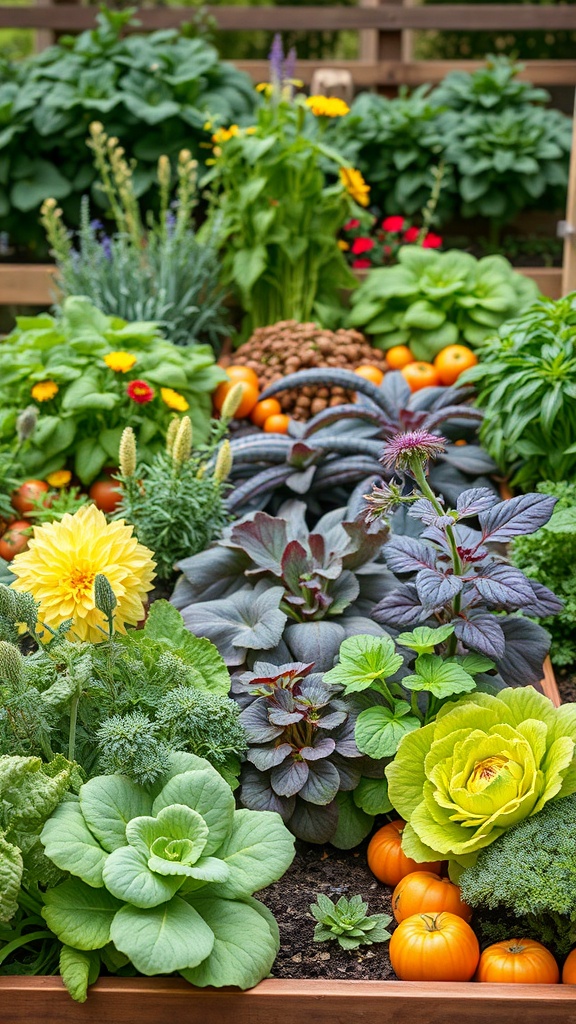
Companion planting is an imaginative technique that can significantly enhance your garden’s productivity while fostering healthier crop growth. Pairing plants that benefit each other, such as tomatoes and basil, which can deter pests, or interspersing marigolds among vegetables to ward off harmful insects, offers a natural strategy for pest management. This method not only optimizes space but also creates a more resilient garden ecosystem.
Consider designing your layout to incorporate tall crops, like corn, alongside low-growing plants such as squash. This arrangement maximizes the use of vertical space, allowing plants to share sunlight and nutrients effectively. Another effective strategy involves alternating rows of nitrogen-fixing plants—like beans—with heavy feeders, such as cabbage, to maintain soil nutrient balance. By thoughtfully arranging these plant partnerships, you not only conserve space but also bolster plant health and overall yield.
Moreover, companion planting can lead to a more diverse garden, which is essential for attracting beneficial insects and pollinators. This diversity can enhance the overall resilience of your garden, making it less susceptible to pests and diseases. Experimenting with different combinations can yield surprising results, so don’t hesitate to try new pairings as you refine your garden’s layout.
3. Vertical Gardening Layouts for Small Spaces
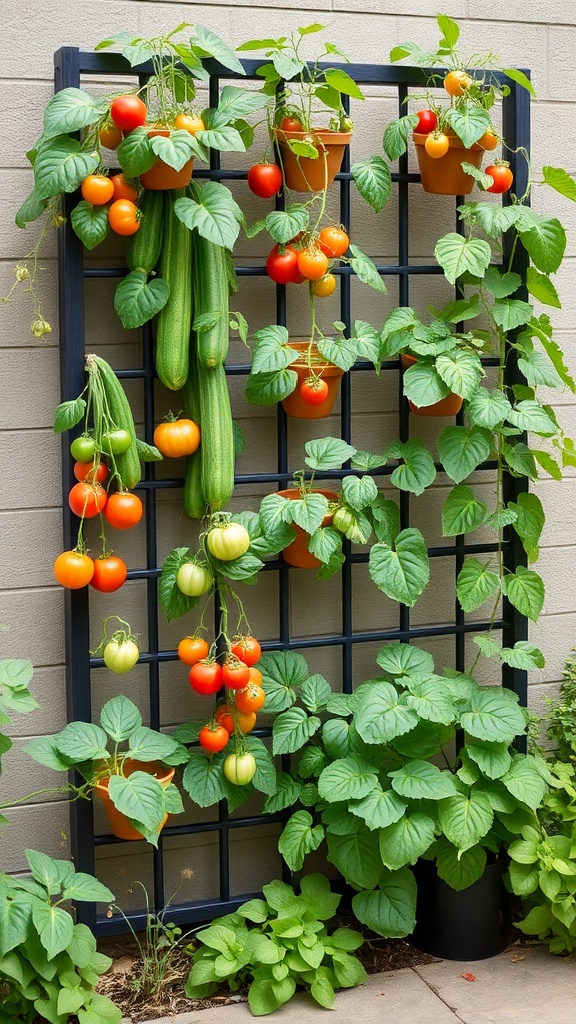
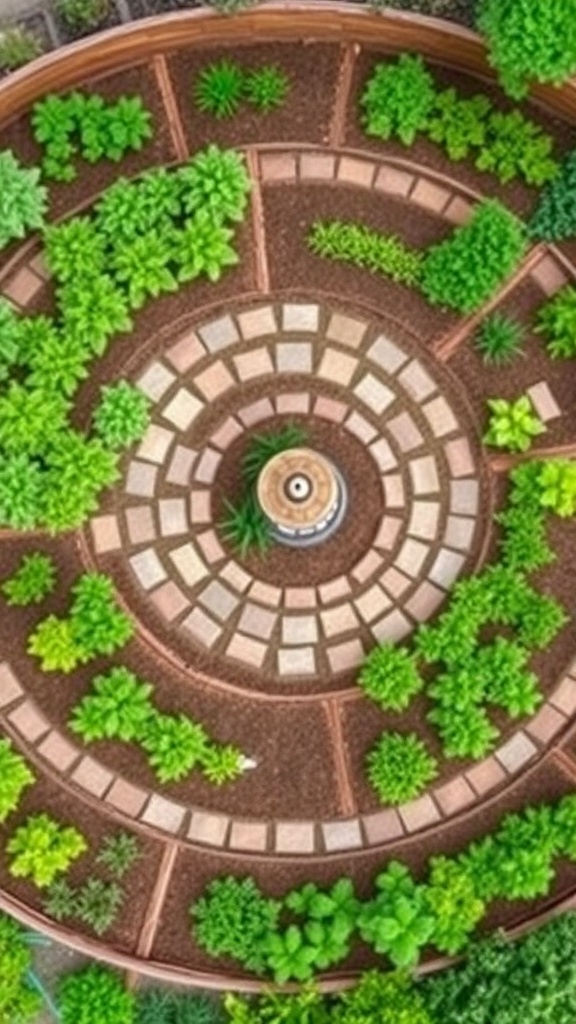
For those working with limited space, vertical gardening layouts offer a clever solution to grow a variety of vegetables without requiring a large footprint. By utilizing trellises, stakes, or hanging planters, you can cultivate vine vegetables like cucumbers, peas, or tomatoes vertically, freeing up valuable ground space for other crops. This not only optimizes your available area but also adds a striking visual element to your garden.
Tiered garden beds or wall-mounted planters are other effective ways to maximize vertical space while enhancing the aesthetic appeal of your garden. You might also consider stacking containers for leafy greens and herbs, or employing shelving systems that allow you to create a multi-layered growing environment. These methods not only conserve ground area but also facilitate easier harvesting and improve air circulation, which can mitigate the risk of plant diseases.
Vertical gardening can also encourage creativity in your garden layout, allowing for artistic expressions through the arrangement of your plants. By varying plant heights and textures, you can create a visually captivating and productive growing area. This approach to gardening not only addresses space constraints but also transforms your garden into a functional work of art.
4. Seasonal Vegetable Bed Rotations Made Simple
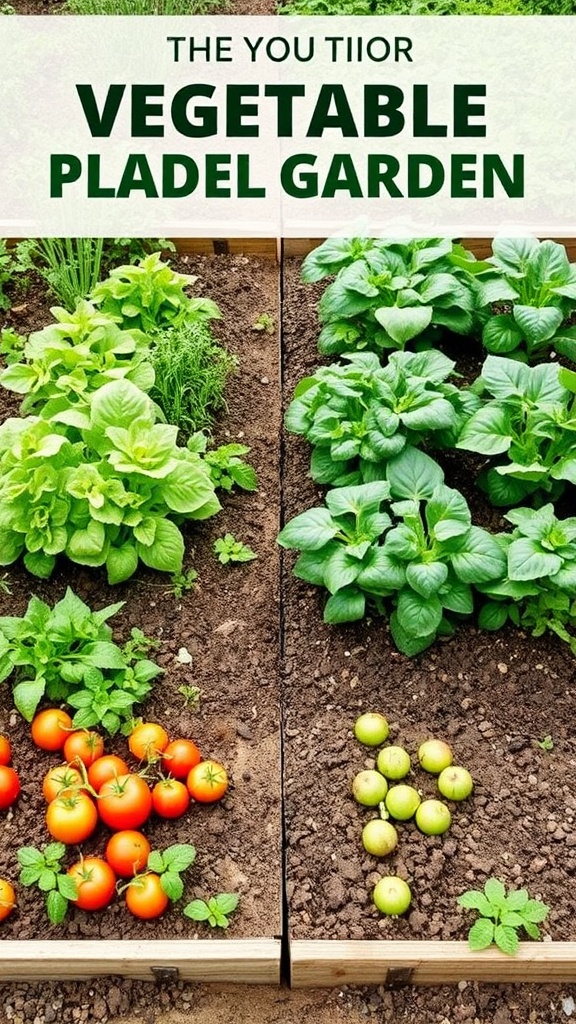
Organizing your vegetable garden through seasonal bed rotations can streamline maintenance and optimize your harvest outcomes. Begin by dividing your garden into four distinct sections, designating each for a specific category such as root vegetables, leafy greens, fruits (like tomatoes and peppers), and legumes. Rotating these categories to new sections each year helps manage soil nutrients naturally and reduces the prevalence of pests and diseases.
A prime example of this practice is planting nitrogen-fixing legumes, like peas or beans, in the spots where heavy feeders such as tomatoes were grown the previous year. This not only replenishes the soil but also promotes healthier plants across seasons. Such a cyclical approach minimizes the need for synthetic fertilizers and chemicals, leading to a more organic gardening experience.
Additionally, this method encourages gardeners to plan ahead and consider the nutritional needs of their soil. By understanding the specific requirements of different crops, you can develop a comprehensive planting strategy that enhances soil health and productivity. Seasonal rotations foster a dynamic relationship between plants and soil, resulting in a thriving garden ecosystem.
5. Whimsical Spiral Patterns for Artistic Garden Layouts
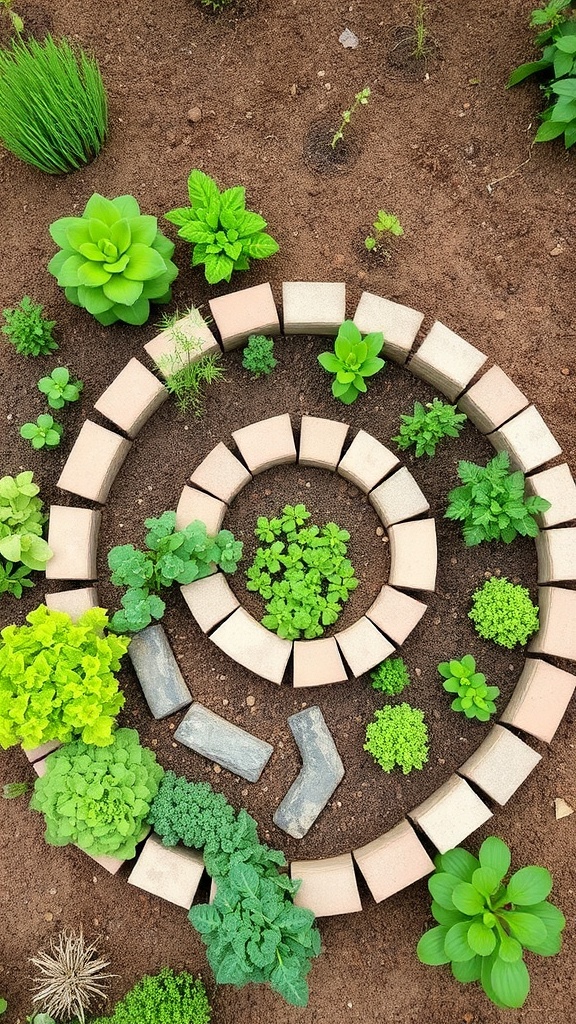
A whimsical spiral design introduces both aesthetic charm and functionality to your vegetable garden. Constructed using soil mounds, bricks, or stones, spiral layouts enable a diverse array of vegetables to thrive in a compact area, ensuring optimal sunlight and drainage at every elevation. This layout is particularly advantageous for accommodating plants with differing water and sunlight needs.
For instance, you might position drought-tolerant herbs, such as rosemary, at the top of the spiral while moisture-loving greens like lettuce or spinach flourish in the lower layers. The artistic nature of the spiral design not only serves as a stunning centerpiece in your garden but also cleverly maximizes available growing space. This approach is especially beneficial for small gardens or urban landscapes where efficient use of space is essential.
Furthermore, the spiral design encourages experimentation with plant placement and variety, allowing you to discover new combinations that thrive together. This playful layout can transform your garden into a vibrant focal point that attracts attention while providing a practical growing environment.
6. Designing Raised Beds for Perfect Water Drainage
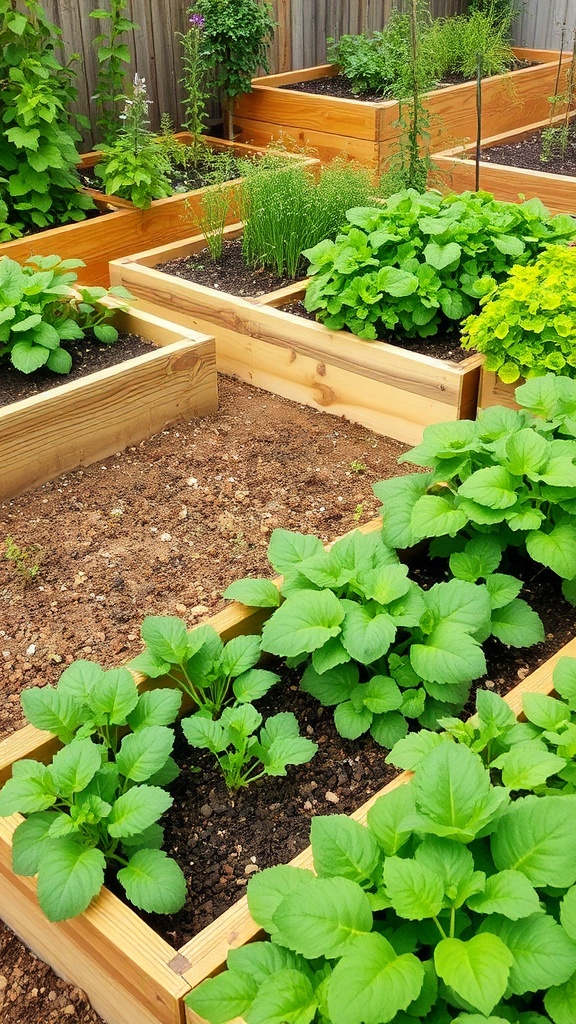
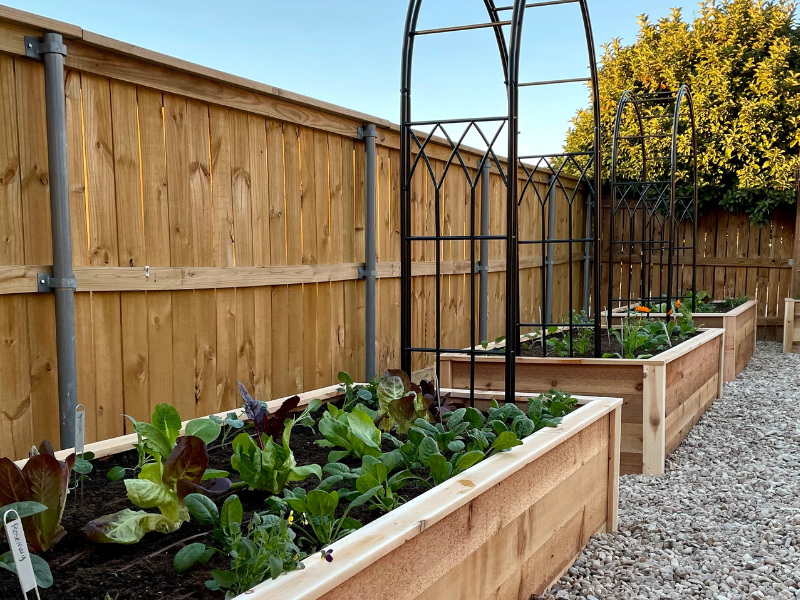
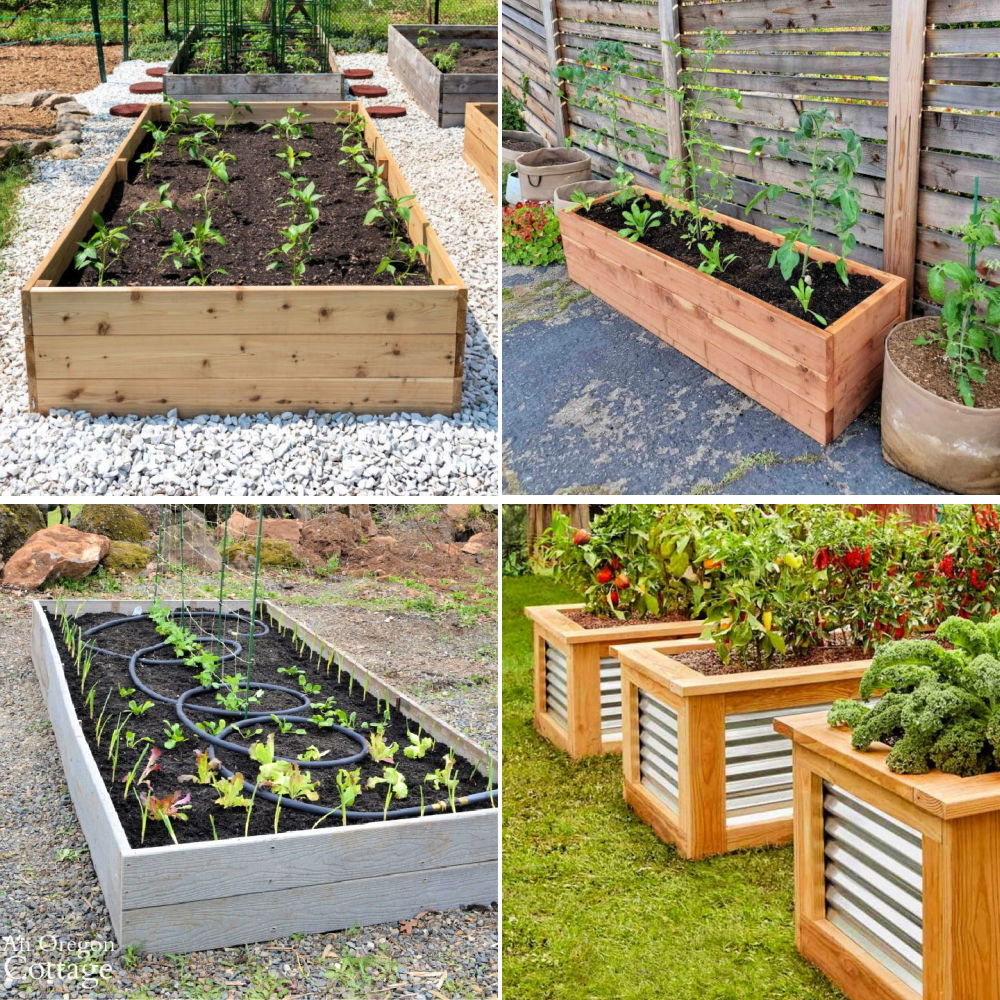
Raised beds are an outstanding choice for ensuring adequate water drainage and improving the overall health of plant roots. To create optimal raised beds, select untreated wood, cinder blocks, or stone to build frames that are at least 12 inches high, allowing excess water to flow away from root zones efficiently. Filling these beds with a well-draining soil mix of organic compost, peat moss, and coarse sand prevents the risk of waterlogging.
This design is particularly beneficial in areas with clay-heavy or compacted soil, enabling crops like carrots and onions to grow without deformities. Additionally, raised beds tend to warm up faster in the spring, extending your planting season and yielding better results throughout the year.
Moreover, raised beds can be customized to fit your garden’s aesthetic while providing practical benefits. You can arrange them in various shapes and sizes to create a unique layout that complements your landscape. This flexibility allows you to cultivate a diverse range of vegetables, ensuring that your garden remains productive and visually appealing.
7. Maximizing Sunlight with Strategic Crop Placement
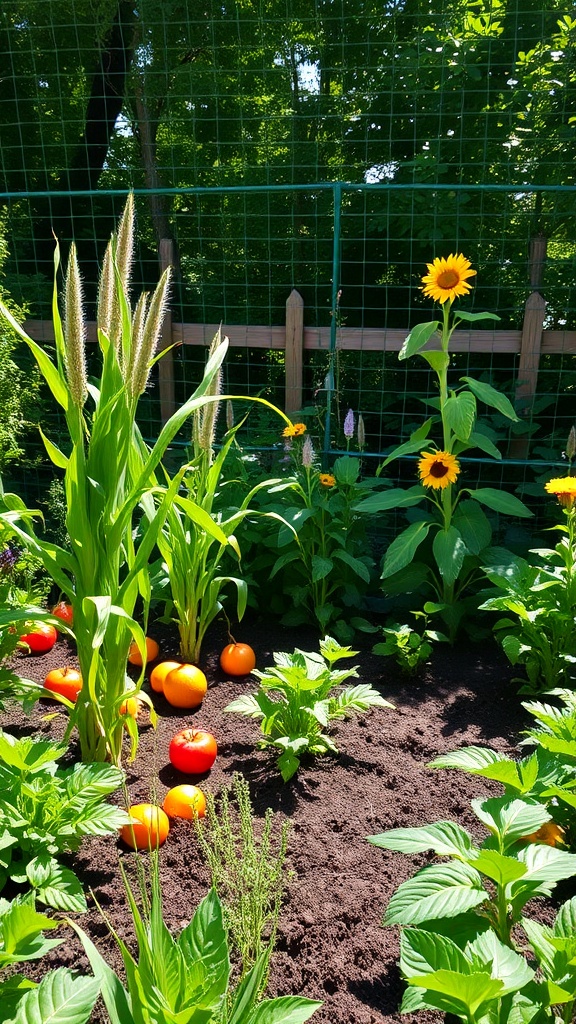
Ensuring that your vegetable garden receives ample sunlight is crucial for thriving plants, and strategic crop placement plays a pivotal role in achieving this goal. Start by positioning taller plants, such as corn, sunflowers, or trellised beans, along the northern or eastern side of your garden to prevent them from shading shorter crops. Medium-height plants, like peppers or bush beans, can occupy the middle space, while shorter crops such as lettuce, radishes, or carrots are best placed along the southern edge.
Additionally, consider the seasonal sun angle when planning your layout. During cooler months, arranging rows horizontally can help maximize exposure to sunlight. This thoughtful organization not only promotes optimal growth but also simplifies harvesting by categorizing plants according to their size and light requirements.
By paying attention to sunlight needs, you can create a harmonious garden that supports healthy growth and maximizes your yield. This careful arrangement fosters an environment where each plant can thrive, resulting in a bountiful harvest to enjoy throughout the season.
8. Circular Garden Layouts for Community Spaces
Circular garden layouts are an excellent choice for promoting community engagement while maximizing available planting space in shared or public areas. This design typically features a central focal point, such as a birdbath, compost bin, or small tree, surrounded by concentric planting beds that spiral outward for easy access. This layout encourages collaboration, making it simple for multiple gardeners to work together without feeling cramped.
In terms of planting, crops can be grouped based on companion planting principles, such as pairing tomatoes with basil or carrots with onions, to enhance productivity. The circular design not only fosters a sense of community but also creates a visually appealing space that draws people in, making vegetable gardening a shared and enjoyable experience.
Moreover, circular gardens can serve educational purposes, allowing community members to learn about sustainable gardening practices and the benefits of growing their own food. By involving local residents in the design and maintenance of such spaces, you can cultivate a strong sense of ownership and pride in the community’s gardening efforts.
9. HeritageInspired Vegetable Garden Arrangements
Heritage-inspired vegetable garden arrangements bring a touch of nostalgia and tradition to contemporary gardening techniques. These layouts aim to recreate historical planting practices, such as the classic English cottage garden blend of vegetables, herbs, and flowers or the Native American “Three Sisters” planting method, which intersperses corn, beans, and squash. Using heirloom seeds is particularly effective, as these varieties have been passed down through generations and boast unique flavors and characteristics.
For a truly authentic experience, consider employing traditional wooden raised beds or symmetrical quadrant designs that evoke an old-world aesthetic. This style not only honors historical gardening practices but also serves as a meaningful way to preserve ancient crops and techniques for future generations.
Integrating heritage-inspired arrangements into your garden can foster a deeper connection to the history of agriculture and the importance of biodiversity. By embracing these traditional practices, you contribute to the ongoing legacy of gardening while enjoying the many benefits of cultivating heirloom varieties.
10. Edible Borders for a Functional and Beautiful Design
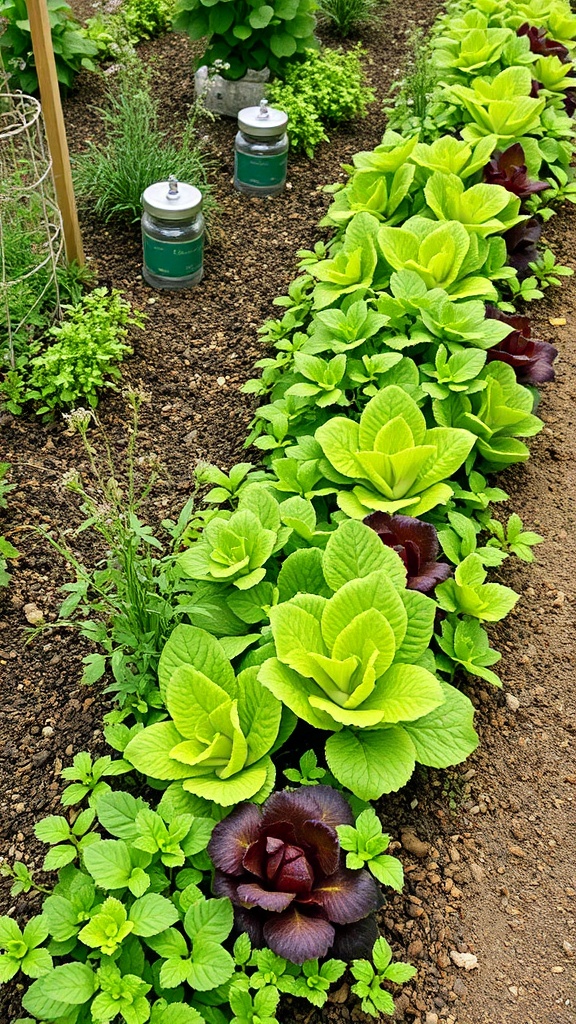
Edible borders offer a fantastic way to blend functionality with beauty in your vegetable garden. By planting low-maintenance crops, such as herbs like parsley, thyme, and chives, or compact vegetables like lettuce and radishes, you can create visually appealing outlines around your garden beds. These borders not only add structure and charm but also maximize space in smaller gardens.
Moreover, edible borders can serve as natural barriers, helping to deter pests or weeds while allowing for quick access to fresh garnishes for your meals. To enhance the aesthetic appeal further, consider incorporating flowering edibles like nasturtiums or marigolds, which also attract pollinators and improve the health of your garden.
By designing your garden with edible borders, you create a vibrant and functional landscape that encourages both productivity and enjoyment. These borders serve as a reminder that beauty and utility can coexist, enriching the gardening experience.
11. Garden Layouts to Minimize Pest Damage Naturally
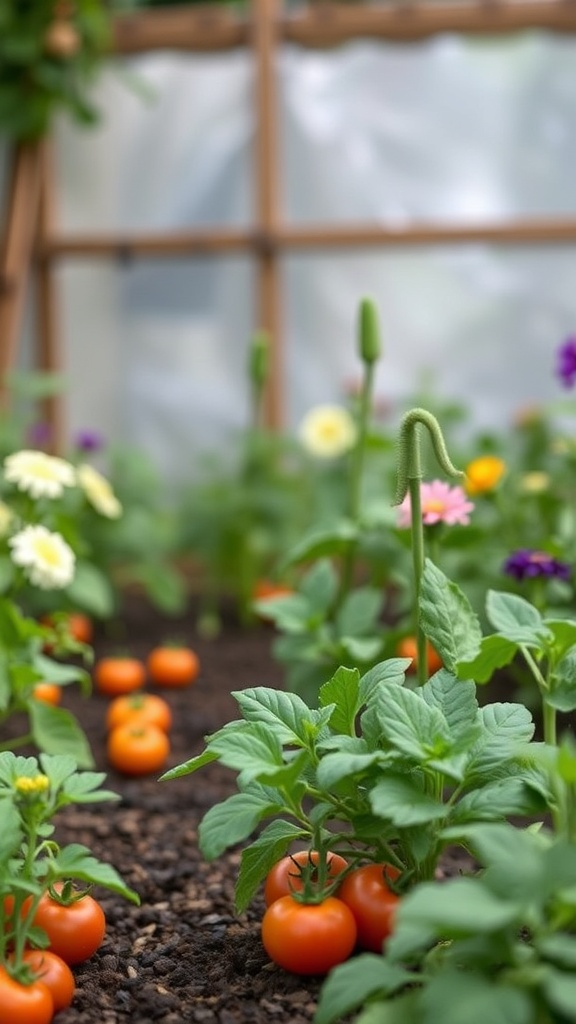
Implementing strategic garden layouts can significantly reduce pest damage by leveraging natural plant defenses and promoting biodiversity. For instance, companion planting can be an effective method, pairing pest-repelling crops like marigolds or onions with vulnerable vegetables such as tomatoes or carrots to provide protection without the need for chemical sprays. Rotating crops each season is another beneficial tactic to disrupt pest life cycles that target specific plants.
Additionally, grouping plants with similar pest threats, while ensuring they are spaced apart from other crops, creates natural buffers within your garden. Incorporating raised beds or pathways can also hinder insect movement between plant groups, further minimizing potential damage.
By adopting these thoughtful layout strategies, you create an environment that supports healthy plant growth while naturally managing pest populations. This approach not only contributes to a more sustainable gardening practice but also enhances your garden’s resilience against common threats.
12. EcoFriendly Drip Irrigation Integration in Vegetable Beds
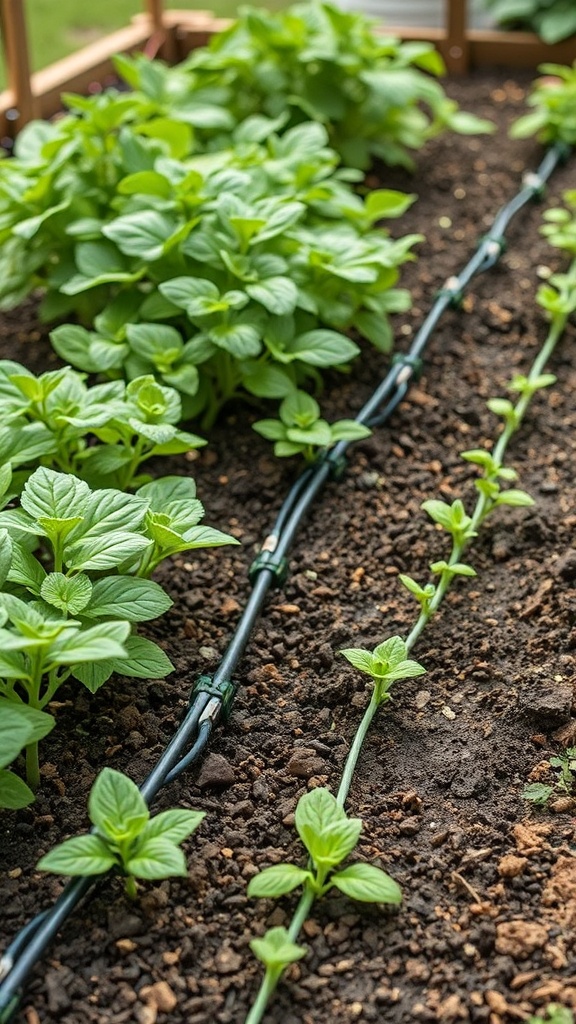
Integrating eco-friendly drip irrigation into your vegetable beds is an efficient and sustainable way to ensure optimal watering. Unlike traditional watering methods, drip irrigation delivers moisture directly to the roots of plants, reducing water waste and minimizing evaporation. This system can be easily adapted to suit gardens of all sizes by using hoses or tubing with strategically placed emitters.
To enhance sustainability even further, consider connecting your drip system to a rainwater harvesting tank, which conserves water while providing your vegetables with natural hydration. Properly managed drip irrigation not only saves time and resources but also promotes healthier plant growth by preventing overwatering and soil erosion.
This method of irrigation also allows for more precise watering schedules, ensuring that your plants receive the right amount of moisture at the right time. By implementing eco-friendly irrigation practices, you can improve your garden’s health while contributing to environmental conservation.
13. Modular Garden Layouts for Easy Expansion
Modular garden layouts present an ideal solution for gardeners aiming to expand their vegetable gardens over time without disrupting the existing setup. This approach involves designing your garden in sections or units, such as raised beds, which can be gradually added as your needs or available space changes. Start with a few raised beds for essential crops like tomatoes, peppers, and herbs, and as your gardening journey progresses, you can include more beds for root vegetables or leafy greens.
This modular design is not only practical but also versatile, as each section can have its tailored planting plans and rotations while maintaining an overall cohesive look. This flexibility allows you to adapt your garden layout to changes in your gardening goals or available space, making it a sustainable choice for any gardener.
Additionally, modular gardens can facilitate crop diversity, encouraging you to experiment with different plant combinations and rotations. This adaptability fosters a dynamic gardening environment that evolves alongside your interests and experiences.
14. Incorporating Pollinator Zones within Your Vegetable Garden
Creating designated pollinator zones within your vegetable garden is essential for enhancing harvest yields and supporting biodiversity. By planting nectar-rich flora, such as lavender, sunflowers, or zinnias, you can attract bees, butterflies, and other beneficial pollinators, which play a crucial role in the pollination process of your vegetables. To integrate these zones effectively, position pollinator-friendly flowers along the edges of your garden beds or in unused corners of your yard.
This thoughtful approach not only boosts vegetable production for crops like cucumbers, squash, and pumpkins that depend on pollination but also adds a vibrant visual element to your garden. By creating a harmonious balance between aesthetics and functionality, you cultivate an environment that benefits both plants and pollinators.
Furthermore, incorporating pollinator zones contributes to a healthier garden ecosystem, fostering a diverse range of plant and insect interactions. This diversity is key to creating a resilient garden that thrives year-round.
15. Symmetry and Aesthetic in LargeScale Vegetable Gardens
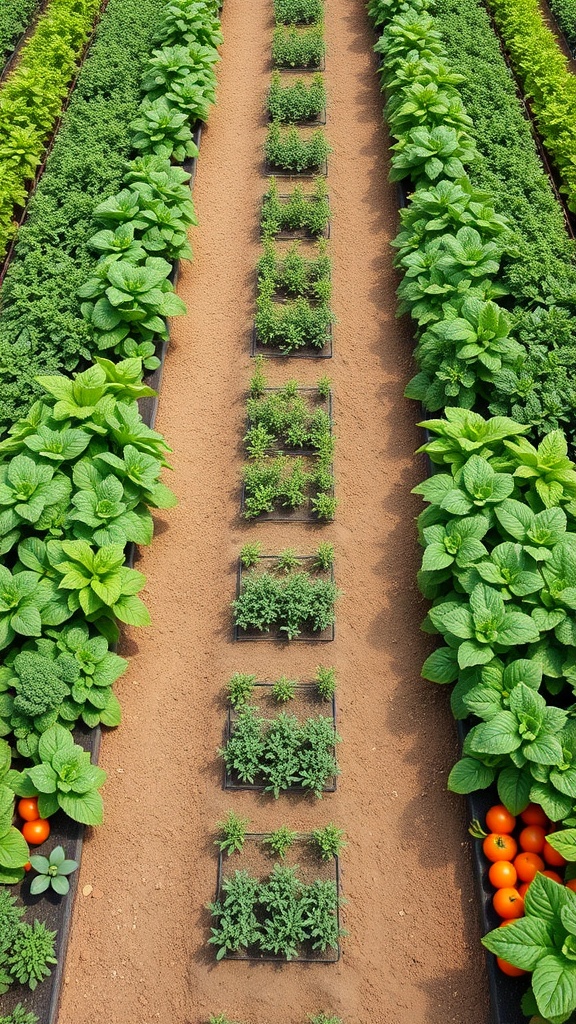
Achieving symmetry and aesthetic appeal in large-scale vegetable gardens marries practical efficiency with visual harmony. Symmetric layouts, such as neatly arranged rows or structured grids, simplify navigation and maintenance, especially when managing various crops. For instance, large gardens can feature a central path with raised beds or planting zones mirrored on either side, creating a balanced and organized appearance.
Incorporating repeating patterns of plants, companion planting schemes, or evenly spaced trellises can further enhance the clean, decorative look of your garden. This approach not only ensures functionality but also adds an artistic touch, making the space both productive and visually appealing for gardeners and visitors alike.
By focusing on symmetry, you create a garden that is not only functional but also a feast for the eyes. This attention to detail can inspire creativity and a deeper appreciation for the gardening process.
16. ChildFriendly Garden Layouts to Inspire Young Growers
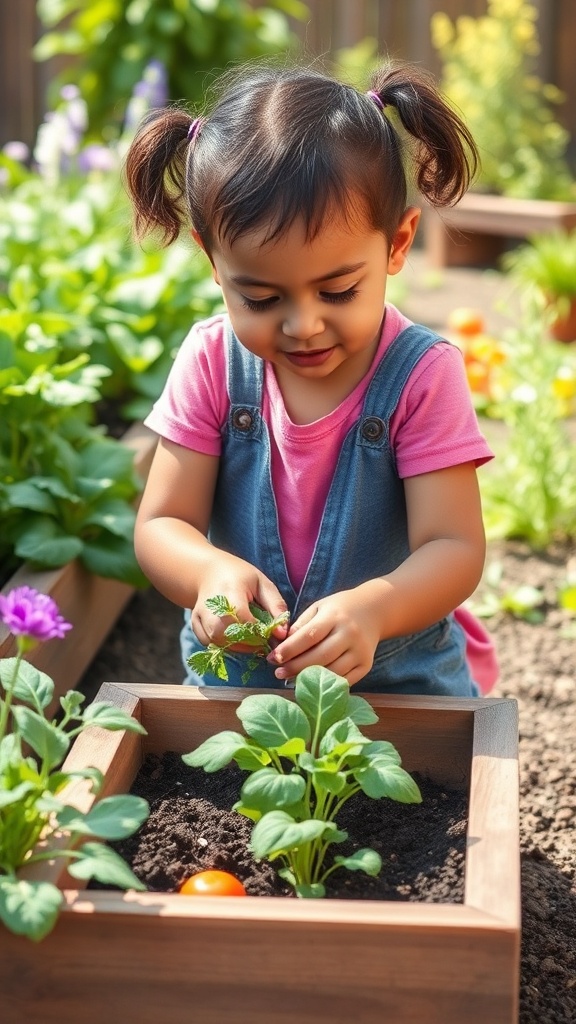
Designing child-friendly vegetable garden layouts can ignite a passion for gardening in young minds while teaching them the importance of healthy eating and nature. Focus on creating accessible, safe, and engaging spaces tailored to children’s height and reach. For instance, raised beds or container gardens positioned at kid-friendly heights make planting and harvesting enjoyable and manageable.
Incorporating colorful, fast-growing vegetables such as cherry tomatoes, radishes, or rainbow carrots captures their interest and provides quick rewards for their efforts. Adding whimsical elements, such as stepping stone pathways or small scarecrows that children can personalize, transforms the garden into a space for both learning and imaginative play.
By creating a child-friendly garden, you foster a nurturing environment that encourages curiosity and exploration. This approach not only enriches their understanding of gardening but also instills a lifelong appreciation for nature and healthy living.
There you have it—16 innovative vegetable garden layout ideas to help you create the perfect space for your growing needs. Whether you’re a novice or a seasoned gardener, experimenting with different layouts can enhance your harvest and elevate your gardening experience. Embrace these ideas, and don’t forget to share your favorite layout or any unique designs you create. Happy gardening!