1. Mulched Cottage Garden Pathways for Natural Weed Control
When I began my journey in weed control for my garden, I initially believed that I had to invest heavily in expensive landscaping fabrics, intricate pavings, or hire professionals to achieve a weed-free space. However, after experimenting with various methods for several seasons, I discovered that some of the most effective and economical gardening solutions are surprisingly straightforward and organic.
What I appreciate about these budget-friendly ideas is that they not only assist in managing weeds but also create a warm and inviting atmosphere in any backyard. Whether you have a small balcony, a spacious suburban garden, or a compact vegetable patch, these low-cost strategies can significantly enhance your outdoor area without straining your finances.
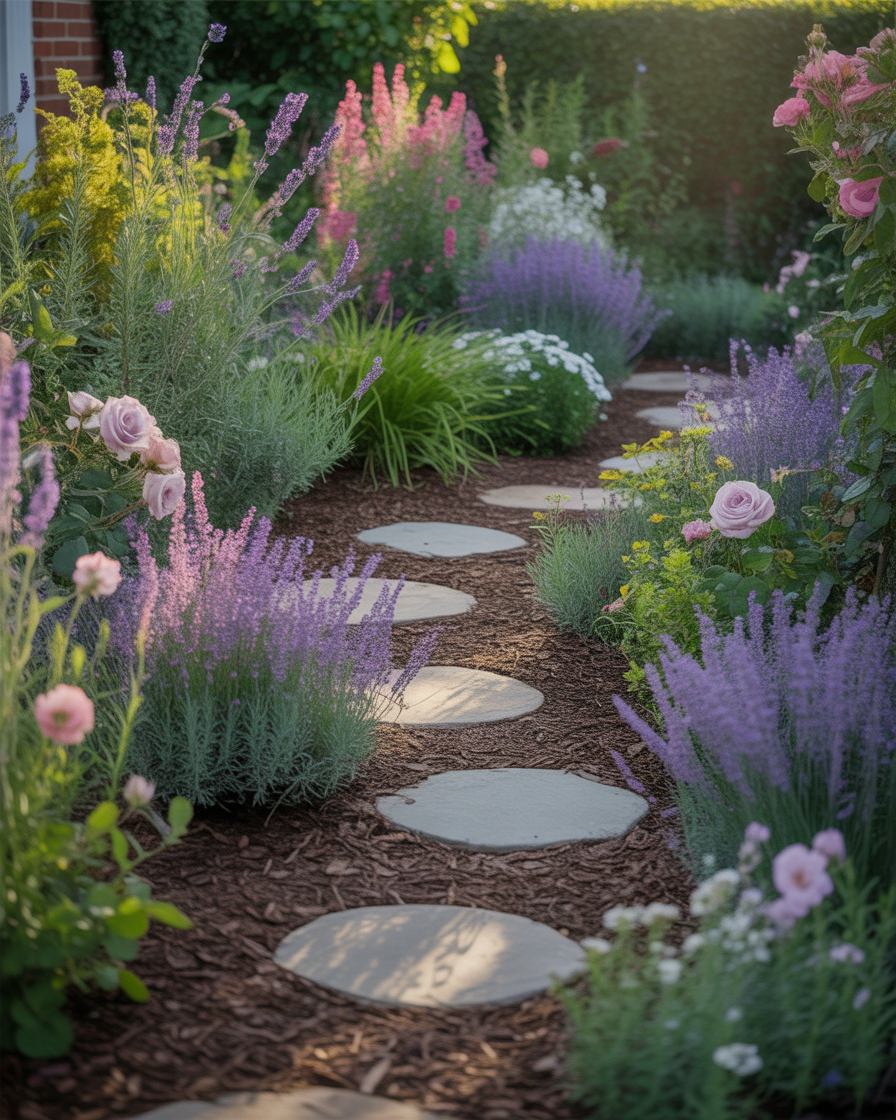
One of my preferred methods for controlling weeds is utilizing mulch around pathways and floral beds. The warmth and completeness that bark mulch or wood chips bring to the garden are remarkable, as they effectively block sunlight, which is crucial for weed growth.
I have found that applying thick layers of mulch is particularly beneficial in cottage gardens, as it aids in moisture retention, minimizes maintenance efforts, and creates soft, organic paths among plants. To optimize this method, I typically place cardboard beneath the mulch, followed by a generous topping of mulch to maximize weed suppression.
2. Gravel Patio Ideas With Raised Garden Beds
Transforming my backyard with a simple gravel patio was a game-changer, allowing for natural weed control while significantly uplifting the overall aesthetic. Gravel is an excellent choice for low-maintenance gardening as it is both budget-friendly and straightforward to spread; it also poses a challenge for weeds trying to push through compared to bare soil.
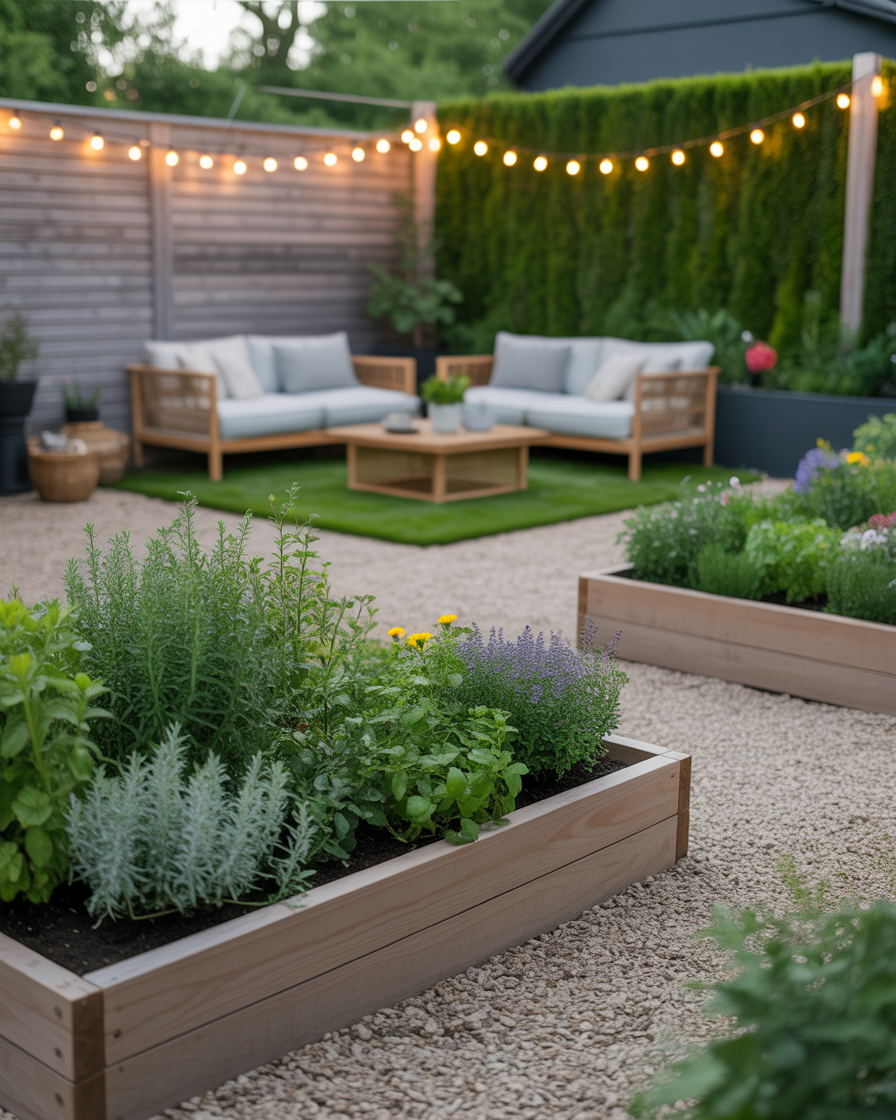
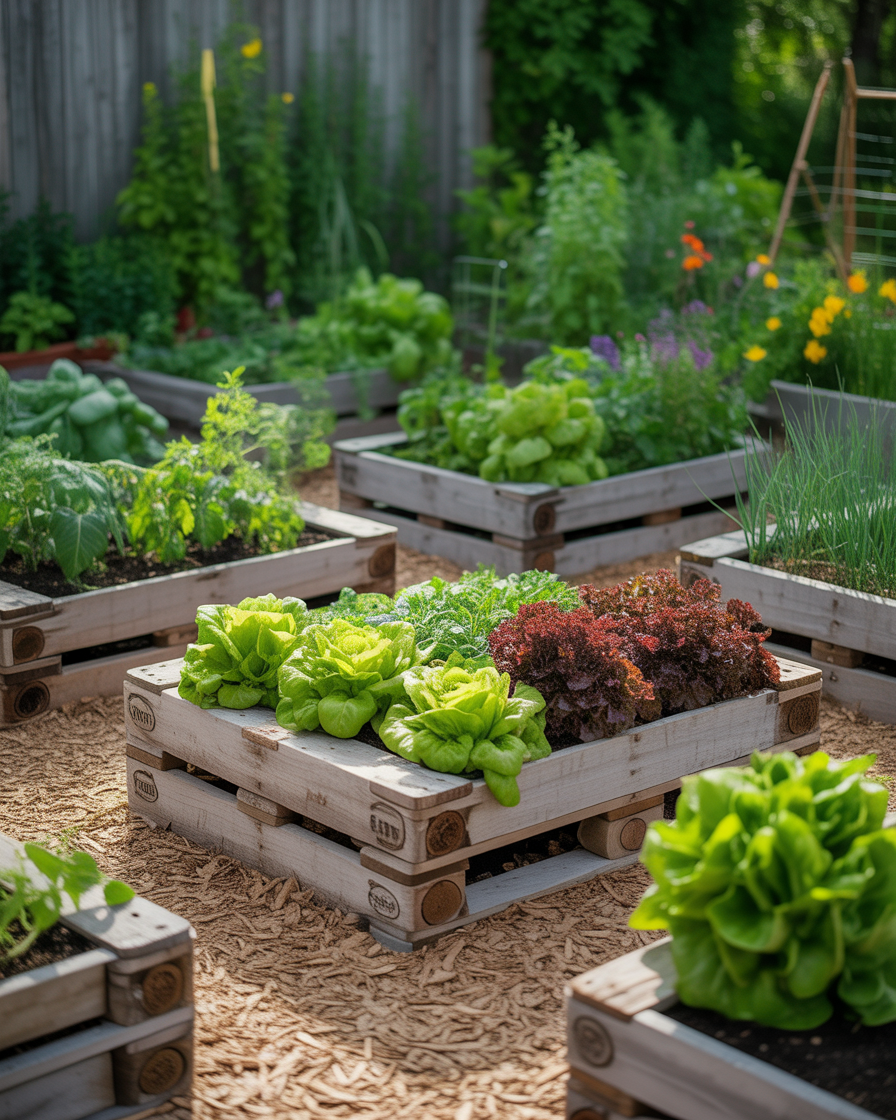
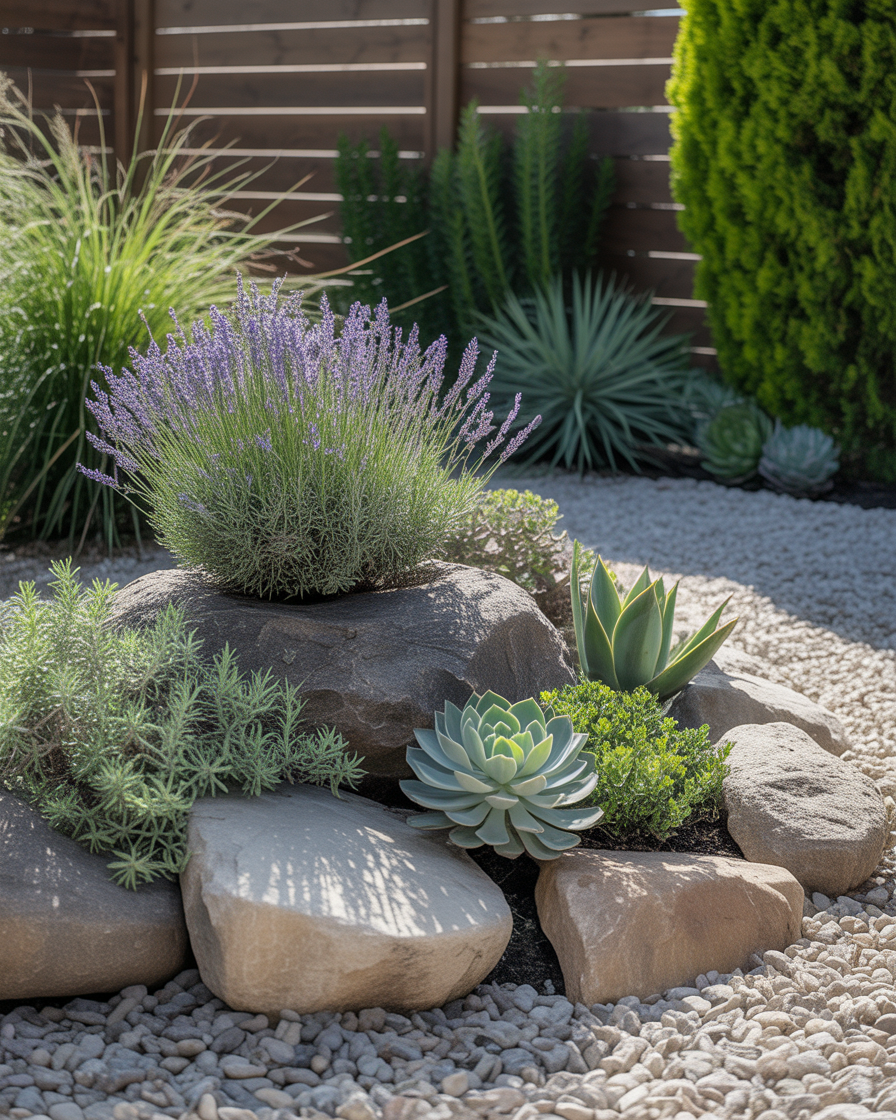
Pairing gravel with timber raised garden beds creates a contemporary vibe in the backyard while keeping costs manageable. Additionally, adding edging around the gravel helps maintain a neat appearance and prevents grass from encroaching into the area.
The versatility of gravel allows it to seamlessly fit into various garden styles, whether you prefer a minimalist look or a more rustic charm. It’s an excellent choice for creating pathways or seating areas that blend beautifully with surrounding plants and flowers.
3. Cardboard Sheet Mulching for a No-Dig Garden
Surprisingly, I discovered the incredible effectiveness of cardboard as a natural weed-control method. Rather than discarding old boxes, I now repurpose them as a layer beneath mulch to smother weeds while simultaneously enhancing soil health over time.
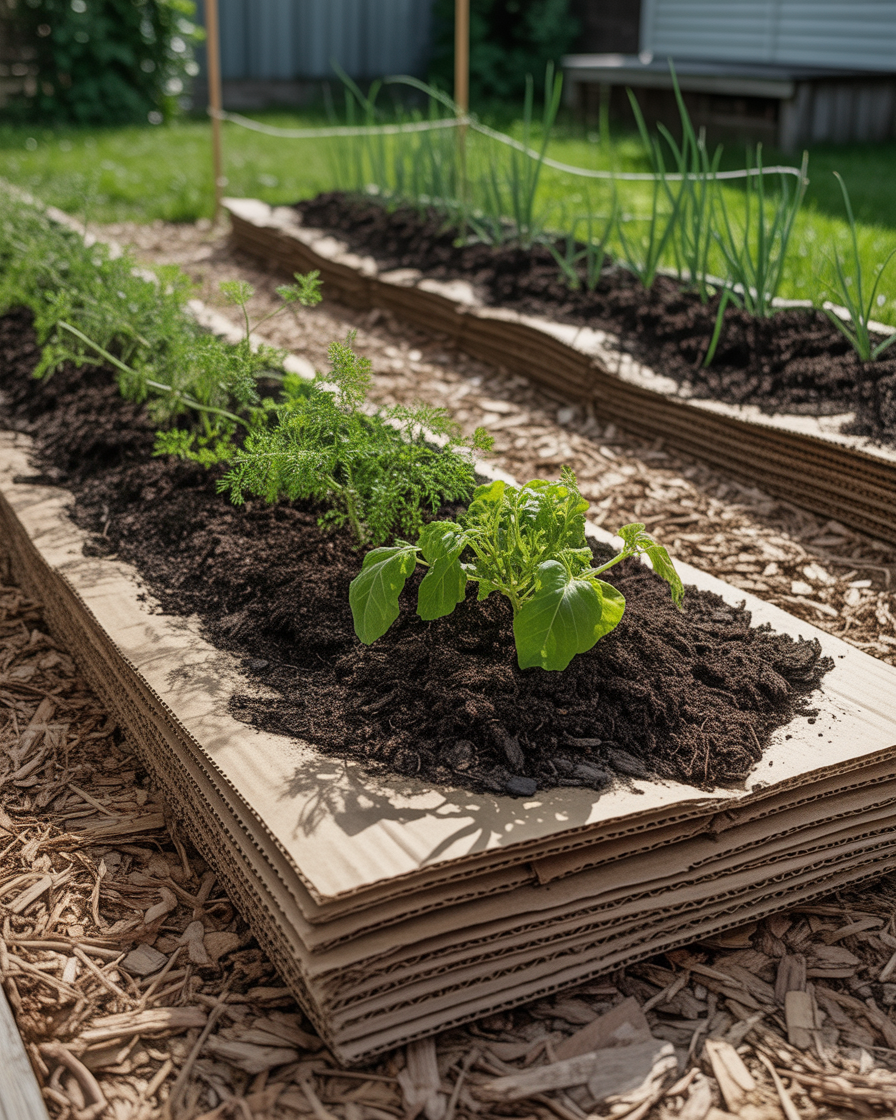
This approach is one of the simplest no-dig gardening techniques for novices, requiring minimal effort and virtually no expenditure. My process involves stripping away tape and labels from the cardboard, saturating it with water, and then covering it with compost or mulch to create a tidy and manageable garden bed.
Applying cardboard in this manner not only suppresses weeds but also enriches the soil as it decomposes, contributing valuable nutrients back into the garden. This method is especially ideal for anyone who wants to establish a thriving garden without the hassle of traditional digging.
4. Ground Cover Plants That Replace Bare Soil
Using ground cover plants instead of leaving patches of bare soil exposed has transformed my garden. Varieties like creeping thyme, clover, and moss naturally spread across the ground, effectively preventing weeds from taking hold.
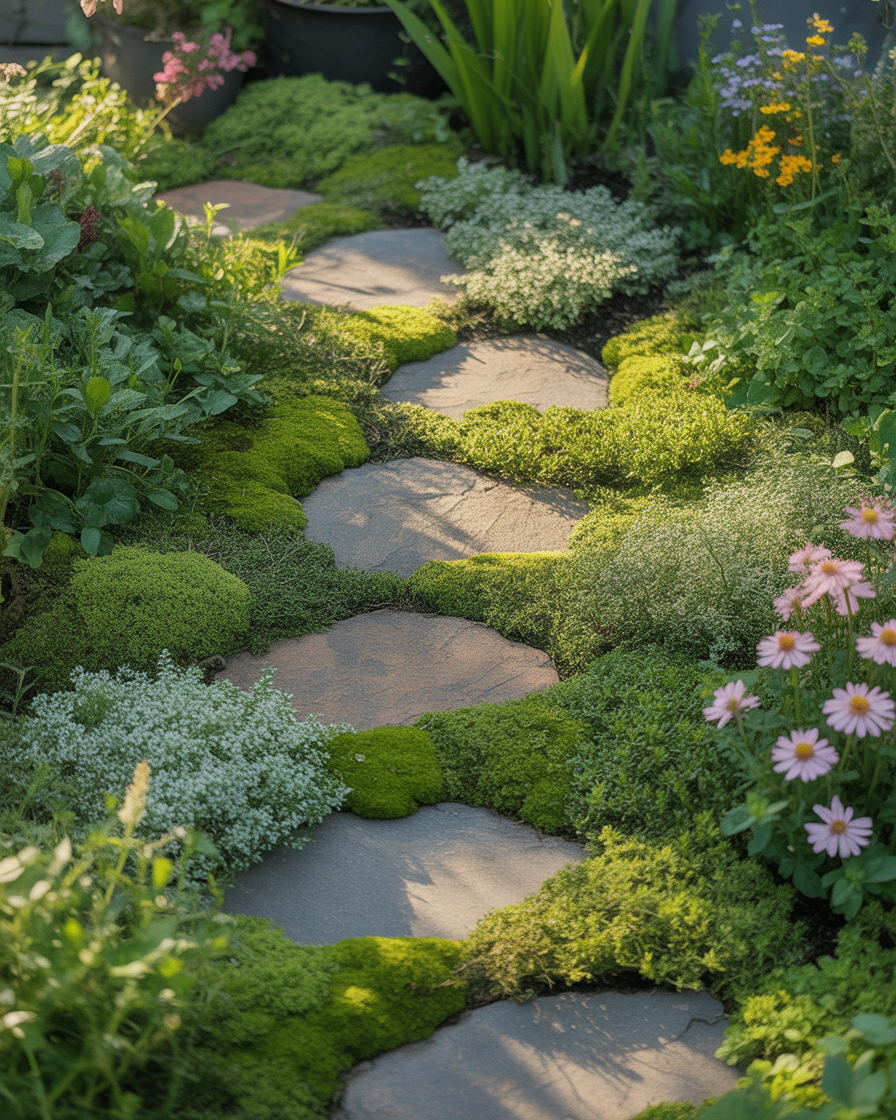
What I find particularly appealing about these low-maintenance options is that they add both texture and vibrancy to the landscape. Once established, many ground cover plants require minimal care while providing a lush, full look that enhances the overall appeal of the garden.
Ground cover plants not only serve a practical purpose in weed management but also contribute to biodiversity by attracting beneficial insects and pollinators. A well-planned ground cover layout can significantly reduce the need for invasive weeding sessions and create a more sustainable garden environment.
5. DIY Stone Garden Edging Around Flower Beds
Incorporating stone borders around my flower beds instantly gave my garden a more structured and organized appearance. This is one of those DIY projects that can seem luxurious, yet it can be accomplished with reclaimed bricks, stones, or budget-friendly edging materials.
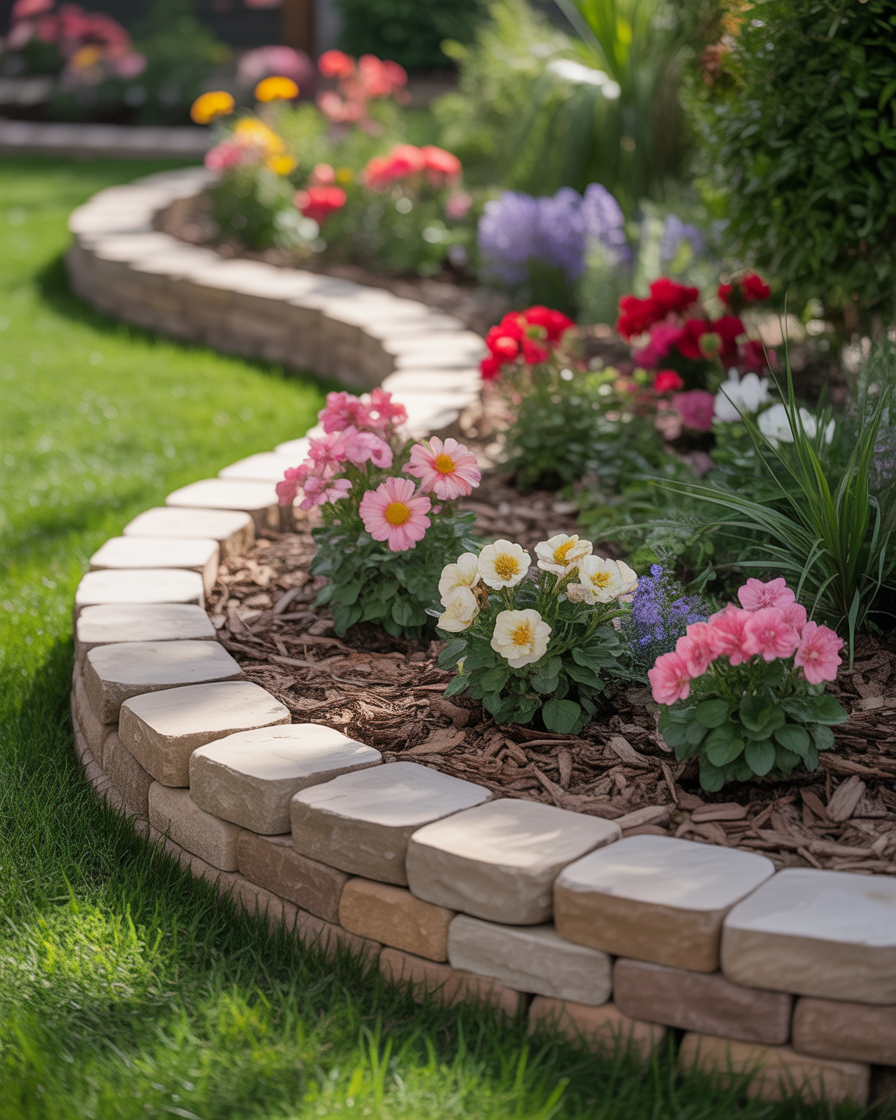
Effective garden edging helps to delineate planting areas from grass and other lawn spaces, which can significantly minimize weed encroachment. Even a simple curved stone border can dramatically elevate the tidiness and polished look of a backyard.
Moreover, stone edging adds a timeless aesthetic that can complement various garden styles, from modern to traditional. It also provides a durable barrier that stands up to the elements while enhancing the overall landscape design.
6. Wood Chip Walkways for a Rustic Backyard Garden
Wood chip pathways rank among my favorite cost-effective landscaping ideas, as they impart a rustic charm while simultaneously aiding in weed control. They also make navigating muddy areas much easier after rainfall, offering both functionality and beauty.
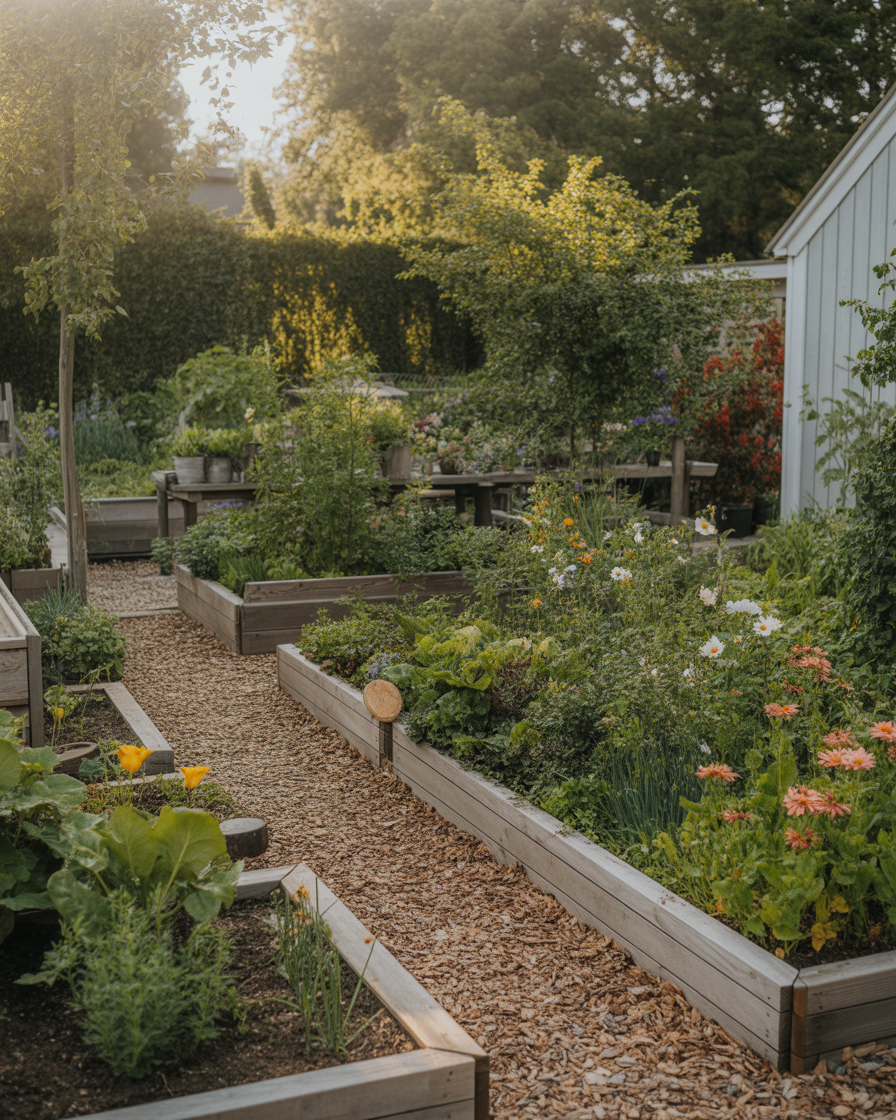
I usually acquire wood chips from local tree trimming services at no cost, keeping my expenses to a minimum. A substantial layer of wood chips not only suppresses weeds but also creates soft, inviting paths throughout the garden that harmonize with its natural surroundings.
These walkways are especially great for creating a relaxed and welcoming atmosphere in the backyard, allowing visitors to wander freely among the plants and flowers without the concern of muddy shoes. They also contribute to an eco-friendly approach by repurposing organic materials.
7. Pallet Raised Beds for Cheap Vegetable Garden Ideas
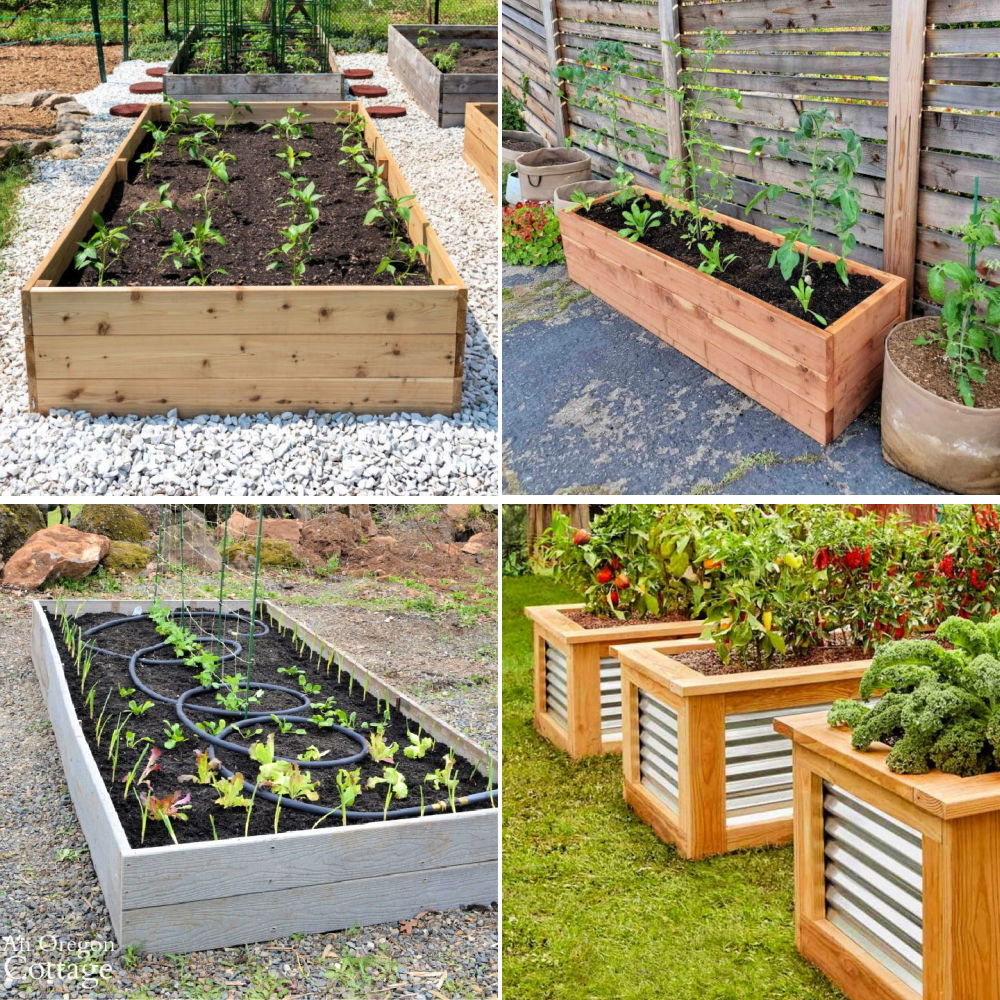
Repurposing pallets to create affordable raised beds has proven to be an incredibly effective solution for my vegetable garden. I adore this concept as it combines budget-friendly gardening with practical weed management while providing a structured layout for growing vegetables.
By surrounding these pallet beds with mulch or gravel pathways, I can significantly reduce weed growth between rows, making maintenance a breeze, especially during the warmer months when weeds tend to proliferate.
This approach not only makes gardening more accessible for those on a budget but also promotes sustainability by recycling materials. The elevated beds help with drainage and soil quality, ensuring that my vegetables thrive without the constant battle against unwanted weeds.
8. Rock Garden Ideas With Drought-Tolerant Plants
Small rock garden ideas are particularly useful for those challenging corners where weeds seem to thrive incessantly. I’ve utilized a combination of gravel, larger stones, and resilient plants such as sedum or lavender to create visually appealing spaces that require minimal watering and upkeep.
What I genuinely appreciate about this method is that it introduces texture and contrast to the landscape while naturally curbing weed growth. A thoughtfully designed low-maintenance rock garden can still appear vibrant and inviting while demanding less attention over time.
Moreover, incorporating drought-tolerant plants into rock gardens not only reduces water consumption but also enhances the overall resilience of the garden, allowing it to flourish even in less-than-ideal conditions.
9. Clover Lawn Alternatives for a Greener Yard
Transitioning sections of my lawn to clover was one of the most intelligent gardening decisions I’ve made. Clover grows vigorously, effectively crowding out weeds while maintaining its lush green appearance even during dry spells.
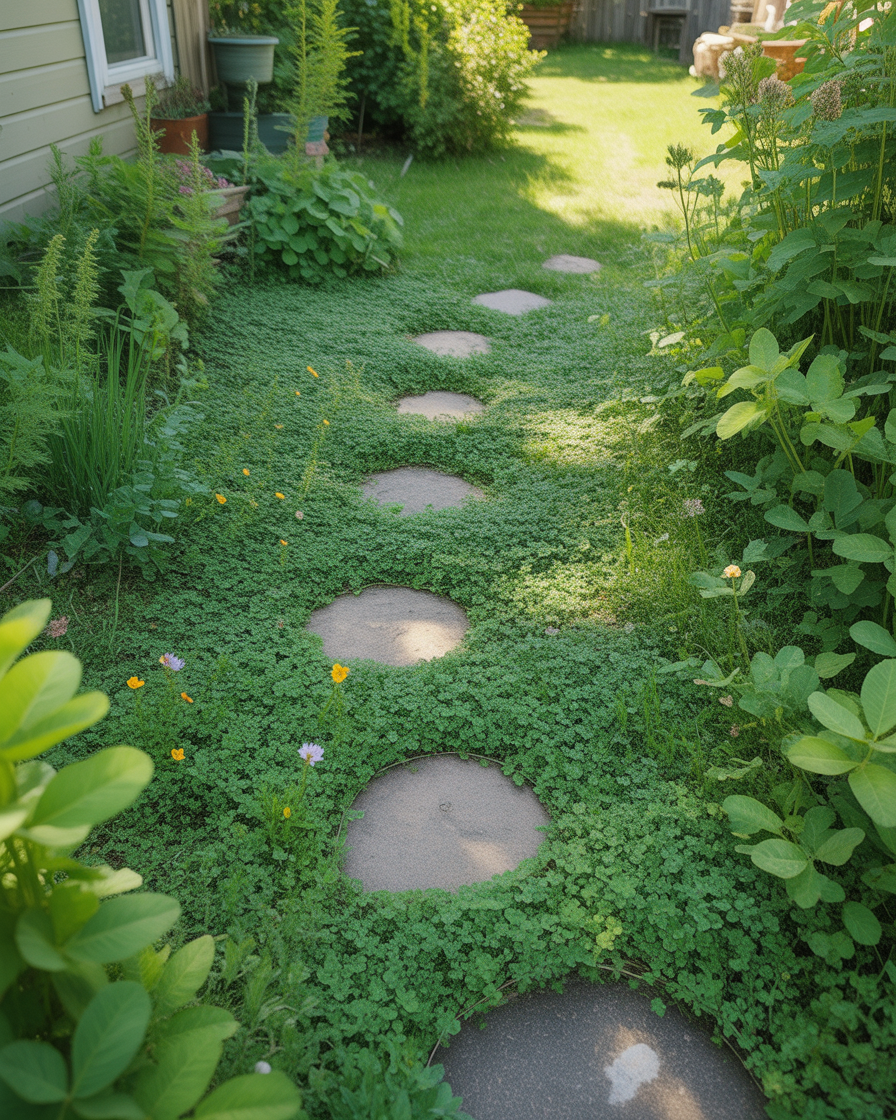
This is an excellent alternative to traditional grass lawns for those who desire a softer, more environmentally friendly backyard. Additionally, clover attracts pollinators and usually requires less mowing than conventional grass, making it a practical choice for the eco-conscious gardener.
By incorporating clover into my lawn, I’ve enjoyed a low-maintenance, vibrant green space that contributes positively to the surrounding ecosystem while reducing my workload significantly.
10. DIY Compost Mulch Around Vegetable Gardens
Applying homemade compost as mulch has been instrumental in keeping my vegetable garden healthy and manageable. A thick layer of compost around plants not only suppresses weeds but also retains moisture in the soil naturally.
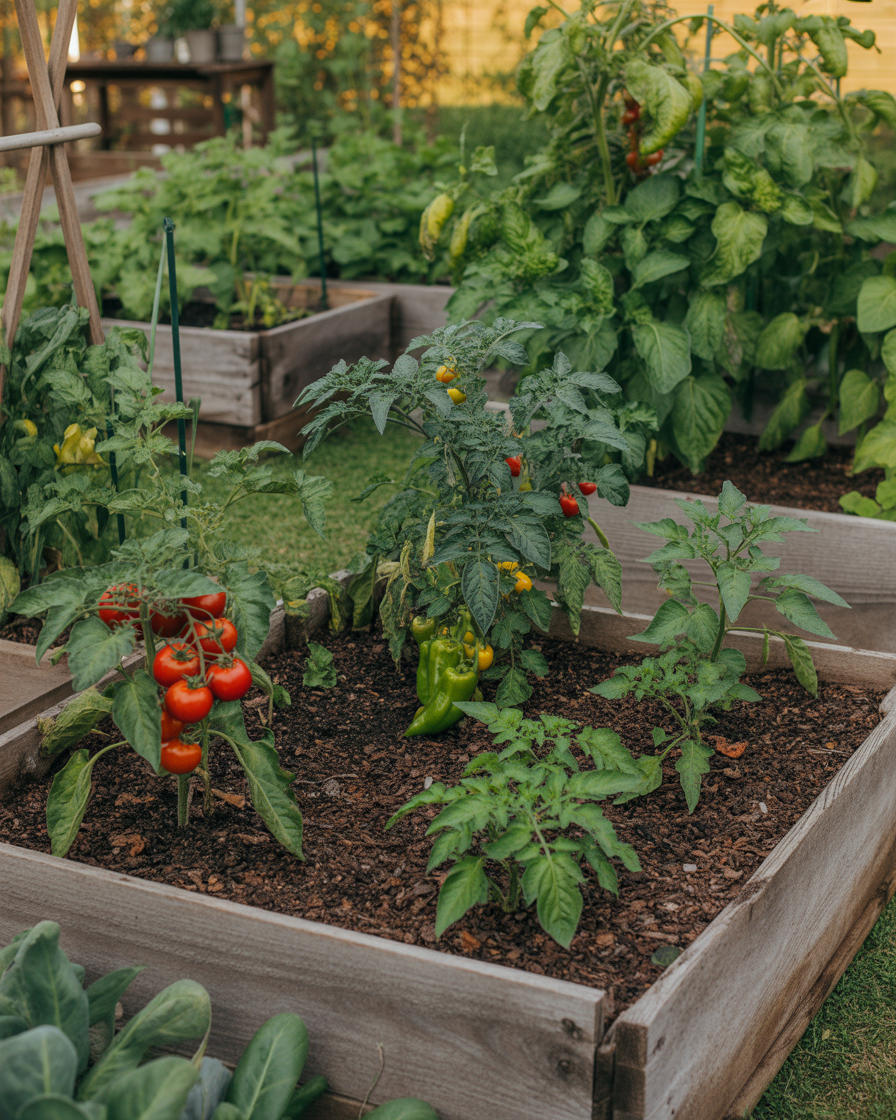
This technique is particularly beneficial for those interested in organic gardening practices, as compost improves soil quality over time while minimizing maintenance requirements. It’s a straightforward and sustainable approach to fostering a productive backyard vegetable garden without reliance on chemical inputs.
By utilizing compost, I have created a thriving environment for my vegetables that promotes healthy growth while keeping weeds at bay, thereby simplifying my gardening efforts.
Clive’s Tips for Creating a Low-Maintenance Weed-Free Garden
Starting small can lead to significant changes in your garden. Instead of attempting to overhaul the entire backyard simultaneously, consider beginning with one mulched bed or gravel pathway to observe the impact.
Layering materials is key to effective long-term weed control. For instance, placing cardboard beneath mulch or gravel enhances the effectiveness of these methods in suppressing weeds.
Choosing low-maintenance plants wisely can save countless hours in upkeep. Ground covers and drought-resistant plants are excellent options that will yield long-term benefits.
Don’t hesitate to reuse free or recycled materials. Old bricks, pallets, cardboard, and wood chips can substantially reduce landscaping costs and enhance the garden’s appeal.
Focusing on covering bare soil can dramatically decrease the likelihood of weeds. I’ve noticed that empty spaces are prime locations for weed growth, so keeping soil covered is essential for minimizing future maintenance efforts.
About Your Guide
This guide has been crafted to share practical and budget-friendly gardening techniques for effective weed management while simultaneously beautifying your space. It draws on personal experience and a passion for creating sustainable, low-maintenance gardens that thrive.