Are you searching for an innovative and straightforward method to cultivate your own hanging garden at home? 🌿✨ This DIY garden project is not only eco-friendly but also a creative way to repurpose those old plastic gallons that you might otherwise discard. With just a few simple steps, you can turn these everyday items into beautiful vertical planters that add a touch of nature to your living space, while also contributing to sustainability efforts.
The process begins with obtaining plastic gallons, which are typically used for storing liquids. Ensure that you clean them thoroughly before starting your project. Once cleaned, you will cut each gallon in half. This will create two planter sections from each gallon, allowing you to maximize your resources. It’s important to wear gloves and use a sharp utility knife for safety and precision during this step.
Assembly and Design of Your Hanging Garden
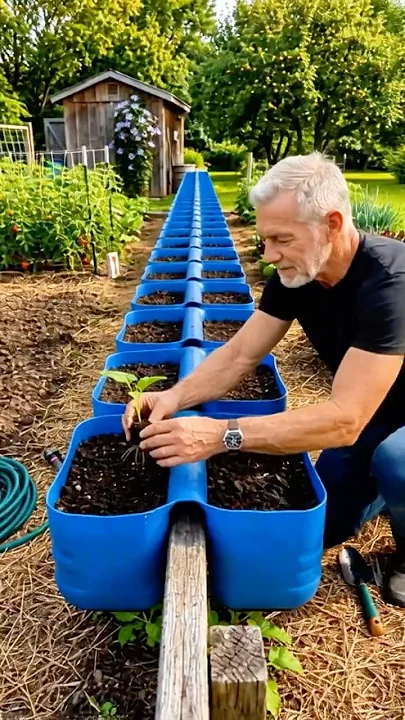
After cutting the plastic gallons, the next step involves attaching them horizontally to a sturdy wooden frame or fence. This can be achieved by securing the halves with screws or strong adhesives, ensuring they are well-positioned to hold soil and plants without any risk of falling. Depending on your space, you can arrange them in various configurations, whether in a straight line or in a staggered pattern, creating a visually appealing design.
Once the gallons are fixed in place, it’s time to prepare them for planting. Drill small holes in the bottom of each half to allow for proper drainage, which is essential for the health of your plants. Adding a layer of small stones or gravel at the bottom can further enhance drainage. After that, fill the containers with high-quality potting soil, leaving enough space for your choice of plants. Herbs, succulents, and flowering plants work beautifully in this setup, providing both aesthetic appeal and practicality.
As you plant, think about how the colors and textures of your chosen plants will complement each other. Consider incorporating trailing plants that can spill over the edges, adding a lush, full look to your hanging garden. This not only enhances the visual impact but can also create a more inviting atmosphere in your home or balcony.
Maintenance Tips for Your Vertical Garden
Maintaining your hanging garden is relatively straightforward. Regular watering is essential, especially for the first few weeks as plants establish their roots in the new environment. Be mindful of the amount of sunlight your plants receive—some may thrive in full sun while others prefer partial shade. Observing your plants closely will help you understand their needs better and ensure they flourish.
Additionally, consider fertilizing your plants every few weeks with a balanced, water-soluble fertilizer to promote healthy growth. Pruning and deadheading any wilted flowers or leaves will keep your hanging garden looking its best and encourage new blooms. With a little effort, your vertical garden can become a vibrant focal point in your home.
Not only does this project beautify your space, but it also serves as a reminder of the importance of recycling and sustainability. By transforming plastic gallons into a functional and attractive garden, you are taking a small step towards a greener lifestyle. So gather your materials, unleash your creativity, and enjoy the satisfaction that comes from DIY gardening!