Dive into the fascinating realm of companion planting, where you’ll gain access to a free, printable companion planting chart for your convenience. This article delves into the advantages of companion planting, the optimal combinations of flowers, herbs, and vegetables to cultivate in raised beds, and effective strategies for implementing companion planting in your garden. Additionally, I’ve included inspirational images and layout plans from our own gardens to serve as a guiding example!
Understanding Companion Planting
Companion planting is a gardening technique based on the principle that certain plants thrive when grown in proximity to one another, while others may be better off kept apart. This method not only enhances the visual appeal of your vegetable garden but also offers a multitude of benefits. To assist you, our companion planting chart will highlight which plants harmonize well together.
The University of Massachusetts elaborates on this concept by stating that companion planting involves cultivating two or more crops in close quarters with the belief that they can assist each other in nutrient absorption, pest management, reduced pesticide use, improved pollination, and ultimately, increased vegetable yields. It’s a synergy that can transform your gardening experience.
For those interested in revisiting this informative post, we can conveniently email it to you for future reference. Enjoy the ease of having this resource at your fingertips!
Advantages of Companion Planting
Companion planting is not just a whimsical notion; it is based on the premise that certain plant pairings can promote mutual benefits or improve overall garden health. The combinations of plants listed in our companion planting guide represent these synergistic relationships. Some plants may rely on one another’s natural hormones to foster growth or provide protection, while others may simply offer shade or support.
A classic example of effective companion planting is the Native American trio known as the “Three Sisters,” which comprises corn, squash, and beans. This combination is particularly adept at maximizing yield in limited spaces. The corn grows tall, creating a natural trellis for the climbing pole beans, while the sprawling squash plants cover the ground, helping to retain soil moisture. Additionally, the beans contribute nitrogen to the soil, benefiting both the corn and squash.
Conversely, certain plants should not be placed near each other due to their detrimental effects on one another. These “enemies,” as identified in our companion planting chart, can hinder growth or lead to other complications. For instance, members of the cabbage family, along with fennel and dill, are known to suppress the growth of tomatoes, making it wise to keep them apart.
1) Enhanced Pollination and Yields
Integrating flowering plants rich in pollen, such as calendula, cosmos, zinnia, bachelor buttons, or borage, into your vegetable garden is an excellent strategy to attract pollinators like bees and butterflies. Many vegetable varieties, including zucchini, cucumbers, melons, and various berries, depend on these pollinators for successful fruit production, making it clear that a healthy pollinator population equates to a bountiful harvest.
To learn more about enhancing your garden with easy annual companion flowers, explore my top seven recommendations. Additionally, our comprehensive list of the twenty-three best plants for pollinators will provide you with valuable insights into attracting these essential creatures to your garden. Even with a thriving bee population, I often find myself hand-pollinating my squash to mitigate blossom end rot and boost yields!
2) Drawing in Beneficial Insects
Pollinators are not the only friendly insects we aim to attract through companion planting. Incorporating flowers and herbs such as basil, cilantro, sage, and dill creates a welcoming environment for other beneficial insects, including lacewings, parasitic wasps, hoverflies, predatory mites, and ladybugs. These insects play crucial roles in natural pest control, with the ladybug, for example, capable of consuming over fifty aphids in a single day!
While many companion plants serve to entice beneficial insects, others possess the ability to repel pests and diseases. Garlic, chives, onions, and aromatic herbs like basil, dill, and cilantro are known to deter aphids, making them ideal companions for susceptible crops such as brassicas and leafy greens. Additionally, the pungent aroma of marigold flowers is said to discourage pests like whiteflies.
3) Natural Pest Management
Interestingly, certain plants can deter pests through their inherent properties. For instance, hot pepper plants contain substances in their root systems that effectively repel root rot diseases like Fusarium rot. This characteristic aids in safeguarding neighboring plants within the same garden bed from root rot, enhancing overall plant health.
On the flip side, some companion plants function as “trap crops,” attracting pests away from your main fruit and vegetable plants. Nasturtiums exemplify this concept; while their flowers draw in pollinators, their leaves become magnets for aphids and cabbage worms. These trap crops should be removed once they become heavily infested, thereby protecting the surrounding crops.
Companion Planting Guide
French marigolds are among the most renowned companion plants due to their roots, which harbor a natural nematicide effective against root-knot nematodes—microscopic pests that compromise root systems, hampering plant health and yield. This makes marigolds a prime companion for tomatoes, squash, melons, and peppers, crops commonly afflicted by these harmful nematodes.
The efficacy of this beneficial relationship is supported by scientific research, yet it is often misinterpreted by well-meaning gardeners. To truly reap the benefits of marigold companion planting, it’s essential to leave the marigold root system intact. Ideally, cut marigold plants at the soil line at the end of the season, ensuring the roots remain in place, adhering to no-till gardening practices. For optimal results, consider sowing marigolds in advance of planting your vegetable crops in the same area.
Strategies for Companion Planting in Your Garden
Variety contributes to the vibrancy of life! Mixing different vegetables, flowers, and herbs in your garden beds makes it visually appealing and generally promotes better health for both plants and soil. Companion planting embodies a form of polyculture, where multiple crop types grow together in confined spaces rather than relying solely on monoculture.
This polycultural approach enhances biodiversity, transforming your garden into a mini-ecosystem—a hallmark of organic gardening! Compared to conventional agriculture, a biodiverse garden is less susceptible to diseases and pests, thereby diminishing the need for synthetic pesticides and fertilizers. Furthermore, these diverse gardens boast stronger immune systems, equipping them to withstand environmental stresses like droughts, heatwaves, or cold snaps.
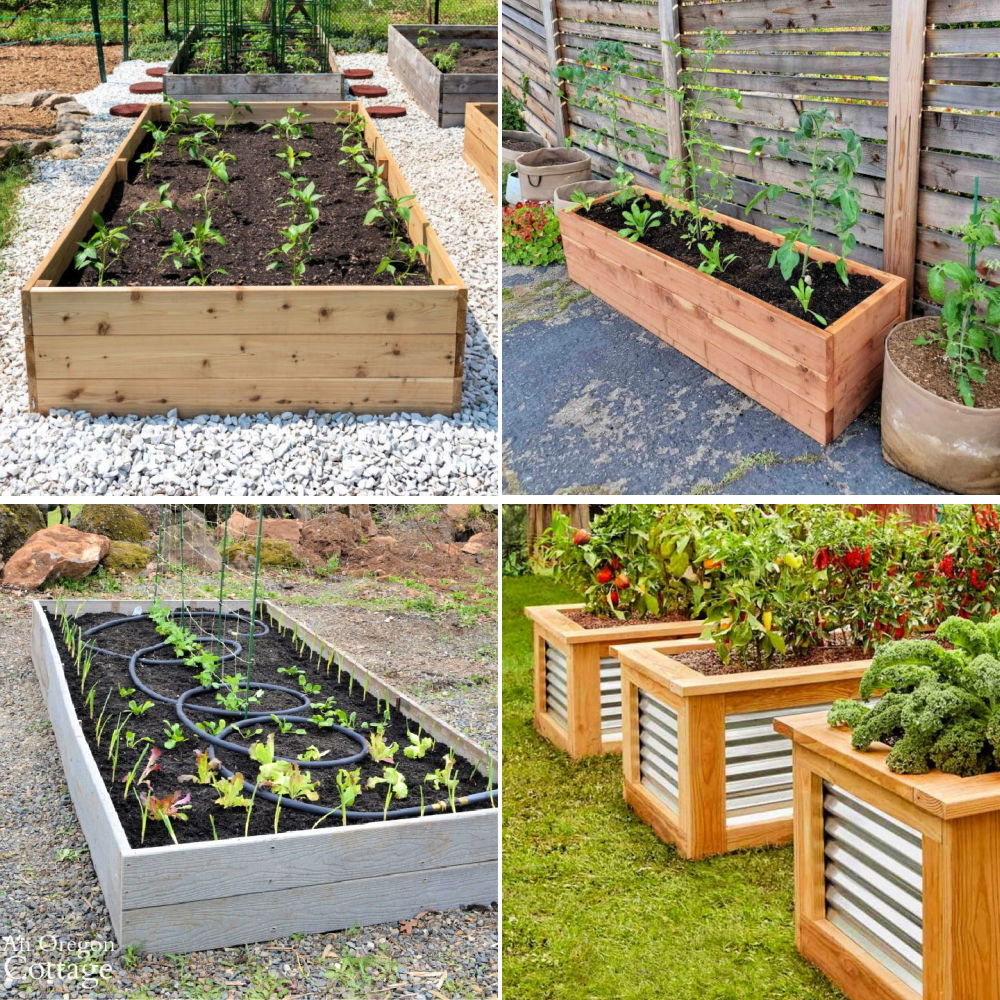
Raised Bed Garden Layout Designs
Now, let’s get to the heart of what you came here to find! Enjoy this free printable companion planting chart, which serves as a visual reference for plant pairings that thrive together (or not). I like to keep this chart on my fridge, alongside our seed-starting calendar for our growing zone. In creating it, I compiled information from numerous gardening books and online resources to present a comprehensive companion planting guide.
If you find the font too small, especially on mobile devices, don’t hesitate to access a printable PDF version for easier reading.
The Research: Is Companion Planting Effective?
The benefits of companion planting are clear, particularly in terms of increasing biodiversity and attracting pollinators. However, some recommendations are primarily based on anecdotal evidence rather than rigorous scientific research. This holds especially true for suggested incompatible plant pairings.
Despite my efforts to locate scholarly articles that substantiate the science behind companion planting, the findings are surprisingly limited. This doesn’t necessarily negate the practice; after all, some relationships, like that of marigolds, are well-documented. Personal observation and experimentation form the foundation of all scientific theories, and if many gardeners have experienced positive outcomes with companion planting, it’s certainly worth considering.
Reflections and Final Insights
Companion planting must have some truth to it, given its popularity in gardening circles. Personally, I focus on beneficial plant combinations that make logical sense and bring me joy through their vibrant mix. While I endeavor to avoid combinations deemed undesirable, I do so with a relaxed attitude.
Think of incompatible plant pairings as akin to neighbors; not everyone gets along famously, but we manage to coexist. For example, I’ve interplanted beans with peppers and garlic near peas—both of which are considered incompatible. They thrived, though I did notice they seemed less robust than usual. Perhaps it was just an off year, or maybe they were simply hindered by their ‘nuisance neighbors.’
Ultimately, my goal is to cultivate an environment where my plants can flourish without unnecessary hindrances. I advocate for a reasonable effort to adhere to the guidelines of companion planting, but if circumstances necessitate breaking the rules, it’s crucial not to stress over it too much!
Would You Like to Save This?
Have you dabbled in companion planting yet? What are your thoughts on its effectiveness? As far as I’m concerned, there’s no harm in giving it a try. Plus, the more flowers and herbs, the better! I welcome your questions, feedback, or any experiences you wish to share regarding companion planting. Happy gardening!
Ideal Partner Plants
Planning is key! Before you head outside with seedlings in hand to fill your garden beds without strategy, take a moment to consult our companion planting chart and sketch a layout for your garden. This will help you avoid running out of space or accidentally pairing incompatible plants. While your plan need not be rigid, having a general outline aids in staying organized! Check out our vegetable garden plot plan example below.
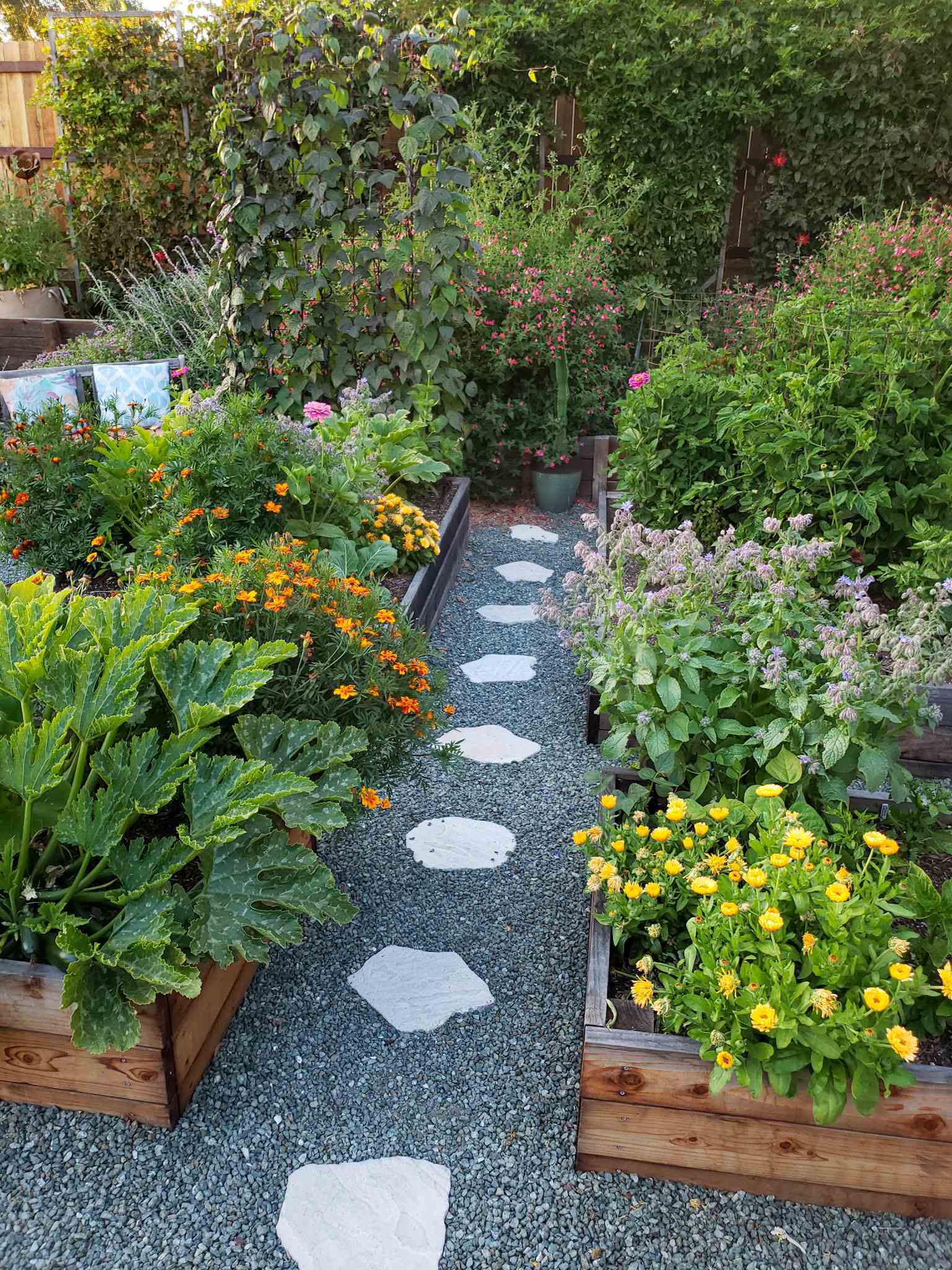
Some of the most effective and easy-to-grow companion plants to incorporate among your vegetables are flowers and herbs. Plants such as calendula, nasturtiums, basil, cilantro, oregano, parsley, thyme, and rosemary have no known adversaries, so feel free to integrate them wherever you can! Personally, calendula is my favorite flower (and medicinal herb), so you’ll find it in nearly every one of our garden beds. I also enjoy planting cosmos, bachelor buttons, and zinnias among our vegetables to attract a plethora of pollinators!
Avoiding Plant Conflicts
Remember to maintain proper plant spacing, even when it comes to companions! Overcrowding can negate the benefits you seek to achieve through companion planting. When plants are crowded, they compete for essential resources like nutrients, water, sunlight, and airflow, making them more susceptible to diseases such as mildew and blight. The good news is that most companion flowers and herbs respond well to pruning, so don’t hesitate to trim them back as needed to give your vegetables adequate space.
Designing Your Raised Bed Garden
When implementing companion planting in raised garden beds, I typically position flowers or herbs in the corners of each bed at a minimum. After planting the vegetables, I evaluate where I can tuck additional flowers or herbs among them for added benefits.
For more insights, check out our resources on seed starting, amending and fertilizing no-till garden beds, composting essentials, organic pest control methods, and designing and building raised garden beds.
Conclusion: Companion Planting Essentials
And there you have it! Your primer on companion planting, filled with practical tips, beneficial combinations, and strategies to create a flourishing garden ecosystem. Happy planting, and may your garden thrive!