When I first encountered the term ‘companion planting,’ I found myself puzzled and unsure of its significance.
However, after diving deeper into the subject and gathering insights from experienced gardeners, I began to appreciate the myriad benefits that this practice offers. You too will likely discover the value of companion planting as we explore its fundamentals throughout this article.
This gardening strategy emphasizes the ways in which plants can synergize, creating an environment that enhances health and productivity. It’s akin to finding the perfect partner in life who lifts you up and helps you thrive.
In this comprehensive guide, I will introduce you to the concept of companion planting, outline its advantages, and provide practical advice to help you embark on your own gardening journey.
Understanding Companion Planting
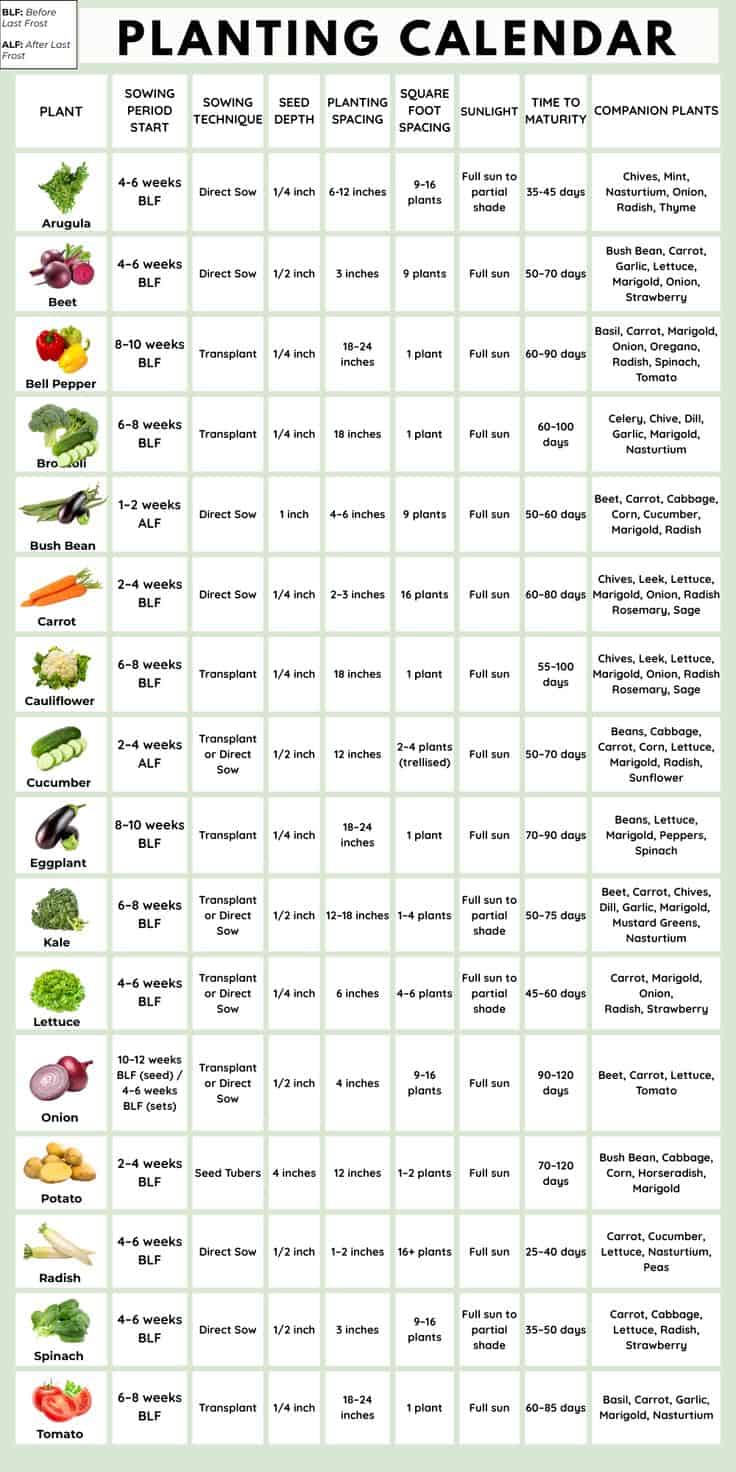
Companion planting refers to the strategic practice of positioning different plant species in proximity to one another to promote mutual benefits. This can manifest in numerous ways, such as enhancing soil quality, deterring pests, or offering vital shade to more delicate plants.
The overarching aim of companion planting is to uncover beneficial plant pairings that not only coexist well but also foster each other’s growth in surprising ways. Instead of randomly placing plants side by side, thoughtful combinations can lead to a more flourishing garden.
Think of this as an efficient gardening approach—working smarter rather than harder. By grasping the interrelations between various plants, you can cultivate a garden that thrives with minimal intervention.
If you’re on the lookout for more insightful pairings and companion planting advice, be sure to explore our collection of recommended books on the subject.
The Advantages of Companion Planting
As I delved into the essentials of companion planting, I quickly began to recognize the vast benefits it could bring to any garden setup.
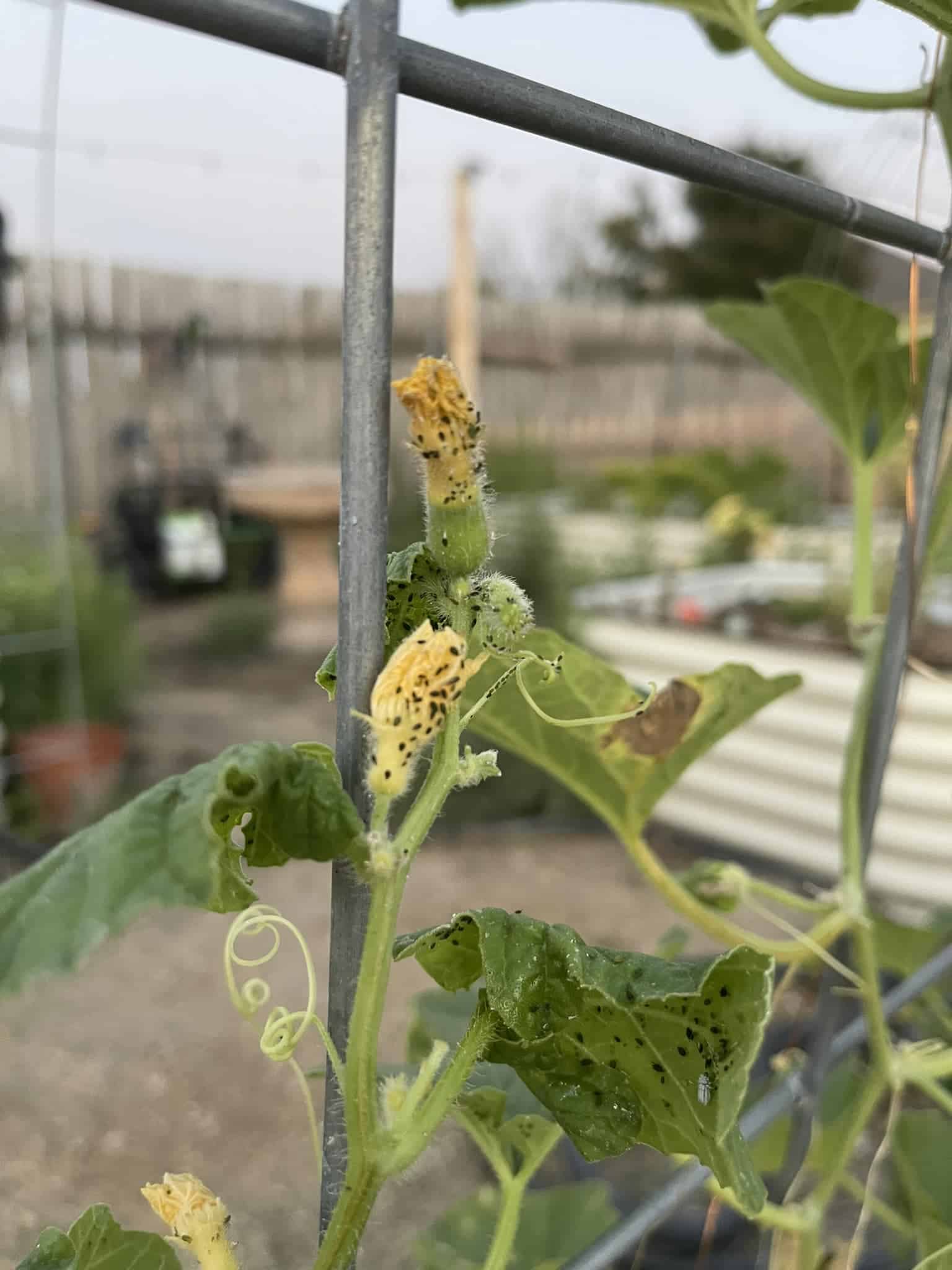
One significant advantage is the natural pest deterrence it offers, eliminating the need for harmful chemical treatments. For instance, basil is renowned for repelling aphids that threaten tomato plants, sparing you the anxiety of dealing with these pesky intruders.
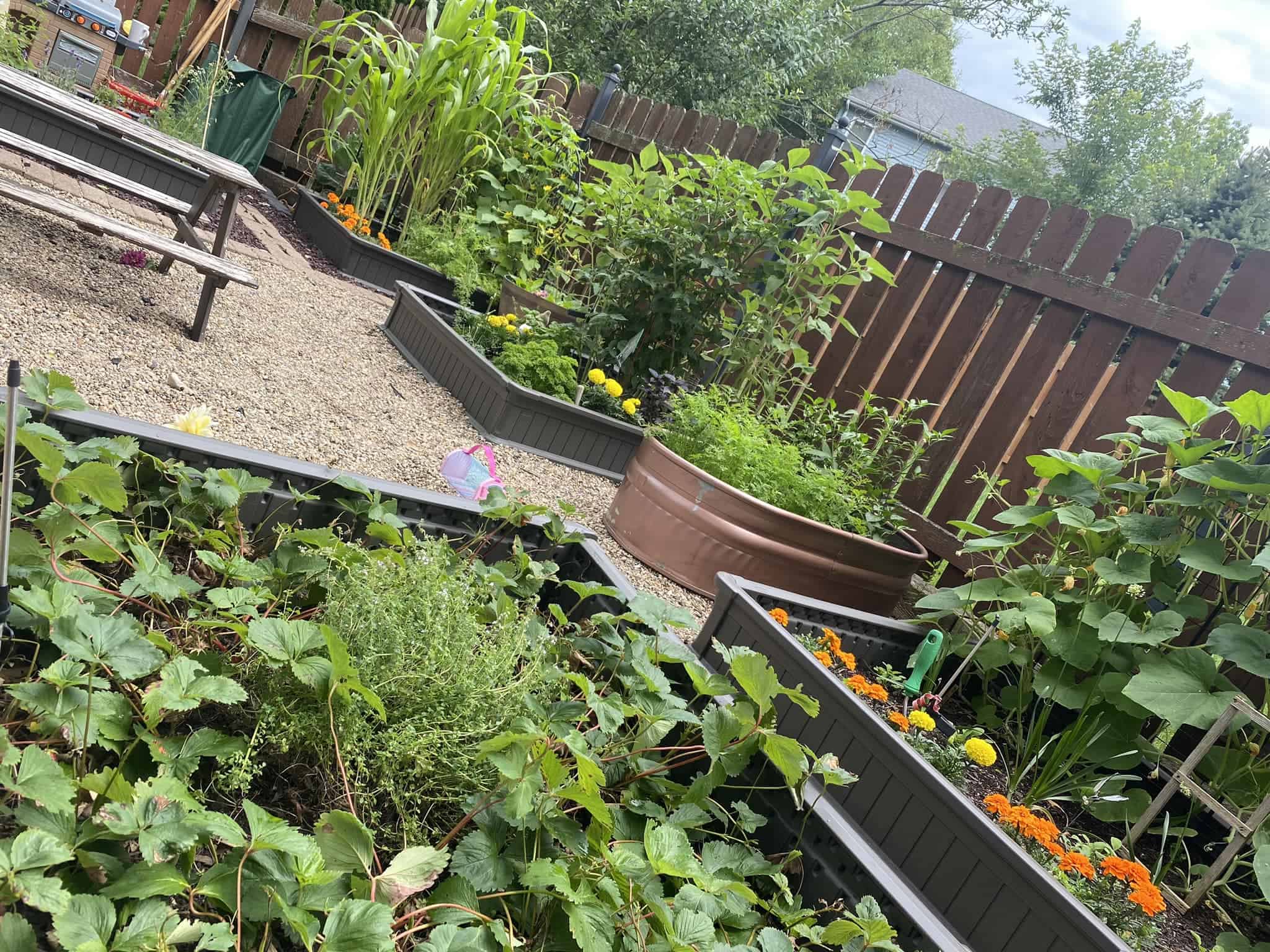
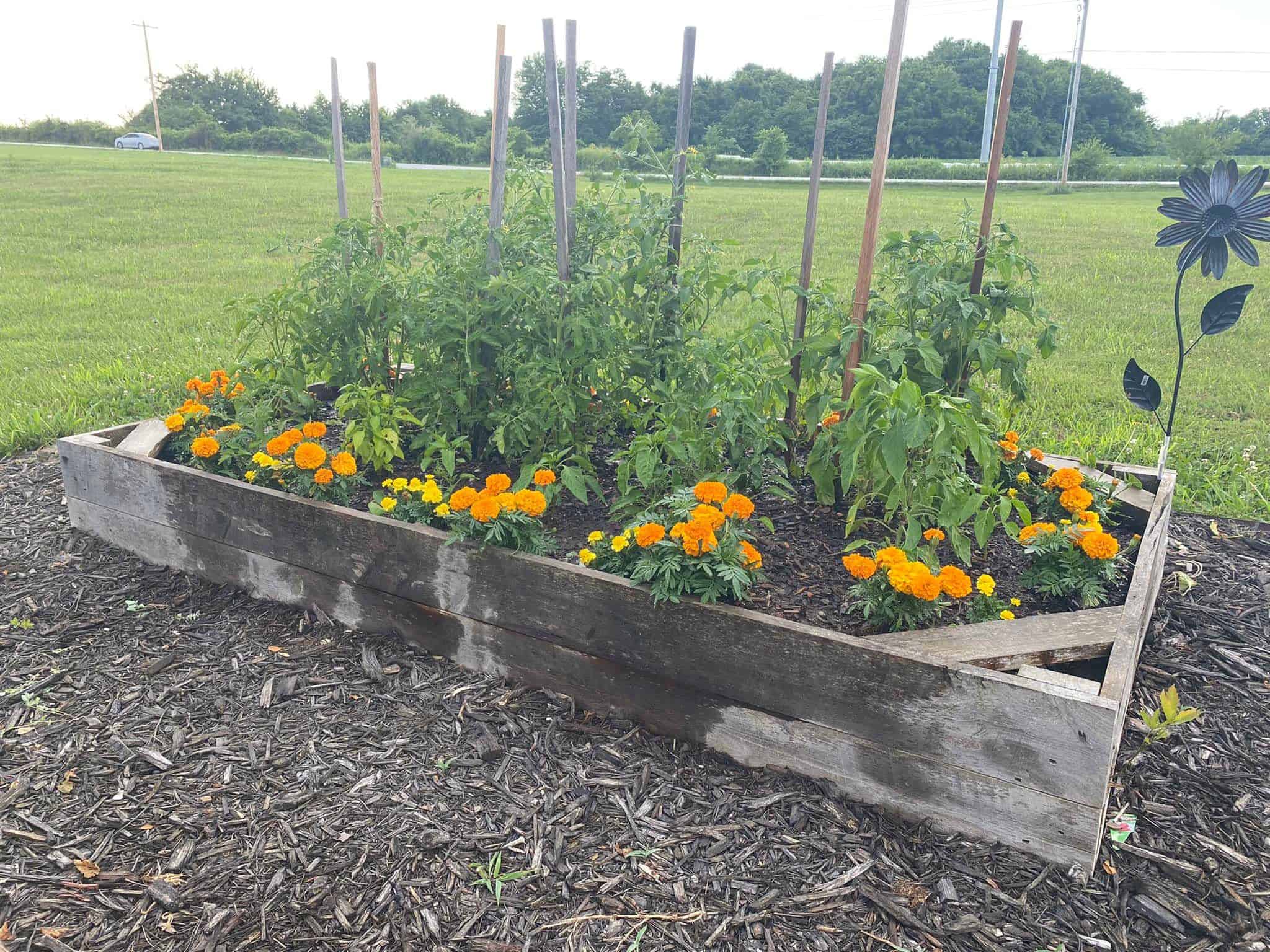
Marigolds are another fantastic option as they naturally repel nematodes and whiteflies. These vibrant blooms not only enhance the aesthetic of your garden but also provide an essential layer of protection for your vegetables.
This eco-conscious method of gardening allows you to cultivate without the stress of toxic sprays, making it a safer choice for families with children and pets.
If you’re eager to start your journey with companion planting, consider investing in a vegetable seed garden kit that features a diverse range of plants, which simplifies the planning process considerably.
Popular Plant Pairings and Their Advantages
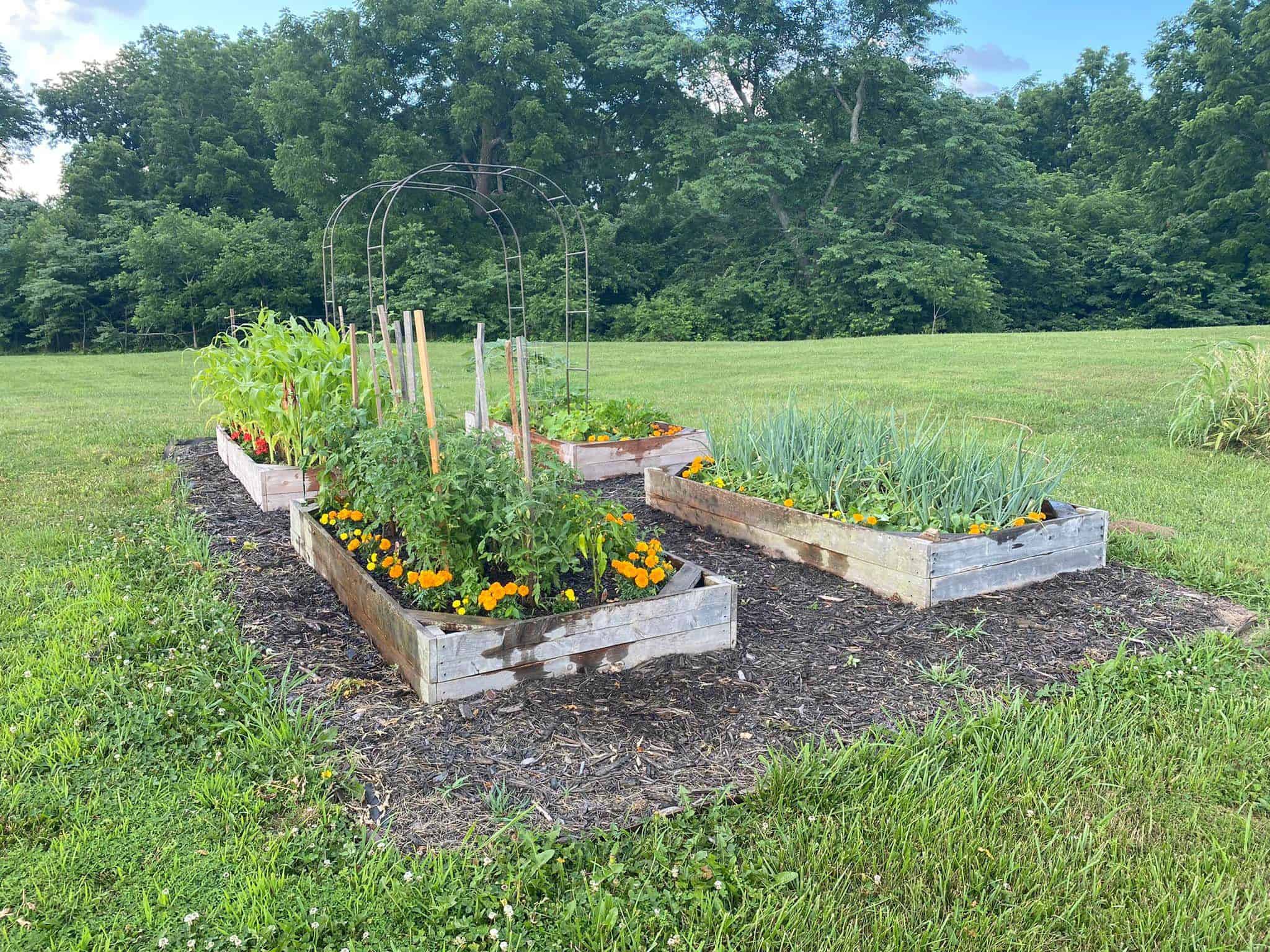
Some plant combinations just seem to click, enhancing each other’s growth in remarkable ways, much like how we thrive with supportive companions.
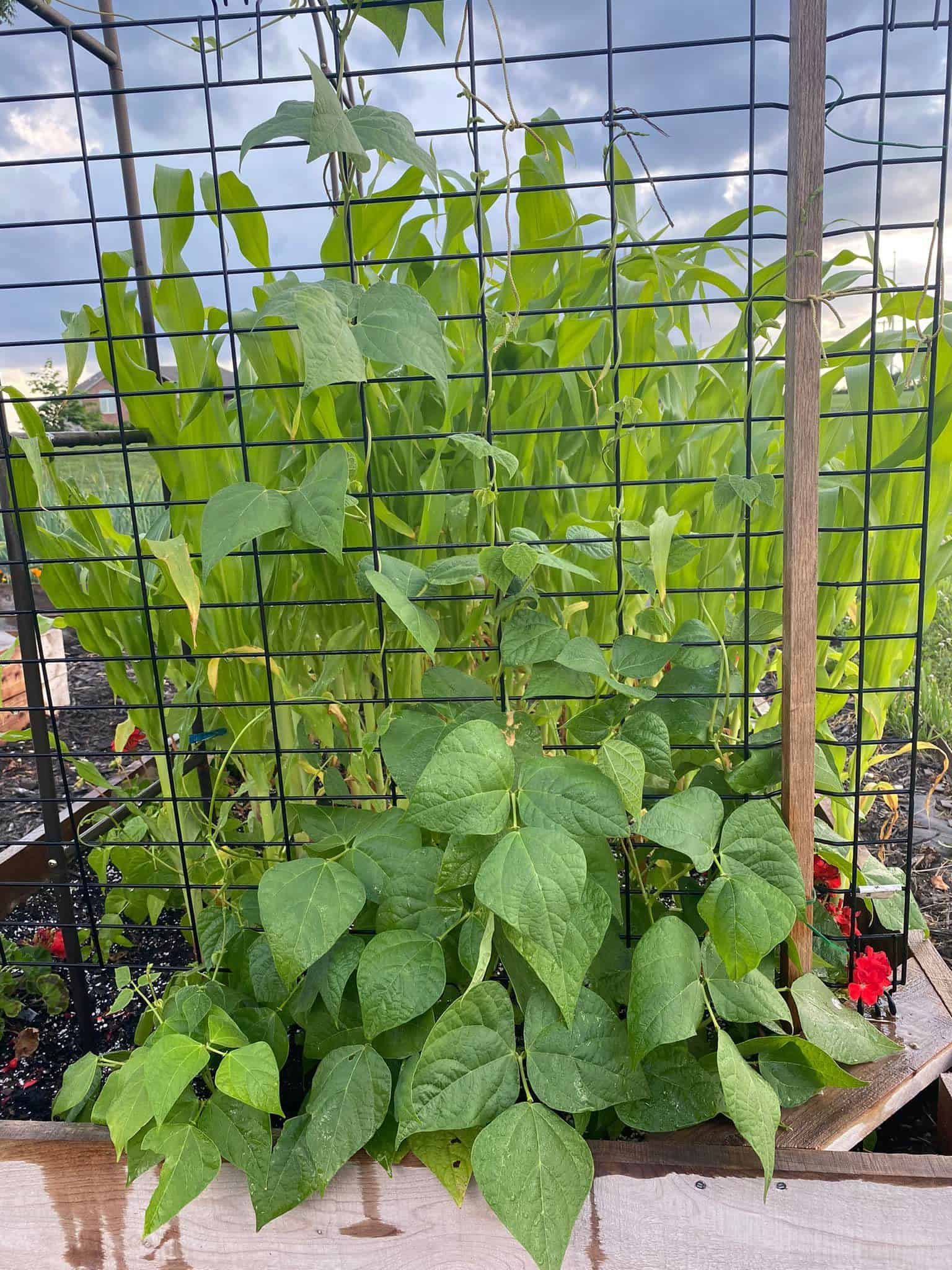
For instance, beans and corn form an exemplary duo. Beans enrich the soil with nitrogen, a crucial nutrient that helps corn grow robustly. In return, the towering corn provides necessary support for the climbing beans. This is a prime example of nature’s teamwork at its finest.
Similarly, carrots and onions complement one another beautifully. Onions help ward off pests that might harm the carrots, while the carrots help aerate the soil, allowing the onion roots to flourish. Such pairings lead to a more bountiful harvest, and who wouldn’t want that?
Plants to Avoid Planting Together
While many plants thrive in companionship, some combinations can prove detrimental, much like incompatible personalities.
For example, onions can inhibit the growth of beans and peas due to the natural compounds they release, which disrupt the nitrogen fixation process essential for bean health.
Another pairing to avoid is potatoes and tomatoes. Both are vulnerable to similar pests and diseases, such as blight, and planting them together increases the likelihood of both crops succumbing to the same issues.
Dill is a delicious herb, but it poses problems for nearby carrots. As dill matures, it exudes substances that can stunt carrot growth, making it crucial to keep these two apart.
Lastly, corn and tomatoes tend to compete for essential resources, such as sunlight and nutrients, creating a challenging environment for both. Therefore, ensuring your plants are compatible is essential for a thriving garden.
Strategies for Effective Companion Planting
Having established which plants work harmoniously together, let’s discuss how to effectively implement these pairings in your garden.
Begin by grouping plants that share similar requirements, such as water and sunlight. This ensures that each plant receives the care it needs, preventing the risk of over or under-watering.
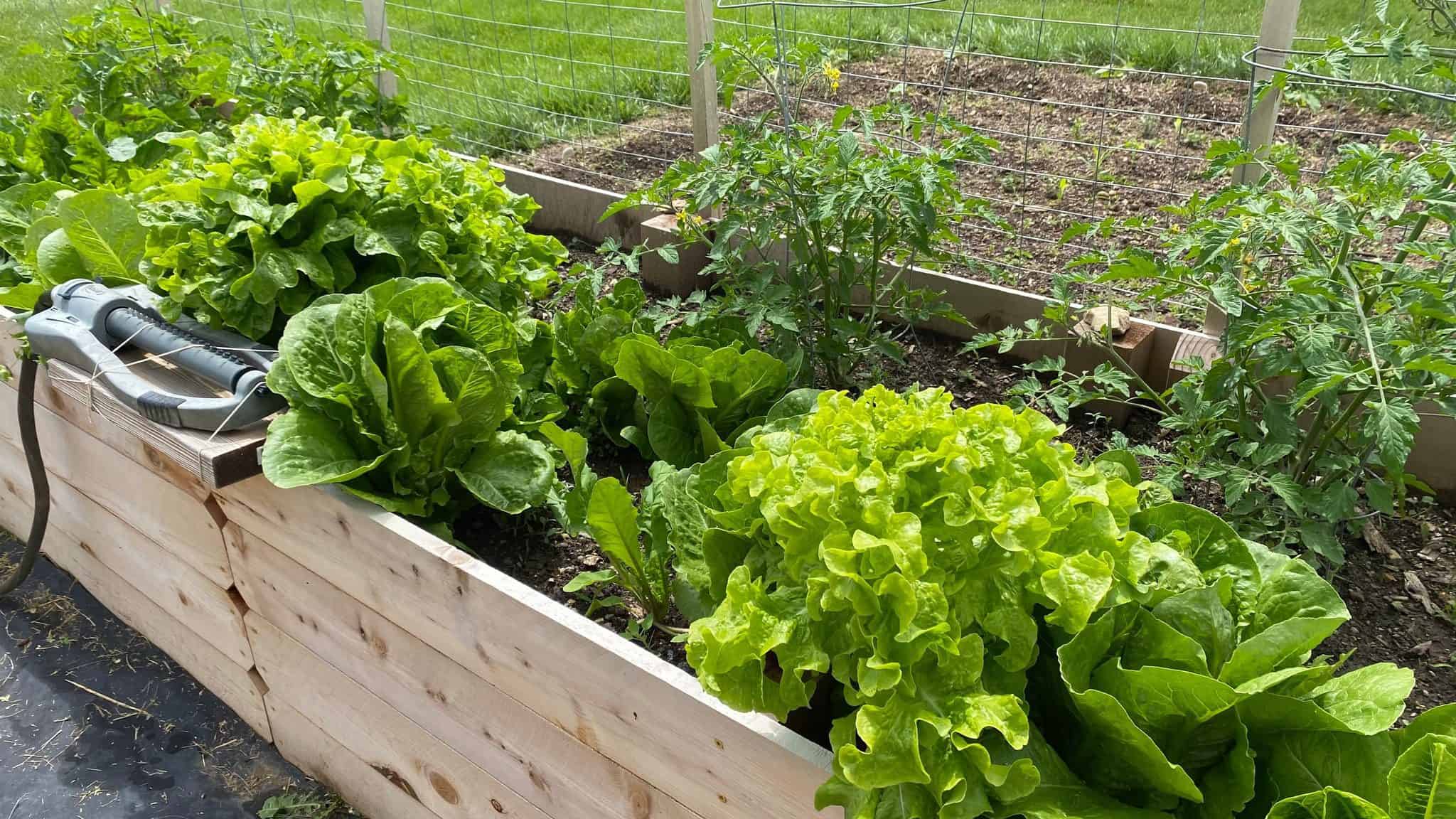
The height of plants should also be factored into your garden layout. Taller plants, such as corn or sunflowers, can provide shade for shade-loving plants like spinach or lettuce, maximizing your garden’s potential.
Another beneficial practice is crop rotation, which involves changing the location of specific crops each year. This helps maintain soil health by preventing nutrient depletion and minimizes the risk of pests and diseases taking hold.
Don’t forget to consider seasonal variations; some plants thrive in cooler weather while others prefer the heat of summer. By planting according to seasonal needs, you’ll give each plant the best chance of flourishing throughout the year.
Companion Planting in Raised Beds
If you’re contemplating a raised bed garden or already have one, you may be curious about optimizing the available space.
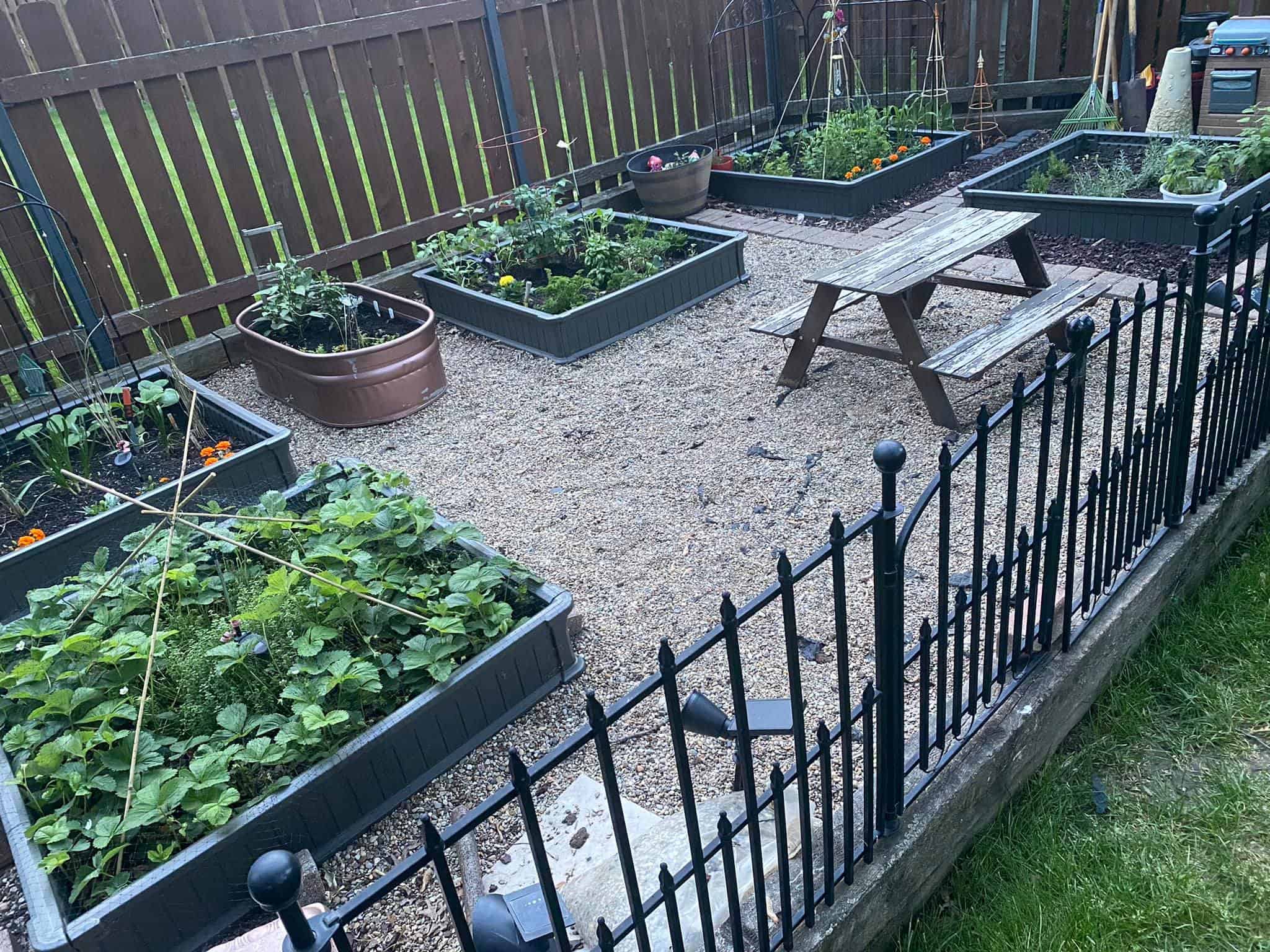
Raised beds provide an excellent opportunity for companion planting, as they allow for closer plant placement without overcrowding. This design simplifies plant organization, ensuring each gets the attention it needs.
Tall plants can be paired with shorter varieties, creating a natural support system while also providing shade for those that prefer it. This method not only conserves space but also reduces your workload by competing against weeds.
When setting up a raised bed, consider the size of the bed carefully. Avoid overcrowding; each plant should have enough space to thrive and develop its roots effectively.
Common Hurdles in Companion Planting and Solutions
While companion planting offers numerous benefits, it’s not without its challenges. Many new gardeners may find that some combinations don’t yield the expected results.
It’s essential to approach this practice with an open mind, ready to experiment and learn from your experiences. Keep a log of what works and what doesn’t, as every garden is unique.
Even though companion planting can help minimize pest problems, it won’t eliminate them entirely. Stay vigilant and monitor your plants for signs of pest infestation. If issues arise, look for natural remedies to address them, such as neem oil or organic sprays.
Climate also plays a significant role in the success of your companion plants. Be mindful of your local environment and adjust your pairings accordingly, ensuring each plant receives the right conditions for healthy growth.
Additional Tips for Companion Planting
As you embark on your companion planting journey, it’s crucial to remember that it’s a learning experience.
One frequent mistake that newcomers make is overcrowding their plots. While it may seem efficient to plant as much as possible, each plant needs adequate space to grow and spread its roots. Allowing for some breathing room can significantly enhance overall plant health.
Trap crops can be an effective strategy to draw pests away from your main plants. For instance, planting radishes near beans can attract aphids, which keeps them away from the beans. Think about which plants can serve as decoys to protect your primary crops.
Don’t forget to rotate your crops and companion plants each season. This practice helps maintain soil vitality and reduces pest populations, ensuring a more productive garden.
Elevate Your Gardening Experience

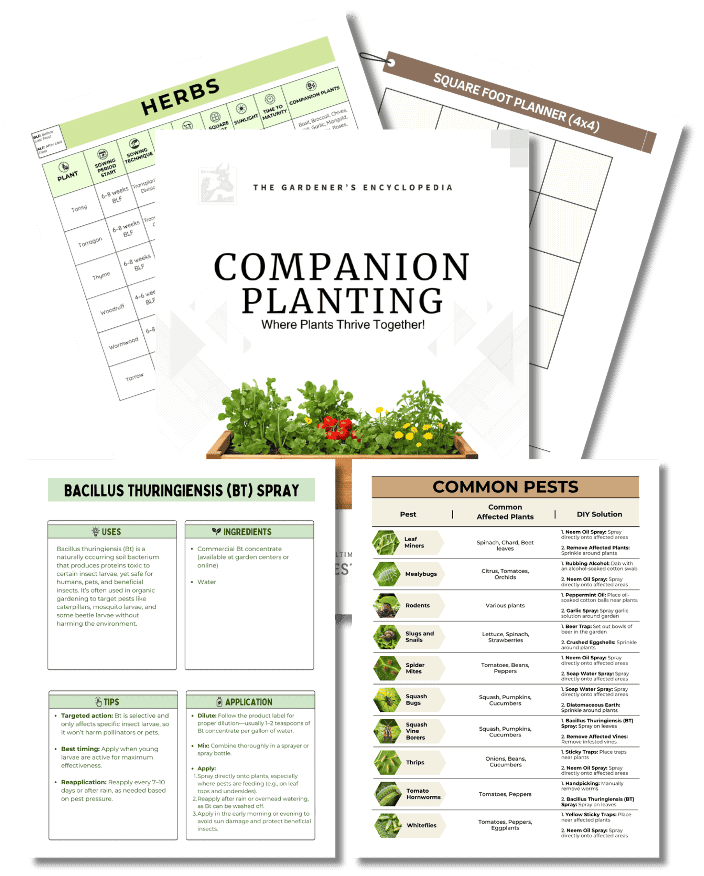
As you delve deeper into the world of companion planting, consider utilizing resources such as planting charts and guides to inform your choices.
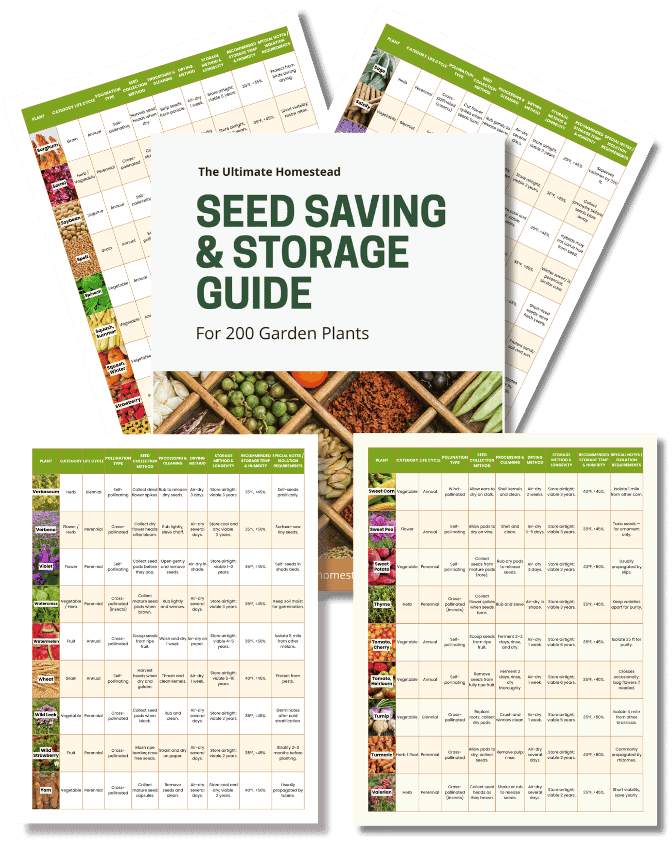
These tools can serve as excellent starting points, especially for those new to the practice. However, remember that each garden has its own unique context, so adapt these suggestions based on your observations.
Starting small and maintaining a sense of curiosity will empower you to make the most of your companion planting efforts. With time and practice, your garden will become healthier, more vibrant, and increasingly productive.
Are You Ready to Revitalize Your Garden?
If you’re seeking innovative ways to optimize your garden layout, consider exploring our extensive collection of garden bed layout ideas. This guide is designed to inspire you and help you create a garden that reflects your personal style, regardless of your level of expertise.
Embrace this opportunity to enhance your gardening skills and transform your space into a flourishing sanctuary.
Your Complimentary 22-Page Garden Planner
Make the most of your gardening experience with our free 22-page planner tailored to your local frost dates. This invaluable resource provides you with planting windows, monthly checklists, and a harvest log to track your successes.
By signing up, you’ll receive a personalized guide that ensures your planting dates align perfectly with your region, allowing you to maximize your gardening efforts.
Natural Pest Management
Companion planting is an effective strategy for keeping pests at bay without resorting to harmful chemicals. By selecting the right plant pairings, you can cultivate a self-sustaining ecosystem within your garden.
Enhanced Growth and Yield
The symbiotic relationships fostered through companion planting can lead to improved growth and higher yields. Plants that support one another can thrive more robustly, resulting in a more plentiful harvest.
Maximized Space Utilization
Companion planting allows you to optimize your garden space effectively. By pairing compatible plants, you can fit more into smaller areas, ensuring every inch is utilized wisely.
Weed Control
Effective companion planting can also suppress weeds. Certain plants, like clover and squash, can create a natural barrier against weed growth, saving you time and effort in the garden.
Attracting Pollinators
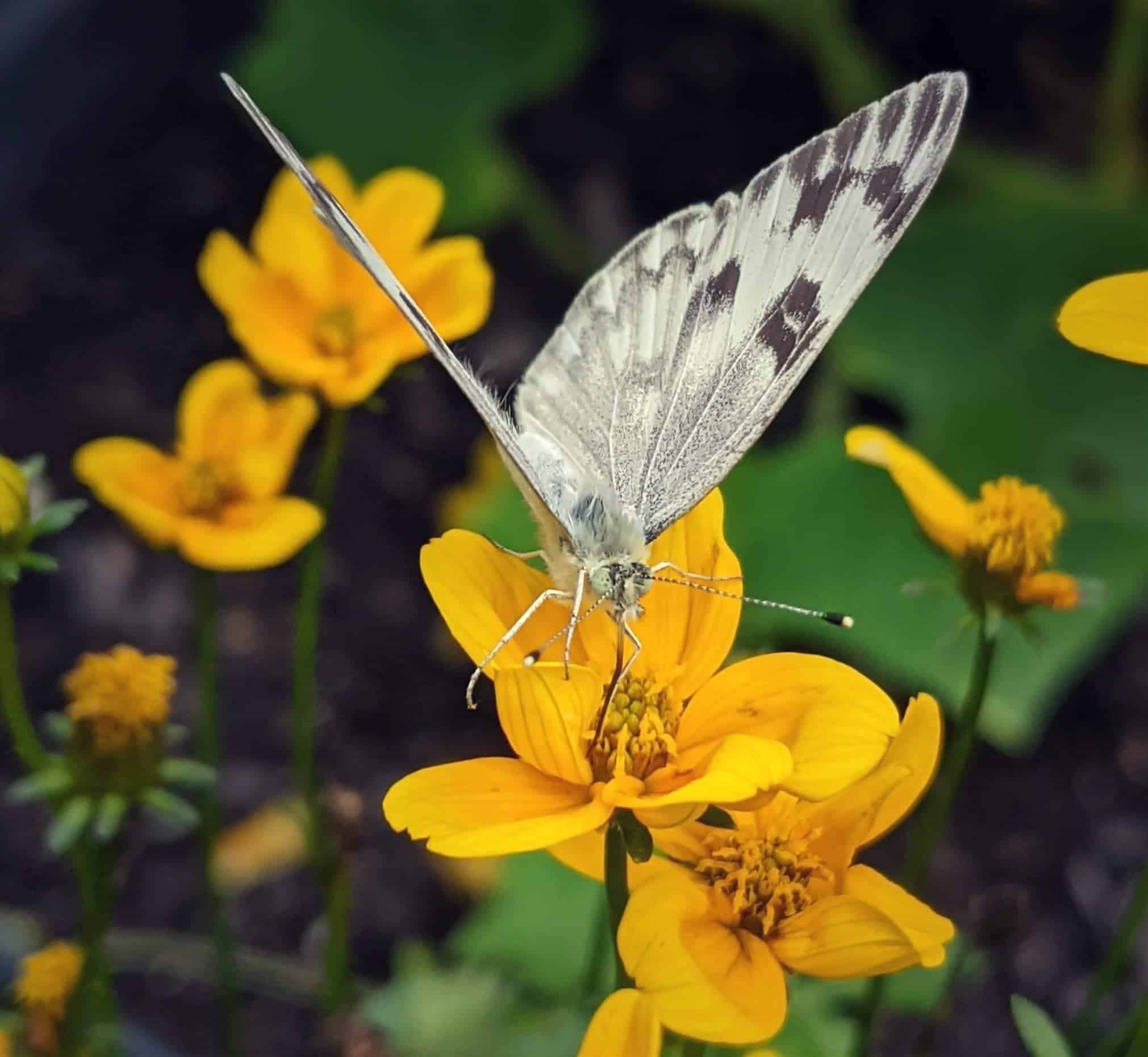
In addition to the benefits of pest control and enhanced growth, companion planting can attract vital pollinators such as bees and butterflies. Flowers like sunflowers and lavender not only beautify your garden but also encourage these essential creatures to visit, which ultimately benefits your crops.