Optimal Locations for Your Compost Bin
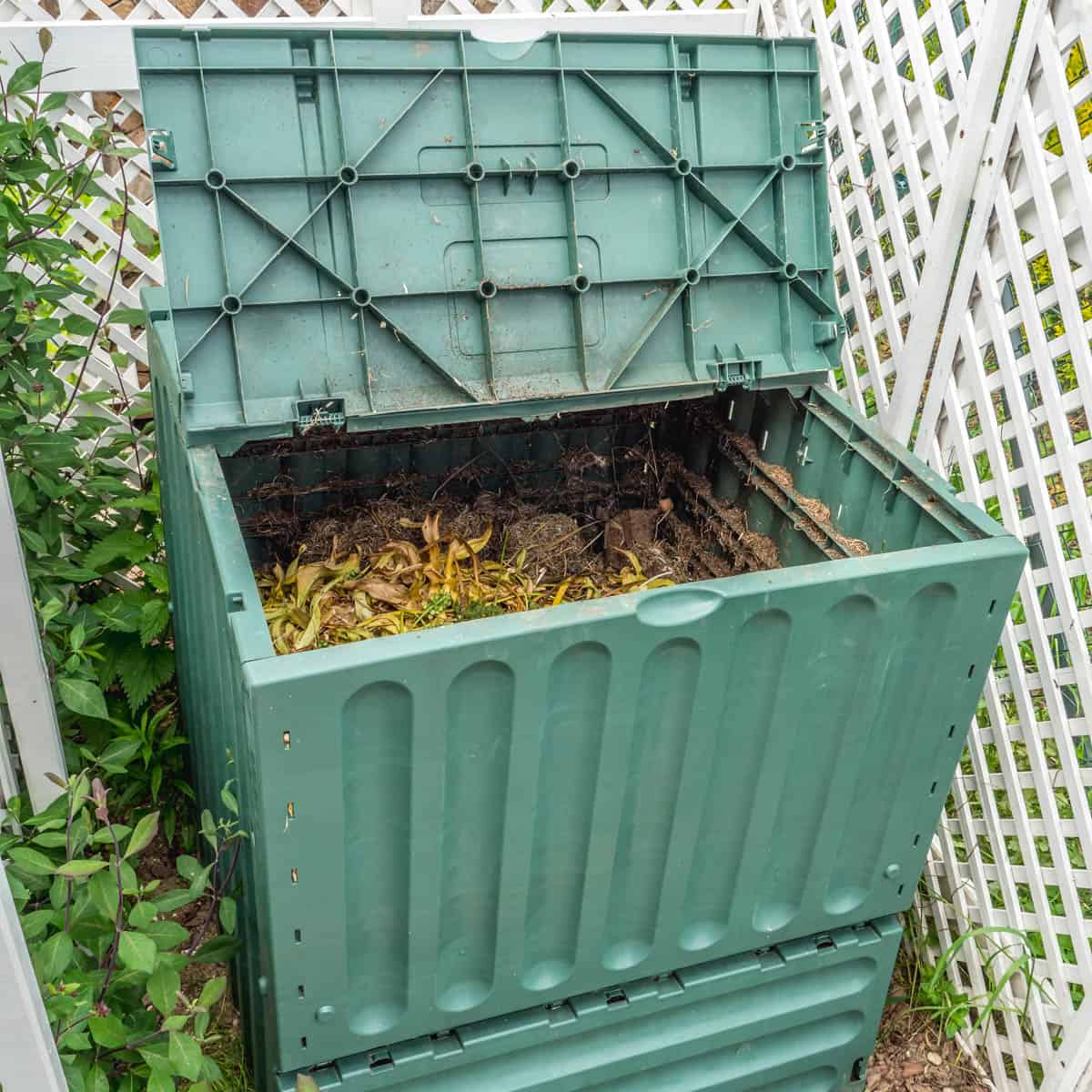
Before embarking on your composting journey, understanding the ideal placement for your compost bin or pile is crucial. The right location can significantly influence the efficiency of your composting process and the quality of the compost produced. Proper positioning can enhance decomposition and ensure that you maximize the benefits of your composting efforts.
Composting is an environmentally friendly practice that allows you to convert food scraps and yard debris into rich soil that can nourish your garden. However, the effectiveness of composting is closely tied to its location. Choosing the right spot can facilitate faster decomposition and improve the overall quality of your finished compost.
With various factors to consider, it’s essential to evaluate the best strategies for placing your compost bin. This guide offers valuable insights into selecting the optimal site for successful composting, ensuring that your efforts yield the best possible results.
Garden Planning Essentials!
As you plan your garden, integrating a composting area is a smart move. The space allocated for your compost bin will depend on whether you intend to use it primarily for kitchen scraps or yard waste. Your composting needs will dictate the size and type of bin or bins best suited for your garden.
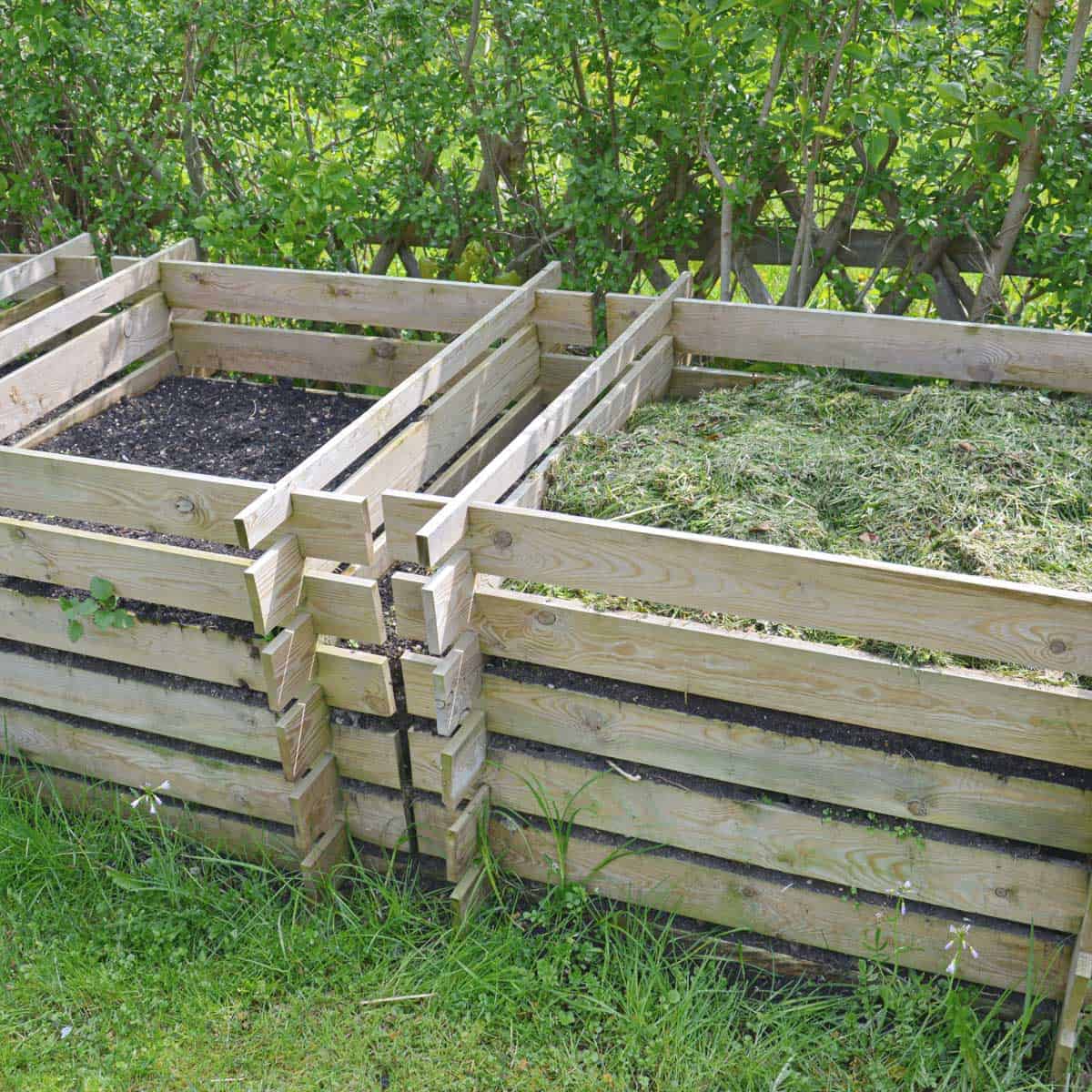
If you frequently generate significant amounts of yard waste, consider investing in a multi-bin system, which requires more space but promotes a quicker composting process. For larger yards, a three-bin system is ideal, allowing for a more efficient composting cycle.
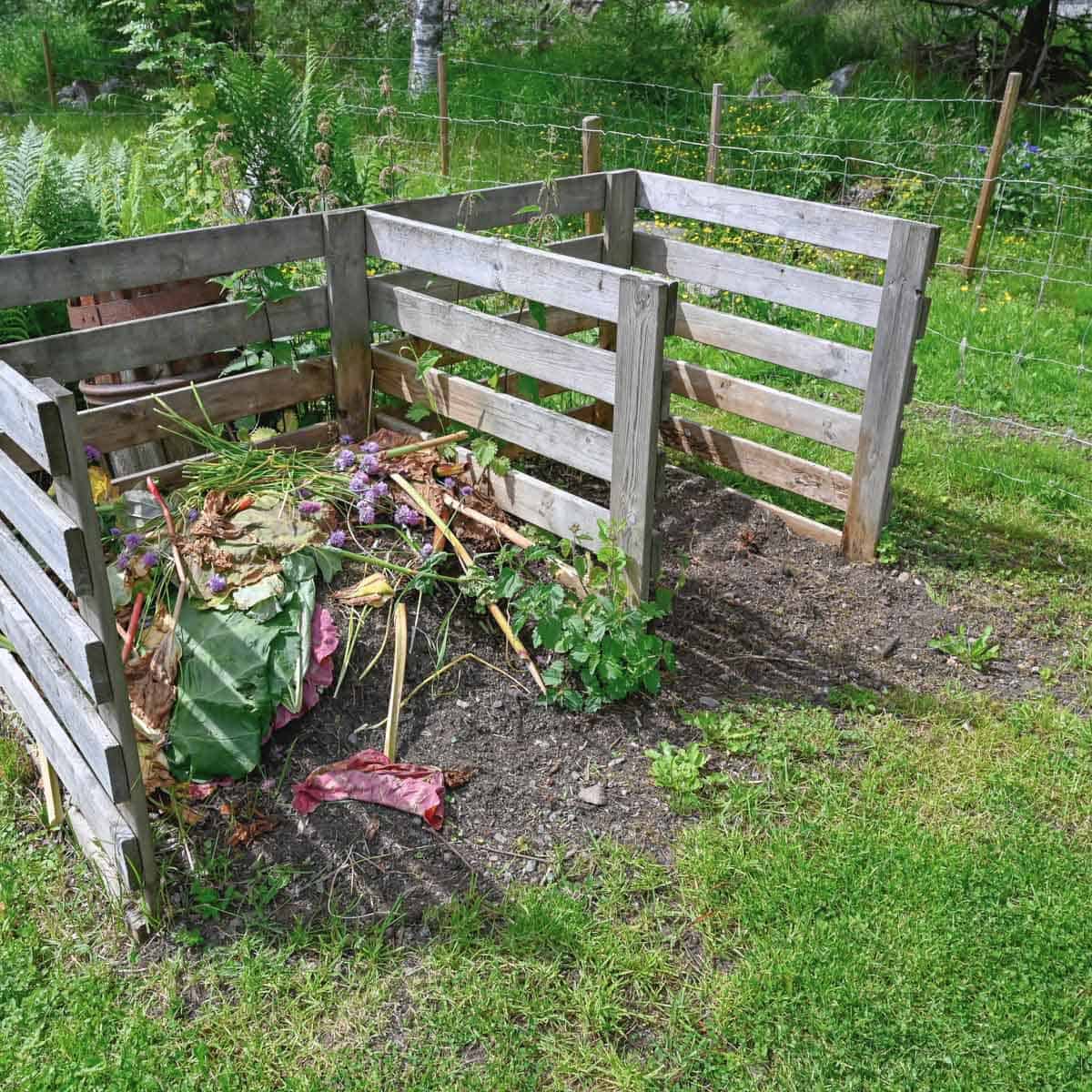
At our property, which features ample outdoor space, we opted for a three-bin setup. Not only does it accelerate the composting process, but it also provides us with a steady supply of free mulch for our garden. If you have a generous garden area and enjoy DIY projects, check out our detailed guide on constructing your own composting bins.
Common Questions About Compost Bin Placement
When considering the placement of your compost bin or tumbler, many questions may arise. One of the most pertinent inquiries relates to the required space. The space needed will vary based on whether you’re composting kitchen scraps, yard waste, or a combination of both.
Accessibility is another critical factor. The composting process can become cumbersome if the bin is not easily reachable. Think about how you’ll transport materials to and from the compost bin when choosing a location.
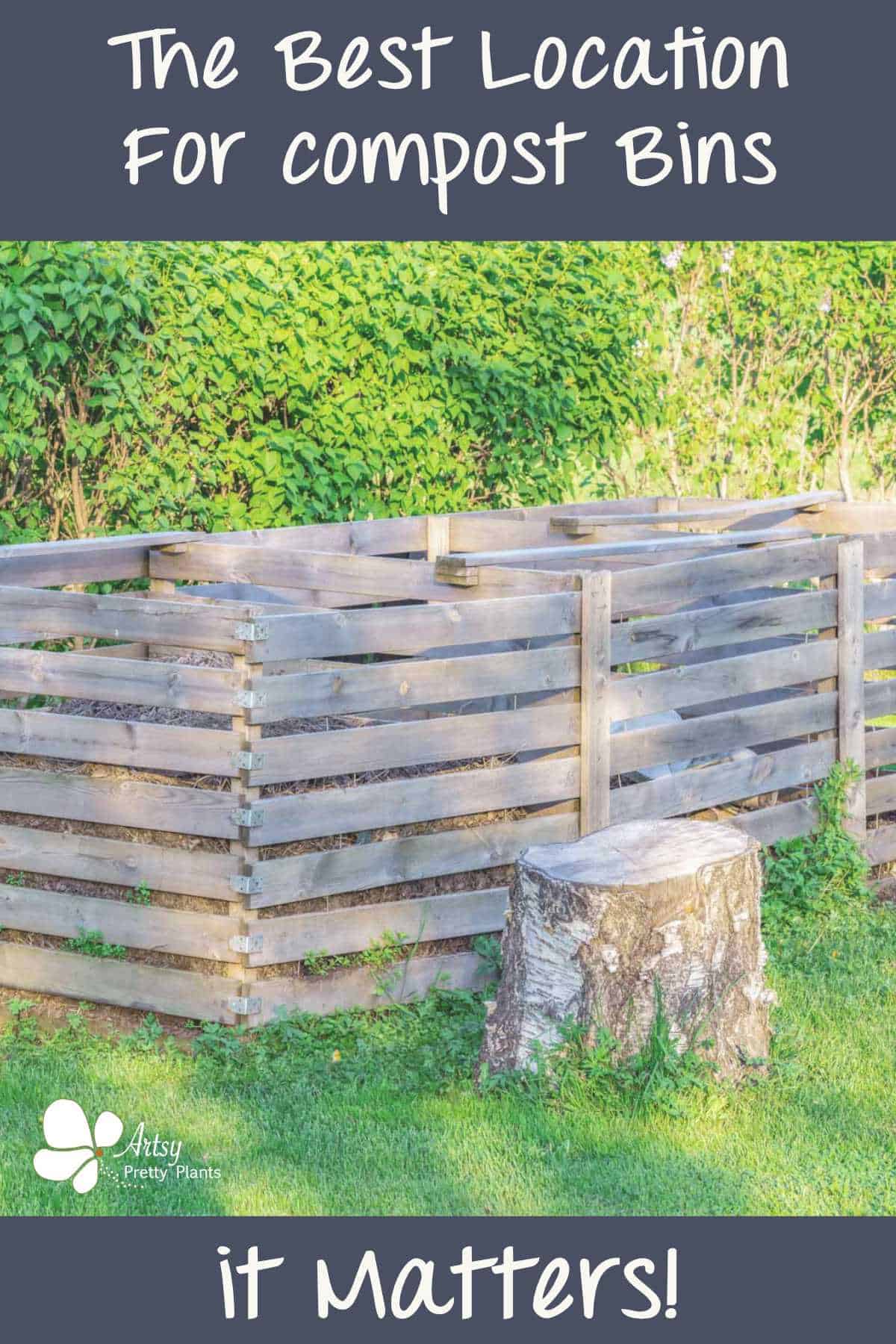
For instance, if weather conditions are unfavorable—such as rain, snow, or freezing temperatures—you may be less inclined to trek a long distance to deposit your kitchen scraps. Therefore, keeping your compost pile within reasonable walking distance from your home is advisable.
Determining Required Space
The amount of space allocated for your compost bin directly impacts its effectiveness. If you plan to compost yard waste, ensure the area allows for easy access with a wheelbarrow. This consideration is essential for efficiently transferring materials to and from the compost bin.
Moreover, it’s important to have sufficient space in front of the bins to maneuver tools and add or turn the compost materials. A practical guideline is to allow for twice the size of your compost bin in the surrounding area. This space will facilitate aeration and turning of the compost.
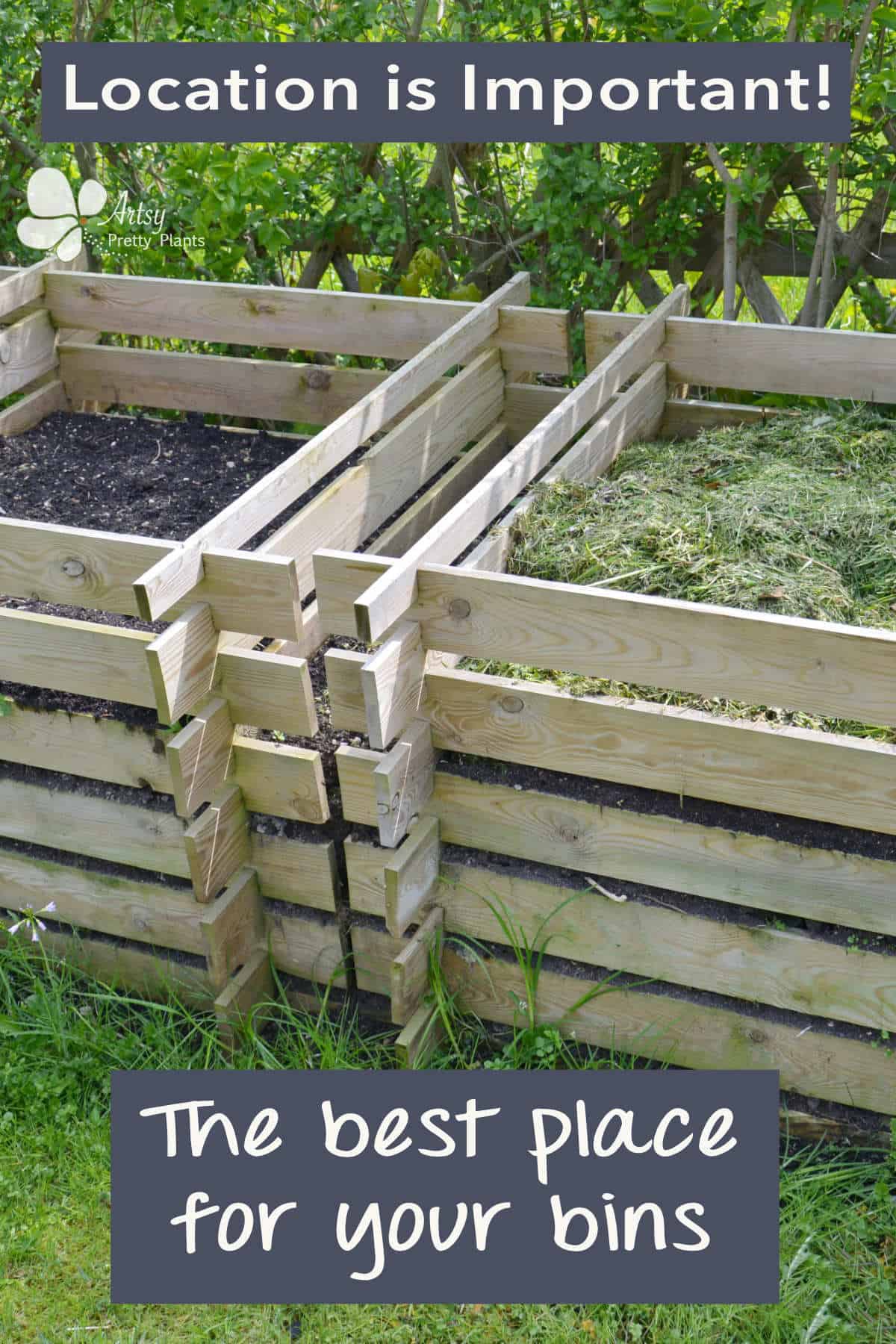
Additionally, having enough room to navigate around the bin makes it easier to transport finished compost to your vegetable garden, providing a seamless transition from composting to gardening.
Accessibility Matters
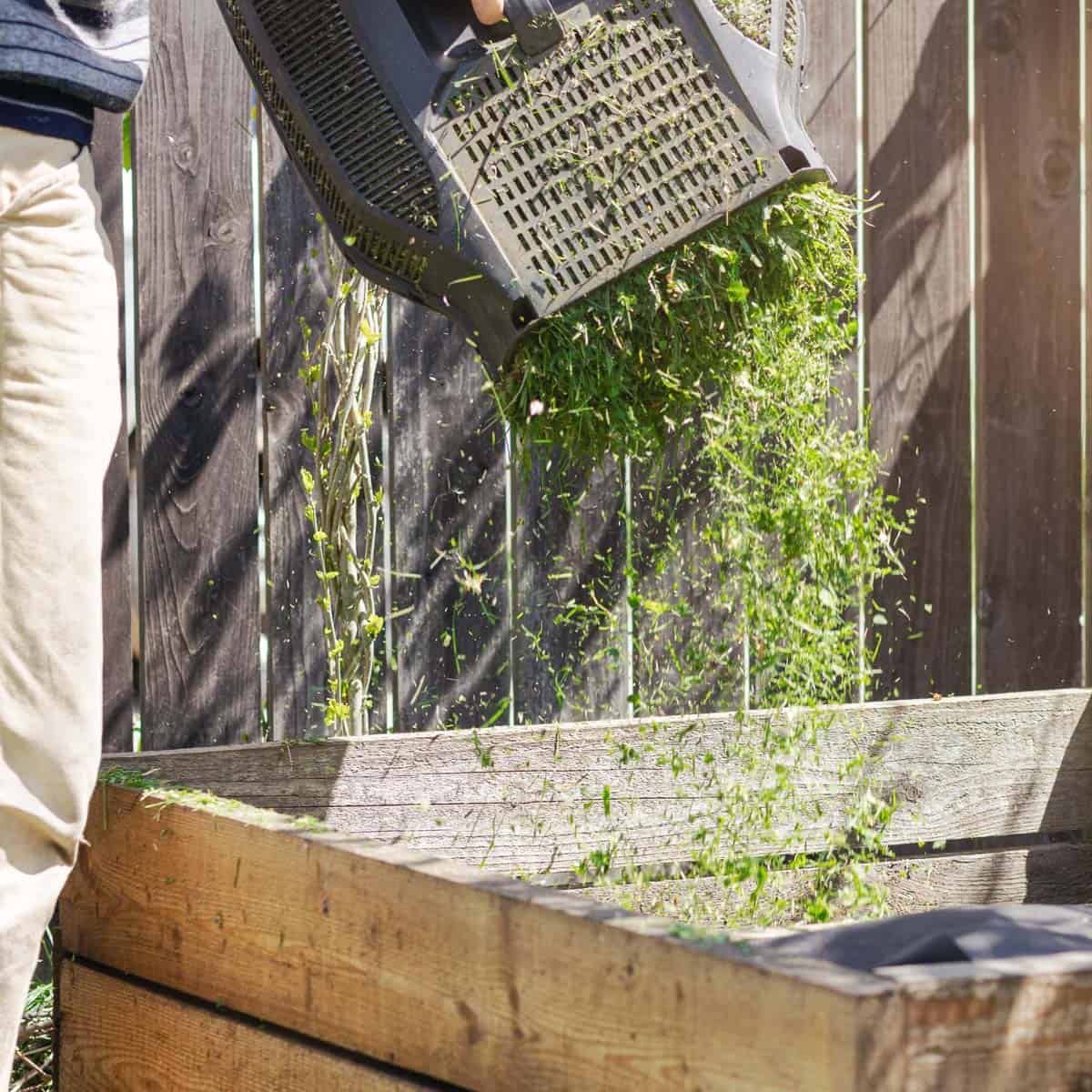
Ensuring convenient access to your compost bin is vital for maintaining an active composting routine. If the bin is located far from your home or garden, you’re less likely to engage in the necessary upkeep. Consequently, consider the route from your home to the composting area.
For instance, if you find yourself having to brave inclement weather just to deposit kitchen scraps, you may find yourself neglecting the composting process altogether. It’s best to place your compost pile within a comfortable walking distance to encourage regular use.
Moreover, if you use a compost bin for yard waste, think about how you will transport the materials. A convenient access point allows for easy movement of a wheelbarrow or other tools necessary for effective compost management.
Providing Ample Space
In addition to accessibility, giving yourself enough space around your compost bin is crucial for the composting process. A good rule of thumb is to allow sufficient room to maneuver and work with your compost materials comfortably.
Space is needed not only for adding materials but also for turning and aerating the compost. A composting area that is too cramped can hinder airflow and slow down decomposition. Ensuring a comfortable working area will encourage you to engage more frequently with the composting process.
Ultimately, having enough space enhances your ability to manage your compost effectively, which will lead to a more successful composting experience.
Understanding Compost Temperature and Sunlight
The temperature within your compost bin is a crucial factor in determining the efficiency of the decomposition process. Compost piles generate heat as microorganisms break down organic materials, and the temperature can influence how quickly this occurs. Warmer temperatures generally lead to faster decomposition, while cooler conditions can slow the process considerably.
Your compost bin’s location will impact how much sunlight it receives, which in turn affects its temperature. Ideally, compost bins should be positioned in a spot that receives some sunlight yet is not exposed to harsh, direct sun for extended periods. Too much sun can cause the compost to dry out, which is detrimental to the composting process.
In regions with cold climates, placing your compost bin in a sunny location may help maintain warmth during the colder months, whereas in warmer climates, some shade may be beneficial to prevent overheating and moisture loss.
Avoiding Trees While Embracing Plants
While trees can provide valuable shade for your compost bin, their extensive root systems can be detrimental to the composting process. Tree roots often seek out moisture and nutrients, which can divert essential resources away from your compost pile.
Conversely, positioning your compost bin near flowering plants or shrubs can be advantageous. Plants can benefit from the nutrients produced by compost, and they won’t compete for resources in the same way that trees do. Keeping your compost bin away from trees ensures that your compost has the best chance to thrive.
Ultimately, choose a location that maximizes benefits for both your compost and nearby plants, promoting a healthy ecosystem in your garden.
Proximity to Water Sources
Moisture is a key component of successful composting, and having your compost bin close to a water source, such as a garden hose or faucet, can significantly simplify the process. When compost materials dry out, decomposition slows, so it’s essential to have easy access to water.
Transporting water in buckets can be burdensome and may discourage you from maintaining the moisture levels required for effective composting. By positioning your compost bin near a water source, you can easily keep it adequately hydrated, promoting a healthy composting environment.
Moreover, having quick access to water allows you to adjust moisture levels as needed, ensuring the composting process remains efficient and effective.
Steering Clear of Windy Areas
Wind can pose a challenge for composting, as strong breezes can dry out your compost pile, leading to a lack of moisture that is crucial for decomposition. To maintain a consistently moist compost pile, it’s best to avoid placing your compost bin in particularly windy areas.
Look for spots in your yard that have natural windbreaks, such as hedges or fences, to protect your compost from harsh winds. If such natural barriers are not available, consider creating your own windbreaks with man-made structures.
By keeping your compost bin sheltered from the wind, you can help retain moisture levels and create an ideal environment for microorganisms that promote the decomposition process.
Being Neighborly
As you determine the best location for your compost bin, it’s wise to consider the proximity to your neighbors. While your compost pile should ideally not produce unpleasant odors, sometimes things can go awry, leading to unwanted smells.
To avoid causing any disturbances, it’s best to place your compost bin a reasonable distance away from your neighbor’s property line, ideally at least 10 feet away. This distance helps prevent any potential odors or issues from reaching their space.
Additionally, if aesthetics are important to you, consider ways to conceal your compost bin. Using plants, decorative screens, or attractive wooden bins can all serve to create a more visually appealing composting area that blends seamlessly into your garden.
Visual Considerations for Compost Bin Placement
The visual aspect of your compost bin’s location can significantly influence both the look of your garden and the overall composting experience. Ideally, you want your compost bin to be accessible yet aesthetically pleasing. Finding a balance between functionality and visual appeal is key.
To achieve this, consider positioning your compost bin in a corner of your garden, where it can be out of sight yet still within easy reach. This approach allows you to manage your composting without it becoming an eyesore.
Additionally, utilizing plantings or decorative features around your compost bin can help blend it into the overall landscape of your garden, creating a harmonious look while still providing all the practical benefits of composting.
Avoiding Placement Against Your House
While it may be tempting to place your compost bin against your house for convenience, this is generally not advisable. Situating your compost bin too close to your home can lead to unpleasant smells infiltrating your living space, particularly if the compost pile becomes unbalanced.
Moreover, compost piles can attract various critters, including insects and rodents, which you may not want near your home. Keeping your compost bin at least 10 feet away from your house helps mitigate these issues while still allowing for convenient access.
By maintaining a reasonable distance, you can enjoy the benefits of composting without the potential downsides of having it too close to your living space.
Selecting a Level and Well-Drained Site
Choosing a level and well-drained site for your compost bin is essential for effective composting. Ideally, the compost pile should be placed directly on the ground to facilitate drainage and allow beneficial microbes and earthworms from the soil to access the compost.
A well-drained location ensures that excess moisture can escape, preventing the compost from becoming waterlogged. Pay attention to areas in your yard where puddles tend to form after rain, as these will not be suitable for composting.
Ultimately, placing your compost pile on a level surface that allows for proper drainage will create an optimal environment for successful decomposition, promoting the health and effectiveness of your composting efforts.