Many beginner guides suggest establishing vibrant patches of flowers right outside your back door, promising a picturesque haven for pollinators. While this sounds enticing, the reality can be quite different. Imagine stepping out with your morning coffee, only to be met by a swarm of buzzing bees, leaving you feeling like you’ve entered a danger zone.
This scenario can be particularly alarming, especially for families with children or those who have a natural aversion to flying insects. You may dream of bountiful vegetable harvests, but the fear of being stung can transform your outdoor space into a source of anxiety.
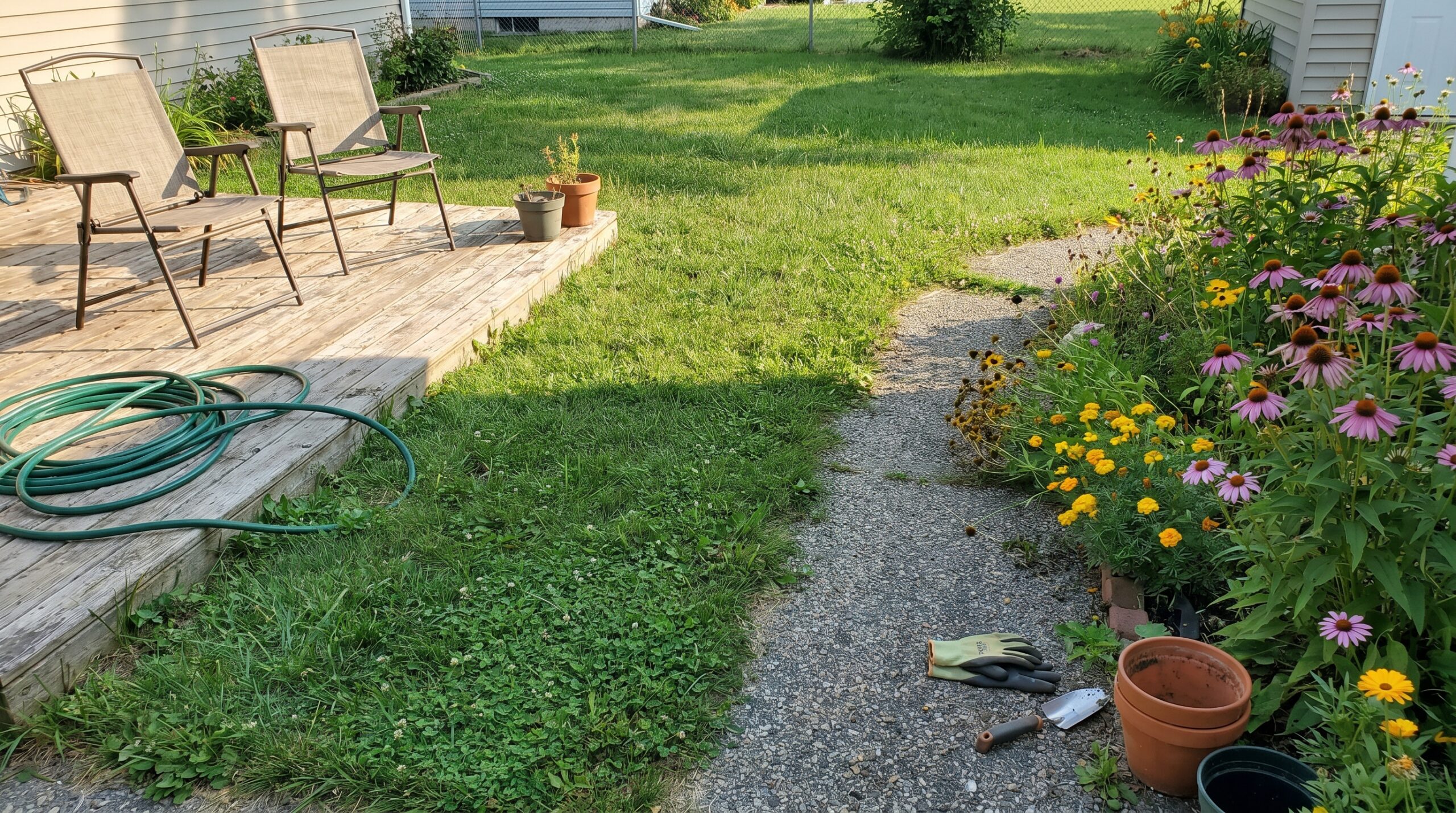
My own journey into backyard gardening taught me this lesson the hard way. About twelve years ago, I planted a dense patch of sweet alyssum and lavender too close to my main walking path, resulting in a summer spent dodging angry bees just to tend to my garden hose. However, there is hope. You can cultivate a pollinator-friendly garden without compromising your comfort or safety.
This guide will explore my personal backyard setup, how to arrange flower placements, and the common missteps that lead to bee encounters. Understanding bee behavior is essential to creating a harmonious outdoor environment.
The Reality of Backyard Bee Behavior
Many misconceptions surround bees, often portraying them as aggressive creatures eager to sting. The truth is, bees are mainly focused on their work—gathering nectar and pollen. They are more like diligent workers than ferocious attackers.
To cultivate a bee-friendly garden, you don’t need to eliminate flowers from your landscape. Instead, the key lies in organizing your layout strategically to keep the buzzing traffic away from human areas. This involves creating boundaries that divert bees from high-traffic zones. I often recommend using lush greenery as a natural barrier to guide bee movement away from where people gather.
Bees have varying comfort zones depending on their species. Bumblebees are generally docile and heavy, while honeybees are more focused but can become agitated if disturbed. Wasps, on the other hand, can be more aggressive, and it’s important to recognize which types you are attracting to avoid unwanted encounters.
New gardeners often panic when they see bees swarming in their gardens, assuming their layout is perfectly fine. Conversely, a lack of bees can lead to questions about why plants aren’t producing fruits. Understanding the environment from a bee’s perspective is critical to successful gardening.
Signs Your Current Garden Layout is Inviting Trouble
If you’re experiencing certain issues in your garden, there’s no need to overhaul everything immediately. Small, mindful adjustments can dramatically improve the experience for both you and the bees.
The way bees perceive your garden differs greatly from how you see it. While you might view your yard as a simple collection of plants and paths, bees see a complex landscape filled with scents, colors, and airflow patterns.
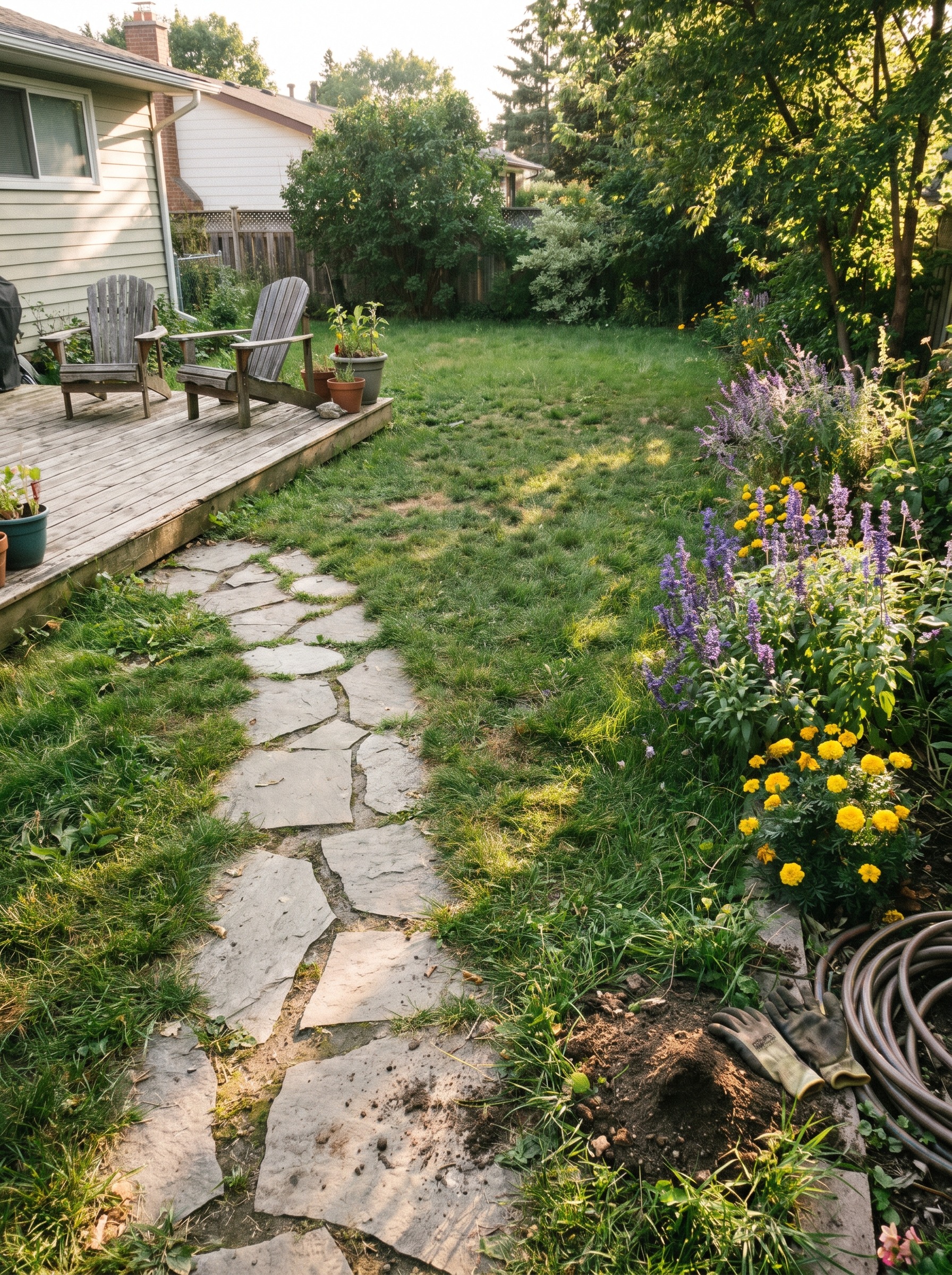
Bees prefer calm environments, so if your yard is too open and windy, they will gravitate toward sheltered areas. For instance, if your porch is the quietest spot, expect to find bees congregating there. Installing taller shrubs or lattice fencing can help create a calm microclimate, drawing bees away from your living spaces.
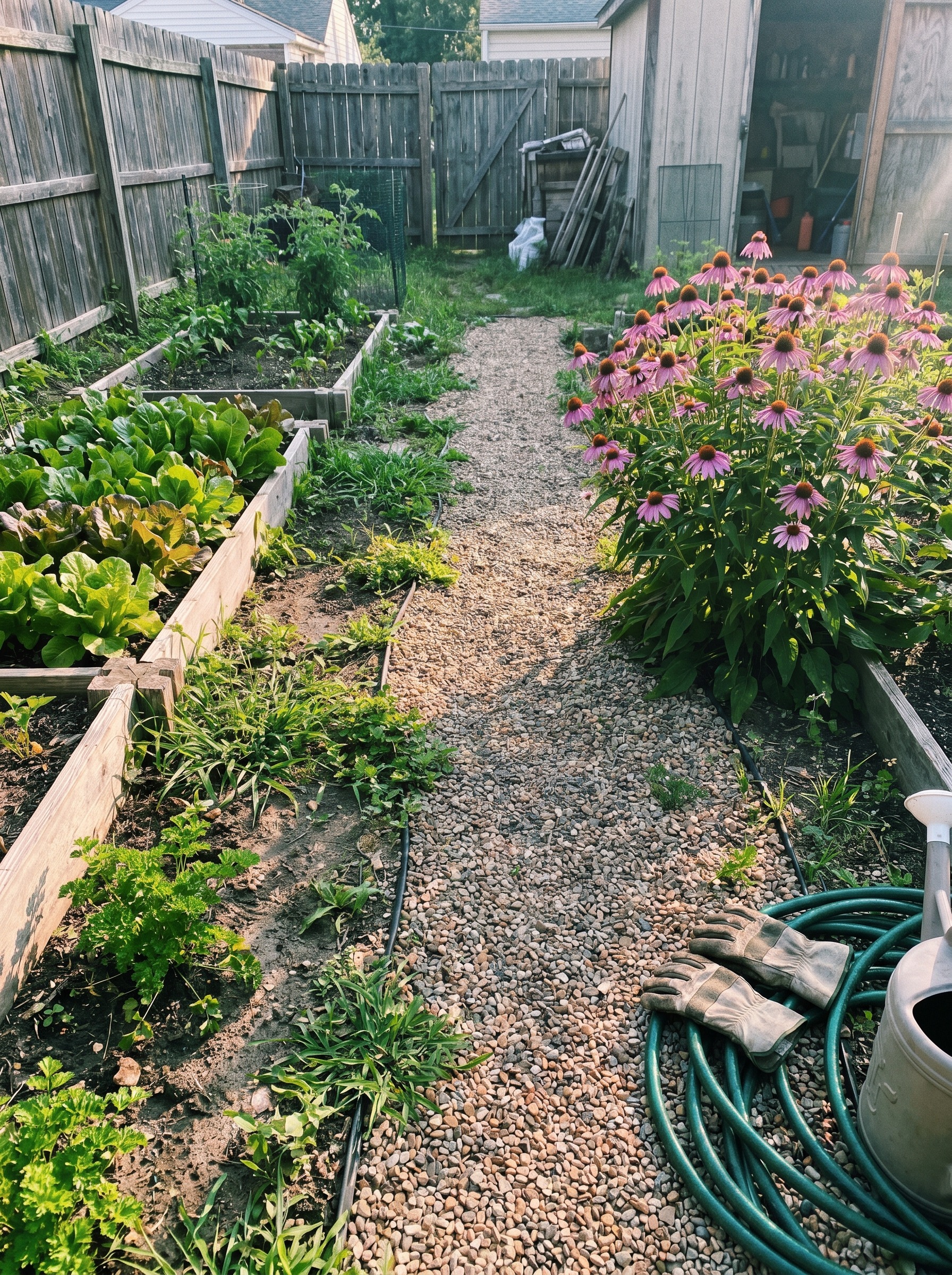
Many gardening blogs overlook the importance of flower arrangement. Randomly scattered flowers force bees to search extensively, leading to them crossing paths with human activity frequently. In contrast, planting dense clusters of the same flower type allows bees to forage efficiently, minimizing their need to wander into areas where people are present.
Root Cause Breakdown: Why Layouts Fail
A garden layout can fail for various reasons, often stemming from poor planning or misunderstanding bee behavior. A common mistake is failing to create designated areas for bees to thrive away from human traffic.
For example, if your main seating area is sunny while your flower beds are shaded, bees will naturally gravitate towards the sun, which can lead to unwanted encounters. By observing how light interacts with your space, you can better position your plants to encourage bees to move where you want them.
Another issue arises from the overwatering of plants. Excessive watering can dilute the sugar concentration in nectar, making it less appealing to bees. This leads to more bees lingering in one area as they work harder for the nutrients, increasing the chances of interaction with people.
To create an efficient garden space, focus on practices that promote healthy soil and balanced watering, ensuring that flowers produce high-quality nectar. This encourages bees to be more efficient in their foraging and reduces their lingering time in areas frequented by humans.
The Problem With Clumped vs. Scattered Food
The arrangement of food sources in your garden significantly impacts bee behavior. Clumping flowers together creates a more attractive and accessible feeding ground for bees, while scattered flowers can lead to confusion and unwanted close encounters.
When flowers are planted in dense patches, bees can easily identify their food source and stay focused on foraging in one area. This minimizes their need to wander and increases the efficiency of their feeding habits.
Conversely, if flowers are isolated or spread too far apart, bees will waste time searching for the next flower, increasing their flight time through areas where people are active. This can lead to more interactions and potential stings.
Additionally, the type of flowers you choose matters. Opt for varieties that bloom at different times throughout the season to provide consistent food sources for bees while ensuring that they remain concentrated in specific zones.
Overwatering vs. High Nectar Production
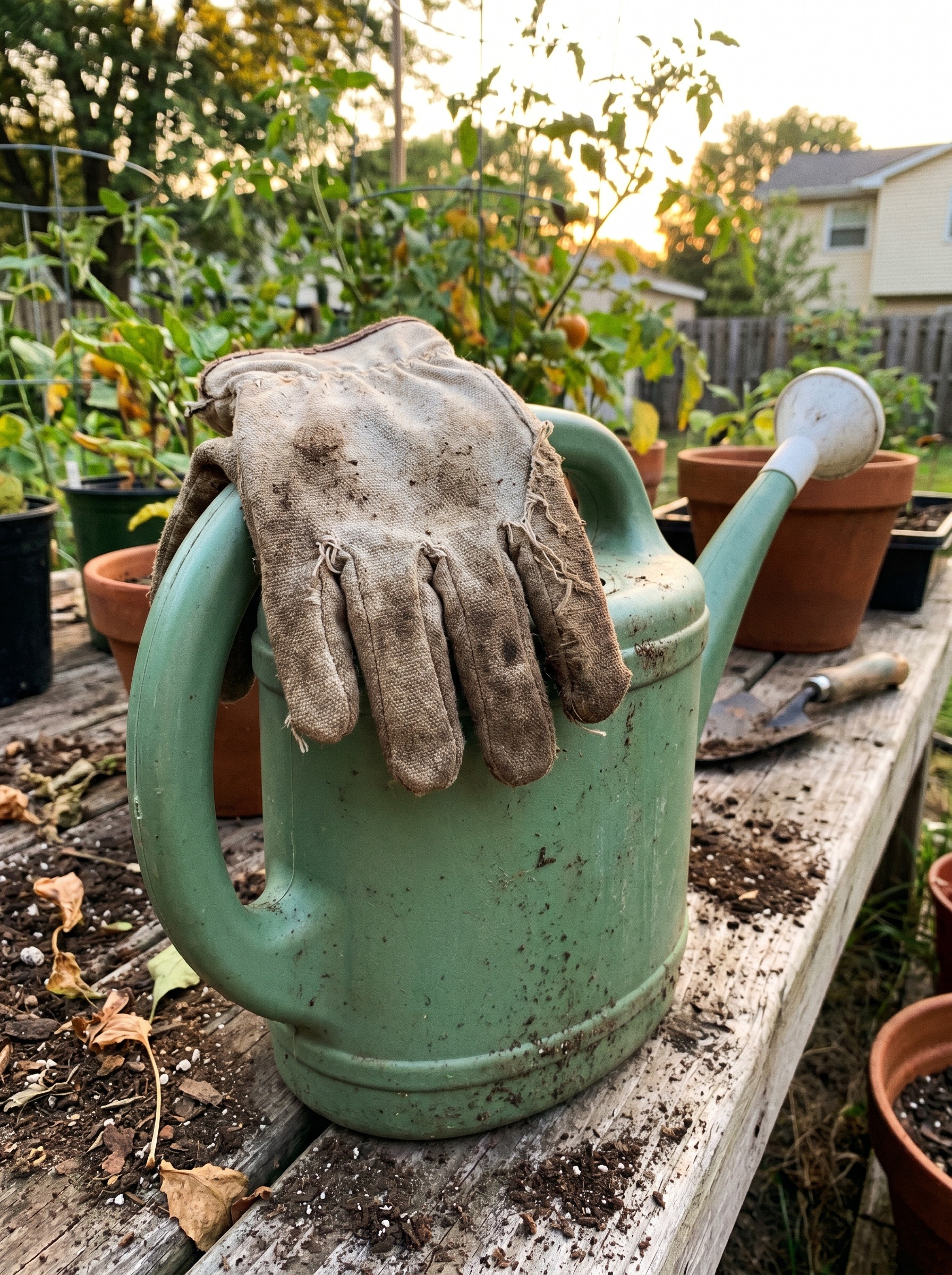
Managing water levels in your garden is crucial for attracting bees. Overwatering can dilute nectar, making it less appealing and forcing bees to work harder for nutrients.
When nectar is of high quality and concentrated, bees can quickly gather what they need and move on, reducing the overall number of bees hovering around any one spot. This efficiency is key to preventing dense gatherings that can lead to stings.
In contrast, if your flowers are too watered down, bees may linger longer than necessary, increasing their chances of coming into contact with people. By practicing proper soil management and adopting efficient watering practices, you can create a healthier environment for both your plants and the bees.
My Real “Buffer Zone” Layout Strategy
After years of trial and error, I developed a layout strategy that separates my garden into distinct zones to manage bee activity effectively. This Three-Tier Layout allows me to enjoy my garden without the constant worry of bee encounters.
The first tier is your primary living space—where you relax, eat, and entertain. In this area, avoid planting heavy nectar producers. Instead, focus on structural plants, foliage, or low-attraction varieties that beautify the space without drawing bees near.
The second tier consists of your vegetable garden, where plants like tomatoes and peppers thrive. These plants need pollination but generally do not attract swarms of bees. Keeping this area at least ten to fifteen feet away from your main seating area allows for a more peaceful gardening experience.
The final tier is your dedicated pollinator zone, where you can plant the most attractive flowers for bees. This area should be positioned away from high-traffic zones to ensure that bees gather there without interrupting your enjoyment of the garden.
Step-by-Step Layout Installation for Beginners
Creating your bee-friendly garden doesn’t have to be a daunting task. Start with a simple plan to assess your space and how to best use it. Begin by observing how sunlight moves across your yard throughout the day.
Identify the areas that receive the most sunlight, as this is where you should place your pollinator zone. Give yourself a generous perimeter around your seating area to ensure that no heavy nectar producers are planted nearby.
When selecting plants, consider buying multiple specimens of the same species to create dense patches. A cluster of purple salvia is easier for bees to spot than scattered individual plants. This clustering will streamline their foraging process and keep them focused away from your living areas.
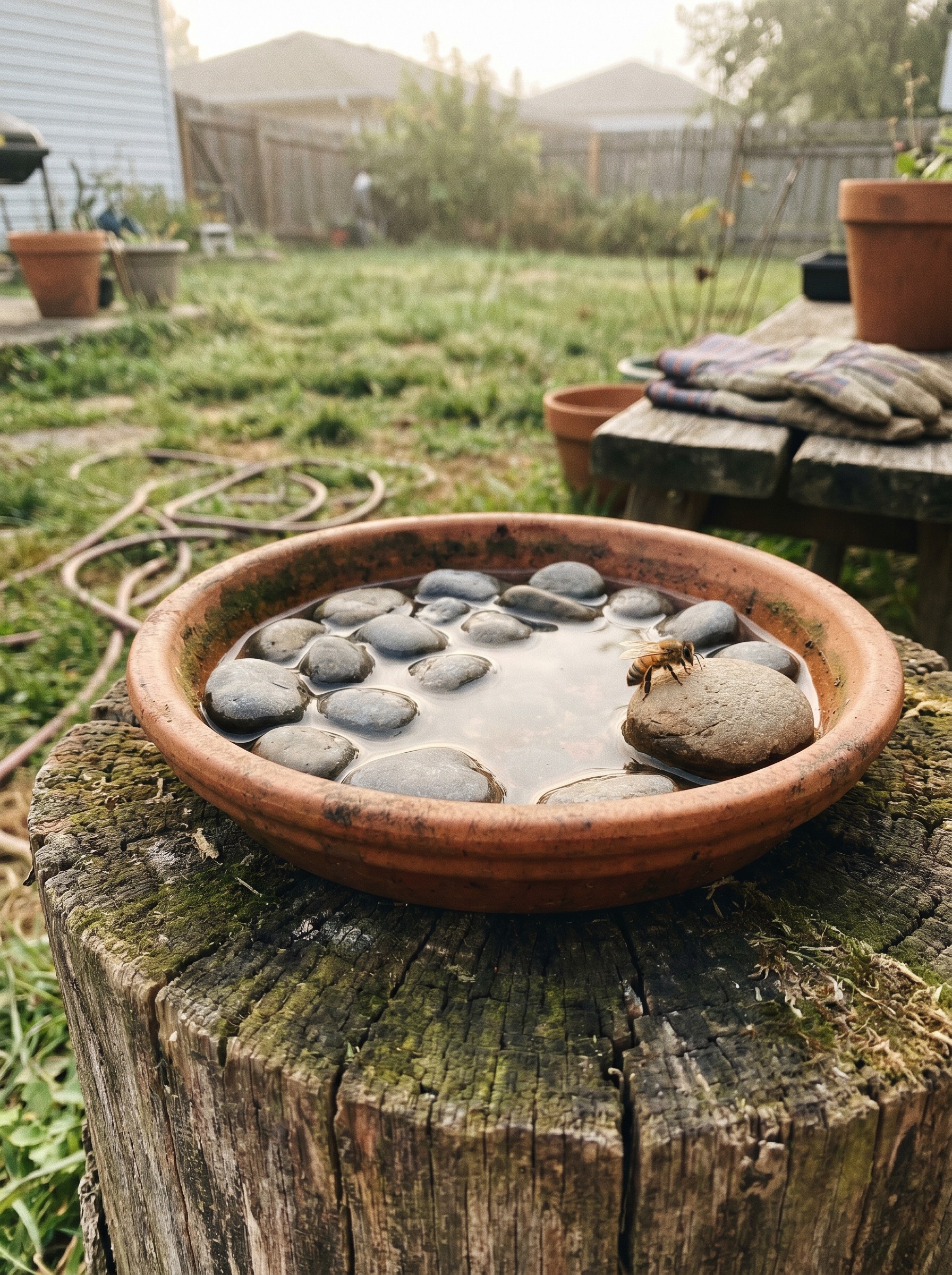
Additionally, don’t forget to provide a water source for bees. A shallow dish filled with clean stones allows bees to land safely while they hydrate, preventing them from being drawn to your outdoor gatherings.
Container Gardens vs. Raised Beds vs. Large Yards
When planning your garden layout, consider the size and type of space you have. Container gardens, raised beds, and large yards each offer unique opportunities and challenges for managing bee behavior.
If you’re working with a small space, like a balcony, consider using tiered plant stands to elevate your pollinator plants. This forces bees to fly above your head, reducing the chance of abrupt encounters.
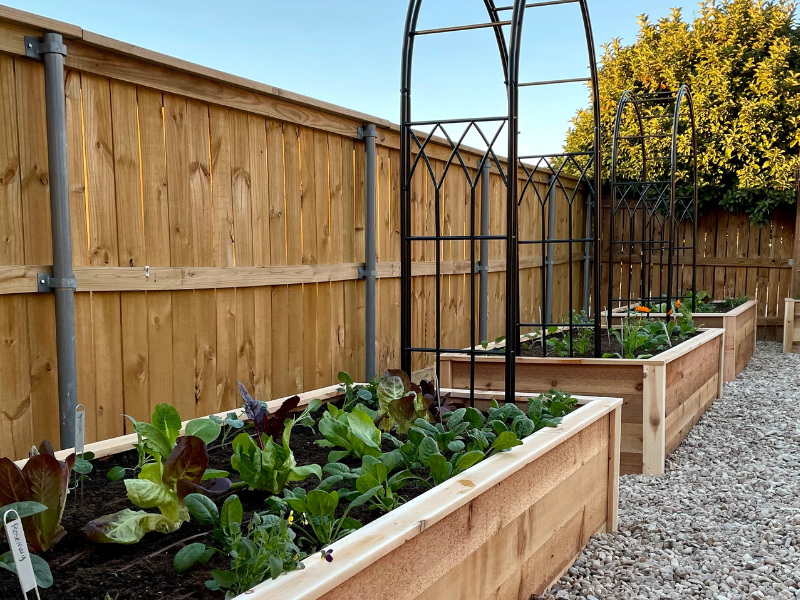
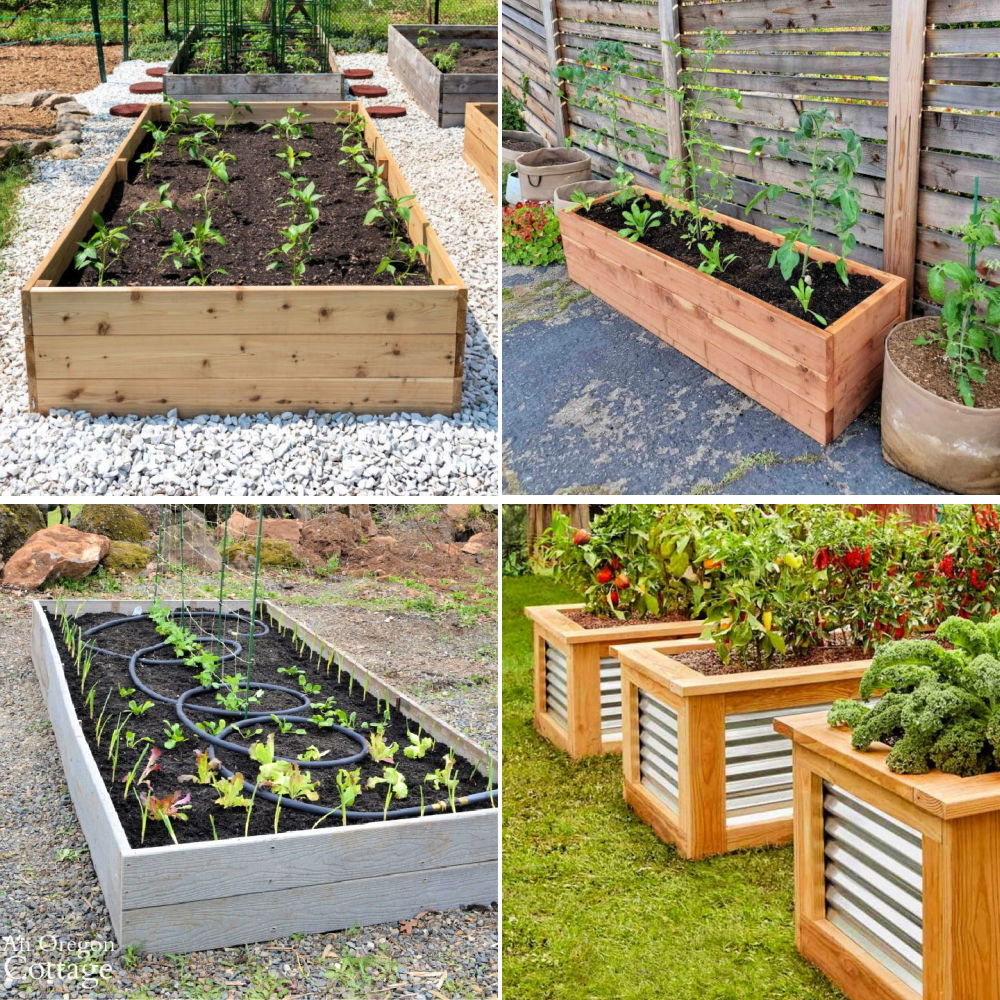
Raised beds can also be effective, but be mindful of where you place your flower borders. Position them on the back sides of the beds, away from where you typically stand to tend to your vegetables. This keeps bees at a safe distance while allowing you to maintain your garden effectively.
For larger yards, the same principles apply, but you have more freedom to create distinct zones. Focus on maintaining clear paths and ensuring that your pollinator zones are easily visible but physically distanced from your daily routines.
Seasonal Movement Patterns in the United States
Understanding the seasonal behavior of bees is essential for successful gardening. In early spring, bees emerge from hibernation, eager for food sources as they search for nectar and pollen.
By mid-summer, bee populations peak, and they will be more widespread as they seek nourishment. During this time, ensuring a dedicated pollinator zone becomes crucial to prevent bees from venturing into your living spaces.
As autumn sets in, bee activity may slow down. Bees become less active as temperatures drop, and food sources dwindle. Providing ample space and reducing interactions during this time is vital for their survival as they prepare for winter.
By tracking these seasonal patterns, you can adjust your garden management strategies accordingly and create a more harmonious environment for both you and the bees.
Real Layout Mistakes I Made So You Don’t Have To
Throughout my gardening journey, I’ve made numerous mistakes that have taught me valuable lessons. One of my biggest blunders was planting a border of English lavender along my main walking path, thinking it would enhance the aesthetic appeal.
While the lavender looked beautiful, it quickly grew into large bushes that obstructed my path. Bees didn’t want to sting me, but when my legs brushed against the flowers, it startled them, resulting in stings.
Another mistake I made was indiscriminately scattering wildflower seeds across my vegetable patch. This resulted in a chaotic mix of plants that made harvesting my tomatoes a treacherous endeavor, as I had to wade through buzzing insects to reach my crops.
Lastly, I once placed a pollinator border too close to a large oak tree, which cast deep shade in the morning. As a result, bees ignored those flowers and flocked to other sunny areas instead. Learning from these mistakes has been essential to creating a safer garden layout.
Simple Setup Costs & Real Budget Estimates
Creating an effective bee-friendly garden does not necessitate a large budget. You can start small and gradually expand your zones over time.
Investing in a few perennial plants that return each year will yield significant benefits. Focus on quality plants rather than cheap seed packets that may not germinate well.
You don’t need complicated setups or gadgets. A well-thought-out design and a few key plant selections can achieve the desired balance between attracting pollinators and ensuring your comfort.
Additionally, consider that maintaining a clean outdoor environment will help minimize unwanted pests like wasps, which are more attracted to rotting food than flowering plants.
Bringing Balance Back to Your Space
Creating a balanced garden space means acknowledging that it’s a living ecosystem. You can’t sterilize nature, nor should you want to. Embracing the natural behaviors of bees allows for a more peaceful coexistence.
Once you shift your mindset and focus on factors like sunlight, airflow, and plant density, the fear of bees diminishes. It is entirely possible to cultivate a thriving garden that benefits from natural pollination while enjoying a tranquil outdoor space.
By setting clear boundaries and maintaining wide walking paths, you can ensure that bees have their designated areas, allowing you to enjoy your backyard without fear of stings. The result will be a beautiful garden filled with flourishing plants and happy pollinators.
Essential Planning Checklist (Before You Start)
Before diving into your gardening project, it’s essential to have a solid plan in place. Start by mapping out your space and identifying key features such as sunlight exposure and existing structures.
Next, determine the layout of your different zones, ensuring that your seating area is well isolated from pollinator plants. Additionally, make a list of the types of plants you’d like to incorporate, focusing on those that attract bees while maintaining a safe distance from your main activities.
Consider how you will manage watering to promote high nectar production and minimize bee congestion in areas where you spend time. Lastly, include a plan for providing a water source for bees to keep them hydrated while reducing their presence around your living spaces.
Airflow and Flight Paths
Understanding airflow is crucial for managing bee behavior in your garden. Bees are sensitive to wind and prefer calm environments for foraging. If your yard is too open, bees will seek shelter in protected areas, which may inadvertently lead them closer to your seating spaces.
Planting taller shrubs or installing fencing can help create a more sheltered environment that encourages bees to stay away from human activity. Providing dense, lush areas for bees to thrive reduces their need to hover near where people are present.
By creating a well-planned airflow pattern, you can direct bee movement toward the designated pollinator areas while keeping your living spaces free from unwanted encounters. This will lead to a more enjoyable outdoor experience for everyone.
Sunlight Mapping
Sunlight plays a vital role in gardening and determining where to position your plants. Observing how sunlight shifts across your yard during the day will help you identify the best spots for your pollinator plants.
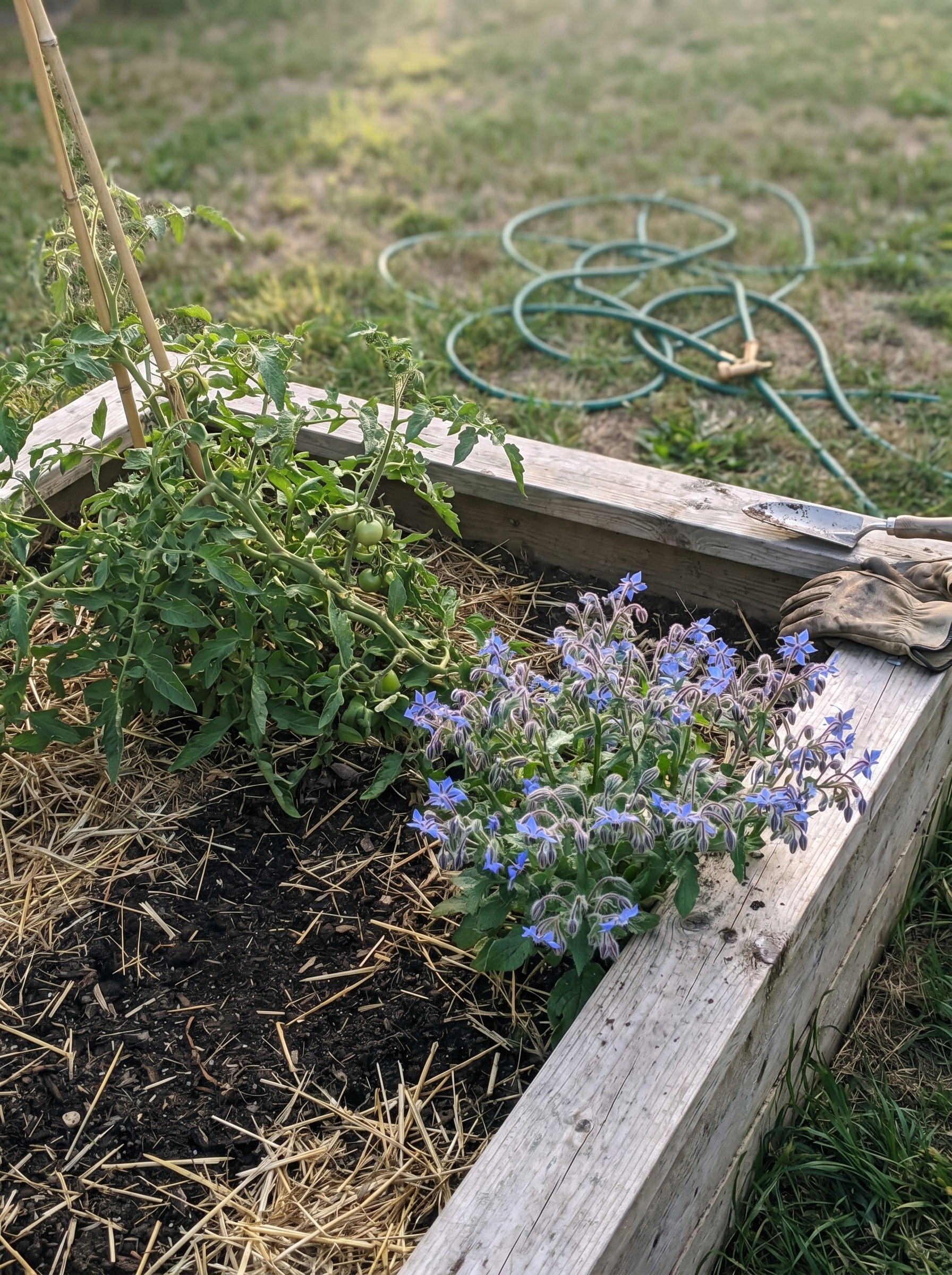
Bees are attracted to sunny areas, so ensure that your main pollinator zone receives ample sunlight throughout the day. If your flower patches are situated in shaded areas, bees will naturally avoid them, diminishing their effectiveness.
By mapping out sunlight patterns in your yard, you can make informed decisions about where to plant to maximize bee activity while keeping their flight paths away from where you spend your time. This thoughtful approach will create a thriving environment for both your garden and the bees.