How to Start a Vegetable Garden in 5 Simple Steps
Starting a vegetable garden may seem overwhelming at first, but it’s much more straightforward than you might think. With just a few essential components like sunlight and a selection of easy-to-grow crops, you can create a thriving garden. The key is to grasp the specifics of your soil and climate to ensure a fruitful harvest from the very first season. Here’s how to get started on your journey to growing fresh food.
To kick off your gardening adventure, begin by choosing a location that receives ample sunlight, ideally at least six hours of direct light each day. This is crucial for the healthy growth of most vegetables.
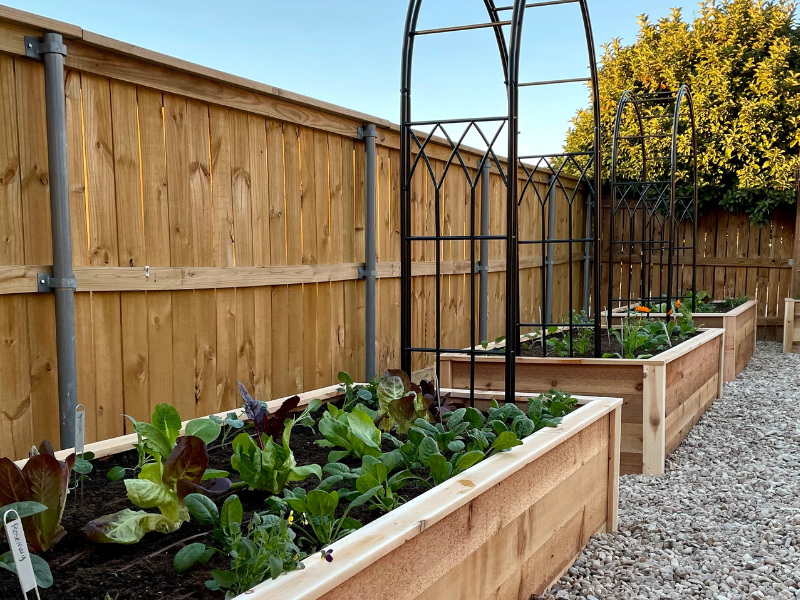
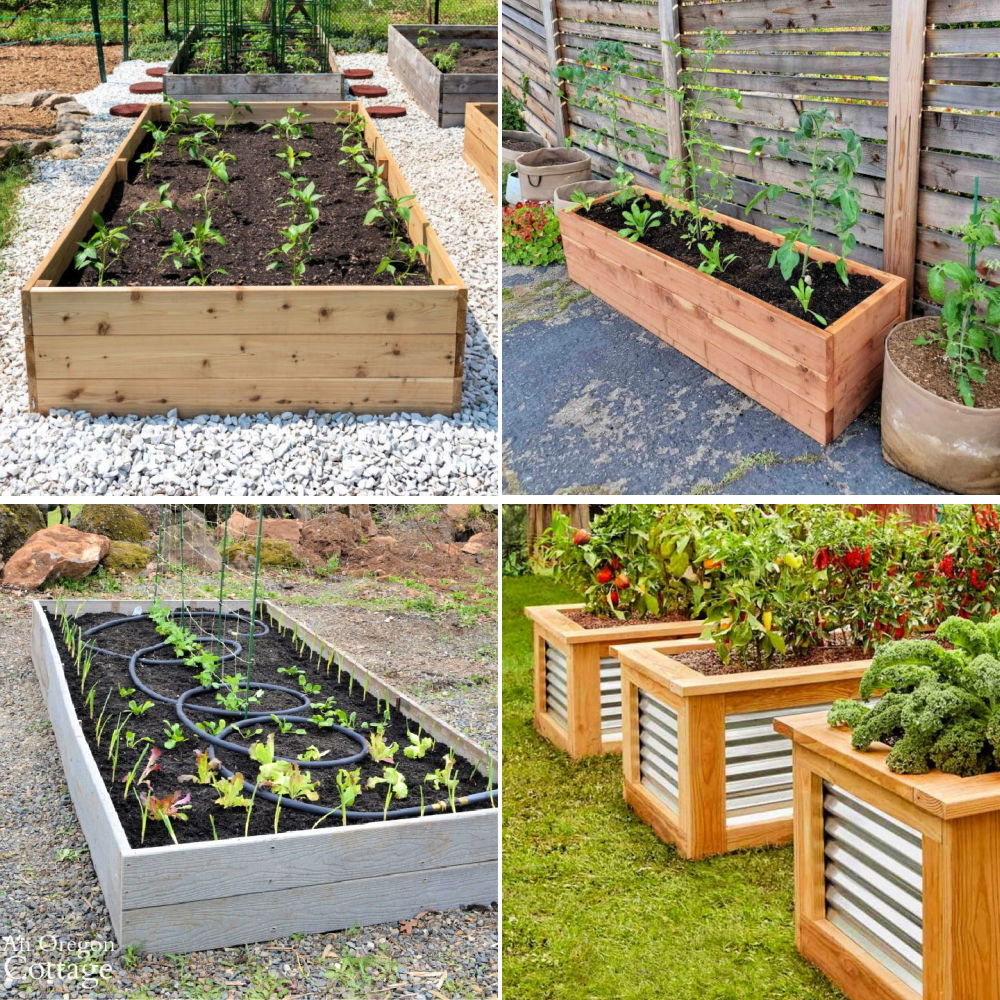
Your next decision involves selecting between in-ground garden beds or container gardening, making sure both options provide adequate drainage to prevent waterlogging.
Once you’ve determined your location and structure, it’s time to invest in quality soil or compost. Healthy soil is the cornerstone of any successful garden, giving your plants the nutrients they need to thrive.
Finally, select beginner-friendly crops like tomatoes, lettuce, or radishes from a local nursery. As you plant your seeds or seedlings, follow the instructions on their packets regarding depth and spacing. By systematically addressing these fundamentals, you’re setting the stage for a rewarding gardening experience.
How to Understand Your Garden Climate Zone
Have you ever noticed that certain plants flourish in your neighbor’s garden while struggling in yours? Often, this discrepancy is a result of different climate zones.
Your garden’s climate zone is determined by its average minimum winter temperature, which plays a significant role in determining which plants can survive during the colder months. Fortunately, you can easily find your specific zone by using online tools such as the USDA Plant Hardiness Zone Map. Just input your zip code, and you’ll be provided with valuable information.
Understanding your climate zone is essential; it helps you select plants that are suited for your area, thus preventing disappointment and wasted effort in your gardening endeavors. Always double-check any seed packets or plant tags for the recommended zone information.
This straightforward step empowers you to work in harmony with nature, laying a solid foundation for your garden’s success.
How to Pick the Perfect Garden Location
Choosing the right location for your garden can make all the difference in whether it thrives or merely survives.
To start, ensure that your garden site receives full sun; most vegetables require a minimum of six to eight hours of direct sunlight each day. Observing the area throughout the day will help you confirm how much light it truly gets.
Next, consider accessibility and the proximity to a water source. Positioning your garden close to your home and near a water supply will encourage you to visit and water it consistently.
Good drainage is another critical factor; areas that accumulate puddles after rain may indicate poor drainage, which can hinder plant growth. Lastly, steer clear of locations exposed to strong winds or those situated near large trees and shrubs, as their roots will compete for vital water and nutrients while casting unwanted shade over your sun-loving crops.
How to Check and Fix Your Garden Soil
Now that you’ve selected a sunny and accessible location, the next step is assessing the soil you’ll be planting in. Healthy, nutrient-rich soil is vital for growing great vegetables.
To evaluate your soil, grab a handful; it should feel crumbly and moist, not compact like clay or dry like sand. A simple drainage test can be performed by digging a hole and filling it with water. If the water drains too quickly, your soil may require more organic matter to retain moisture. Conversely, if water pools for hours, it indicates that you need to improve aeration.
A universal solution for both issues is to mix in substantial amounts of compost. Compost not only enriches the soil with essential nutrients but also enhances its overall texture, creating an ideal environment for your plants to flourish.
7 Easy Vegetables for Your First Garden
Starting your first vegetable garden can be exhilarating, but opting for forgiving plants will help you navigate those early gardening challenges. Easy-to-grow vegetables will allow you to build confidence and yield quicker results.
Focus on varieties that grow rapidly, can tolerate a range of growing conditions, and require minimal care. These reliable options won’t leave you feeling disheartened if your watering schedule isn’t perfect or if you encounter a few pests along the way.
Should You Start From Seeds or Young Plants?
Once you’ve selected your easy crops, the next decision is how to introduce those plants into your garden. You can typically choose between starting from seeds or buying young starter plants from a nursery.
Seeds often provide a broader variety at a lower cost, allowing you to experiment with unique heirloom tomatoes or specific types of beans. However, this method requires more time, attention, and patience, particularly for beginners.
On the other hand, starter plants offer a significant advantage by giving you a head start, reducing the wait time for your first harvest. While they may be pricier, they’re ideal for crops like tomatoes and peppers, which have longer growing seasons. A practical approach for your first garden is to use a combination of both: choose starter plants for key items and directly sow easy, quick-growing seeds like lettuce and radishes.
Essential Tools for Your New Vegetable Garden
When it comes to the essential tools for your new garden, you don’t need an extensive or expensive collection. Instead, focus on acquiring a few reliable basics that will make your gardening tasks easier and more efficient.
Quality is more important than quantity; a handful of well-crafted tools will serve you well for many seasons.
Whether you’re planting directly in the ground or using containers, creating a healthy environment for your plants is your first real step toward a bountiful harvest.
How to Prepare Your Garden Bed or Container
For in-ground beds, the first task is to clear away all weeds and grass to create a clean slate. Loosen the soil deeply with a shovel or garden fork to about 12 inches, breaking up any large clumps that may hinder root growth. After that, enrich the soil by mixing in several inches of compost or aged manure; this will improve drainage and provide essential nutrients.
If you’re using containers, ensure they have adequate drainage holes. Fill them with a high-quality potting mix, avoiding dense garden soil. Pre-moistening the potting mix before planting will create a welcoming environment for your seeds or seedlings.
In both cases, your goal is to achieve loose, fertile, and well-draining soil that gives young roots the optimal conditions to establish themselves.
A Simple Guide to Planting Your First Vegetables
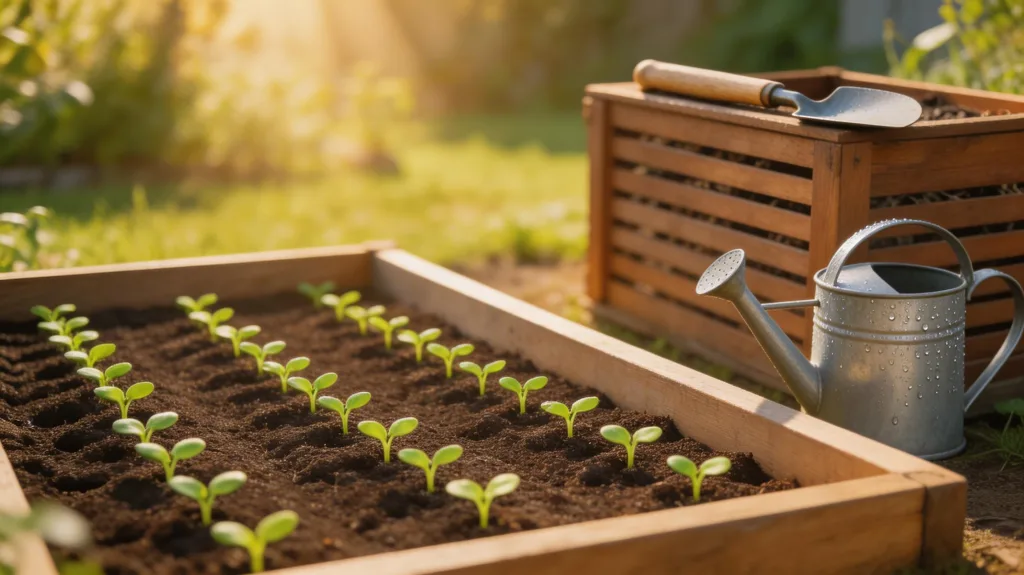
With your garden bed or container prepared, you can now move on to the enjoyable part: planting your seeds and seedlings. Start by consulting seed packets or plant tags for specific spacing and depth requirements.
It’s crucial to plant seeds at the recommended depth and give seedlings sufficient room to grow. After planting, water gently to settle the soil around your new plants.
Once your seeds and seedlings are settled into their new home, their immediate need becomes consistent moisture. Rather than adhering to a rigid schedule, your watering frequency will depend on factors like weather, soil conditions, and plant types. To check the soil moisture, push your finger about two inches into the ground; if it feels dry, it’s time to water.
How Often Should You Water Your Vegetable Garden?
For newly planted seedlings, you may need to water daily, transitioning to deeper, less frequent watering once your plants are established. Aim to water the soil thoroughly in the morning, as this encourages strong root development and minimizes evaporation. Avoid light, daily sprinklings that only dampen the surface.
Your goal is to maintain evenly moist soil—not saturated or bone dry—to support healthy growth without stressing your plants.
How to Feed Your Plants With Natural Fertilizers
Providing a steady supply of nutrients through natural fertilizers is essential for building rich, living soil that fuels your garden’s growth. These organic materials nourish both your plants and the beneficial microbes that create fertile earth, allowing you to skip chemical fertilizers that may harm the ecosystem.
Start by adding a few inches of compost each season when you prepare your beds; it serves as a complete, slow-release food source. For a quick nutrient boost during the growing season, consider making a simple “compost tea” by steeping a shovel-full of compost in water. Observing your plants and replenishing nutrients as needed will ensure they remain healthy and productive.
How to Identify and Control Common Garden Pests
Regularly inspecting your plants for pests is a proactive way to protect your garden. Check the undersides of leaves for eggs or insects. Learn to identify common culprits: tiny green aphids, shiny trails left by slugs, and holes made by cabbage worms.
When it comes to control, start with physical methods. Hand-picking larger pests can be effective, while a strong spray of water can dislodge aphids. You can also use barriers like floating row covers to prevent moths from laying their eggs.
Encouraging beneficial insects like ladybugs that naturally prey on aphids can also help maintain pest control. If a spray is necessary, opt for insecticidal soap, which targets soft-bodied pests without harming your plants.
Simple Weeding Strategies to Save You Time
To stay ahead of weeds, tackle them early and often; removing them promptly prevents them from overtaking your garden.
Developing a few smart habits can make weeding more manageable. Even though starting a vegetable garden is thrilling, you might encounter some common challenges that can be disheartening if you’re unprepared. Quickly diagnosing problems is crucial: pale or spindly plants may require more sunlight, while yellowing leaves could indicate overwatering, suggesting you should let the soil dry slightly between waterings.
How to Fix Common Beginner Garden Problems
If seedlings suddenly die, you might be dealing with “damping off,” so ensure your soil is not overly wet and use clean containers. Nutrient deficiencies can cause unusual leaf colors; adding a balanced organic fertilizer can help rectify this.
Don’t panic if a plant fails; every setback is a learning opportunity. Most issues can be addressed with simple fixes, and your garden will come back stronger.
When and How to Harvest Your Vegetables for Peak Flavor
After successfully navigating your gardening challenges, the focus shifts to the gratifying moment of harvesting your produce. Timing your harvest is crucial for optimal flavor and texture.
Learn to judge readiness based on visual cues, touch, and size rather than relying solely on the calendar. Use a sharp knife or scissors to make clean cuts, avoiding damage to the plants, and enjoy your harvest immediately to experience peak freshness.
How to Plan for a Continuous Vegetable Harvest
You can often extend your garden’s bounty throughout the growing season with thoughtful planning and simple techniques. For starters, practice succession planting; instead of sowing all your seeds at once, plant small batches of fast-growing crops like lettuce or radishes every two weeks. This strategy helps produce a steady supply instead of one overwhelming harvest.
Another effective technique is interplanting crops with varying maturity rates. For example, you can sow quick-growing spinach between slower-growing broccoli plants. Additionally, after harvesting an early crop like peas, immediately replant that space with a heat-loving vegetable such as beans.
Lastly, consider choosing vegetable varieties labeled as “early,” “mid-season,” and “late” to stagger their harvest windows naturally. Keeping notes on your gardening experience will aid in refining this process for future seasons.
Beginner’s Guide to Container Vegetable Gardening
Container vegetable gardening opens up new avenues for growing food, especially in limited spaces. Your success will hinge on three key elements: the right container, appropriate soil, and consistent watering.
This method offers flexibility and manageability, making it an excellent choice for beginner gardeners.
What to Grow in a Shady Garden Spot
Don’t let a shady garden location deter you; it can be a perfect opportunity for growing a variety of delicious and resilient vegetables. Many leafy greens actually prefer protection from intense afternoon sun.
Spinach, kale, lettuce, and Swiss chard thrive in these conditions, along with fast-growing options like arugula and mustard greens. For herbs, consider planting mint, parsley, and cilantro.
While root crops typically require more light, you can experiment with radishes and beets, as they can tolerate partial shade, although they may grow a bit slower. Understanding that “partial shade” means about 3-6 hours of sunlight daily, especially in the morning, will help you maximize your garden’s potential.
How to Save Money on Your First Vegetable Garden
Starting a vegetable garden doesn’t have to strain your wallet. You can significantly reduce costs with a few strategic decisions, transforming your first season into an affordable learning experience.
Prioritize your spending on essentials like quality soil and seeds, while getting creative with other supplies. Consider upcycling containers or using items you already have at home.
Essential Tips for a Low-Maintenance Vegetable Garden
A low-maintenance vegetable garden often begins by working with your space rather than against it, saving you time and effort in the long run. Choose a sunny, level location with easy access to water. Opt for disease-resistant and prolific varieties, such as cherry tomatoes or zucchini, which tend to produce reliably with less fuss.
Enhance your soil once by incorporating compost; this builds fertility and improves drainage, minimizing future care needs. Mulching heavily with straw or shredded leaves can suppress weeds and retain moisture, reducing the frequency of watering. Finally, practice succession planting by sowing quick crops like radishes between slower-growing plants, maximizing yield from a single, well-prepared area without constant replanting.
How to Store Your Garden Vegetables to Last
After harvesting your beautiful bounty, you’ll want to make it last as long as possible. Proper storage is key to enjoying your produce for weeks or even months.
Different vegetables have unique storage needs, so it’s essential to treat each type accordingly. Always inspect your vegetables for any damage before storing and remove unhealthy pieces to prevent spoilage from spreading.
How to Expand Your Garden Next Season
Once you’ve enjoyed your harvest, thoughts will naturally turn toward what you might grow in the next season. Expansion is about optimizing your space and trying new crops. Begin by evaluating this year’s successes and failures—grow more of what thrived. You can boost yield by adding raised beds or containers or by utilizing vertical space with trellises.
Consider making one or two simple changes to keep the process manageable and rewarding.
Your Next Steps as a New Gardener
While planning your first garden may feel daunting, remember that every expert gardener started with just a single seed. Embrace this season as the foundation for years of growth and learning.
Your immediate next steps should focus on consolidating what you’ve learned and preparing for future success.
Frequently Asked Questions
Many new gardeners wonder if they can effectively garden without pesticides. The answer is yes; prioritize healthy soil, choose pest-resistant varieties, and encourage beneficial insects. Implement companion planting and handpick larger pests to manage challenges naturally.
The Only Tools You Need for a Thriving Garden 🌱
When it comes to tools, a sunny, well-draining spot near a water source is essential for starting your garden. Build fertile soil by mixing in several inches of compost or aged manure, and ensure you water deeply once the top two inches of soil become dry.
Can I Garden Without Pesticides?
Yes, you absolutely can garden without pesticides. Focus on healthy soil, opt for pest-resistant varieties, and encourage beneficial insects. Implementing practices like companion planting and handpicking larger pests can help manage problems naturally.
What Is Companion Planting?
Companion planting involves pairing certain plants together to enhance their growth. This method can improve soil health, deter pests, and attract pollinators. For example, planting basil near tomatoes can help repel harmful insects.
How Do I Deal With Slugs?
To manage slugs, try handpicking them at dusk or setting beer traps. Additionally, spreading crushed eggshells around plants can serve as a barrier, while copper tape is another effective deterrent. Consistency is key, as slugs can be persistent.
Should I Rotate My Crops?
Yes, crop rotation is advisable as it helps prevent soil-borne pests and diseases from accumulating. Avoid planting the same vegetable family in the same area for at least three years to promote healthier soil and better harvests.
Is It Safe to Use Rainwater?
Using rainwater is generally safe for your garden. Just be sure to collect it from a clean roof and store it in a covered barrel to prevent attracting mosquitoes. Your plants will appreciate the absence of chemicals often found in tap water.