If you’ve ever found yourself gazing at your backyard, side yard, or even a compact patio and felt overwhelmed by the possibilities, you’re definitely not alone. Many people struggle to figure out where to begin their gardening journey, especially in smaller spaces.
For a long time, I believed that having a large piece of land was essential to cultivate a successful garden. However, some of my most fruitful gardening experiences have taken place in surprisingly small areas. It’s fascinating how innovative layouts can turn limited space into a bountiful garden.
If you’re just starting out, you might appreciate my comprehensive guide on how to embark on your homesteading journey without breaking the bank, which covers the most straightforward methods for growing your own food affordably.
Even now that I have more room to work with, I realize that managing multiple gardens can become overwhelming. It’s easy to feel like you can handle a lot, but realistically, the effort required to maintain several gardens can be substantial.
Whether your outdoor area is a narrow side yard, a fenced suburban backyard, or even a sunny balcony, the arrangement of your garden can significantly impact its success. A well-thought-out layout can transform a struggling vegetable patch into a thriving oasis, while a poorly designed space can quickly become a chaotic mess that discourages you from gardening altogether.
Let’s explore what truly works in small garden designs.
Why Your Garden Layout Matters More Than Yard Size
A poorly planned layout can lead to wasted space, overcrowding, and a frustrating experience when it comes to tasks like watering and harvesting. Conversely, a well-organized layout can enhance your gardening experience and yield greater results.
Good garden design is about optimizing your available space. You don’t necessarily need more land; what you really require is a thoughtful and strategic plan. A well-designed layout allows you to maximize productivity in even the smallest of gardens.
One of the key benefits of a great garden layout is that it saves you time and energy. You’ll find that you can move easily between plants, making maintenance tasks more efficient and enjoyable. Plus, a tidy and organized space is more inviting and can even be appreciated by neighbors or homeowners associations.
The Best Garden Layout Styles for Small Spaces
When it comes to small gardens, choosing the right layout style is crucial. Each garden layout has its unique benefits and can be tailored to fit your specific needs and available space. Here are some top choices that work exceptionally well in compact areas.
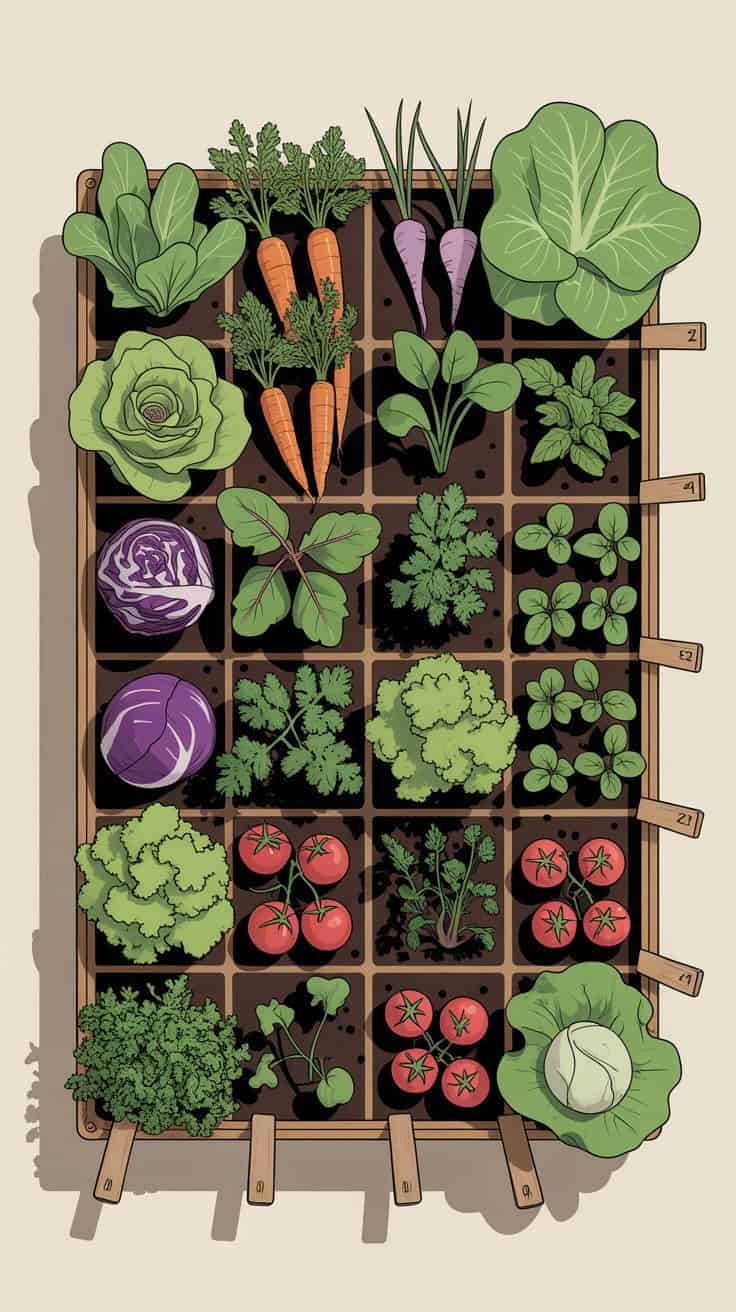
Square foot gardening is one of the most straightforward layouts for beginners. It involves dividing raised beds into smaller square sections, where you plant a different crop in each square. This method keeps everything orderly and prevents overcrowding, allowing you to know exactly where each plant is located.
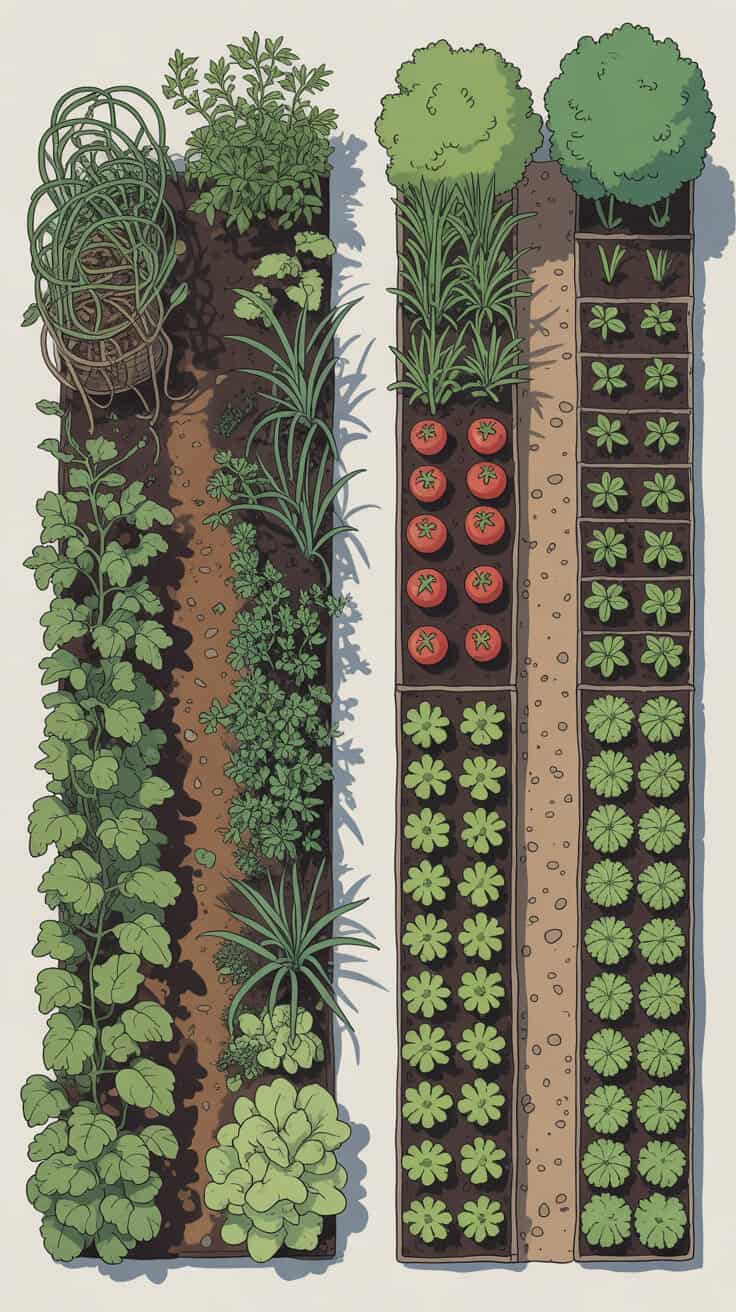
If your outdoor space resembles more of a “bowling alley” than a traditional backyard, a row garden layout might be your best bet. This style is especially useful in long, narrow spaces and is simple to implement. Rows make it easy to tend to your plants while also providing a structured aesthetic.
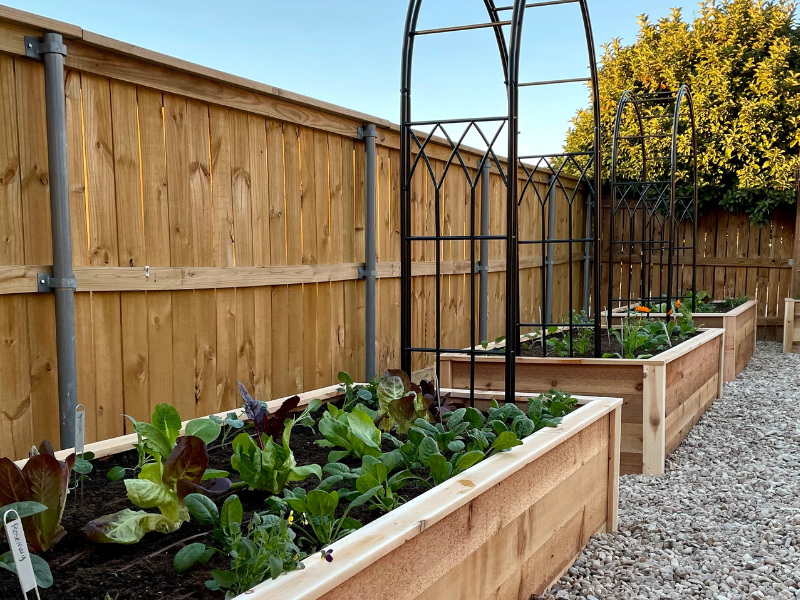
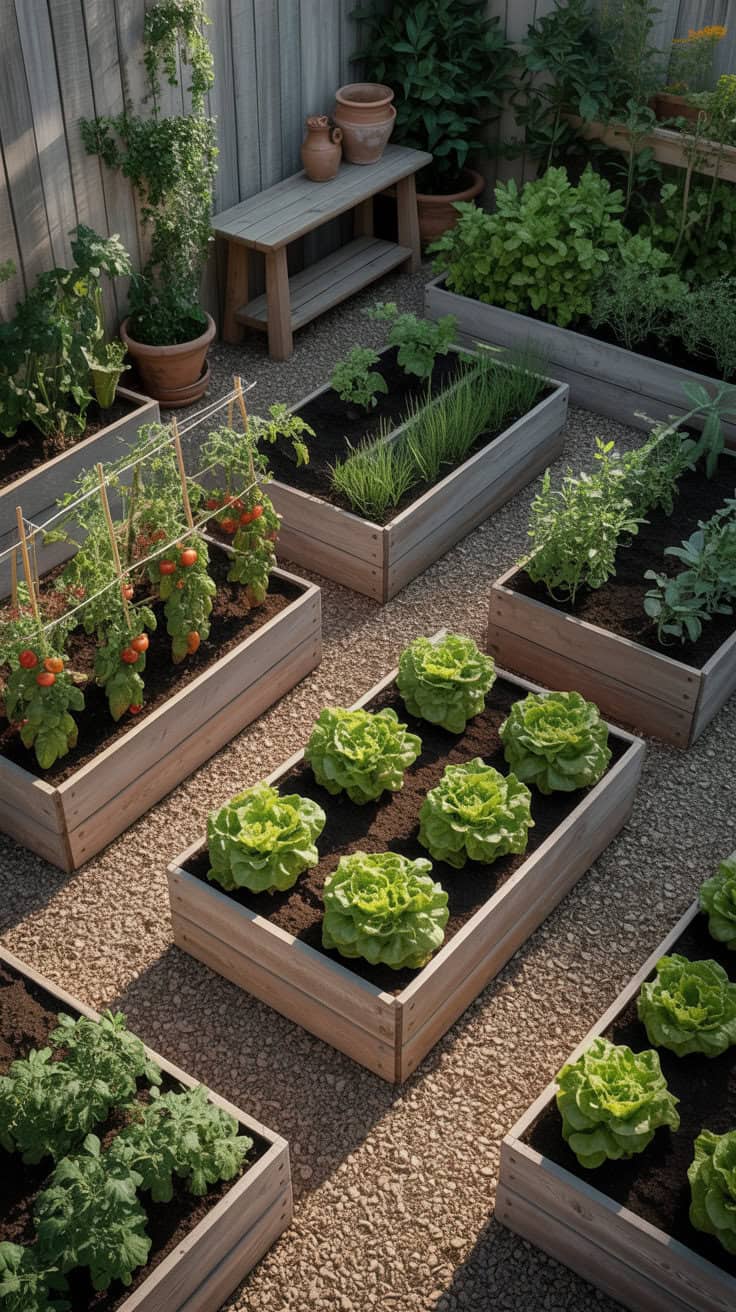
Raised bed grid layouts are not only functional but also visually appealing. With clean paths between beds, you can create an organized and beautiful garden that is easy to navigate. This style works well in family gardens and can accommodate a variety of crops.
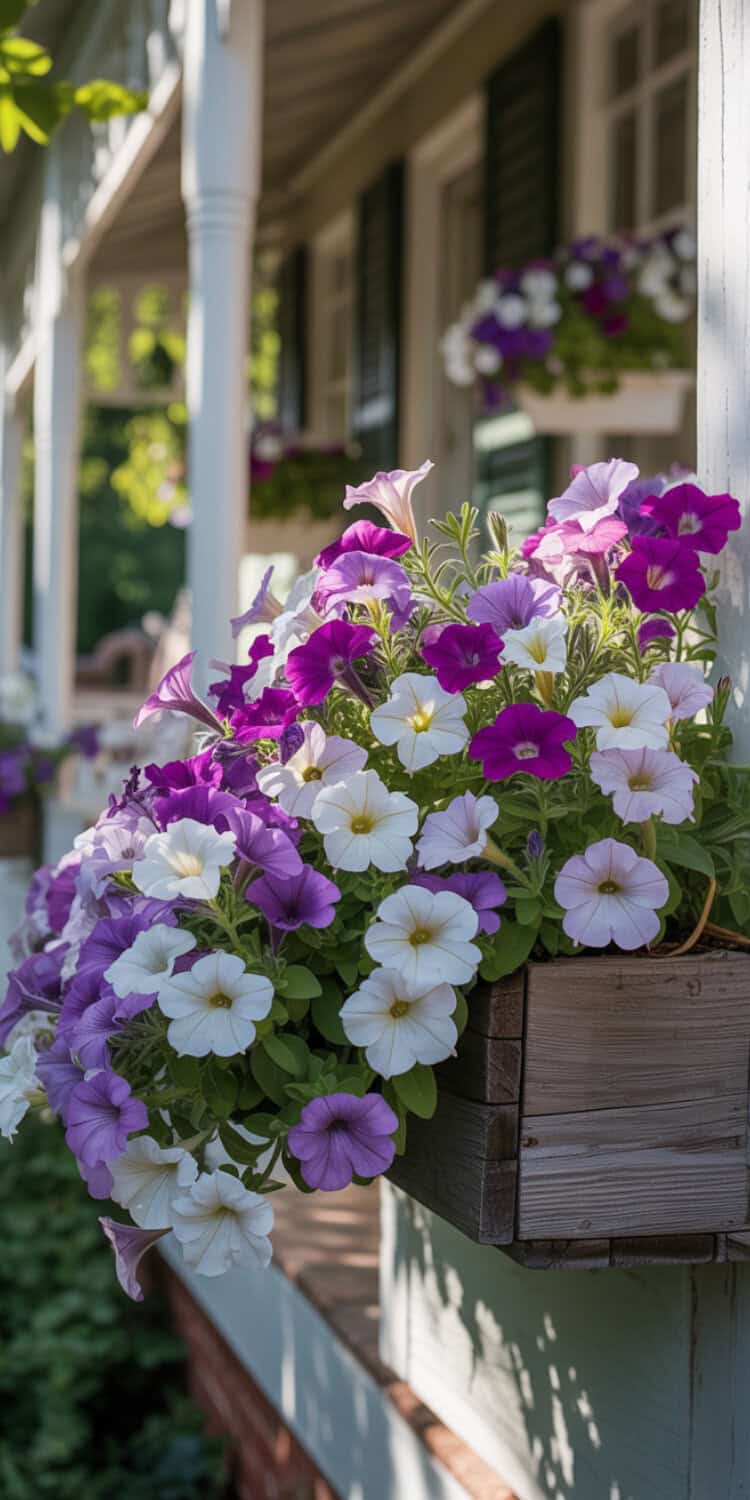
For those without a yard, container gardening is a fantastic alternative. You can cultivate a diverse array of vegetables, herbs, and even flowers right on your patio or balcony. It’s truly amazing how much you can grow in pots, provided you have access to sunlight.
Beginner Garden Layouts That Are Hard to Mess Up
If you’re new to gardening, it’s essential to keep things simple. Starting with layouts that are easy to manage can help you build confidence and ensure success. Here are a couple of layouts that are particularly beginner-friendly.
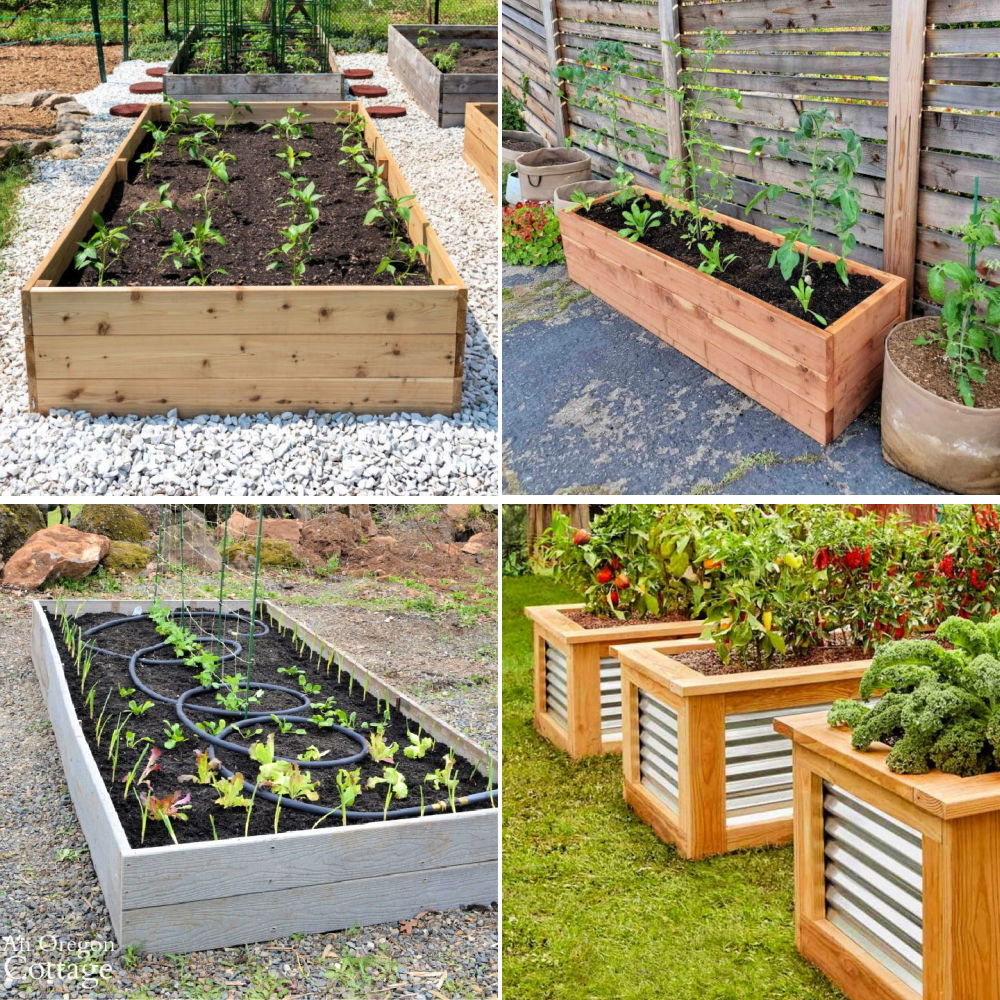
The 4×4 raised bed layout is a favorite among novice gardeners. This design is small enough to be manageable but still offers ample room for various plants. It’s compact, easy to maintain, and ideal for those just starting out.
Another excellent option is the 4×8 raised bed layout, which is perfect for families looking to start a vegetable garden together. This size allows for a broader selection of crops and can feed a small family throughout the growing season.
Both of these layouts are forgiving and can yield real food rather than just practice plants. They simplify gardening by providing clear boundaries for your crops, making it easier to see what you have and how to care for it.
How to Design the Perfect Garden Layout for Your Yard
Designing the ideal garden layout begins with measuring your available space. Understanding the dimensions you’re working with is crucial to selecting the right style for your garden. Once you have your measurements, you can choose a layout that complements your yard’s shape and size.
Next, consider which crops you and your family enjoy eating. Picking 5 to 7 types of plants will help prevent overcrowding and ensure that you’re growing food that you will actually use. It’s also wise to place taller plants at the back of your bed or row, allowing shorter plants to receive adequate sunlight.
Incorporating walking paths into your layout will facilitate easy access to your crops for maintenance tasks, such as watering and harvesting. Avoid overplanting, as this can lead to overcrowding and competition for resources.
Common Small Garden Layout Mistakes (And How to Fix Them)
Even the most seasoned gardeners can make mistakes when planning their small gardens. Recognizing common errors and knowing how to fix them can dramatically improve your gardening experience.
One frequent mistake is neglecting to account for the growth habits of different plants. For example, failing to consider the height and spread of plants can lead to shading and overcrowding issues. To avoid this, always plan for the mature size of your crops.
Another common oversight is not creating adequate pathways between your plants. Without proper access, you risk damaging your crops while trying to maintain them. Ensure you leave enough space to move comfortably between your plants without stepping on the soil.
Additionally, overplanting is a mistake that can lead to competition for nutrients and ultimately poor plant health. It’s better to start small and expand your garden as you gain experience and confidence.
Budget Tools I Actually Use in My Garden
Gardening doesn’t have to be an expensive endeavor. In fact, there are many budget-friendly tools that can make your gardening experience more enjoyable and efficient. Here are some of my go-to tools that I use regularly.
Raised bed kits are a fantastic investment for any gardener, especially beginners. They simplify the process of creating a garden bed and often come with helpful instructions. Another great tool is a garden kneeler bench, which provides comfort while you work and can help reduce strain on your back and knees.
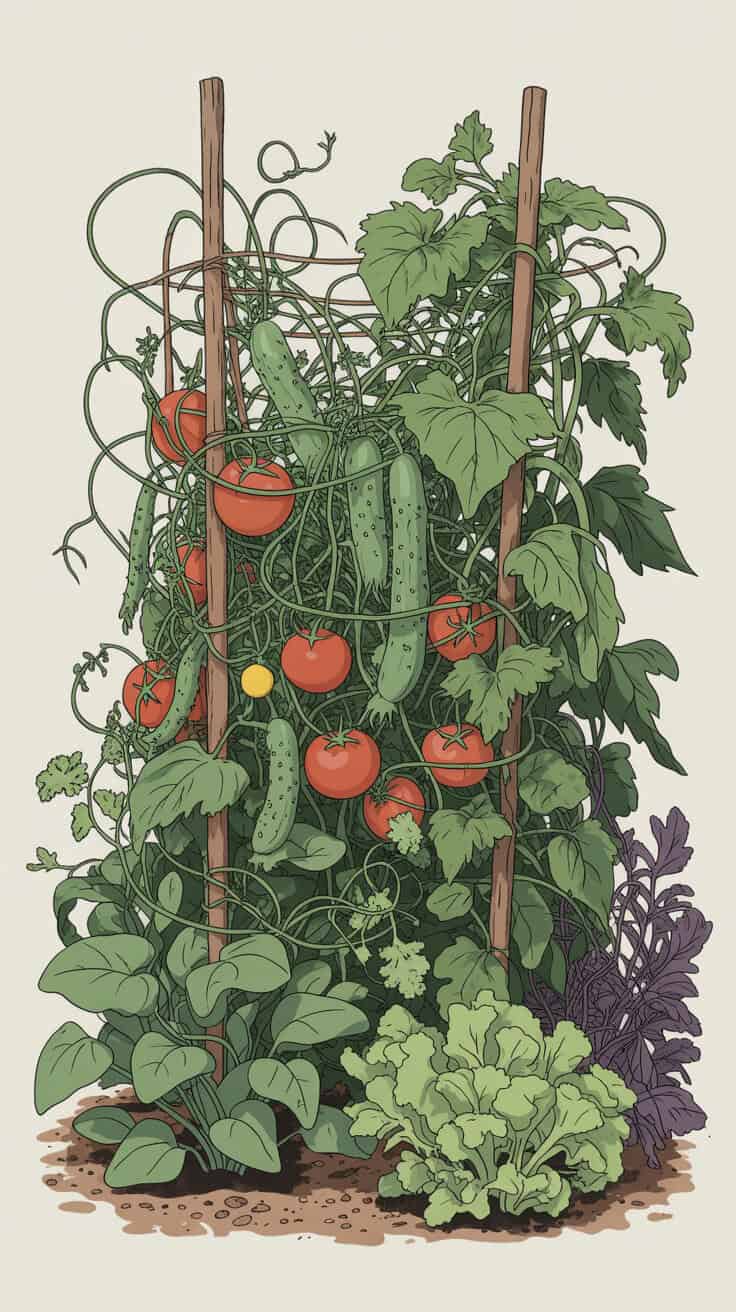
Vertical trellises are also a valuable addition to small gardens, allowing you to maximize your vertical space. They provide support for climbing plants and help keep your garden organized. Lastly, seed starting trays and simple grow lights can help you get a head start on your planting season, ensuring you have healthy plants ready to go when the weather warms up.
Check out my TikTok for videos showcasing these budget-friendly tools in action!
You Don’t Need a Farm to Grow Food
Many people believe that in order to grow their own food, they need a large piece of land. This misconception can deter potential gardeners from starting. The truth is, you can grow an impressive amount of produce even in the smallest of spaces.
Small gardens can be incredibly productive. With careful planning and a smart layout, you can cultivate a variety of vegetables, herbs, and flowers right in your backyard or on your patio. You don’t need a farm; you just need some sunlight, a bit of soil, and a willingness to learn.
Even if your outdoor area is limited, there are countless creative solutions that can help you maximize your growing potential. Vertical gardening, container gardening, and raised beds are all excellent methods that can fit into even the tiniest of spaces.
Square Foot Gardening Layout (My #1 Recommendation)
When it comes to small gardens, the square foot gardening layout is my top recommendation. This method is not only easy to understand but also incredibly effective. By dividing your raised beds into square sections, you can plant a variety of crops in an organized manner.
This layout helps mitigate overcrowding and allows for better management of your plants. You’ll find it easier to identify what you have planted and where, making maintenance simpler and more enjoyable.
Additionally, square foot gardening is perfect for those who want to grow food in a manageable space without feeling overwhelmed. It’s an excellent choice for beginners who are just starting their gardening journey.
Row Garden Layout (Great for Long, Narrow Yards)
If your yard is long and narrow, a row garden layout is an excellent option. This traditional design is simple and straightforward, making it easy to implement. Rows can be arranged along fences, pathways, or any available length, allowing you to make the most of your outdoor space.
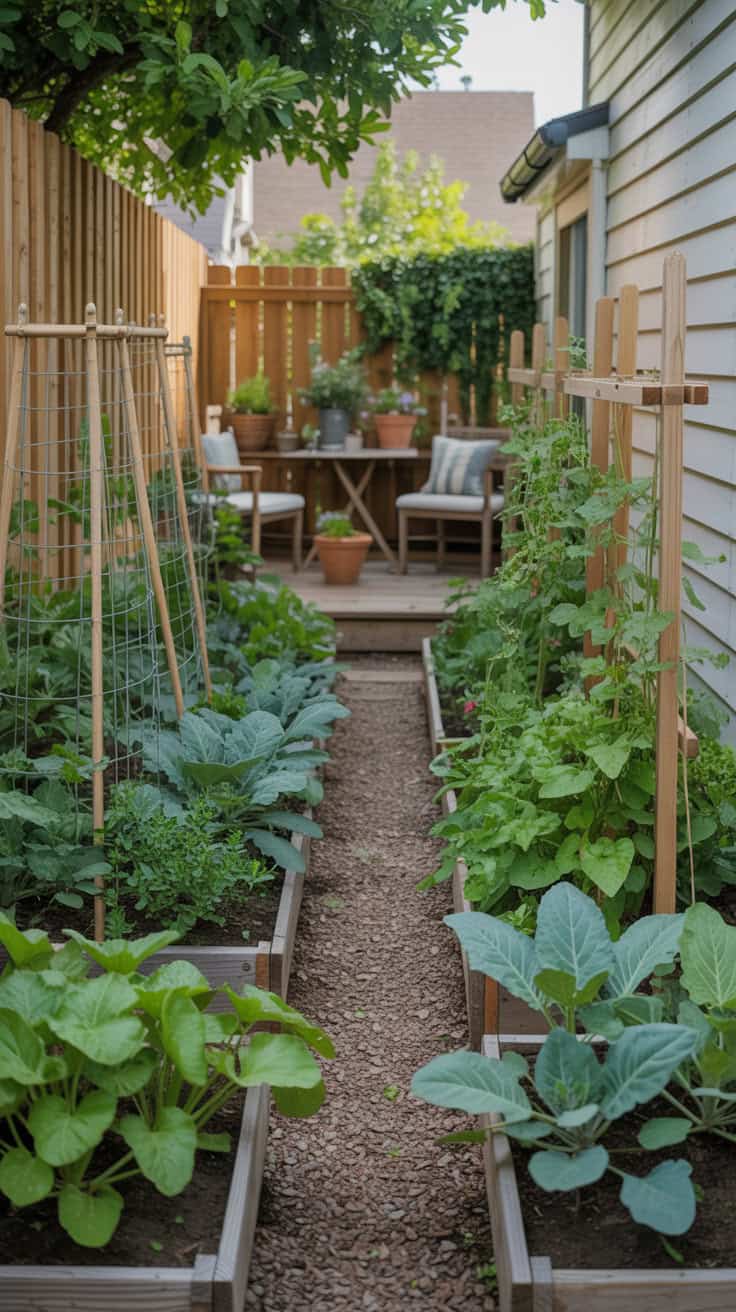
This layout is not only functional but also visually appealing. It creates a structured look while providing ample room for each plant to grow. Rows also make it easy to access your crops for maintenance tasks, reducing the risk of damaging your plants.
Using a row garden layout is a great way to maximize productivity in limited spaces while maintaining an organized appearance.
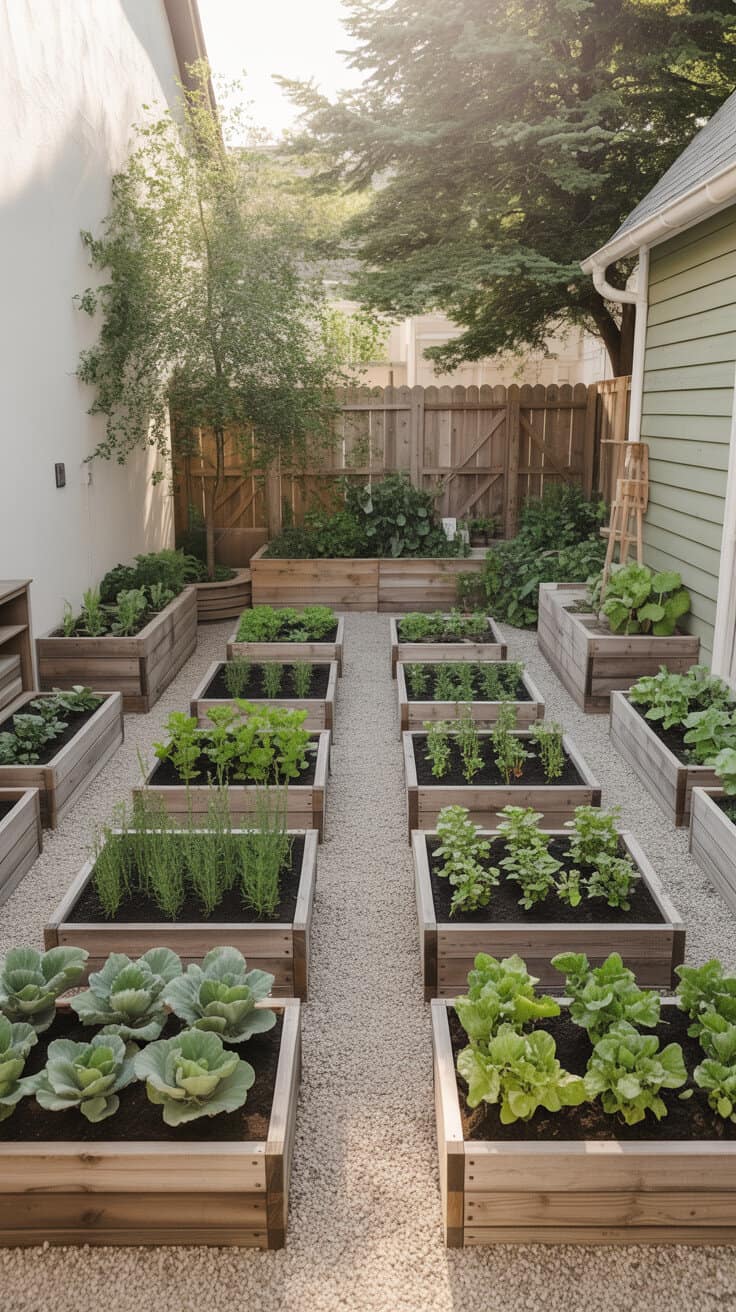
Raised Bed Grid Layout (Pinterest-Worthy & Practical)
The raised bed grid layout is both practical and aesthetically pleasing, making it a popular choice among gardeners. With designated walking paths and raised beds, this layout provides a beautiful and functional garden design.
Raised beds are ideal for small gardens, as they allow for better soil management and drainage. This layout also makes it easy to control weeds and pests, ensuring your crops have the best chance of thriving.
Moreover, the raised bed grid layout creates a visually stunning garden that can be the envy of your neighbors. With clean lines and organized paths, it’s perfect for family gardens or anyone looking to create a picturesque outdoor space.
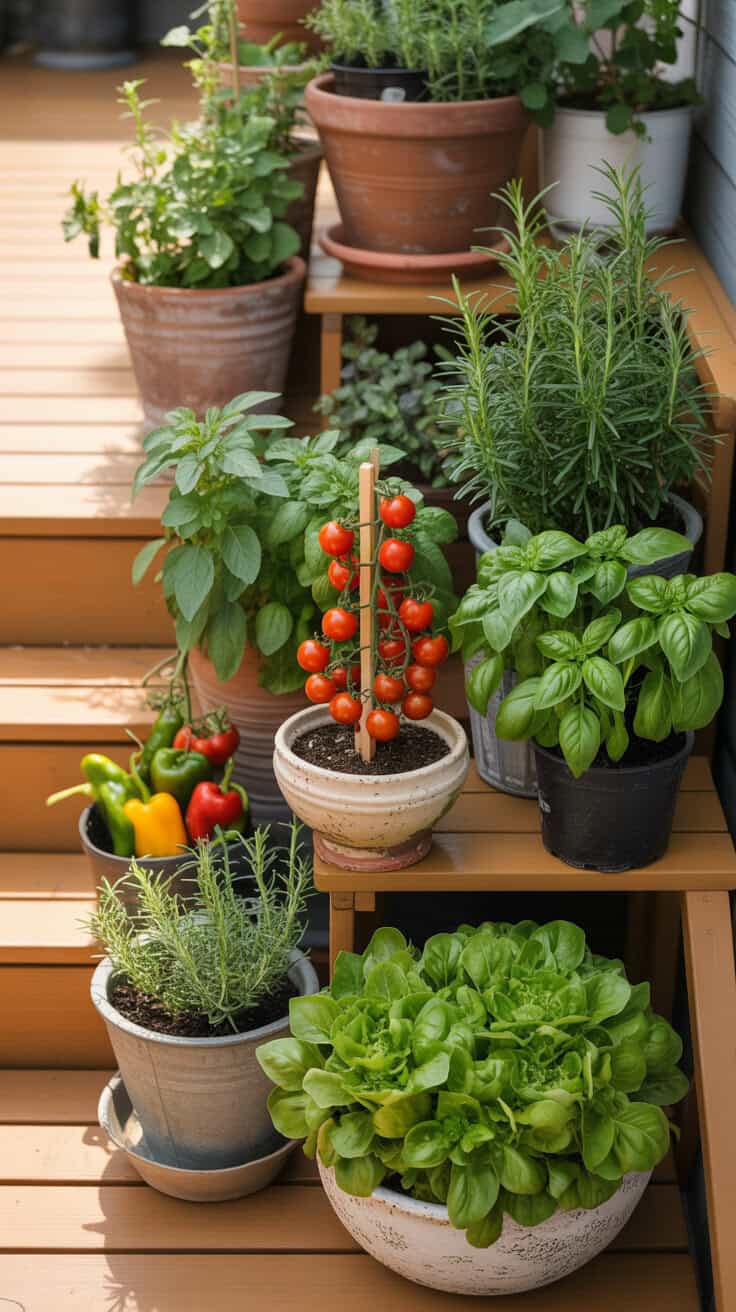
Container & Patio Layout (Perfect for Renters)
For renters or those with very limited outdoor space, container and patio gardening is the way to go. This layout allows you to grow a wide array of plants in pots, making it incredibly versatile and adaptable.
Containers can be placed on patios, balconies, or even windowsills, providing an excellent opportunity to cultivate vegetables, herbs, and flowers without needing a traditional garden space. You can easily move containers around to take advantage of sunlight or create a visually appealing arrangement.
This method also allows you to experiment with different plants and layouts without the commitment of in-ground gardening. If you’re short on space, container gardening can be a game-changer.
4×4 Raised Bed (Beginner Favorite)
The 4×4 raised bed layout is a beloved choice among beginner gardeners. It offers a manageable size that still allows for a variety of crops to be grown. This layout is perfect for those who may feel intimidated by larger gardening projects.
With a 4×4 bed, you can easily maintain your plants without feeling overwhelmed. It’s a great starting point for anyone looking to learn the ropes of gardening while still enjoying the fruits of their labor.
This compact design encourages gardeners to be intentional about their planting choices, leading to a more thoughtful gardening experience.
4×8 Raised Bed (Family Starter Garden)
The 4×8 raised bed layout is ideal for families looking to create a starter garden together. This size accommodates a broader selection of crops, making it a fantastic choice for those who want to experiment with different varieties while still being manageable.
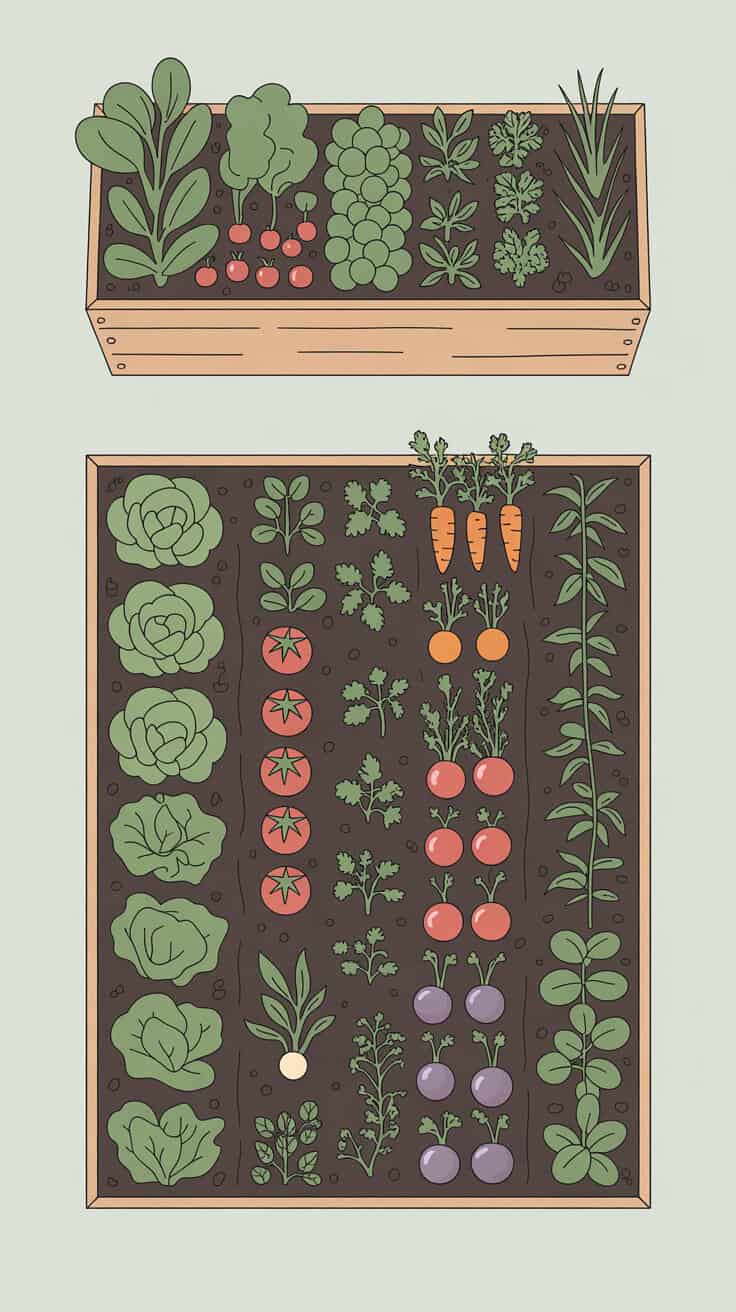
A 4×8 bed allows families to work together, teaching children valuable skills about gardening and food production. It’s a wonderful way to bond as a family while cultivating a shared interest.
This layout is perfect for those who want to create a larger garden without the complexity of managing multiple beds. It strikes a balance between productivity and ease of maintenance, making it a family-friendly choice.