Last spring, I decided it was the perfect time to embark on a vegetable garden project. The one challenge I faced was my backyard soil, which was hard and filled with rocks. It was then that I discovered the idea of constructing a raised garden bed. It appeared to be the ideal solution, but I must admit, I felt a bit daunted at the thought of building something on my own. I was concerned it would be too complicated or that I would require special tools that I simply didn’t possess.
I began scouring the internet for helpful guidance and came across a wide range of plans for raised garden beds. While some were indeed elaborate, many were surprisingly straightforward. I chose a simple design that demanded minimal tools. As I progressed through the steps, my confidence began to grow. By the end of the weekend, I had successfully built my very first raised garden bed. Watching my vegetables flourish in it has been immensely fulfilling.
I’m here to share with you 40 easy-to-follow plans for constructing raised garden beds that can help transform your gardening aspirations into a reality, even if you have no prior building experience.
1. Elevated Planter Raised Bed
Elevating your gardening experience with an elevated planter raised bed presents a stylish and functional solution. This design not only enhances drainage but also minimizes the risk of pests while alleviating the strain on your back as you tend to your plants. With this type of bed, you can cultivate a variety of plants while enjoying the benefits of easier maintenance.
Moreover, elevated planters are perfect for those who may have difficulty bending down to the ground. The height of the bed allows for comfortable access to your plants, making gardening a more enjoyable endeavor. You can also select materials and finishes that complement your home’s exterior, adding a touch of elegance to your outdoor space.
Additionally, elevated planter beds can be easily customized. You have the option to incorporate shelves for tools, decorative elements, or even a small seating area to enjoy your garden. With a little creativity, your elevated planter can become a stunning focal point in your yard.
2. DIY Raised Vegetable Bed
Engaging in a DIY raised vegetable bed project is not only a rewarding experience but also enhances the overall aesthetics of your garden while simplifying the process of vegetable cultivation. This project allows you to create a designated space for your vegetables, improving both organization and accessibility.
By elevating your vegetable garden, you can improve soil conditions and water management. Raised beds warm up faster in the spring, allowing for earlier planting, and they help prevent soil compaction, which can hinder root growth. You can also customize the dimensions of your raised bed to suit your specific gardening needs, whether you prefer a compact herb garden or a larger space for tomatoes and peppers.
Moreover, you can choose to line your DIY raised vegetable bed with materials that suit your style and budget. From wood boards to recycled materials, the options are virtually endless. With careful planning and execution, your DIY vegetable bed can become a productive and beautiful part of your gardening landscape.
3. Building Raised Garden Beds
Delving into the process of building raised garden beds opens up a world of possibilities for efficient water management, improved soil conditions, and aesthetically pleasing modular designs that can fit any garden. This method not only elevates your gardening experience but also provides a structured approach to growing your plants.
When constructing a raised garden bed, it’s essential to choose the right materials. Wood, bricks, and even metal can be effective choices, depending on your desired look and longevity. Each material has its own benefits, and selecting the best fit for your garden will ensure that you create a durable and stylish addition to your outdoor space.
As you embark on this project, consider the dimensions and layout that will work best for your gardening style. Whether you prefer traditional rectangular beds or more creative shapes, there are numerous designs to explore. Ultimately, building your raised garden beds sets the stage for a flourishing garden, enhancing both the visual appeal and the functionality of your gardening space.
More Amazing Ideas
As you consider your gardening options, there are countless amazing ideas to enhance your raised beds. These innovations can transform your gardening experience, making it more enjoyable and productive. From creative layouts to unique plant combinations, the possibilities are endless.
One idea is to integrate companion planting into your raised beds. By planting compatible plants together, you can maximize space and enhance growth. For example, pairing tomatoes with basil not only saves room but also improves flavor and yields. Exploring different plant combinations can lead to a more diverse and thriving garden.
Another innovative approach is to create multi-tiered raised beds. This design not only adds visual interest but also allows for different plant heights, making it easier to manage your garden. Additionally, utilizing vertical space through trellises or hanging planters can further optimize your gardening area, encouraging growth in limited spaces.
4. L Shaped Raised Garden Bed
Utilizing an L-shaped raised garden bed allows you to maximize corner spaces in your garden, offering a unique design that is both functional and visually appealing. This configuration enables diverse planting options while ensuring easy access to your plants, making it a great choice for smaller gardens.
The L-shape not only provides ample space for your plants but also creates a natural flow in your garden design. You can easily integrate pathways or seating areas around the bed, enhancing your overall outdoor experience. This design encourages creativity in planting arrangements, allowing you to grow a variety of herbs, vegetables, and flowers.
Furthermore, the L-shaped garden bed can be customized to your preferences. You can choose the height, materials, and even incorporate additional features such as trellises or built-in benches. This flexibility allows you to create a personalized garden space that meets your needs while elevating your gardening experience.
5. Elevated Raised Garden Bed
An elevated raised garden bed presents an excellent way to garden without the need for bending, bringing your plants within easy reach while also deterring unwanted critters. This design is especially beneficial for those who may have mobility issues, allowing everyone to enjoy the pleasures of gardening.
These beds can be constructed at various heights to suit your needs, making it easier to tend to your plants. Additionally, the elevation can create a barrier against pests, providing a more controlled environment for your plants to thrive. An elevated bed also enhances drainage, ensuring that your plants receive the right amount of moisture without the risk of waterlogging.
Moreover, you can personalize your elevated raised garden bed to fit your style. Choose materials that complement your home and garden, and consider incorporating features such as shelving for tools or decorative accents that enhance the overall look. This approach not only improves functionality but can also create a beautiful focal point in your outdoor space.
6. Raised Garden Beds from Wood Pallets
Utilizing wood pallets for your raised garden beds is a brilliant eco-friendly choice, allowing you to repurpose materials while creating a cost-effective and rustic addition to your garden. This approach is not only budget-friendly but also encourages sustainability by minimizing waste.
Building raised beds from wood pallets is a straightforward process. You can often find pallets for free or at a low cost, making this a great option for gardeners on a budget. With a little creativity, you can transform these pallets into visually appealing beds that are both functional and charming.
Additionally, wood pallets can add character to your garden. You can choose to leave them in their natural state for a rustic look or paint them to match your personal style. Incorporating pallets into your garden design can also create unique planting arrangements and enhance your outdoor aesthetic.
7. How to Build a Raised Bed
Learning how to build a raised bed can bring about a transformative experience in your gardening journey. This foundation offers better soil conditions, minimizes weed growth, and provides a protective barrier against pests, ensuring your plants thrive in a controlled environment.
The first step in building a raised bed is selecting the right location. Choose a spot that receives adequate sunlight and has good drainage to promote healthy plant growth. Once you’ve chosen your location, gather the necessary materials, which may include wood, screws, and tools for assembly.
As you construct your raised bed, remember to consider the dimensions that work best for your gardening style. A depth of at least 12 inches is ideal for most vegetables, allowing for adequate root development. After assembling your bed, fill it with a nutrient-rich soil mix to promote healthy growth, and you’ll be well on your way to a flourishing garden.
8. Raised Garden Bed from Cedar Boards
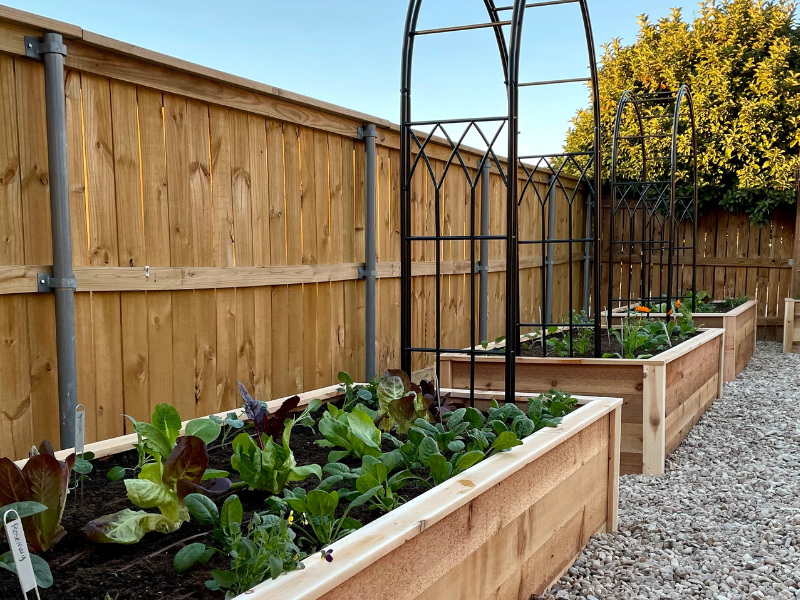
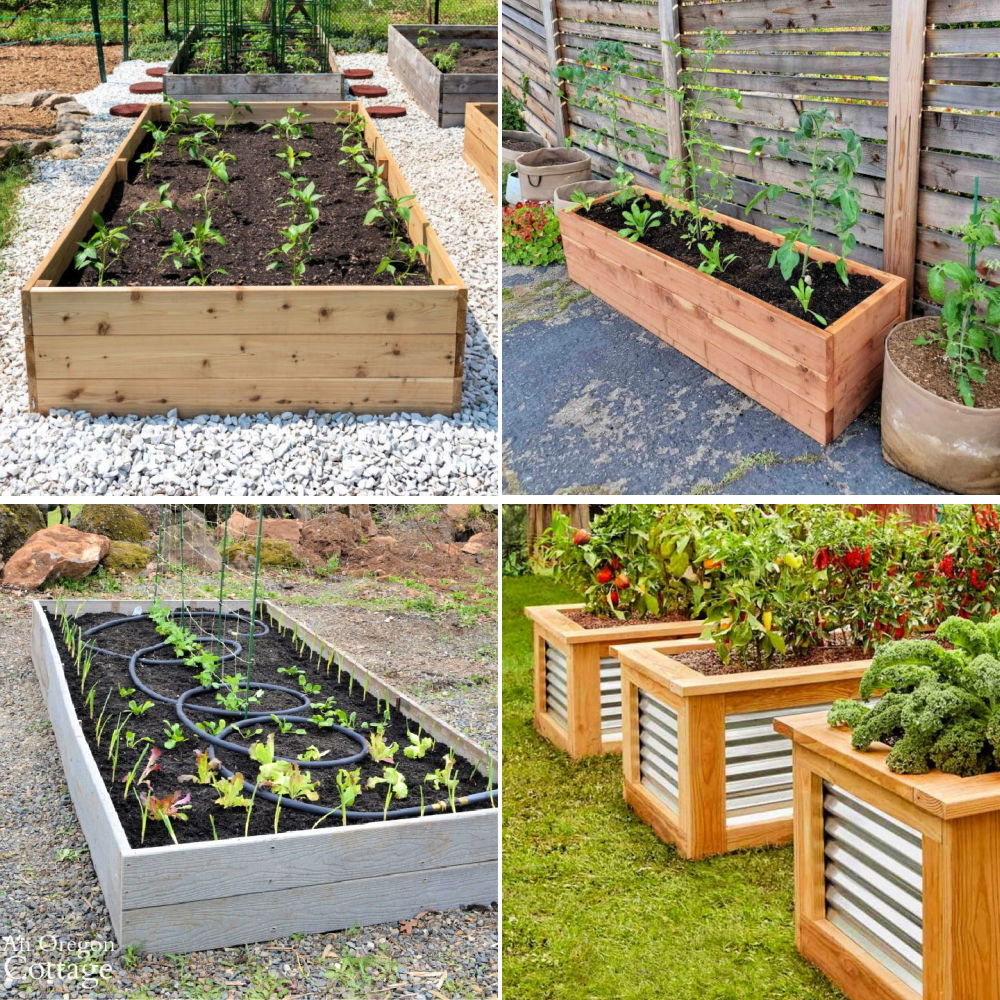
Creating a raised garden bed from cedar boards adds an elegant touch to your gardening space while providing durability. Cedar is naturally resistant to rot and pests, making it an excellent choice for long-lasting garden beds that can withstand the elements.
In addition to its practical benefits, cedar has a beautiful natural color that can complement any landscape. This wood can be easily cut to your desired dimensions, allowing you to customize your raised bed to fit your gardening needs. The aromatic quality of cedar can also enhance your garden atmosphere, creating a pleasant environment while you work.
When building with cedar, it’s essential to use untreated boards to ensure that no harmful chemicals leach into your soil. This choice makes cedar a safe option for growing edible plants. With proper care, a cedar raised garden bed can last for many years, providing a reliable space for your plants to thrive.
9. Raised Garden Bed Using Shipping Pallet
Embracing sustainability with a raised garden bed created from shipping pallets offers a creative and eco-conscious way to cultivate your plants in a uniquely crafted space. This method allows you to repurpose materials that may otherwise go to waste, creating a functional garden bed that adds charm to your outdoor environment.
Building a raised garden bed from shipping pallets is a straightforward process. You can often find pallets for free or at a low cost, making this an excellent budget-friendly option. By dismantling the pallets and assembling them into a raised bed frame, you can create a charming garden space that reflects your personal style.
Moreover, using shipping pallets allows for a variety of design options. You can choose to leave the pallets in their natural state for a rustic look, or you can paint or stain them to match your garden aesthetic. This flexibility enables you to create a unique raised garden bed that suits your preferences while promoting sustainability.
10. Raised Garden Bed with a Metal Fence
Incorporating a metal fence into your raised garden bed offers robust protection combined with a chic design, ensuring that your garden remains safe from pests while also looking stylish. This dual functionality is perfect for gardeners who want to maintain a beautiful aesthetic while protecting their plants.
The combination of a raised garden bed and a metal fence not only deters unwanted critters but also enhances the overall structure of your garden. The fence can provide a vertical element to your design, allowing for climbing plants or additional decorative features. This adds depth and interest to your garden space.
Additionally, metal fences are durable and can withstand various weather conditions, ensuring that your garden remains protected for years to come. With a variety of styles and finishes available, you can select a metal fence that complements your garden theme, creating a cohesive and attractive outdoor space.
11. Small Elevated Garden Bed
A small elevated garden bed is an ideal solution for compact spaces, offering the benefits of elevated gardening without requiring a large footprint. This design is particularly beneficial for urban gardeners or those with limited outdoor areas.
Despite its smaller size, a small elevated garden bed allows for the cultivation of various plants, including herbs, vegetables, and flowers. The elevated design makes it easy to tend to your plants while minimizing strain on your back, making gardening accessible for everyone.
Furthermore, a small elevated garden bed can be customized to fit your specific style and space. You can choose materials and colors that complement your existing landscape, ensuring that your garden remains a beautiful addition to your home. This approach allows you to enjoy the pleasures of gardening, even in limited spaces.
12. DIY Raised Planter Box
Constructing a DIY raised planter box is a fun weekend project that results in a versatile and attractive addition to your patio, balcony, or garden. These boxes can be tailored to fit any space, allowing you to grow a wide variety of plants with ease.
When building your raised planter box, consider the size and shape that will work best for your chosen location. You can create long, narrow boxes for herbs or wider ones for shrubs and flowers. The versatility of raised planters allows you to experiment with different arrangements and combinations of plants.
Additionally, a DIY raised planter box can be customized with features such as trellises for climbing plants or built-in shelving for tools and supplies. This customization not only enhances functionality but also adds personality to your outdoor space, making it uniquely yours.
13. Corner Raised Garden Bed
A corner raised garden bed is an innovative way to make the most of your garden’s angles, providing a creative solution for planting in underutilized spaces. This design allows you to maximize your growing area while keeping your garden organized and visually appealing.
The corner shape encourages a variety of planting options, allowing you to grow different types of plants in close proximity. This method can enhance the biodiversity of your garden, promoting healthier growth and reducing the risk of pests and diseases.
Moreover, corner raised garden beds can be tailored to fit your specific style and preferences. You can choose the height, materials, and even incorporate additional features such as seating or pathways. This flexibility allows you to create a personalized garden space that meets your needs while enhancing your outdoor experience.
14. Build Your Own Raised Herb Garden
Building your own raised herb garden brings the joy of fresh herbs right to your doorstep, offering convenience and an engaging sensory experience. This project allows you to cultivate a variety of herbs in a compact and accessible space.
Raised herb gardens can be designed to fit any location, whether you have a sunny patio, balcony, or backyard. The elevated design not only makes it easier to tend to your herbs but also enhances drainage and soil conditions, promoting vigorous growth.
When creating your raised herb garden, consider the types of herbs you enjoy cooking with most. You can create a themed garden featuring culinary herbs like basil, oregano, and rosemary, or mix in some fragrant varieties like lavender and mint. This customization will allow you to enjoy the flavors and scents of your garden every day.