Gardening in raised beds is a rewarding experience that can enhance your vegetable-growing endeavors. However, even seasoned gardeners can fall into traps that lead to disappointing results. After over two decades of experience with raised bed gardening and having constructed numerous gardens for ourselves and clients, I have witnessed firsthand the mistakes that can undermine your efforts. In this article, I’ll highlight the ten most frequent missteps I see and provide guidance on how to steer clear of them.
Common Pitfalls in DIY Raised Bed Gardening
Whether you’re a novice gardener or someone with years of experience, it’s important to recognize the potential pitfalls that can hinder your success. This guide will help you avoid costly errors that can drain your time, finances, and enthusiasm. Let’s delve into the ten common mistakes often made in raised bed gardening and discuss how you can prevent them.
1. OPTING FOR 1” THICK WOOD BOARDS FOR YOUR RAISED BEDS
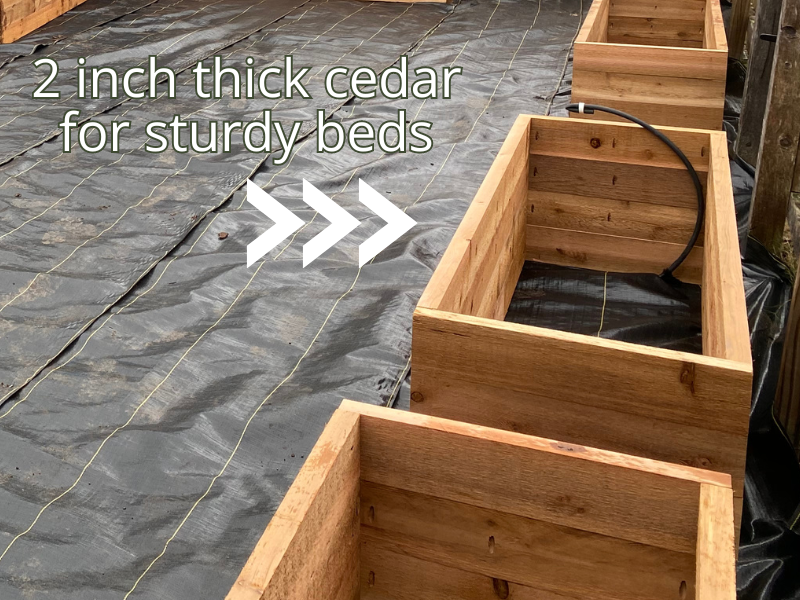
One of the most prevalent mistakes gardeners make is selecting wood that is insufficiently thick for constructing raised beds. When standing in the lumber aisle, it can be tempting to choose thinner boards to save money. However, using one-inch boards is a false economy that can lead to significant issues.
These thinner boards are more susceptible to warping, rotting, and breaking under strain, which means your raised beds won’t stand the test of time. I learned this lesson early in my gardening journey when I opted for thin cedar wood. Unfortunately, those beds only lasted a couple of years before they succumbed to deterioration.
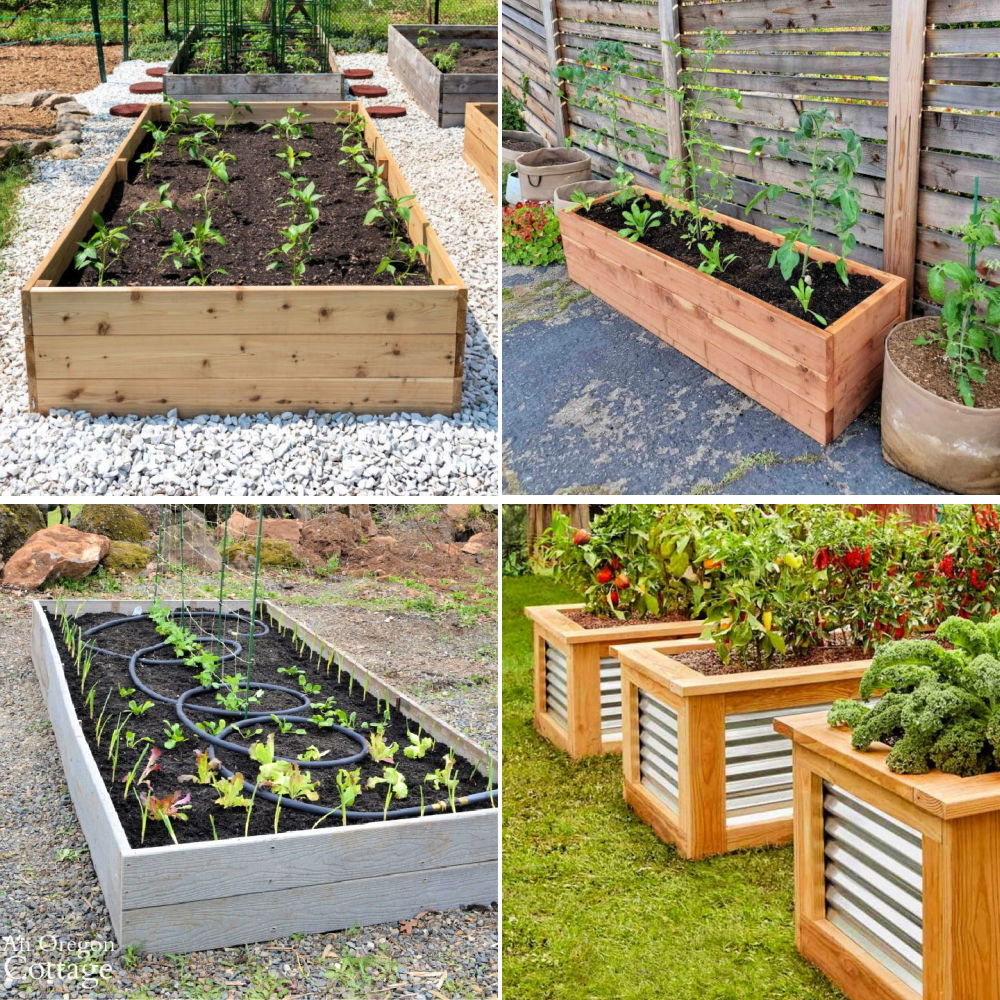
Instead, it’s wise to invest in two-inch thick boards made from durable materials such as cedar or redwood. Both types of wood are naturally resistant to rot and will provide lasting support for your plants. If you prefer a sleeker, thinner profile for your raised beds, consider using steel options, such as Vego Garden Beds or steel raised bed kits, which are excellent alternatives.
2. USING RAILROAD TIES TO CONSTRUCT RAISED BEDS
Many gardeners mistakenly believe that railroad ties are a robust and viable option for building raised beds. While they may appear sturdy, railroad ties pose serious risks to both your garden and your health. The primary concern is that they are treated with creosote, a toxic chemical that can leach into the soil and contaminate your crops.
For your raised bed construction, it’s best to stick with untreated or naturally rot-resistant woods like cedar. If untreated cedar is outside your budget, consider alternatives such as concrete blocks. Just remember to use new materials; if you’re unsure of the history of a material, assume it may have been treated with harmful chemicals that could seep into your garden.
3. CUTTING CORNERS ON SOIL QUALITY
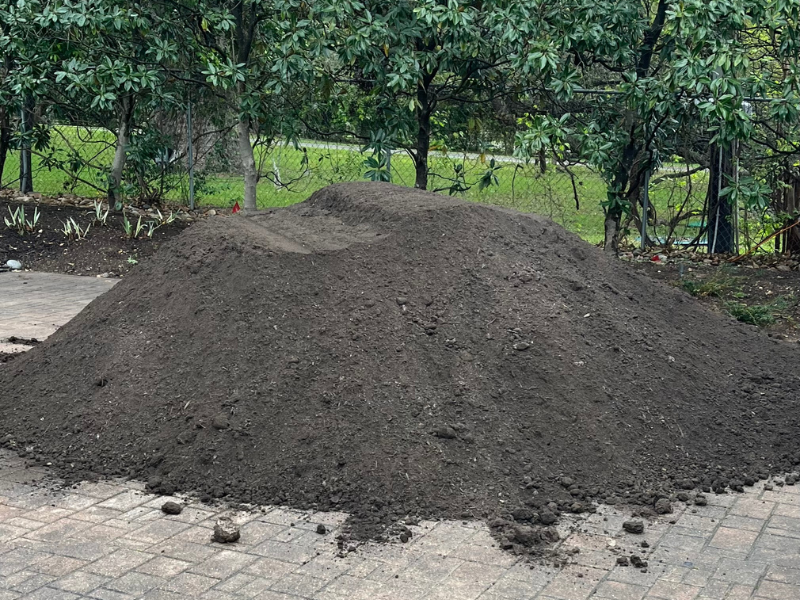
The quality of soil in your raised beds has a direct impact on your harvest. It’s all too easy to fill your beds with inexpensive or free soil, but this can lead to disappointing results. Poor soil often lacks essential nutrients necessary for the healthy growth of your plants and may be mixed with unwanted debris.
I frequently encounter this issue with clients’ gardens, where the initial soil quality hinders plant health. In many cases, we have to invest time and resources into rebuilding a healthy, organic soil ecosystem to promote healthy growth and improve drainage.
To ensure your plants thrive, create a high-quality soil blend that includes compost, garden soil, and organic matter. Although it may come with a higher upfront cost, investing in good soil is crucial and will pay off in the long run.
4. CRAMMING YOUR RAISED BEDS TOO CLOSE TOGETHER
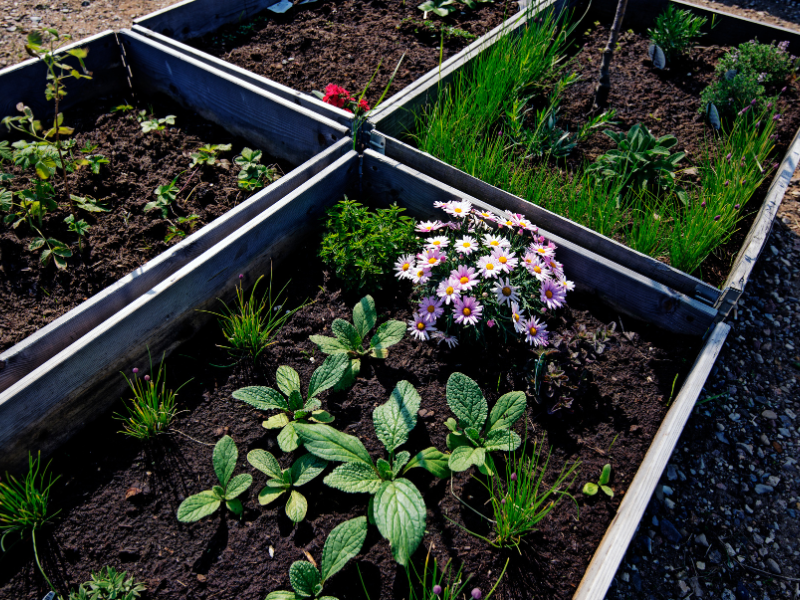
Proper spacing between raised beds is vital for accessibility and maintenance. When beds are too closely packed, it becomes challenging to reach plants, especially if you need to utilize larger tools or a wheelbarrow. This can lead to frustration and reduced productivity in your gardening efforts.
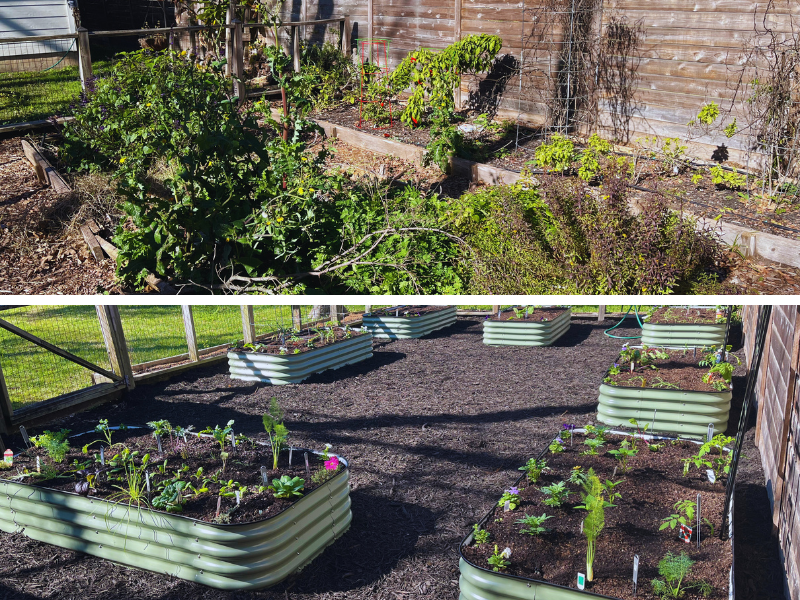
To create a more functional garden, aim for at least three feet of space between your beds. This will allow you to comfortably navigate around them and tend to your plants without feeling cramped. A well-laid-out garden not only benefits you but can also enhance the growth potential of your plants.
For instance, consider the layout of your garden; if the beds are too close together, it limits the number and size of plants you can grow. A spacious arrangement fosters better air circulation and access, resulting in a healthier garden overall.
5. FAILING TO LEVEL YOUR RAISED BEDS
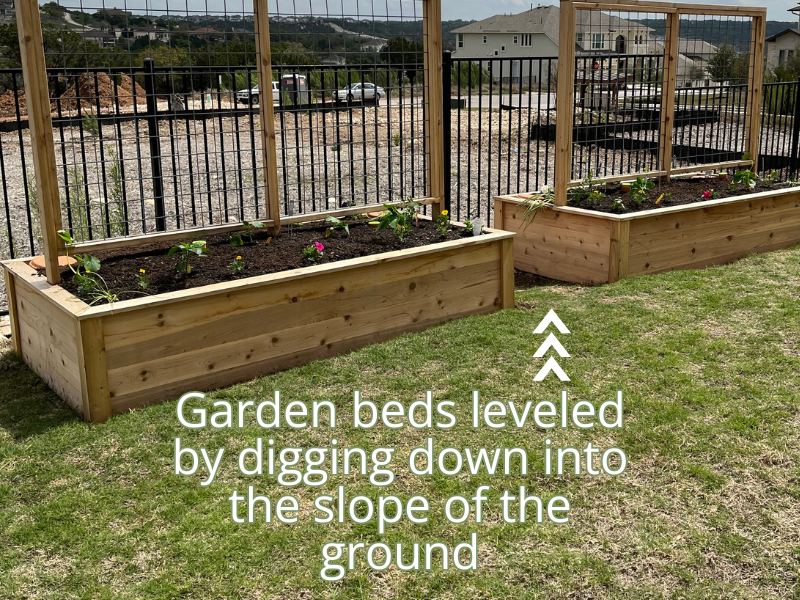
It’s an easy oversight, but failing to level your raised beds can lead to a host of problems. After investing time and effort into building your beds, the last thing you want is to see them installed unevenly. Unlevel beds can result in poor drainage, uneven plant growth, and soil erosion, which are all detrimental to your garden’s success.
Take the time to carefully level your beds when installing them. This may involve using gravel or paver sand to fill low areas or removing excess dirt from higher spots. Remember, you don’t want to waste money on high-quality soil, only to have it wash away due to improper leveling.
6. PLACING BEDS IN A SHADY LOCATION
Sunlight plays a crucial role in the health and growth of most vegetable crops, yet many gardeners mistakenly position their raised beds in areas that receive excessive shade. To maximize the potential of your garden, it’s essential to choose a sunny location that receives at least six to eight hours of direct sunlight daily.
If you find that shade is unavoidable in your garden space, you can still successfully grow plants by selecting shade-tolerant varieties. Options such as leafy greens and herbs thrive in lower light conditions, allowing you to make the most of your available space.
7. BUILDING RAISED BEDS TOO WIDE
While the idea of maximizing growing space with larger raised beds may seem appealing, it’s important to remember that bigger isn’t always better. I’ve seen many gardeners create six-foot by six-foot raised beds, but they often fail to consider how they’ll access the center of the bed for tending and harvesting.
Raised beds that are too wide can become difficult to manage. The average person can comfortably reach only a couple of feet into a bed. If your bed exceeds this width, you may find it impossible to access plants located in the middle or back, especially if the bed is positioned against a wall or fence.
To ensure ease of access, a raised bed should never exceed four feet in width. If you can only access one side, consider keeping the width to three feet. This way, you can tend to all your plants without stepping into the bed, which could compact the soil and hinder plant growth.
8. MAKING BEDS TOO SHORT
A common mistake among beginner gardeners is constructing raised beds that are only as tall as a single piece of lumber. While this may reduce costs in both wood and soil, it defeats the primary purpose of raised beds. The ideal height for raised beds should be at least ten inches, with twelve inches or more being preferable.
Taller beds offer several advantages, such as providing adequate root space for your plants and improving drainage. Additionally, they are easier to work with, particularly for those who may experience back or knee discomfort while gardening.
9. FORGETTING TO PLAN FOR IRRIGATION OR WATERING
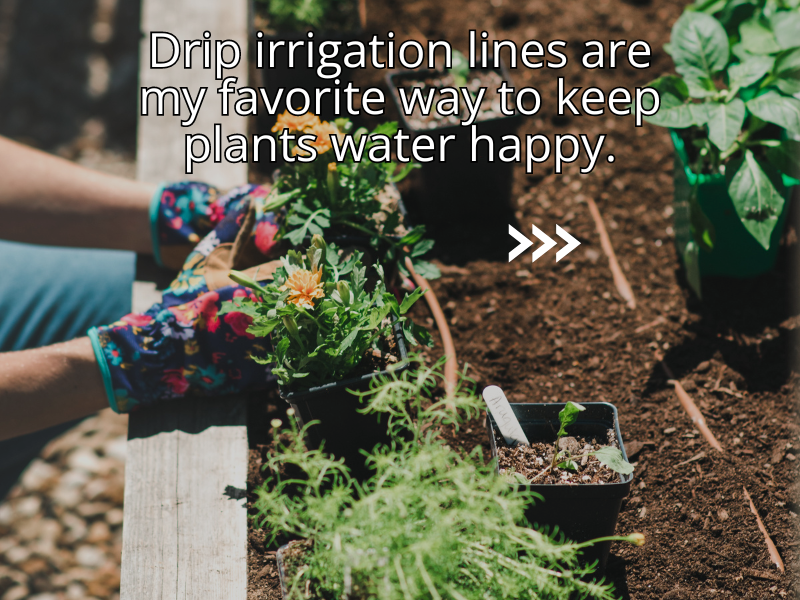
Watering is a fundamental aspect of successful vegetable gardening, yet many gardeners neglect to consider how they’ll provide water to their raised beds. Whether you opt for a drip irrigation system or a simple soaker hose, planning your watering strategy early on can save you headaches later.
Failing to account for watering logistics might require you to manually water your garden during the hottest months, which can be a burdensome task. Consider the location of your garden in relation to a water source; if it’s too far away from a spigot, you may need to rethink your garden’s setup.
10. MISSING OUT ON SPACE-SAVING VERTICAL GARDENING WITH TRELLISES
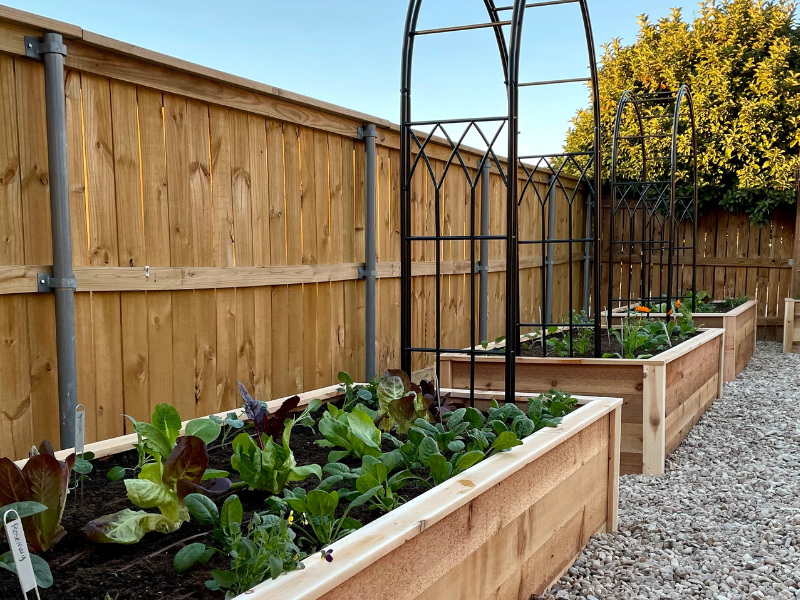
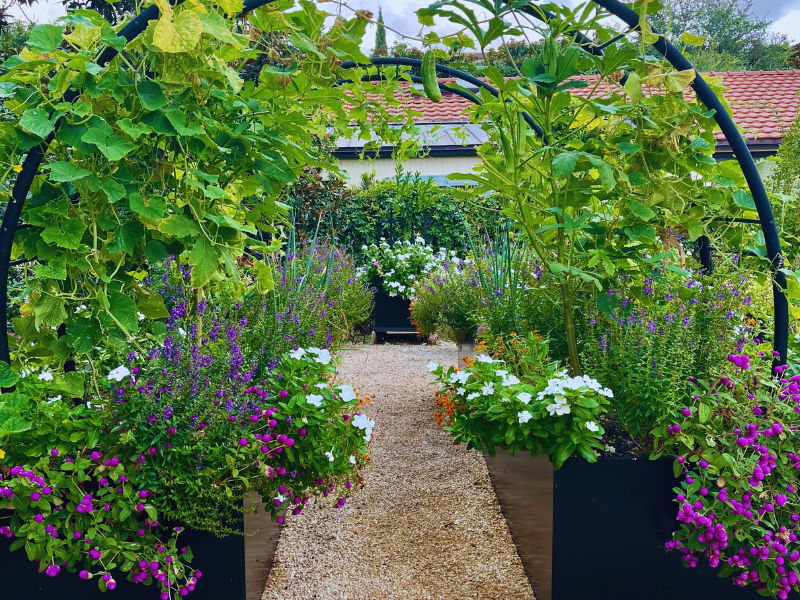
Many gardeners overlook the potential of vertical gardening by not incorporating trellises into their raised beds. Utilizing vertical space is a fantastic way to cultivate vining plants like cucumbers, peas, and tomatoes without sacrificing valuable horizontal space within your beds.
Incorporating trellises not only helps save space but also enhances air circulation around your plants and makes harvesting much more manageable. By planning for vertical gardening, you can maximize your yield while maintaining an organized and functional garden setup.
What to Do Instead:
Now that you’re aware of these common pitfalls, it’s crucial to take proactive steps to avoid them. Gardening can be a fulfilling and enjoyable experience when approached with knowledge and preparation. By investing in quality materials and thoughtfully designing your garden layout, you can cultivate a productive and aesthetically pleasing space.
Take the time to plan your soil quality, spacing, and irrigation needs upfront, and don’t hesitate to explore vertical gardening techniques. By avoiding these ten common mistakes, you’ll set yourself up for success and create a garden that thrives.
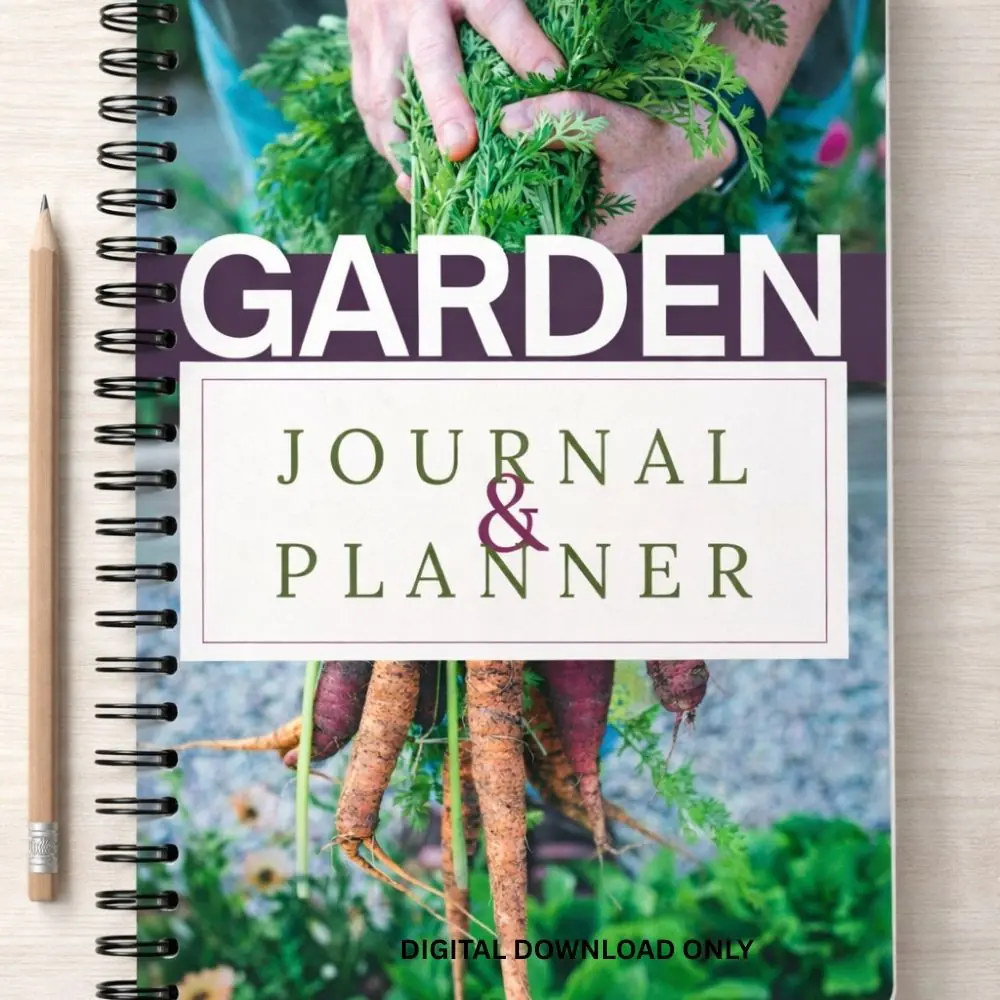
LETTUCE GROW SOMETHING PLANNER AND JOURNAL
To streamline your gardening experience and eliminate uncertainties, consider using a garden planner and journal. This tool can help you organize your planting schedules, track growth progress, and keep notes on what works best for your garden. By documenting your journey, you’ll gain insights that can enhance your gardening efforts year after year.
Incorporating a planner into your gardening routine not only simplifies your tasks but also allows you to reflect on your successes and challenges. It can be a valuable resource for planning future gardens and improving your overall gardening knowledge.