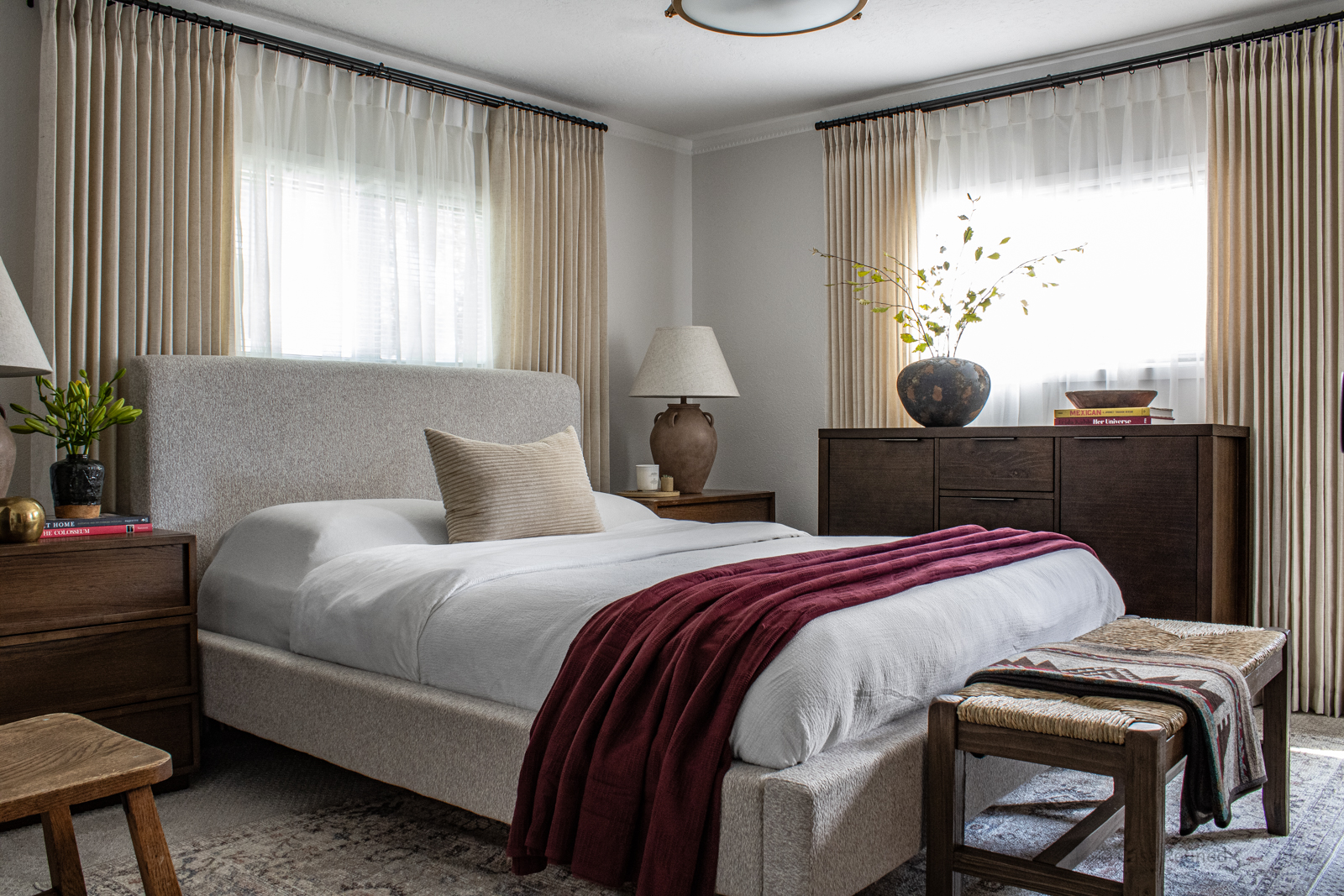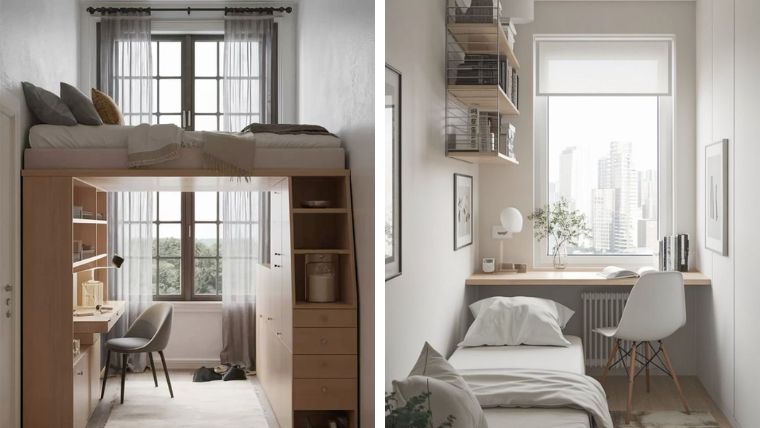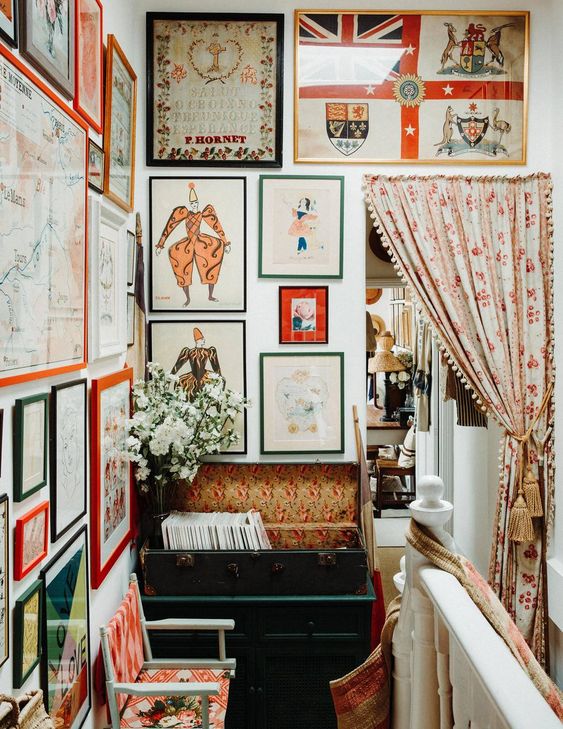
Creating a gallery wall offers a fantastic opportunity to express your individuality while enhancing the visual appeal of your home. By combining various forms of art, photographs, and cherished keepsakes, you can turn any ordinary wall into a striking focal point that reflects your style and personality.
What is a Gallery Wall?
A gallery wall, sometimes referred to as a wall gallery or picture gallery wall, consists of a carefully curated assortment of framed artworks, photographs, and decorative items arranged on a single wall. This collection can either reflect a particular theme or present an eclectic mix, serving as an eye-catching display in any room.
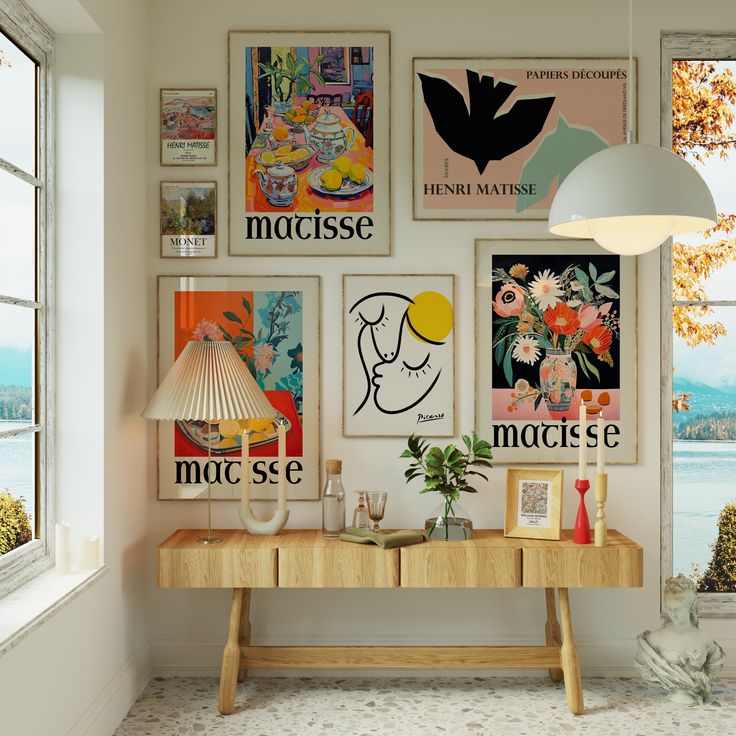
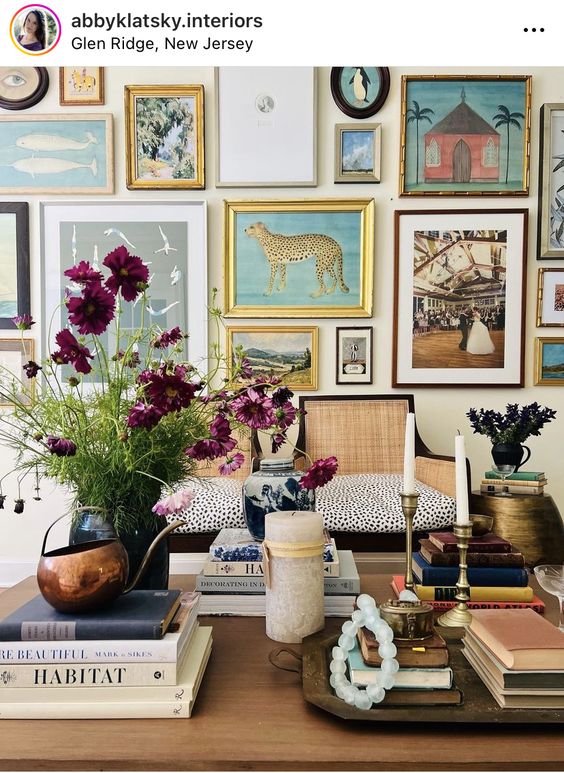
The beauty of a gallery wall lies in its versatility. It can be as formal or casual as you desire, with options ranging from monochromatic displays to vibrant and colorful arrangements. Whether you want to showcase family memories, travel experiences, or your artistic endeavors, a gallery wall can become a personalized narrative that tells your story.
Choosing the Right Wall
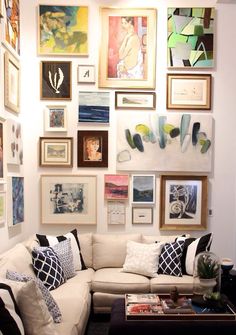
The journey begins with identifying the ideal wall for your gallery display. Look for a blank space with ample area to host multiple frames. Popular choices for gallery walls include living rooms, hallways, and staircases, as these locations often attract the most attention and can transform an otherwise dull wall into a captivating centerpiece.
When selecting your wall, ensure it is not cluttered with furniture or other decor that could distract from your gallery. A clear, unobstructed space allows your artwork to shine and makes it easy for guests to appreciate the collection.
Planning Your Gallery Wall Layout
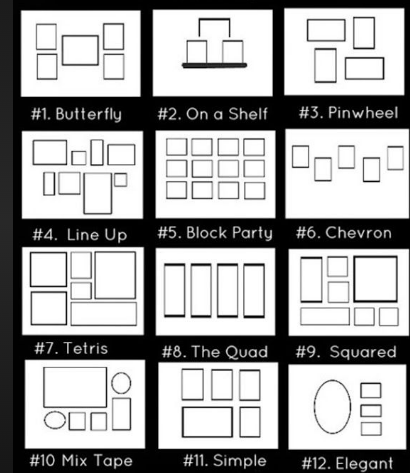
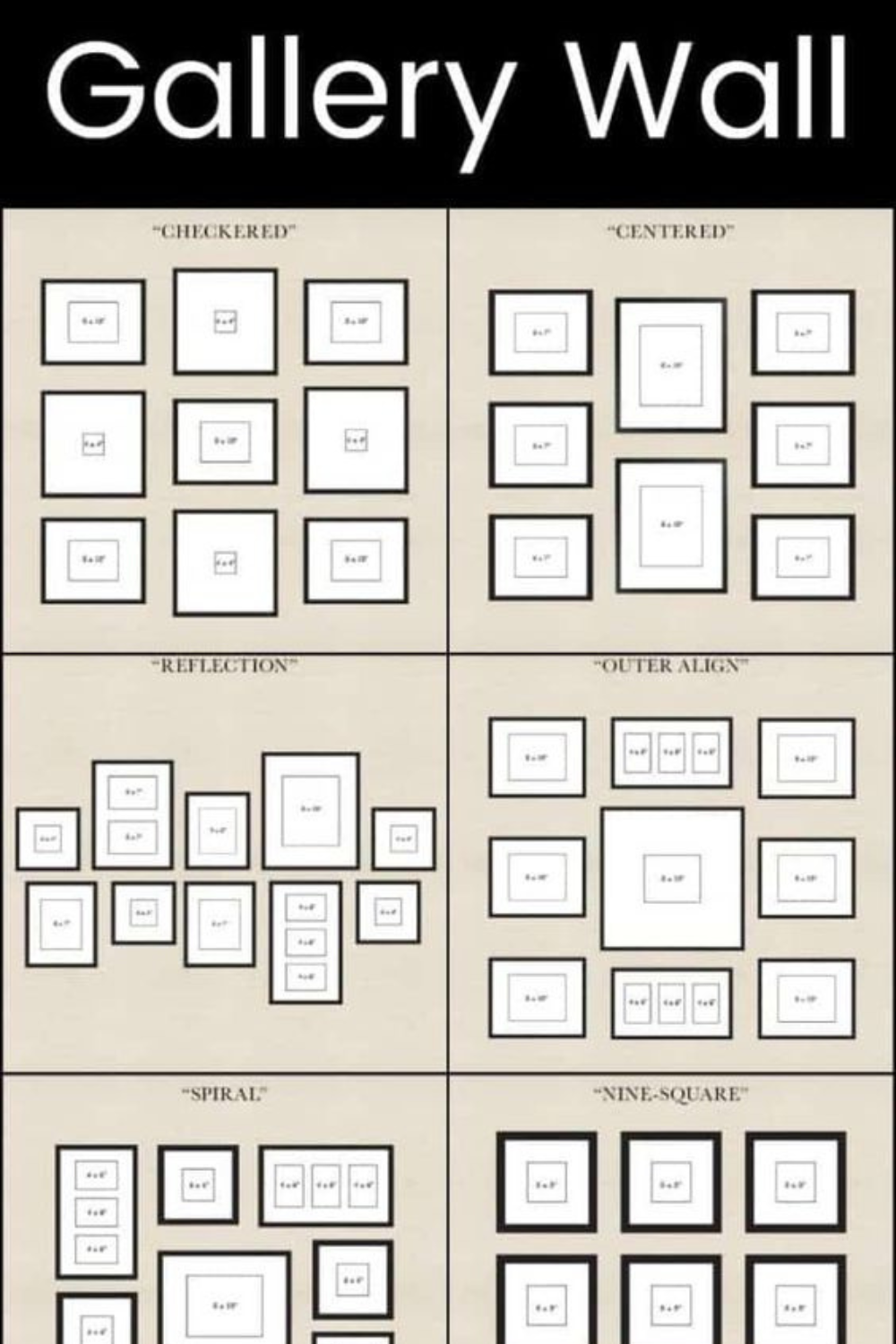
Before you hang any frames, it’s essential to decide on your gallery wall’s layout style. Various options exist, including symmetrical, asymmetrical, and grid patterns. Each style brings its unique flair and can set the tone for the overall aesthetic of your wall.
Symmetrical layouts feature frames of similar sizes arranged in an orderly fashion, creating a polished and cohesive look. In contrast, asymmetrical layouts offer a more relaxed vibe, allowing for diverse frame shapes and sizes that can produce a dynamic visual impact. Grid patterns provide structure, with evenly spaced frames ideal for displaying a series of related images or artworks.
Creating a Mock-Up
Once you’ve decided on a layout, take the time to create a mock-up on the floor. Arrange your frames on the ground in the desired pattern, allowing you to visualize how the final display will look. This preparation step is crucial as it enables you to make adjustments without committing to any wall alterations.
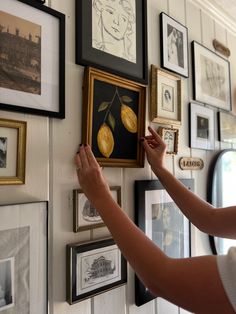
Using painter’s tape, outline the arrangement directly on the wall. This visual guide will help you stay on track when it comes time to hang your frames, ensuring you maintain the spacing and layout you’ve envisioned.
Selecting the Art and Frames
The heart of your gallery wall lies in the selection of art pieces and frames. Choose a mix of images, including wall art, photographs, prints, and personal mementos that resonate with you. A blend of textures and mediums, such as canvas, wood, and metal, will add depth and intrigue to your display.
When it comes to frames, their style and color significantly impact the overall look of your gallery wall. You can either opt for a uniform set of frames for a more cohesive appearance or mix various styles and colors for an eclectic touch. Consider how each frame complements the artwork it holds to create a harmonious visual narrative.
Arranging the Frames
As you begin to arrange the frames on your wall, focus on achieving a balanced appearance. Distribute colors, sizes, and textures evenly to create harmony within the display. Start with the largest pieces as anchors, and gradually fill in with smaller ones, ensuring that the overall composition is visually pleasing.
Pay attention to the spacing between frames, as this can greatly affect the success of your gallery wall. A standard spacing of 2-3 inches works well, but feel free to adjust based on the size of your wall and frames. Consistent spacing contributes to a polished look, ensuring that the display feels cohesive rather than chaotic.
Adding Final Touches
To elevate your gallery wall even further, consider incorporating decorative elements such as wall decals, small sculptures, or indoor plants. These additional components can provide dimension and intrigue, making the overall display feel more complete and personalized.
Don’t forget about the importance of lighting in enhancing your gallery wall. Thoughtful lighting choices can highlight the artwork and create an inviting atmosphere. Consider adding picture lights or adjustable spotlights to draw attention to specific pieces.
More Gallery Wall Ideas
If you’re seeking inspiration, think about creating themed gallery walls that unify the display around a central concept. Themes could include travel photos, family portraits, or a collection of botanical prints, providing coherence and narrative to your arrangement.
Mixing and matching different styles, colors, and textures can also yield fascinating results. Pairing vintage frames with contemporary art or combining black-and-white photographs with vibrant prints can create a well-balanced yet dynamic wall design. Achieving the right balance is key to maintaining visual interest.
Tips for Effective Gallery Wall Lighting:
To showcase your gallery wall to its fullest potential, proper lighting is essential. Consider these effective tips for enhancing your display with light:
1. **Picture Lights:** Install small fixtures above your artwork to provide focused illumination, drawing attention to intricate details and colors.
2. **Adjustable Spotlights:** Use versatile spotlights to highlight specific areas or pieces within your gallery wall, adding depth and dimension.
3. **LED Strip Lights:** These can be discreetly placed behind frames or along shelves, offering a subtle glow that outlines your gallery.
4. **Track Lighting:** Perfect for larger displays, track lighting allows you to direct multiple light sources toward various artworks, maximizing flexibility and impact.
5. **Ambient Lighting:** Use general room lighting to create a warm atmosphere that complements your gallery wall, ensuring it is well-lit and inviting.
Maintaining Your Gallery Wall
To keep your gallery wall looking fresh and appealing, regular maintenance is necessary. Dust the frames and artwork periodically using a soft cloth to prevent buildup and ensure their beauty shines through.
Moreover, don’t hesitate to refresh your gallery wall by updating it with new artwork or photos. Changing the display from time to time can reflect your evolving tastes and keep your home decor dynamic and engaging.
Gallery Wall Ideas and Inspiration
Embrace creativity by experimenting with themed gallery walls that lend coherence to your collection. Themes can include anything from nostalgic family memories to modern abstract art, providing a cohesive narrative that ties your wall together.
Remember, the beauty of a gallery wall lies in mixing and matching styles, colors, and textures. Combining different frame styles, such as vintage wood with sleek metal, can create an intriguing contrast that enhances the overall design.
Identify the Perfect Location
Start your gallery wall journey by pinpointing the ideal location. The chosen wall should have enough space to accommodate your collection while ensuring it remains a focal point within the room. Consider areas where guests will naturally gravitate, such as entryways or living rooms.
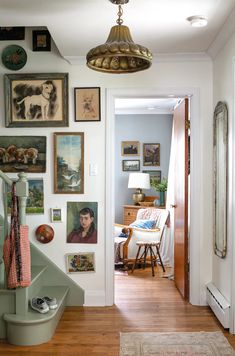
Take into account the wall’s visibility and how it interacts with the surrounding decor. A well-placed gallery wall can become the centerpiece of a room, drawing attention and admiration from anyone who enters.
Assess the Wall’s Condition
Before hanging anything, assess the condition of your chosen wall. Ensure it is clean and free from damage, as a smooth surface will make the hanging process easier and ensure frames hang correctly.
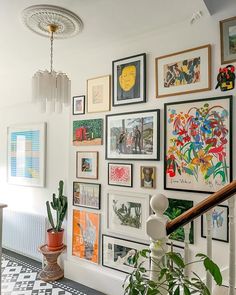
If there are any imperfections, consider patching and repainting the wall to create a fresh and inviting backdrop for your gallery. A well-prepared wall enhances the overall look of the display.
Determine the Layout Style
Choosing the right layout style is crucial to achieving your desired aesthetic. Consider the mood you want to create, whether it’s formal, casual, or structured, as this will guide your decision-making.
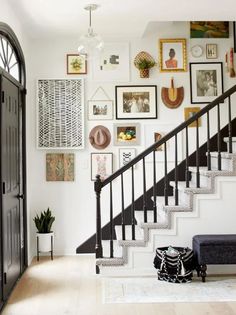
Symmetrical layouts offer a classic appeal, while asymmetrical arrangements allow for more creativity and personality. Grid patterns provide a clean, organized look, perfect for showcasing a series of related images.
Creating a Mock-Up
Before committing to any hanging, create a mock-up of your layout on the floor. This step allows you to visualize the arrangement and make adjustments as needed. Use painter’s tape to outline the arrangement directly on the wall, providing a clear guide for hanging.
This mock-up process is invaluable, as it gives you a chance to experiment with different placements before permanently affixing anything to the wall.
Curating Your Collection
Curating your collection is a critical aspect of creating a gallery wall. Choose pieces that resonate with you, whether they are personal photographs, artistic prints, or other meaningful mementos. This selection process transforms your wall into a unique representation of your life and interests.
Incorporating a variety of styles and subjects can enhance the visual interest of your display. Aim for a mix of color palettes and artistic styles to create a dynamic and engaging wall.
Choosing the Frames
The frames you select will significantly influence the overall aesthetic of your gallery wall. Opt for frames that complement the art they house while also coordinating with one another. You can choose uniform frames for a streamlined look or mix different styles for an eclectic touch.
Consider the color and material of each frame to ensure they contribute positively to the overall design. A well-thought-out selection will enhance the beauty of the artwork and create a cohesive display.
Finding the Right Balance
Achieving balance is essential when arranging your gallery wall. Distributing colors, shapes, and sizes evenly across the display will create a harmonious appearance. This balance helps prevent the wall from feeling cluttered or chaotic.

Start with larger pieces as anchors and gradually fill in with smaller frames. This technique allows for a visually appealing arrangement that maintains interest while ensuring cohesion.
Using Spacing to Your Advantage
Strategic spacing is key to a successful gallery wall. A general rule of thumb is to maintain 2-3 inches of space between frames. However, feel free to adjust this based on the dimensions of your wall and the sizes of your frames.
Consistent spacing contributes to an organized look and ensures that each piece has room to breathe, allowing your collection to shine.
Hanging the Frames
As you begin hanging your frames, start with the central piece and work your way outward. This approach helps maintain balance and symmetry within the arrangement. Use a level to ensure each frame is straight, making any necessary adjustments as you go.
Following your mock-up closely will make this process smoother. Ensure that every frame aligns with the overall layout you’ve envisioned for your gallery wall.
Tools and Supplies Needed
Before you start hanging, gather the necessary tools and supplies. Essential items include nails or picture hangers, wall anchors for heavier frames, a level, measuring tape, and a soft cloth for cleaning.
Having everything on hand will streamline the process and make it easier to achieve the desired look for your gallery wall.
Measuring and Marking
Accurate measuring and marking are crucial for a successful gallery wall. Measure the distance from the top of each frame to the hanging hardware and use this information to mark where nails or hangers should go.
Ensure that each mark is level and corresponds with your mock-up. Painter’s tape can help visualize the placement, making adjustments easy before drilling any holes.
Securing the Frames
For heavier frames, utilizing wall anchors is essential for stability. Drill holes at the marked spots and insert anchors to provide additional support, ensuring that your frames remain securely in place.
Each frame should be hung using the appropriate hardware to prevent any accidents or damages.
Installing Wall Anchors
Installing wall anchors is a straightforward process that adds extra security for heavier frames. Once you have marked the appropriate locations, drill holes and insert the anchors according to the manufacturer’s instructions.
This step is vital for ensuring that your gallery wall remains intact and visually appealing over time.
Hanging and Adjusting
As you hang each frame, begin with the centerpiece and gradually work outward. Use a level to ensure everything is aligned and straight. Take your time with this process, making adjustments as needed to maintain the overall balance of your gallery wall.
Once everything is hung, step back and evaluate the arrangement as a whole to ensure it meets your expectations.
Incorporating Decorative Elements
To add more personality to your gallery wall, consider incorporating decorative elements such as wall decals, small sculptures, or plants. These additions can enhance the visual interest of the display and make it feel more unique and inviting.
By thoughtfully selecting complementary decorative items, you can create a gallery wall that is not only visually stunning but also tells a richer story about your personal taste and style.
Lighting Your Gallery Wall
Proper lighting plays an essential role in showcasing your gallery wall effectively. Thoughtful lighting choices can enhance the overall aesthetic, drawing attention to the artwork and creating a warm, inviting atmosphere.
Consider using a combination of ambient, task, and accent lighting to highlight different aspects of your gallery wall. This layered approach will create depth and dimension, ensuring each piece is well-lit and appreciated.
Enhance Your Gallery Wall with Proper Lighting
To make the most of your gallery wall, consider the following lighting techniques:
1. **Picture Lights:** Install these above each frame for focused illumination.
2. **Adjustable Spotlights:** Use these to highlight specific pieces or areas within your gallery wall.
3. **LED Strip Lights:** These can be placed behind frames or along shelves for a subtle glow.
4. **Track Lighting:** Ideal for larger displays, providing flexibility to direct light as needed.
5. **Ambient Lighting:** General room lighting to create a warm atmosphere.
Regular Dusting and Cleaning
To maintain the beauty of your gallery wall, regular dusting and cleaning are necessary. Use a soft cloth to gently wipe down frames and artwork, ensuring they remain pristine and free of dust.
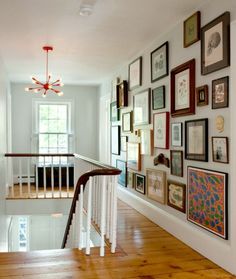
Keeping your gallery wall clean is essential for preserving the vibrancy of the colors and details within each piece.
Updating and Refreshing
As your tastes evolve, consider updating your gallery wall with new artwork or photographs. This refreshing approach keeps your home decor dynamic and engaging, allowing you to showcase your latest inspirations and memories.
Don’t shy away from rotating pieces or even changing the layout entirely. A refreshed gallery wall can breathe new life into your space.
Themed Gallery Walls
Creating a themed gallery wall can bring a cohesive look to your display. Whether you choose travel photos, family portraits, or a collection of artistic prints, a unifying theme can enhance the overall appeal.
Themed walls provide a narrative, guiding viewers through the stories and experiences represented in your artwork.
Mixing and Matching
Don’t hesitate to experiment with mixing and matching different styles, colors, and textures within your gallery wall. Combining vintage frames with contemporary art or pairing black-and-white photographs with colorful prints can yield intriguing results.
The key is to maintain balance amidst diversity, ensuring that each element complements the others while contributing to a cohesive overall design.