In the months following our home purchase, I came to a startling realization: simply adding more decor was not enhancing the feel of our space. Instead of achieving a stylish aura, our rooms became cluttered and overwhelming. After navigating various decorating pitfalls, I discovered that minimalist design is not merely about reducing possessions but about making thoughtful choices. In this article, I’ll share seven valuable lessons that assisted me in crafting a more serene, organized, and inviting home.
1. Minimalist Doesn’t Mean Empty It Means Intentional
My initial misunderstanding of minimalism was that it would result in a house that felt stark or unfinished. Living in a busy household with children, a dog, and a plethora of daily activities, I wanted our home to exude comfort and warmth. Minimalist design emphasizes retaining only those items that serve a purpose or evoke genuine sentiment.
For instance, an abstract artwork acquired from a local market remained on display because it resonated with us, while decorative trinkets purchased merely to fill space were swiftly eliminated. This focus on intentionality helped us create a home that felt more curated and less chaotic.
One of the most transformative exercises was clearing off surfaces entirely and only returning items that I would decide to buy again today. Implementing this strategy in our living room resulted in an immediate sense of openness and order. The remarkable aspect of this exercise is that it requires no financial investment; often, the act of decluttering and refining your space yields a more significant impact than acquiring new items.

2. Neutral Colors Need Texture to Feel Warm
When I initially adopted a minimalist approach, I gravitated towards a palette of whites, beiges, and other muted tones. The end result was a space that appeared tidy but lacked character. This realization led me to understand that texture plays a pivotal role in transforming a neutral room into a welcoming environment.
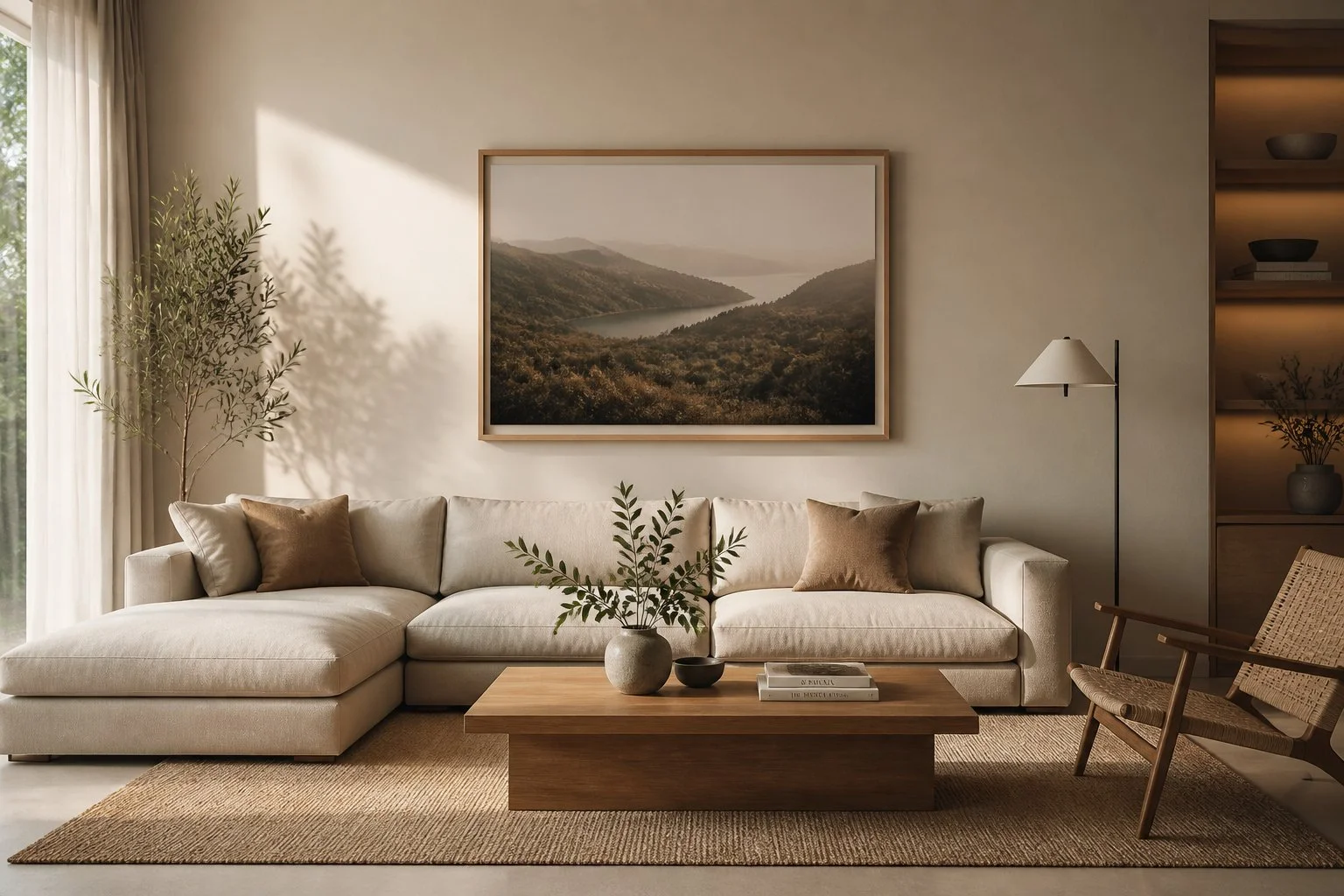
Incorporating materials such as linen, woven grass, natural wood, chunky knits, and matte ceramics added layers of warmth without introducing visual clutter. Simple additions like a linen throw, a woven basket, or a textured area rug can make a stark room feel inviting and cozy.
To maintain budget-consciousness, I sourced textures wisely. A stylish 8×10 jute rug from Wayfair was around $110, while two linen-blend pillow covers from Target were approximately $18 each. Additionally, a woven basket for dog toys from World Market was reasonably priced at $32. For those seeking budget-friendly options, places like HomeGoods and T.J. Maxx are ideal for discovering woven baskets, ceramic pieces, and textured accents for under $15.
3. One Statement Piece Has More Impact Than Several Average Ones
For a significant period, my furniture selections were satisfactory yet forgettable. This led to spaces that felt incomplete. The turning point came when I shifted my focus from acquiring multiple smaller items to investing in a single, high-quality piece. After returning two accent chairs, I channeled those funds into a beautifully upholstered chair in a warm oatmeal hue.
This singular investment dramatically transformed the corner of our room, lending the surrounding furniture a sense of purpose and intentionality. The minimalist approach thrives on the principle that fewer items allow for a greater focus on quality rather than quantity. A well-designed lamp, for example, can create a more substantial impact than an array of inexpensive alternatives.
If budget constraints make significant purchases unrealistic, I recommend exploring platforms like Facebook Marketplace or OfferUp for secondhand finds from reputable brands. Oftentimes, patience in searching leads to fantastic deals on quality furniture.
4. Lighting Creates Warmth Better Than Extra Decor
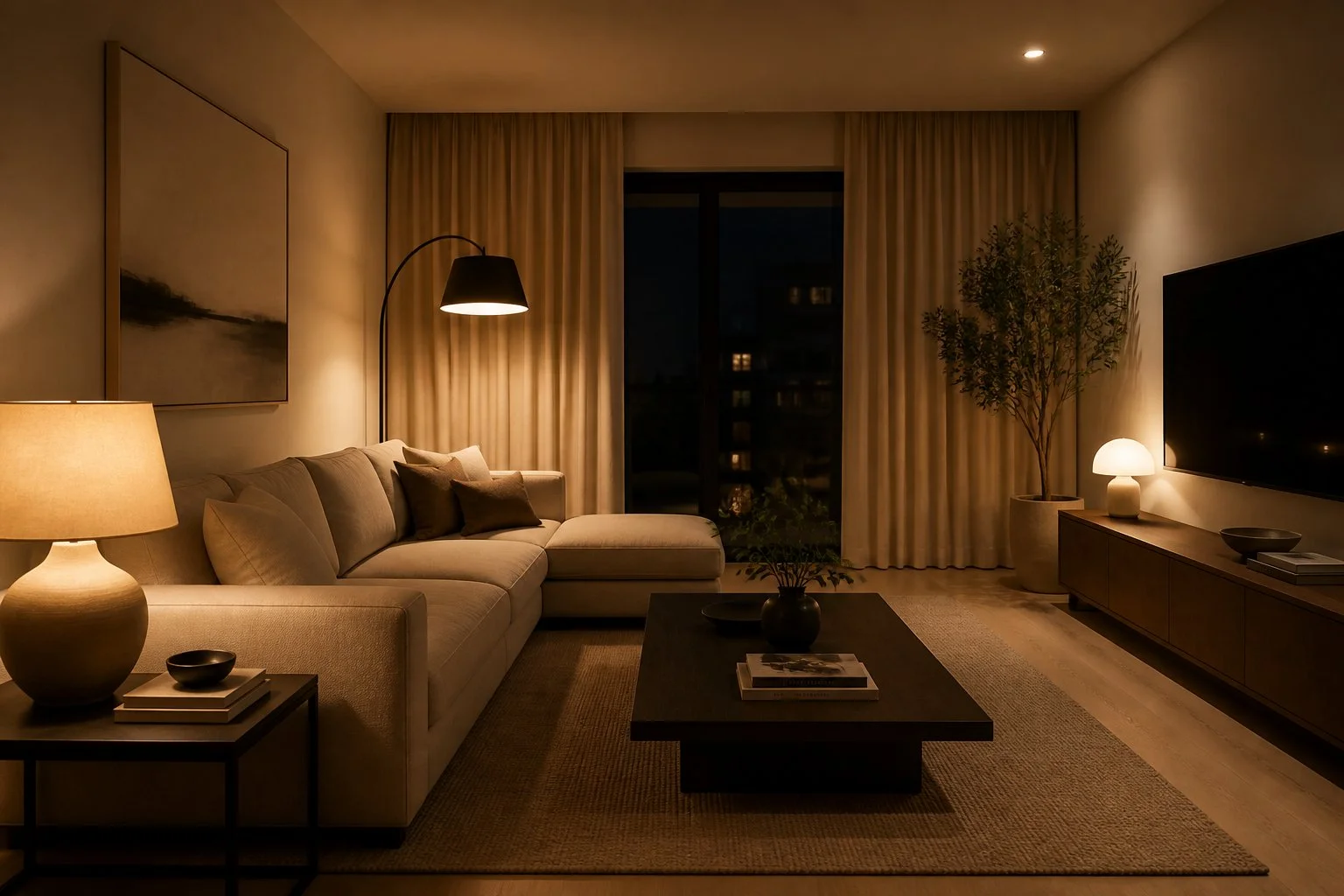
The influence of lighting in our home proved to be more significant than any decorative element I could add. Initially, our house featured standard builder-grade fixtures with cool-toned bulbs that cast a harsh feel in every room. The transformation began with replacing these bulbs with warm 2700K LED options, instantly enhancing the atmosphere.
Furthermore, I introduced a floor lamp in one corner of the living room, which instantly balanced the space and added to its comfort. In minimalist design, effective lighting contributes significantly to the warmth that many people attempt to achieve through excessive decor. By combining overhead lights, floor lamps, and table lamps, depth can be created without introducing clutter.
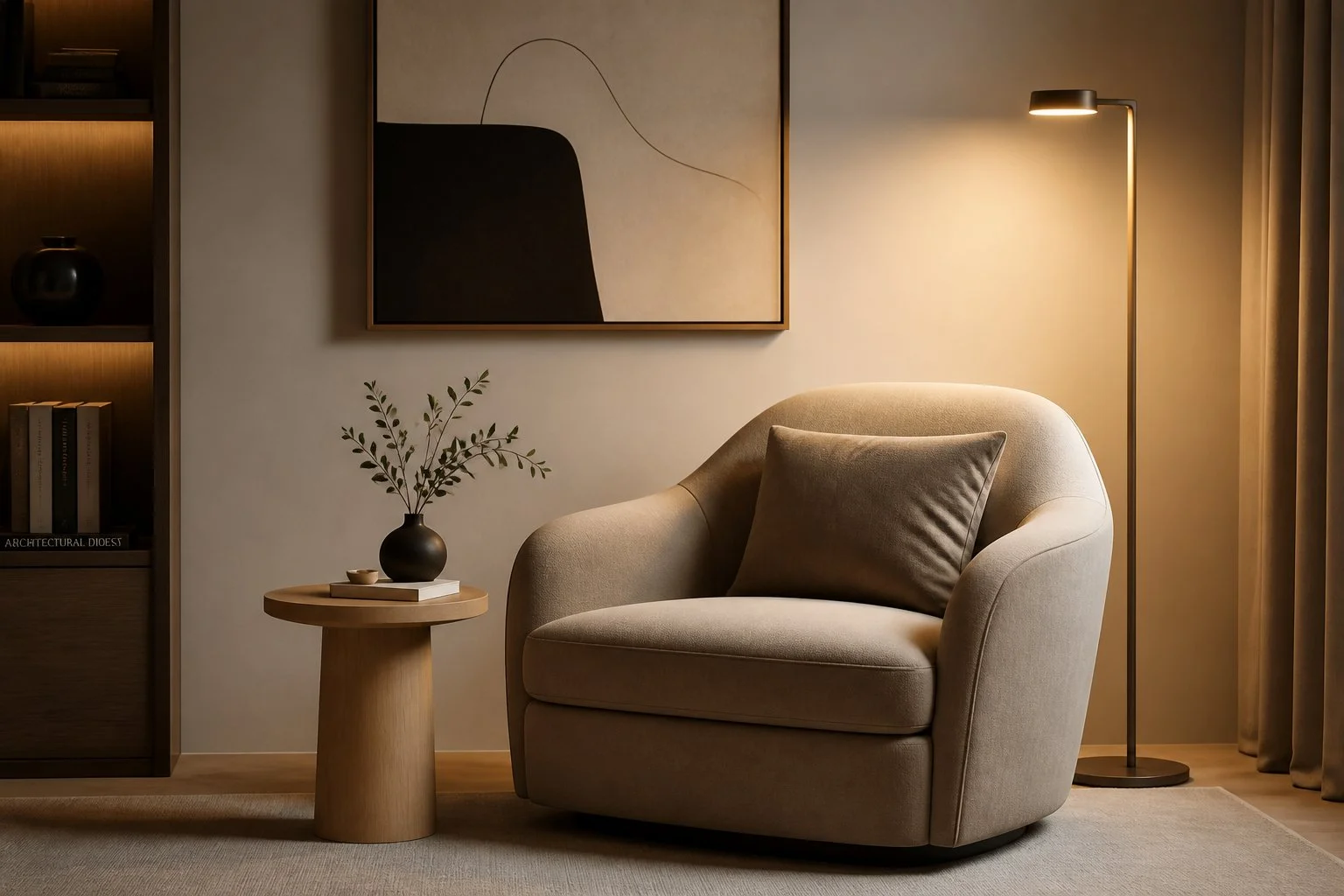
Moreover, investing in LED bulbs is a wise choice for the long term, as they not only have a longer lifespan but also consume less energy, making them more efficient.
5. Hidden Storage Is Essential for Families and Pets
Adopting a minimalist approach becomes challenging when everyday items lack designated storage spaces. In our home, clutter primarily stemmed from a collection of daily necessities—shoes, backpacks, chargers, craft supplies, dog leashes, and library books—that quickly piled up. The solution involved implementing storage solutions that provided order.
We introduced an IKEA KALLAX unit near our entryway, filling the cubbies with fabric baskets that neatly housed shoes, backpacks, and pet supplies. Additionally, I replaced an open TV stand with a media console that featured doors, allowing us to conceal cords, remotes, and gaming accessories, which immediately lent the living room a cleaner appearance.
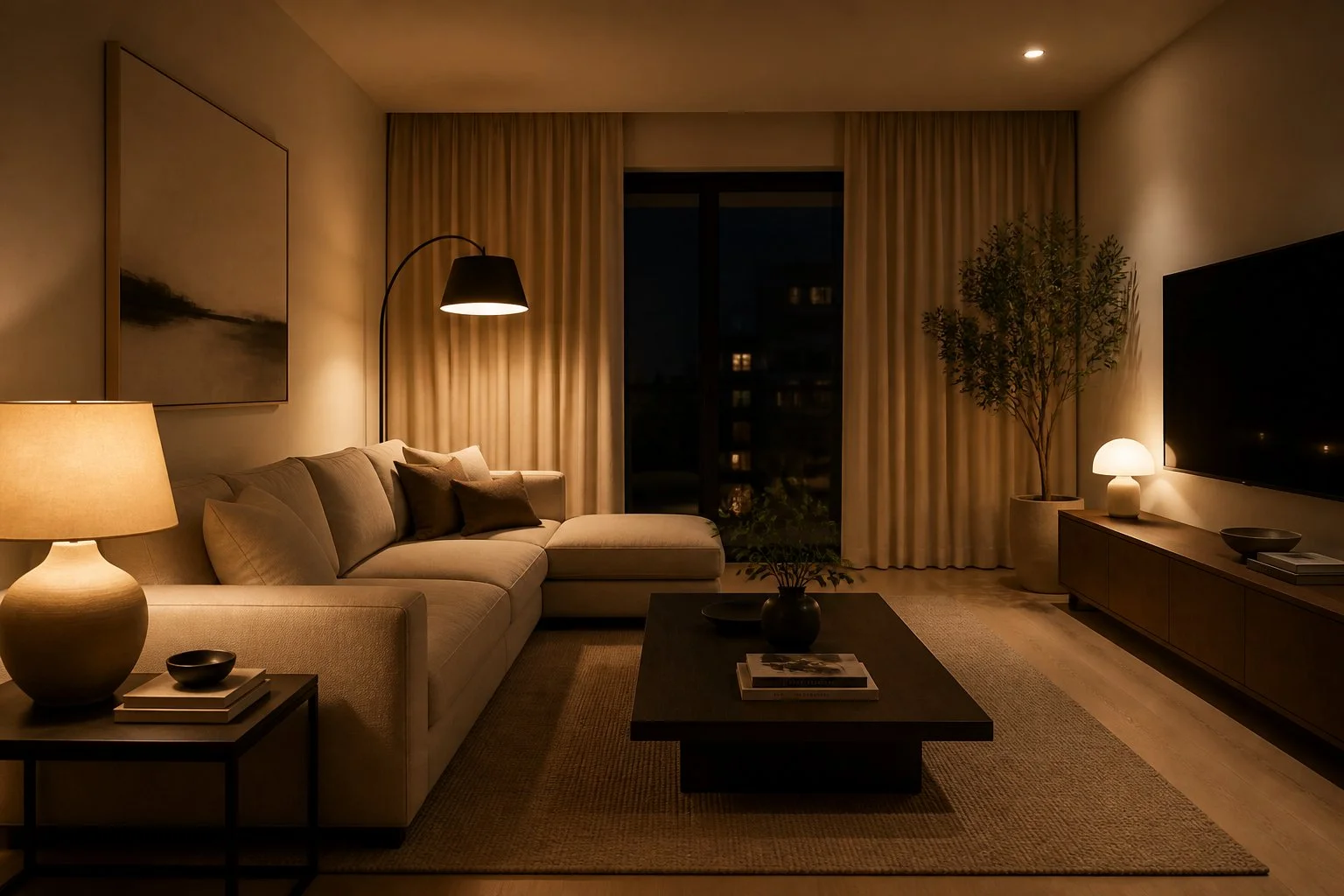
A guiding principle for storage decisions became clear: if something belongs in storage, it should ideally remain out of sight whenever possible. This simple rule significantly contributed to maintaining a streamlined and tidy environment.
6. Test Paint Before Committing
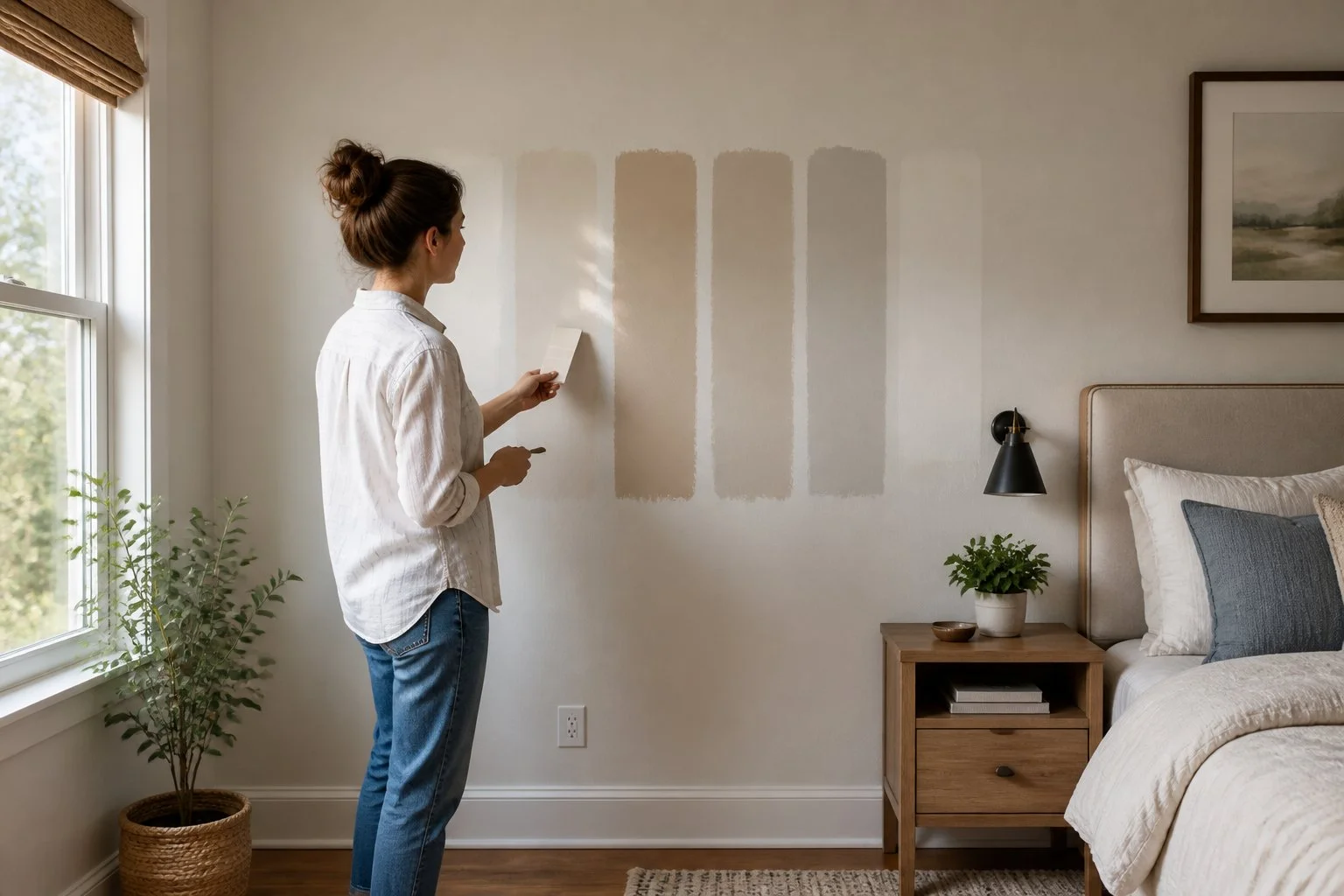
One of my more significant decorating blunders involved paint choices. Believing that bright white walls would exemplify a clean minimalist aesthetic, I quickly discovered that the color appeared cold and uninviting in our north-facing bedroom. North-facing spaces tend to receive cooler light, which can make white paint seem harsher than anticipated.
After repainting with a warmer neutral tone, the room finally felt comfortable and cohesive. This experience underscored a crucial lesson: always test paint samples within the specific room they will adorn. Observing the samples at different times of day can provide clarity before making a final decision.
Investing a few dollars in sample paint can save you from costly missteps in the future. Additionally, for homes built before 1978, it’s vital to consult a qualified professional before disturbing older paint surfaces that may contain lead.
7. Rotate Decor Instead of Adding More
Seasonal decorating can quickly overwhelm a minimalist home if not approached thoughtfully. For years, I found myself layering holiday decorations atop my regular decor, leading to overcrowded shelves and surfaces by December. A more effective strategy emerged: rotating items instead of accumulating them.
During the fall, I would swap lightweight textiles for heavier textures and introduce a few seasonal accents. Similarly, in the holiday season, I removed some everyday decor to make space for festive pieces. This method maintains balance in the home while allowing for a seasonal touch.
An unexpected advantage of this approach is the elimination of the need for extra storage space. Seasonal items can simply replace what is already on display, creating an uncluttered and cohesive environment.
What I’d Do Differently
If given the chance to start anew, I would dedicate less time to shopping and more time to editing my space. I spent hundreds of dollars on decorative items that ultimately failed to enhance our home’s appeal. Prioritizing storage solutions earlier in the process would have been a wise move, as hidden storage fosters a cleaner and more tranquil atmosphere than most decorative purchases can achieve.
Most importantly, I would strive to relinquish the pressure to fill every empty wall or corner. Embracing empty spaces as an asset rather than a flaw can often lead to a more balanced, peaceful, and intentionally designed room.
What I Actually Bought
In my journey towards minimalist decorating, I made several key purchases that contributed to our home’s transformation. A beautiful upholstered chair in a warm oatmeal color became a focal point in our living space. This statement piece replaced multiple lesser-quality chairs and instantly elevated the room’s aesthetic.
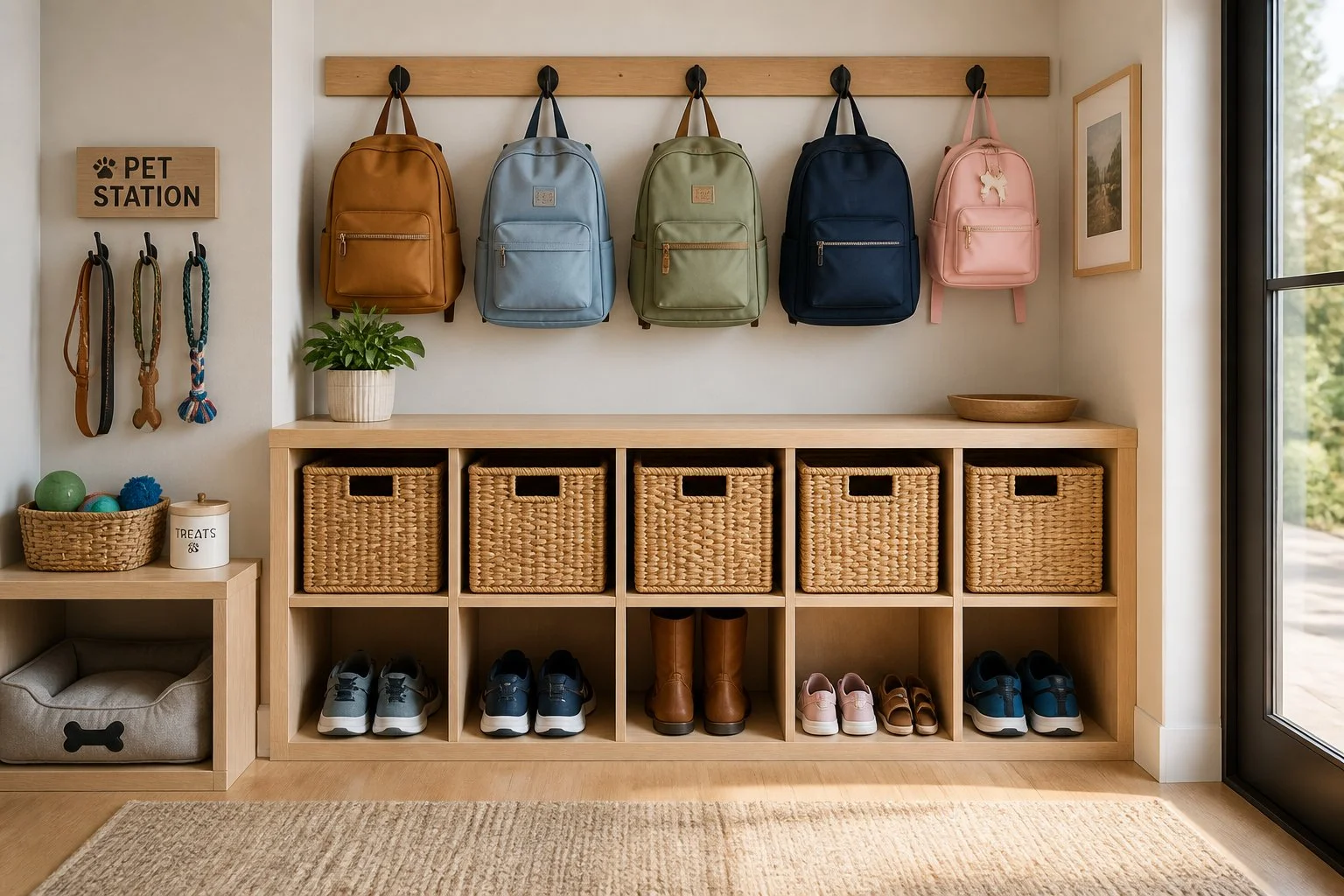
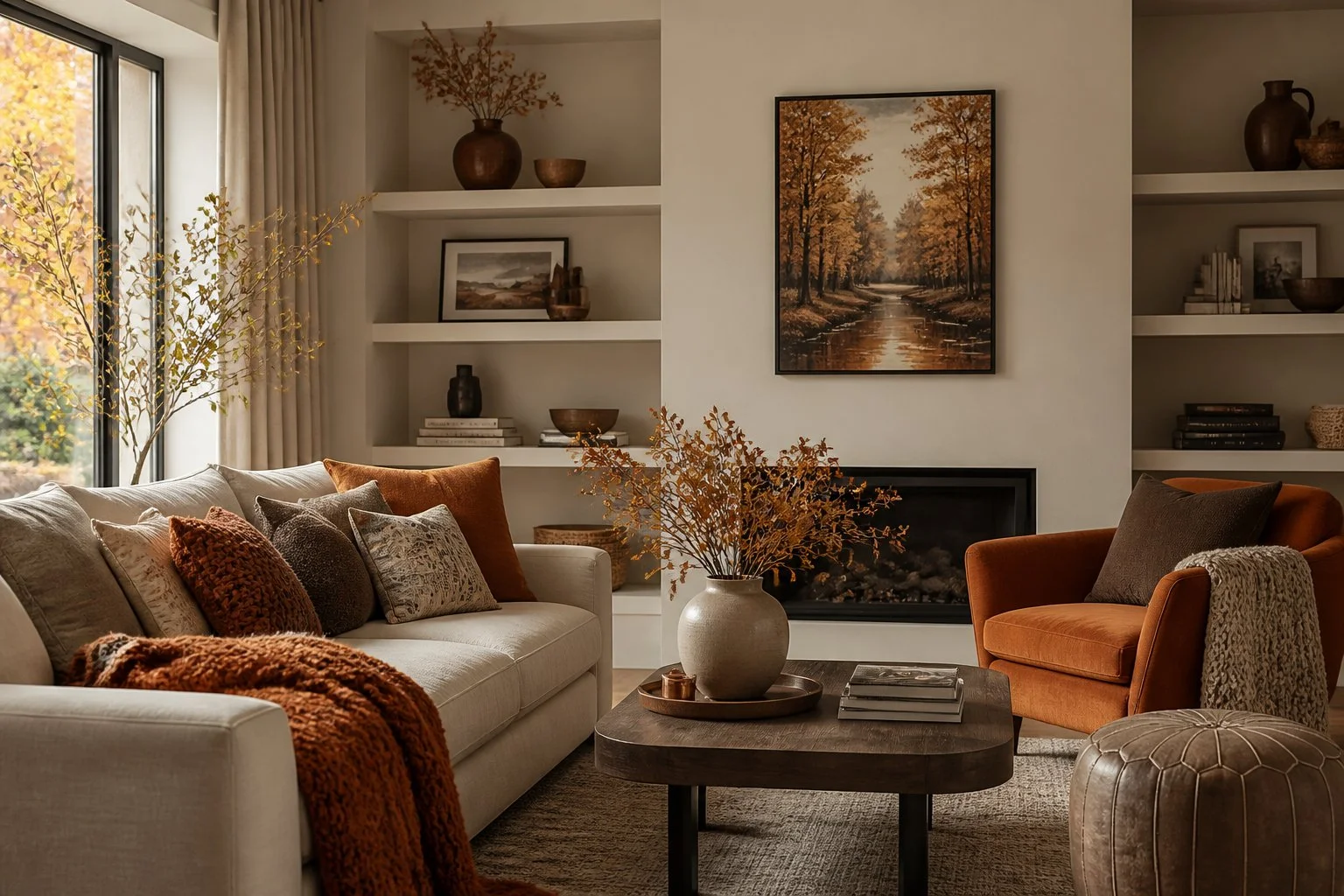

Additionally, I invested in a few carefully chosen textiles that added texture and warmth to our neutral palette. The jute rug from Wayfair and linen-blend pillow covers from Target were among the most effective choices, effortlessly enhancing the overall ambiance of our home.
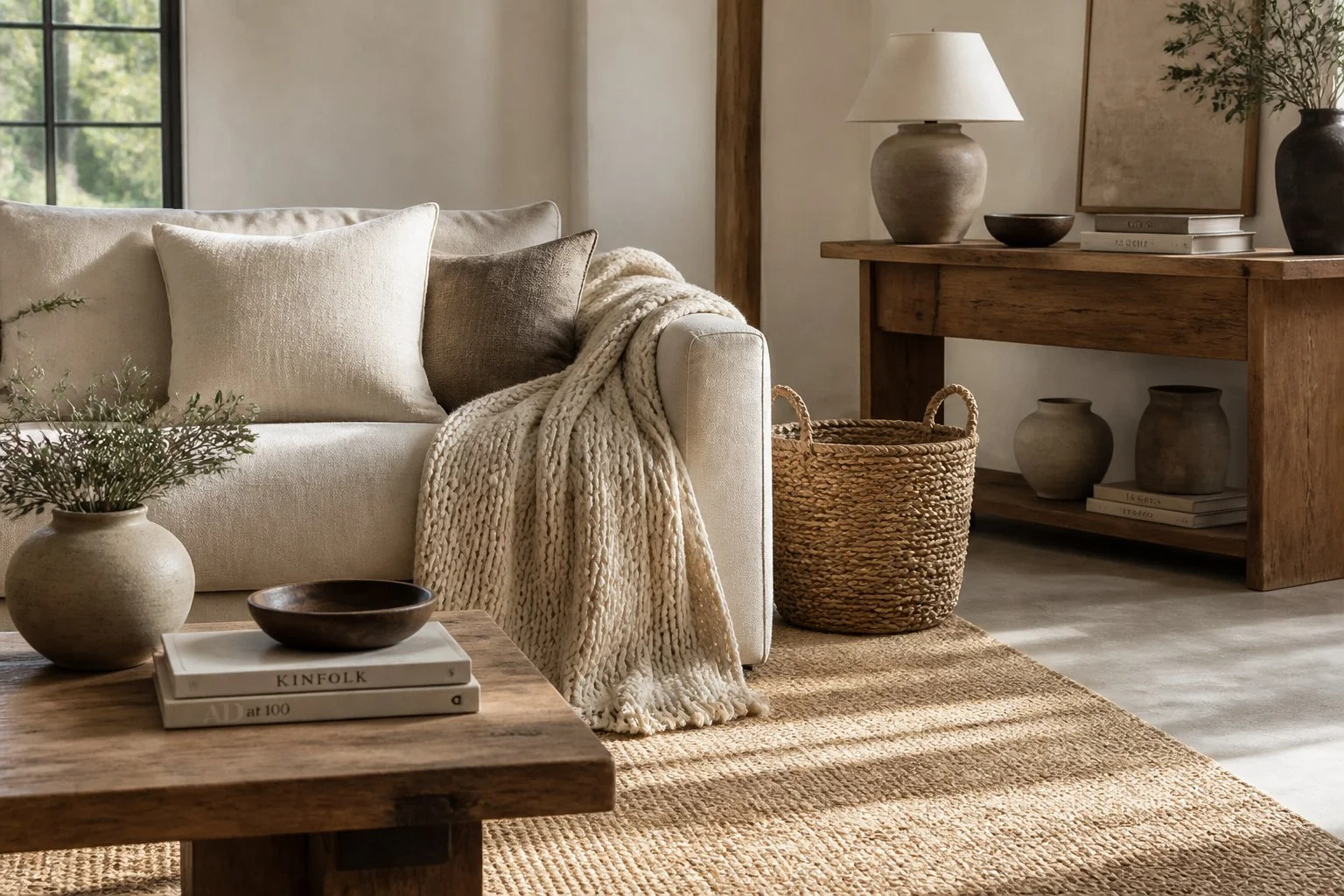
Woven baskets from various retailers also played a crucial role in organizing everyday items while adding a touch of natural beauty. These purchases exemplified the importance of quality over quantity in minimalist design.
What Worked for Us
Throughout this decorating journey, several strategies yielded successful results in achieving a minimalist yet inviting home. Prioritizing intentional purchases over impulsive buys allowed us to create a space that felt coherent and thoughtfully curated. Our investments in quality furniture and lighting made a notable difference in the overall atmosphere.
Incorporating hidden storage solutions proved essential in managing everyday clutter, enabling us to maintain a clean and organized environment despite the chaos of family life. The practice of rotating seasonal decor contributed to keeping our home fresh while preventing overcrowding.
Ultimately, embracing the principles of minimalist decorating has allowed us to cultivate a serene and welcoming space that reflects our family’s lifestyle while eliminating unnecessary stress. The lessons learned along the way have been invaluable in shaping the home we cherish today.