1. Embrace the Power of “Leggy” Furniture
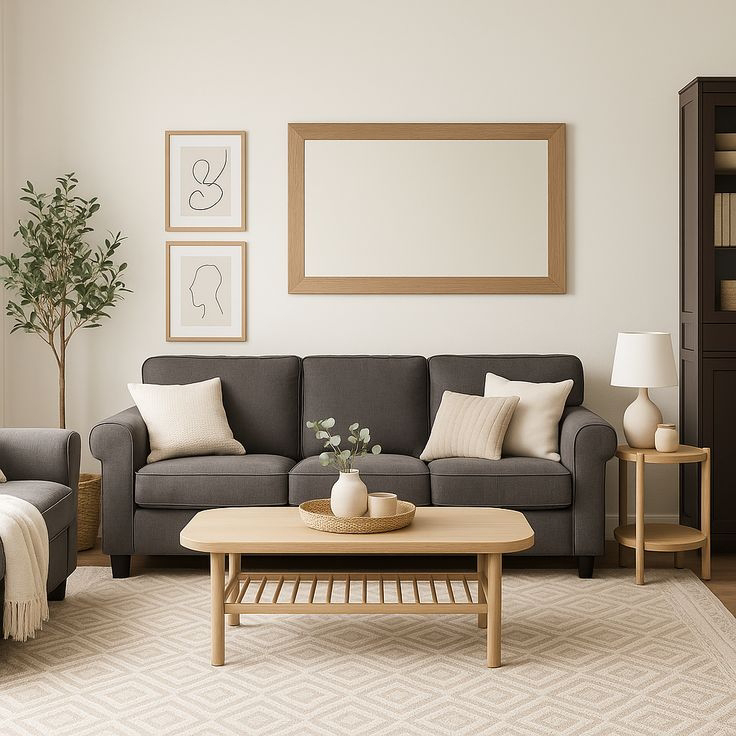
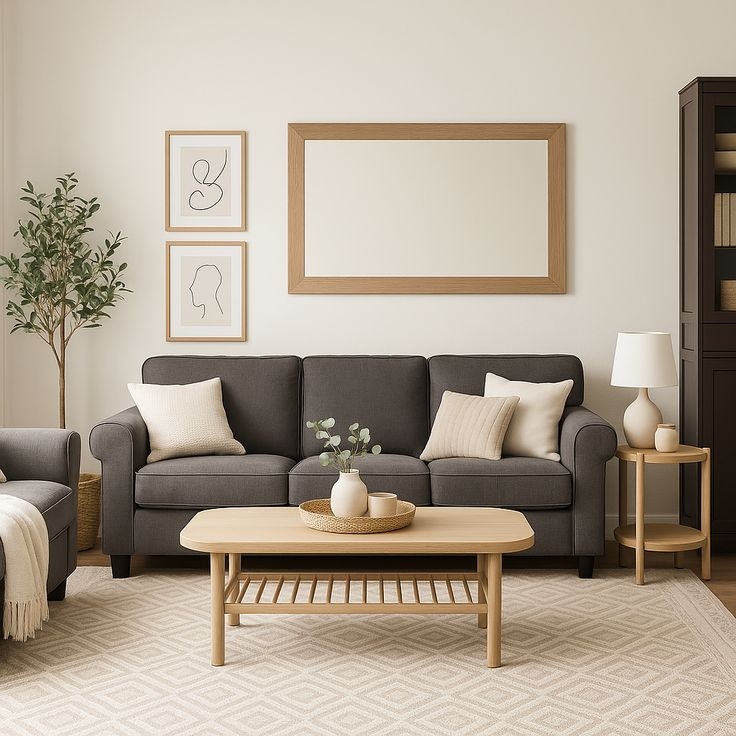
When it comes to maximizing space in a small living room, leggy furniture can be a game changer. Pieces that are elevated on legs create an illusion of openness, allowing light to flow beneath them and making the area feel more expansive. Instead of bulky sofas and heavy chairs, opt for designs with slender legs that lift the furniture off the ground.
Incorporating leggy furniture draws the eye downward, enhancing the perception of space. This is particularly effective in tight quarters where visual clutter can easily overwhelm. Consider accent chairs and coffee tables with a light frame to maintain that airy vibe.
Furthermore, the use of leggy designs can seamlessly blend with various decor styles, from mid-century modern to contemporary chic. Choose pieces that reflect your unique style while simultaneously contributing to a more open atmosphere.
2. Float Your Shelves
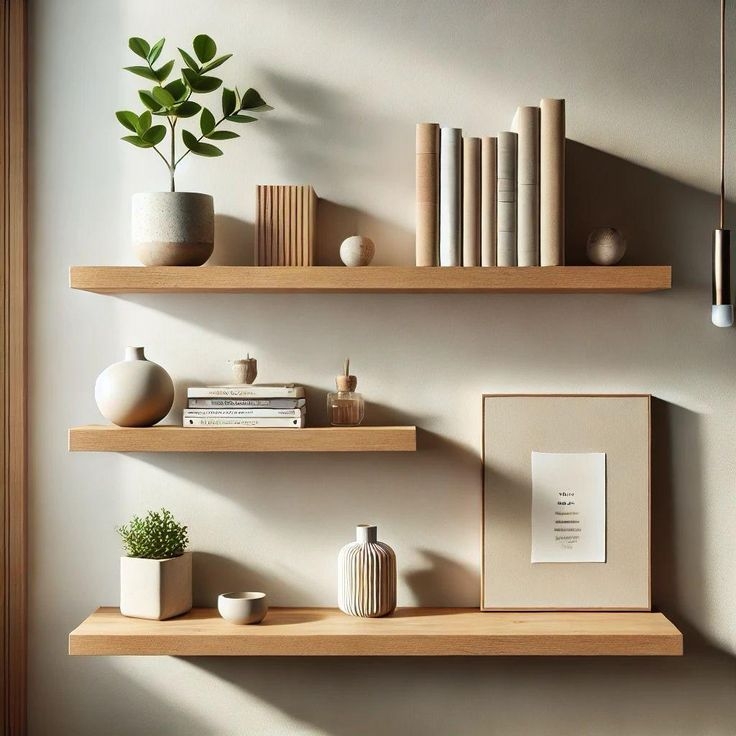
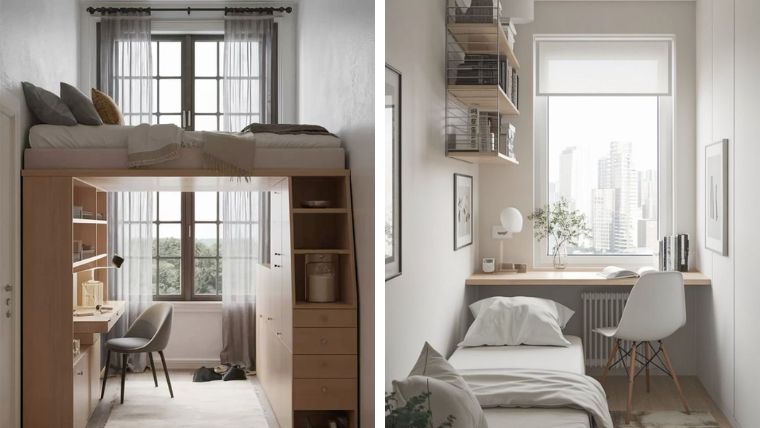
Floating shelves are an excellent choice for small living rooms as they maximize wall space without consuming any floor area. By mounting shelves on the wall, you draw attention upward, creating the illusion of higher ceilings and a more spacious environment.
Consider arranging your floating shelves in a staggered pattern for added interest and visual appeal. This layout not only provides storage for books and decor but also acts as an artistic display that can enhance your room’s character.
To further elevate the look, incorporate decorative items that reflect your personality. Mixing books, plants, and unique trinkets can turn your shelves into a curated gallery that adds depth and intrigue to your living room.
3. Fake High Ceilings with Floor-to-Ceiling Curtains
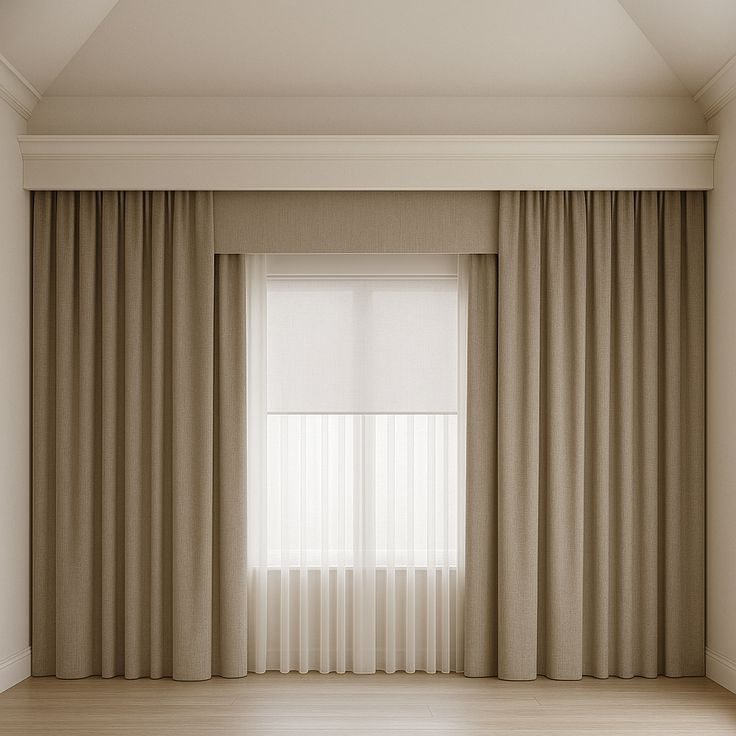
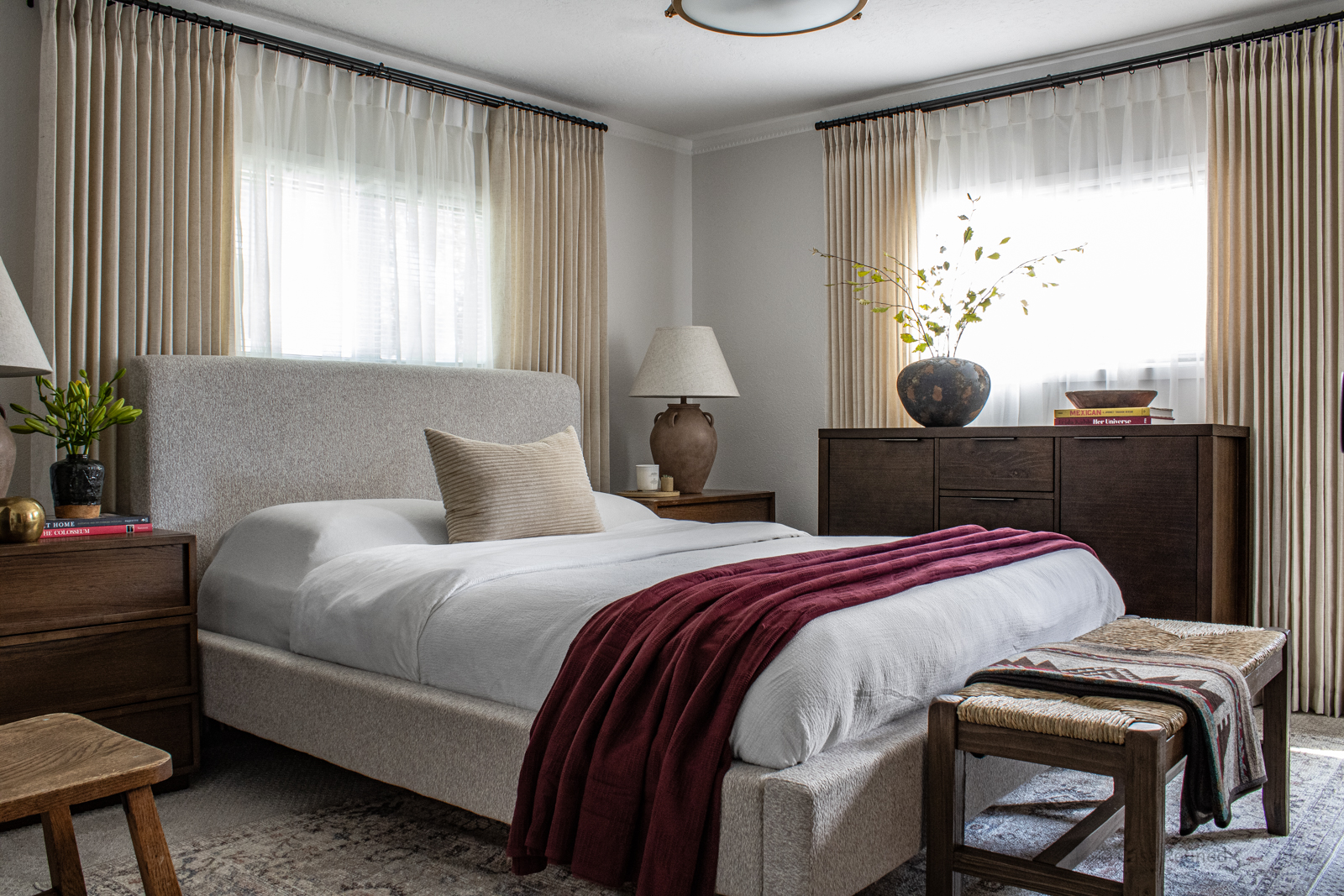
One of the most effective tricks to create an illusion of height in your living space is to hang floor-to-ceiling curtains. This design choice draws the eye upward, making even the most compact rooms feel more spacious and airy.
Select lightweight, sheer fabrics that allow natural light to filter through while providing privacy. Neutral colors or subtle patterns can enhance the feeling of openness without overwhelming the space.
For added drama, choose curtains in a bold color or texture that contrasts with your walls. This will not only draw attention to the height but also serve as a striking focal point that brings character to your living room.
4. Invest in Multi-Functional Masterpieces
In a small living room, every piece of furniture should serve multiple purposes. Investing in multi-functional furniture can save space while enhancing functionality. Look for items such as ottomans that double as storage, or coffee tables that can transform into dining tables when needed.
Consider a sofa bed for guests, or a convertible chair that can serve as additional seating or a lounging option. These versatile pieces allow you to maximize your living space without sacrificing style or comfort.
By selecting furniture that adapts to your needs, you create a flexible living area that can easily transition from day to night, accommodating both relaxation and social gatherings.
5. Go Big with a Single Statement Piece
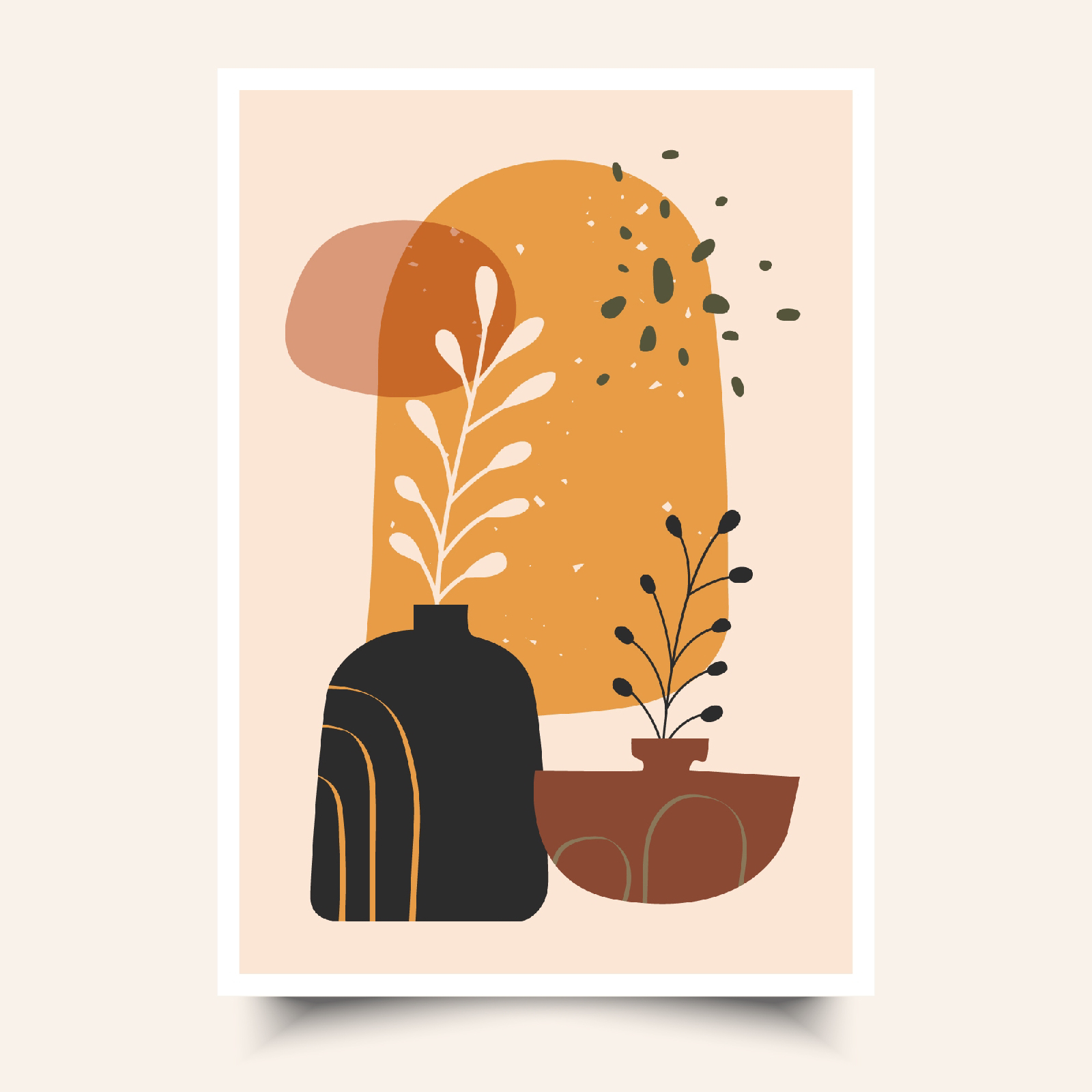
In small spaces, sometimes less is more. Instead of overcrowding your living room with numerous decor items, choose one large statement piece that commands attention. This could be a bold piece of art, a striking light fixture, or an oversized piece of furniture.
A single statement piece creates a focal point, allowing the rest of the room to breathe. This approach not only simplifies the design but also emphasizes the uniqueness of the standout item, making it a conversation starter.
When selecting your statement piece, ensure it resonates with your personal style and complements the overall decor of your living room. This can create a cohesive look that feels curated and intentional.
6. Hang a Massive Mirror (or Two)
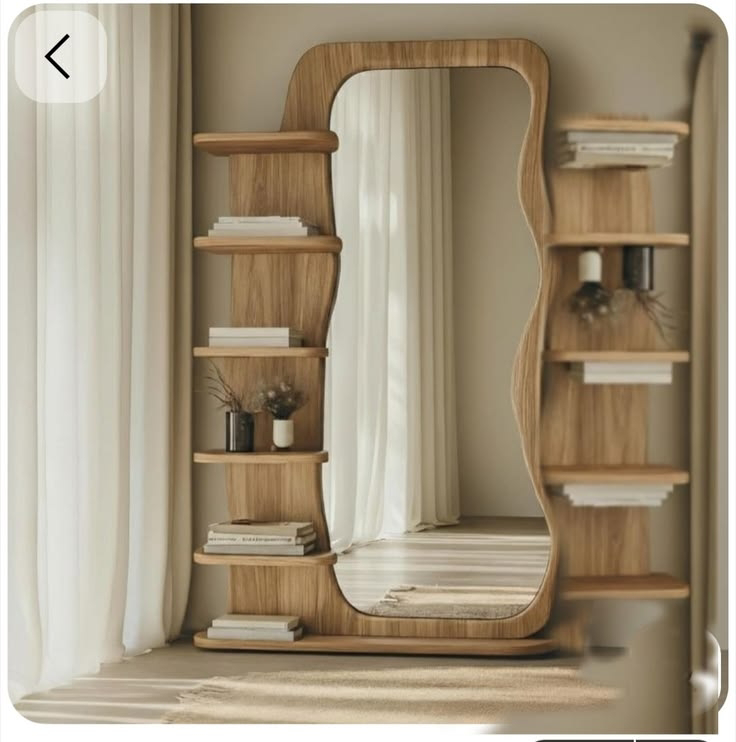
Mirrors are not just decorative; they are powerful tools for creating the illusion of space. Hanging a large mirror can effectively reflect light and give the impression of a larger area. Consider placing a mirror opposite a window to maximize the incoming natural light and enhance the room’s brightness.
For added drama, choose a mirror with an interesting frame that adds texture and style to your living room. A pair of mirrors can also work wonders when positioned strategically, reflecting different angles and light sources.
In addition to their aesthetic benefits, mirrors can also enhance the overall ambiance by making the space feel more open and inviting, perfect for compact living areas.
7. Try a Monochromatic Color Palette
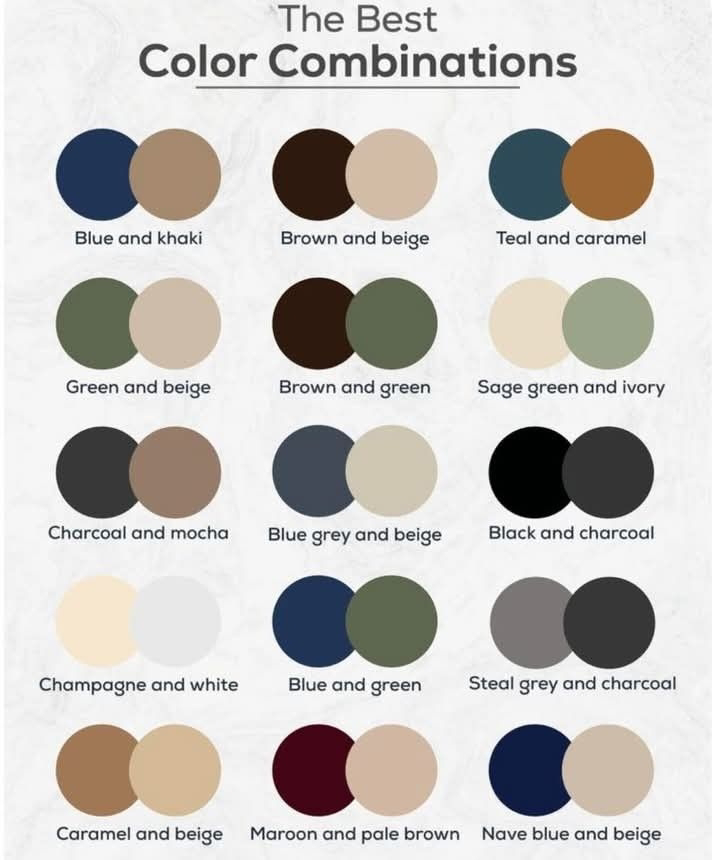
Utilizing a monochromatic color scheme is another effective strategy for small living rooms. Sticking to a single color or varying shades of the same hue can create a cohesive and harmonious look that visually expands the space.
When selecting your color palette, consider soft, light tones that can help to brighten the room and make it feel larger. Whites, creams, or pastels are excellent choices, as they reflect light and contribute to a serene atmosphere.
You can introduce depth and interest by incorporating different textures within the same color family. Layering fabrics and materials, such as a plush rug paired with a sleek sofa, adds visual intrigue without overwhelming the senses.
8. Opt for See-Through Acrylic or Glass
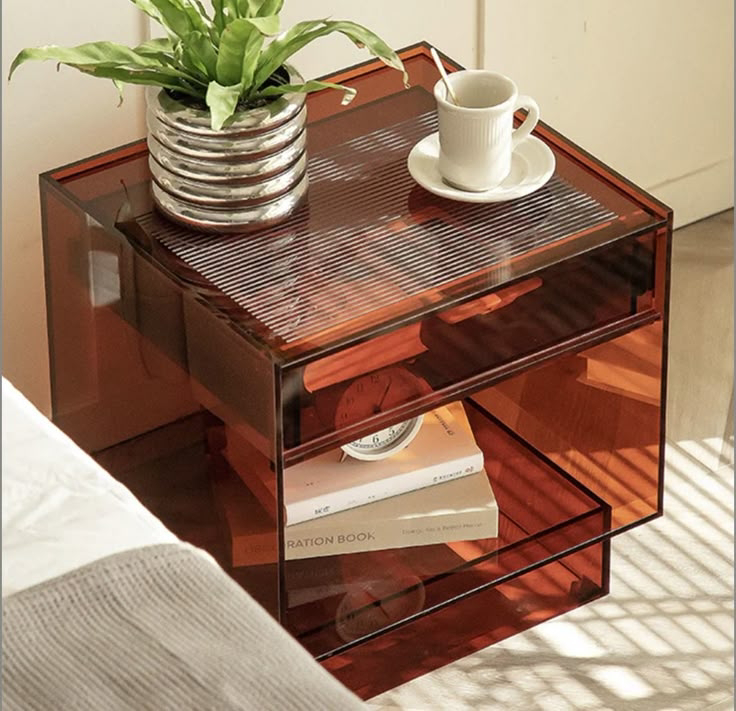
Acrylic and glass furniture are fantastic options for small living rooms, as they offer a sense of lightness and transparency. These materials create an airy feel, allowing the space to appear less cluttered while maintaining functionality.
Consider incorporating an acrylic coffee table or glass side tables that blend seamlessly into your decor. Their transparent nature allows your space to flow more freely, making it feel more open and inviting.
Additionally, clear materials can reflect light, further enhancing the brightness of the room. This design choice makes it easier to style your living room without the risk of overwhelming a compact area.
9. Use Low-Profile Furniture
Low-profile furniture can work wonders in small living spaces, as it draws the eye across the room rather than up to the ceiling. Pieces like low sofas and chairs can create a sense of spaciousness and make the living area feel less cramped.
When selecting low-profile options, consider styles that maintain comfort while offering a sleek silhouette. This balance will allow you to enjoy a cozy atmosphere without sacrificing the feeling of openness.
By incorporating low furniture, you also create an opportunity to utilize vertical space more effectively, allowing for additional wall decor that can enhance the room’s overall aesthetic.
10. Go Large with Your Area Rug
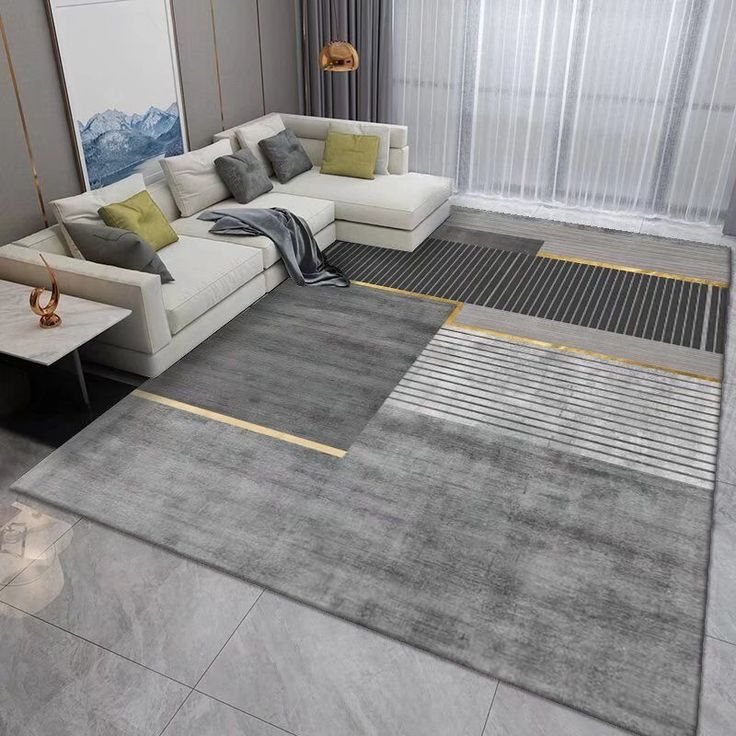
Contrary to popular belief, using a large area rug in a small space can actually help to define the area and create a cozy atmosphere. A generous rug can unify the various elements within your living room, making it feel like a cohesive environment.
When choosing a rug, opt for one that extends beneath your furniture, as this will anchor the space and give it an intentional design. A larger rug can also create a sense of depth, drawing the eye and making the room seem larger than it is.
Consider patterns or textures that resonate with your personal style, ensuring that the rug complements the overall decor while enhancing the comfort of the space.
11. Say Goodbye to Bulky Floor Lamps
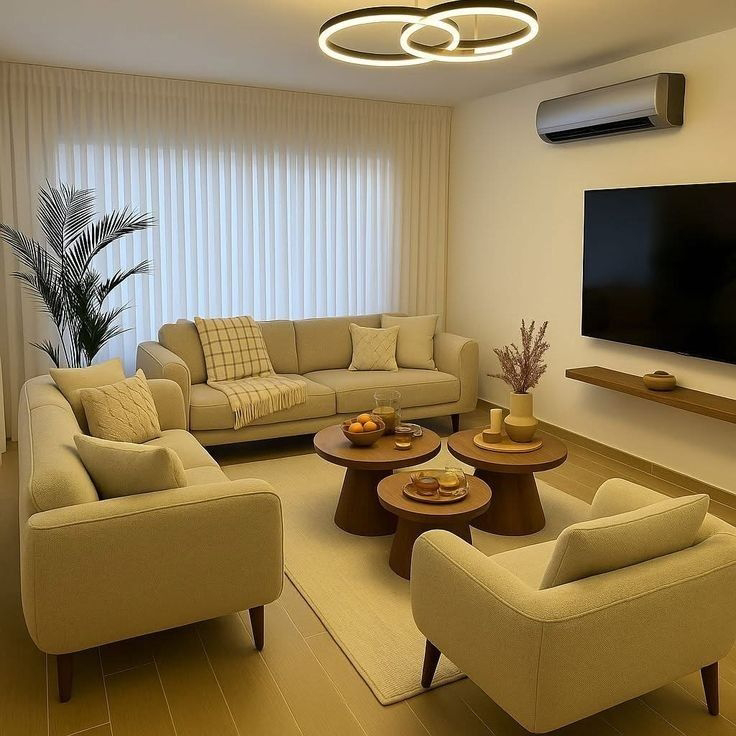
In small living rooms, bulky floor lamps can take up valuable space and create visual clutter. Instead, consider sleek alternatives like wall sconces or table lamps that provide adequate lighting without overwhelming the area.
Wall-mounted lighting fixtures can free up floor space while also adding a stylish element to your decor. Choose designs that can be adjusted to direct light where you need it most, enhancing both functionality and aesthetic appeal.
Additionally, consider using string lights or other creative lighting solutions that can add ambiance without taking up physical space, contributing to a warm and inviting atmosphere.
12. Rethink the Coffee Table
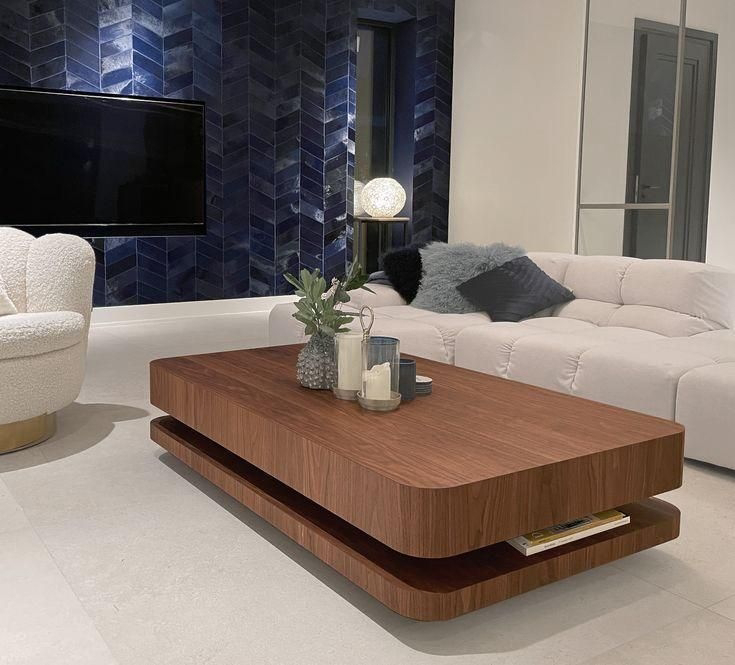
The coffee table is often the centerpiece of the living room, but in a small space, it should be both stylish and functional. Consider alternatives like nesting tables, which can be stowed away when not in use, or ottomans that can serve as both seating and a surface.
Choosing a coffee table with built-in storage can also be incredibly practical, providing a place to store blankets, magazines, and other essentials without adding clutter to your living room.
Incorporating unique shapes or designs can also uplift the style of your living room while maintaining a practical approach. Look for pieces that enhance the overall decor while serving their intended purpose effectively.
13. Curate, Don’t Clutter
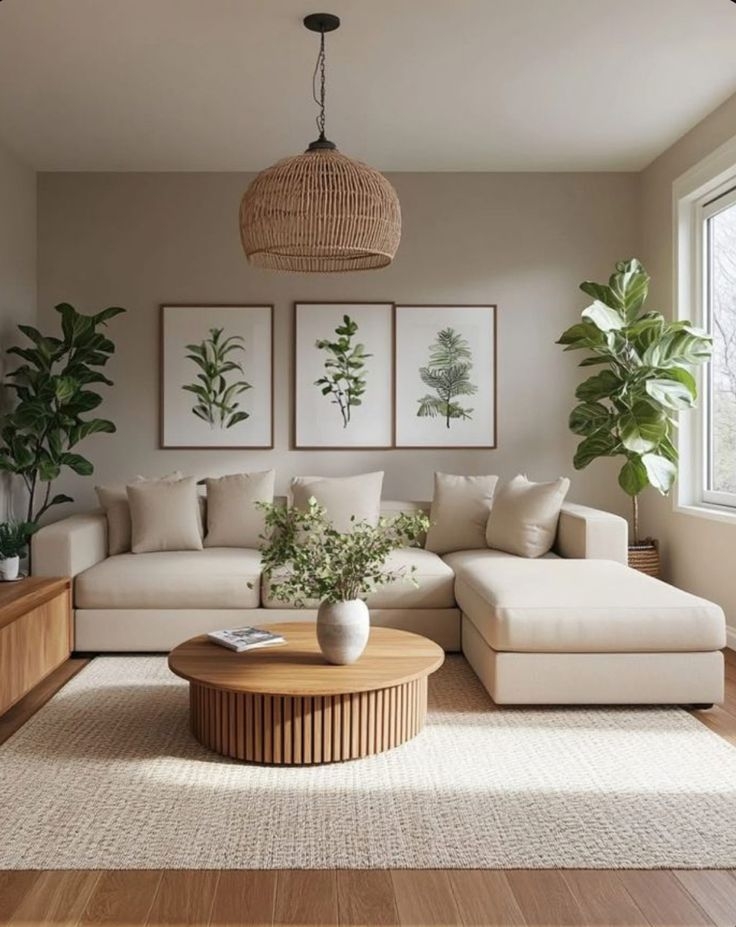
In a small living room, it’s essential to curate your decor rather than clutter it with too many items. Select a few statement pieces or sentimental objects that reflect your personality and style, allowing them to shine without competing for attention.
By focusing on quality over quantity, you can create a more intentional and sophisticated look. This approach not only elevates the overall aesthetic but also makes the space feel more organized and welcoming.
Consider utilizing shelves or display cases to showcase your curated collection, ensuring that each item is thoughtfully placed and adds to the overall theme of the room.
14. Embrace the Cozy Corners
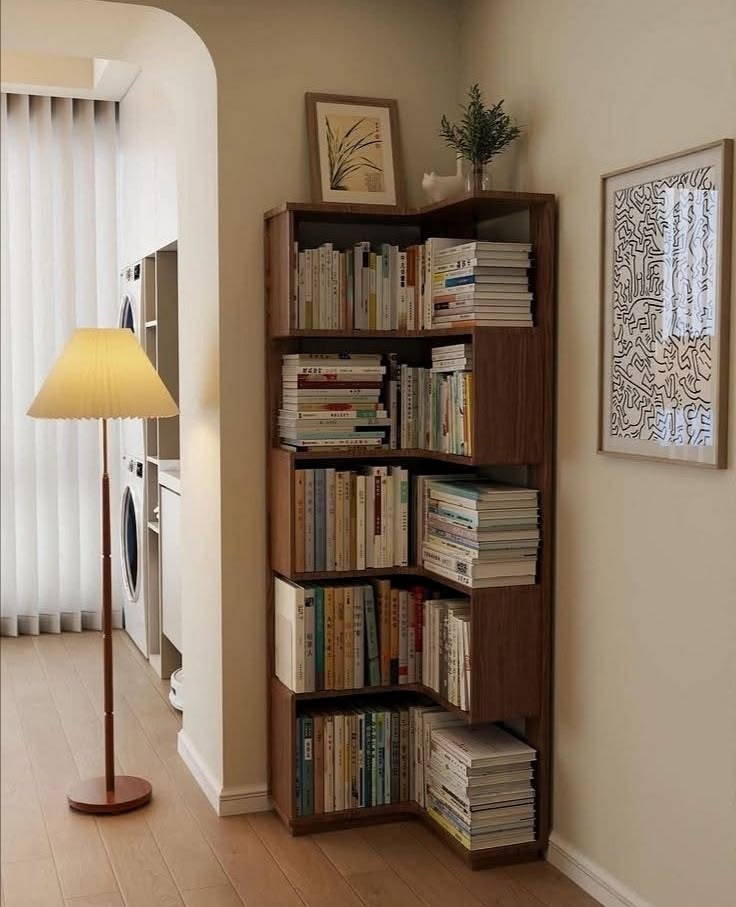
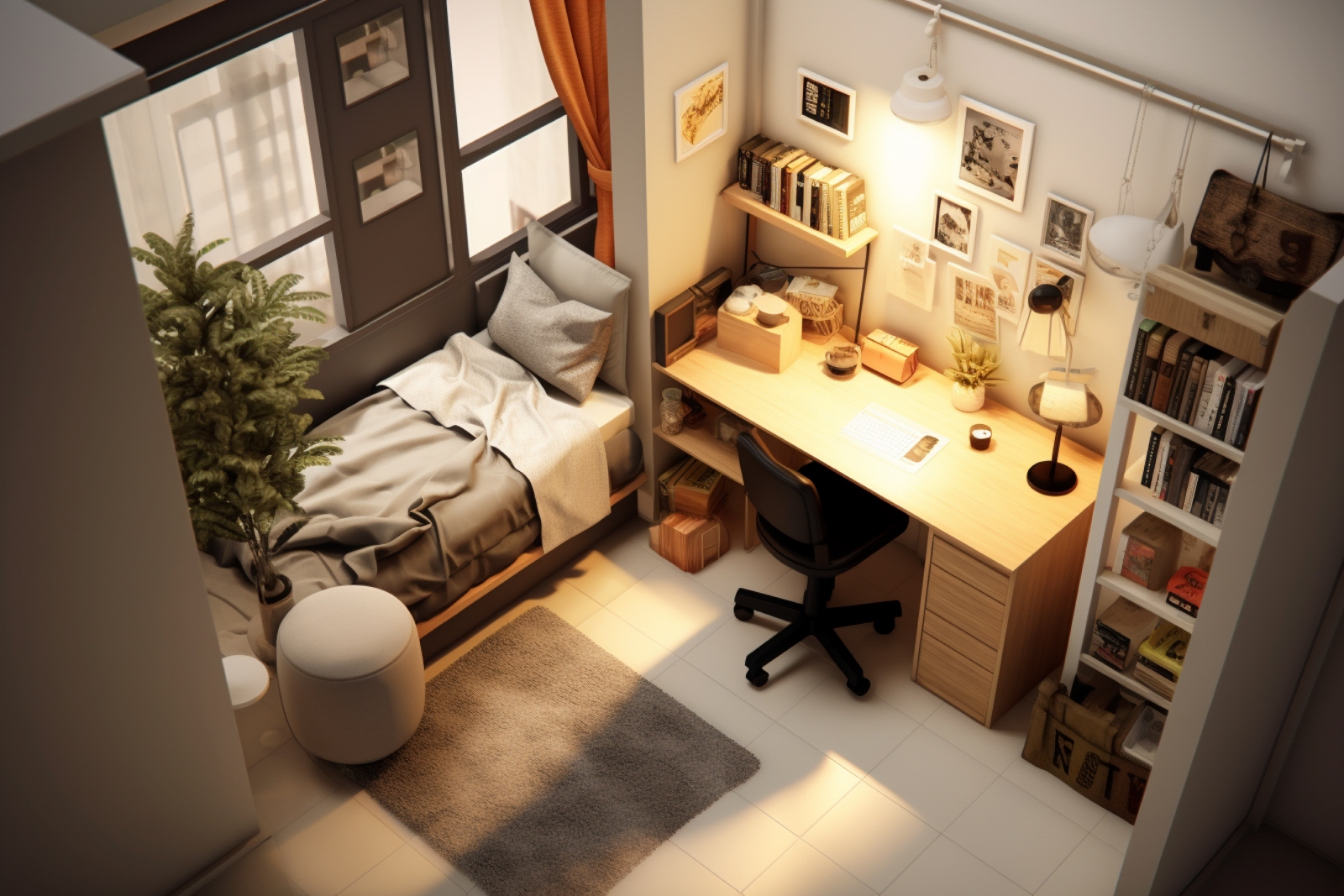
Small living rooms often have unique nooks and corners that can be transformed into cozy retreats. Embrace these spaces by adding comfortable seating, such as a small armchair or a floor cushion, perfect for reading or relaxing.
Incorporating a small side table or shelf can also enhance these cozy corners, providing a place for a drink or your favorite book. This not only adds functionality but also creates an inviting atmosphere that encourages relaxation.
Consider adding personal touches, like artwork or plants, to make these corners feel special and integrated into the overall decor of your living room.
15. Keep the Pathways Clear
In a small living room, maintaining clear pathways is crucial for both aesthetics and functionality. Furniture should be arranged in a way that allows for easy movement throughout the space, preventing the room from feeling cramped.
Consider the flow of traffic when designing your layout, ensuring that there are unobstructed paths between seating areas and entrances. This not only makes the space more user-friendly but also enhances the overall sense of openness.
By keeping pathways clear, you allow for a more relaxed atmosphere that encourages social interaction and comfort, making your small living area feel welcoming and spacious.
Final Thoughts: It’s All About the Vibe
Creating a stylish and functional living room in a compact space is all about enhancing the vibe while maximizing every inch. By implementing these design strategies, you can transform your small living area into a welcoming haven that reflects your personal style.
Remember to focus on pieces that are both functional and aesthetically pleasing, allowing your living room to serve as a comfortable retreat and an inviting space for guests. With thoughtful design choices, even the smallest spaces can feel expansive and full of character.