Let’s face it: you adore your home, but there are moments when your living room feels as though it has shrunk unexpectedly. The couch seems closer than it should be, the walls appear to be closing in, and suddenly you find yourself rearranging furniture like it’s a game of Tetris every time friends come over.
I can relate. I’ve experienced life in small apartments, awkwardly designed layouts, and even a living room where just opening the door felt like an Olympic event. The encouraging part? You don’t have to resort to demolition to enhance your space.
Understanding how to make a small living room appear larger can be transformative. With the right techniques, your area can feel spacious, serene, and yes, genuinely livable.
I’ve employed these strategies in my own residences and assisted friends in liberating their pint-sized living rooms from the clutches of clutter. Now, let’s delve into what genuinely works versus what merely looks appealing on social media.
Why Small Living Rooms Feel Smaller Than They Are
Before we dive into the 13 methods for making a small living room appear larger, it’s essential to discuss why these areas often feel confined in the first place. Many people attribute the issue to lack of square footage, but I argue that poor layout choices and visual clutter are often to blame.
Time and again, I have witnessed small living rooms feel airy and spacious, while larger ones can feel suffocating. The key difference lies in the flow of the space, the scale of the furniture, and achieving a visual balance. When furniture overwhelms a room, it instantly feels cramped.
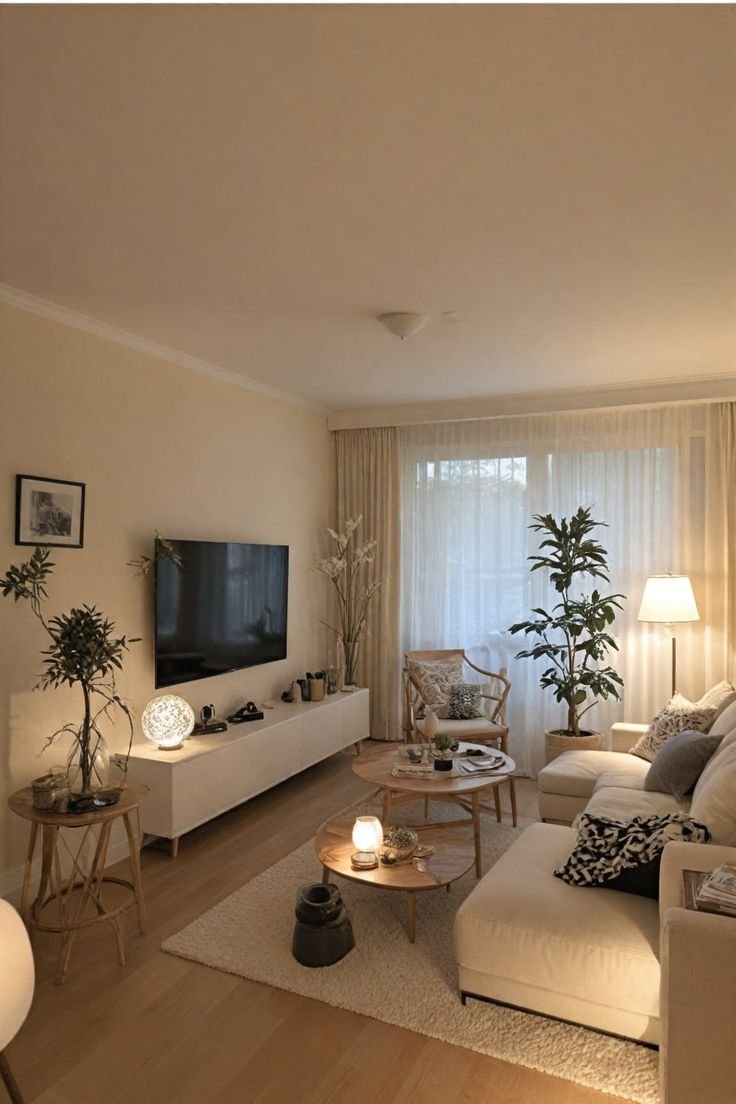
Have you ever noticed how one oversized sofa can completely disrupt the vibe? I’ve made that mistake, too, and it’s easy to do.
Your perception can be deceiving. Dark corners, heavy color schemes, and obstructed light can create an illusion of a small, boxed-in area. When light can move freely, your brain interprets the space as more expansive. It’s a simple psychological principle with a significant impact.
Ask yourself: does your living room allow light to flow, or does it trap it inside?
What People Really Search When They Want a Bigger Living Room
Most people aren’t looking for magic solutions; they’re searching for practical adjustments that won’t require extensive renovations. That’s why the most effective strategies for making a small living room feel larger focus on smart styling rather than costly remodeling.
If that resonates with you, then you’ve come to the right place.
Your goal is not to create a living room that feels empty or cold, but rather one that feels open, inviting, and intentional. Aim for a curated look rather than a crowded one, making it cozy without feeling cramped.
1. Use Light Colors to Open Up the Space
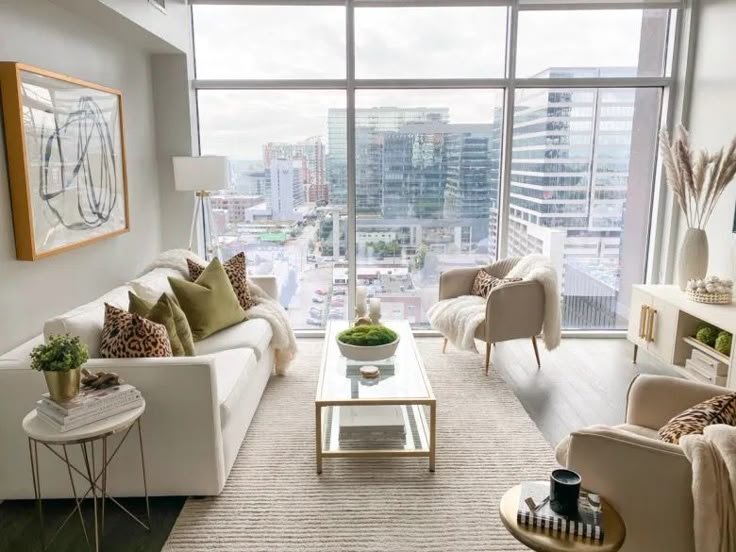
This tip is a classic for a reason: it works wonders. Light colors reflect light, instantly making your living room feel more expansive. I can personally attest to the dramatic difference it makes.
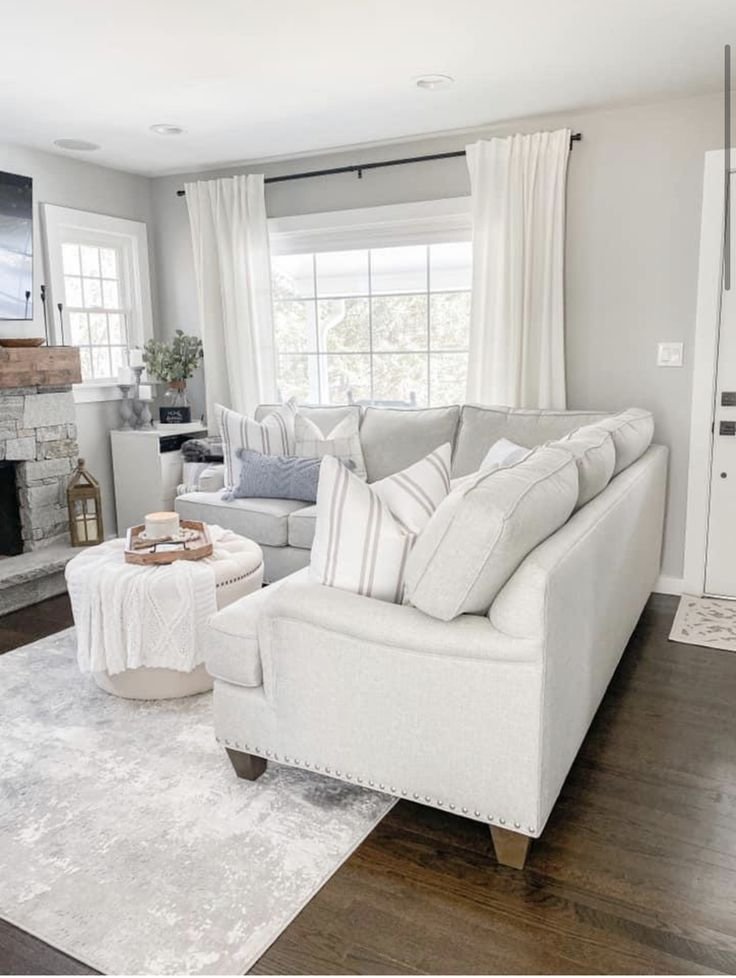
Soft whites, warm creams, pale grays, and light beiges can transform a space. They bounce light around rather than absorb it. When I painted my own tiny living room a warm off-white, it felt as if I added square footage overnight.
Some of the best wall color options that create an illusion of space include: light pastels, soft neutrals, and light shades of blue. Dark walls may look stunning, but they often demand more space than small living rooms can afford.
2. Choose Furniture That Fits the Room
Oversized furniture can quickly smother small living rooms. I learned this the hard way when I tried squeezing a chunky sectional into a compact area. What seemed cozy in the showroom turned into a ridiculous eyesore at home.
It’s crucial to select furniture that aligns with your room’s proportions. Features such as slim arms, raised legs, and clean lines help create a lighter atmosphere.
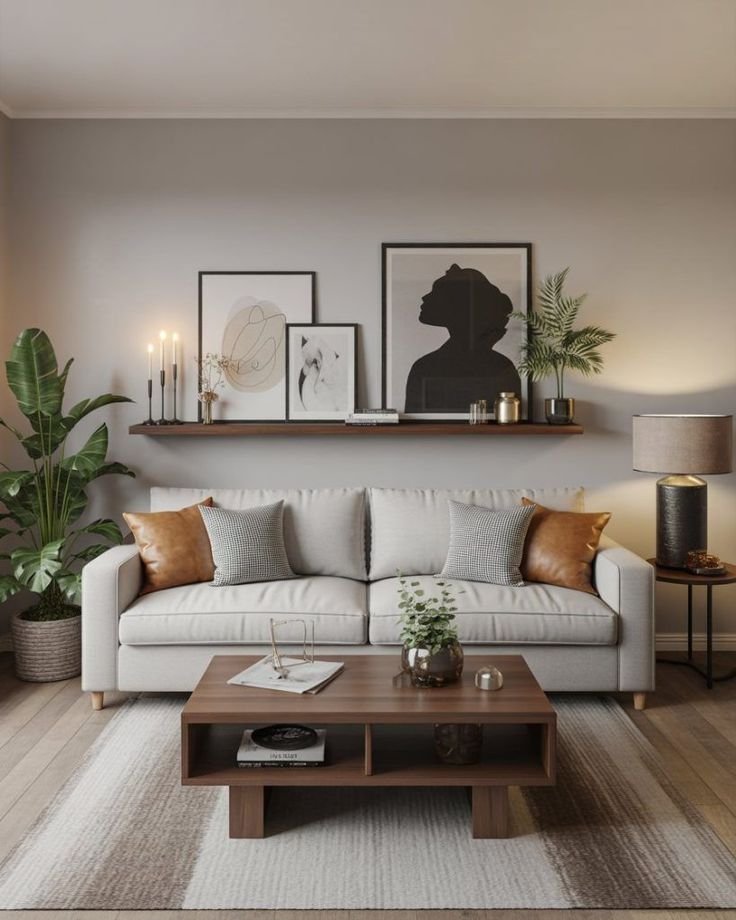
Consider furniture characteristics that enhance a small living room’s spaciousness: opt for lightweight side tables, sleek sofas, and chairs with open bases. Ever wondered why mid-century modern furniture thrives in small spaces? There’s a reason behind that trend.
3. Let Your Furniture Float
While it may seem logical to push all your furniture against the walls, this approach can often backfire. Floating furniture creates a sense of visual depth and enhances flow.
Try pulling your sofa slightly away from the wall. You can also float accent chairs instead of lining them up as if they were soldiers. Even a few inches can significantly alter the feel of the room.
I resisted this concept for ages, but after trying it just once, I was sold.
4. Use Mirrors to Create Instant Depth
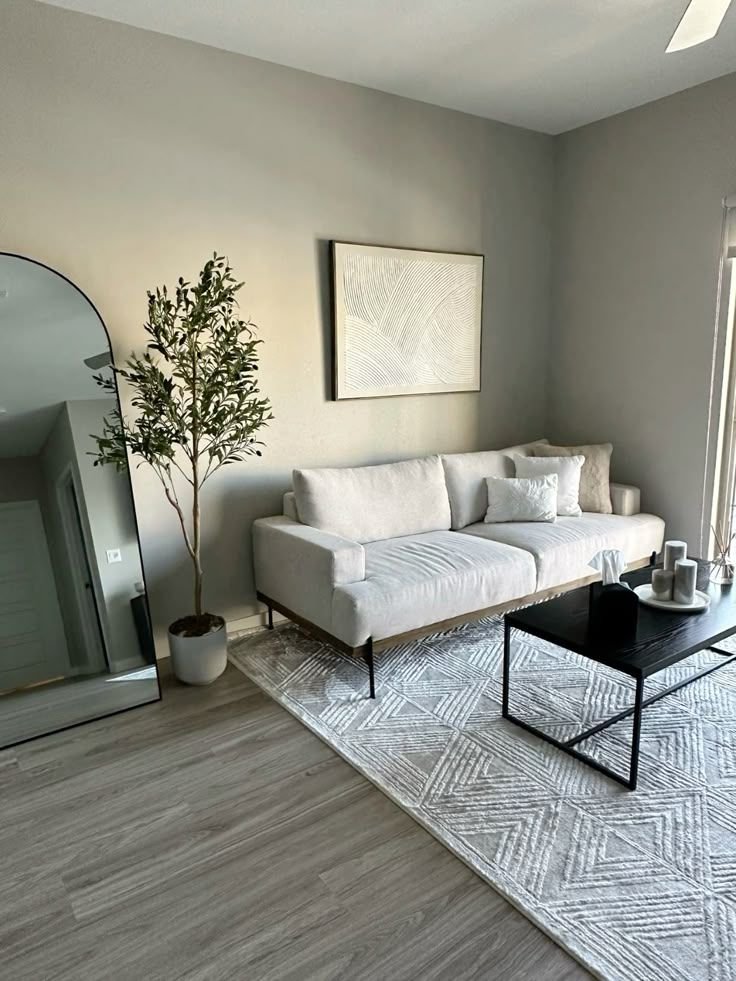
Mirrors might feel like a cheat, but I absolutely adore them for their ability to transform a space. They reflect light and create the illusion of more space, making them a must-have in small living rooms.
Position a mirror directly across from a window to double the light entering the room. Opt for a large mirror rather than several small ones to avoid visual clutter.
Here are some effective mirror tips: lean them against a wall for a casual look, use thin frames to keep the visual weight light, and hang them strategically to enhance the flow of light.
5. Keep the Color Palette Consistent
Too many colors can visually fragment a space. A cohesive color palette fosters a sense of flow, which can make a small living room appear more expansive.
Select a primary color and layer similar hues throughout the room. This doesn’t have to mean blandness; rather, it encourages a sense of intentional design.
When everything feels connected, your eyes move smoothly through the space, which creates an illusion of openness.
6. Maximize Vertical Space
In small living rooms, when floor space runs out, don’t forget to look upwards. Vertical space often remains underutilized.
7. Choose the Right Rug Size
Utilizing a rug that is too small can make your living room feel cramped and disjointed. This common mistake shows up frequently, even in professionally styled homes.
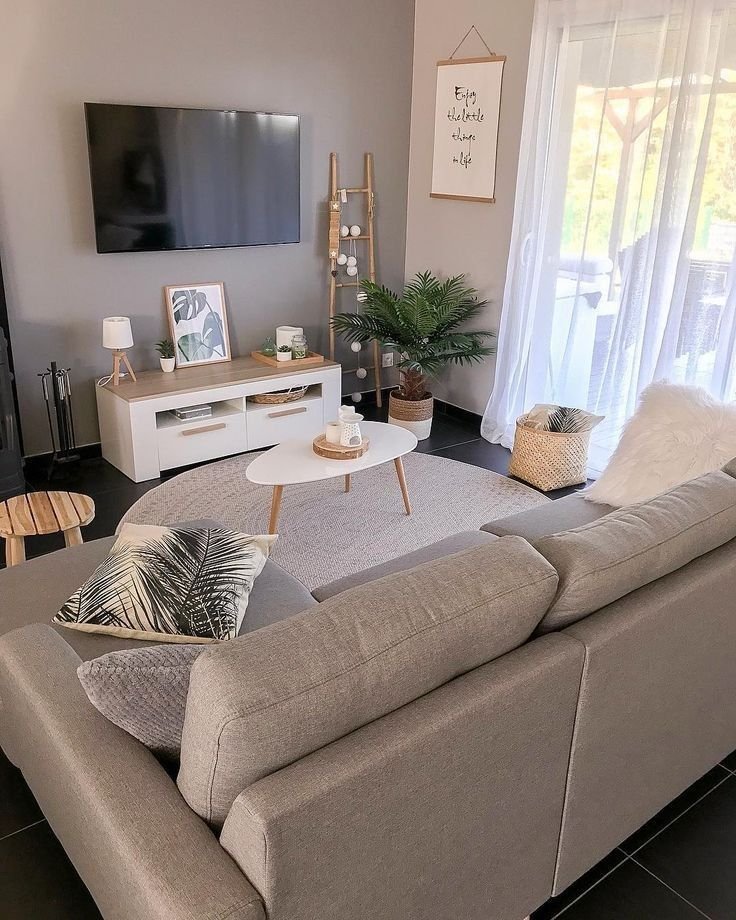
Your rug should serve as an anchor for your furniture, not float in the center like an isolated island. Properly sized rugs can visually expand the room, creating a more cohesive look.
Rug placement rules for small living rooms include: ensuring the front legs of furniture sit on the rug and avoiding tiny accent rugs that interrupt the flow.
8. Use Multi-Functional Furniture
Small living rooms require furniture that pulls double duty. If a piece only serves one purpose, it better excel at that single function.
Consider options such as storage ottomans, nesting tables, and sofa beds, which can save space and keep clutter at bay.
Some of my favorite multi-functional pieces include: ottomans with hidden storage, coffee tables with shelves, and slim console tables that can provide extra surface area without crowding the room.
9. Declutter Like You Mean It
No design trick can survive the presence of clutter. Regardless of how visually appealing your decor is, clutter makes every space feel smaller.
Keep only what you love and use regularly. Consider storing or donating anything that doesn’t serve a purpose in your living room. Ask yourself: does this item enhance the space, or does it merely occupy it?
10. Use Glass and Lucite Pieces
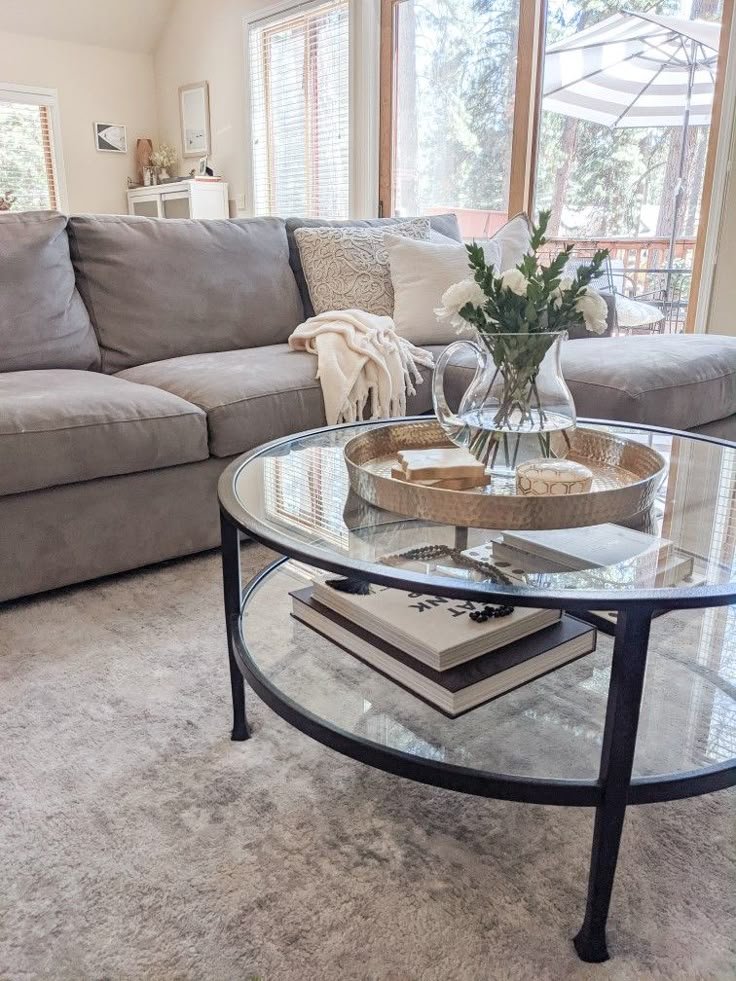
Transparent furniture can give the illusion of more space since it doesn’t obstruct visual flow. Glass coffee tables and acrylic chairs can almost vanish from view, making the room feel more open.
For years, I steered clear of glass furniture, but after trying it, I found it to be a game changer.
11. Keep Window Treatments Light
Heavy drapes can consume visual space and make a room feel smaller. Opt for light, airy window treatments that allow natural light to flood in.
Sheer curtains or light linen panels work beautifully for this purpose. Mount them high and wide to create the illusion of larger windows.
12. Limit Decor and Go Bigger
Too many small decor items can create visual noise, making it harder for the eye to rest. Instead, choose fewer, larger pieces that feel more intentional and calming.
For example, select one statement piece of artwork rather than multiple tiny prints. A single large plant can have a more significant impact than several small ones scattered around the room.
13. Create Clear Pathways
Blocked walkways can instantly make a room feel smaller. Flow is more important than many people realize.
Ensure that you can move freely through the space without having to navigate around obstacles. Clear pathways contribute to a more open and comfortable atmosphere.
When your body can move easily, your mind interprets the room as being more spacious.
Final Thoughts on Making a Small Living Room Look Bigger
Transforming a small living room into a more expansive space does not necessitate costly renovations or hiring professional designers. Instead, it requires thoughtful choices, honest edits, and a dash of visual trickery. I have applied these 13 strategies in real homes with genuine limitations, and they prove effective every single time.
Begin with light colors, appropriate scale, and intentional layout. Edit your space with purpose. Remember, being small doesn’t equate to being boring or uncomfortable; it can feel chic, open, and surprisingly spacious when approached correctly.
So, which tip will you implement first?
It’s Not the Size, It’s the Setup
Furniture that feels oversized, messy storage, dim lighting, and a lack of breathing room can all contribute to a cramped feeling in your living space. Additionally, decor that feels cluttered can exacerbate the issue, making the room feel even smaller.
Light, Color, and Perspective Matter More Than You Think
One large mirror can create a more significant impact than multiple small ones. Leaning mirrors can feel casual and open, while thin frames maintain a light visual weight. Hanging curtains close to the ceiling can also enhance the sense of height in the room.
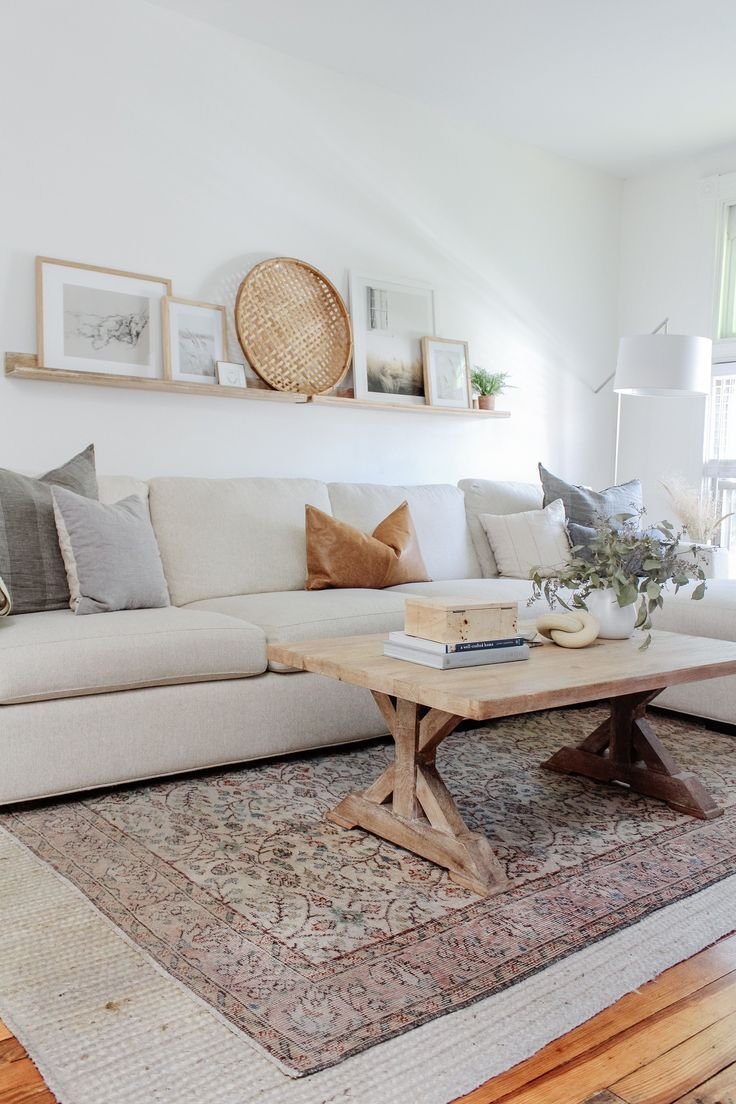
Common Pain Points I Hear All the Time
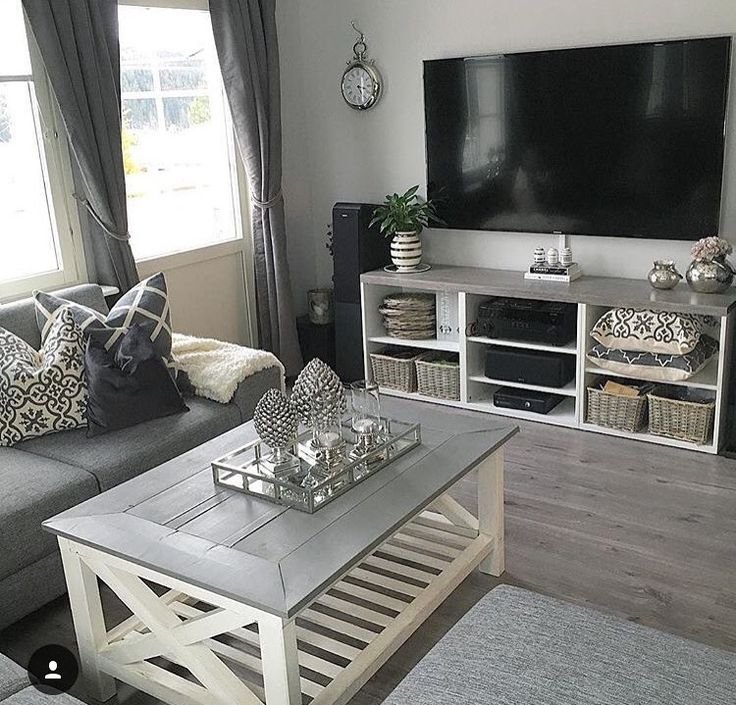
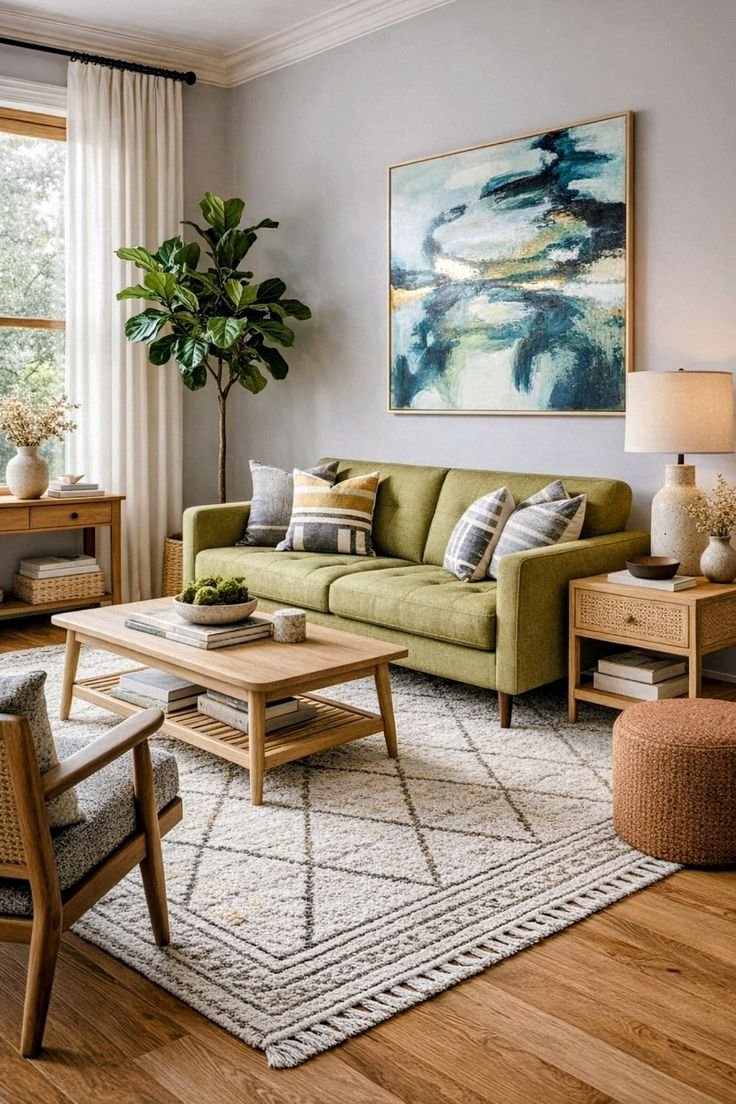
Many people share similar frustrations regarding their small living rooms, including issues with oversized furniture, messy storage, and an overall feeling of darkness. A lack of breathing room can lead to discomfort, while decor that feels cluttered can add to the frustration.
The Goal Isn’t Empty, It’s Balanced
The aim is not to create an empty space but to achieve balance. Strive for a harmonious look that feels spacious yet inviting.
Walls That Visually Expand
Utilizing vertical space through tall bookcases and hanging artwork can create a sense of expansion. Choose wall colors that enhance the feeling of height and openness.
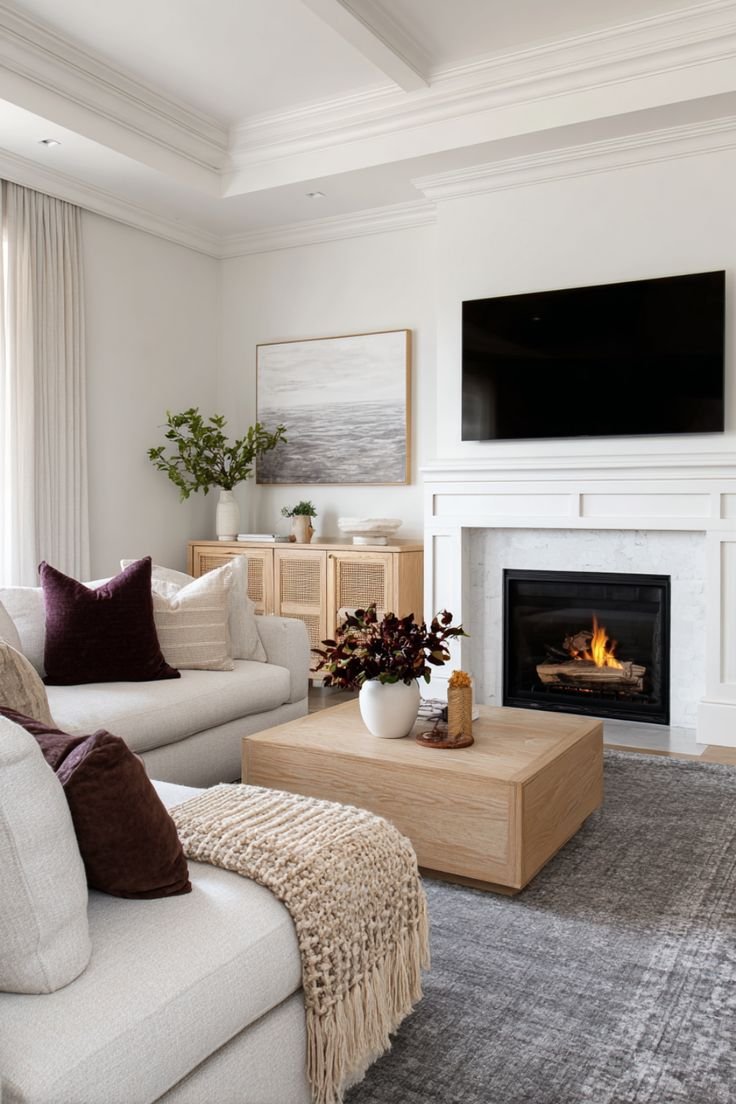
Scale Matters More Than Style
When selecting furniture, consider scale over style. Opt for pieces that suit the proportions of your room, ensuring they enhance rather than overwhelm the space.
Give Your Room Some Breathing Space
Allowing for clear pathways and open movement can significantly enhance the feeling of space in your living room. Design for movement to create a more inviting atmosphere.
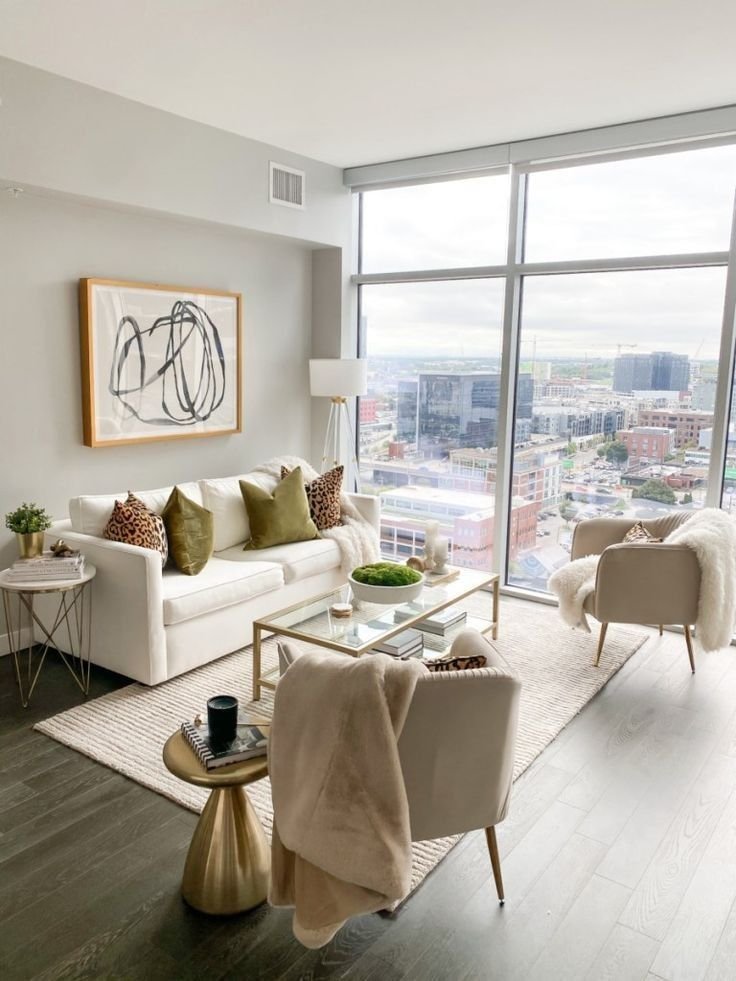
Strategic Mirror Placement
Positioning mirrors thoughtfully can double the light and give the illusion of more space. Use mirrors as design elements that contribute to the overall aesthetic.
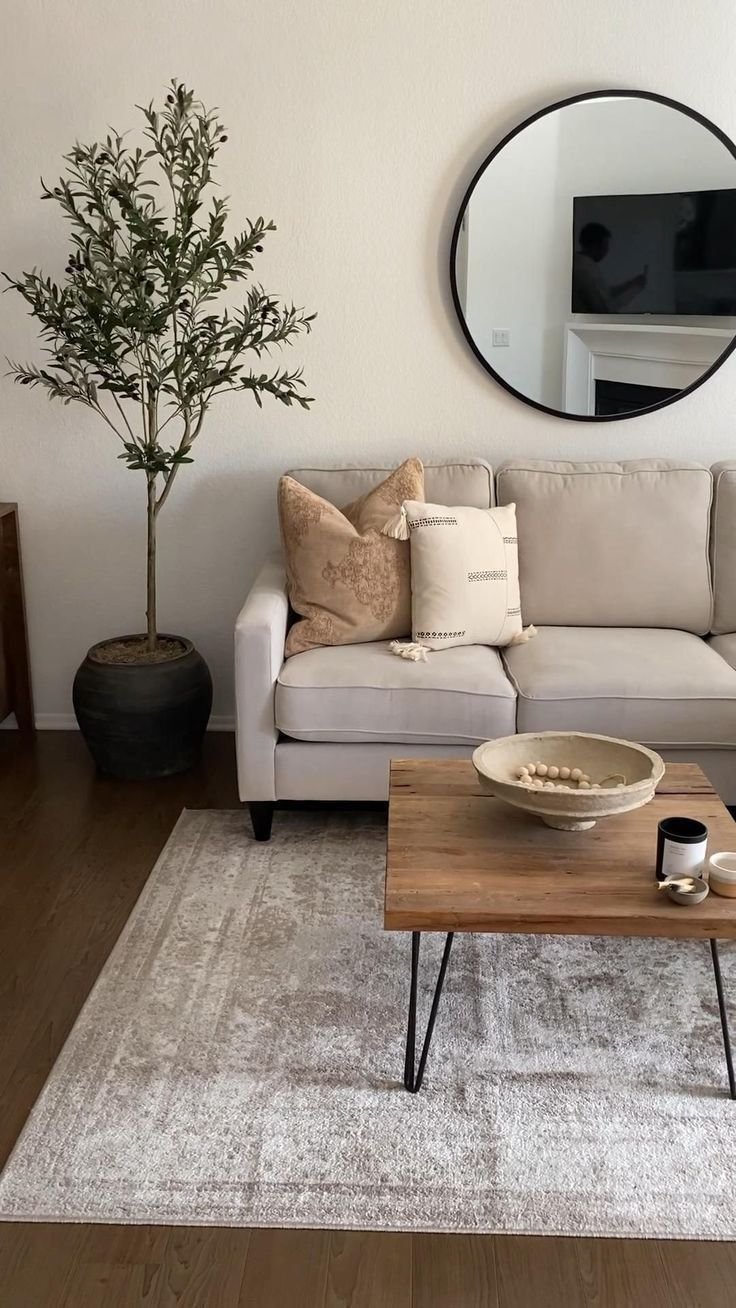
Stick to One Main Palette
A consistent color palette helps create a seamless flow throughout the room. Stick to one main color and layer similar shades to maintain visual cohesion.
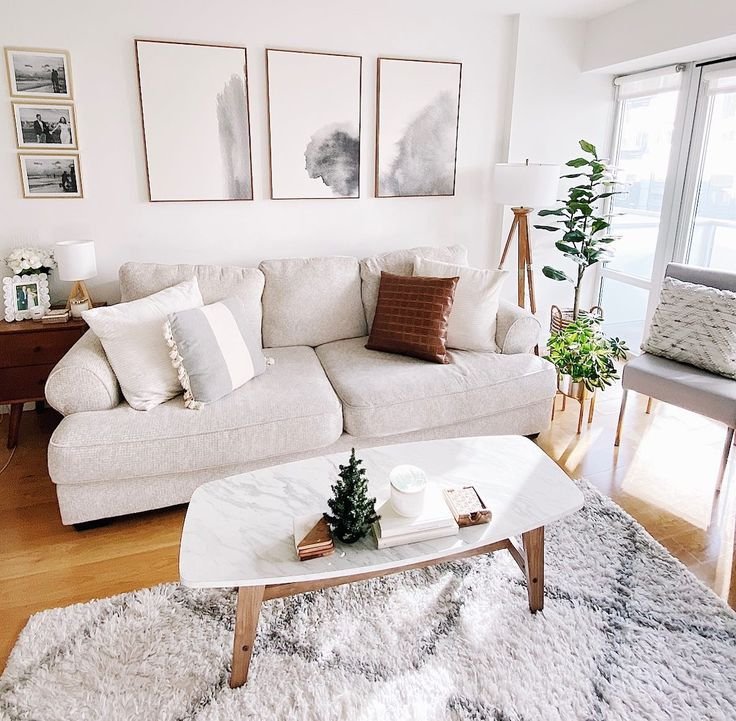
Draw the Eye Upward
Utilize vertical elements to draw the eye upward, creating the illusion of height. Tall bookshelves, vertical artwork, and high-mounted curtains can all contribute to this effect.
Go Bigger Than You Think
When it comes to decor, don’t shy away from larger pieces. One statement item can make a more substantial impact than numerous smaller ones scattered throughout the space.
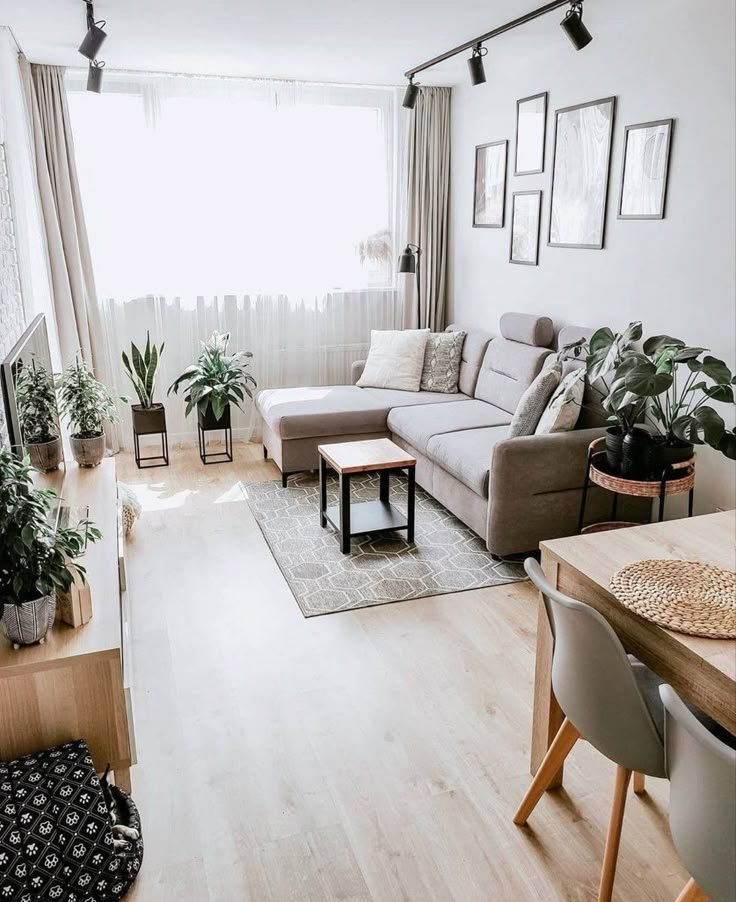
Furniture That Earns Its Place
Choose furniture that serves multiple purposes and complements your lifestyle. Pieces that contribute to both function and aesthetic can help create a more open feel.
Edit Ruthlessly
Be selective about what remains in your space. Remove items that do not serve a purpose or bring you joy. A well-edited space feels much more spacious and inviting.
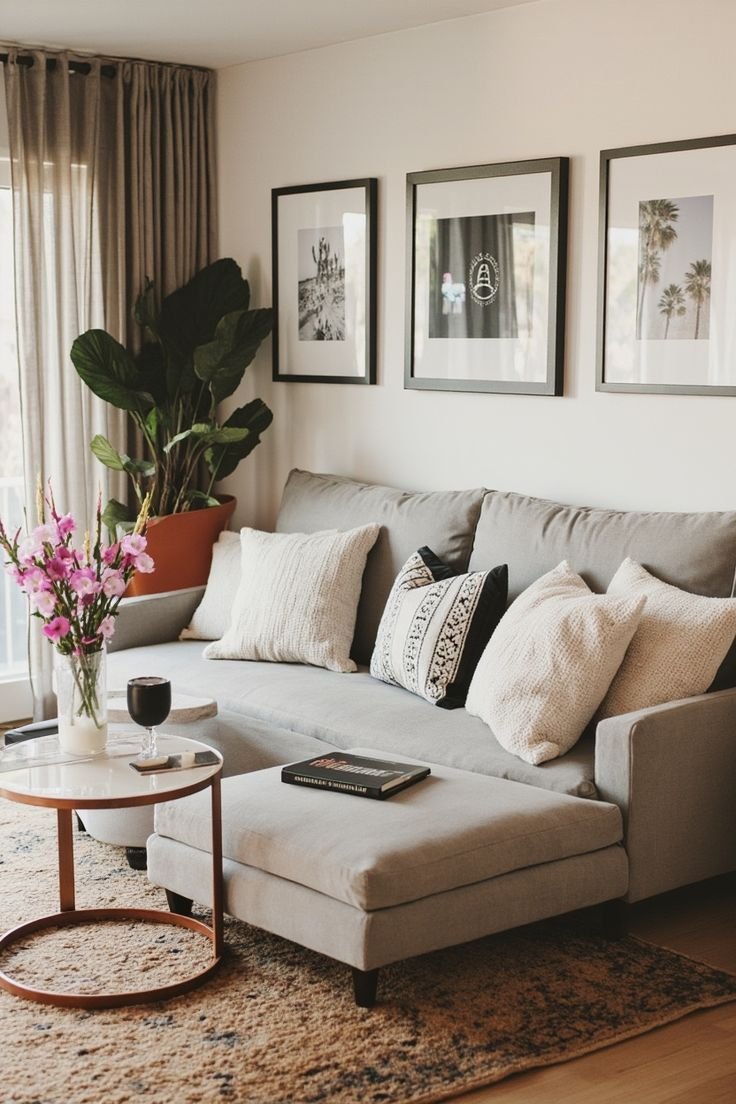
Invisible But Effective
Transparency in furniture can create a sense of openness. Glass and lucite pieces can help maintain visual flow and make the room feel less cluttered.
Let the Light In
Natural light enhances any space, making it feel brighter and more inviting. Opt for light window treatments that allow sunlight to flood the room.
Less Stuff, More Impact
A minimal approach to decor can create a calm and intentional atmosphere. Focus on fewer, larger pieces that draw attention and create a sense of balance.
Design for Movement
Ensure that your living space is designed for easy movement. Clear pathways and open areas contribute to a more spacious feeling, allowing for comfort and flow.