As we approach 2026, the dynamics of kitchen design continue to evolve rapidly. Trends that once defined modern kitchens are now being reevaluated, with a noticeable shift toward warmer color palettes, natural materials, and functional layouts that cater to everyday life. Homeowners are increasingly seeking spaces that are not only aesthetically pleasing but also practical and inviting. Thus, it’s essential to identify which outdated trends to leave behind as you embark on your kitchen remodel.
What’s Replacing These Outdated Trends in 2026?
The landscape of kitchen design is changing, and with it, what is considered stylish and functional. In 2026, the focus is on creating environments that feel warm and welcoming. Instead of chasing after the latest fads, homeowners are opting for timeless designs that incorporate natural elements and thoughtful craftsmanship. This approach enhances the kitchen’s functionality while ensuring it complements the rest of the home.
Understanding what trends are on the way out can help you make informed decisions when redesigning your kitchen. It’s not just about aesthetics; it’s about crafting a space that serves you well, looks good, and stands the test of time. Below, we delve into specific trends that are fading away and their more contemporary alternatives.
1. All-White Kitchens
The all-white kitchen has enjoyed immense popularity over the past decade, but as 2026 approaches, its reign is coming to an end. This sterile aesthetic often leaves spaces feeling uninviting, and maintaining its pristine condition can be a challenge for many homeowners. Every little scratch, stain, and fingerprint becomes glaringly noticeable, making the upkeep demanding.
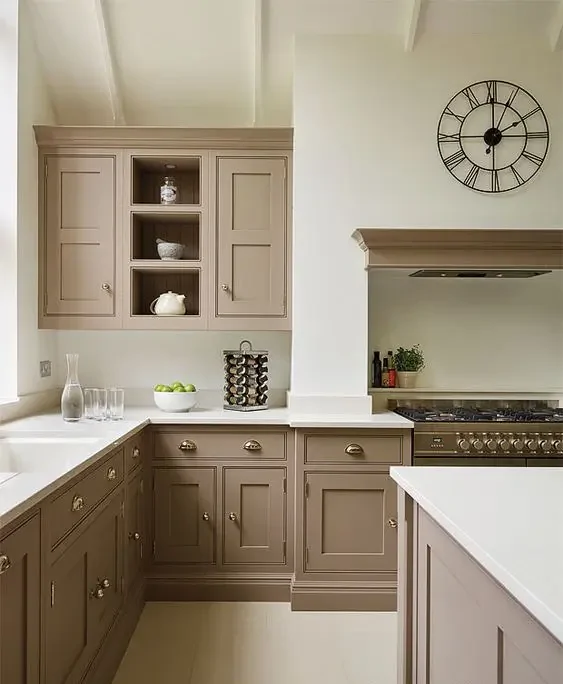
Instead of an all-white palette, consider warm neutrals such as taupe, soft beige, clay, or olive green. These colors not only introduce a sense of warmth but also show less wear over time while retaining a modern appeal. Pairing these tones with wooden accents and textured stone can create stunning visual depth, making for a much more inviting environment.
2. Super Glossy Cabinets
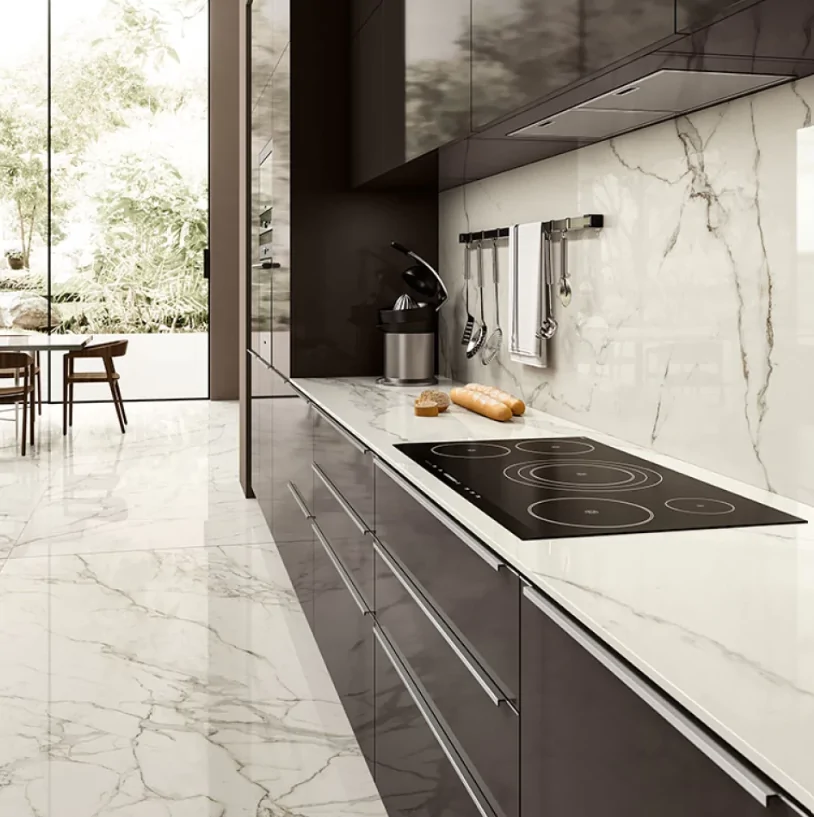
High-gloss cabinets once epitomized modern luxury, but they are now being sidelined for their impracticality. The reflective surfaces tend to showcase every smudge and scratch, leading to a constant battle against imperfections. As a result, designers are moving toward finishes that offer a more refined look without the high maintenance.
Matte, semi-matte, or soft-touch cabinetry is rising in popularity. These finishes provide an elegant aesthetic while being significantly easier to maintain. Light oak cabinetry is particularly favored at the moment, transitioning away from the glossy white surfaces that once dominated kitchen designs.
3. Open Shelving Overload
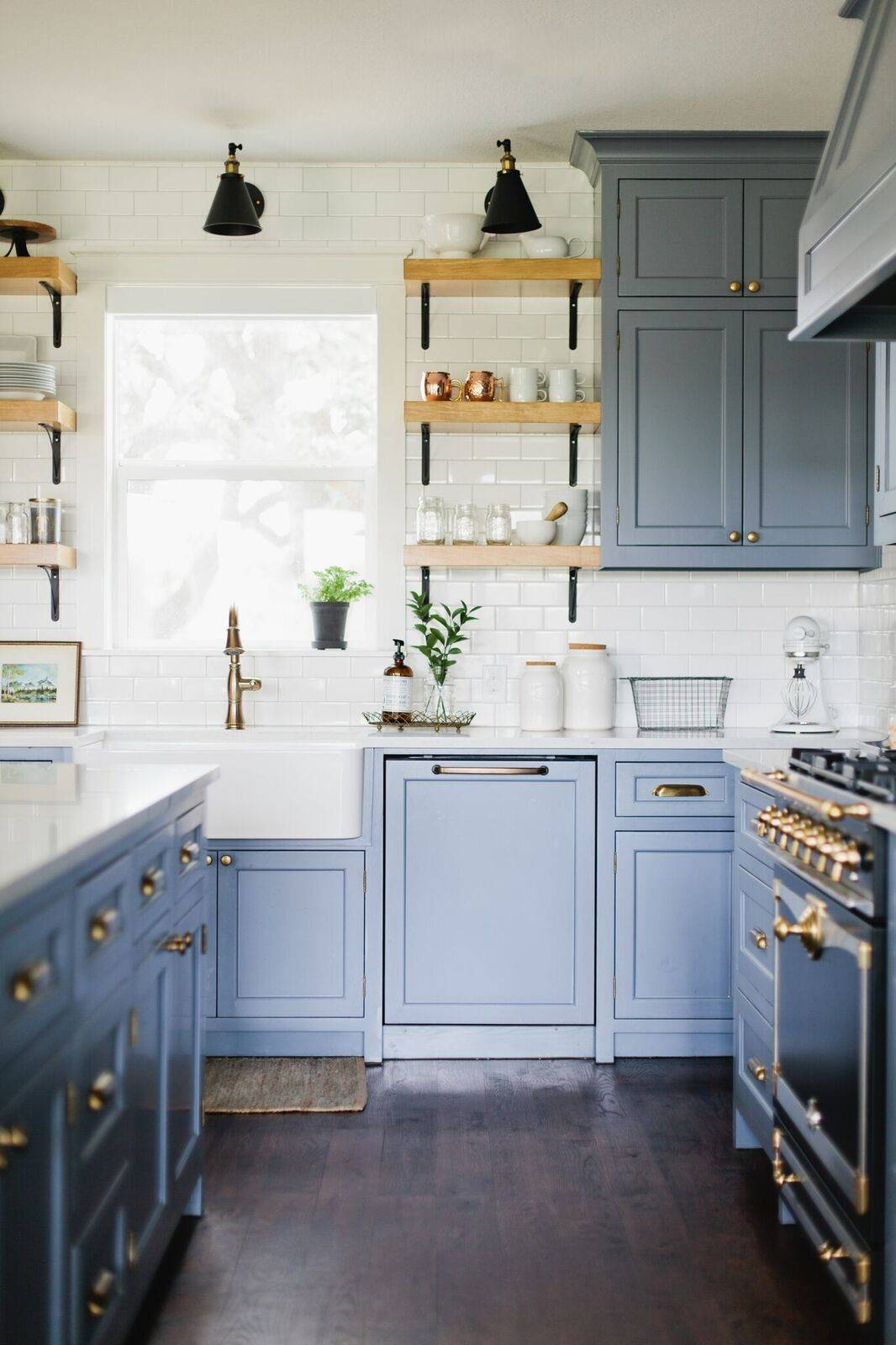
While a few open shelves can add charm to a kitchen, entire walls filled with open storage are starting to feel outdated. This trend can create a cluttered look, as open shelves tend to gather dust and require regular styling to look appealing. For families and busy households, this aesthetic can become a burden rather than a benefit.
The solution is to strike a balance: incorporate one or two open shelves while integrating plenty of closed cabinetry. This approach allows you to display cherished items while keeping everyday essentials tucked away, promoting a cleaner and more organized kitchen environment.
4. Farmhouse Everything
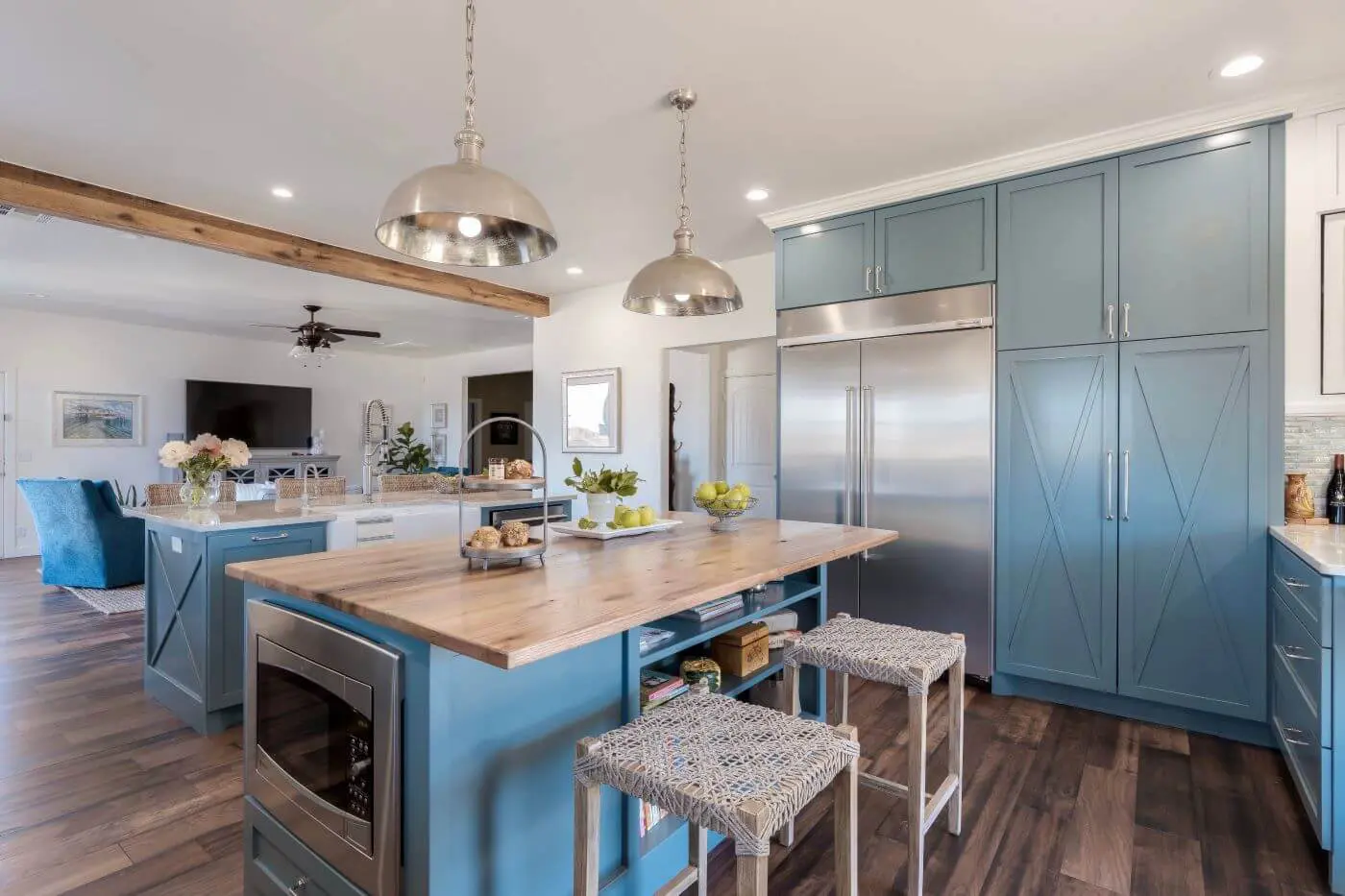
The farmhouse aesthetic, characterized by shiplap walls, barn doors, and rustic finishes, has enjoyed its moment in the spotlight. However, as 2026 approaches, this theme-based approach is becoming overdone. Homeowners are now looking for kitchens that feel timeless and not restricted to a particular trend.
Modern organic design is taking the lead, emphasizing natural woods, clean lines, earthy tones, and subtle architectural details. This style leans into warmth without adhering to a specific theme, allowing for a more personalized and sophisticated kitchen experience.
5. Gray-on-Gray Color Schemes
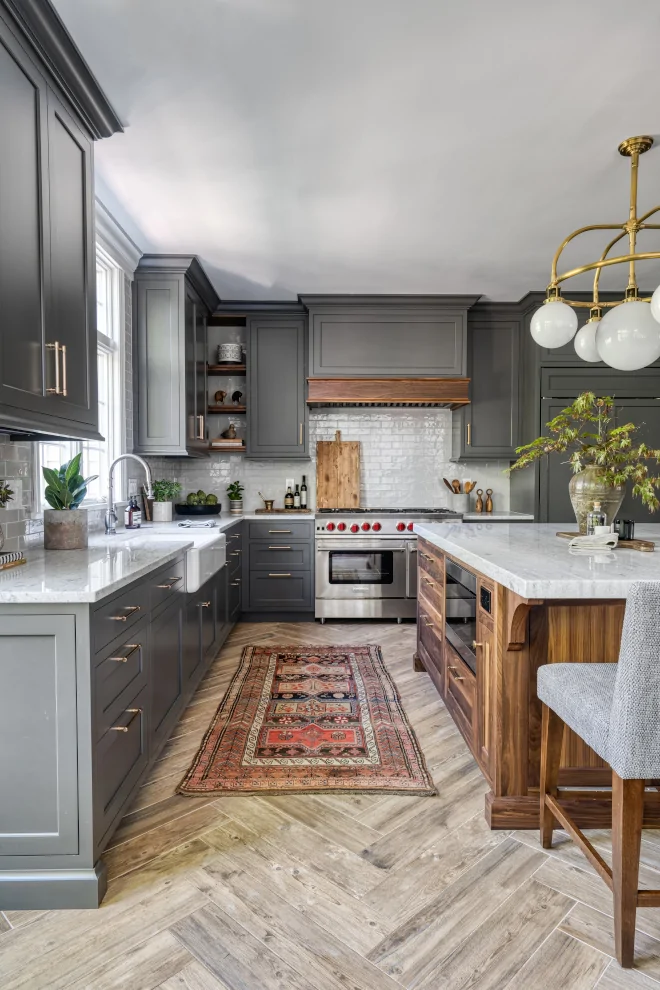
In the past, gray was a go-to color for contemporary kitchens, but its prevalence has led to a sense of flatness and lack of inspiration. Entire kitchens dominated by cool gray tones can render spaces feeling cold and unwelcoming, which is not ideal for a heart of the home.
As an alternative, consider warmer undertones like greige, camel, or deep espresso. These colors introduce depth and richness into the palette, making spaces feel more alive. Even charcoal can work beautifully if paired with warm flooring or natural stone, creating a cohesive and inviting environment.
6. Tiny Backsplash Tiles
Small mosaic tiles and busy patterns may have once been the epitome of chic, but they are quickly falling out of favor. These designs can date a kitchen and make cleaning a hassle due to the excessive grout lines that accumulate dirt over time. Homeowners are opting for a cleaner and more modern aesthetic.
The current trend favors large-format slabs, quartz backsplashes, or simple subway tiles with minimal grout lines. These options feel luxurious and modern while being significantly easier to maintain, allowing for a more streamlined look that enhances the overall kitchen design.
7. Overhead Pot Racks
Once a staple for adding character and functionality to kitchens, overhead pot racks are starting to feel cluttered and obstructive in 2026. Most homeowners now prefer a streamlined look that promotes open sightlines and reduces visual noise.
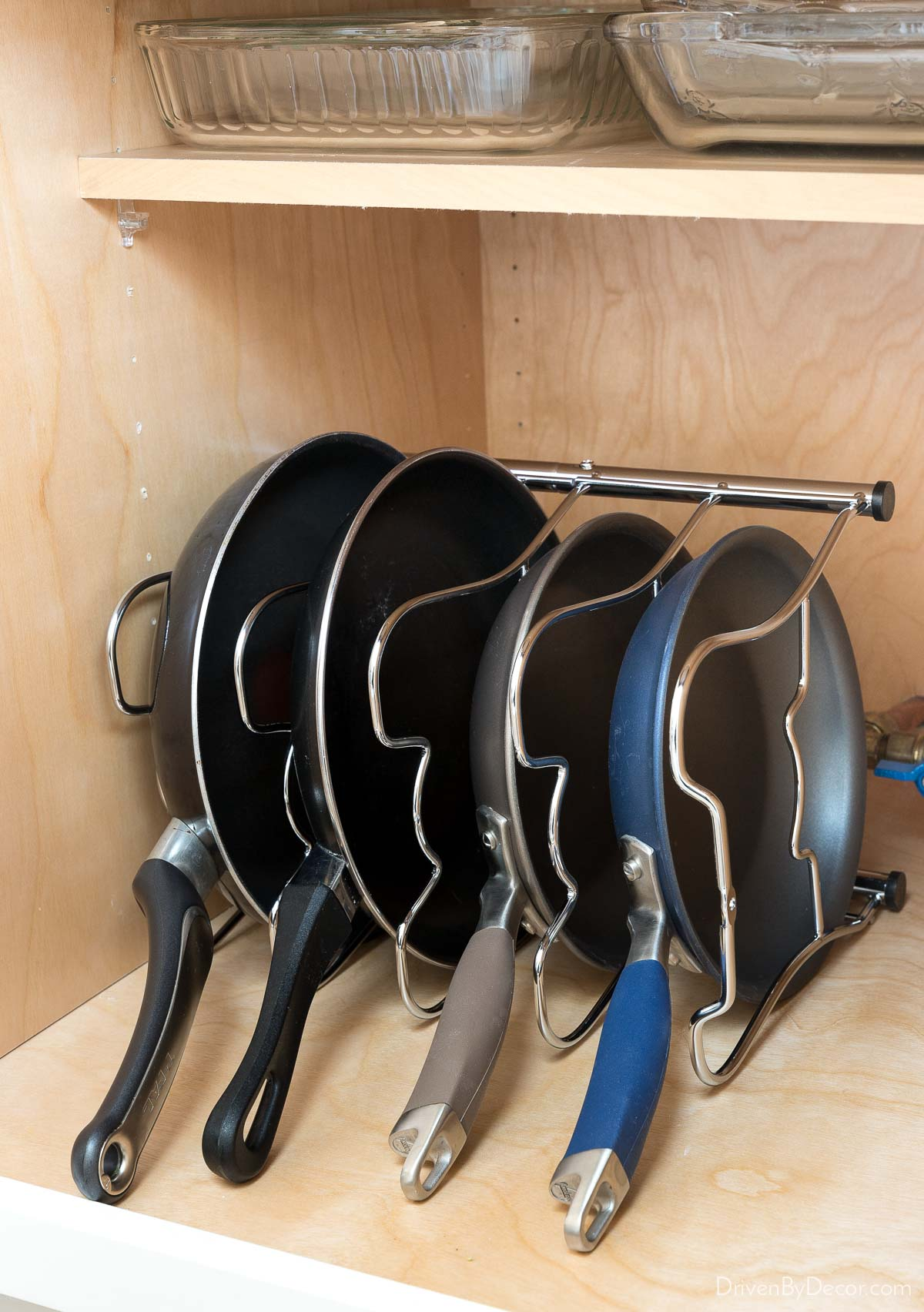
Instead of hanging pots, consider deep drawers for cookware or built-in organizers. Wall-mounted rail systems that blend seamlessly into the kitchen design are also a great way to keep pots and pans accessible without sacrificing aesthetics. This ensures that kitchen islands serve multiple functions, contributing to both storage and style.
8. Dark, Heavy Granite
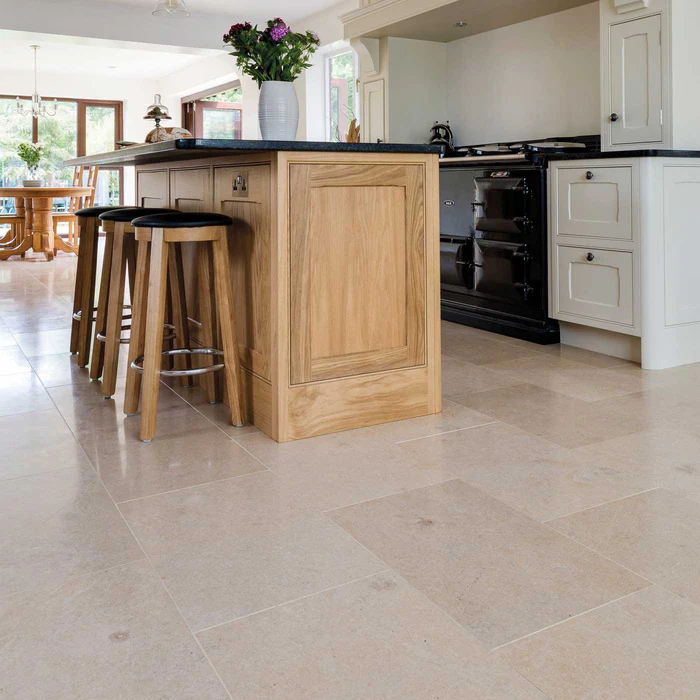
The thick, speckled granite countertops that were once all the rage are officially regarded as outdated. These heavy materials can absorb light and restrict color choices, making kitchens feel visually heavy and dark.
In their place, lighter options such as quartz, marble-look surfaces, and warm-toned granite with subtle movement are preferred. These materials not only brighten up the space but also feel more contemporary and inviting. Pairing these counters with maple cabinetry can create a harmonious and stylish kitchen environment.
9. Industrial-Style Fixtures
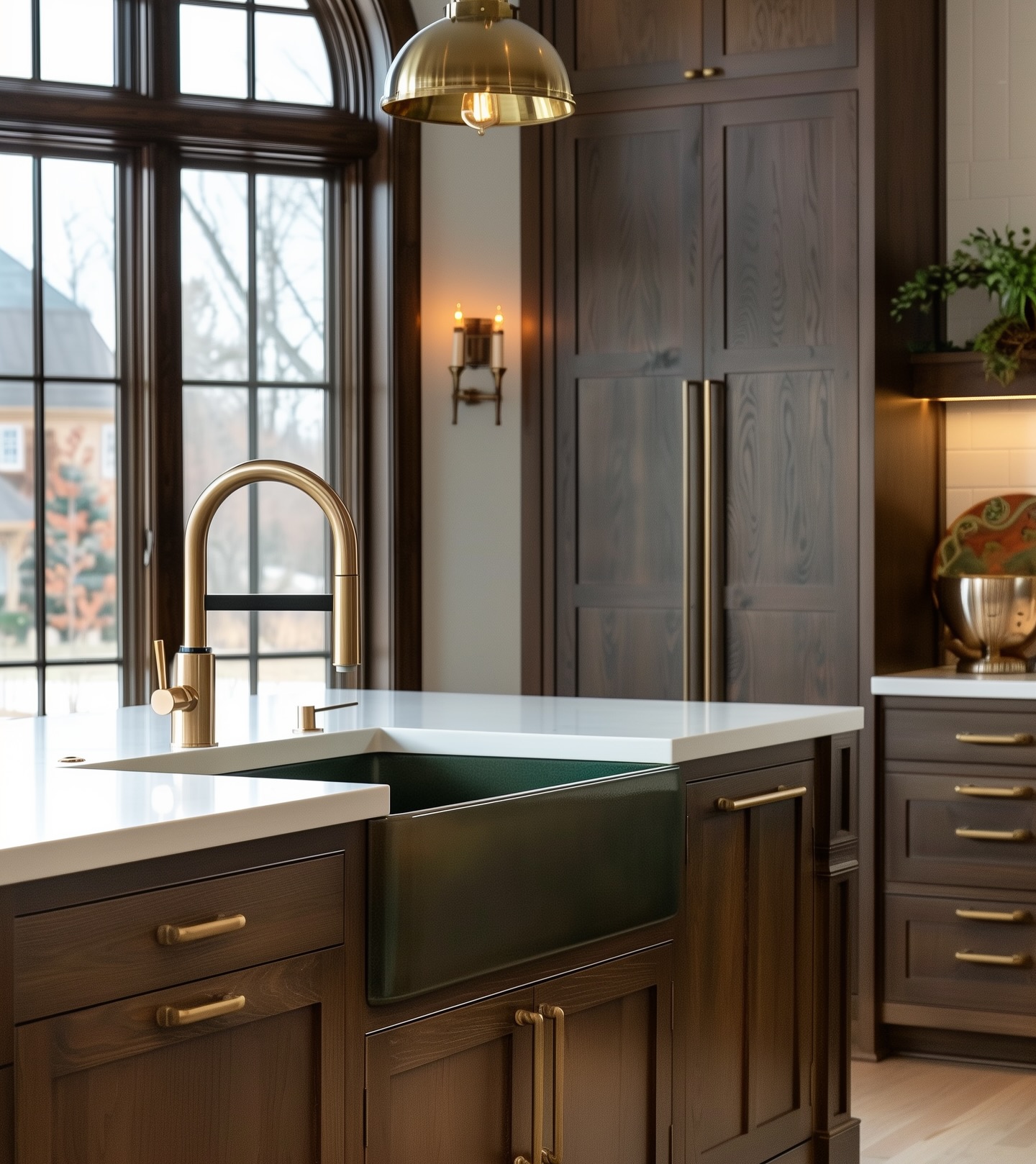
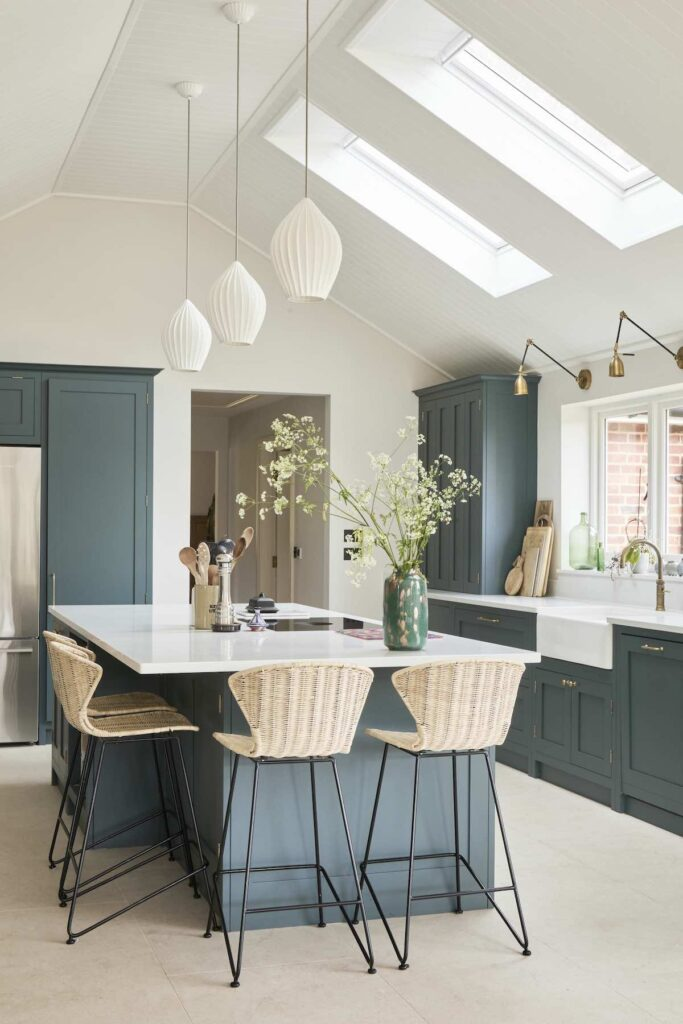
Industrial-style fixtures, including exposed bulbs and cage pendants, have lost their appeal as they can impart a harsh, overly themed feel to the kitchen. Homeowners are now looking for softer, more modern lighting solutions that enhance the overall ambiance of the space.
Lighting fixtures with curved silhouettes and warm diffused light are increasingly favored. Finishes such as champagne bronze, muted black, or brushed nickel bring a touch of elegance to kitchen design. Thoughtfully chosen lighting can transform a kitchen into a welcoming and inviting space.
10. Ultra Minimalist Kitchens
The trend of ultra-minimalism, characterized by stark, handle-less cabinets and empty surfaces, is being replaced by a more inviting approach. Homeowners are no longer interested in clinical spaces; instead, they desire kitchens that are full of personality and warmth.
Soft minimalism is on the rise, combining clean lines with cozy elements like natural stone, textured fabrics, and sculptural hardware. This aesthetic maintains a degree of simplicity while ensuring that the kitchen feels warm and lived-in, striking a balance between minimalism and comfort.
11. Cabinets Without Handles
Handle-less cabinets may have initially seemed futuristic, but they often prove impractical for daily use. The sleek appearance can lead to frustration, making access more challenging while also being prone to collecting fingerprints.
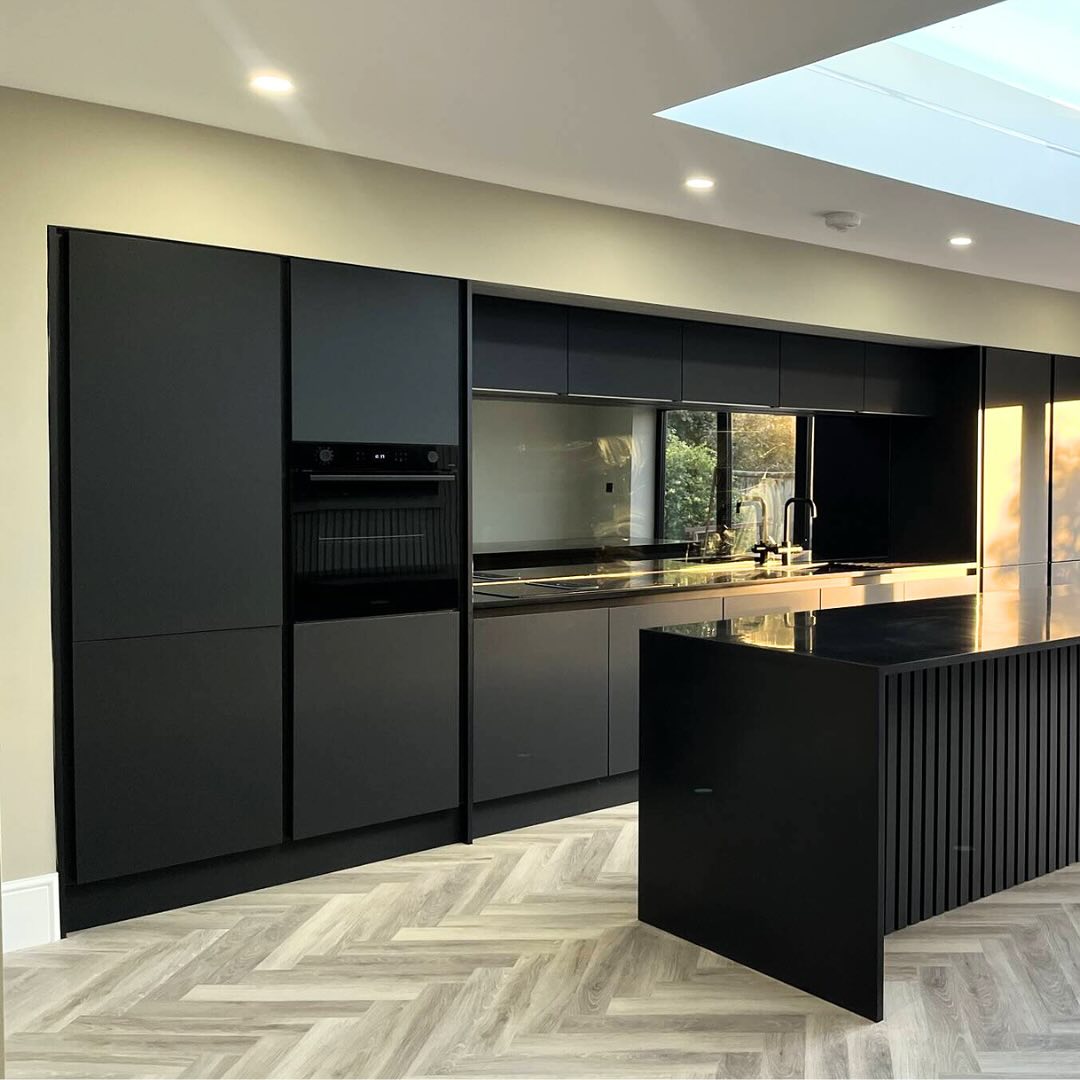
Instead, consider incorporating slim modern hardware or integrated pulls that enhance functionality without overwhelming the design. Two-tone cabinet approaches can also simplify hardware selection, allowing for greater flexibility in design without compromising on style.
12. Busy Patterned Floors
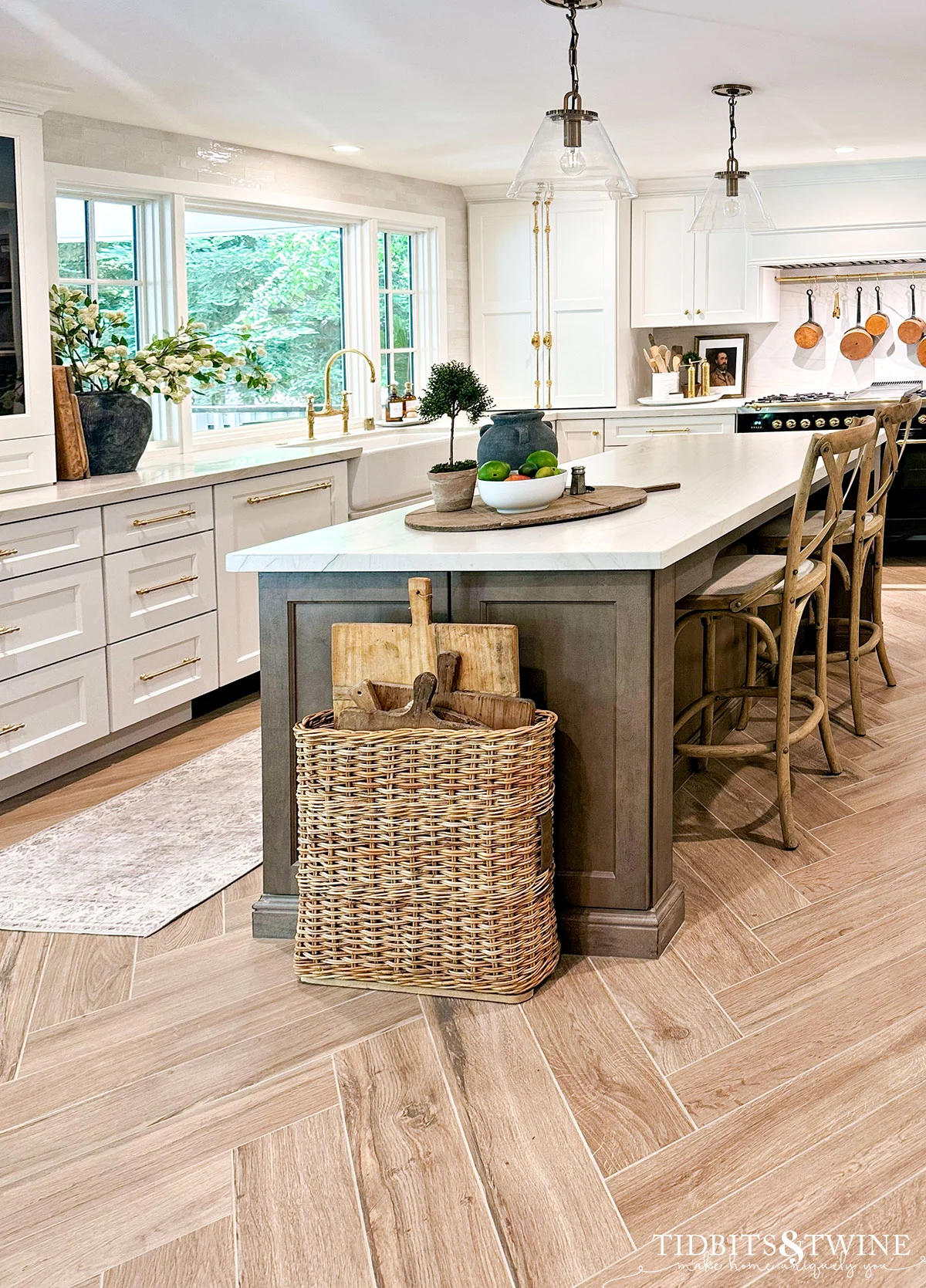
Bold patterned floors, including Moroccan tiles and patchwork designs, are rapidly losing their appeal in kitchens. These designs can quickly date a space and overwhelm the overall aesthetic, making them less desirable for contemporary homeowners.
Neutral stone-look tiles, herringbone wood floors, or wide-plank luxury vinyl are emerging as more timeless choices. These flooring options create a clean and light foundation that can withstand the test of time, ensuring that your kitchen remains stylish and relevant for years to come.
13. Over-Decorated Countertops
The trend of cluttered countertops filled with tiered trays, signs, and seasonal décor is fading. Homeowners are increasingly favoring cleaner surfaces that exude simplicity and sophistication.
A few carefully selected sculptural pieces, such as a statement vase or a beautiful bowl of fruit, can enhance the aesthetic without overwhelming the space. This approach not only looks more expensive but also allows for a more functional kitchen environment where surfaces are clear and inviting.
14. Black Stainless Steel Appliances
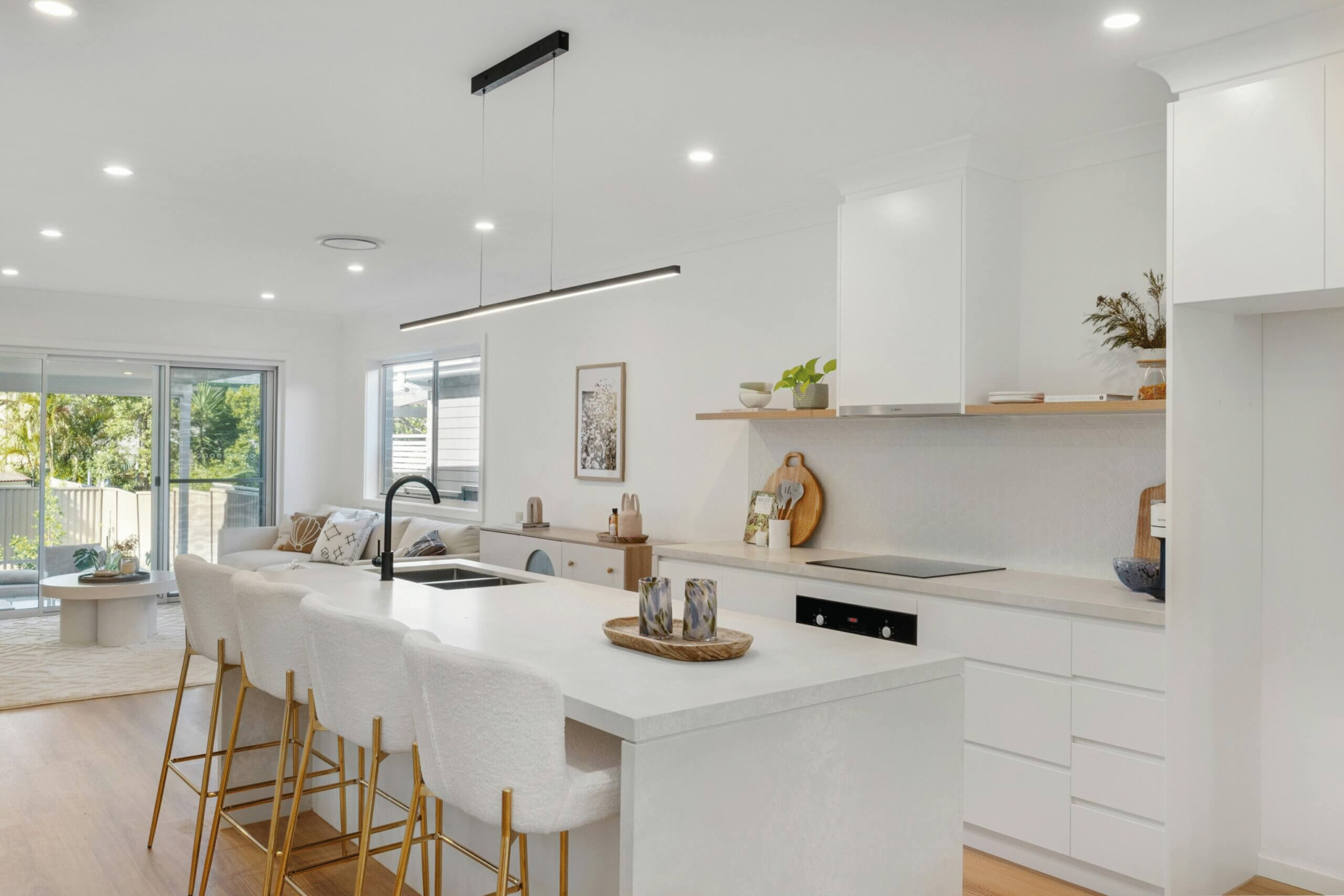
Initially perceived as a modern alternative, black stainless steel appliances are becoming less popular due to their susceptibility to scratches and difficulty in matching across brands. As we move into 2026, designers are shifting their focus to more versatile and timeless appliance finishes.
Classic stainless steel, panel-ready appliances, or modern matte white finishes are gaining traction. The return to warmer palettes, particularly influenced by Mediterranean designs, showcases how these finishes can integrate seamlessly into kitchen aesthetics without relying on fleeting trends.
15. High Bar Counters
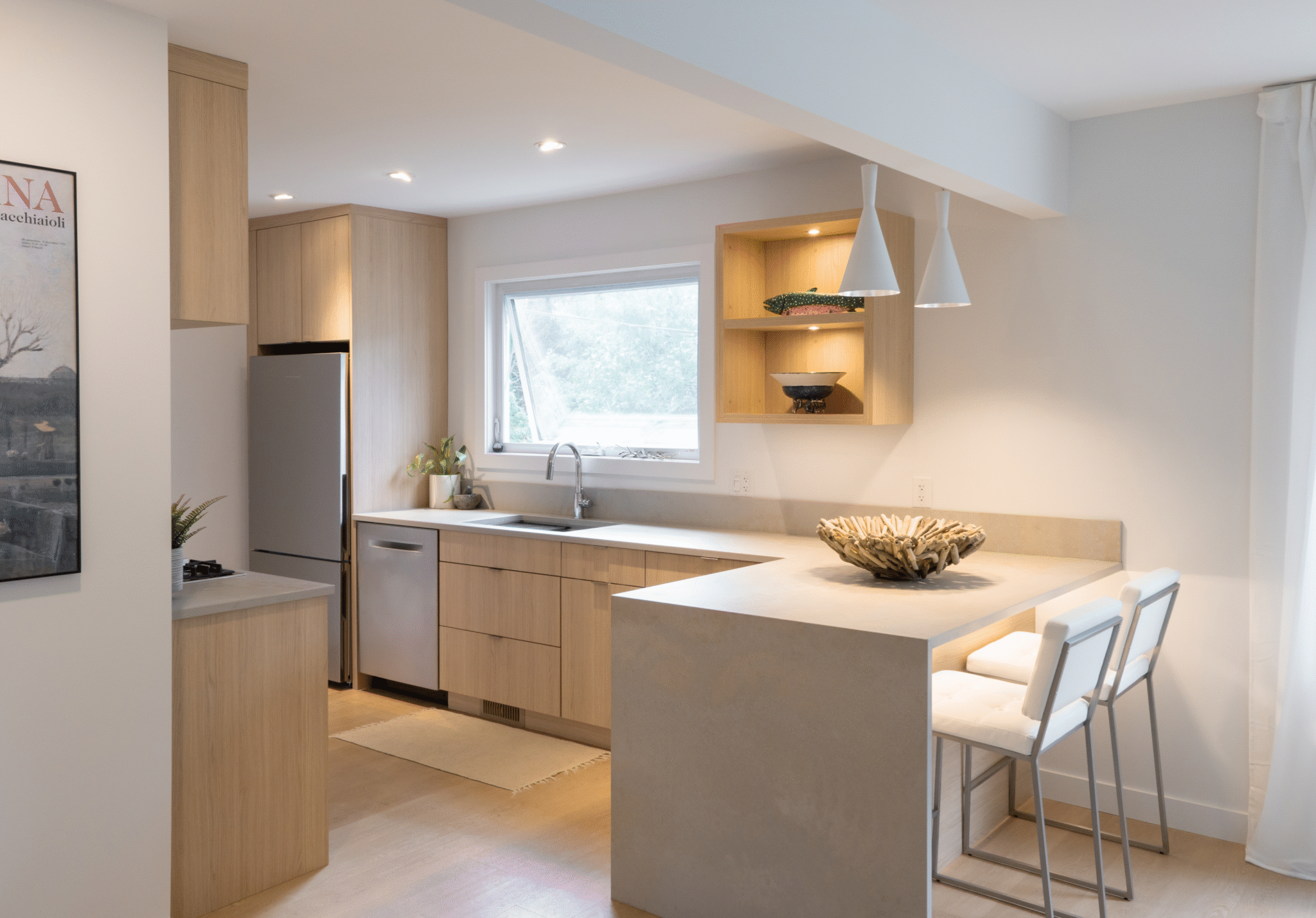
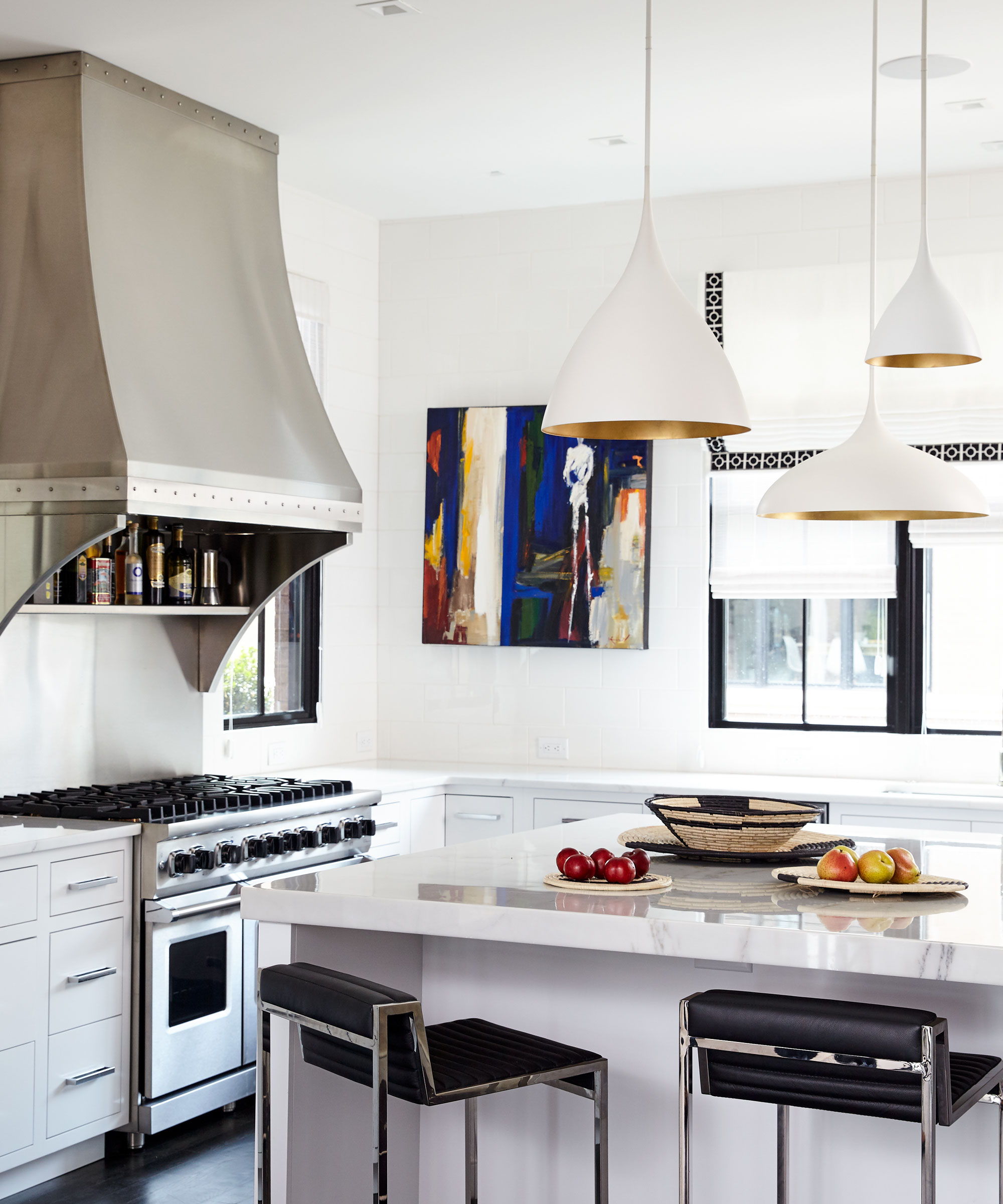
Raised bar countertops, once seen as a stylish divide within kitchens, are now considered to make spaces feel smaller and more outdated. This design choice often limits usable surface area and can disrupt the flow of a kitchen.
Instead, homeowners are opting for waterfall islands or wide, single-level countertops that create an open and luxurious appearance. This design promotes a seamless transition between spaces, enhancing the kitchen’s functionality and visual appeal.
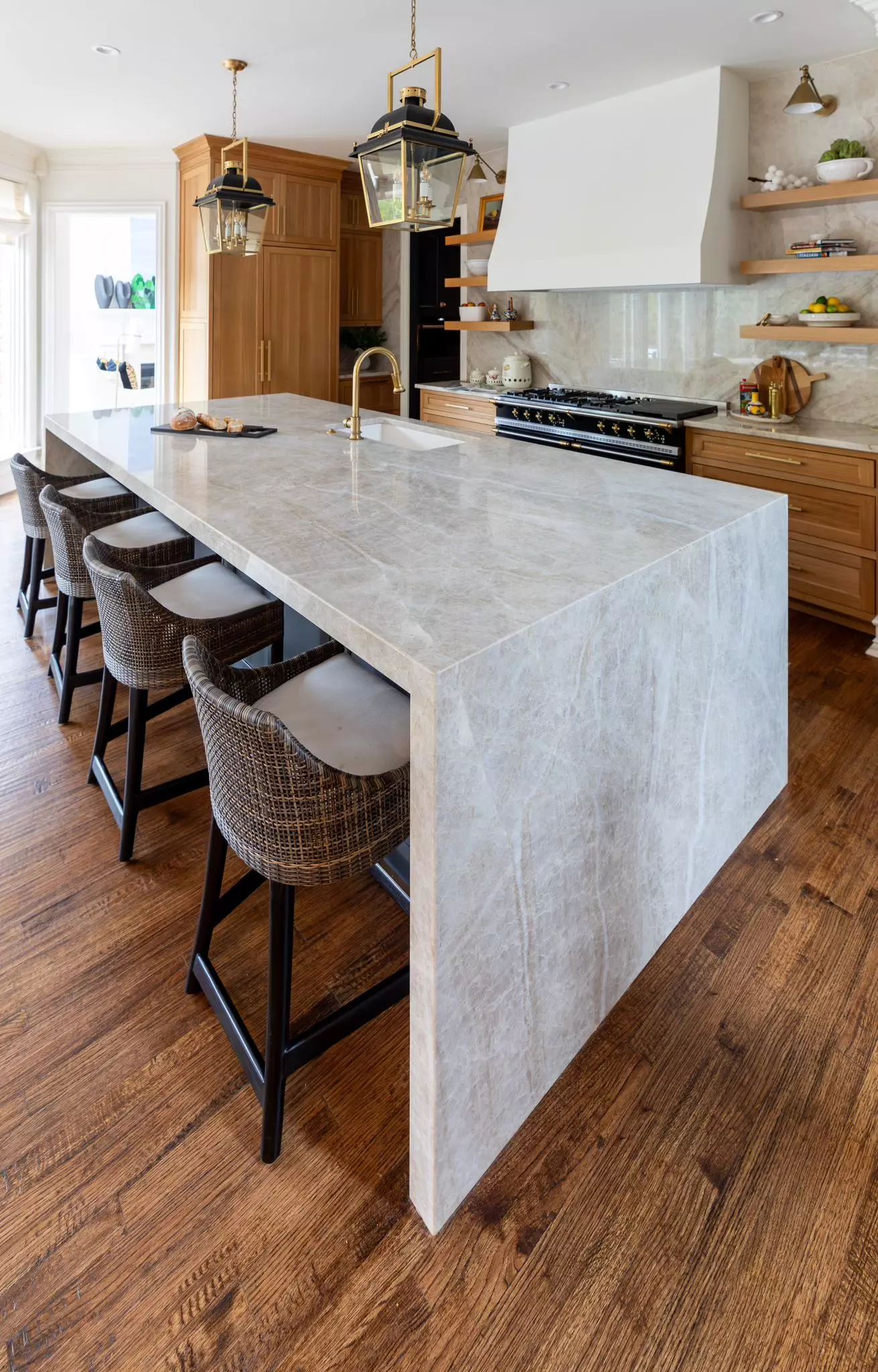
The overarching trend in kitchen design is moving towards creating spaces that feel warm, natural, and intentionally designed. Homeowners are focusing on natural stone with subtle movements, warm woods, organic shapes, and high-quality materials that prioritize functionality over flashy aesthetics.
Designers worldwide agree: kitchens in 2026 should be grounding, welcoming, and built to last. By avoiding outdated trends and embracing timeless elements, your kitchen can remain stylish for years to come, reflecting both your personal style and the evolving nature of home design.